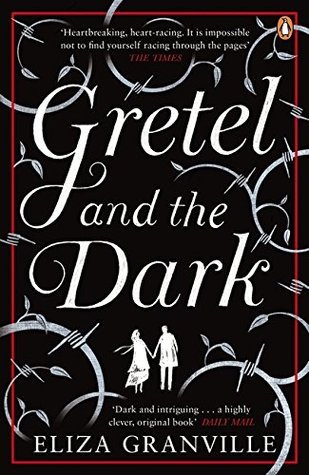
Gretel and the Dark
Book Description
In a world where darkness looms and fairy tales twist into nightmares, Gretel finds herself ensnared in a sinister web of magic and betrayal. As memories of her brother fade and haunting visions invade her dreams, she wrestles with the truth of their past and the sinister forces at play. With the line between ally and enemy blurring, she must navigate a treacherous path filled with danger and deception. Each discovery deepens the sinister mystery, pulling her further into a realm where the clock is ticking. Will Gretel reclaim her family and her life, or will the shadows consume her?
Quick Book Summary
"Gretel and the Dark" by Eliza Granville masterfully blends elements of historical fiction, dark fantasy, and the psychological horror of fairy tales. Set against the backdrop of pre-war Vienna and wartime Germany, the novel follows two intertwined narratives: a psychiatric patient named Lilie, who believes herself to be a machine, and a German-Jewish girl named Krysta, haunted by stories and her own traumatic past. As memories fade and magical visions disrupt reality, the characters confront layers of deception, pain, and the perilous allure of stories. The novel explores the complexities of memory, the transformative power of storytelling, and the shadowy forces of trauma and evil. Granville weaves real historical horrors with fantastical elements, creating a haunting atmosphere where the boundaries between ally and enemy, reality and myth, blur into darkness. Ultimately, Gretel must confront the truth of her past and the menacing forces circling her fragile world.



Summary of Key Ideas
Table of Contents
The Transformative Power of Storytelling
The narrative is set in two time periods, alternating between early 20th-century Vienna and wartime Germany. In Vienna, Dr. Josef Breuer, a lauded psychoanalyst, encounters a mysterious woman, Lilie, who insists she isn't human but a machine with a purpose. Her enigmatic presence unsettles Breuer and serves as a catalyst for uncovering deeper truths. Meanwhile, in wartime Germany, young Krysta struggles with the loss of her mother and the growing menace of Nazi power. Her father, a doctor at a sinister camp, leaves her isolated and vulnerable to the horrors encroaching upon her childhood.
The Blur Between Reality and Fantasy
Fairy tales run through both narratives, not as comforting myths, but as stories with the power to both heal and harm. Krysta’s memories and interpretations of tales like Hansel and Gretel morph and tangle with her grim reality; fantasy becomes a means of escape and a mirror to trauma. Lilie’s story similarly absorbs and twists fairy tale motifs, using them to conceal dark truths and hidden agendas. Through vivid, unsettling imagery, the book shows how stories can reflect evil, impart resilience, and, at times, mislead.
Trauma, Memory, and Identity
The characters are shaped by trauma and the unreliability of memory. Krysta’s perspective is fragmented, as her childish understanding warps in the face of unimaginable terror. She loses her grip on what is real as she tries to reconcile her fairy tale world with the brutality around her. Likewise, Lilie’s insistence that she is not human speaks to the dissociation wrought by trauma, binding the two narratives together in their shared confusion, loss, and search for identity.
The Nature of Evil and Betrayal
Granville explores evil not just as an external force, but as something embedded in family, authority, and society. Deception and betrayal thread through the novel: allies become enemies, and the line between victim and perpetrator dissolves. The adults who should protect Krysta are complicit in or blind to atrocities. The fairy tale framework underscores the moral uncertainties at play—there are no clear heroes or villains, only survivors grappling with impossible choices, lingering nightmares, and lost innocence.
Survival Amid Darkness
Ultimately, "Gretel and the Dark" is a meditation on survival within darkness. Krysta—like Lilie—must navigate the dangers of a world gone mad, using wit, will, and imagination as tools for endurance. The novel’s haunting conclusion suggests that while stories can both distort and redeem, facing the shadowy truth is necessary for any hope of reclaiming life and connection. Granville’s blend of horror, history, and fantasy invites readers to reckon with the lasting impact of trauma and the complex solace of storytelling.
Download This Summary
Get a free PDF of this summary instantly — no email required.