10 Books Similar to "The Book of Words"
by Jenny Erpenbeck

The Dark Room

"The Dark Room" by Rachel Seiffert explores the lasting echoes of Germany's Nazi past through three interconnected novellas, each focusing on a different generation. From a photographer during World War II who witnesses and documents atrocities, to a young woman grappling with her grandfather's wartime actions, and finally to a contemporary character confronting the lingering prejudice, the novel delves into personal complicity, collective memory, and the struggle for reconciliation.
Both "The Dark Room" and "The Book of Words" skillfully navigate the complexities of historical trauma and its transmission across generations within Germany. Erpenbeck's novel uses a child's perspective to illuminate the silence and ambiguities surrounding a family's past, much like Seiffert examines how unspoken truths and inherited guilt shape individual identities. Both authors employ subtle, introspective prose to explore how national history infiltrates personal lives, creating a persistent sense of unease and unanswered questions.
This book offers a profound examination of how societies confront difficult histories and the ways individuals seek meaning and atonement. Its nuanced portrayal of guilt, responsibility, and the human capacity for both cruelty and resilience makes it a valuable and thought-provoking read, inviting contemplation on the weight of the past and its indelible impact on the present.
The Dark Room
"The Dark Room" by Rachel Seiffert explores the lasting echoes of Germany's Nazi past through three interconnected novellas, each focusing on a different generation. From a photographer during World War II who witnesses and documents atrocities, to a young woman grappling with her grandfather's wartime actions, and finally to a contemporary character confronting the lingering prejudice, the novel delves into personal complicity, collective memory, and the struggle for reconciliation.
Both "The Dark Room" and "The Book of Words" skillfully navigate the complexities of historical trauma and its transmission across generations within Germany. Erpenbeck's novel uses a child's perspective to illuminate the silence and ambiguities surrounding a family's past, much like Seiffert examines how unspoken truths and inherited guilt shape individual identities. Both authors employ subtle, introspective prose to explore how national history infiltrates personal lives, creating a persistent sense of unease and unanswered questions.
This book offers a profound examination of how societies confront difficult histories and the ways individuals seek meaning and atonement. Its nuanced portrayal of guilt, responsibility, and the human capacity for both cruelty and resilience makes it a valuable and thought-provoking read, inviting contemplation on the weight of the past and its indelible impact on the present.
Fugitive Pieces
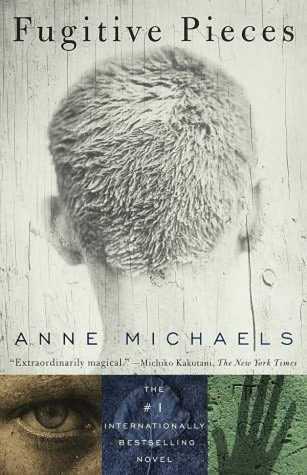
Anne Michaels' "Fugitive Pieces" centers on two individuals whose lives are irrevocably shaped by loss and displacement. Jacob Beer, rescued as a child from the Holocaust, carries the trauma and memory of his murdered family. Later, Ben, a young man grappling with his own identity and losses, becomes captivated by Jacob's written legacy. The novel explores how memory is constructed and transmitted across generations, and how art, particularly poetry, can both bear witness to suffering and offer a path to healing. It’s a profound meditation on the enduring presence of the past.
The similarity to Erpenbeck's "The Book of Words" lies in their shared exploration of how historical trauma imprints itself on the individual and subsequent generations. Both novels meticulously dissect the psychological landscape of characters grappling with profound loss and the often-unspoken burdens of history. They delve into the power of language and narrative to both reconstruct and escape the past, demonstrating a sophisticated understanding of how memory, identity, and displacement interweave.
This book will appeal to those who value deeply introspective and beautifully written narratives that probe the human condition in the face of immense suffering. Its lyrical prose and philosophical depth offer a rewarding experience for anyone interested in the legacy of trauma, the redemptive power of art, and the complex relationship between personal and collective memory. It's a testament to resilience and the enduring human spirit.
Fugitive Pieces
Anne Michaels' "Fugitive Pieces" centers on two individuals whose lives are irrevocably shaped by loss and displacement. Jacob Beer, rescued as a child from the Holocaust, carries the trauma and memory of his murdered family. Later, Ben, a young man grappling with his own identity and losses, becomes captivated by Jacob's written legacy. The novel explores how memory is constructed and transmitted across generations, and how art, particularly poetry, can both bear witness to suffering and offer a path to healing. It’s a profound meditation on the enduring presence of the past.
The similarity to Erpenbeck's "The Book of Words" lies in their shared exploration of how historical trauma imprints itself on the individual and subsequent generations. Both novels meticulously dissect the psychological landscape of characters grappling with profound loss and the often-unspoken burdens of history. They delve into the power of language and narrative to both reconstruct and escape the past, demonstrating a sophisticated understanding of how memory, identity, and displacement interweave.
This book will appeal to those who value deeply introspective and beautifully written narratives that probe the human condition in the face of immense suffering. Its lyrical prose and philosophical depth offer a rewarding experience for anyone interested in the legacy of trauma, the redemptive power of art, and the complex relationship between personal and collective memory. It's a testament to resilience and the enduring human spirit.
Siegfried: A Black Idyll

"Siegfried: A Black Idyll" explores the fascinating and unsettling idea of a direct descendant of Adolf Hitler existing in the modern world. It delves into the weighty implications for this individual and for humanity, grappling with questions of inherited guilt, destiny, and the nature of evil. Mulisch meticulously constructs a narrative that is as much a philosophical inquiry as it is a fictional biography, engaging deeply with the historical trauma of the Holocaust through a highly personalized lens.
The similarity to "The Book of Words" lies in both novels' profound engagement with the legacies of historical atrocities and their exploration of how these past events manifest in individual lives and identities across generations. Both authors utilize a singular, often isolated, character figure to examine the psychological and existential burdens imposed by historical trauma, employing a sophisticated, intellectual approach to complex moral dilemmas. "Siegfried" shares Erpenbeck's methodical introspection into the weight of history.
This book will appeal to those who appreciate intellectually stimulating fiction that confronts the darkest corners of human history and psychology. Its value lies in its courageous examination of inherited responsibility and identity, offering a unique perspective on the indelible impact of historical events. It is a thought-provoking and meticulously crafted work that challenges readers to consider the enduring shadows of the past.
Siegfried: A Black Idyll
"Siegfried: A Black Idyll" explores the fascinating and unsettling idea of a direct descendant of Adolf Hitler existing in the modern world. It delves into the weighty implications for this individual and for humanity, grappling with questions of inherited guilt, destiny, and the nature of evil. Mulisch meticulously constructs a narrative that is as much a philosophical inquiry as it is a fictional biography, engaging deeply with the historical trauma of the Holocaust through a highly personalized lens.
The similarity to "The Book of Words" lies in both novels' profound engagement with the legacies of historical atrocities and their exploration of how these past events manifest in individual lives and identities across generations. Both authors utilize a singular, often isolated, character figure to examine the psychological and existential burdens imposed by historical trauma, employing a sophisticated, intellectual approach to complex moral dilemmas. "Siegfried" shares Erpenbeck's methodical introspection into the weight of history.
This book will appeal to those who appreciate intellectually stimulating fiction that confronts the darkest corners of human history and psychology. Its value lies in its courageous examination of inherited responsibility and identity, offering a unique perspective on the indelible impact of historical events. It is a thought-provoking and meticulously crafted work that challenges readers to consider the enduring shadows of the past.
Patterns of Childhood

"Patterns of Childhood" by Christa Wolf explores a woman's return to her hometown in what was once East Germany, prompting a deep dive into her memories of growing up during World War II. It's a profound self-examination of how personal and national history intertwine, forcing her to confront her own complicity and indoctrination under Nazism, and the lasting psychological scars of that era.
The similarity to Erpenbeck's "The Book of Words" lies in their shared exploration of childhood fractured by oppressive political regimes and the intricate process of reclaiming and scrutinizing personal history. Both authors delve into how language, memory, and personal narrative are shaped and distorted by totalitarian societal structures, offering protagonists who grapple with the unsettling truths of their pasts and the implications for their present selves.
This novel offers a compelling intellectual journey into the formation of identity under duress and the critical importance of historical reckoning. It provides insights into the psychological impact of war and fascism, prompting reflections on collective memory, individual responsibility, and the ongoing struggle to understand humanity's capacity for both cruelty and resilience.
Patterns of Childhood
"Patterns of Childhood" by Christa Wolf explores a woman's return to her hometown in what was once East Germany, prompting a deep dive into her memories of growing up during World War II. It's a profound self-examination of how personal and national history intertwine, forcing her to confront her own complicity and indoctrination under Nazism, and the lasting psychological scars of that era.
The similarity to Erpenbeck's "The Book of Words" lies in their shared exploration of childhood fractured by oppressive political regimes and the intricate process of reclaiming and scrutinizing personal history. Both authors delve into how language, memory, and personal narrative are shaped and distorted by totalitarian societal structures, offering protagonists who grapple with the unsettling truths of their pasts and the implications for their present selves.
This novel offers a compelling intellectual journey into the formation of identity under duress and the critical importance of historical reckoning. It provides insights into the psychological impact of war and fascism, prompting reflections on collective memory, individual responsibility, and the ongoing struggle to understand humanity's capacity for both cruelty and resilience.
Austerlitz

"Austerlitz" chronicles the obsessive quest of its protagonist, Jacques Austerlitz, to uncover his forgotten past. Raised in Wales and believing himself an orphan, Austerlitz slowly uncovers clues pointing to his true identity as a Jewish child separated from his parents during the Kindertransport, sent to England to escape the Holocaust. The novel unfolds through his detailed, often circuitous recollections and encounters, exploring themes of memory, displacement, and the enduring impact of historical trauma.
Both novels delve deeply into the psychological reverberations of wartime displacement and inherited trauma. Like Erpenbeck's exploration of a child's fragmented understanding of incomprehensible events, Sebald’s work examines how historical atrocities leave indelible marks, not just on direct victims, but across generations and landscapes. Their protagonists grapple with piecing together narratives from disparate fragments, often from a perspective of childlike innocence confronting adult horrors.
This book offers a profound meditation on memory, identity, and the burden of history. Its meticulous prose and haunting introspection provide a unique window into the human struggle to reconcile personal narratives with grand, painful historical truths, leaving a lasting impression on those who appreciate literary depth and a nuanced exploration of the past.
Austerlitz
"Austerlitz" chronicles the obsessive quest of its protagonist, Jacques Austerlitz, to uncover his forgotten past. Raised in Wales and believing himself an orphan, Austerlitz slowly uncovers clues pointing to his true identity as a Jewish child separated from his parents during the Kindertransport, sent to England to escape the Holocaust. The novel unfolds through his detailed, often circuitous recollections and encounters, exploring themes of memory, displacement, and the enduring impact of historical trauma.
Both novels delve deeply into the psychological reverberations of wartime displacement and inherited trauma. Like Erpenbeck's exploration of a child's fragmented understanding of incomprehensible events, Sebald’s work examines how historical atrocities leave indelible marks, not just on direct victims, but across generations and landscapes. Their protagonists grapple with piecing together narratives from disparate fragments, often from a perspective of childlike innocence confronting adult horrors.
This book offers a profound meditation on memory, identity, and the burden of history. Its meticulous prose and haunting introspection provide a unique window into the human struggle to reconcile personal narratives with grand, painful historical truths, leaving a lasting impression on those who appreciate literary depth and a nuanced exploration of the past.
The World to Come

Dara Horn's "The World to Come" is an intricately woven narrative exploring themes of memory, identity, and the enduring presence of the past. It centers on Benjamin Zeller, a curator who discovers a miniature Chagall painting, leading him on a journey that intertwines his personal history with the lives of historical figures, both real and imagined. The story deftly navigates timelines, blurring the lines between past and present, dream and reality, as it grapples with loss and the search for meaning in a world constantly haunted by its own history.
This novel shares a striking resemblance to "The Book of Words" through its profound examination of how individual lives are shaped and often burdened by historical events and collective memory. Both books employ a fragmented structure and a lyrical, introspective prose style to explore the reverberations of the past on the present. They each delve into the complex process of remembrance and how stories, both personal and communal, are constructed and perpetuated across generations.
The book offers a sophisticated and emotionally resonant experience. It encourages deep reflection on the nature of identity, the weight of history, and the persistent human need to connect with what has been lost. Its elegant prose and profound insights into the human condition make it a truly rewarding read, particularly for those who appreciate literary fiction that thoughtfully engages with significant historical and philosophical questions.
The World to Come
Dara Horn's "The World to Come" is an intricately woven narrative exploring themes of memory, identity, and the enduring presence of the past. It centers on Benjamin Zeller, a curator who discovers a miniature Chagall painting, leading him on a journey that intertwines his personal history with the lives of historical figures, both real and imagined. The story deftly navigates timelines, blurring the lines between past and present, dream and reality, as it grapples with loss and the search for meaning in a world constantly haunted by its own history.
This novel shares a striking resemblance to "The Book of Words" through its profound examination of how individual lives are shaped and often burdened by historical events and collective memory. Both books employ a fragmented structure and a lyrical, introspective prose style to explore the reverberations of the past on the present. They each delve into the complex process of remembrance and how stories, both personal and communal, are constructed and perpetuated across generations.
The book offers a sophisticated and emotionally resonant experience. It encourages deep reflection on the nature of identity, the weight of history, and the persistent human need to connect with what has been lost. Its elegant prose and profound insights into the human condition make it a truly rewarding read, particularly for those who appreciate literary fiction that thoughtfully engages with significant historical and philosophical questions.
Those Who Save Us

"Those Who Save Us" by Jenna Blum explores the enduring impact of World War II on a German woman named Anna and her American daughter, Trudy. The narrative moves between Anna's complex and often morally ambiguous choices for survival in Nazi Germany and Trudy's later attempts to uncover her mother's past, revealing the profound secrets and sacrifices that shaped both their lives.
The similarity to "The Book of Words" lies in their shared exploration of how historical trauma and political upheaval profoundly shape individual identities and family legacies. Both novels delve into the moral compromises and difficult choices characters are forced to make under extreme circumstances, and how these experiences resonate across generations, coloring perceptions of self and history.
This book will appeal to those who appreciate nuanced historical fiction that examines the human cost of war and investigates the complexities of memory, truth, and forgiveness. It offers a powerful meditation on resilience and the search for understanding within a fractured past, making it a valuable read for anyone interested in deeply psychological and historically resonant narratives.
Those Who Save Us
"Those Who Save Us" by Jenna Blum explores the enduring impact of World War II on a German woman named Anna and her American daughter, Trudy. The narrative moves between Anna's complex and often morally ambiguous choices for survival in Nazi Germany and Trudy's later attempts to uncover her mother's past, revealing the profound secrets and sacrifices that shaped both their lives.
The similarity to "The Book of Words" lies in their shared exploration of how historical trauma and political upheaval profoundly shape individual identities and family legacies. Both novels delve into the moral compromises and difficult choices characters are forced to make under extreme circumstances, and how these experiences resonate across generations, coloring perceptions of self and history.
This book will appeal to those who appreciate nuanced historical fiction that examines the human cost of war and investigates the complexities of memory, truth, and forgiveness. It offers a powerful meditation on resilience and the search for understanding within a fractured past, making it a valuable read for anyone interested in deeply psychological and historically resonant narratives.
The Reader

Bernhard Schlink's "The Reader" explores the complex relationship between a young man and an older woman in post-WWII Germany. It delves into themes of guilt, justice, and the shifting moral landscape of a society grappling with its past, particularly the Holocaust. At its core, it's a story of discovery, betrayal, and the lasting impact of historical trauma on individual lives.
Both "The Reader" and "The Book of Words" skillfully navigate the intricate interplay between personal memory and collective history, often seen through the lens of a younger protagonist confronting the morally ambiguous actions of an older generation. They share a profound interest in how individuals reckon with their complicity, direct or indirect, in societal injustices, and the lingering echoes of those experiences across time. Both authors employ nuanced psychological portraits to achieve this.
This novel will resonate with those who appreciate thoughtful explorations of ethical dilemmas and the human capacity for both cruelty and empathy. Its value lies in its unflinching examination of uncomfortable truths and its invitation to consider the burdens of history, personal responsibility, and the complexities of judgment. It offers a powerful, introspective journey into the heart of moral ambiguity.
The Reader
Bernhard Schlink's "The Reader" explores the complex relationship between a young man and an older woman in post-WWII Germany. It delves into themes of guilt, justice, and the shifting moral landscape of a society grappling with its past, particularly the Holocaust. At its core, it's a story of discovery, betrayal, and the lasting impact of historical trauma on individual lives.
Both "The Reader" and "The Book of Words" skillfully navigate the intricate interplay between personal memory and collective history, often seen through the lens of a younger protagonist confronting the morally ambiguous actions of an older generation. They share a profound interest in how individuals reckon with their complicity, direct or indirect, in societal injustices, and the lingering echoes of those experiences across time. Both authors employ nuanced psychological portraits to achieve this.
This novel will resonate with those who appreciate thoughtful explorations of ethical dilemmas and the human capacity for both cruelty and empathy. Its value lies in its unflinching examination of uncomfortable truths and its invitation to consider the burdens of history, personal responsibility, and the complexities of judgment. It offers a powerful, introspective journey into the heart of moral ambiguity.
In the Image
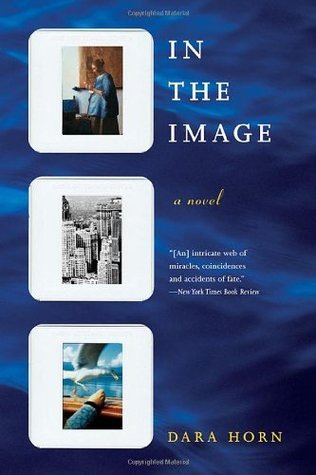
Dara Horn’s "In the Image" centers on an American woman in her twenties, Leora, who grapples with her identity and the profound influence of a childhood friend's disappearance. Moving between contemporary life and her memories, the novel explores themes of absence, faith, the nature of self, and the enduring power of relationships, even those broken or lost. It's a meditation on how our personal histories, and the people who shape them, continue to resonate through our lives.
The similarity to Erpenbeck's "The Book of Words" lies in their shared exploration of how language and memory function as artifacts of identity and loss. Both novels use a fragmented, introspective approach to examine the lingering effects of historical and personal trauma on the individual. They delve into how characters wrestle with inherited narratives and attempt to construct meaning from fractured pasts, often through an almost archaeological process of mental reconstruction.
This book will appeal to those who appreciate thoughtful, character-driven narratives that engage with complex emotional and philosophical questions. It offers a rich tapestry of reflection on Jewish identity, female experience, and the human need to understand our place within a larger story, making it a valuable read for anyone interested in deeply resonant, introspective fiction.
In the Image
Dara Horn’s "In the Image" centers on an American woman in her twenties, Leora, who grapples with her identity and the profound influence of a childhood friend's disappearance. Moving between contemporary life and her memories, the novel explores themes of absence, faith, the nature of self, and the enduring power of relationships, even those broken or lost. It's a meditation on how our personal histories, and the people who shape them, continue to resonate through our lives.
The similarity to Erpenbeck's "The Book of Words" lies in their shared exploration of how language and memory function as artifacts of identity and loss. Both novels use a fragmented, introspective approach to examine the lingering effects of historical and personal trauma on the individual. They delve into how characters wrestle with inherited narratives and attempt to construct meaning from fractured pasts, often through an almost archaeological process of mental reconstruction.
This book will appeal to those who appreciate thoughtful, character-driven narratives that engage with complex emotional and philosophical questions. It offers a rich tapestry of reflection on Jewish identity, female experience, and the human need to understand our place within a larger story, making it a valuable read for anyone interested in deeply resonant, introspective fiction.
Mouthing the Words
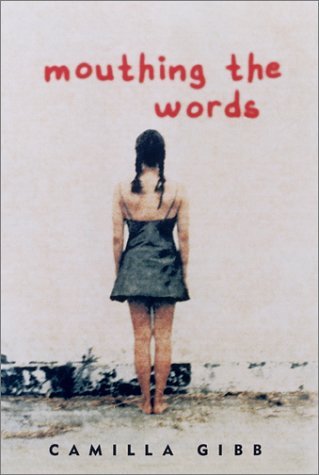
Camilla Gibb's "Mouthing the Words" delves into the fractured upbringing of a young girl, Thelma, as she navigates a profoundly dysfunctional family life marked by abuse and neglect. Told from her perspective, the novel charts her arduous journey from silence and trauma towards a fragile sense of self and the eventual breaking of cycles of violence. It's a raw and poignant exploration of childhood resilience and the profound impact of early experiences on identity and voice.
This novel resonates with "The Book of Words" through its shared focus on the profound impact of language – or its absence – in shaping a child's understanding of the world and their place within it. Both stories explore how oppressive environments can strip individuals of their voice, and the arduous process of reclaiming agency through articulation, even if that articulation is initially internal or fragmented. Both protagonists grapple with events they cannot fully comprehend, using limited vocabulary to piece together harrowing realities.
This book will appeal to those who appreciate introspective narratives that explore the psychological aftermath of trauma and the complex process of healing. Its unflinching honesty and Thelma's compelling inner voice offer a powerful testament to the human spirit's capacity for survival and self-discovery, even in the face of immense adversity. It provides a valuable lens for understanding the enduring power of narrative in processing pain and articulating a path forward.
Mouthing the Words
Camilla Gibb's "Mouthing the Words" delves into the fractured upbringing of a young girl, Thelma, as she navigates a profoundly dysfunctional family life marked by abuse and neglect. Told from her perspective, the novel charts her arduous journey from silence and trauma towards a fragile sense of self and the eventual breaking of cycles of violence. It's a raw and poignant exploration of childhood resilience and the profound impact of early experiences on identity and voice.
This novel resonates with "The Book of Words" through its shared focus on the profound impact of language – or its absence – in shaping a child's understanding of the world and their place within it. Both stories explore how oppressive environments can strip individuals of their voice, and the arduous process of reclaiming agency through articulation, even if that articulation is initially internal or fragmented. Both protagonists grapple with events they cannot fully comprehend, using limited vocabulary to piece together harrowing realities.
This book will appeal to those who appreciate introspective narratives that explore the psychological aftermath of trauma and the complex process of healing. Its unflinching honesty and Thelma's compelling inner voice offer a powerful testament to the human spirit's capacity for survival and self-discovery, even in the face of immense adversity. It provides a valuable lens for understanding the enduring power of narrative in processing pain and articulating a path forward.
More Books to Explore
Discover more titles that expand on these ideas and themes.
The Dark Room
Fugitive Pieces
Siegfried: A Black Idyll
Patterns of Childhood
Austerlitz
The World to Come