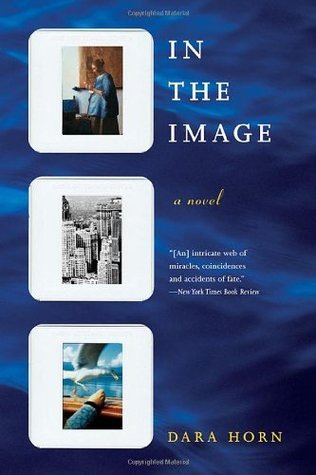
In the Image
Book Description
Haunting memories linger like shadows in a world where the power of art and love collide. A gifted photographer finds herself drawn into a web of stolen identities and unspoken truths, as she unearths a generations-old secret that could unravel everything she holds dear. Torn between art's beauty and the darkness of human betrayal, each click of the camera captures more than just an image; it reveals hidden desires and dire consequences. Will she choose the woman she has become or the life that once was? As the story unfolds, can the truth ever truly set anyone free?
Quick Book Summary
"In the Image" by Dara Horn is a profound novel that explores the complex intersection of memory, identity, love, and loss within the context of Jewish history and tradition. Centered on Leora, a young, talented photographer coping with the tragic loss of her best friend, the narrative expands across generations as she forms an unlikely relationship with Mr. Lesnick, her friend’s grieving grandfather. Their journey through photo albums, stories, and hidden family histories reveals long-buried secrets and legacies shaped by the tragedies of the 20th century. The story examines how the past persists in shaping present lives and asks whether confronting the truth of one’s heritage can ultimately offer freedom or merely expose one to deeper sorrow. Through evocative imagery and philosophical reflection, Horn weaves together personal and collective histories, inviting readers to consider what it means to live—fully and authentically—in the shadow of generations before.



Summary of Key Ideas
Table of Contents
Intergenerational Memory and Family Legacy
The story opens with Leora, a young woman haunted by the untimely death of her childhood best friend, Naomi. Seeking solace, she becomes entwined in the life of Naomi’s grandfather, Mr. Lesnick, an immigrant whose life has been marked by loss and survival. Their friendship grows as he shares photo albums—each image a portal to stories of joy and sorrow from his youth in Europe, his marriage, and the devastation of the Holocaust. Together, they begin to unravel a secret from the Lesnick family’s past, setting the stage for a deep meditation on how memories live on through generations.
The Search for Identity and Belonging
As Leora sifts through old photographs and listens to Mr. Lesnick’s recollections, she confronts questions about her own identity as a Jewish woman in contemporary America. The legacy of Jewish faith, ritual, and historical trauma becomes evident not only in Mr. Lesnick’s remembrances but also in Leora’s struggle to reconcile her desire for modernity and self-determination with the weight of inherited tradition. The narrative draws parallels between Leora’s artistic pursuit of photography and her search for truth—each photograph capturing more than physical likeness, but the emotional core of its subject.
Art as a Vessel for Truth and Healing
The role of art, particularly photography, serves as a recurring motif in the novel. For Leora, her camera is both a shield and a tool—a way to process pain, reveal hidden facets of those around her, and assert her agency. Horn meditates on the power and limitations of images: some memories cannot be perfectly captured, and the truths exposed can further complicate relationships. Art becomes both escape and confrontation, forcing characters to confront unanswered questions and unhealed wounds that echo through decades.
Love, Loss, and the Jewish Experience
Woven through these personal journeys are broader themes of love and loss within the tapestry of the Jewish experience. The narrative offers portrayals of affection between friends, families, and lovers, each complicated by backgrounds, misunderstandings, and the specter of historical tragedy. The heartbreak of displacement, the longing to belong, and the resilience of the human spirit are illuminated through both the characters’ relationships and their grappling with communal history.
The Tension Between Past and Present
Ultimately, "In the Image" interrogates what it means to live authentically when the past is ever-present. As Leora must decide what to hold onto and what to let go, she faces the universal dilemma of choosing between the comfort of familiar pain and the uncertainty—and potential liberation—of truth. The novel closes on a note of fragile hope, suggesting that while the past’s shadows may never fully recede, the act of bearing witness can itself offer meaning and, perhaps, a measure of peace.
Download This Summary
Get a free PDF of this summary instantly — no email required.