10 Books Similar to "The Bait Of Satan: Living Free from the Deadly Trap of Offense"
by John Bevere

The Fear of the Lord: Discover the Key to Intimately Knowing God
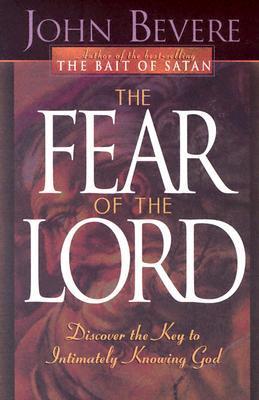
"The Fear of the Lord" by John Bevere delves into the profound spiritual principle of fearing God, not as a dread of punishment, but as a deep reverence, awe, and respect for His holiness and authority. Bevere argues that this fear is the foundational key to unlocking true intimacy with God, providing wisdom, guidance, and protection in one's spiritual journey. It challenges conventional understandings of fear, presenting it as a gateway to deeper relationship and understanding of divine character.
This book shares a fundamental thematic similarity with "The Bait of Satan" in its exploration of spiritual principles critical for a healthy relationship with God and others. Both books address common spiritual pitfalls – offense in one, misunderstanding of reverence in the other – that hinder believers from living in the fullness of God's design. They both offer a candid, scripturally grounded approach to overcoming internal barriers to spiritual growth and experiencing liberation from unhelpful patterns of thought or behavior.
This work appeals to those seeking a deeper, more authentic spiritual life beyond superficial understanding. It offers a fresh perspective on a frequently misunderstood biblical concept, promising practical application for cultivating a richer, more obedient, and ultimately more fulfilling relationship with the divine. The insights provided in this book will equip individuals to navigate spiritual complexities with greater wisdom and discernment, fostering a profound sense of peace and purpose.
The Fear of the Lord: Discover the Key to Intimately Knowing God
"The Fear of the Lord" by John Bevere delves into the profound spiritual principle of fearing God, not as a dread of punishment, but as a deep reverence, awe, and respect for His holiness and authority. Bevere argues that this fear is the foundational key to unlocking true intimacy with God, providing wisdom, guidance, and protection in one's spiritual journey. It challenges conventional understandings of fear, presenting it as a gateway to deeper relationship and understanding of divine character.
This book shares a fundamental thematic similarity with "The Bait of Satan" in its exploration of spiritual principles critical for a healthy relationship with God and others. Both books address common spiritual pitfalls – offense in one, misunderstanding of reverence in the other – that hinder believers from living in the fullness of God's design. They both offer a candid, scripturally grounded approach to overcoming internal barriers to spiritual growth and experiencing liberation from unhelpful patterns of thought or behavior.
This work appeals to those seeking a deeper, more authentic spiritual life beyond superficial understanding. It offers a fresh perspective on a frequently misunderstood biblical concept, promising practical application for cultivating a richer, more obedient, and ultimately more fulfilling relationship with the divine. The insights provided in this book will equip individuals to navigate spiritual complexities with greater wisdom and discernment, fostering a profound sense of peace and purpose.
The Awe of God: The Astounding Way a Healthy Fear of God Transforms Your Life
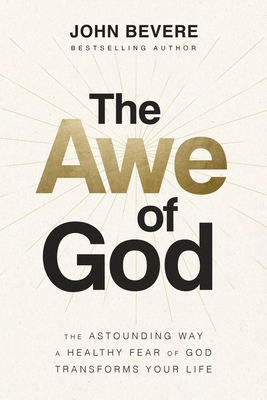
"The Awe of God" explores the profound and transformative power of understanding God's nature, specifically focusing on what the author terms "healthy fear." It's not about being terrified, but rather cultivating a deep reverence, respect, and recognition of God's immense power, holiness, and sovereignty. Bevere argues that embracing this awe isn't limiting, but liberating, leading to breakthroughs in faith, decision-making, and personal freedom.
This book resonates with "The Bait of Satan" through its central theme of personal freedom and spiritual growth achieved by aligning oneself with divine principles. Both works identify insidious spiritual traps – offense in "Bait of Satan," and a lack of true reverence in "Awe of God" – that hinder a flourishing life. Bevere consistently champions a robust, uncompromised faith as the antidote to these spiritual obstacles.
The book will appeal to individuals seeking a deeper, more authentic spiritual experience and practical guidance for navigating life's challenges from a faith-based perspective. Its value lies in offering a fresh perspective on a foundational theological concept, demonstrating how a proper understanding of God’s majesty can reframe one's perspective, inspire obedience, and ultimately lead to a more purposeful and serene existence.
The Awe of God: The Astounding Way a Healthy Fear of God Transforms Your Life
"The Awe of God" explores the profound and transformative power of understanding God's nature, specifically focusing on what the author terms "healthy fear." It's not about being terrified, but rather cultivating a deep reverence, respect, and recognition of God's immense power, holiness, and sovereignty. Bevere argues that embracing this awe isn't limiting, but liberating, leading to breakthroughs in faith, decision-making, and personal freedom.
This book resonates with "The Bait of Satan" through its central theme of personal freedom and spiritual growth achieved by aligning oneself with divine principles. Both works identify insidious spiritual traps – offense in "Bait of Satan," and a lack of true reverence in "Awe of God" – that hinder a flourishing life. Bevere consistently champions a robust, uncompromised faith as the antidote to these spiritual obstacles.
The book will appeal to individuals seeking a deeper, more authentic spiritual experience and practical guidance for navigating life's challenges from a faith-based perspective. Its value lies in offering a fresh perspective on a foundational theological concept, demonstrating how a proper understanding of God’s majesty can reframe one's perspective, inspire obedience, and ultimately lead to a more purposeful and serene existence.
More Jesus, Less Religion: Moving from Rules to Relationship
"More Jesus, Less Religion" advocates for a faith centered on a personal relationship with Christ over rigid adherence to institutional rules and traditions. It explores how legalism can hinder genuine spiritual growth and connection, encouraging a liberating shift towards grace, love, and intimacy with God.
This book shares thematic ground with "The Bait of Satan" by addressing spiritual hindrances that can entrap believers. Both works challenge conventional religious thinking when it becomes detrimental to spiritual well-being, with "The Bait of Satan" focusing on the destructive nature of offense and "More Jesus, Less Religion" tackling the perils of a rule-based faith that lacks heart.
Individuals seeking a deeper, more authentic spiritual experience will find this book genuinely appealing. It offers practical insights and encouragement for moving beyond superficial religiosity to embrace a vibrant, personal relationship with God, fostering freedom and a more profound understanding of Christian faith.
More Jesus, Less Religion: Moving from Rules to Relationship
"More Jesus, Less Religion" advocates for a faith centered on a personal relationship with Christ over rigid adherence to institutional rules and traditions. It explores how legalism can hinder genuine spiritual growth and connection, encouraging a liberating shift towards grace, love, and intimacy with God.
This book shares thematic ground with "The Bait of Satan" by addressing spiritual hindrances that can entrap believers. Both works challenge conventional religious thinking when it becomes detrimental to spiritual well-being, with "The Bait of Satan" focusing on the destructive nature of offense and "More Jesus, Less Religion" tackling the perils of a rule-based faith that lacks heart.
Individuals seeking a deeper, more authentic spiritual experience will find this book genuinely appealing. It offers practical insights and encouragement for moving beyond superficial religiosity to embrace a vibrant, personal relationship with God, fostering freedom and a more profound understanding of Christian faith.
Respectable Sins

"Respectable Sins" by Jerry Bridges delves into the often-overlooked transgressions that Christians tend to minimize or even accept as part of their daily lives. Bridges meticulously unpacks sins like anxiety, unthankfulness, pride, impatience, and negativity, demonstrating how these seemingly minor infractions subtly erode spiritual vitality and hinder a robust relationship with God. It challenges believers to confront these ingrained patterns and pursue a deeper holiness.
This book shares thematic ground with "The Bait of Satan" by exploring the insidious nature of sin and its detrimental impact on interpersonal relationships and spiritual growth. While Bevere focuses on the specific trap of offense and unforgiveness, Bridges broadens the scope to a wider range of "acceptable" sins. Both authors compel individuals to examine their hearts, identify hidden compromises, and seek liberation from spiritual hindrances that prevent flourishing in their faith.
The value of "Respectable Sins" lies in its profound introspection and practical, convicting insights. It offers a mirror for self-examination, prompting individuals to recognize and repent of sins they may previously have rationalized or dismissed. Its accessible prose and biblical grounding provide a timely and much-needed call to genuine holiness, fostering a more authentic and impactful Christian life.
Respectable Sins
"Respectable Sins" by Jerry Bridges delves into the often-overlooked transgressions that Christians tend to minimize or even accept as part of their daily lives. Bridges meticulously unpacks sins like anxiety, unthankfulness, pride, impatience, and negativity, demonstrating how these seemingly minor infractions subtly erode spiritual vitality and hinder a robust relationship with God. It challenges believers to confront these ingrained patterns and pursue a deeper holiness.
This book shares thematic ground with "The Bait of Satan" by exploring the insidious nature of sin and its detrimental impact on interpersonal relationships and spiritual growth. While Bevere focuses on the specific trap of offense and unforgiveness, Bridges broadens the scope to a wider range of "acceptable" sins. Both authors compel individuals to examine their hearts, identify hidden compromises, and seek liberation from spiritual hindrances that prevent flourishing in their faith.
The value of "Respectable Sins" lies in its profound introspection and practical, convicting insights. It offers a mirror for self-examination, prompting individuals to recognize and repent of sins they may previously have rationalized or dismissed. Its accessible prose and biblical grounding provide a timely and much-needed call to genuine holiness, fostering a more authentic and impactful Christian life.
Victory Over the Darkness
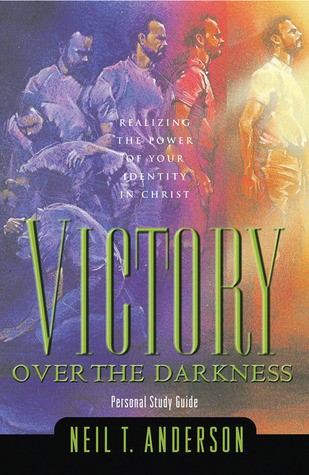
"Victory Over the Darkness" delves into how personal identity, shaped by past experiences and spiritual warfare, impacts an individual's sense of self-worth and ability to live a fulfilling life. Neil T. Anderson guides individuals in understanding their true identity in Christ, dismantling strongholds of deception, and recognizing their authority over spiritual oppression. It’s a practical guide for overcoming negative thought patterns and embracing freedom.
Both "Victory Over the Darkness" and "The Bait of Satan" address the insidious ways spiritual forces and internal struggles can derail a person's faith and well-being. While Bevere focuses on the corrosive nature of offense, Anderson casts a wider net, exploring the broader landscape of spiritual deception that entraps individuals in cycles of self-doubt, fear, and sin. Both books equip individuals with strategies to identify and overcome these spiritual battles, fostering inner peace and spiritual resilience.
This book offers profound insights into self-perception and spiritual warfare, providing actionable steps for individuals seeking liberation from limiting beliefs and destructive patterns. It empowers readers to reclaim their God-given identity and walk in freedom, offering a transformative understanding of spiritual reality that can lead to genuine personal growth and lasting victory.
Victory Over the Darkness
"Victory Over the Darkness" delves into how personal identity, shaped by past experiences and spiritual warfare, impacts an individual's sense of self-worth and ability to live a fulfilling life. Neil T. Anderson guides individuals in understanding their true identity in Christ, dismantling strongholds of deception, and recognizing their authority over spiritual oppression. It’s a practical guide for overcoming negative thought patterns and embracing freedom.
Both "Victory Over the Darkness" and "The Bait of Satan" address the insidious ways spiritual forces and internal struggles can derail a person's faith and well-being. While Bevere focuses on the corrosive nature of offense, Anderson casts a wider net, exploring the broader landscape of spiritual deception that entraps individuals in cycles of self-doubt, fear, and sin. Both books equip individuals with strategies to identify and overcome these spiritual battles, fostering inner peace and spiritual resilience.
This book offers profound insights into self-perception and spiritual warfare, providing actionable steps for individuals seeking liberation from limiting beliefs and destructive patterns. It empowers readers to reclaim their God-given identity and walk in freedom, offering a transformative understanding of spiritual reality that can lead to genuine personal growth and lasting victory.
Your Story Has a Villain: Identify Spiritual Warfare and Learn How to Defeat the Enemy

"Your Story Has a Villain" by Jonathan JP Pokluda unpacks the concept of spiritual warfare, helping individuals recognize the true adversaries in their lives. It aims to equip them with practical, biblically grounded strategies to confront and overcome these spiritual forces, emphasizing that personal struggles often stem from a larger, unseen conflict.
Both books delve into the internal and external battles faced by believers, framing them within a spiritual context. While Bevere focuses on the deceptive nature of offense as a tool of the enemy, Pokluda broadens the scope to identify various manifestations of spiritual opposition, including the devil, the flesh, and the world. Both authors provide guidance on navigating these challenges with intentionality and faith.
This book will appeal to those seeking a deeper understanding of their adversities and a more proactive approach to their spiritual journey. It offers a clear framework for recognizing the forces at play and practical tools for spiritual resilience, providing encouragement and empowerment for effectively engaging in personal and spiritual battles.
Your Story Has a Villain: Identify Spiritual Warfare and Learn How to Defeat the Enemy
"Your Story Has a Villain" by Jonathan JP Pokluda unpacks the concept of spiritual warfare, helping individuals recognize the true adversaries in their lives. It aims to equip them with practical, biblically grounded strategies to confront and overcome these spiritual forces, emphasizing that personal struggles often stem from a larger, unseen conflict.
Both books delve into the internal and external battles faced by believers, framing them within a spiritual context. While Bevere focuses on the deceptive nature of offense as a tool of the enemy, Pokluda broadens the scope to identify various manifestations of spiritual opposition, including the devil, the flesh, and the world. Both authors provide guidance on navigating these challenges with intentionality and faith.
This book will appeal to those seeking a deeper understanding of their adversities and a more proactive approach to their spiritual journey. It offers a clear framework for recognizing the forces at play and practical tools for spiritual resilience, providing encouragement and empowerment for effectively engaging in personal and spiritual battles.
Don't Give the Enemy a Seat at Your Table: It's Time to Win the Battle of Your Mind...

"Don't Give the Enemy a Seat at Your Table" by Louie Giglio explores the critical importance of mental resilience and spiritual warfare in daily life. It posits that many internal struggles stem from allowing negative thoughts, doubts, and fears—metaphorically, "the enemy"—to take root in one's mind. Giglio offers practical strategies, rooted in biblical principles, to identify these intrusive thoughts, confront them, and ultimately gain victory over mental battles, fostering a renewed sense of peace and purpose. The book emphasizes taking proactive control of one's thought life to align with divine truth.
This book is similar to John Bevere's "The Bait Of Satan" in its core message about recognizing and overcoming internal spiritual traps that hinder personal and spiritual growth. Both authors highlight the insidious nature of negativity—offense in Bevere's case, and a broader spectrum of destructive thoughts in Giglio's—and provide frameworks for liberation. They share a foundational belief that conscious spiritual effort is required to dismantle these snares, preventing them from dictating one's emotional and behavioral responses. Both books ultimately aim to empower individuals to live more freely and effectively.
The book will appeal to those seeking a practical guide to mental and spiritual fortitude. Individuals grappling with anxiety, self-doubt, or persistent negative thought patterns will find its actionable advice and encouraging tone particularly valuable. It offers a clear pathway for transforming one's inner landscape, moving from a position of mental vulnerability to one of strength and peace. Its profound insights into controlling one's thoughts provide a powerful tool for enhancing overall well-being and spiritual alignment.
Don't Give the Enemy a Seat at Your Table: It's Time to Win the Battle of Your Mind...
"Don't Give the Enemy a Seat at Your Table" by Louie Giglio explores the critical importance of mental resilience and spiritual warfare in daily life. It posits that many internal struggles stem from allowing negative thoughts, doubts, and fears—metaphorically, "the enemy"—to take root in one's mind. Giglio offers practical strategies, rooted in biblical principles, to identify these intrusive thoughts, confront them, and ultimately gain victory over mental battles, fostering a renewed sense of peace and purpose. The book emphasizes taking proactive control of one's thought life to align with divine truth.
This book is similar to John Bevere's "The Bait Of Satan" in its core message about recognizing and overcoming internal spiritual traps that hinder personal and spiritual growth. Both authors highlight the insidious nature of negativity—offense in Bevere's case, and a broader spectrum of destructive thoughts in Giglio's—and provide frameworks for liberation. They share a foundational belief that conscious spiritual effort is required to dismantle these snares, preventing them from dictating one's emotional and behavioral responses. Both books ultimately aim to empower individuals to live more freely and effectively.
The book will appeal to those seeking a practical guide to mental and spiritual fortitude. Individuals grappling with anxiety, self-doubt, or persistent negative thought patterns will find its actionable advice and encouraging tone particularly valuable. It offers a clear pathway for transforming one's inner landscape, moving from a position of mental vulnerability to one of strength and peace. Its profound insights into controlling one's thoughts provide a powerful tool for enhancing overall well-being and spiritual alignment.
Not Even a Hint: Guarding Your Heart Against Lust

"Not Even a Hint" by Joshua Harris offers a practical guide for Christians seeking to understand and overcome the pervasive struggle with sexual temptation. It argues for a proactive approach to purity, emphasizing the importance of guarding one's mind and heart against even the initial stirrings of lust, rather than waiting until the temptation becomes overwhelming. The book provides biblical principles and actionable strategies for cultivating self-control and pursuing holiness in a sexually charged culture.
This book shares thematic commonalities with John Bevere's "The Bait of Satan" in their shared emphasis on internal spiritual battles and the preventative measures necessary for spiritual well-being. Both authors explore how seemingly minor internal compromises or "hints" can escalate into significant spiritual pitfalls—offense in Bevere's case, lust in Harris's. They advocate for vigilance and active spiritual discipline to maintain a posture of freedom and integrity.
The book will resonate with individuals genuinely committed to living a life of sexual integrity within a faith context. Its clear, direct counsel on a sensitive topic provides valuable introspection and actionable steps for those who recognize the insidious nature of lust and desire to actively protect their spiritual and emotional purity. It offers hope and a realistic pathway to freedom from a common, often isolating, struggle.
Not Even a Hint: Guarding Your Heart Against Lust
"Not Even a Hint" by Joshua Harris offers a practical guide for Christians seeking to understand and overcome the pervasive struggle with sexual temptation. It argues for a proactive approach to purity, emphasizing the importance of guarding one's mind and heart against even the initial stirrings of lust, rather than waiting until the temptation becomes overwhelming. The book provides biblical principles and actionable strategies for cultivating self-control and pursuing holiness in a sexually charged culture.
This book shares thematic commonalities with John Bevere's "The Bait of Satan" in their shared emphasis on internal spiritual battles and the preventative measures necessary for spiritual well-being. Both authors explore how seemingly minor internal compromises or "hints" can escalate into significant spiritual pitfalls—offense in Bevere's case, lust in Harris's. They advocate for vigilance and active spiritual discipline to maintain a posture of freedom and integrity.
The book will resonate with individuals genuinely committed to living a life of sexual integrity within a faith context. Its clear, direct counsel on a sensitive topic provides valuable introspection and actionable steps for those who recognize the insidious nature of lust and desire to actively protect their spiritual and emotional purity. It offers hope and a realistic pathway to freedom from a common, often isolating, struggle.
The Peacegiver: How Christ Offers to Heal Our Hearts and Homes

"The Peacegiver" by James L. Ferrell explores how applying Christ's teachings and atonement can mend relational wounds and foster harmony within individuals and families. It delves into principles of forgiveness, humility, and selfless service, illustrating how these spiritual practices are foundational to transcending conflict and cultivating profound peace in everyday life. Ferrell draws upon scriptural insights and personal anecdotes to guide readers toward a more Christ-centered approach to resolving interpersonal strife.
This book shares common ground with "The Bait of Satan" in their shared focus on overcoming obstacles to spiritual and relational well-being, specifically through internal transformation. While Bevere addresses the destructive nature of offense and unforgiveness, Ferrell offers a comprehensive framework for actively building and restoring peace, often a direct antidote to the very issues Bevere highlights. Both texts emphasize personal accountability and divine intervention in healing fractured relationships.
The insights offered in "The Peacegiver" provide practical tools and spiritual encouragement for anyone navigating relational challenges or seeking a deeper sense of peace. Its emphasis on personal responsibility and relying on a higher power resonates deeply with those striving for healthier connections and a more harmonious home environment. The book's clear, actionable advice empowers individuals to implement transformative principles, leading to genuine personal and familial restoration.
The Peacegiver: How Christ Offers to Heal Our Hearts and Homes
"The Peacegiver" by James L. Ferrell explores how applying Christ's teachings and atonement can mend relational wounds and foster harmony within individuals and families. It delves into principles of forgiveness, humility, and selfless service, illustrating how these spiritual practices are foundational to transcending conflict and cultivating profound peace in everyday life. Ferrell draws upon scriptural insights and personal anecdotes to guide readers toward a more Christ-centered approach to resolving interpersonal strife.
This book shares common ground with "The Bait of Satan" in their shared focus on overcoming obstacles to spiritual and relational well-being, specifically through internal transformation. While Bevere addresses the destructive nature of offense and unforgiveness, Ferrell offers a comprehensive framework for actively building and restoring peace, often a direct antidote to the very issues Bevere highlights. Both texts emphasize personal accountability and divine intervention in healing fractured relationships.
The insights offered in "The Peacegiver" provide practical tools and spiritual encouragement for anyone navigating relational challenges or seeking a deeper sense of peace. Its emphasis on personal responsibility and relying on a higher power resonates deeply with those striving for healthier connections and a more harmonious home environment. The book's clear, actionable advice empowers individuals to implement transformative principles, leading to genuine personal and familial restoration.
Unoffendable: How Just One Change Can Make All of Life Better
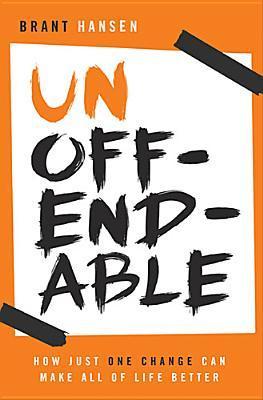
"Unoffendable" by Brant Hansen challenges the prevalent notion that taking offense is a natural or even justified response to slights and injustices. Hansen argues that choosing *not* to be offended, regardless of external circumstances, is a powerful act of personal liberation that dramatically improves one's mental and emotional well-being. He presents compelling arguments and personal anecdotes illustrating how relinquishing the right to take offense fosters greater peace, stronger relationships, and a more fulfilling life. The book offers practical insights into shifting one's perspective and cultivating a resilient, forgiving spirit.
This book shares significant thematic overlap with John Bevere's "The Bait of Satan." Both works meticulously explore the destructive nature of carrying offense and resentment. While Bevere approaches the topic from a deeply spiritual, biblical perspective, Hansen offers a more broadly applicable, psychological, and sociological examination of the same core issue: how allowing ourselves to be offended traps us and prevents us from living freely. Both authors ultimately advocate for a deliberate choice to release offense as a pathway to emotional health and freedom.
The book will appeal to individuals seeking practical strategies for managing emotional reactions and improving their inner peace. Its straightforward, relatable approach to a common human struggle provides immediate value by offering a fresh perspective on how we interact with the world and others. Anyone feeling burdened by grudges, past hurts, or constant irritation will find Hansen’s message empowering and profoundly transformative, equipping them with a simpler, more effective way to navigate daily life.
Unoffendable: How Just One Change Can Make All of Life Better
"Unoffendable" by Brant Hansen challenges the prevalent notion that taking offense is a natural or even justified response to slights and injustices. Hansen argues that choosing *not* to be offended, regardless of external circumstances, is a powerful act of personal liberation that dramatically improves one's mental and emotional well-being. He presents compelling arguments and personal anecdotes illustrating how relinquishing the right to take offense fosters greater peace, stronger relationships, and a more fulfilling life. The book offers practical insights into shifting one's perspective and cultivating a resilient, forgiving spirit.
This book shares significant thematic overlap with John Bevere's "The Bait of Satan." Both works meticulously explore the destructive nature of carrying offense and resentment. While Bevere approaches the topic from a deeply spiritual, biblical perspective, Hansen offers a more broadly applicable, psychological, and sociological examination of the same core issue: how allowing ourselves to be offended traps us and prevents us from living freely. Both authors ultimately advocate for a deliberate choice to release offense as a pathway to emotional health and freedom.
The book will appeal to individuals seeking practical strategies for managing emotional reactions and improving their inner peace. Its straightforward, relatable approach to a common human struggle provides immediate value by offering a fresh perspective on how we interact with the world and others. Anyone feeling burdened by grudges, past hurts, or constant irritation will find Hansen’s message empowering and profoundly transformative, equipping them with a simpler, more effective way to navigate daily life.
More Books to Explore
Discover more titles that expand on these ideas and themes.
The Fear of the Lord: Discover the Key to Intimately Knowing God
The Awe of God: The Astounding Way a Healthy Fear of God Transforms Your Life
More Jesus, Less Religion: Moving from Rules to Relationship
Respectable Sins
Victory Over the Darkness
Your Story Has a Villain: Identify Spiritual Warfare and Learn How to Defeat the Enemy