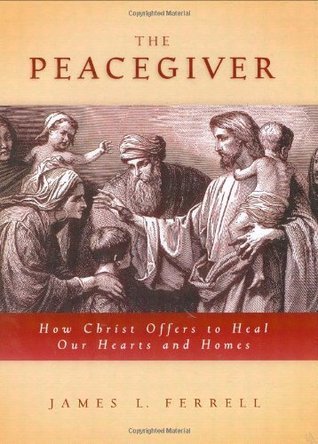
The Peacegiver: How Christ Offers to Heal Our Hearts and Homes
Book Description
Imagine a world where healing isn’t just a dream but a promise. In "The Peacegiver," James L. Ferrell unveils a transformative journey into the heart of love, forgiveness, and redemption. Through gripping narratives and profound insights, he reveals how Christ's teachings can mend the deepest wounds and restore fractured relationships. Every page pulsates with hope, urging readers to confront their inner turmoil and embrace a path to peace. Will the power of divine love be enough to silence the chaos and transform homes into sanctuaries? Discover the answer and unlock the secrets of true healing.
Quick Book Summary
"The Peacegiver" by James L. Ferrell explores the life-changing power of Christ-centered forgiveness and reconciliation. Through a blend of narrative storytelling and spiritual reflection, the book follows Rick, a man struggling with resentment and marital discord. Guided by his wise grandfather through imagined, scriptural conversations, Rick learns how applying Christ’s atonement and teachings can heal hearts and relationships. Ferrell gently urges readers to let go of grudges, see others with compassion, and accept the Savior’s grace. The book’s central message is that true peace and healing in families and homes come not simply from resolving problems, but by transforming one's heart through the doctrines and example of Jesus Christ.


Summary of Key Ideas
Table of Contents
Viewing Others with Christlike Compassion
The book introduces readers to Rick, a man weighed down by bitterness toward his wife. Struggling with unresolved conflict and pain, Rick’s spiritual journey begins when he dreams of speaking with his grandfather, a gentle mentor, who takes him on an imaginative exploration through scriptural stories. Through these vivid narratives, Christ’s teachings on mercy, empathy, and forgiveness are brought to life in a personal context that resonates with Rick’s own turmoil and anger.
Letting Go of Grudges and Judgments
A major theme is developing Christlike compassion for others. Rick comes to realize that seeing others through judgmental eyes only fuels conflict. His grandfather, referencing the stories of Jonah and David, demonstrates how humility, empathy, and considering another person’s perspective are essential to experiencing peace. Rick learns that every individual, including his wife, is deserving of patience and understanding—not condemnation—and that embracing Christ’s view allows true connection and healing.
Applying the Atonement to Everyday Relationships
The book highlights the insidious nature of grudges and judgments. Ferrell shows how holding onto perceived injustices leads to deeper suffering and suffering on both sides. As Rick examines his own motives, he uncovers the hidden costs of self-righteousness: the pain of isolation, pride, and the loss of intimacy. By choosing to relinquish his grievances, Rick starts to experience the liberating power of forgiveness that Christ offers equally to all.
Overcoming Victimhood and Self-Justification
Central to the book is the everyday relevance of Christ’s Atonement. The grandfather lovingly explains that Christ’s sacrifice is not only for grand, dramatic failures, but also for daily irritations and failures in relationships. By applying Christ’s mercy to his own heart, Rick discovers that he can overcome negative cycles and extend love to others despite being hurt. This insight reshapes his marriage and his whole approach to familial conflict.
Embracing Forgiveness as a Path to Peace
Finally, the book confronts the dangers of self-justification and victimhood. Rick realizes that clinging to the role of the injured party traps him in a cycle of pain and blame. Through accepting responsibility for his feelings and actions, and seeking healing through Christ, Rick is able to find lasting peace. Ferrell’s narrative demonstrates that forgiveness and redemption are continual processes but that Christ’s love holds the key to renewing hearts and transforming homes.
Download This Summary
Get a free PDF of this summary instantly — no email required.