10 Books Similar to "Something Wicked This Way Comes"
by Ray Bradbury
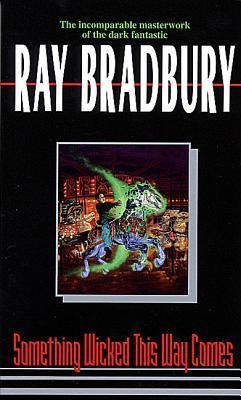
The Halloween Tree

"The Halloween Tree" chronicles a group of boys’ pursuit of their mysteriously ailing friend, Pipkin, on Halloween night. Guided by the enigmatic figure of Moundshroud, they embark on a fantastical journey through time and space, witnessing the ancient origins and evolving rituals of Halloween across various cultures and historical epochs. It's a poignant exploration of death, tradition, and the enduring human need for meaning in life and beyond.
Both novels share Bradbury's distinctive voice and a central theme of youthful protagonists confronting mortality and the supernatural during an autumnal, liminal period. Each features a charismatic, almost mythological older figure (Mr. Dark vs. Moundshroud) who acts as a guide or antagonist, revealing deeper truths about the human condition through extraordinary circumstances. The sense of childhood innocence teetering on the edge of profound, terrifying wisdom is a strong connective thread.
This story offers a rich, imaginative experience. Its lyrical prose and vivid imagery are captivating, while its historical and cultural lessons about Halloween are both educational and deeply resonant, offering a broader understanding of human ritual and the cycles of life and death. It's a thoughtful work for those who appreciate myth, history, and a touch of the macabre.
The Halloween Tree
"The Halloween Tree" chronicles a group of boys’ pursuit of their mysteriously ailing friend, Pipkin, on Halloween night. Guided by the enigmatic figure of Moundshroud, they embark on a fantastical journey through time and space, witnessing the ancient origins and evolving rituals of Halloween across various cultures and historical epochs. It's a poignant exploration of death, tradition, and the enduring human need for meaning in life and beyond.
Both novels share Bradbury's distinctive voice and a central theme of youthful protagonists confronting mortality and the supernatural during an autumnal, liminal period. Each features a charismatic, almost mythological older figure (Mr. Dark vs. Moundshroud) who acts as a guide or antagonist, revealing deeper truths about the human condition through extraordinary circumstances. The sense of childhood innocence teetering on the edge of profound, terrifying wisdom is a strong connective thread.
This story offers a rich, imaginative experience. Its lyrical prose and vivid imagery are captivating, while its historical and cultural lessons about Halloween are both educational and deeply resonant, offering a broader understanding of human ritual and the cycles of life and death. It's a thoughtful work for those who appreciate myth, history, and a touch of the macabre.
The October Country

"The October Country" is a collection of short stories, many of which explore the darker, more melancholic aspects of Bradbury's imagination. You'll encounter tales of uncanny domesticity, unsettling small towns, and characters grappling with mortality, loneliness, and the insidious nature of the unusual. It’s a foray into the subtly macabre and the quietly terrifying, often without explicit horror.
This collection shares its atmospheric core with "Something Wicked This Way Comes." Both works dwell in the liminal space between childhood innocence and encroaching darkness, utilizing small-town settings and seemingly ordinary situations to reveal underlying dread. The pervasive sense of unease, the exploration of human weakness, and the allegorical undertones present in the novel are echoed throughout the stories in "The October Country." They both masterfully craft a mood where the fantastic feels subtly, chillingly real.
This book offers a deeper immersion into Bradbury's signature Gothic Americana and his masterful command of mood and prose. It allows for an appreciation of his diverse narrative styles within a cohesive thematic framework, providing insights into the anxieties and wonders that fuel his most impactful longer works. For those who appreciate rich, evocative language and a contemplative yet unsettling journey, this collection is a profound experience.
The October Country
"The October Country" is a collection of short stories, many of which explore the darker, more melancholic aspects of Bradbury's imagination. You'll encounter tales of uncanny domesticity, unsettling small towns, and characters grappling with mortality, loneliness, and the insidious nature of the unusual. It’s a foray into the subtly macabre and the quietly terrifying, often without explicit horror.
This collection shares its atmospheric core with "Something Wicked This Way Comes." Both works dwell in the liminal space between childhood innocence and encroaching darkness, utilizing small-town settings and seemingly ordinary situations to reveal underlying dread. The pervasive sense of unease, the exploration of human weakness, and the allegorical undertones present in the novel are echoed throughout the stories in "The October Country." They both masterfully craft a mood where the fantastic feels subtly, chillingly real.
This book offers a deeper immersion into Bradbury's signature Gothic Americana and his masterful command of mood and prose. It allows for an appreciation of his diverse narrative styles within a cohesive thematic framework, providing insights into the anxieties and wonders that fuel his most impactful longer works. For those who appreciate rich, evocative language and a contemplative yet unsettling journey, this collection is a profound experience.
Summer of Night

"Summer of Night" by Dan Simmons chronicles a group of twelve-year-old boys in Elm Haven, Illinois, during the sweltering summer of 1960. Their seemingly idyllic existence is shattered by a series of disturbing events, beginning with the mysterious disappearance of a school janitor and a pervasive, chilling presence emanating from the town's dilapidated Old Central School. The boys uncover an ancient evil stirring beneath their quiet community, forcing them to confront supernatural horrors that prey on their deepest fears and challenge their understanding of reality.
The narrative shares a profound thematic kinship with "Something Wicked This Way Comes." Both novels expertly explore the fragile transition from childhood innocence to the sobering realities of adulthood, using malevolent, supernatural forces as catalysts. They delve into the power of small-town communities, the bonds of friendship, and the internal struggles faced by children grappling with unimaginable darkness. The sinister, otherworldly entities in both books manipulate human vulnerabilities, offering tantalizing temptations or exploiting hidden fears.
This book offers a compelling narrative for those who appreciate psychological depth alongside their horror. Its nuanced exploration of childhood anxieties, the strength forged in collective adversity, and the confrontation with primordial evil provides not just thrills, but also a rich, reflective experience. The blend of nostalgic Americana with genuine dread creates a uniquely immersive and thought-provoking read.
Summer of Night
"Summer of Night" by Dan Simmons chronicles a group of twelve-year-old boys in Elm Haven, Illinois, during the sweltering summer of 1960. Their seemingly idyllic existence is shattered by a series of disturbing events, beginning with the mysterious disappearance of a school janitor and a pervasive, chilling presence emanating from the town's dilapidated Old Central School. The boys uncover an ancient evil stirring beneath their quiet community, forcing them to confront supernatural horrors that prey on their deepest fears and challenge their understanding of reality.
The narrative shares a profound thematic kinship with "Something Wicked This Way Comes." Both novels expertly explore the fragile transition from childhood innocence to the sobering realities of adulthood, using malevolent, supernatural forces as catalysts. They delve into the power of small-town communities, the bonds of friendship, and the internal struggles faced by children grappling with unimaginable darkness. The sinister, otherworldly entities in both books manipulate human vulnerabilities, offering tantalizing temptations or exploiting hidden fears.
This book offers a compelling narrative for those who appreciate psychological depth alongside their horror. Its nuanced exploration of childhood anxieties, the strength forged in collective adversity, and the confrontation with primordial evil provides not just thrills, but also a rich, reflective experience. The blend of nostalgic Americana with genuine dread creates a uniquely immersive and thought-provoking read.
The Funhouse

Dean Koontz's "The Funhouse" centers on a haunted seaside carnival, a malevolent entity that preys on its unsuspecting visitors. The narrative follows a young woman whose summer job takes a terrifying turn as she uncovers the carnival's dark secrets and battles for survival against its supernatural forces. It's a tale of innocence confronting ancient, corrupting evil within a seemingly festive environment.
The similarity to "Something Wicked This Way Comes" is striking, particularly in their shared trope of a sinister carnival that embodies and amplifies human fears and desires. Both novels feature an itinerant, otherworldly amusement park that arrives in a quiet town, luring individuals with promises of fulfillment while secretly feeding on their souls or vitality. The carnivals themselves act as central antagonists, personifying temptations and consequences.
This novel will appeal to those who appreciate psychological horror intertwined with classic monster narratives. Its exploration of urban legends, the corruption of innocence, and the insidious nature of evil offers a compelling, suspenseful read. "The Funhouse" provides a thrilling experience, delving into themes of vulnerability and the fight against malevolent forces that masquerade as entertainment, offering both chills and thematic depth.
The Funhouse
Dean Koontz's "The Funhouse" centers on a haunted seaside carnival, a malevolent entity that preys on its unsuspecting visitors. The narrative follows a young woman whose summer job takes a terrifying turn as she uncovers the carnival's dark secrets and battles for survival against its supernatural forces. It's a tale of innocence confronting ancient, corrupting evil within a seemingly festive environment.
The similarity to "Something Wicked This Way Comes" is striking, particularly in their shared trope of a sinister carnival that embodies and amplifies human fears and desires. Both novels feature an itinerant, otherworldly amusement park that arrives in a quiet town, luring individuals with promises of fulfillment while secretly feeding on their souls or vitality. The carnivals themselves act as central antagonists, personifying temptations and consequences.
This novel will appeal to those who appreciate psychological horror intertwined with classic monster narratives. Its exploration of urban legends, the corruption of innocence, and the insidious nature of evil offers a compelling, suspenseful read. "The Funhouse" provides a thrilling experience, delving into themes of vulnerability and the fight against malevolent forces that masquerade as entertainment, offering both chills and thematic depth.
The Haunter of the Dark: The H.P. Lovecraft Omnibus, #3

"The Haunter of the Dark: The H.P. Lovecraft Omnibus, #3" collects several of Lovecraft's iconic cosmic horror tales. Central to the collection is the titular novella, where a writer explores a derelict church and awakens an ancient, malevolent entity connected to a grotesque, sentient being of shadow and light. This omnibus delves into themes of forbidden knowledge, the insignificance of humanity in the face of ancient evils, and the psychological toll of confronting unimaginable horrors.
Both books excel at crafting an atmosphere of encroaching, insidious dread. Like Bradbury's Cooger & Dark's Pandemonium Shadow Show, Lovecraft's entities and their influence represent a corrupting force that preys on human curiosity and weakness, drawing characters into a horrifying confrontation with the unknown. The horror in both derives from the psychological erosion and the revelation of a deeply unsettling, ancient power that exists just beyond the veil of ordinary perception.
This collection offers an exceptional dive into foundational cosmic horror. It provides a rich exploration of the human fascination with and terror of the unfathomable, delivering a profound sense of existential dread. Engaging with these stories illuminates the roots of much modern horror and dark fantasy, making it a valuable acquisition for anyone interested in classic supernatural literature and its psychological impact.
The Haunter of the Dark: The H.P. Lovecraft Omnibus, #3
"The Haunter of the Dark: The H.P. Lovecraft Omnibus, #3" collects several of Lovecraft's iconic cosmic horror tales. Central to the collection is the titular novella, where a writer explores a derelict church and awakens an ancient, malevolent entity connected to a grotesque, sentient being of shadow and light. This omnibus delves into themes of forbidden knowledge, the insignificance of humanity in the face of ancient evils, and the psychological toll of confronting unimaginable horrors.
Both books excel at crafting an atmosphere of encroaching, insidious dread. Like Bradbury's Cooger & Dark's Pandemonium Shadow Show, Lovecraft's entities and their influence represent a corrupting force that preys on human curiosity and weakness, drawing characters into a horrifying confrontation with the unknown. The horror in both derives from the psychological erosion and the revelation of a deeply unsettling, ancient power that exists just beyond the veil of ordinary perception.
This collection offers an exceptional dive into foundational cosmic horror. It provides a rich exploration of the human fascination with and terror of the unfathomable, delivering a profound sense of existential dread. Engaging with these stories illuminates the roots of much modern horror and dark fantasy, making it a valuable acquisition for anyone interested in classic supernatural literature and its psychological impact.
The Dunwich Horror and Others

"The Dunwich Horror and Others" presents a collection of H.P. Lovecraft's seminal cosmic horror stories. It delves into terrifying encounters with ancient, malevolent entities from beyond human comprehension, often rooted in desolate New England settings. The tales explore themes of forbidden knowledge, the fragility of sanity when confronted with the truly alien, and the insidious nature of inherited evil, with protagonists frequently facing ultimate destruction or revelation of humanity's insignificance.
The similarity to "Something Wicked This Way Comes" lies in the unsettling invasion of a seemingly ordinary world by an insidious, supernatural evil that preys on human desires and weaknesses. Both books feature a creeping dread, where the fantastical elements are deeply disturbing rather than whimsical. Where Bradbury's Mr. Dark corrupts with temptation, Lovecraft's entities destroy with mere existence, but both leverage a pervasive sense of helplessness against an overwhelming, otherworldly force that disrupts the mundane.
This collection offers a profound exploration of existential horror and the boundaries of human understanding. It provides a foundational experience in cosmic horror, challenging perspectives on reality and the unknown. The intricately crafted atmospheres and the relentless build-up of dread offer a compelling and intellectually stimulating read, particularly for those who appreciate stories that delve into philosophical terror and the darkest corners of the human psyche.
The Dunwich Horror and Others
"The Dunwich Horror and Others" presents a collection of H.P. Lovecraft's seminal cosmic horror stories. It delves into terrifying encounters with ancient, malevolent entities from beyond human comprehension, often rooted in desolate New England settings. The tales explore themes of forbidden knowledge, the fragility of sanity when confronted with the truly alien, and the insidious nature of inherited evil, with protagonists frequently facing ultimate destruction or revelation of humanity's insignificance.
The similarity to "Something Wicked This Way Comes" lies in the unsettling invasion of a seemingly ordinary world by an insidious, supernatural evil that preys on human desires and weaknesses. Both books feature a creeping dread, where the fantastical elements are deeply disturbing rather than whimsical. Where Bradbury's Mr. Dark corrupts with temptation, Lovecraft's entities destroy with mere existence, but both leverage a pervasive sense of helplessness against an overwhelming, otherworldly force that disrupts the mundane.
This collection offers a profound exploration of existential horror and the boundaries of human understanding. It provides a foundational experience in cosmic horror, challenging perspectives on reality and the unknown. The intricately crafted atmospheres and the relentless build-up of dread offer a compelling and intellectually stimulating read, particularly for those who appreciate stories that delve into philosophical terror and the darkest corners of the human psyche.
The Wicked
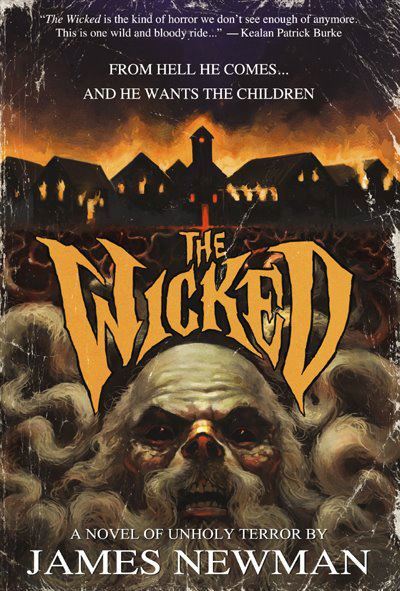
James Newman's "The Wicked" plunges into a small, isolated town grappling with a malevolent entity that feeds on its residents' deepest fears and desires, slowly corrupting them from within. As the town unravels, a small group of disparate individuals must confront this encroaching darkness before it consumes everything they hold dear. It's a tale of psychological terror and the insidious nature of evil.
"The Wicked" shares a thematic spine with Bradbury's classic, "Something Wicked This Way Comes," by exploring the corruptive power of a supernatural force arriving in a seemingly ordinary community. Both novels delve into the moral compromises individuals make when confronted with their repressed longings and the seductive allure of darkness. The carnival in Bradbury's work finds a spiritual echo in the pervasive, shape-shifting evil that infiltrates Newman's town, testing the very fabric of human resilience and virtue.
This novel will appeal to those who appreciate a slow-burn horror that prioritizes atmosphere and psychological dread over jump scares. It offers a compelling exploration of human weakness and the courage required to resist malevolent influences, making excellent companion reading for anyone who enjoys thoughtful, character-driven horror that lingers long after the final page.
The Wicked
James Newman's "The Wicked" plunges into a small, isolated town grappling with a malevolent entity that feeds on its residents' deepest fears and desires, slowly corrupting them from within. As the town unravels, a small group of disparate individuals must confront this encroaching darkness before it consumes everything they hold dear. It's a tale of psychological terror and the insidious nature of evil.
"The Wicked" shares a thematic spine with Bradbury's classic, "Something Wicked This Way Comes," by exploring the corruptive power of a supernatural force arriving in a seemingly ordinary community. Both novels delve into the moral compromises individuals make when confronted with their repressed longings and the seductive allure of darkness. The carnival in Bradbury's work finds a spiritual echo in the pervasive, shape-shifting evil that infiltrates Newman's town, testing the very fabric of human resilience and virtue.
This novel will appeal to those who appreciate a slow-burn horror that prioritizes atmosphere and psychological dread over jump scares. It offers a compelling exploration of human weakness and the courage required to resist malevolent influences, making excellent companion reading for anyone who enjoys thoughtful, character-driven horror that lingers long after the final page.
Who Fears The Devil?

Manly Wade Wellman's "Who Fears The Devil?" compiles folk tales featuring John the Balladeer, a wandering musician who uses his silver-stringed guitar and knowledge of Appalachian lore to combat supernatural threats and malevolent entities. Each story presents a new challenge rooted in local legends, often pitting ancient evil against traditional wisdom and quick-witted courage in the remote mountains.
The similarity to "Something Wicked This Way Comes" lies in the direct confrontation with primordial, malevolent forces that prey on human weakness and desire. Both books explore the nature of evil manifesting in tangible, often seductive forms, and the struggle of ordinary individuals to resist its insidious influence, relying on inner strength and community. The atmosphere in both is steeped in a palpable sense of dread and the supernatural's tangible presence.
This collection offers a captivating dive into American folklore, presenting a hero who isn't super-powered but deeply connected to his environment and its spiritual undercurrents. It provides a unique perspective on heroism and the enduring power of storytelling and tradition against encroaching darkness, a satisfying blend of adventure and cultural insight.
Who Fears The Devil?
Manly Wade Wellman's "Who Fears The Devil?" compiles folk tales featuring John the Balladeer, a wandering musician who uses his silver-stringed guitar and knowledge of Appalachian lore to combat supernatural threats and malevolent entities. Each story presents a new challenge rooted in local legends, often pitting ancient evil against traditional wisdom and quick-witted courage in the remote mountains.
The similarity to "Something Wicked This Way Comes" lies in the direct confrontation with primordial, malevolent forces that prey on human weakness and desire. Both books explore the nature of evil manifesting in tangible, often seductive forms, and the struggle of ordinary individuals to resist its insidious influence, relying on inner strength and community. The atmosphere in both is steeped in a palpable sense of dread and the supernatural's tangible presence.
This collection offers a captivating dive into American folklore, presenting a hero who isn't super-powered but deeply connected to his environment and its spiritual undercurrents. It provides a unique perspective on heroism and the enduring power of storytelling and tradition against encroaching darkness, a satisfying blend of adventure and cultural insight.
The Voice of the Night

"The Voice of the Night" by Dean Koontz centers on Colin, a seemingly ordinary teenager whose summer takes a dark turn when he encounters Roy, a charismatic but deeply disturbed individual. Roy systematically manipulates Colin, drawing him into a web of increasingly terrifying and violent acts, effectively coercing him into becoming an accomplice. The narrative explores psychological torment, the fragility of identity, and the suffocating power of a malevolent influence over a vulnerable mind.
This novel shares a foundational similarity with "Something Wicked This Way Comes" through its exploration of an insidious evil that targets the innocent and preys on their vulnerabilities. Both stories feature a charming, manipulative antagonist—Mr. Dark in Bradbury’s work and Roy in Koontz’s—who offers tempting, albeit destructive, promises while subtly corrupting those around them. The struggle between innocence and encroaching darkness, and the psychological impact of malevolence, forms a core thematic bridge between the two.
The appeal of "The Voice of the Night" lies in its gripping psychological suspense and profound character study. It offers a chilling exploration of manipulation and the insidious nature of evil, providing valuable insights into the darker aspects of human psychology. This book will resonate with those who appreciate thrillers that delve into moral dilemmas, the corrupting influence of power, and the terrifying realization that true monsters often wear human faces.
The Voice of the Night
"The Voice of the Night" by Dean Koontz centers on Colin, a seemingly ordinary teenager whose summer takes a dark turn when he encounters Roy, a charismatic but deeply disturbed individual. Roy systematically manipulates Colin, drawing him into a web of increasingly terrifying and violent acts, effectively coercing him into becoming an accomplice. The narrative explores psychological torment, the fragility of identity, and the suffocating power of a malevolent influence over a vulnerable mind.
This novel shares a foundational similarity with "Something Wicked This Way Comes" through its exploration of an insidious evil that targets the innocent and preys on their vulnerabilities. Both stories feature a charming, manipulative antagonist—Mr. Dark in Bradbury’s work and Roy in Koontz’s—who offers tempting, albeit destructive, promises while subtly corrupting those around them. The struggle between innocence and encroaching darkness, and the psychological impact of malevolence, forms a core thematic bridge between the two.
The appeal of "The Voice of the Night" lies in its gripping psychological suspense and profound character study. It offers a chilling exploration of manipulation and the insidious nature of evil, providing valuable insights into the darker aspects of human psychology. This book will resonate with those who appreciate thrillers that delve into moral dilemmas, the corrupting influence of power, and the terrifying realization that true monsters often wear human faces.
The Case of Charles Dexter Ward
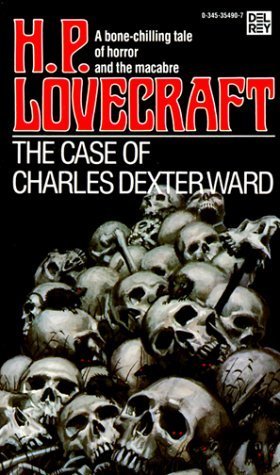
"The Case of Charles Dexter Ward" chronicles Dr. Willett's investigation into the mysterious mental decline and subsequent disappearance of his patient, Charles Dexter Ward. Willett unearths a dark family history involving Ward's ancestor, Joseph Curwen, a malevolent 18th-century alchemist and necromancer. The narrative unfolds as Willett uncovers Curwen's gruesome experiments and the shocking, insidious link between the past and present, revealing a terrifying reality lurking beneath the veneer of normalcy.
The two novels share a profound thematic resonance in their exploration of insidious evil that breaches small-town tranquility. Both depict a malevolent force, masked by a facade of normalcy (a carnival in one, a familial curse in the other), that preys on human desires and vulnerabilities. They delve into the corruption of innocence and the struggle of protagonists to confront an ancient, almost cosmic, wickedness that seeks to dominate and transform.
This book offers a chilling journey into ancestral horror and the perils of forbidden knowledge. It provides a unique lens through which to examine themes of identity, the past's inescapable grasp, and humanity's inherent fascination with the macabre. The intricate plot and unsettling atmosphere offer a deeply immersive and thought-provoking experience, rewarding those who appreciate literature that transcends conventional horror to explore profound philosophical anxieties.
The Case of Charles Dexter Ward
"The Case of Charles Dexter Ward" chronicles Dr. Willett's investigation into the mysterious mental decline and subsequent disappearance of his patient, Charles Dexter Ward. Willett unearths a dark family history involving Ward's ancestor, Joseph Curwen, a malevolent 18th-century alchemist and necromancer. The narrative unfolds as Willett uncovers Curwen's gruesome experiments and the shocking, insidious link between the past and present, revealing a terrifying reality lurking beneath the veneer of normalcy.
The two novels share a profound thematic resonance in their exploration of insidious evil that breaches small-town tranquility. Both depict a malevolent force, masked by a facade of normalcy (a carnival in one, a familial curse in the other), that preys on human desires and vulnerabilities. They delve into the corruption of innocence and the struggle of protagonists to confront an ancient, almost cosmic, wickedness that seeks to dominate and transform.
This book offers a chilling journey into ancestral horror and the perils of forbidden knowledge. It provides a unique lens through which to examine themes of identity, the past's inescapable grasp, and humanity's inherent fascination with the macabre. The intricate plot and unsettling atmosphere offer a deeply immersive and thought-provoking experience, rewarding those who appreciate literature that transcends conventional horror to explore profound philosophical anxieties.
More Books to Explore
Discover more titles that expand on these ideas and themes.
The Halloween Tree
The October Country
Summer of Night
The Funhouse
The Haunter of the Dark: The H.P. Lovecraft Omnibus, #3
The Dunwich Horror and Others