10 Books Similar to "Same Difference: How Gender Myths Are Hurting Our Relationships, Our Children, and Our Jobs"
by Rosalind C. Barnett
Delusions of Gender: How Our Minds, Society, and Neurosexism Create Difference
"Delusions of Gender" critiques the pervasive belief that fundamental, biologically-driven brain differences explain common gender stereotypes. Cordelia Fine meticulously dissects scientific studies and popular neuroscience claims, revealing how cultural expectations and societal biases subtly shape not only our understanding of male and female brains but also how individuals develop and express themselves. The book argues that many supposed "hardwired" gender differences are largely constructed through societal pressures and neurosexism – misinterpreting neuroscience to reinforce traditional gender roles.
This book shares crucial common ground with "Same Difference" by challenging the notion of inherent, immutable gender disparities. Both authors meticulously deconstruct popular myths about male and female brains and behaviors, arguing that perceived differences are often exaggerated or misattributed to biology when social and environmental factors play a more significant role. They advocate for a more nuanced understanding of human variation, moving beyond simplistic gender binaries to recognize the vast overlap between sexes.
It offers a compelling and evidence-based counter-narrative to popular myths about gender, providing invaluable insights into how societal narratives impact individuals and institutions. The rigorous yet accessible analysis empowers understanding of the complex interplay between biology, culture, and identity, fostering a more critical and informed perspective on gender roles and potentials.
Delusions of Gender: How Our Minds, Society, and Neurosexism Create Difference
"Delusions of Gender" critiques the pervasive belief that fundamental, biologically-driven brain differences explain common gender stereotypes. Cordelia Fine meticulously dissects scientific studies and popular neuroscience claims, revealing how cultural expectations and societal biases subtly shape not only our understanding of male and female brains but also how individuals develop and express themselves. The book argues that many supposed "hardwired" gender differences are largely constructed through societal pressures and neurosexism – misinterpreting neuroscience to reinforce traditional gender roles.
This book shares crucial common ground with "Same Difference" by challenging the notion of inherent, immutable gender disparities. Both authors meticulously deconstruct popular myths about male and female brains and behaviors, arguing that perceived differences are often exaggerated or misattributed to biology when social and environmental factors play a more significant role. They advocate for a more nuanced understanding of human variation, moving beyond simplistic gender binaries to recognize the vast overlap between sexes.
It offers a compelling and evidence-based counter-narrative to popular myths about gender, providing invaluable insights into how societal narratives impact individuals and institutions. The rigorous yet accessible analysis empowers understanding of the complex interplay between biology, culture, and identity, fostering a more critical and informed perspective on gender roles and potentials.
Are Men the Weaker Sex?

"Are Men the Weaker Sex?" by Josette Sona delves into contemporary societal expectations and biological realities that challenge traditional notions of male strength and resilience. It unpacks how evolving social roles, alongside documented differences in lifespan and health vulnerabilities, present a nuanced picture of male experience often overlooked in public discourse. The book encourages a re-examination of what it truly means to be "strong" in a modern context.
This book resonates strongly with themes from "Same Difference" by Rosalind C. Barnett by dismantling entrenched gender myths. Both works critically analyze how preconceived ideas about gender roles and characteristics negatively impact individuals and society by limiting potential and perpetuating misunderstanding. Where Barnett focuses broadly, Sona specifically zeroes in on the pressures and vulnerabilities facing men that are often overshadowed by simplistic narratives.
The book will appeal to those interested in a grounded, evidence-based exploration of gender dynamics beyond stereotypical portrayals. It offers valuable insights for anyone seeking a deeper understanding of men's health, societal pressures, and the complex interplay of biology and culture in shaping male identity. Its accessible analysis provides a fresh perspective on a topic often clouded by emotional rhetoric.
Are Men the Weaker Sex?
"Are Men the Weaker Sex?" by Josette Sona delves into contemporary societal expectations and biological realities that challenge traditional notions of male strength and resilience. It unpacks how evolving social roles, alongside documented differences in lifespan and health vulnerabilities, present a nuanced picture of male experience often overlooked in public discourse. The book encourages a re-examination of what it truly means to be "strong" in a modern context.
This book resonates strongly with themes from "Same Difference" by Rosalind C. Barnett by dismantling entrenched gender myths. Both works critically analyze how preconceived ideas about gender roles and characteristics negatively impact individuals and society by limiting potential and perpetuating misunderstanding. Where Barnett focuses broadly, Sona specifically zeroes in on the pressures and vulnerabilities facing men that are often overshadowed by simplistic narratives.
The book will appeal to those interested in a grounded, evidence-based exploration of gender dynamics beyond stereotypical portrayals. It offers valuable insights for anyone seeking a deeper understanding of men's health, societal pressures, and the complex interplay of biology and culture in shaping male identity. Its accessible analysis provides a fresh perspective on a topic often clouded by emotional rhetoric.
Inferior: How Science Got Women Wrong—and the New Research That's Rewriting the Story
"Inferior" by Angela Saini meticulously dissects the historical biases and misinterpretations that have permeated scientific research regarding women. Saini exposes how male-dominated fields often shaped data and conclusions to reinforce existing gender stereotypes, ultimately hindering a true understanding of biological and psychological differences. The book then highlights cutting-edge research challenging these outdated notions, showcasing a more nuanced and accurate picture of sex and gender.
This book shares significant thematic overlap with "Same Difference" because both critically examine how societal myths and flawed interpretations of difference (sexual or gender-based) negatively impact individuals and institutions. While "Same Difference" focuses broadly on the consequences of gender myths in daily life, "Inferior" specifically targets the scientific bedrock often used to justify these myths, revealing how science itself has historically been complicit in their propagation. Both works advocate for a more evidence-based, equitable understanding of gender.
Anyone interested in challenging preconceptions about gender roles and capabilities will find this book immensely valuable. It offers a compelling argument for critically evaluating scientific claims, especially those that reinforce established biases. It provides a deeper understanding of how science can be both a tool for understanding and a reflection of societal prejudices, making it essential for those seeking to dismantle harmful stereotypes and promote a more accurate, inclusive worldview.
Inferior: How Science Got Women Wrong—and the New Research That's Rewriting the Story
"Inferior" by Angela Saini meticulously dissects the historical biases and misinterpretations that have permeated scientific research regarding women. Saini exposes how male-dominated fields often shaped data and conclusions to reinforce existing gender stereotypes, ultimately hindering a true understanding of biological and psychological differences. The book then highlights cutting-edge research challenging these outdated notions, showcasing a more nuanced and accurate picture of sex and gender.
This book shares significant thematic overlap with "Same Difference" because both critically examine how societal myths and flawed interpretations of difference (sexual or gender-based) negatively impact individuals and institutions. While "Same Difference" focuses broadly on the consequences of gender myths in daily life, "Inferior" specifically targets the scientific bedrock often used to justify these myths, revealing how science itself has historically been complicit in their propagation. Both works advocate for a more evidence-based, equitable understanding of gender.
Anyone interested in challenging preconceptions about gender roles and capabilities will find this book immensely valuable. It offers a compelling argument for critically evaluating scientific claims, especially those that reinforce established biases. It provides a deeper understanding of how science can be both a tool for understanding and a reflection of societal prejudices, making it essential for those seeking to dismantle harmful stereotypes and promote a more accurate, inclusive worldview.
Male Sexuality: Why Women Don't Understand It-And Men Don't Either
"Male Sexuality: Why Women Don't Understand It-And Men Don't Either" delves into the complexities of men's sexual experiences and their often unspoken emotional underpinnings. Michael Bader challenges conventional notions, arguing that societal pressures and internal conflicts frequently lead to misunderstandings, both for women trying to comprehend male desire and for men themselves in articulating their full sexual selves. The book explores how cultural narratives around masculinity shape sexual expression, often creating barriers to intimacy and genuine connection.
This work echoes "Same Difference" in its critical examination of how entrenched gender myths distort our understanding of human behavior. Both books contend that preconceived notions about inherent differences between genders cause significant harm. While "Same Difference" paints a broader picture across relationships, parenting, and careers, Bader's book zeroes in on the sexual sphere, demonstrating how deeply ingrained stereotypes hinder authentic expression and mutual understanding for men specifically.
The book's appeal lies in its insightful deconstruction of a topic often shrouded in mystique and misinterpretation. It offers a fresh perspective that moves beyond simplistic explanations, providing a nuanced understanding of male sexuality. Those seeking to bridge communication gaps and foster deeper intimacy in their relationships, or men wishing to better understand their own experiences, will discover profound analytical value and actionable insights within its pages.
Male Sexuality: Why Women Don't Understand It-And Men Don't Either
"Male Sexuality: Why Women Don't Understand It-And Men Don't Either" delves into the complexities of men's sexual experiences and their often unspoken emotional underpinnings. Michael Bader challenges conventional notions, arguing that societal pressures and internal conflicts frequently lead to misunderstandings, both for women trying to comprehend male desire and for men themselves in articulating their full sexual selves. The book explores how cultural narratives around masculinity shape sexual expression, often creating barriers to intimacy and genuine connection.
This work echoes "Same Difference" in its critical examination of how entrenched gender myths distort our understanding of human behavior. Both books contend that preconceived notions about inherent differences between genders cause significant harm. While "Same Difference" paints a broader picture across relationships, parenting, and careers, Bader's book zeroes in on the sexual sphere, demonstrating how deeply ingrained stereotypes hinder authentic expression and mutual understanding for men specifically.
The book's appeal lies in its insightful deconstruction of a topic often shrouded in mystique and misinterpretation. It offers a fresh perspective that moves beyond simplistic explanations, providing a nuanced understanding of male sexuality. Those seeking to bridge communication gaps and foster deeper intimacy in their relationships, or men wishing to better understand their own experiences, will discover profound analytical value and actionable insights within its pages.
You Just Don't Understand: Women and Men in Conversation

Deborah Tannen's "You Just Don't Understand" explores the fundamental differences in communication styles between men and women, framing them not as deficiencies but as distinct "cultural dialects." It unpacks how these differing approaches to conversation, often rooted in early socialization, lead to frequent misunderstandings and misinterpretations in personal and professional relationships. Tannen uses real-life examples to illustrate how men often prioritize independence and status in their interactions, while women tend to focus on connection and intimacy.
This book shares significant thematic overlap with Rosalind C. Barnett's "Same Difference" because both challenge ingrained assumptions about gender. While Tannen focuses on communication as a source of misunderstanding, Barnett expands on how widespread gender myths negatively impact relationships, child development, and career paths. Both authors advocate for a nuanced understanding that moves beyond simplistic, often harmful, binaries and stereotypes to foster more effective interactions and a more equitable society.
Anyone interested in the dynamics of interpersonal communication, gender roles, and societal expectations will find this book highly illuminating. It offers practical insights into why common conversational impasses occur and empowers individuals to bridge communication gaps more effectively. The value lies in its ability to reframe everyday frustrations, offering a powerful lens through which to understand, and ultimately improve, interactions with others.
You Just Don't Understand: Women and Men in Conversation
Deborah Tannen's "You Just Don't Understand" explores the fundamental differences in communication styles between men and women, framing them not as deficiencies but as distinct "cultural dialects." It unpacks how these differing approaches to conversation, often rooted in early socialization, lead to frequent misunderstandings and misinterpretations in personal and professional relationships. Tannen uses real-life examples to illustrate how men often prioritize independence and status in their interactions, while women tend to focus on connection and intimacy.
This book shares significant thematic overlap with Rosalind C. Barnett's "Same Difference" because both challenge ingrained assumptions about gender. While Tannen focuses on communication as a source of misunderstanding, Barnett expands on how widespread gender myths negatively impact relationships, child development, and career paths. Both authors advocate for a nuanced understanding that moves beyond simplistic, often harmful, binaries and stereotypes to foster more effective interactions and a more equitable society.
Anyone interested in the dynamics of interpersonal communication, gender roles, and societal expectations will find this book highly illuminating. It offers practical insights into why common conversational impasses occur and empowers individuals to bridge communication gaps more effectively. The value lies in its ability to reframe everyday frustrations, offering a powerful lens through which to understand, and ultimately improve, interactions with others.
Sex and Gender

*Sex and Gender* by Alice Sullivan rigorously explores the intricate interplay between biological sex and socially constructed gender, using empirical evidence to debunk common misconceptions and reveal the diverse realities of sex and gender identity. It delves into how societal expectations, cultural norms, and individual experiences shape our understanding and expression of gender, moving beyond simplistic binaries to offer a nuanced, data-driven perspective.
This book shares a significant thematic and methodological kinship with Rosalind C. Barnett's *Same Difference*. Both works are dedicated to dismantling prevailing gender myths through a careful examination of research and lived experiences. They each challenge essentialist views of sex and gender, advocating for a more evidence-based understanding of human diversity and its implications. Both authors critically analyze how rigid gender stereotypes negatively impact individuals and society, from relationships to professional spheres.
People interested in a sophisticated, research-backed deconstruction of sex and gender will find this book highly compelling. It offers a valuable resource for understanding the complexities of identity, challenging preconceived notions, and engaging in more informed discussions about equality and inclusion. The meticulous analysis and clear presentation of evidence will empower individuals to critically assess prevalent narratives and appreciate the rich spectrum of human experience.
Sex and Gender
*Sex and Gender* by Alice Sullivan rigorously explores the intricate interplay between biological sex and socially constructed gender, using empirical evidence to debunk common misconceptions and reveal the diverse realities of sex and gender identity. It delves into how societal expectations, cultural norms, and individual experiences shape our understanding and expression of gender, moving beyond simplistic binaries to offer a nuanced, data-driven perspective.
This book shares a significant thematic and methodological kinship with Rosalind C. Barnett's *Same Difference*. Both works are dedicated to dismantling prevailing gender myths through a careful examination of research and lived experiences. They each challenge essentialist views of sex and gender, advocating for a more evidence-based understanding of human diversity and its implications. Both authors critically analyze how rigid gender stereotypes negatively impact individuals and society, from relationships to professional spheres.
People interested in a sophisticated, research-backed deconstruction of sex and gender will find this book highly compelling. It offers a valuable resource for understanding the complexities of identity, challenging preconceived notions, and engaging in more informed discussions about equality and inclusion. The meticulous analysis and clear presentation of evidence will empower individuals to critically assess prevalent narratives and appreciate the rich spectrum of human experience.
For Women Only: What You Need to Know about the Inner Lives of Men

"For Women Only" delves into men's often surprisingly nuanced perspectives on relationships, sex, and confidence, based on extensive surveys and interviews. It aims to demystify common male behaviors and thought processes that women might misunderstand, providing insights into their emotional world and motivations in an accessible, direct manner.
This book shares common ground with "Same Difference" by challenging preconceived notions about gender. While "Same Difference" dissects harmful societal myths, "For Women Only" similarly seeks to bridge understanding gaps between genders by explaining male internal experiences, ultimately aiming to foster healthier, more informed relationships, much like Barnett's work encourages better understanding to overcome detrimental myths.
Its practical insights empower women to better comprehend and connect with the men in their lives, whether in romantic partnerships, friendships, or professional settings. The book's value lies in its ability to clarify what might seem opaque, offering a pathway to stronger communication and more fulfilling interactions by illuminating the often unspoken realities of male inner lives.
For Women Only: What You Need to Know about the Inner Lives of Men
"For Women Only" delves into men's often surprisingly nuanced perspectives on relationships, sex, and confidence, based on extensive surveys and interviews. It aims to demystify common male behaviors and thought processes that women might misunderstand, providing insights into their emotional world and motivations in an accessible, direct manner.
This book shares common ground with "Same Difference" by challenging preconceived notions about gender. While "Same Difference" dissects harmful societal myths, "For Women Only" similarly seeks to bridge understanding gaps between genders by explaining male internal experiences, ultimately aiming to foster healthier, more informed relationships, much like Barnett's work encourages better understanding to overcome detrimental myths.
Its practical insights empower women to better comprehend and connect with the men in their lives, whether in romantic partnerships, friendships, or professional settings. The book's value lies in its ability to clarify what might seem opaque, offering a pathway to stronger communication and more fulfilling interactions by illuminating the often unspoken realities of male inner lives.
Unnatural Selection: Choosing Boys Over Girls, and the Consequences of a World Full of Men

"Unnatural Selection" investigates the global phenomenon of sex-selective abortion, predominantly in Asian countries, and its profound, far-reaching societal and geopolitical consequences. Mara Hvistendahl meticulously uncovers how cultural preferences for sons, coupled with readily available technology, have skewed natural birth ratios, leading to millions of "missing" girls. The book explores the ethical quandaries, the demographic imbalances that create societal instability, and the human rights implications of this deeply entrenched practice.
This book resonates with "Same Difference" by challenging deeply ingrained gender dynamics and societal norms. While Barnett critiques myths that perpetuate gender inequality in Western contexts, Hvistendahl exposes how deeply rooted gender preferences actively lead to the elimination of one gender in others. Both authors dismantle culturally constructed narratives around gender, revealing how these impact individual lives and broader societal structures, albeit through different mechanisms and with varying severity of consequence.
This analysis will appeal to those interested in the complex interplay of culture, technology, and gender, and the hidden costs of deeply ingrained biases. It offers a critical examination of demographic trends and their ethical, political, and social ramifications, providing a crucial understanding of a global crisis that often remains underrepresented. The insights offered challenge conventional thinking about gender equality and the unforeseen consequences of technological advancement when unregulated by ethical considerations.
Unnatural Selection: Choosing Boys Over Girls, and the Consequences of a World Full of Men
"Unnatural Selection" investigates the global phenomenon of sex-selective abortion, predominantly in Asian countries, and its profound, far-reaching societal and geopolitical consequences. Mara Hvistendahl meticulously uncovers how cultural preferences for sons, coupled with readily available technology, have skewed natural birth ratios, leading to millions of "missing" girls. The book explores the ethical quandaries, the demographic imbalances that create societal instability, and the human rights implications of this deeply entrenched practice.
This book resonates with "Same Difference" by challenging deeply ingrained gender dynamics and societal norms. While Barnett critiques myths that perpetuate gender inequality in Western contexts, Hvistendahl exposes how deeply rooted gender preferences actively lead to the elimination of one gender in others. Both authors dismantle culturally constructed narratives around gender, revealing how these impact individual lives and broader societal structures, albeit through different mechanisms and with varying severity of consequence.
This analysis will appeal to those interested in the complex interplay of culture, technology, and gender, and the hidden costs of deeply ingrained biases. It offers a critical examination of demographic trends and their ethical, political, and social ramifications, providing a crucial understanding of a global crisis that often remains underrepresented. The insights offered challenge conventional thinking about gender equality and the unforeseen consequences of technological advancement when unregulated by ethical considerations.
Invisible Women: Data Bias in a World Designed for Men
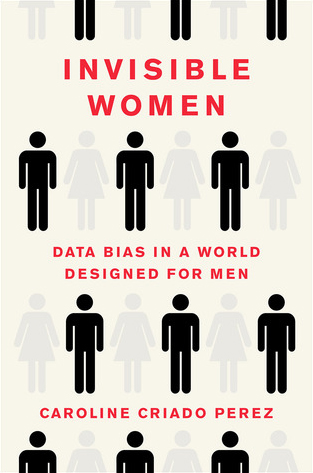
"Invisible Women" meticulously reveals how the world is fundamentally designed around male data and experiences, leading to systemic biases and disadvantages for women. It uncovers a staggering array of examples, from medical research and urban planning to product design and economic policies, where women's needs and realities are overlooked or simply absent from the data used to shape our lives.
This book shares a powerful common ground with "Same Difference" by challenging deeply ingrained assumptions about gender. Both works dismantle the notion that observed differences are inherent or natural, instead exposing how societal structures, often subtly influenced by skewed data or persistent myths, create and exacerbate inequalities, ultimately harming individuals and society as a whole.
This book offers a compelling and often infuriating insight into how biases, even unintended ones, shape everyday existence for women. It presents a vital framework for understanding persistent gender disparities and will empower those seeking a data-driven perspective on systemic inequality, making visible the unseen structures that disadvantage half the population.
Invisible Women: Data Bias in a World Designed for Men
"Invisible Women" meticulously reveals how the world is fundamentally designed around male data and experiences, leading to systemic biases and disadvantages for women. It uncovers a staggering array of examples, from medical research and urban planning to product design and economic policies, where women's needs and realities are overlooked or simply absent from the data used to shape our lives.
This book shares a powerful common ground with "Same Difference" by challenging deeply ingrained assumptions about gender. Both works dismantle the notion that observed differences are inherent or natural, instead exposing how societal structures, often subtly influenced by skewed data or persistent myths, create and exacerbate inequalities, ultimately harming individuals and society as a whole.
This book offers a compelling and often infuriating insight into how biases, even unintended ones, shape everyday existence for women. It presents a vital framework for understanding persistent gender disparities and will empower those seeking a data-driven perspective on systemic inequality, making visible the unseen structures that disadvantage half the population.
Men Explain Things to Me
"Men Explain Things to Me" explores the pervasive phenomenon of "mansplaining"—where men confidently explain things to women that women already understand, often condescendingly, regardless of the women's expertise. Rebecca Solnit's collection of essays delves into the silencing of women's voices, the invalidation of their experiences, and the broader societal implications of such gendered communication patterns on recognition and credibility.
This book resonates with "Same Difference" because both works meticulously deconstruct deeply ingrained gender myths that perpetuate harmful stereotypes and inequities. While Barnett focuses on the detrimental impact of these myths on relationships, children, and careers, Solnit zeroes in on how these myths manifest in communication, undermining women's intellectual authority and contributing to their marginalization in various spheres. Both authors highlight the tangible negative consequences of societal assumptions about gender.
The book offers a compelling analysis of gender dynamics that will resonate with those seeking to understand and challenge everyday sexism. It provides language and context for common experiences of undermining and dismissal, fostering a critical awareness of communication hierarchies. The insights are valuable for anyone interested in gender equality, effective communication, and the subtle ways power operates in social interactions.
Men Explain Things to Me
"Men Explain Things to Me" explores the pervasive phenomenon of "mansplaining"—where men confidently explain things to women that women already understand, often condescendingly, regardless of the women's expertise. Rebecca Solnit's collection of essays delves into the silencing of women's voices, the invalidation of their experiences, and the broader societal implications of such gendered communication patterns on recognition and credibility.
This book resonates with "Same Difference" because both works meticulously deconstruct deeply ingrained gender myths that perpetuate harmful stereotypes and inequities. While Barnett focuses on the detrimental impact of these myths on relationships, children, and careers, Solnit zeroes in on how these myths manifest in communication, undermining women's intellectual authority and contributing to their marginalization in various spheres. Both authors highlight the tangible negative consequences of societal assumptions about gender.
The book offers a compelling analysis of gender dynamics that will resonate with those seeking to understand and challenge everyday sexism. It provides language and context for common experiences of undermining and dismissal, fostering a critical awareness of communication hierarchies. The insights are valuable for anyone interested in gender equality, effective communication, and the subtle ways power operates in social interactions.
More Books to Explore
Discover more titles that expand on these ideas and themes.
Delusions of Gender: How Our Minds, Society, and Neurosexism Create Difference
Are Men the Weaker Sex?
Inferior: How Science Got Women Wrong—and the New Research That's Rewriting the Story
Male Sexuality: Why Women Don't Understand It-And Men Don't Either
You Just Don't Understand: Women and Men in Conversation
Sex and Gender