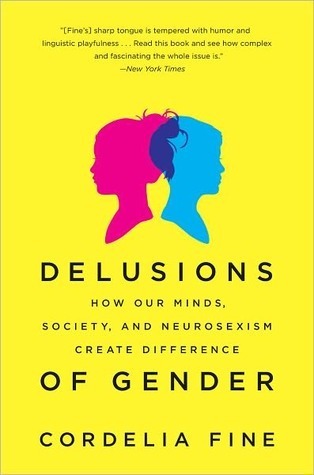
Delusions of Gender: How Our Minds, Society, and Neurosexism Create Difference
Book Description
What if everything you thought you knew about gender was a mirage? In "Delusions of Gender," Cordelia Fine dives into the murky waters of neuroscience and society, unraveling the myths that fuel gender stereotypes. With razor-sharp wit and compelling research, she dismantles the idea that our brains dictate rigid roles, exposing how cultural biases warp our perceptions. As Fine navigates the tangled web of neurosexism, she raises a crucial question: can we break free from these delusions and reshape our understanding of identity, or are we forever trapped in a narrative written by society?
Quick Book Summary
"Delusions of Gender" by Cordelia Fine is a critical exploration of the commonly held belief that significant differences exist between male and female brains, inevitably shaping distinct interests, abilities, and social roles. Fine meticulously examines scientific studies and societal narratives, revealing how many widely circulated claims about 'hardwired' gender differences are poorly supported by evidence or shaped by unconscious biases. Through engaging anecdotes and incisive analysis, she exposes the powerful role of cultural expectations in molding individual identities and capabilities. Fine argues that neurosexism—the misapplication of neuroscience to justify gender inequality—perpetuates damaging stereotypes, limiting both women and men. Ultimately, Fine challenges readers to reconsider the origins of gendered behavior and reflects on how a deeper understanding of the social forces at play can help build a more equitable society.



Summary of Key Ideas
Table of Contents
Debunking Brain-Based Gender Myths
Fine begins by interrogating the popular notion that male and female brains are wired so differently that gendered behaviors are inevitable. She demonstrates that much of the scientific evidence used to support biological determinism is flawed, often interpreted out of context, or overstates minor statistical differences. Instead, Fine urges skepticism toward sweeping generalizations about the supposed 'hardwired' nature of gender disparities.
Societal Influence on Identity and Capability
Moving beyond biological arguments, Fine dives into the powerful, often unrecognized impact of societal expectations and stereotypes. She explains how cultural messages shape self-perception and performance from a young age, priming individuals to conform to gendered roles. Socialization, rather than innate differences, takes center stage in the formation of traits such as empathy, aggression, or academic interests.
The Pervasiveness and Cost of Neurosexism
Highlighting the concept of 'neurosexism,' Fine outlines how neuroscience is sometimes used to reinforce outdated stereotypes. She scrutinizes high-profile studies and media coverage that claim to find deep-seated neurological causes for gender differences, revealing the gaps, misinterpretations, and methodological issues underlying such reports. Fine argues that these narratives blind us to the role of context and perpetuate unequal treatment in education, work, and relationships.
The Flexibility of Human Potential
The book emphasizes the incredible plasticity of the human brain and the adaptability of behavior. Fine presents research showing that given different environments, expectations, and opportunities, both women and men can develop skills and interests once thought to be gender-specific. This flexibility challenges the very foundation of arguments for rigid gender roles.
Reimagining Gender Equality
Fine concludes by inviting readers to reimagine what society could look like if we shed our delusions about gender. By recognizing the interplay between mind, culture, and biology, she maintains, we can resist limiting narratives and promote genuine equality. The book serves not just as a critique of scientific and cultural assumptions, but as a call to action to shape a future where individual potential is not constrained by gendered expectations.
Download This Summary
Get a free PDF of this summary instantly — no email required.