10 Books Similar to "Round River: From the Journals of Aldo Leopold"
by Aldo Leopold
A Sand County Almanac and Sketches Here and There
"A Sand County Almanac and Sketches Here and There" is a seminal collection of essays that articulates Aldo Leopold’s land ethic. Through seasonal observations of his Wisconsin farm and reflections on wilderness, the book champions a conservation philosophy that integrates humanity with the natural world, rather than seeing them as separate. It's a profound meditation on ecological interconnectedness and humanity’s responsibility to the land.
This work resonates strongly with "Round River" because both are deeply embedded in Leopold's personal experiences and journal entries. "A Sand County Almanac" can be seen as a more polished and curated distillation of the very observations, philosophical musings, and ethical frameworks found in the raw, introspective journals that comprise "Round River." Both showcase Leopold's evolving understanding of ecology and his foundational ideas on conservation.
This book will appeal to those seeking a deeper understanding of environmental ethics, the history of conservation, and the sheer beauty of the natural world. It offers timeless insights into ecological principles and encourages a mindful relationship with the planet, inspiring a sense of stewardship and appreciation for biodiversity.
A Sand County Almanac and Sketches Here and There
"A Sand County Almanac and Sketches Here and There" is a seminal collection of essays that articulates Aldo Leopold’s land ethic. Through seasonal observations of his Wisconsin farm and reflections on wilderness, the book champions a conservation philosophy that integrates humanity with the natural world, rather than seeing them as separate. It's a profound meditation on ecological interconnectedness and humanity’s responsibility to the land.
This work resonates strongly with "Round River" because both are deeply embedded in Leopold's personal experiences and journal entries. "A Sand County Almanac" can be seen as a more polished and curated distillation of the very observations, philosophical musings, and ethical frameworks found in the raw, introspective journals that comprise "Round River." Both showcase Leopold's evolving understanding of ecology and his foundational ideas on conservation.
This book will appeal to those seeking a deeper understanding of environmental ethics, the history of conservation, and the sheer beauty of the natural world. It offers timeless insights into ecological principles and encourages a mindful relationship with the planet, inspiring a sense of stewardship and appreciation for biodiversity.
Open Horizons
"Open Horizons" by Sigurd F. Olson chronicles his lifelong exploration of the North American wilderness, particularly the Boundary Waters Canoe Area and other northern landscapes. Through deeply personal essays, Olson reflects on the profound spiritual and ecological lessons gleaned from a lifetime spent observing and immersing himself in nature, advocating for its preservation not just for its inherent beauty, but for its vital role in human well-being.
This work resonates strongly with Leopold's "Round River" due to their shared commitment to a land ethic. Both authors, seasoned naturalists, articulate a philosophy that transcends mere conservation, urging a deeper, more reciprocal relationship between humanity and the natural world. They champion an intrinsic appreciation for ecological processes, emphasizing the interconnectedness of all life and the wisdom found in wild places, drawing from direct field observations and philosophical reflections.
The book offers a compelling invitation to reconnect with the wild, fostering a thoughtful perspective on environmental stewardship. Its eloquent prose and insightful observations provide a vital counterpoint to modern disconnectedness, reminding one of the enduring value of wilderness and the restorative power of nature. It cultivates a richer understanding of humanity's place within the ecological tapestry.
Open Horizons
"Open Horizons" by Sigurd F. Olson chronicles his lifelong exploration of the North American wilderness, particularly the Boundary Waters Canoe Area and other northern landscapes. Through deeply personal essays, Olson reflects on the profound spiritual and ecological lessons gleaned from a lifetime spent observing and immersing himself in nature, advocating for its preservation not just for its inherent beauty, but for its vital role in human well-being.
This work resonates strongly with Leopold's "Round River" due to their shared commitment to a land ethic. Both authors, seasoned naturalists, articulate a philosophy that transcends mere conservation, urging a deeper, more reciprocal relationship between humanity and the natural world. They champion an intrinsic appreciation for ecological processes, emphasizing the interconnectedness of all life and the wisdom found in wild places, drawing from direct field observations and philosophical reflections.
The book offers a compelling invitation to reconnect with the wild, fostering a thoughtful perspective on environmental stewardship. Its eloquent prose and insightful observations provide a vital counterpoint to modern disconnectedness, reminding one of the enduring value of wilderness and the restorative power of nature. It cultivates a richer understanding of humanity's place within the ecological tapestry.
Reflections from the North Country
"Reflections from the North Country" by Sigurd F. Olson is a deeply contemplative collection of essays exploring the natural world of the boreal forests, particularly the Boundary Waters region. Olson melds personal experience with ecological observations, reflecting on the solitude, wildness, and enduring truths discovered through a lifetime spent immersed in nature. His prose evokes the raw beauty and spiritual significance of untouched landscapes.
The book shares a profound kinship with Aldo Leopold's "Round River." Both authors articulate a philosophy rooted in direct engagement with wilderness, advocating for a holistic understanding of ecosystems and humanity's place within them. Both Olson and Leopold use their personal journals and observations to build a compelling narrative around the interconnectedness of all living things, emphasizing ethical responsibilities towards land and wildlife rather than purely utilitarian perspectives.
This book will resonate deeply with those who appreciate eloquent nature writing and environmental philosophy. It offers intellectual nourishment for individuals seeking a more profound connection to the natural world, prompting introspection on conservation ethics and the intrinsic value of wild places. Its timeless themes and evocative language provide lasting inspiration and a call to responsible stewardship.
Reflections from the North Country
"Reflections from the North Country" by Sigurd F. Olson is a deeply contemplative collection of essays exploring the natural world of the boreal forests, particularly the Boundary Waters region. Olson melds personal experience with ecological observations, reflecting on the solitude, wildness, and enduring truths discovered through a lifetime spent immersed in nature. His prose evokes the raw beauty and spiritual significance of untouched landscapes.
The book shares a profound kinship with Aldo Leopold's "Round River." Both authors articulate a philosophy rooted in direct engagement with wilderness, advocating for a holistic understanding of ecosystems and humanity's place within them. Both Olson and Leopold use their personal journals and observations to build a compelling narrative around the interconnectedness of all living things, emphasizing ethical responsibilities towards land and wildlife rather than purely utilitarian perspectives.
This book will resonate deeply with those who appreciate eloquent nature writing and environmental philosophy. It offers intellectual nourishment for individuals seeking a more profound connection to the natural world, prompting introspection on conservation ethics and the intrinsic value of wild places. Its timeless themes and evocative language provide lasting inspiration and a call to responsible stewardship.
The Journey Home: Some Words in Defense of the American West
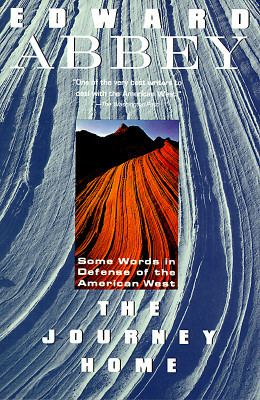
Edward Abbey’s "The Journey Home" is a fiercely passionate collection of essays, journals, and reflections primarily exploring the American West. It delves into the region's wilderness, the challenges it faces from development and human impact, and the inherent value of its wild, untamed landscapes. Abbey champions direct experience with nature, critiques industrial expansion, and advocates for conservation through a deeply personal and often provocative lens.
The book shares a profound thematic kinship with Leopold’s "Round River" through their mutual celebration of the wild and their shared concern for its degradation. Both authors, writing from personal observation and deep ecological understanding, articulate the intrinsic worth of natural systems and the ethical imperative to protect them. They each blend insightful nature writing with a call to action, rooted in a land ethic that extends beyond utility to encompass reverence.
This collection will resonate with individuals who appreciate articulate advocacy for environmental preservation and value literature that passionately defends wild places. Its compelling arguments and vivid descriptions offer a potent reminder of nature's beauty and fragility, inspiring reflection on our relationship with the land and encouraging a more mindful approach to ecological stewardship.
The Journey Home: Some Words in Defense of the American West
Edward Abbey’s "The Journey Home" is a fiercely passionate collection of essays, journals, and reflections primarily exploring the American West. It delves into the region's wilderness, the challenges it faces from development and human impact, and the inherent value of its wild, untamed landscapes. Abbey champions direct experience with nature, critiques industrial expansion, and advocates for conservation through a deeply personal and often provocative lens.
The book shares a profound thematic kinship with Leopold’s "Round River" through their mutual celebration of the wild and their shared concern for its degradation. Both authors, writing from personal observation and deep ecological understanding, articulate the intrinsic worth of natural systems and the ethical imperative to protect them. They each blend insightful nature writing with a call to action, rooted in a land ethic that extends beyond utility to encompass reverence.
This collection will resonate with individuals who appreciate articulate advocacy for environmental preservation and value literature that passionately defends wild places. Its compelling arguments and vivid descriptions offer a potent reminder of nature's beauty and fragility, inspiring reflection on our relationship with the land and encouraging a more mindful approach to ecological stewardship.
Desert Solitaire

"Desert Solitaire" is a passionate, often polemical, account of Edward Abbey’s experiences as a park ranger in Arches National Monument (now National Park) in the late 1950s. It chronicles his deep immersion in the landscape, his anti-establishment critiques of industrial tourism and rampant development, and his reflections on the relationship between humanity and the wild. Abbey’s observations range from the sublime beauty of the desert to the ecological degradation he witnessed, all delivered with unvarnished honesty and a fiercely independent spirit.
The similarity to Leopold’s "Round River" lies in their shared ethos: both authors are keen observers of the natural world, deeply valuing its intrinsic worth and advocating for its preservation. Both books are drawn from personal journals and experiences, shaping their arguments through direct engagement with the land. They grapple with the ethical responsibilities of humanity towards nature, lamenting its destruction while simultaneously celebrating its beauty and resilience, albeit with differing rhetorical styles.
The book appeals through its vivid prose, engaging storytelling, and its powerful, enduring calls for conservation. It offers profound insights into both the American wilderness and the human condition, challenging assumptions about progress and growth. Its passionate defense of wild places and its articulate critique of environmental destruction provide invaluable perspectives for anyone concerned with ecological ethics and the future of natural landscapes.
Desert Solitaire
"Desert Solitaire" is a passionate, often polemical, account of Edward Abbey’s experiences as a park ranger in Arches National Monument (now National Park) in the late 1950s. It chronicles his deep immersion in the landscape, his anti-establishment critiques of industrial tourism and rampant development, and his reflections on the relationship between humanity and the wild. Abbey’s observations range from the sublime beauty of the desert to the ecological degradation he witnessed, all delivered with unvarnished honesty and a fiercely independent spirit.
The similarity to Leopold’s "Round River" lies in their shared ethos: both authors are keen observers of the natural world, deeply valuing its intrinsic worth and advocating for its preservation. Both books are drawn from personal journals and experiences, shaping their arguments through direct engagement with the land. They grapple with the ethical responsibilities of humanity towards nature, lamenting its destruction while simultaneously celebrating its beauty and resilience, albeit with differing rhetorical styles.
The book appeals through its vivid prose, engaging storytelling, and its powerful, enduring calls for conservation. It offers profound insights into both the American wilderness and the human condition, challenging assumptions about progress and growth. Its passionate defense of wild places and its articulate critique of environmental destruction provide invaluable perspectives for anyone concerned with ecological ethics and the future of natural landscapes.
Listening Point
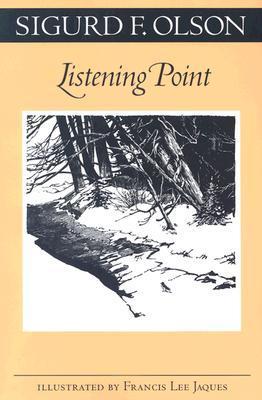
"Listening Point" by Sigurd F. Olson chronicles his deep connection to a small, remote cabin site in northern Minnesota. It's a meditative exploration of the natural world through the lens of one man's personal experience, focusing on sensory details, the rhythms of the seasons, and the profound solace found in wild places. Olson blends memoir with philosophical reflection, inviting readers to share in his contemplative appreciation of nature.
The similarity to Leopold’s "Round River" lies in their shared ethos: both authors articulate a profound personal relationship with the land, moving beyond mere observation to a deeply felt understanding of ecological interconnectedness. Both books are drawn from personal reflections and observations, presenting nature not as a backdrop, but as a dynamic, living entity deserving of respect and ethical consideration. They advocate for a land ethic through lived experience rather than academic dissertation.
This book will appeal to individuals seeking introspection and a deeper connection with the natural world. It offers a gentle but impactful reminder of the value of solitude, observation, and stewardship, providing a counterpoint to the complexities of modern life. Its beautifully rendered descriptions and thoughtful musings offer both aesthetic pleasure and intellectual stimulation, inspiring a contemplative approach to one’s surroundings.
Listening Point
"Listening Point" by Sigurd F. Olson chronicles his deep connection to a small, remote cabin site in northern Minnesota. It's a meditative exploration of the natural world through the lens of one man's personal experience, focusing on sensory details, the rhythms of the seasons, and the profound solace found in wild places. Olson blends memoir with philosophical reflection, inviting readers to share in his contemplative appreciation of nature.
The similarity to Leopold’s "Round River" lies in their shared ethos: both authors articulate a profound personal relationship with the land, moving beyond mere observation to a deeply felt understanding of ecological interconnectedness. Both books are drawn from personal reflections and observations, presenting nature not as a backdrop, but as a dynamic, living entity deserving of respect and ethical consideration. They advocate for a land ethic through lived experience rather than academic dissertation.
This book will appeal to individuals seeking introspection and a deeper connection with the natural world. It offers a gentle but impactful reminder of the value of solitude, observation, and stewardship, providing a counterpoint to the complexities of modern life. Its beautifully rendered descriptions and thoughtful musings offer both aesthetic pleasure and intellectual stimulation, inspiring a contemplative approach to one’s surroundings.
Adventures with Ed: A Portrait of Abbey
"Adventures with Ed: A Portrait of Abbey" offers an intimate and comprehensive look at the life and mind of environmental activist and writer Edward Abbey, as told through the eyes of his close friend and fellow activist, Jack Loeffler. It's a personal journey into Abbey's philosophies, his adventures, and the controversies that surrounded his efforts to protect wild spaces.
This book resonates with "Round River" due to its shared focus on the profound connection between humanity and the natural world, and the imperative of conservation. Both works derive from personal journals and observations, offering direct, unfiltered insights into the environmental ethics and struggles of their respective authors. They celebrate wilderness and challenge prevailing attitudes towards land use.
The appeal of "Adventures with Ed" lies in its compelling portrayal of a pivotal figure in environmental literature and activism. It provides direct engagement with Abbey's ideas about land preservation and human responsibility, offering both inspiration and a deeper understanding of the conservation movement's historical roots. For those interested in environmental ethics, biographical accounts of influential thinkers, or the protection of wild landscapes, this book provides significant value.
Adventures with Ed: A Portrait of Abbey
"Adventures with Ed: A Portrait of Abbey" offers an intimate and comprehensive look at the life and mind of environmental activist and writer Edward Abbey, as told through the eyes of his close friend and fellow activist, Jack Loeffler. It's a personal journey into Abbey's philosophies, his adventures, and the controversies that surrounded his efforts to protect wild spaces.
This book resonates with "Round River" due to its shared focus on the profound connection between humanity and the natural world, and the imperative of conservation. Both works derive from personal journals and observations, offering direct, unfiltered insights into the environmental ethics and struggles of their respective authors. They celebrate wilderness and challenge prevailing attitudes towards land use.
The appeal of "Adventures with Ed" lies in its compelling portrayal of a pivotal figure in environmental literature and activism. It provides direct engagement with Abbey's ideas about land preservation and human responsibility, offering both inspiration and a deeper understanding of the conservation movement's historical roots. For those interested in environmental ethics, biographical accounts of influential thinkers, or the protection of wild landscapes, this book provides significant value.
Down the River
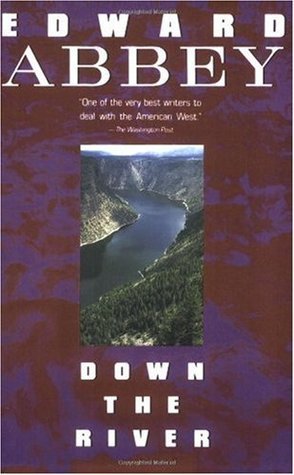
Edward Abbey's "Down the River" is a collection of essays that chronicle his direct experiences with the wild landscapes of the American West, particularly focusing on river journeys and the ecological and political challenges facing these environments. It's a passionate defense of wildness and a strong critique of industrialization and overdevelopment, advocating for a more harmonious coexistence with nature.
The book resonates with "Round River: From the Journals of Aldo Leopold" through its deeply personal and observational approach to nature. Both authors articulate a profound reverence for the natural world and a keen understanding of ecological processes. They share a similar essayistic style, blending vivid descriptions of wilderness with philosophical reflections on humanity's place within it, often tempered with a dry wit and a strong ethical stance on conservation.
Those drawn to thoughtful inquiries into environmental ethics and the enduring allure of wild spaces will appreciate "Down the River." Its value lies in Abbey's unflinching honesty and his ability to articulate the intrinsic worth of untouched landscapes, inspiring a deeper appreciation for conservation and critical thought about environmental policy. It encourages a deeper personal connection to the land and a critical examination of societal impacts on natural systems.
Down the River
Edward Abbey's "Down the River" is a collection of essays that chronicle his direct experiences with the wild landscapes of the American West, particularly focusing on river journeys and the ecological and political challenges facing these environments. It's a passionate defense of wildness and a strong critique of industrialization and overdevelopment, advocating for a more harmonious coexistence with nature.
The book resonates with "Round River: From the Journals of Aldo Leopold" through its deeply personal and observational approach to nature. Both authors articulate a profound reverence for the natural world and a keen understanding of ecological processes. They share a similar essayistic style, blending vivid descriptions of wilderness with philosophical reflections on humanity's place within it, often tempered with a dry wit and a strong ethical stance on conservation.
Those drawn to thoughtful inquiries into environmental ethics and the enduring allure of wild spaces will appreciate "Down the River." Its value lies in Abbey's unflinching honesty and his ability to articulate the intrinsic worth of untouched landscapes, inspiring a deeper appreciation for conservation and critical thought about environmental policy. It encourages a deeper personal connection to the land and a critical examination of societal impacts on natural systems.
Return to Wild America: A Yearlong Search for the Continent's Natural Soul
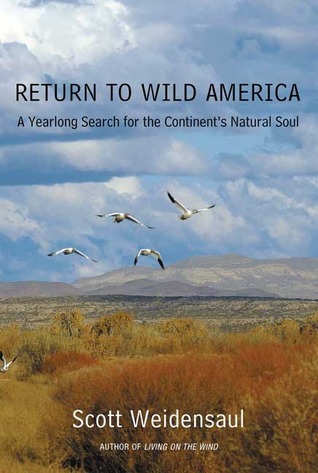
Scott Weidensaul's "Return to Wild America" chronicles his ambitious, year-long journey across North America, retracing the iconic path of Roger Tory Peterson and James Fisher's 1953 expedition. Weidensaul documents the continent's present ecological state, observing wildlife, habitats, and the profound changes, both detrimental and hopeful, that have occurred over the past half-century. It’s an insightful blend of natural history, conservation reporting, and personal reflection on the wild places remaining.
This book shares a deep kinship with "Round River." Both emphasize keen observation of the natural world and an enduring dedication to understanding ecological principles. Leopold’s journal entries, often philosophical and deeply personal, explore the interconnectedness of land and life, a theme Weidensaul echoes as he grapples with conservation challenges and celebrates resilience. Both authors serve as guides, offering their experiences and insights to illuminate larger truths about our relationship with nature.
The book will appeal to those who appreciate thoughtful nature writing and a critical look at modern conservation. It offers a valuable perspective on ecological change through a meticulously documented journey, inspiring both reflection on our environmental past and engagement with its future. Its blend of travelogue, natural history, and environmental analysis makes it a compelling and educational read for anyone concerned with the fate of North America's wild soul.
Return to Wild America: A Yearlong Search for the Continent's Natural Soul
Scott Weidensaul's "Return to Wild America" chronicles his ambitious, year-long journey across North America, retracing the iconic path of Roger Tory Peterson and James Fisher's 1953 expedition. Weidensaul documents the continent's present ecological state, observing wildlife, habitats, and the profound changes, both detrimental and hopeful, that have occurred over the past half-century. It’s an insightful blend of natural history, conservation reporting, and personal reflection on the wild places remaining.
This book shares a deep kinship with "Round River." Both emphasize keen observation of the natural world and an enduring dedication to understanding ecological principles. Leopold’s journal entries, often philosophical and deeply personal, explore the interconnectedness of land and life, a theme Weidensaul echoes as he grapples with conservation challenges and celebrates resilience. Both authors serve as guides, offering their experiences and insights to illuminate larger truths about our relationship with nature.
The book will appeal to those who appreciate thoughtful nature writing and a critical look at modern conservation. It offers a valuable perspective on ecological change through a meticulously documented journey, inspiring both reflection on our environmental past and engagement with its future. Its blend of travelogue, natural history, and environmental analysis makes it a compelling and educational read for anyone concerned with the fate of North America's wild soul.
The Singing Wilderness
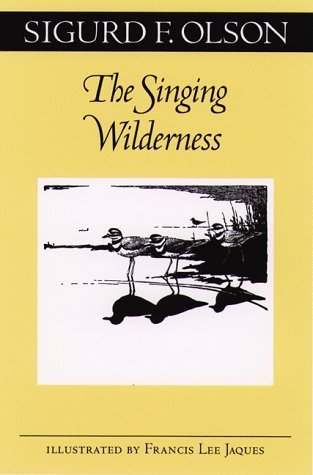
"The Singing Wilderness" by Sigurd F. Olson is a collection of evocative essays that immerse the reader in the pristine beauty and profound cycles of the Boundary Waters Canoe Area Wilderness. Olson, a long-time resident and advocate for the region, reflects on his experiences traversing its lakes and forests, observing wildlife, and contemplating the enduring power and solace found in untouched nature. It's a testament to the spiritual and physical rejuvenation derived from wild places.
This book shares a deep kinship with "Round River: From the Journals of Aldo Leopold" through their common dedication to ecological observation and a philosophy of land stewardship. Both authors, naturalists and eloquent prose stylists, championed the intrinsic value of wilderness, urging a deeper, more ethical relationship between humanity and the natural world. Their works are meditations on interconnectedness and the vital importance of preserving wild landscapes for future generations.
The book offers a thoughtful escape into a world increasingly distant for many, fostering a heightened appreciation for biodiversity and the quiet majesty of untamed spaces. Its lyrical prose and timeless themes of connection to nature provide powerful insights into conservation ethics and a sense of wonder that resonates long after the final page.
The Singing Wilderness
"The Singing Wilderness" by Sigurd F. Olson is a collection of evocative essays that immerse the reader in the pristine beauty and profound cycles of the Boundary Waters Canoe Area Wilderness. Olson, a long-time resident and advocate for the region, reflects on his experiences traversing its lakes and forests, observing wildlife, and contemplating the enduring power and solace found in untouched nature. It's a testament to the spiritual and physical rejuvenation derived from wild places.
This book shares a deep kinship with "Round River: From the Journals of Aldo Leopold" through their common dedication to ecological observation and a philosophy of land stewardship. Both authors, naturalists and eloquent prose stylists, championed the intrinsic value of wilderness, urging a deeper, more ethical relationship between humanity and the natural world. Their works are meditations on interconnectedness and the vital importance of preserving wild landscapes for future generations.
The book offers a thoughtful escape into a world increasingly distant for many, fostering a heightened appreciation for biodiversity and the quiet majesty of untamed spaces. Its lyrical prose and timeless themes of connection to nature provide powerful insights into conservation ethics and a sense of wonder that resonates long after the final page.
More Books to Explore
Discover more titles that expand on these ideas and themes.
A Sand County Almanac and Sketches Here and There
Open Horizons
Reflections from the North Country
The Journey Home: Some Words in Defense of the American West
Desert Solitaire
Listening Point