10 Books Similar to "Quiet Room"
by Lori Schiller

The Center Cannot Hold: My Journey Through Madness

"The Center Cannot Hold: My Journey Through Madness" is Elyn R. Saks's powerful memoir detailing her lifelong struggle with chronic schizophrenia. As a distinguished legal scholar, Saks courageously recounts her institutionalizations, misdiagnoses, and the unyielding efforts required to manage her severe mental illness while simultaneously achieving extraordinary professional success. It's an intimate look at the relentless internal battle and the societal stigma surrounding mental health.
This narrative shares striking parallels with "Quiet Room." Both books offer first-person accounts of severe mental illness, specifically schizophrenia, from individuals who, despite their profound struggles, exhibit remarkable intellectual capacity and drive. They explore the harrowing realities of psychiatric hospitalization, the search for effective treatment, and the impact of the illness on personal identity and relationships, all while challenging preconceived notions about those living with mental disorders.
This book offers profound insights into the lived experience of severe mental illness, fostering empathy and understanding. Its exploration of resilience in the face of immense adversity is deeply moving and inspiring. It also provides a unique perspective on the intersection of mental health, professional ambition, and the journey toward self-acceptance, making it a significant contribution to the literature on mental health and human perseverance.
The Center Cannot Hold: My Journey Through Madness
"The Center Cannot Hold: My Journey Through Madness" is Elyn R. Saks's powerful memoir detailing her lifelong struggle with chronic schizophrenia. As a distinguished legal scholar, Saks courageously recounts her institutionalizations, misdiagnoses, and the unyielding efforts required to manage her severe mental illness while simultaneously achieving extraordinary professional success. It's an intimate look at the relentless internal battle and the societal stigma surrounding mental health.
This narrative shares striking parallels with "Quiet Room." Both books offer first-person accounts of severe mental illness, specifically schizophrenia, from individuals who, despite their profound struggles, exhibit remarkable intellectual capacity and drive. They explore the harrowing realities of psychiatric hospitalization, the search for effective treatment, and the impact of the illness on personal identity and relationships, all while challenging preconceived notions about those living with mental disorders.
This book offers profound insights into the lived experience of severe mental illness, fostering empathy and understanding. Its exploration of resilience in the face of immense adversity is deeply moving and inspiring. It also provides a unique perspective on the intersection of mental health, professional ambition, and the journey toward self-acceptance, making it a significant contribution to the literature on mental health and human perseverance.
Girl, Interrupted

"Girl, Interrupted" chronicles Susanna Kaysen's actual experiences after being diagnosed with Borderline Personality Disorder and admitted to McLean Hospital in the late 1960s. It offers an unflinching, witty, and often unsettling look into the lives of young women navigating mental illness within the confines of a psychiatric institution, questioning definitions of sanity and madness.
This memoir shares significant thematic overlap with "Quiet Room" by Lori Schiller. Both books delve into the deeply personal and often harrowing journey of grappling with a severe mental health condition within the institutional healthcare system. They offer intimate first-person accounts of diagnosis, treatment, and the societal stigma surrounding mental illness, exploring the challenges of finding agency and identity amidst profound internal struggles.
The book will appeal to those interested in candid narratives of mental health, particularly the complexities of psychiatric care and the personal impact of debilitating conditions. Its exploration of identity, agency, and societal perceptions of "normalcy" provides valuable insight into an often-misunderstood facet of human experience.
Girl, Interrupted
"Girl, Interrupted" chronicles Susanna Kaysen's actual experiences after being diagnosed with Borderline Personality Disorder and admitted to McLean Hospital in the late 1960s. It offers an unflinching, witty, and often unsettling look into the lives of young women navigating mental illness within the confines of a psychiatric institution, questioning definitions of sanity and madness.
This memoir shares significant thematic overlap with "Quiet Room" by Lori Schiller. Both books delve into the deeply personal and often harrowing journey of grappling with a severe mental health condition within the institutional healthcare system. They offer intimate first-person accounts of diagnosis, treatment, and the societal stigma surrounding mental illness, exploring the challenges of finding agency and identity amidst profound internal struggles.
The book will appeal to those interested in candid narratives of mental health, particularly the complexities of psychiatric care and the personal impact of debilitating conditions. Its exploration of identity, agency, and societal perceptions of "normalcy" provides valuable insight into an often-misunderstood facet of human experience.
An Unquiet Mind: A Memoir of Moods and Madness

*An Unquiet Mind* offers a raw and illuminating autobiography by Kay Redfield Jamison, a leading psychiatrist specializing in bipolar disorder, who also lives with the condition herself. She chronicles her personal journey through manic highs and depressive lows, from its onset in her youth through her professional life. The book provides a rigorous yet deeply personal account of her symptoms, treatment, and the profound impact bipolar disorder has had on her relationships, career, and self-perception, while also exploring the often-misunderstood aspects of mental illness from both a medical and lived perspective.
The significant similarity to *Quiet Room* lies in both books’ unflinching first-person narratives of severe mental illness. Both authors provide intimate, sometimes harrowing, insights into the subjective experience of conditions that profoundly disrupt reality and personal agency. They grapple with psychiatric hospitalization, the search for effective treatment, and the immense stigma associated with their diagnoses, offering parallel explorations of vulnerability and resilience within mental health crises.
This book will appeal to those seeking genuine insight into the lived experience of bipolar disorder, presented with both academic rigor and deeply personal candor. Its value comes from demystifying mental illness through the eyes of an individual uniquely positioned as both patient and expert, fostering empathy and understanding. It also offers hope and a sense of shared experience for individuals and families navigating similar challenges, illuminating the complexities and ultimately the possibility of a full life despite significant mental health struggles.
An Unquiet Mind: A Memoir of Moods and Madness
*An Unquiet Mind* offers a raw and illuminating autobiography by Kay Redfield Jamison, a leading psychiatrist specializing in bipolar disorder, who also lives with the condition herself. She chronicles her personal journey through manic highs and depressive lows, from its onset in her youth through her professional life. The book provides a rigorous yet deeply personal account of her symptoms, treatment, and the profound impact bipolar disorder has had on her relationships, career, and self-perception, while also exploring the often-misunderstood aspects of mental illness from both a medical and lived perspective.
The significant similarity to *Quiet Room* lies in both books’ unflinching first-person narratives of severe mental illness. Both authors provide intimate, sometimes harrowing, insights into the subjective experience of conditions that profoundly disrupt reality and personal agency. They grapple with psychiatric hospitalization, the search for effective treatment, and the immense stigma associated with their diagnoses, offering parallel explorations of vulnerability and resilience within mental health crises.
This book will appeal to those seeking genuine insight into the lived experience of bipolar disorder, presented with both academic rigor and deeply personal candor. Its value comes from demystifying mental illness through the eyes of an individual uniquely positioned as both patient and expert, fostering empathy and understanding. It also offers hope and a sense of shared experience for individuals and families navigating similar challenges, illuminating the complexities and ultimately the possibility of a full life despite significant mental health struggles.
Madness: A Bipolar Life

Marya Hornbacher's "Madness: A Bipolar Life" is a raw and unflinching memoir detailing her lifelong struggle with rapid-cycling bipolar disorder. From early childhood, Hornbacher vividly recounts the extreme highs of mania and the crushing lows of depression, alongside her battles with addiction and eating disorders, offering a visceral insight into the disease's profound impact on her identity and relationships.
This book shares crucial thematic ground with Lori Schiller’s "Quiet Room," as both memoirs offer deeply personal, first-person accounts of living with severe mental illness. They each expose the isolating and often terrifying realities of a mind altered by psychiatric conditions, demystifying the internal experience while highlighting the systemic challenges within mental healthcare and the devastating ripple effects on family.
The appeal of "Madness" lies in its brutal honesty and eloquent prose, providing a profound sense of understanding for those grappling with similar challenges and fostering empathy in others. Its value stems from offering an authentic, unvarnished portrayal of a complex condition, challenging preconceived notions about mental illness and underscoring the resilience of the human spirit in navigating profound adversity.
Madness: A Bipolar Life
Marya Hornbacher's "Madness: A Bipolar Life" is a raw and unflinching memoir detailing her lifelong struggle with rapid-cycling bipolar disorder. From early childhood, Hornbacher vividly recounts the extreme highs of mania and the crushing lows of depression, alongside her battles with addiction and eating disorders, offering a visceral insight into the disease's profound impact on her identity and relationships.
This book shares crucial thematic ground with Lori Schiller’s "Quiet Room," as both memoirs offer deeply personal, first-person accounts of living with severe mental illness. They each expose the isolating and often terrifying realities of a mind altered by psychiatric conditions, demystifying the internal experience while highlighting the systemic challenges within mental healthcare and the devastating ripple effects on family.
The appeal of "Madness" lies in its brutal honesty and eloquent prose, providing a profound sense of understanding for those grappling with similar challenges and fostering empathy in others. Its value stems from offering an authentic, unvarnished portrayal of a complex condition, challenging preconceived notions about mental illness and underscoring the resilience of the human spirit in navigating profound adversity.
Get Me Out of Here: My Recovery from Borderline Personality Disorder

"Get Me Out of Here" is Rachel Reiland's unflinching memoir chronicling her arduous journey through Borderline Personality Disorder (BPD). The book delves into her experiences with intense emotional dysregulation, self-harm, tumultuous relationships, and repeated psychiatric hospitalizations, ultimately detailing her path toward diagnosis, intensive therapy, and significant recovery. It offers a raw, internal perspective on living with a complex mental illness and the dedicated work required to heal.
This memoir resonates strongly with "Quiet Room" due to their shared focus on deeply personal narratives of severe mental illness within psychiatric systems. Both books offer intimate, first-person accounts of protracted struggles with mental health conditions, providing crucial insight into the subjective experience of profound distress, the challenges of diagnosis and treatment, and the often isolating journey towards stability. They each illuminate the often-misunderstood realities of living with mental illness.
The book appeals to those seeking a candid and empathetic understanding of mental illness, particularly BPD. Its value lies in offering hope and validation to individuals grappling with similar challenges, and providing invaluable insight for clinicians, family members, and anyone interested in the human capacity for resilience and recovery from profound psychological suffering. It demystifies BPD through lived experience, fostering greater understanding and reducing stigma.
Get Me Out of Here: My Recovery from Borderline Personality Disorder
"Get Me Out of Here" is Rachel Reiland's unflinching memoir chronicling her arduous journey through Borderline Personality Disorder (BPD). The book delves into her experiences with intense emotional dysregulation, self-harm, tumultuous relationships, and repeated psychiatric hospitalizations, ultimately detailing her path toward diagnosis, intensive therapy, and significant recovery. It offers a raw, internal perspective on living with a complex mental illness and the dedicated work required to heal.
This memoir resonates strongly with "Quiet Room" due to their shared focus on deeply personal narratives of severe mental illness within psychiatric systems. Both books offer intimate, first-person accounts of protracted struggles with mental health conditions, providing crucial insight into the subjective experience of profound distress, the challenges of diagnosis and treatment, and the often isolating journey towards stability. They each illuminate the often-misunderstood realities of living with mental illness.
The book appeals to those seeking a candid and empathetic understanding of mental illness, particularly BPD. Its value lies in offering hope and validation to individuals grappling with similar challenges, and providing invaluable insight for clinicians, family members, and anyone interested in the human capacity for resilience and recovery from profound psychological suffering. It demystifies BPD through lived experience, fostering greater understanding and reducing stigma.
Brain on Fire: My Month of Madness
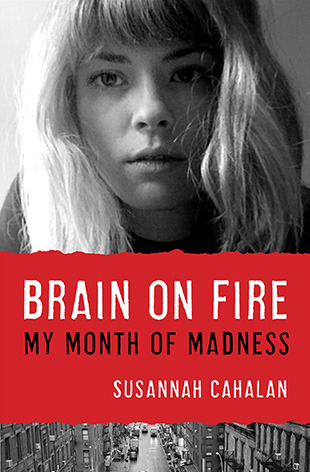
"Brain on Fire: My Month of Madness" chronicles Susannah Cahalan's terrifying descent into a mysterious illness that caused her to experience psychosis, seizures, and catatonia. Initially misdiagnosed with a psychological disorder, she was eventually found to have a rare autoimmune disease, providing a gripping, firsthand account of her medical odyssey and gradual recovery.
This book shares significant thematic and experiential commonalities with "Quiet Room." Both narratives plunge the reader into the disorienting and often terrifying worlds of individuals experiencing severe mental and neurological distress, pushing the boundaries of what is understood as "madness." They highlight the profound isolation, misdiagnosis, and struggle for agency within a system often ill-equipped to understand their conditions.
This compelling memoir will resonate deeply with those interested in the complexities of the human brain, the impact of severe illness on identity, and the challenges of diagnosis and treatment. Its value lies in offering a deeply empathetic perspective on profound suffering and recovery, illuminating the critical but often overlooked intersection of neurology and psychiatry. It fosters understanding and compassion for individuals navigating severe mental and physical health crises.
Brain on Fire: My Month of Madness
"Brain on Fire: My Month of Madness" chronicles Susannah Cahalan's terrifying descent into a mysterious illness that caused her to experience psychosis, seizures, and catatonia. Initially misdiagnosed with a psychological disorder, she was eventually found to have a rare autoimmune disease, providing a gripping, firsthand account of her medical odyssey and gradual recovery.
This book shares significant thematic and experiential commonalities with "Quiet Room." Both narratives plunge the reader into the disorienting and often terrifying worlds of individuals experiencing severe mental and neurological distress, pushing the boundaries of what is understood as "madness." They highlight the profound isolation, misdiagnosis, and struggle for agency within a system often ill-equipped to understand their conditions.
This compelling memoir will resonate deeply with those interested in the complexities of the human brain, the impact of severe illness on identity, and the challenges of diagnosis and treatment. Its value lies in offering a deeply empathetic perspective on profound suffering and recovery, illuminating the critical but often overlooked intersection of neurology and psychiatry. It fosters understanding and compassion for individuals navigating severe mental and physical health crises.
January First: A Child's Descent into Madness and Her Father's Struggle to Save Her

In "January First," Michael Schofield recounts his family's harrowing journey after their young daughter, January, is diagnosed with a severe and rare form of childhood schizophrenia. The book intimately details the immediate onset of acute psychosis, the relentless search for effective treatment, and the immense personal and financial toll taken on the family as they navigate the complexities of a broken mental healthcare system.
This book parallels "Quiet Room" through its unflinching, first-person narrative of a deeply personal and often terrifying struggle against devastating mental illness. Both memoirs explore the profound impact a severe psychiatric condition has not just on the individual, but on their entire family, highlighting themes of perseverance, the limitations of contemporary medicine, and the emotional resilience required to confront such challenges.
It offers a powerful and raw account of a family's fight for their child's survival and well-being. The story provides invaluable insight into the realities of caring for a loved one with severe mental illness, offering a sense of shared experience and validating the struggles faced by many navigating similar difficult situations.
January First: A Child's Descent into Madness and Her Father's Struggle to Save Her
In "January First," Michael Schofield recounts his family's harrowing journey after their young daughter, January, is diagnosed with a severe and rare form of childhood schizophrenia. The book intimately details the immediate onset of acute psychosis, the relentless search for effective treatment, and the immense personal and financial toll taken on the family as they navigate the complexities of a broken mental healthcare system.
This book parallels "Quiet Room" through its unflinching, first-person narrative of a deeply personal and often terrifying struggle against devastating mental illness. Both memoirs explore the profound impact a severe psychiatric condition has not just on the individual, but on their entire family, highlighting themes of perseverance, the limitations of contemporary medicine, and the emotional resilience required to confront such challenges.
It offers a powerful and raw account of a family's fight for their child's survival and well-being. The story provides invaluable insight into the realities of caring for a loved one with severe mental illness, offering a sense of shared experience and validating the struggles faced by many navigating similar difficult situations.
Crazy All the Time On the Psych Ward of Bellevue Hospital

"Crazy All the Time On the Psych Ward of Bellevue Hospital" offers a stark, first-person account of a 1970s inpatient experience. Frederick L. Covan, a young man navigating schizophrenia, details his daily life within the iconic psychiatric institution, exposing the stark realities of mental healthcare, the struggles with medication, and the profound isolation felt by patients. It's a raw, unfiltered chronicle of mental illness from the inside out, providing a crucial historical snapshot of a time before many modern therapeutic advancements.
This memoir resonates with "Quiet Room" due to their shared focus on the deeply personal and often traumatic experience of severe mental illness within institutional settings. Both books provide unflinching perspectives from individuals battling psychosis, charting their journey through confusion, fear, and the sometimes dehumanizing aspects of psychiatric hospitalization. They similarly explore themes of identity loss, the search for stability, and the complexities of diagnosis and treatment, offering intimate glimpses into the profound personal toll of mental health crises.
This book will appeal to those interested in the authentic patient perspective on mental illness and the history of psychiatric care. It provides invaluable insight into the psychological and emotional landscape of individuals grappling with severe conditions and the systemic challenges faced within mental health facilities. For anyone seeking a deeper understanding of the human experience behind diagnoses and institutional walls, particularly within a significant historical context, Covan’s narrative offers a powerful and illuminating journey.
Crazy All the Time On the Psych Ward of Bellevue Hospital
"Crazy All the Time On the Psych Ward of Bellevue Hospital" offers a stark, first-person account of a 1970s inpatient experience. Frederick L. Covan, a young man navigating schizophrenia, details his daily life within the iconic psychiatric institution, exposing the stark realities of mental healthcare, the struggles with medication, and the profound isolation felt by patients. It's a raw, unfiltered chronicle of mental illness from the inside out, providing a crucial historical snapshot of a time before many modern therapeutic advancements.
This memoir resonates with "Quiet Room" due to their shared focus on the deeply personal and often traumatic experience of severe mental illness within institutional settings. Both books provide unflinching perspectives from individuals battling psychosis, charting their journey through confusion, fear, and the sometimes dehumanizing aspects of psychiatric hospitalization. They similarly explore themes of identity loss, the search for stability, and the complexities of diagnosis and treatment, offering intimate glimpses into the profound personal toll of mental health crises.
This book will appeal to those interested in the authentic patient perspective on mental illness and the history of psychiatric care. It provides invaluable insight into the psychological and emotional landscape of individuals grappling with severe conditions and the systemic challenges faced within mental health facilities. For anyone seeking a deeper understanding of the human experience behind diagnoses and institutional walls, particularly within a significant historical context, Covan’s narrative offers a powerful and illuminating journey.
Prozac Nation

*Prozac Nation* is Elizabeth Wurtzel's raw and unflinching memoir detailing her struggles with severe depression from adolescence into early adulthood. It chronicles her tumultuous experiences with mental illness, including self-harm, addiction, and numerous therapy sessions, culminating in her eventual diagnosis and treatment with Prozac. The book offers a deeply personal exploration of the inner turmoil of clinical depression and the isolating effect it had on her life.
This account shares significant thematic overlap with *Quiet Room*, as both memoirs provide intimate, first-person perspectives on navigating severe mental health conditions. Both authors immerse the reader in their internal battles, depicting the overwhelming nature of their illnesses and the complex, often frustrating, journey toward stability and understanding within the mental healthcare system.
The book will resonate with individuals seeking genuine insights into the lived experience of severe depression and the evolving landscape of mental health treatment. Its candor offers a sense of validation for those who have faced similar challenges and provides a powerful, empathetic glimpse into the realities of mental illness for others.
Prozac Nation
*Prozac Nation* is Elizabeth Wurtzel's raw and unflinching memoir detailing her struggles with severe depression from adolescence into early adulthood. It chronicles her tumultuous experiences with mental illness, including self-harm, addiction, and numerous therapy sessions, culminating in her eventual diagnosis and treatment with Prozac. The book offers a deeply personal exploration of the inner turmoil of clinical depression and the isolating effect it had on her life.
This account shares significant thematic overlap with *Quiet Room*, as both memoirs provide intimate, first-person perspectives on navigating severe mental health conditions. Both authors immerse the reader in their internal battles, depicting the overwhelming nature of their illnesses and the complex, often frustrating, journey toward stability and understanding within the mental healthcare system.
The book will resonate with individuals seeking genuine insights into the lived experience of severe depression and the evolving landscape of mental health treatment. Its candor offers a sense of validation for those who have faced similar challenges and provides a powerful, empathetic glimpse into the realities of mental illness for others.
Bed Number Ten

"Bed Number Ten" chronicles the real-life ordeal of Sue Baier, who, following a misdiagnosis and a subsequent brain tumor operation, found herself institutionalized in a psychiatric ward. The book vividly details her harrowing experience as a sane person trapped within a system designed for the mentally ill, grappling with the loss of identity and autonomy amidst the confusion of recovery and medical bureaucracy.
This narrative mirrors "Quiet Room" in its unflinching portrayal of mental health institutions from the patient's perspective. Both books illuminate the systemic challenges, dehumanizing aspects, and the struggle for personal validation within facilities intended for healing. They share a core theme of navigating complex medical and psychiatric landscapes while fighting for one's sanity and selfhood.
The book will appeal to those interested in memoirs of resilience, medical narratives, and critical examinations of mental healthcare systems. It offers profound insights into patient advocacy, the psychological impact of institutionalization, and the enduring human spirit in the face of adversity, making it a valuable read for anyone seeking understanding and empathy for those caught in similar circumstances.
Bed Number Ten
"Bed Number Ten" chronicles the real-life ordeal of Sue Baier, who, following a misdiagnosis and a subsequent brain tumor operation, found herself institutionalized in a psychiatric ward. The book vividly details her harrowing experience as a sane person trapped within a system designed for the mentally ill, grappling with the loss of identity and autonomy amidst the confusion of recovery and medical bureaucracy.
This narrative mirrors "Quiet Room" in its unflinching portrayal of mental health institutions from the patient's perspective. Both books illuminate the systemic challenges, dehumanizing aspects, and the struggle for personal validation within facilities intended for healing. They share a core theme of navigating complex medical and psychiatric landscapes while fighting for one's sanity and selfhood.
The book will appeal to those interested in memoirs of resilience, medical narratives, and critical examinations of mental healthcare systems. It offers profound insights into patient advocacy, the psychological impact of institutionalization, and the enduring human spirit in the face of adversity, making it a valuable read for anyone seeking understanding and empathy for those caught in similar circumstances.
More Books to Explore
Discover more titles that expand on these ideas and themes.
The Center Cannot Hold: My Journey Through Madness
Girl, Interrupted
An Unquiet Mind: A Memoir of Moods and Madness
Madness: A Bipolar Life
Get Me Out of Here: My Recovery from Borderline Personality Disorder
Brain on Fire: My Month of Madness