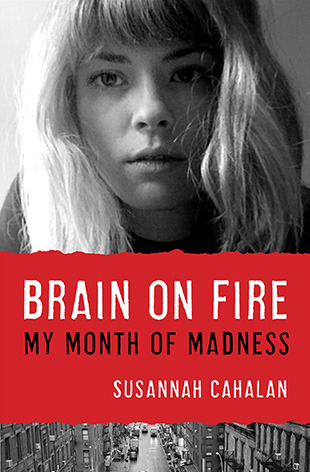
Brain on Fire: My Month of Madness
Book Description
A healthy mind can spiral into chaos in an instant. Susannah Cahalan, a successful journalist, confronts an unfathomable reality when she suddenly finds herself battling severe mental illness, leaving her teetering on the brink of madness. As her vibrant life unravels, the line between reality and delusion blurs, and the medical world struggles to decipher her mysterious condition. With gripping urgency, this memoir unearths the terrifying power of the mind and the relentless fight for identity amidst despair. Can one woman reclaim her life from the shadows of her own brain?
Quick Book Summary
"Brain on Fire: My Month of Madness" chronicles Susannah Cahalan's harrowing descent into psychosis and her fight for recovery. At 24, Cahalan was a thriving journalist when inexplicable symptoms—paranoia, seizures, and memory loss—disrupted her life. As her condition deteriorated, doctors misdiagnosed her with psychiatric disorders, leaving her terrified and misunderstood. The memoir details her struggle to retain her identity while grappling with a mind she no longer controlled. Eventually, a perceptive neurologist identified anti-NMDA receptor encephalitis, a rare autoimmune disease, as the cause. Cahalan’s journey is a testament to resilience and the vital role of accurate diagnosis, raising awareness about the fragility of mental health and the significance of compassion and persistence in medicine and family support.






Summary of Key Ideas
Table of Contents
The Fragility of Mental Health
Susannah Cahalan, a promising journalist in her twenties, was suddenly plunged into a nightmarish reality as she began exhibiting increasingly disturbing symptoms. What started as malaise and paranoia swiftly escalated into seizures, hallucinations, and violent mood swings. Her once-stable life unraveled, exposing the vulnerability of mental health and how quickly stability can dissolve into chaos. The people around her—friends, family, colleagues—were left baffled and frightened by the alarming transformation.
The Labyrinth of Medical Diagnosis
As her condition worsened, Cahalan embarked on a harrowing journey through the medical system. She consulted numerous doctors who, unable to pinpoint her condition, vacillated between psychological and neurological explanations. Misdiagnoses abounded, from stress-induced psychosis to alcoholism, illustrating the complexity of diagnosing brain-related illnesses. This section highlights the frustrating uncertainty patients often endure, underscoring the necessity for holistic, open-minded medical care that doesn’t dismiss puzzling symptoms.
Identity and Memory in Crisis
Throughout her ordeal, Cahalan’s sense of identity was deeply threatened. Memories evaporated and her behavior changed so dramatically that she seemed a stranger even to herself. Her memoir not only recounts the clinical facts but also the emotional turmoil of losing and reconstructing her sense of self. This narrative strand provides a powerful meditation on what it means to be oneself when cognitive function falters.
The Importance of Advocacy and Support
Standing by her were persistent loved ones and a handful of dedicated physicians, whose advocacy proved crucial. Her recovery was only possible because an astute neurologist, Dr. Souhel Najjar, recognized her rare condition: anti-NMDA receptor encephalitis. The book emphasizes the importance of persistent advocacy—by family, friends, and medical professionals—for patients whose voices are silenced by illness. It serves as a call for empathy and vigilance in medicine and caregiving.
Hope and Recovery after Illness
After being correctly diagnosed and treated, Cahalan began the gradual process of reclaiming her life. Her recovery was not just physical but also existential, as she pieced together the lost month and rebuilt her sense of self. "Brain on Fire" ultimately offers a message of hope, highlighting the remarkable capacity for resilience and renewal even after profound mental and physical breakdown. The memoir raises critical questions about the boundaries of mental health, the limits of science, and the journey toward healing and understanding.
Download This Summary
Get a free PDF of this summary instantly — no email required.