10 Books Similar to "Pennies for Hitler"
by Jackie French

My Family for the War
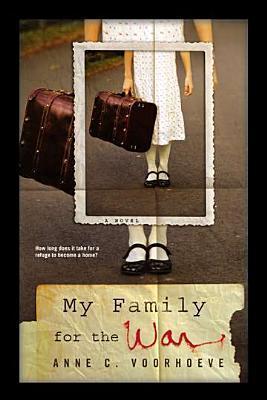
"My Family for the War" explores the harrowing journey of Franziska Mangold, a Jewish girl uprooted from Berlin and sent to live with a gentile family in England during World War II. The narrative delves into her struggles with identity, displacement, and the often subtle, yet pervasive, prejudices she encounters while navigating a new culture and wartime realities.
This novel shares a thematic core with "Pennies for Hitler" through its depiction of a young protagonist experiencing the profound disruptions and emotional complexities of wartime displacement. Both books illuminate the resilience of children forced to adapt to unfamiliar environments, grapple with loss, and confront evolving perceptions of self and belonging amidst global conflict. They offer intimate perspectives on the human cost of war, particularly its impact on individual identity and family structures.
This book offers a compelling narrative for those interested in historical fiction, particularly stories that shed light on the personal tolls of war and the refugee experience. Its strengths lie in its sensitive portrayal of a child’s perspective on prejudice, cultural integration, and the search for identity during a tumultuous period, providing valuable insights into resilience and the human spirit.
My Family for the War
"My Family for the War" explores the harrowing journey of Franziska Mangold, a Jewish girl uprooted from Berlin and sent to live with a gentile family in England during World War II. The narrative delves into her struggles with identity, displacement, and the often subtle, yet pervasive, prejudices she encounters while navigating a new culture and wartime realities.
This novel shares a thematic core with "Pennies for Hitler" through its depiction of a young protagonist experiencing the profound disruptions and emotional complexities of wartime displacement. Both books illuminate the resilience of children forced to adapt to unfamiliar environments, grapple with loss, and confront evolving perceptions of self and belonging amidst global conflict. They offer intimate perspectives on the human cost of war, particularly its impact on individual identity and family structures.
This book offers a compelling narrative for those interested in historical fiction, particularly stories that shed light on the personal tolls of war and the refugee experience. Its strengths lie in its sensitive portrayal of a child’s perspective on prejudice, cultural integration, and the search for identity during a tumultuous period, providing valuable insights into resilience and the human spirit.
Ausländer

*Ausländer* follows Peter, a young but resourceful Polish orphan with Aryan features, who is absorbed into the Nazi regime's elaborate Lebensborn program during World War II. He is trained to become a future Nazi leader in an elite German boarding school, where he grapples with indoctrination and hidden truths while experiencing the stark realities of war and the pervasive ideology shaping his new identity.
This novel shares significant thematic commonalities with *Pennies for Hitler*. Both narratives center on protagonists, children or young teenagers, directly impacted by the immense upheaval and ideological conditioning of World War II, specifically from the Axis perspective. They explore the loss of innocence, the psychological toll of war and propaganda on youth, and the difficult choices individuals face when caught within powerful, oppressive systems.
The book offers a compelling narrative for those interested in the human experience within historical conflict, particularly the often-unexamined perspective of child victims of Lebensborn. It provides a nuanced look at identity formation under extreme duress and the pervasive nature of state-sponsored ideology, making it a valuable addition to discussions on historical ethics, propaganda, and resilience.
Ausländer
*Ausländer* follows Peter, a young but resourceful Polish orphan with Aryan features, who is absorbed into the Nazi regime's elaborate Lebensborn program during World War II. He is trained to become a future Nazi leader in an elite German boarding school, where he grapples with indoctrination and hidden truths while experiencing the stark realities of war and the pervasive ideology shaping his new identity.
This novel shares significant thematic commonalities with *Pennies for Hitler*. Both narratives center on protagonists, children or young teenagers, directly impacted by the immense upheaval and ideological conditioning of World War II, specifically from the Axis perspective. They explore the loss of innocence, the psychological toll of war and propaganda on youth, and the difficult choices individuals face when caught within powerful, oppressive systems.
The book offers a compelling narrative for those interested in the human experience within historical conflict, particularly the often-unexamined perspective of child victims of Lebensborn. It provides a nuanced look at identity formation under extreme duress and the pervasive nature of state-sponsored ideology, making it a valuable addition to discussions on historical ethics, propaganda, and resilience.
Rose Under Fire
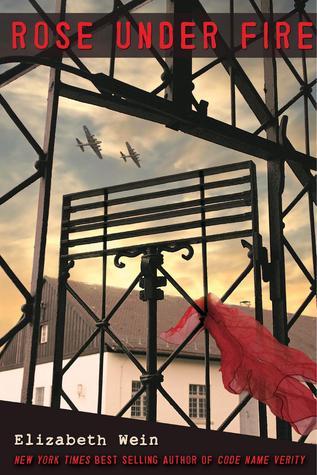
*Rose Under Fire* follows American teenager Rose Justice, a WASP pilot whose dreams of flying are shattered when she’s shot down over occupied France and captured by the Nazis. Her imprisonment in the Ravensbrück concentration camp for women becomes a harrowing fight for survival, where she witnesses unimaginable brutality but also discovers the profound strength of human connection and resistance amidst despair. The narrative unfolds through her diary entries and letters, offering an intimate and unsparing look at the psychological and physical toll of war.
Both *Rose Under Fire* and *Pennies for Hitler* explore the devastating personal impact of World War II through the eyes of resilient young women caught in the conflict's unforgiving grip. Each protagonist navigates profound loss, displacement, and the struggle to maintain their humanity in the face of widespread hatred and violence. They share a core theme of finding inner fortitude and forming bonds in extraordinary circumstances, even while experiencing vastly different wartime landscapes.
This novel offers a powerful, unflinching examination of history, human resilience, and the enduring power of hope. It provides nuanced insight into the experiences of women in concentration camps, a perspective less frequently explored in mainstream historical fiction. Its compelling narrative fosters empathy and intellectual engagement with some of the darkest chapters of the 20th century.
Rose Under Fire
*Rose Under Fire* follows American teenager Rose Justice, a WASP pilot whose dreams of flying are shattered when she’s shot down over occupied France and captured by the Nazis. Her imprisonment in the Ravensbrück concentration camp for women becomes a harrowing fight for survival, where she witnesses unimaginable brutality but also discovers the profound strength of human connection and resistance amidst despair. The narrative unfolds through her diary entries and letters, offering an intimate and unsparing look at the psychological and physical toll of war.
Both *Rose Under Fire* and *Pennies for Hitler* explore the devastating personal impact of World War II through the eyes of resilient young women caught in the conflict's unforgiving grip. Each protagonist navigates profound loss, displacement, and the struggle to maintain their humanity in the face of widespread hatred and violence. They share a core theme of finding inner fortitude and forming bonds in extraordinary circumstances, even while experiencing vastly different wartime landscapes.
This novel offers a powerful, unflinching examination of history, human resilience, and the enduring power of hope. It provides nuanced insight into the experiences of women in concentration camps, a perspective less frequently explored in mainstream historical fiction. Its compelling narrative fosters empathy and intellectual engagement with some of the darkest chapters of the 20th century.
Hitler's Canary

*Hitler's Canary* follows the experiences of the Lind family living in Copenhagen during the Nazi occupation of Denmark in World War II. The narrative centers on Knud, a young boy with a passion for opera, as he witnesses his country’s resistance—both overt and subtle—against the invading forces. It subtly explores themes of national identity, the varying forms of courage in wartime, and the preservation of culture amidst suppression.
This novel shares a thematic core with *Pennies for Hitler* by focusing on the civilian experience of World War II through the eyes of a child. Both books effectively convey the disruption, fear, and resilience of everyday life under totalitarian regimes, albeit from different geographical perspectives and specific historical contexts. They offer intimate yet broadly resonant portraits of childhood innocence confronted by extraordinary circumstances.
This book offers a compelling narrative that illuminates a lesser-known chapter of World War II history: the Danish resistance and rescue of its Jewish population. It provides a humanizing lens through which to understand courage, community, and the persistent desire for freedom, making it a valuable exploration of historical agency and the enduring power of hope.
Hitler's Canary
*Hitler's Canary* follows the experiences of the Lind family living in Copenhagen during the Nazi occupation of Denmark in World War II. The narrative centers on Knud, a young boy with a passion for opera, as he witnesses his country’s resistance—both overt and subtle—against the invading forces. It subtly explores themes of national identity, the varying forms of courage in wartime, and the preservation of culture amidst suppression.
This novel shares a thematic core with *Pennies for Hitler* by focusing on the civilian experience of World War II through the eyes of a child. Both books effectively convey the disruption, fear, and resilience of everyday life under totalitarian regimes, albeit from different geographical perspectives and specific historical contexts. They offer intimate yet broadly resonant portraits of childhood innocence confronted by extraordinary circumstances.
This book offers a compelling narrative that illuminates a lesser-known chapter of World War II history: the Danish resistance and rescue of its Jewish population. It provides a humanizing lens through which to understand courage, community, and the persistent desire for freedom, making it a valuable exploration of historical agency and the enduring power of hope.
Summer of My German Soldier
"Summer of My German Soldier" centers on Patty Bergen, a lonely and ostracized Jewish teenager in a small Arkansas town during World War II. When German prisoners of war are brought to the area, Patty forms an unlikely and deeply impactful friendship with one, Anton Reiker, a refined and sensitive young man. This relationship becomes a source of solace for Patty, who feels unloved by her own family, but also an act of rebellion and a profound ethical dilemma in a society defined by prejudice.
The similarity to "Pennies for Hitler" lies in their shared exploration of empathy and human connection transcending wartime animosities. Both novels feature protagonists – Patty and Georg respectively – who challenge prevailing societal views and risk their personal safety to offer kindness to individuals labeled as "the enemy." They highlight the complexities of war beyond nationalist narratives, focusing on individual morality and the search for goodness amidst conflict.
This book will appeal due to its powerful portrayal of adolescent vulnerability, racial prejudice, and the moral ambiguities of war. It offers a nuanced look at how societal hatred can be challenged by personal connection and compassion, prompting reflection on individual responsibility and the capacity for empathy in even the most hostile environments. The narrative's emotional depth and its exploration of uncomfortable truths remain highly relevant.
Summer of My German Soldier
"Summer of My German Soldier" centers on Patty Bergen, a lonely and ostracized Jewish teenager in a small Arkansas town during World War II. When German prisoners of war are brought to the area, Patty forms an unlikely and deeply impactful friendship with one, Anton Reiker, a refined and sensitive young man. This relationship becomes a source of solace for Patty, who feels unloved by her own family, but also an act of rebellion and a profound ethical dilemma in a society defined by prejudice.
The similarity to "Pennies for Hitler" lies in their shared exploration of empathy and human connection transcending wartime animosities. Both novels feature protagonists – Patty and Georg respectively – who challenge prevailing societal views and risk their personal safety to offer kindness to individuals labeled as "the enemy." They highlight the complexities of war beyond nationalist narratives, focusing on individual morality and the search for goodness amidst conflict.
This book will appeal due to its powerful portrayal of adolescent vulnerability, racial prejudice, and the moral ambiguities of war. It offers a nuanced look at how societal hatred can be challenged by personal connection and compassion, prompting reflection on individual responsibility and the capacity for empathy in even the most hostile environments. The narrative's emotional depth and its exploration of uncomfortable truths remain highly relevant.
My Enemy's Cradle
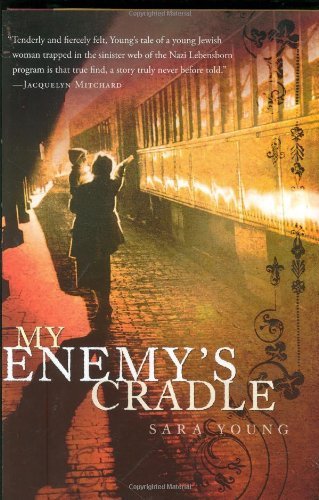
"My Enemy's Cradle" by Sara Young explores the harrowing journey of a young German woman, Miriam, who, in the chaos of WWII, is forced to masquerade as Jewish to escape the brutality of the Nazi regime after witnessing atrocities and being targeted herself. Her survival hinges on maintaining this dangerous deception within a Jewish ghetto, where she grapples with her true identity, profound guilt, and the complex bonds she forms amidst unimaginable suffering and the constant threat of discovery.
The inherent similarity to "Pennies for Hitler" lies in the shared theme of an individual caught between warring identities and their struggle for survival during wartime. Both novels feature protagonists placed in morally ambiguous situations, forced to navigate dangerous social and political landscapes that challenge their established sense of self and community. They explore the psychological toll of deception and the resilience of the human spirit when faced with profound adversity and an urgent need to adapt.
This novel offers a compelling and emotionally resonant exploration of identity, survival, and the blurred lines of morality during conflict. Its unflinching portrayal of human endurance and the ethical dilemmas inherent in wartime makes it a valuable read for those seeking a deeper understanding of historical events through a profoundly personal lens, enriching their perspective on courage and the cost of anonymity.
My Enemy's Cradle
"My Enemy's Cradle" by Sara Young explores the harrowing journey of a young German woman, Miriam, who, in the chaos of WWII, is forced to masquerade as Jewish to escape the brutality of the Nazi regime after witnessing atrocities and being targeted herself. Her survival hinges on maintaining this dangerous deception within a Jewish ghetto, where she grapples with her true identity, profound guilt, and the complex bonds she forms amidst unimaginable suffering and the constant threat of discovery.
The inherent similarity to "Pennies for Hitler" lies in the shared theme of an individual caught between warring identities and their struggle for survival during wartime. Both novels feature protagonists placed in morally ambiguous situations, forced to navigate dangerous social and political landscapes that challenge their established sense of self and community. They explore the psychological toll of deception and the resilience of the human spirit when faced with profound adversity and an urgent need to adapt.
This novel offers a compelling and emotionally resonant exploration of identity, survival, and the blurred lines of morality during conflict. Its unflinching portrayal of human endurance and the ethical dilemmas inherent in wartime makes it a valuable read for those seeking a deeper understanding of historical events through a profoundly personal lens, enriching their perspective on courage and the cost of anonymity.
Daniel's Story
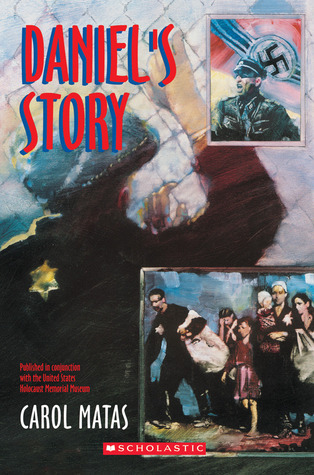
"Daniel's Story" chronicles the harrowing experiences of a Jewish boy and his family as they navigate the escalating horrors of the Holocaust, from the initial restrictions and deportations to the unspeakable brutality of concentration camps. Told through Daniel's own photographs and diary entries, the narrative offers an intimate and devastating perspective on survival, loss, and the enduring human spirit amidst unimaginable adversity.
Both "Daniel's Story" and "Pennies for Hitler" are powerful historical fiction novels aimed at young adults, sharing a common thematic core of children surviving World War II and the Holocaust. They vividly depict the erosion of childhood innocence, the constant threat of persecution, and the profound resilience required to endure such monstrous events. Both books expertly humanize history, making the immense scale of the conflict tangible and relatable through individual experiences.
This book offers a crucial insight into a dark chapter of history, fostering empathy and understanding for the victims of state-sponsored hatred. It serves as a poignant reminder of the dangers of prejudice and the importance of active resistance. Furthermore, its exploration of courage, family bonds, and the fight for dignity in the face of dehumanization provides a powerful and enduring message for all ages.
Daniel's Story
"Daniel's Story" chronicles the harrowing experiences of a Jewish boy and his family as they navigate the escalating horrors of the Holocaust, from the initial restrictions and deportations to the unspeakable brutality of concentration camps. Told through Daniel's own photographs and diary entries, the narrative offers an intimate and devastating perspective on survival, loss, and the enduring human spirit amidst unimaginable adversity.
Both "Daniel's Story" and "Pennies for Hitler" are powerful historical fiction novels aimed at young adults, sharing a common thematic core of children surviving World War II and the Holocaust. They vividly depict the erosion of childhood innocence, the constant threat of persecution, and the profound resilience required to endure such monstrous events. Both books expertly humanize history, making the immense scale of the conflict tangible and relatable through individual experiences.
This book offers a crucial insight into a dark chapter of history, fostering empathy and understanding for the victims of state-sponsored hatred. It serves as a poignant reminder of the dangers of prejudice and the importance of active resistance. Furthermore, its exploration of courage, family bonds, and the fight for dignity in the face of dehumanization provides a powerful and enduring message for all ages.
A Flicker of Light

"A Flicker of Light" delves into the harrowing experiences of a young Jewish woman, Helena, as she navigates the increasingly brutal realities of Nazi-occupied Poland. It's a story of survival, resilience, and the enduring power of the human spirit in the face of unimaginable persecution, chronicling her attempts to maintain a semblance of hope and humanity amidst the ghetto and concentration camps.
This novel shares a striking thematic resonance with "Pennies for Hitler" by exploring the devastating impact of World War II on childhood and innocence, particularly within the context of the Holocaust. Both books vividly portray the societal breakdown and the personal sacrifices demanded during this period, focusing on young protagonists forced to grapple with profound loss and the inherent cruelty of war. The narratives are anchored by a sense of historical realism and emotional depth.
The book offers a poignant and often heartbreaking exploration of courage and the will to live, even when all hope seems lost. It provides a vital human perspective on a dark chapter of history, fostering empathy and understanding for the victims of totalitarian regimes. The powerful narrative compels introspection on themes of prejudice, resistance, and the universal desire for freedom and dignity, making it a valuable and impactful read.
A Flicker of Light
"A Flicker of Light" delves into the harrowing experiences of a young Jewish woman, Helena, as she navigates the increasingly brutal realities of Nazi-occupied Poland. It's a story of survival, resilience, and the enduring power of the human spirit in the face of unimaginable persecution, chronicling her attempts to maintain a semblance of hope and humanity amidst the ghetto and concentration camps.
This novel shares a striking thematic resonance with "Pennies for Hitler" by exploring the devastating impact of World War II on childhood and innocence, particularly within the context of the Holocaust. Both books vividly portray the societal breakdown and the personal sacrifices demanded during this period, focusing on young protagonists forced to grapple with profound loss and the inherent cruelty of war. The narratives are anchored by a sense of historical realism and emotional depth.
The book offers a poignant and often heartbreaking exploration of courage and the will to live, even when all hope seems lost. It provides a vital human perspective on a dark chapter of history, fostering empathy and understanding for the victims of totalitarian regimes. The powerful narrative compels introspection on themes of prejudice, resistance, and the universal desire for freedom and dignity, making it a valuable and impactful read.
The Ragged Edge of Night

"The Ragged Edge of Night" is a compelling historical novel set in WWII Germany, chronicling the unlikely partnership between Anton Starzmann, a former Catholic priest imprisoned for defying the Nazi regime, and a young widow, Elisabeth Landmann, whose survival hinges on her willingness to collaborate with the same regime. Their intricate dance between resistance and compliance, morality and survival, forms the core of this emotionally charged narrative.
The similarity to "Pennies for Hitler" lies in their shared exploration of individual human struggle and resilience against the backdrop of WWII. Both novels delve into the moral complexities faced by ordinary people thrust into extraordinary circumstances under totalitarian rule. They showcase the difficult choices made for survival, the quiet acts of rebellion, and the enduring power of the human spirit when confronted with overwhelming oppression.
This book will appeal to those who appreciate nuanced historical fiction that probes ethical dilemmas and the cost of war on ordinary lives. It offers a valuable perspective on the personal ramifications of political upheaval, emphasizing the enduring capacity for courage and connection even in the darkest of times, prompting reflection on human agency and moral fortitude during periods of immense conflict.
The Ragged Edge of Night
"The Ragged Edge of Night" is a compelling historical novel set in WWII Germany, chronicling the unlikely partnership between Anton Starzmann, a former Catholic priest imprisoned for defying the Nazi regime, and a young widow, Elisabeth Landmann, whose survival hinges on her willingness to collaborate with the same regime. Their intricate dance between resistance and compliance, morality and survival, forms the core of this emotionally charged narrative.
The similarity to "Pennies for Hitler" lies in their shared exploration of individual human struggle and resilience against the backdrop of WWII. Both novels delve into the moral complexities faced by ordinary people thrust into extraordinary circumstances under totalitarian rule. They showcase the difficult choices made for survival, the quiet acts of rebellion, and the enduring power of the human spirit when confronted with overwhelming oppression.
This book will appeal to those who appreciate nuanced historical fiction that probes ethical dilemmas and the cost of war on ordinary lives. It offers a valuable perspective on the personal ramifications of political upheaval, emphasizing the enduring capacity for courage and connection even in the darkest of times, prompting reflection on human agency and moral fortitude during periods of immense conflict.
The Plum Tree
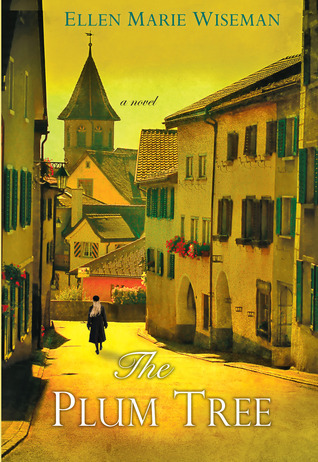
"The Plum Tree" chronicles the harrowing experiences of Christine Bölz, a young German woman, as her world descends into chaos during World War II. Her idyllic life with her Jewish lover, Isaac, is shattered by Nazi persecution, forcing her to make impossible choices for survival. The novel explores themes of love, loss, resilience, and the moral ambiguities faced by ordinary people caught in extraordinary circumstances, culminating in a desperate struggle for freedom and reunification.
Both "The Plum Tree" and "Pennies for Hitler" powerfully portray the devastating human cost of World War II through the eyes of young protagonists. They share a focus on the impact of conflict on individual lives, the disruption of innocence, and the profound difficult choices one makes to survive. The narratives are driven by personal accounts of displacement, prejudice, and the unwavering hope for a better future amidst unspeakable tragedy.
This novel offers a compelling and emotionally resonant historical fiction experience. Its exploration of love persevering against impossible odds and the resilience of the human spirit in times of crisis provides profound insights into a pivotal historical period. The intricate portrayal of characters grappling with survival, moral dilemmas, and the fight for dignity ensures a deeply moving and thought-provoking read.
The Plum Tree
"The Plum Tree" chronicles the harrowing experiences of Christine Bölz, a young German woman, as her world descends into chaos during World War II. Her idyllic life with her Jewish lover, Isaac, is shattered by Nazi persecution, forcing her to make impossible choices for survival. The novel explores themes of love, loss, resilience, and the moral ambiguities faced by ordinary people caught in extraordinary circumstances, culminating in a desperate struggle for freedom and reunification.
Both "The Plum Tree" and "Pennies for Hitler" powerfully portray the devastating human cost of World War II through the eyes of young protagonists. They share a focus on the impact of conflict on individual lives, the disruption of innocence, and the profound difficult choices one makes to survive. The narratives are driven by personal accounts of displacement, prejudice, and the unwavering hope for a better future amidst unspeakable tragedy.
This novel offers a compelling and emotionally resonant historical fiction experience. Its exploration of love persevering against impossible odds and the resilience of the human spirit in times of crisis provides profound insights into a pivotal historical period. The intricate portrayal of characters grappling with survival, moral dilemmas, and the fight for dignity ensures a deeply moving and thought-provoking read.
More Books to Explore
Discover more titles that expand on these ideas and themes.
My Family for the War
Ausländer
Rose Under Fire
Hitler's Canary
Summer of My German Soldier
My Enemy's Cradle