10 Books Similar to "NurtureShock: New Thinking About Children"
by Po Bronson
The Blessing Of A Skinned Knee: Raising Self-Reliant Children

*The Blessing Of A Skinned Knee* challenges conventional parenting wisdom, advocating for a more hands-off approach rooted in Jewish teachings and practical psychology. It encourages parents to embrace their children's struggles and imperfections as crucial opportunities for growth, fostering resilience, responsibility, and independent problem-solving by letting them experience natural consequences and develop self-reliance rather than constantly intervening.
Both *The Blessing Of A Skinned Knee* and *NurtureShock* dissect widely held parenting beliefs, presenting counter-intuitive, evidence-based insights that often contradict popular opinion. They both aim to equip parents with a deeper, more effective understanding of child development, challenging the notion that constant direct intervention always benefits children. Each book fundamentally reorients the parental perspective towards what genuinely fosters long-term well-being and capability.
This book offers a compelling alternative to anxiety-driven, over-parenting tendencies. Its practical advice and reassuring tone provide a valuable roadmap for cultivating truly capable and grounded children. It will resonate with those seeking to empower their children with inner strength and adaptability, offering a refreshing perspective on how real-world challenges contribute to a healthier, more self-sufficient upbringing.
The Blessing Of A Skinned Knee: Raising Self-Reliant Children
*The Blessing Of A Skinned Knee* challenges conventional parenting wisdom, advocating for a more hands-off approach rooted in Jewish teachings and practical psychology. It encourages parents to embrace their children's struggles and imperfections as crucial opportunities for growth, fostering resilience, responsibility, and independent problem-solving by letting them experience natural consequences and develop self-reliance rather than constantly intervening.
Both *The Blessing Of A Skinned Knee* and *NurtureShock* dissect widely held parenting beliefs, presenting counter-intuitive, evidence-based insights that often contradict popular opinion. They both aim to equip parents with a deeper, more effective understanding of child development, challenging the notion that constant direct intervention always benefits children. Each book fundamentally reorients the parental perspective towards what genuinely fosters long-term well-being and capability.
This book offers a compelling alternative to anxiety-driven, over-parenting tendencies. Its practical advice and reassuring tone provide a valuable roadmap for cultivating truly capable and grounded children. It will resonate with those seeking to empower their children with inner strength and adaptability, offering a refreshing perspective on how real-world challenges contribute to a healthier, more self-sufficient upbringing.
Last Child in the Woods: Saving Our Children From Nature-Deficit Disorder

"Last Child in the Woods" argues that a growing disconnect between children and the natural world, termed "nature-deficit disorder," has detrimental effects on their physical, emotional, and cognitive development. Louv explores the social, psychological, and environmental factors contributing to this separation, advocating for increased access to and engagement with nature as crucial for healthy childhoods.
This book resonates with "NurtureShock" by similarly challenging conventional wisdom regarding child-rearing and development. Both works scrutinize societal trends and their often-unforeseen impacts on children, presenting evidence-based arguments that encourage a re-evaluation of established practices, even if their specific areas of focus differ.
This book offers a compelling exploration of a timely issue, providing parents, educators, and policymakers with a deeper understanding of how modern lifestyles may be inadvertently harming child development. It inspires a re-thinking of priorities and offers actionable insights for fostering healthier, more balanced childhoods deeply connected to the environment.
Last Child in the Woods: Saving Our Children From Nature-Deficit Disorder
"Last Child in the Woods" argues that a growing disconnect between children and the natural world, termed "nature-deficit disorder," has detrimental effects on their physical, emotional, and cognitive development. Louv explores the social, psychological, and environmental factors contributing to this separation, advocating for increased access to and engagement with nature as crucial for healthy childhoods.
This book resonates with "NurtureShock" by similarly challenging conventional wisdom regarding child-rearing and development. Both works scrutinize societal trends and their often-unforeseen impacts on children, presenting evidence-based arguments that encourage a re-evaluation of established practices, even if their specific areas of focus differ.
This book offers a compelling exploration of a timely issue, providing parents, educators, and policymakers with a deeper understanding of how modern lifestyles may be inadvertently harming child development. It inspires a re-thinking of priorities and offers actionable insights for fostering healthier, more balanced childhoods deeply connected to the environment.
The Steps: 12 Secrets To Raising Happy and Successful Kids

"The Steps: 12 Secrets To Raising Happy and Successful Kids" offers a practical framework for parenting, distilling complex child development principles into twelve actionable strategies. Andrew Watson, drawing on extensive research and real-world application, guides parents through fostering critical skills like resilience, self-motivation, and effective communication, aiming to cultivate well-adjusted and thriving children.
This book shares conceptual DNA with "NurtureShock" by challenging conventional wisdom and presenting evidence-based insights that often run counter to popular parenting assumptions. Both debunk myths and encourage a more nuanced understanding of child psychology, advocating for approaches grounded in data rather than tradition or anecdote.
Anyone invested in raising thoughtful, capable children will find this book highly beneficial. Its clear, direct advice provides tangible steps for navigating common parenting dilemmas, offering a refreshing alternative to fads and unproven methods. It promises to equip parents with a robust toolkit for proactive, effective child-rearing.
The Steps: 12 Secrets To Raising Happy and Successful Kids
"The Steps: 12 Secrets To Raising Happy and Successful Kids" offers a practical framework for parenting, distilling complex child development principles into twelve actionable strategies. Andrew Watson, drawing on extensive research and real-world application, guides parents through fostering critical skills like resilience, self-motivation, and effective communication, aiming to cultivate well-adjusted and thriving children.
This book shares conceptual DNA with "NurtureShock" by challenging conventional wisdom and presenting evidence-based insights that often run counter to popular parenting assumptions. Both debunk myths and encourage a more nuanced understanding of child psychology, advocating for approaches grounded in data rather than tradition or anecdote.
Anyone invested in raising thoughtful, capable children will find this book highly beneficial. Its clear, direct advice provides tangible steps for navigating common parenting dilemmas, offering a refreshing alternative to fads and unproven methods. It promises to equip parents with a robust toolkit for proactive, effective child-rearing.
The Coddling of the American Mind: How Good Intentions and Bad Ideas Are Setting up a Generation for Failure
"The Coddling of the American Mind" argues that well-intentioned but misguided approaches to parenting and education, particularly in the realm of safetyism and emotional fragility, are creating a generation ill-equipped for the complexities of adulthood. Haidt and Lukianoff identify three "Great Untruths"—what doesn't kill you makes you weaker, always trust your feelings, and life is a battle between good and evil people—which they contend are undermining critical thinking, resilience, and productive discourse, especially within universities. The book provides a historical and psychological analysis of how these trends emerged and their detrimental societal impacts.
It shares a core analytical approach with "NurtureShock" in its willingness to challenge conventional wisdom about child development and well-being. Both books systematically dissect widely held beliefs, presenting evidence that often contradicts popular assumptions. Where "NurtureShock" debunks myths about optimal parenting strategies, "The Coddling of the American Mind" debunks myths about psychological safety and intellectual robustness, revealing how seemingly beneficial ideas actually hinder growth. Both works offer a critical re-evaluation of established practices, urging a shift in perspective.
This book offers a compelling and timely examination of cultural shifts impacting younger generations and higher education. It provides a framework for understanding contemporary social and political polarization, offering insights into how current anxieties and perceived vulnerabilities are shaped. Those concerned with fostering resilience, critical thinking, and open dialogue in children and young adults will find it invaluable for its provocative yet data-driven arguments, prompting a re-evaluation of how society prepares its youth for an increasingly complex world.
The Coddling of the American Mind: How Good Intentions and Bad Ideas Are Setting up a Generation for Failure
"The Coddling of the American Mind" argues that well-intentioned but misguided approaches to parenting and education, particularly in the realm of safetyism and emotional fragility, are creating a generation ill-equipped for the complexities of adulthood. Haidt and Lukianoff identify three "Great Untruths"—what doesn't kill you makes you weaker, always trust your feelings, and life is a battle between good and evil people—which they contend are undermining critical thinking, resilience, and productive discourse, especially within universities. The book provides a historical and psychological analysis of how these trends emerged and their detrimental societal impacts.
It shares a core analytical approach with "NurtureShock" in its willingness to challenge conventional wisdom about child development and well-being. Both books systematically dissect widely held beliefs, presenting evidence that often contradicts popular assumptions. Where "NurtureShock" debunks myths about optimal parenting strategies, "The Coddling of the American Mind" debunks myths about psychological safety and intellectual robustness, revealing how seemingly beneficial ideas actually hinder growth. Both works offer a critical re-evaluation of established practices, urging a shift in perspective.
This book offers a compelling and timely examination of cultural shifts impacting younger generations and higher education. It provides a framework for understanding contemporary social and political polarization, offering insights into how current anxieties and perceived vulnerabilities are shaped. Those concerned with fostering resilience, critical thinking, and open dialogue in children and young adults will find it invaluable for its provocative yet data-driven arguments, prompting a re-evaluation of how society prepares its youth for an increasingly complex world.
The Boy Who Was Raised as a Dog: And Other Stories from a Child Psychiatrist's Notebook
"The Boy Who Was Raised as a Dog" explores the profound impact of trauma and neglect on children's development, as seen through the clinical lens of Dr. Bruce Perry, a renowned child psychiatrist. Each chapter presents a case study of a child who experienced severe adversity, detailing their symptoms, the therapeutic approaches used, and the remarkable capacity for healing and resilience. It delves into the neurobiological underpinnings of attachment, stress, and recovery, illustrating how early experiences shape a child’s brain and behavior.
This book resonates with "NurtureShock" by challenging conventional wisdom about child development and parenting. Both works scrutinize commonly held beliefs, offering evidence-based insights that often contradict popular assumptions. While "NurtureShock" deconstructs myths across various aspects of nurturing, Perry's book focuses on the critical, and often misunderstood, neurobiological effects of early environmental influences, particularly severe stress and trauma, thereby providing a deeper scientific underpinning for understanding children's responses.
This work offers profound insights into the resilience of the human spirit and the crucial role of responsive relationships in healing. It provides a nuanced understanding of how complex trauma manifests and how thoughtful, attachment-based interventions can foster recovery. The value lies in its candid, yet empathetic, portrayal of vulnerable children, offering a compelling argument for informed care and preventative strategies in supporting healthy child development.
The Boy Who Was Raised as a Dog: And Other Stories from a Child Psychiatrist's Notebook
"The Boy Who Was Raised as a Dog" explores the profound impact of trauma and neglect on children's development, as seen through the clinical lens of Dr. Bruce Perry, a renowned child psychiatrist. Each chapter presents a case study of a child who experienced severe adversity, detailing their symptoms, the therapeutic approaches used, and the remarkable capacity for healing and resilience. It delves into the neurobiological underpinnings of attachment, stress, and recovery, illustrating how early experiences shape a child’s brain and behavior.
This book resonates with "NurtureShock" by challenging conventional wisdom about child development and parenting. Both works scrutinize commonly held beliefs, offering evidence-based insights that often contradict popular assumptions. While "NurtureShock" deconstructs myths across various aspects of nurturing, Perry's book focuses on the critical, and often misunderstood, neurobiological effects of early environmental influences, particularly severe stress and trauma, thereby providing a deeper scientific underpinning for understanding children's responses.
This work offers profound insights into the resilience of the human spirit and the crucial role of responsive relationships in healing. It provides a nuanced understanding of how complex trauma manifests and how thoughtful, attachment-based interventions can foster recovery. The value lies in its candid, yet empathetic, portrayal of vulnerable children, offering a compelling argument for informed care and preventative strategies in supporting healthy child development.
No Regrets Parenting: Turning Long Days and Short Years into Cherished Moments with Your Kids
"No Regrets Parenting" by Harley A. Rotbart offers a compassionate yet practical guide for parents to shift their perspective and prioritize joy and connection within the everyday chaos of raising children. It encourages mindful engagement with family life, advocating for intentional choices that foster lasting positive memories rather than succumbing to the pressures of an overly structured or perfectionistic approach. The book emphasizes building strong relationships and finding fulfillment in the present moments of parenting.
It shares common ground with "NurtureShock" in its departure from conventional parenting wisdom and its emphasis on re-evaluating established norms. Both books challenge parents to look beyond superficial concerns and delve into the underlying dynamics of family life. While "NurtureShock" often presents counter-intuitive scientific findings, "No Regrets Parenting" similarly pushes back against common parental anxieties, instead encouraging a more holistic and present-focused approach to raising children.
This book will resonate with parents seeking to alleviate stress and rediscover the inherent pleasures of family life. It provides actionable strategies for cultivating a more positive and fulfilling parenting experience, helping individuals move past regrets and focus on creating meaningful interactions with their children. Its focus on intentionality and emotional connection offers a valuable framework for navigating the demands of parenthood with greater peace and satisfaction.
No Regrets Parenting: Turning Long Days and Short Years into Cherished Moments with Your Kids
"No Regrets Parenting" by Harley A. Rotbart offers a compassionate yet practical guide for parents to shift their perspective and prioritize joy and connection within the everyday chaos of raising children. It encourages mindful engagement with family life, advocating for intentional choices that foster lasting positive memories rather than succumbing to the pressures of an overly structured or perfectionistic approach. The book emphasizes building strong relationships and finding fulfillment in the present moments of parenting.
It shares common ground with "NurtureShock" in its departure from conventional parenting wisdom and its emphasis on re-evaluating established norms. Both books challenge parents to look beyond superficial concerns and delve into the underlying dynamics of family life. While "NurtureShock" often presents counter-intuitive scientific findings, "No Regrets Parenting" similarly pushes back against common parental anxieties, instead encouraging a more holistic and present-focused approach to raising children.
This book will resonate with parents seeking to alleviate stress and rediscover the inherent pleasures of family life. It provides actionable strategies for cultivating a more positive and fulfilling parenting experience, helping individuals move past regrets and focus on creating meaningful interactions with their children. Its focus on intentionality and emotional connection offers a valuable framework for navigating the demands of parenthood with greater peace and satisfaction.
Raising Real Men: Surviving, Teaching and Appreciating Boys
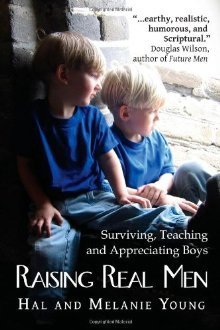
"Raising Real Men" delves into the unique challenges and joys of raising boys, advocating for a parenting approach that fosters strong character, responsibility, and emotional maturity. It offers practical guidance grounded in a Christian worldview, addressing topics from discipline and education to understanding male development.
This book resonates with "NurtureShock" through its willingness to critically examine conventional wisdom about parenting. Both titles challenge ingrained assumptions, offering data-driven or experience-based alternatives that aim to optimize child development and family dynamics. While "NurtureShock" presents broad sociological findings, "Raising Real Men" focuses specifically on male upbringing, yet both share a commitment to evidence-informed or deeply considered approaches rather than popular myths.
Parents seeking a thoughtful and robust framework for understanding and guiding their sons will appreciate this book. It provides actionable strategies and a solid philosophical foundation for navigating the complexities of raising boys in today's world, helping parents build resilient, honorable, and well-adjusted men.
Raising Real Men: Surviving, Teaching and Appreciating Boys
"Raising Real Men" delves into the unique challenges and joys of raising boys, advocating for a parenting approach that fosters strong character, responsibility, and emotional maturity. It offers practical guidance grounded in a Christian worldview, addressing topics from discipline and education to understanding male development.
This book resonates with "NurtureShock" through its willingness to critically examine conventional wisdom about parenting. Both titles challenge ingrained assumptions, offering data-driven or experience-based alternatives that aim to optimize child development and family dynamics. While "NurtureShock" presents broad sociological findings, "Raising Real Men" focuses specifically on male upbringing, yet both share a commitment to evidence-informed or deeply considered approaches rather than popular myths.
Parents seeking a thoughtful and robust framework for understanding and guiding their sons will appreciate this book. It provides actionable strategies and a solid philosophical foundation for navigating the complexities of raising boys in today's world, helping parents build resilient, honorable, and well-adjusted men.
Bad Therapy: Why the Kids Aren't Growing Up

"Bad Therapy: Why the Kids Aren't Growing Up" critically examines the modern mental health landscape for children and adolescents, arguing that many current therapeutic approaches and widespread diagnostic trends may be inadvertently hindering healthy development rather than fostering resilience. Shrier questions the efficacy and often counterproductive effects of common therapeutic interventions and the pervasive focus on "psychologizing" everyday childhood challenges.
This book resonates with "NurtureShock" by challenging conventional wisdom regarding child-rearing and development. Both books delve into surprising, research-backed insights that upend popular beliefs, revealing how seemingly beneficial practices might have unintended negative consequences. They share a commitment to questioning established norms and presenting compelling, often counterintuitive, arguments.
Readers will gain a provocative new perspective on the mental health crisis affecting youth. It offers a crucial re-evaluation of prevalent therapeutic modalities and encourages a more robust, less pathologizing approach to childhood struggles, providing a valuable resource for parents, educators, and anyone concerned about the well-being of the next generation.
Bad Therapy: Why the Kids Aren't Growing Up
"Bad Therapy: Why the Kids Aren't Growing Up" critically examines the modern mental health landscape for children and adolescents, arguing that many current therapeutic approaches and widespread diagnostic trends may be inadvertently hindering healthy development rather than fostering resilience. Shrier questions the efficacy and often counterproductive effects of common therapeutic interventions and the pervasive focus on "psychologizing" everyday childhood challenges.
This book resonates with "NurtureShock" by challenging conventional wisdom regarding child-rearing and development. Both books delve into surprising, research-backed insights that upend popular beliefs, revealing how seemingly beneficial practices might have unintended negative consequences. They share a commitment to questioning established norms and presenting compelling, often counterintuitive, arguments.
Readers will gain a provocative new perspective on the mental health crisis affecting youth. It offers a crucial re-evaluation of prevalent therapeutic modalities and encourages a more robust, less pathologizing approach to childhood struggles, providing a valuable resource for parents, educators, and anyone concerned about the well-being of the next generation.
Children and Nature: Psychological, Sociocultural, and Evolutionary Investigations

"Children and Nature" delves into the profound, multifaceted connection between young people and the natural world. It explores how engagement with nature influences psychological development, examining aspects like cognitive growth, emotional well-being, and moral reasoning. The book also traces the sociocultural significance of nature in children's lives across different cultures and through an evolutionary lens, considering the deep-seated human need for connection to the environment.
Both books challenge conventional wisdom about child development. While "NurtureShock" rigorously dissects popular parenting myths with scientific evidence, "Children and Nature" similarly re-evaluates prevailing assumptions, particularly regarding the importance of nature in a child's holistic growth. They share a commitment to evidence-based insights, often revealing surprising truths that contradict common perceptions about what truly benefits children.
This book will appeal to those seeking a deeper understanding of formative experiences and environmental influences on children. It offers compelling arguments for fostering nature connection, providing a robust intellectual framework for parents, educators, and policymakers alike to consider the crucial role of the natural world in nurturing healthy, well-adjusted individuals. It encourages a re-evaluation of modern childhood and its impact.
Children and Nature: Psychological, Sociocultural, and Evolutionary Investigations
"Children and Nature" delves into the profound, multifaceted connection between young people and the natural world. It explores how engagement with nature influences psychological development, examining aspects like cognitive growth, emotional well-being, and moral reasoning. The book also traces the sociocultural significance of nature in children's lives across different cultures and through an evolutionary lens, considering the deep-seated human need for connection to the environment.
Both books challenge conventional wisdom about child development. While "NurtureShock" rigorously dissects popular parenting myths with scientific evidence, "Children and Nature" similarly re-evaluates prevailing assumptions, particularly regarding the importance of nature in a child's holistic growth. They share a commitment to evidence-based insights, often revealing surprising truths that contradict common perceptions about what truly benefits children.
This book will appeal to those seeking a deeper understanding of formative experiences and environmental influences on children. It offers compelling arguments for fostering nature connection, providing a robust intellectual framework for parents, educators, and policymakers alike to consider the crucial role of the natural world in nurturing healthy, well-adjusted individuals. It encourages a re-evaluation of modern childhood and its impact.
The Social Animal: The Hidden Sources of Love, Character, and Achievement

"The Social Animal: The Hidden Sources of Love, Character, and Achievement" by David Brooks explores the profound influence of the unconscious mind and social interaction on human development. Through the fictionalized lives of Harold and Erica, Brooks dissects how seemingly irrational choices, deeply ingrained habits, and environmental cues shape our identities, relationships, and ultimate successes, from early childhood through adulthood. It's a nuanced look at the complex interplay between biology, psychology, and sociology in forging who we become.
This book shares significant thematic overlap with "NurtureShock." Both critically examine conventional wisdom and popular assumptions about human development, particularly regarding formative influences. While "NurtureShock" deconstructs parenting myths and childhood psychology, "The Social Animal" broadens this scope to encompass the entire arc of life, revealing how our social fabric and hidden cognitive processes dictate much more than we consciously realize, echoing "NurtureShock's" revelations about unspoken educational strategies and peer dynamics.
Individuals interested in understanding the deeper currents that steer human behavior and societal structures will appreciate this work. It offers a sophisticated yet accessible framework for comprehending why people, including ourselves, act the way they do, fostering greater self-awareness and empathy. The insights provided can illuminate personal growth, interpersonal dynamics, and even broader societal trends, offering a richer perspective on the human condition.
The Social Animal: The Hidden Sources of Love, Character, and Achievement
"The Social Animal: The Hidden Sources of Love, Character, and Achievement" by David Brooks explores the profound influence of the unconscious mind and social interaction on human development. Through the fictionalized lives of Harold and Erica, Brooks dissects how seemingly irrational choices, deeply ingrained habits, and environmental cues shape our identities, relationships, and ultimate successes, from early childhood through adulthood. It's a nuanced look at the complex interplay between biology, psychology, and sociology in forging who we become.
This book shares significant thematic overlap with "NurtureShock." Both critically examine conventional wisdom and popular assumptions about human development, particularly regarding formative influences. While "NurtureShock" deconstructs parenting myths and childhood psychology, "The Social Animal" broadens this scope to encompass the entire arc of life, revealing how our social fabric and hidden cognitive processes dictate much more than we consciously realize, echoing "NurtureShock's" revelations about unspoken educational strategies and peer dynamics.
Individuals interested in understanding the deeper currents that steer human behavior and societal structures will appreciate this work. It offers a sophisticated yet accessible framework for comprehending why people, including ourselves, act the way they do, fostering greater self-awareness and empathy. The insights provided can illuminate personal growth, interpersonal dynamics, and even broader societal trends, offering a richer perspective on the human condition.
More Books to Explore
Discover more titles that expand on these ideas and themes.
The Blessing Of A Skinned Knee: Raising Self-Reliant Children
Last Child in the Woods: Saving Our Children From Nature-Deficit Disorder
The Steps: 12 Secrets To Raising Happy and Successful Kids
The Coddling of the American Mind: How Good Intentions and Bad Ideas Are Setting up a Generation for Failure
The Boy Who Was Raised as a Dog: And Other Stories from a Child Psychiatrist's Notebook
No Regrets Parenting: Turning Long Days and Short Years into Cherished Moments with Your Kids