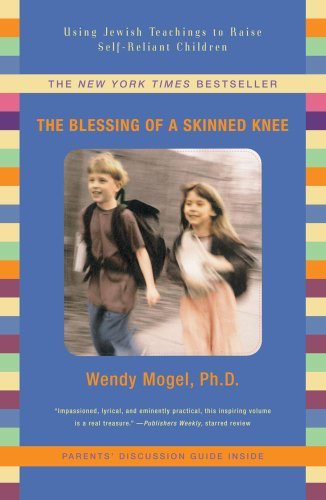
The Blessing Of A Skinned Knee: Raising Self-Reliant Children
Book Description
Picture a world where resilience reigns and children learn to thrive through their struggles. In "The Blessing Of A Skinned Knee," Wendy Mogel unlocks the secrets to raising self-reliant children equipped for life’s toughest challenges. With compelling insights and practical advice, she reveals how moments of failure can foster independence and emotional strength. Through real-life stories and expert guidance, Mogel transforms parenting into a joyful adventure filled with growth and discovery. As the stakes rise and the pressure to protect mounts, will you embrace the tough love that leads to lifelong resilience?
Quick Book Summary
"The Blessing Of A Skinned Knee" by Wendy Mogel offers a refreshing approach to parenting, grounded in Jewish wisdom and modern psychology. Mogel contends that overprotective parenting undermines children’s capacity for resilience and self-reliance. Instead, she advocates for allowing children to experience life’s struggles, viewing setbacks as opportunities for growth and learning. Through practical advice, real-life stories, and insight from Jewish teachings, Mogel demonstrates how boundaries, discipline, and gratitude can help children thrive. The book encourages parents to shift their focus from shielding children to supporting them as they navigate challenges, enabling the development of independence, confidence, and emotional maturity for facing life’s uncertainties with grace.


Summary of Key Ideas
Table of Contents
Embracing Struggles as Growth Opportunities
Wendy Mogel opens her book by inviting parents to reconsider their impulse to shield children from every discomfort or failure. Drawing from her experiences as a clinical psychologist and her deep understanding of Jewish teachings, she explains how minor struggles and disappointments—like a skinned knee—are not just inevitable, but essential. These experiences teach children vital skills such as patience, resourcefulness, and empathy. Overprotection, in contrast, can leave children ill-equipped for the demands of adulthood, robbing them of the chance to build authentic confidence.
Fostering Independence Through Boundaries
At the heart of Mogel’s approach is the concept of boundaries. She illustrates how clear and consistent family rules instill a sense of security, while simultaneously granting children the freedom to explore within those limits. Mogel likens this to the structure found in Jewish tradition and ritual, showing how routine and expectations can be nurturing. By resisting the urge to micromanage or rescue, parents help cultivate independence and decision-making skills in their children.
The Importance of Spiritual and Cultural Values
Mogel emphasizes the significance of spiritual and cultural values in child-rearing. Incorporating gratitude, humility, and respect for others, she encourages families to participate in regular rituals, family meals, and shared traditions. These practices help children form a sense of identity and belonging, grounding them in something larger than themselves. This spiritual foundation, she contends, not only builds moral character but also provides comfort and connection throughout life’s challenges.
Discipline as Loving Guidance
The book reframes discipline from punishment to an act of loving guidance. Mogel presents discipline as a way parents can set limits and teach consequences with compassion, infusing correction with warmth and respect. She provides concrete strategies for handling defiance, emotional outbursts, and unruly behavior, always viewing these as chances to nurture resilience rather than simply extinguish undesirable conduct. This perspective emphasizes long-term growth over short-term obedience.
Practicing Gratitude and Appreciation
Finally, Mogel explores the powerful effects of practicing gratitude and appreciation. She suggests that when families focus on what they have rather than what they lack, children develop a deep sense of contentment and perspective. Through daily gratitude practices, acknowledgment of blessings, and celebrating small joys, parents can encourage children to approach life with optimism. By embracing imperfection and celebrating effort, families create a nurturing space where children are empowered to meet adversity with courage and grace.
Download This Summary
Get a free PDF of this summary instantly — no email required.