10 Books Similar to "Not Nice: Stop People Pleasing, Staying Silent, & Feeling Guilty... And Start Speaking Up, Saying No, Asking Boldly, And Unapologetically Being Yourself"
by Aziz Gazipura

No More Mr. Nice Guy

"No More Mr. Nice Guy" by Robert A. Glover unpacks the pervasive "Nice Guy Syndrome," a pattern of covert contracts and approval-seeking behaviors that often leave men feeling resentful, unfulfilled, and disconnected. It challenges the societal conditioning that encourages men to prioritize others' needs above their own, arguing that genuine kindness stems from self-respect and authenticity, not people-pleasing.
This book shares significant thematic overlap with Aziz Gazipura's "Not Nice." Both directly address the detrimental effects of excessive people-pleasing, guilt, and a reluctance to assert oneself. They champion the development of boundaries, honest communication, and the unapologetic expression of one's true desires, moving beyond passive agreeableness to genuine self-respect.
Those who connect with the themes of "Not Nice" will find "No More Mr. Nice Guy" profoundly insightful. It offers practical strategies and a compelling framework for understanding and dismantling the "Nice Guy" persona, fostering greater self-esteem, healthier relationships, and a life lived with integrity and purpose. Its focus on male-specific manifestations of people-pleasing provides a valuable complementary perspective.
No More Mr. Nice Guy
"No More Mr. Nice Guy" by Robert A. Glover unpacks the pervasive "Nice Guy Syndrome," a pattern of covert contracts and approval-seeking behaviors that often leave men feeling resentful, unfulfilled, and disconnected. It challenges the societal conditioning that encourages men to prioritize others' needs above their own, arguing that genuine kindness stems from self-respect and authenticity, not people-pleasing.
This book shares significant thematic overlap with Aziz Gazipura's "Not Nice." Both directly address the detrimental effects of excessive people-pleasing, guilt, and a reluctance to assert oneself. They champion the development of boundaries, honest communication, and the unapologetic expression of one's true desires, moving beyond passive agreeableness to genuine self-respect.
Those who connect with the themes of "Not Nice" will find "No More Mr. Nice Guy" profoundly insightful. It offers practical strategies and a compelling framework for understanding and dismantling the "Nice Guy" persona, fostering greater self-esteem, healthier relationships, and a life lived with integrity and purpose. Its focus on male-specific manifestations of people-pleasing provides a valuable complementary perspective.
You Are a Badass: How to Stop Doubting Your Greatness and Start Living an Awesome Life
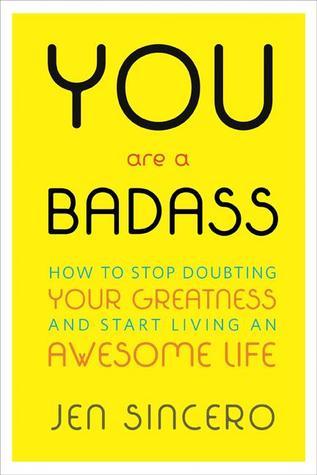
"You Are a Badass" is a self-help guide that challenges individuals to overcome self-doubt and limiting beliefs to create a life they genuinely desire. It encourages shedding societal expectations and embracing one's unique power and potential through actionable advice and motivational anecdotes.
This book shares a core philosophy with "Not Nice" by empowering individuals to break free from external validation and embrace authentic self-expression. Both titles advocate for setting boundaries, speaking one's truth, and consciously rejecting behaviors driven by fear or a need to please others, ultimately leading to a more fulfilling and self-directed existence.
The direct, no-nonsense approach and inspiring message will resonate with those seeking to transform their lives by cultivating self-worth and taking decisive action. It offers practical wisdom for unlocking inner confidence and creating positive change, proving invaluable for anyone ready to unapologetically step into their greatness.
You Are a Badass: How to Stop Doubting Your Greatness and Start Living an Awesome Life
"You Are a Badass" is a self-help guide that challenges individuals to overcome self-doubt and limiting beliefs to create a life they genuinely desire. It encourages shedding societal expectations and embracing one's unique power and potential through actionable advice and motivational anecdotes.
This book shares a core philosophy with "Not Nice" by empowering individuals to break free from external validation and embrace authentic self-expression. Both titles advocate for setting boundaries, speaking one's truth, and consciously rejecting behaviors driven by fear or a need to please others, ultimately leading to a more fulfilling and self-directed existence.
The direct, no-nonsense approach and inspiring message will resonate with those seeking to transform their lives by cultivating self-worth and taking decisive action. It offers practical wisdom for unlocking inner confidence and creating positive change, proving invaluable for anyone ready to unapologetically step into their greatness.
Brave, Not Perfect: Fear Less, Fail More, and Live Bolder
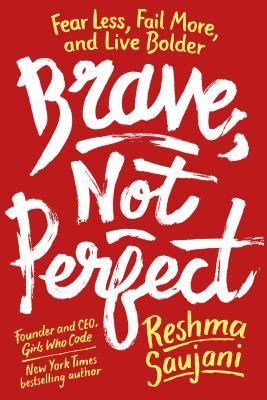
"Brave, Not Perfect" challenges the ingrained societal pressure, particularly on women, to be perpetually "good" and faultless. Reshma Saujani advocates for a paradigm shift from striving for perfection to embracing bravery. It encourages individuals to take risks, accept failure as a learning opportunity, and pursue ambitious goals without the paralyzing fear of not meeting an impossible standard. The book provides actionable strategies for overcoming this perfectionism and cultivating a mindset focused on courage and growth.
This book aligns with "Not Nice" by tackling the internal and external forces that inhibit authentic self-expression. Both authors address the societal conditioning that leads individuals to prioritize others' needs and perceptions over their own. "Brave, Not Perfect", like "Not Nice", empowers individuals to break free from the shackles of people-pleasing and self-censorship, instead advocating for a bolder, more assertive approach to life and personal fulfillment.
Many will find this book highly resonant and valuable because it speaks directly to the pervasive struggle with self-doubt and the fear of inadequacy. It offers a powerful counter-narrative, urging a redefinition of success not as flawless execution, but as the courage to participate, learn, and grow, regardless of outcomes. This perspective can liberate individuals from stagnant self-criticism, fostering greater resilience and self-acceptance, ultimately leading to a more engaged and impactful existence.
Brave, Not Perfect: Fear Less, Fail More, and Live Bolder
"Brave, Not Perfect" challenges the ingrained societal pressure, particularly on women, to be perpetually "good" and faultless. Reshma Saujani advocates for a paradigm shift from striving for perfection to embracing bravery. It encourages individuals to take risks, accept failure as a learning opportunity, and pursue ambitious goals without the paralyzing fear of not meeting an impossible standard. The book provides actionable strategies for overcoming this perfectionism and cultivating a mindset focused on courage and growth.
This book aligns with "Not Nice" by tackling the internal and external forces that inhibit authentic self-expression. Both authors address the societal conditioning that leads individuals to prioritize others' needs and perceptions over their own. "Brave, Not Perfect", like "Not Nice", empowers individuals to break free from the shackles of people-pleasing and self-censorship, instead advocating for a bolder, more assertive approach to life and personal fulfillment.
Many will find this book highly resonant and valuable because it speaks directly to the pervasive struggle with self-doubt and the fear of inadequacy. It offers a powerful counter-narrative, urging a redefinition of success not as flawless execution, but as the courage to participate, learn, and grow, regardless of outcomes. This perspective can liberate individuals from stagnant self-criticism, fostering greater resilience and self-acceptance, ultimately leading to a more engaged and impactful existence.
How to Be Enough: Self-Acceptance for Self-Critics and Perfectionists

"How to Be Enough" guides individuals trapped in cycles of self-criticism and perfectionism towards genuine self-acceptance. Dr. Hendriksen unpacks the psychological roots of these common struggles, offering practical, evidence-based strategies to quiet the inner critic, challenge unrealistic expectations, and embrace one's inherent worth. It's a compassionate roadmap to finding peace with imperfection and recognizing that being "enough" doesn’t depend on external validation or flawless performance.
This book resonates strongly with "Not Nice" because both target core issues of self-worth and external validation. While Gazipura focuses on breaking free from people-pleasing and asserting boundaries, Hendriksen addresses the internal self-criticism that often fuels such behaviors. Both encourage readers to shift from seeking approval to cultivating an authentic, self-accepting existence, ultimately empowering them to live more genuinely and confidently.
The appeal of "How to Be Enough" lies in its empathetic yet practical approach to a pervasive problem. It offers actionable tools to dismantle harsh self-judgment, fostering resilience and inner peace. For anyone exhausted by the relentless pursuit of perfection or burdened by constant self-reproach, this book provides a path to liberation, enabling them to navigate life with greater self-compassion and authenticity.
How to Be Enough: Self-Acceptance for Self-Critics and Perfectionists
"How to Be Enough" guides individuals trapped in cycles of self-criticism and perfectionism towards genuine self-acceptance. Dr. Hendriksen unpacks the psychological roots of these common struggles, offering practical, evidence-based strategies to quiet the inner critic, challenge unrealistic expectations, and embrace one's inherent worth. It's a compassionate roadmap to finding peace with imperfection and recognizing that being "enough" doesn’t depend on external validation or flawless performance.
This book resonates strongly with "Not Nice" because both target core issues of self-worth and external validation. While Gazipura focuses on breaking free from people-pleasing and asserting boundaries, Hendriksen addresses the internal self-criticism that often fuels such behaviors. Both encourage readers to shift from seeking approval to cultivating an authentic, self-accepting existence, ultimately empowering them to live more genuinely and confidently.
The appeal of "How to Be Enough" lies in its empathetic yet practical approach to a pervasive problem. It offers actionable tools to dismantle harsh self-judgment, fostering resilience and inner peace. For anyone exhausted by the relentless pursuit of perfection or burdened by constant self-reproach, this book provides a path to liberation, enabling them to navigate life with greater self-compassion and authenticity.
The Subtle Art of Not Giving a F*ck: A Counterintuitive Approach to Living a Good Life

Mark Manson's "The Subtle Art of Not Giving a F*ck" deconstructs the societal obsession with positivity and happiness, arguing that true fulfillment comes from identifying what truly matters to you and selectively choosing what "fucks" to give. It's about embracing discomfort, acknowledging your limitations, and finding value in the struggles that define your chosen priorities, rather than striving for an unrealistic, constantly upbeat existence. The book advocates for a more realistic and grounded approach to a meaningful life.
This book resonates with "Not Nice" by Aziz Gazipura because both fundamentally challenge the impulse to conform and people-please. While Gazipura focuses on overcoming specific behaviors like staying silent and feeling guilty, Manson provides the broader philosophical framework for why such behaviors often stem from misdirected priorities. Both authors advocate for a radical shift in perspective, encouraging individuals to define their own values and live authentically, regardless of external expectations or the need for constant validation.
This book will appeal to those who feel overwhelmed by societal pressures to be perpetually happy, successful, or pleasing. It offers a liberating perspective, empowering individuals to shed anxieties over trivial matters and invest their emotional energy where it truly counts. Its blunt, no-nonsense style provides a refreshing antidote to conventional self-help, offering practical wisdom for cultivating resilience and a more purposeful life.
The Subtle Art of Not Giving a F*ck: A Counterintuitive Approach to Living a Good Life
Mark Manson's "The Subtle Art of Not Giving a F*ck" deconstructs the societal obsession with positivity and happiness, arguing that true fulfillment comes from identifying what truly matters to you and selectively choosing what "fucks" to give. It's about embracing discomfort, acknowledging your limitations, and finding value in the struggles that define your chosen priorities, rather than striving for an unrealistic, constantly upbeat existence. The book advocates for a more realistic and grounded approach to a meaningful life.
This book resonates with "Not Nice" by Aziz Gazipura because both fundamentally challenge the impulse to conform and people-please. While Gazipura focuses on overcoming specific behaviors like staying silent and feeling guilty, Manson provides the broader philosophical framework for why such behaviors often stem from misdirected priorities. Both authors advocate for a radical shift in perspective, encouraging individuals to define their own values and live authentically, regardless of external expectations or the need for constant validation.
This book will appeal to those who feel overwhelmed by societal pressures to be perpetually happy, successful, or pleasing. It offers a liberating perspective, empowering individuals to shed anxieties over trivial matters and invest their emotional energy where it truly counts. Its blunt, no-nonsense style provides a refreshing antidote to conventional self-help, offering practical wisdom for cultivating resilience and a more purposeful life.
The Power of Vulnerability: Teachings of Authenticity, Connections and Courage

"The Power of Vulnerability" by Brené Brown delves into the profound impact of embracing our imperfections and fears. It argues that true strength and deep connection stem not from an absence of vulnerability, but from the courage to show up authentically, even when the outcome is uncertain. Brown illustrates how vulnerability is the birthplace of joy, creativity, belonging, and love, fostering genuine human connection rather than hindering it.
This book shares common ground with "Not Nice" in its core message about shedding societal pressures to conform or appease others. Both works advocate for a more authentic way of living, with "Not Nice" focusing on overcoming people-pleasing behaviors and "The Power of Vulnerability" exploring the deeper psychological mechanisms and benefits of daring to be seen for who you truly are. They both empower individuals to reclaim their voice and agency.
This book will appeal to those seeking a deeper understanding of themselves and their relationships. It offers a compelling framework for cultivating resilience, fostering empathy, and building more meaningful connections by challenging conventional notions of strength. Its insights provide a valuable roadmap for anyone looking to live a more wholehearted and courageous life.
The Power of Vulnerability: Teachings of Authenticity, Connections and Courage
"The Power of Vulnerability" by Brené Brown delves into the profound impact of embracing our imperfections and fears. It argues that true strength and deep connection stem not from an absence of vulnerability, but from the courage to show up authentically, even when the outcome is uncertain. Brown illustrates how vulnerability is the birthplace of joy, creativity, belonging, and love, fostering genuine human connection rather than hindering it.
This book shares common ground with "Not Nice" in its core message about shedding societal pressures to conform or appease others. Both works advocate for a more authentic way of living, with "Not Nice" focusing on overcoming people-pleasing behaviors and "The Power of Vulnerability" exploring the deeper psychological mechanisms and benefits of daring to be seen for who you truly are. They both empower individuals to reclaim their voice and agency.
This book will appeal to those seeking a deeper understanding of themselves and their relationships. It offers a compelling framework for cultivating resilience, fostering empathy, and building more meaningful connections by challenging conventional notions of strength. Its insights provide a valuable roadmap for anyone looking to live a more wholehearted and courageous life.
Get Your Sh*t Together: How to Stop Worrying About What You Should Do So You Can Finish What You Need to Do and Start Doing What You Want to Do

"Get Your Sh*t Together" is a pragmatic guide to personal organization and goal achievement. It cuts through the noise of societal expectations and internal anxieties, providing actionable steps to prioritize tasks, overcome procrastination, and align daily actions with personal aspirations. The book champions a no-nonsense approach to self-management, urging individuals to identify what truly matters to them and then strategically execute on those priorities.
This book shares significant thematic ground with "Not Nice." Both emphasize breaking free from external pressures and internal self-doubt to live authentically. While "Not Nice" zeroes in on overcoming people-pleasing and asserting oneself, "Get Your Sh*t Together" broadens this by advocating for a structured approach to self-care and goal pursuit that inherently requires setting boundaries and prioritizing one's own needs over others' demands. Both empower individuals to reclaim agency.
The straightforward, no-frills advice in "Get Your Sh*t Together" offers immediate utility for anyone feeling overwhelmed by their to-do list or indecision. Its practical framework for simplifying life and focusing on what delivers genuine satisfaction will resonate deeply. The book’s value lies in its ability to transform abstract desires into concrete plans, fostering a sense of control and accomplishment often stifled by external "shoulds" and internal hesitations.
Get Your Sh*t Together: How to Stop Worrying About What You Should Do So You Can Finish What You Need to Do and Start Doing What You Want to Do
"Get Your Sh*t Together" is a pragmatic guide to personal organization and goal achievement. It cuts through the noise of societal expectations and internal anxieties, providing actionable steps to prioritize tasks, overcome procrastination, and align daily actions with personal aspirations. The book champions a no-nonsense approach to self-management, urging individuals to identify what truly matters to them and then strategically execute on those priorities.
This book shares significant thematic ground with "Not Nice." Both emphasize breaking free from external pressures and internal self-doubt to live authentically. While "Not Nice" zeroes in on overcoming people-pleasing and asserting oneself, "Get Your Sh*t Together" broadens this by advocating for a structured approach to self-care and goal pursuit that inherently requires setting boundaries and prioritizing one's own needs over others' demands. Both empower individuals to reclaim agency.
The straightforward, no-frills advice in "Get Your Sh*t Together" offers immediate utility for anyone feeling overwhelmed by their to-do list or indecision. Its practical framework for simplifying life and focusing on what delivers genuine satisfaction will resonate deeply. The book’s value lies in its ability to transform abstract desires into concrete plans, fostering a sense of control and accomplishment often stifled by external "shoulds" and internal hesitations.
Girl Wash your Face
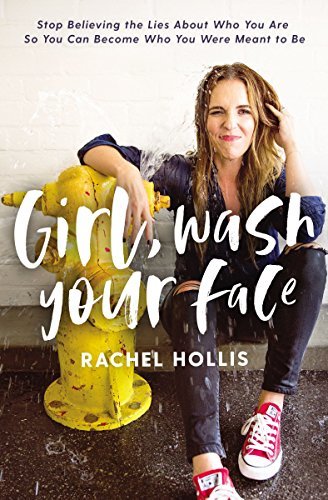
"Girl, Wash Your Face" is a direct, often anecdotal, self-help book that challenges women to shed the lies they tell themselves about their capabilities and worth. Hollis encourages readers to take ownership of their lives, identify their internal blockers, and actively pursue their dreams and goals, often emphasizing personal responsibility and resilience in overcoming setbacks.
Both books advocate for shedding self-imposed limitations and embracing authenticity. While Hollis focuses on debunking internal falsehoods and urging women to take charge, Gazipura directly confronts the habits of people-pleasing, silence, and guilt that often stem from these very self-limiting beliefs. Both authors empower individuals to reclaim their voice, set boundaries ("saying no"), and assert their needs confidently.
This book will appeal to those seeking practical inspiration to overcome self-doubt and societal pressures. Its candid, no-nonsense approach offers tangible strategies for personal growth, fostering a mindset where asserting oneself and pursuing one's aspirations become not just possible, but essential for a fulfilling life.
Girl Wash your Face
"Girl, Wash Your Face" is a direct, often anecdotal, self-help book that challenges women to shed the lies they tell themselves about their capabilities and worth. Hollis encourages readers to take ownership of their lives, identify their internal blockers, and actively pursue their dreams and goals, often emphasizing personal responsibility and resilience in overcoming setbacks.
Both books advocate for shedding self-imposed limitations and embracing authenticity. While Hollis focuses on debunking internal falsehoods and urging women to take charge, Gazipura directly confronts the habits of people-pleasing, silence, and guilt that often stem from these very self-limiting beliefs. Both authors empower individuals to reclaim their voice, set boundaries ("saying no"), and assert their needs confidently.
This book will appeal to those seeking practical inspiration to overcome self-doubt and societal pressures. Its candid, no-nonsense approach offers tangible strategies for personal growth, fostering a mindset where asserting oneself and pursuing one's aspirations become not just possible, but essential for a fulfilling life.
Excuses Begone!
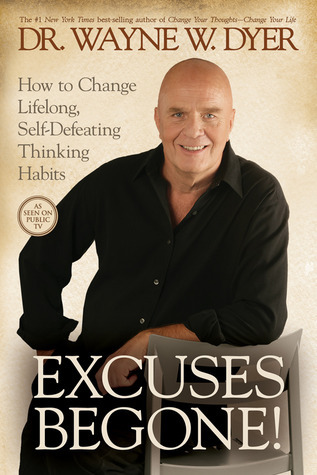
"Excuses Begone!" by Wayne W. Dyer is a powerful guide to identifying and eliminating the self-sabotaging thought patterns and behaviors that keep individuals from achieving their full potential. Dyer argues that most limitations are self-imposed through the excuses we tell ourselves, providing strategies to recognize these mental roadblocks and cultivate an excuse-free mindset focused on action and self-realization.
This book shares significant thematic overlap with "Not Nice." Both emphasize breaking free from societal and self-inflicted constraints that prevent authentic living. While "Not Nice" specifically targets people-pleasing and silence, "Excuses Begone!" offers a broader framework for overcoming any internal obstacle, including those stemming from the fear of disapproval or the need to please. Both empower individuals to reclaim agency.
The book appeals to anyone feeling stuck or underperforming in life. It offers concrete methods for self-assessment and practical techniques for transforming limiting beliefs into empowering ones. Its value lies in empowering individuals to take full responsibility for their lives, fostering a proactive approach to personal growth and the pursuit of aspirations without internal hesitation.
Excuses Begone!
"Excuses Begone!" by Wayne W. Dyer is a powerful guide to identifying and eliminating the self-sabotaging thought patterns and behaviors that keep individuals from achieving their full potential. Dyer argues that most limitations are self-imposed through the excuses we tell ourselves, providing strategies to recognize these mental roadblocks and cultivate an excuse-free mindset focused on action and self-realization.
This book shares significant thematic overlap with "Not Nice." Both emphasize breaking free from societal and self-inflicted constraints that prevent authentic living. While "Not Nice" specifically targets people-pleasing and silence, "Excuses Begone!" offers a broader framework for overcoming any internal obstacle, including those stemming from the fear of disapproval or the need to please. Both empower individuals to reclaim agency.
The book appeals to anyone feeling stuck or underperforming in life. It offers concrete methods for self-assessment and practical techniques for transforming limiting beliefs into empowering ones. Its value lies in empowering individuals to take full responsibility for their lives, fostering a proactive approach to personal growth and the pursuit of aspirations without internal hesitation.
The Life-Changing Magic of Not Giving a F*ck: How to Stop Spending Time You Don't Have with People You Don't Like Doing Things You Don't Want to Do
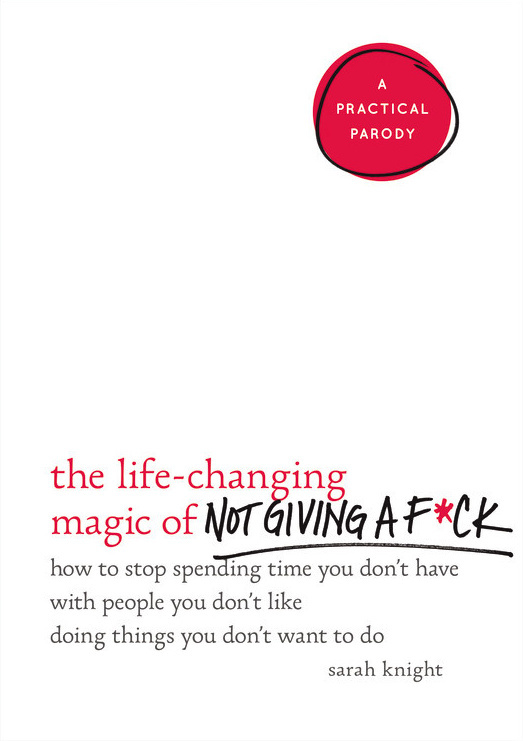
"The Life-Changing Magic of Not Giving a F*ck" by Sarah Knight is a refreshingly direct guide to reclaiming agency over your time, energy, and mental space. Knight advocates for a strategic "not giving a f*ck" approach, teaching you how to identify what truly matters to you and unapologetically shed the rest – be it unwanted social obligations, pointless anxieties, or the opinions of others that don't serve your well-being. It's about setting boundaries, prioritizing your peace, and focusing on things that genuinely enrich your life.
This book resonates strongly with "Not Nice" because both espouse the fundamental idea of prioritizing personal authenticity and well-being over external validation or the fear of disappointing others. Each author champions the reader’s right to say no, to speak their truth, and to define their own happiness, rather than letting others dictate it. They share an underlying philosophy that true confidence and contentment stem from an honest assessment of one's own desires and boundaries.
This straightforward approach will appeal to anyone feeling overwhelmed, stretched thin, or burdened by societal expectations. It offers practical tools and a no-nonsense perspective for shedding guilt, asserting control, and ultimately leading a more fulfilling life aligned with personal values. The direct language and actionable advice make it a valuable resource for cultivating inner peace and external freedom.
The Life-Changing Magic of Not Giving a F*ck: How to Stop Spending Time You Don't Have with People You Don't Like Doing Things You Don't Want to Do
"The Life-Changing Magic of Not Giving a F*ck" by Sarah Knight is a refreshingly direct guide to reclaiming agency over your time, energy, and mental space. Knight advocates for a strategic "not giving a f*ck" approach, teaching you how to identify what truly matters to you and unapologetically shed the rest – be it unwanted social obligations, pointless anxieties, or the opinions of others that don't serve your well-being. It's about setting boundaries, prioritizing your peace, and focusing on things that genuinely enrich your life.
This book resonates strongly with "Not Nice" because both espouse the fundamental idea of prioritizing personal authenticity and well-being over external validation or the fear of disappointing others. Each author champions the reader’s right to say no, to speak their truth, and to define their own happiness, rather than letting others dictate it. They share an underlying philosophy that true confidence and contentment stem from an honest assessment of one's own desires and boundaries.
This straightforward approach will appeal to anyone feeling overwhelmed, stretched thin, or burdened by societal expectations. It offers practical tools and a no-nonsense perspective for shedding guilt, asserting control, and ultimately leading a more fulfilling life aligned with personal values. The direct language and actionable advice make it a valuable resource for cultivating inner peace and external freedom.
More Books to Explore
Discover more titles that expand on these ideas and themes.
No More Mr. Nice Guy
You Are a Badass: How to Stop Doubting Your Greatness and Start Living an Awesome Life
Brave, Not Perfect: Fear Less, Fail More, and Live Bolder
How to Be Enough: Self-Acceptance for Self-Critics and Perfectionists
The Subtle Art of Not Giving a F*ck: A Counterintuitive Approach to Living a Good Life
The Power of Vulnerability: Teachings of Authenticity, Connections and Courage