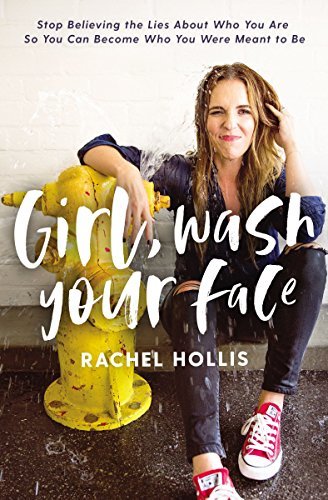
Girl Wash your Face
Book Description
Unleash your inner warrior and confront the lies holding you back. In "Girl, Wash Your Face," Rachel Hollis fearlessly dismantles the myths that women are fed daily, from self-doubt to perfectionism. With raw honesty and humor, she shares her own struggles while empowering readers to rise above life’s challenges. Each chapter is a battle cry for self-acceptance and authenticity, igniting courage and inspiration in the face of adversity. Life’s too short to linger in the shadows—are you ready to step into the light and reclaim your power?
Quick Book Summary
"Girl, Wash Your Face" by Rachel Hollis is an empowering self-help memoir that tackles the damaging lies women often believe about themselves. Drawing from her personal experiences, Hollis debunks falsehoods such as feeling unworthy, needing to please everyone, or believing one's happiness is out of reach. She offers practical advice, relatable anecdotes, and honest confessions to encourage readers to challenge negative self-talk and reclaim agency over their lives. With unwavering candor and wit, Hollis inspires women to prioritize self-acceptance, set boundaries, and pursue their ambitions without guilt. This motivational book is a call to action for women to reject perfectionism and embrace authenticity, reminding them they are responsible for their own happiness and growth.




Summary of Key Ideas
Table of Contents
Recognizing and Overcoming Limiting Beliefs
Rachel Hollis opens the book by explaining that women are conditioned to accept a series of lies that shape their self-perception and ambitions. Using her own life as a backdrop, she identifies these limiting beliefs—such as feeling like a fraud, waiting for permission, or thinking happiness depends on others—that hold people back. Her candid storytelling invites readers to acknowledge the false narratives they've internalized and recognize the negative impact these have on their lives.
Taking Personal Responsibility for Happiness
Hollis asserts that personal happiness is not the responsibility of anyone else. She emphasizes that self-fulfillment comes from within, and urges readers to stop blaming outside influences for their dissatisfaction. By advocating for radical ownership of one's choices and mindset, Hollis encourages women to reclaim power over their circumstances. She provides actionable steps to refocus energy on personal goals and dreams rather than seeking constant validation from others.
Embracing Authenticity Over Perfectionism
Perfectionism is portrayed as a trap that blocks authenticity and leads to burnout. Hollis recounts her own struggle to appear flawless—both as a mother and a professional—and how it produced anxiety and disconnection. She advocates for embracing one's authentic self, flaws and all, and illustrates how vulnerability can foster deeper relationships and self-acceptance. Her message is clear: only by releasing the need to be perfect can people truly thrive.
Practicing Self-Care and Setting Boundaries
Another pivotal theme is the importance of self-care and setting healthy boundaries. Hollis explains that guilt often prevents women from prioritizing their needs, but emphasizes that self-care is essential for well-being and resilience. She shares practical strategies, like carving out personal time, saying no, and establishing clear limits in relationships and work. By modeling self-respect, women can inspire others and create a more balanced, fulfilling life.
Turning Failure Into Growth
The book concludes by reframing failure as an essential ingredient for personal growth. Instead of viewing setbacks as proof of inadequacy, Hollis encourages women to see them as learning opportunities. She shares her own missteps and how perseverance and reflection propelled her forward. This mindset shift—from fearing failure to embracing it—empowers readers to take bold action, pursue dreams, and lead lives defined by hope rather than fear.
Download This Summary
Get a free PDF of this summary instantly — no email required.