10 Books Similar to "Nathaniel"
by John Saul

In the Dark of the Night
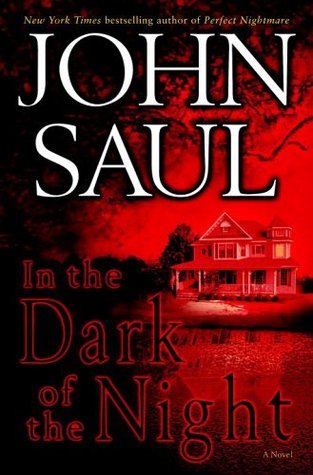
"In the Dark of the Night" explores a chilling string of child disappearances in the seemingly idyllic town of Port Ariel, a community deeply rooted in its fishing industry and fraught with generational secrets. As the disappearances escalate, a troubled detective and a determined psychologist uncover a horrifying truth linked to the town's past and a malevolent presence that preys on children. The narrative delves into themes of inherited guilt, psychological trauma, and the insidious nature of evil hiding in plain sight.
This novel shares a strong thematic and stylistic resemblance to "Nathaniel." Both books prominently feature a small, isolated town grappling with a dark, supernatural threat that targets children, often with roots in the community's history. The protagonists in both stories are outsiders or individuals with troubled pasts who must confront deeply unsettling forces. Saul consistently employs suspenseful pacing, psychological horror, and a gradual unveiling of ancient evils in both works.
The appeal of "In the Dark of the Night" lies in its masterful blend of supernatural horror and psychological thrills. Its exploration of deeply embedded evil within a community, coupled with the vulnerability of childhood innocence, creates a genuinely unsettling and thought-provoking experience. Those who appreciate a meticulously crafted atmospheric horror story with rich character development and a pervasive sense of dread will find this a compelling read, offering both gripping entertainment and a chilling reflection on human darkness.
In the Dark of the Night
"In the Dark of the Night" explores a chilling string of child disappearances in the seemingly idyllic town of Port Ariel, a community deeply rooted in its fishing industry and fraught with generational secrets. As the disappearances escalate, a troubled detective and a determined psychologist uncover a horrifying truth linked to the town's past and a malevolent presence that preys on children. The narrative delves into themes of inherited guilt, psychological trauma, and the insidious nature of evil hiding in plain sight.
This novel shares a strong thematic and stylistic resemblance to "Nathaniel." Both books prominently feature a small, isolated town grappling with a dark, supernatural threat that targets children, often with roots in the community's history. The protagonists in both stories are outsiders or individuals with troubled pasts who must confront deeply unsettling forces. Saul consistently employs suspenseful pacing, psychological horror, and a gradual unveiling of ancient evils in both works.
The appeal of "In the Dark of the Night" lies in its masterful blend of supernatural horror and psychological thrills. Its exploration of deeply embedded evil within a community, coupled with the vulnerability of childhood innocence, creates a genuinely unsettling and thought-provoking experience. Those who appreciate a meticulously crafted atmospheric horror story with rich character development and a pervasive sense of dread will find this a compelling read, offering both gripping entertainment and a chilling reflection on human darkness.
Creature

"Creature" explores the disturbing transformation of a seemingly ordinary teenager into a monstrous, savage being in a tranquil Pacific Northwest town. The narrative delves into the psychological and physical horrors of this metamorphosis, intertwining a desperate search for a cure with the escalating terror faced by the community, particularly the protagonist's parents and girlfriend. It’s a classic John Saul dive into small-town dread and the corruption of innocence.
This novel shares a significant thematic and structural kinship with "Nathaniel" through its focus on the perversion of youth and the destructive impact of an insidious force on a seemingly idyllic setting. Both books feature a young male protagonist undergoing a terrifying, malevolent change that profoundly affects those closest to him, revealing the darker undercurrents hidden beneath a veneer of normalcy. The horror in both derives from the intimate betrayal of familiarity and the tragic unraveling of a family unit.
Engaging readers who appreciate psychological horror and supernatural thrillers, "Creature" offers a chilling examination of identity, the fragility of the human condition, and the pervasive nature of evil. It provides a thrilling, suspenseful read that meticulously builds dread, delivering a visceral experience of terror and the tragic consequences of unchecked malevolence. The novel's exploration of parental love pushed to its limits also adds a poignant, relatable human element to its monstrous premise.
Creature
"Creature" explores the disturbing transformation of a seemingly ordinary teenager into a monstrous, savage being in a tranquil Pacific Northwest town. The narrative delves into the psychological and physical horrors of this metamorphosis, intertwining a desperate search for a cure with the escalating terror faced by the community, particularly the protagonist's parents and girlfriend. It’s a classic John Saul dive into small-town dread and the corruption of innocence.
This novel shares a significant thematic and structural kinship with "Nathaniel" through its focus on the perversion of youth and the destructive impact of an insidious force on a seemingly idyllic setting. Both books feature a young male protagonist undergoing a terrifying, malevolent change that profoundly affects those closest to him, revealing the darker undercurrents hidden beneath a veneer of normalcy. The horror in both derives from the intimate betrayal of familiarity and the tragic unraveling of a family unit.
Engaging readers who appreciate psychological horror and supernatural thrillers, "Creature" offers a chilling examination of identity, the fragility of the human condition, and the pervasive nature of evil. It provides a thrilling, suspenseful read that meticulously builds dread, delivering a visceral experience of terror and the tragic consequences of unchecked malevolence. The novel's exploration of parental love pushed to its limits also adds a poignant, relatable human element to its monstrous premise.
House of Reckoning
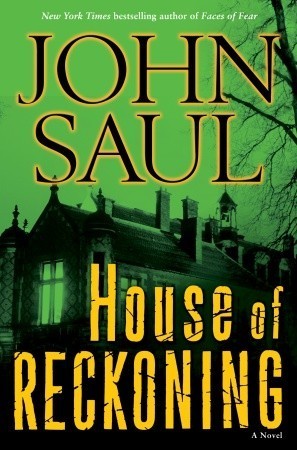
"House of Reckoning" by John Saul centers on teenage friends who, seeking refuge from neglect and abuse, create a sanctuary within an abandoned house. Their bond becomes a twisted form of family, with disturbing rituals and a leader whose manipulations escalate into a chilling descent into psychological horror and violence once external threats challenge their isolated world.
The foundational similarity to "Nathaniel" lies in Saul's exploration of profound childhood trauma and its devastating, often supernatural, consequences. Both novels delve into the psychological scarring of young protagonists, demonstrating how untreated abuse manifests into destructive, malevolent forces that haunt not just individuals, but entire communities or structures. The narratives share a core theme of corrupted innocence and the insidious nature of unresolved past horrors.
This book will appeal to those who appreciate a dark, atmospheric dive into the human psyche, particularly how childhood anguish can breed monstrous outcomes. Its value lies in its unflinching portrayal of mental anguish, the complexities of dysfunctional relationships, and the powerful, almost tangible sense of dread it cultivates. It offers a compelling, albeit disturbing, examination of how the past can relentlessly shape a terrifying present.
House of Reckoning
"House of Reckoning" by John Saul centers on teenage friends who, seeking refuge from neglect and abuse, create a sanctuary within an abandoned house. Their bond becomes a twisted form of family, with disturbing rituals and a leader whose manipulations escalate into a chilling descent into psychological horror and violence once external threats challenge their isolated world.
The foundational similarity to "Nathaniel" lies in Saul's exploration of profound childhood trauma and its devastating, often supernatural, consequences. Both novels delve into the psychological scarring of young protagonists, demonstrating how untreated abuse manifests into destructive, malevolent forces that haunt not just individuals, but entire communities or structures. The narratives share a core theme of corrupted innocence and the insidious nature of unresolved past horrors.
This book will appeal to those who appreciate a dark, atmospheric dive into the human psyche, particularly how childhood anguish can breed monstrous outcomes. Its value lies in its unflinching portrayal of mental anguish, the complexities of dysfunctional relationships, and the powerful, almost tangible sense of dread it cultivates. It offers a compelling, albeit disturbing, examination of how the past can relentlessly shape a terrifying present.
The Homing

"The Homing" explores the terrifying phenomenon of a primal, malevolent force manifesting in a seemingly idyllic community when children begin to exhibit disturbingly violent and regressive behaviors. A young couple, returning to their ancestral home, finds themselves entangled in the escalating horror as they uncover a dark secret tied to the land and its ancient, malevolent power.
This novel shares a significant thematic and stylistic resemblance to "Nathaniel." Both books skillfully employ children as vessels for ancient evil, contrasting their innocent facades with deeply unsettling, malevolent actions. They also build their narratives on the slow erosion of a tranquil community's sanity, fueled by supernatural forces that twist familial bonds and exploit hidden fears within an isolated setting.
The immersive suspense and psychological dread cultivated in "The Homing" will prove valuable for those who appreciate John Saul's signature blend of supernatural horror and domestic terror. The novel offers a chilling exploration of inherited evil and the fragility of human nature when confronted by ancient, inescapable malevolence, providing a deeply unsettling and thought-provoking experience.
The Homing
"The Homing" explores the terrifying phenomenon of a primal, malevolent force manifesting in a seemingly idyllic community when children begin to exhibit disturbingly violent and regressive behaviors. A young couple, returning to their ancestral home, finds themselves entangled in the escalating horror as they uncover a dark secret tied to the land and its ancient, malevolent power.
This novel shares a significant thematic and stylistic resemblance to "Nathaniel." Both books skillfully employ children as vessels for ancient evil, contrasting their innocent facades with deeply unsettling, malevolent actions. They also build their narratives on the slow erosion of a tranquil community's sanity, fueled by supernatural forces that twist familial bonds and exploit hidden fears within an isolated setting.
The immersive suspense and psychological dread cultivated in "The Homing" will prove valuable for those who appreciate John Saul's signature blend of supernatural horror and domestic terror. The novel offers a chilling exploration of inherited evil and the fragility of human nature when confronted by ancient, inescapable malevolence, providing a deeply unsettling and thought-provoking experience.
Cry for the Strangers
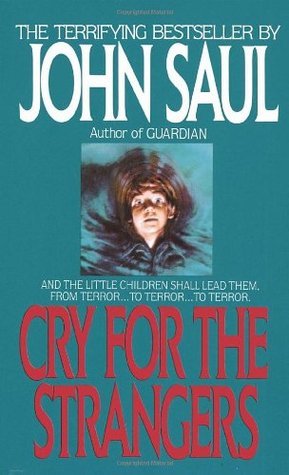
"Cry for the Strangers" centers on a small coastal town in California, isolated and seemingly idyllic, until a series of gruesome murders begins. The killings appear to be linked to a local legend of vengeful drowned sailors and the unsettling behavior of the town's children, who develop an eerie connection to the escalating terror. It’s a classic John Saul slow-burn horror, where the supernatural bleeds into the mundane, eroding sanity and trust within the community.
This novel mirrors "Nathaniel" in its exploration of malevolent forces that infect a seemingly normal setting, often targeting the innocent, specifically children, or exploiting vulnerabilities within families. Both books skillfully build suspense through psychological dread and the gradual unveiling of a sinister secret, rather than relying solely on jump scares. The themes of isolated communities, the corruption of innocence, and the insidious nature of historical evil are powerfully present in both narratives.
This book will appeal to those who appreciate a meticulously crafted horror experience that delves into the darker aspects of human nature and supernatural influence. It offers a chilling examination of how fear and ancient grievances can manifest, and presents a compelling, unsettling narrative that lingers long after the final page. Its value lies in its ability to disturb and provoke thought, delivering a satisfyingly terrifying journey.
Cry for the Strangers
"Cry for the Strangers" centers on a small coastal town in California, isolated and seemingly idyllic, until a series of gruesome murders begins. The killings appear to be linked to a local legend of vengeful drowned sailors and the unsettling behavior of the town's children, who develop an eerie connection to the escalating terror. It’s a classic John Saul slow-burn horror, where the supernatural bleeds into the mundane, eroding sanity and trust within the community.
This novel mirrors "Nathaniel" in its exploration of malevolent forces that infect a seemingly normal setting, often targeting the innocent, specifically children, or exploiting vulnerabilities within families. Both books skillfully build suspense through psychological dread and the gradual unveiling of a sinister secret, rather than relying solely on jump scares. The themes of isolated communities, the corruption of innocence, and the insidious nature of historical evil are powerfully present in both narratives.
This book will appeal to those who appreciate a meticulously crafted horror experience that delves into the darker aspects of human nature and supernatural influence. It offers a chilling examination of how fear and ancient grievances can manifest, and presents a compelling, unsettling narrative that lingers long after the final page. Its value lies in its ability to disturb and provoke thought, delivering a satisfyingly terrifying journey.
The Unwanted

"The Unwanted" plunges into the dark heart of a seemingly idyllic community, Arkham, where a disturbing tradition of child disappearance and murder resurfaces. The narrative deftly weaves together the perspectives of a young couple seeking a fresh start, a detective haunted by past failures, and the spectral presence of a malevolent force preying on the town's children. It explores themes of generational trauma, the fragility of innocence, and the insidious nature of secrets that fester beneath a veneer of normalcy.
The enduring similarity to "Nathaniel" lies in John Saul's signature blend of supernatural horror rooted in small-town malevolence and the corruption of innocence. Both novels feature children as central figures in peril, often manipulated or haunted by sinister entities linked to a community's hidden sins. The gradual unveiling of a macabre history, leading to inevitable, terrifying confrontations, is a hallmark shared by both stories, demonstrating Saul's consistent thematic preoccupations.
This novel offers a chilling exploration of the darkness that can lie dormant in human hearts and the spaces we inhabit. Its suspenseful plotting and psychological depth provide a compelling experience for those who appreciate horror that delves beyond jump scares, prompting reflection on community complicity and the enduring fight against forgotten evils. It is a rewarding read for anyone seeking a masterfully crafted tale of dread and moral decay.
The Unwanted
"The Unwanted" plunges into the dark heart of a seemingly idyllic community, Arkham, where a disturbing tradition of child disappearance and murder resurfaces. The narrative deftly weaves together the perspectives of a young couple seeking a fresh start, a detective haunted by past failures, and the spectral presence of a malevolent force preying on the town's children. It explores themes of generational trauma, the fragility of innocence, and the insidious nature of secrets that fester beneath a veneer of normalcy.
The enduring similarity to "Nathaniel" lies in John Saul's signature blend of supernatural horror rooted in small-town malevolence and the corruption of innocence. Both novels feature children as central figures in peril, often manipulated or haunted by sinister entities linked to a community's hidden sins. The gradual unveiling of a macabre history, leading to inevitable, terrifying confrontations, is a hallmark shared by both stories, demonstrating Saul's consistent thematic preoccupations.
This novel offers a chilling exploration of the darkness that can lie dormant in human hearts and the spaces we inhabit. Its suspenseful plotting and psychological depth provide a compelling experience for those who appreciate horror that delves beyond jump scares, prompting reflection on community complicity and the enduring fight against forgotten evils. It is a rewarding read for anyone seeking a masterfully crafted tale of dread and moral decay.
Hellfire

"Hellfire" delves into the chilling consequences of a town's buried secrets, following a series of inexplicable and violent deaths tied to a tragic fire decades prior. As the past unravels, the present becomes a terrifying canvas for revenge, orchestrated by forces both human and potentially supernatural, against those who allowed injustice to fester.
This novel mirrors "Nathaniel" in its masterful exploration of small-town horror, where a past trauma reverberates through generations, infecting the tranquility of the present. Both books adeptly weave supernatural elements with psychological suspense, demonstrating how the sins of the fathers are visited upon their children, often through malevolent spiritual intervention or distorted human agency. They share Saul's signature blend of intricate plotting, escalating tension, and a pervasive sense of dread.
The book offers a compelling narrative for those who appreciate meticulously crafted psychological horror infused with supernatural elements. It delivers a deeply unsettling experience, probing themes of guilt, justice, and the corrupting power of untold truths. Its intricate plot and relentless suspense makes for a gripping read, consistently challenging perceptions of reality and the enduring impact of historical wrongdoing.
Hellfire
"Hellfire" delves into the chilling consequences of a town's buried secrets, following a series of inexplicable and violent deaths tied to a tragic fire decades prior. As the past unravels, the present becomes a terrifying canvas for revenge, orchestrated by forces both human and potentially supernatural, against those who allowed injustice to fester.
This novel mirrors "Nathaniel" in its masterful exploration of small-town horror, where a past trauma reverberates through generations, infecting the tranquility of the present. Both books adeptly weave supernatural elements with psychological suspense, demonstrating how the sins of the fathers are visited upon their children, often through malevolent spiritual intervention or distorted human agency. They share Saul's signature blend of intricate plotting, escalating tension, and a pervasive sense of dread.
The book offers a compelling narrative for those who appreciate meticulously crafted psychological horror infused with supernatural elements. It delivers a deeply unsettling experience, probing themes of guilt, justice, and the corrupting power of untold truths. Its intricate plot and relentless suspense makes for a gripping read, consistently challenging perceptions of reality and the enduring impact of historical wrongdoing.
When the Wind Blows

"When the Wind Blows" centers on the frightening discovery of genetically engineered children, the "changelings," who possess extraordinary abilities and are relentlessly pursued by their creators. The narrative explores the ethics of scientific experimentation, the inherent desire for family, and the terrifying implications of playing God. It deftly weaves suspense with a profound examination of human nature and survival.
This novel shares a thematic core with "Nathaniel" through its exploration of extraordinary children with unusual abilities and the profound dangers they face, often from those who created or seek to control them. Both books delve into the unsettling consequences of hidden scientific endeavors and the desperate fight for self-preservation in the face of overwhelming odds, creating an atmosphere of escalating dread and powerful emotional resonance.
The appeal of "When the Wind Blows" lies in its gripping, high-stakes narrative and deeply human characters. The intriguing blend of sci-fi horror and psychological thriller offers a thought-provoking experience, prompting reflection on moral boundaries and the definition of humanity. It provides an immersive escape, delivering both chilling thrills and poignant insights that resonate long after the final page.
When the Wind Blows
"When the Wind Blows" centers on the frightening discovery of genetically engineered children, the "changelings," who possess extraordinary abilities and are relentlessly pursued by their creators. The narrative explores the ethics of scientific experimentation, the inherent desire for family, and the terrifying implications of playing God. It deftly weaves suspense with a profound examination of human nature and survival.
This novel shares a thematic core with "Nathaniel" through its exploration of extraordinary children with unusual abilities and the profound dangers they face, often from those who created or seek to control them. Both books delve into the unsettling consequences of hidden scientific endeavors and the desperate fight for self-preservation in the face of overwhelming odds, creating an atmosphere of escalating dread and powerful emotional resonance.
The appeal of "When the Wind Blows" lies in its gripping, high-stakes narrative and deeply human characters. The intriguing blend of sci-fi horror and psychological thriller offers a thought-provoking experience, prompting reflection on moral boundaries and the definition of humanity. It provides an immersive escape, delivering both chilling thrills and poignant insights that resonate long after the final page.
Faces of Fear

*Faces of Fear* centers on Christina, a young woman with a troubled past who returns to her childhood home in a small town. As she investigates her mother's mysterious death and her father's subsequent descent into madness, she unearths a chilling conspiracy involving telepathy, manipulation, and the exploitation of children's minds. The narrative masterfully blends psychological suspense with supernatural horror, slowly revealing the insidious truth behind the town's unsettling tranquility.
The parallels with *Nathaniel* are striking. Both novels feature protagonists grappling with deeply unsettling family histories and the long-lasting psychological scars of childhood trauma. They share a common thread of supernatural influence intertwined with human malevolence, often manifesting in the corruption of innocence. The small-town settings, seemingly idyllic on the surface, conceal dark secrets and sinister forces at play, driving the central mystery and the characters' desperate search for truth. Saul's signature style of building dread through escalating suspense and disturbing revelations is evident in both works.
This book offers a compelling narrative for those who appreciate meticulously crafted psychological thrillers with a supernatural edge. Its exploration of themes like memory, inherited trauma, and the vulnerability of the young provides intellectual depth alongside its suspenseful plot. The intricate web of deceit and the gradual unveiling of a horrifying truth deliver a satisfyingly intense reading experience, leaving a lasting impression on the mind.
Faces of Fear
*Faces of Fear* centers on Christina, a young woman with a troubled past who returns to her childhood home in a small town. As she investigates her mother's mysterious death and her father's subsequent descent into madness, she unearths a chilling conspiracy involving telepathy, manipulation, and the exploitation of children's minds. The narrative masterfully blends psychological suspense with supernatural horror, slowly revealing the insidious truth behind the town's unsettling tranquility.
The parallels with *Nathaniel* are striking. Both novels feature protagonists grappling with deeply unsettling family histories and the long-lasting psychological scars of childhood trauma. They share a common thread of supernatural influence intertwined with human malevolence, often manifesting in the corruption of innocence. The small-town settings, seemingly idyllic on the surface, conceal dark secrets and sinister forces at play, driving the central mystery and the characters' desperate search for truth. Saul's signature style of building dread through escalating suspense and disturbing revelations is evident in both works.
This book offers a compelling narrative for those who appreciate meticulously crafted psychological thrillers with a supernatural edge. Its exploration of themes like memory, inherited trauma, and the vulnerability of the young provides intellectual depth alongside its suspenseful plot. The intricate web of deceit and the gradual unveiling of a horrifying truth deliver a satisfyingly intense reading experience, leaving a lasting impression on the mind.
Comes the Blind Fury

"Comes the Blind Fury" centers on an idyllic coastal town in Maine that harbors a dark secret from its past: the unsolved disappearance of a young girl. When a new family moves into an old mansion and their daughter begins to experience unsettling visions and hear disembodied voices, the town's buried history slowly surfaces, leading to a terrifying confrontation with a restless supernatural presence seeking vengeance.
This novel shares a significant thematic and stylistic kinship with "Nathaniel." Both books skillfully employ the trope of a small, seemingly perfect community concealing a horrific historical injustice. In each, a child protagonist becomes a conduit or target for a malevolent force directly linked to these past transgressions, blurring the lines between innocence and vengeance, and highlighting the enduring power of unresolved suffering.
This book offers a compelling narrative for those who appreciate atmospheric horror rooted in deep-seated secrets and psychological suspense. Its exploration of generational trauma and the supernatural consequences of past evils provides a thought-provoking and genuinely chilling experience, resonating with anyone who enjoys a meticulously crafted ghost story with a strong moral undercurrent.
Comes the Blind Fury
"Comes the Blind Fury" centers on an idyllic coastal town in Maine that harbors a dark secret from its past: the unsolved disappearance of a young girl. When a new family moves into an old mansion and their daughter begins to experience unsettling visions and hear disembodied voices, the town's buried history slowly surfaces, leading to a terrifying confrontation with a restless supernatural presence seeking vengeance.
This novel shares a significant thematic and stylistic kinship with "Nathaniel." Both books skillfully employ the trope of a small, seemingly perfect community concealing a horrific historical injustice. In each, a child protagonist becomes a conduit or target for a malevolent force directly linked to these past transgressions, blurring the lines between innocence and vengeance, and highlighting the enduring power of unresolved suffering.
This book offers a compelling narrative for those who appreciate atmospheric horror rooted in deep-seated secrets and psychological suspense. Its exploration of generational trauma and the supernatural consequences of past evils provides a thought-provoking and genuinely chilling experience, resonating with anyone who enjoys a meticulously crafted ghost story with a strong moral undercurrent.
More Books to Explore
Discover more titles that expand on these ideas and themes.
In the Dark of the Night
Creature
House of Reckoning
The Homing
Cry for the Strangers
The Unwanted