10 Books Similar to "Mortal Causes"
by Ian Rankin

Fleshmarket Close

"Fleshmarket Close" plunges Inspector Rebus into the gritty underbelly of Edinburgh's asylum seeker community when two bodies are discovered in a dilapidated housing estate. What initially appears to be a double murder soon unravels into a complex web involving human trafficking, political corruption, and the struggles of immigrant families navigating a new country. Rebus must contend not only with ruthless criminals but also with institutional prejudice and his own deeply ingrained cynicism as he seeks justice for the voiceless.
The similarity to "Mortal Causes" lies primarily in how both novels masterfully expose the societal decay lurking beneath Edinburgh's picturesque facade. Just as "Mortal Causes" delves into sectarian violence and organized crime, "Fleshmarket Close" unearths the dark truths of exploitation and prejudice against vulnerable populations. Both books showcase Rankin's talent for weaving intricate plots around timely social issues, using Rebus as a conduit to explore the moral ambiguities of a city in flux.
This book offers a compelling narrative for those who appreciate crime fiction with significant social depth. It provides a stark and unflinching look at contemporary issues of immigration and inequality, prompting reflection on justice and compassion. The intricate plotting and authentic characterizations, particularly Rebus's unwavering yet jaded pursuit of truth, ensure an engrossing and thought-provoking reading experience.
Fleshmarket Close
"Fleshmarket Close" plunges Inspector Rebus into the gritty underbelly of Edinburgh's asylum seeker community when two bodies are discovered in a dilapidated housing estate. What initially appears to be a double murder soon unravels into a complex web involving human trafficking, political corruption, and the struggles of immigrant families navigating a new country. Rebus must contend not only with ruthless criminals but also with institutional prejudice and his own deeply ingrained cynicism as he seeks justice for the voiceless.
The similarity to "Mortal Causes" lies primarily in how both novels masterfully expose the societal decay lurking beneath Edinburgh's picturesque facade. Just as "Mortal Causes" delves into sectarian violence and organized crime, "Fleshmarket Close" unearths the dark truths of exploitation and prejudice against vulnerable populations. Both books showcase Rankin's talent for weaving intricate plots around timely social issues, using Rebus as a conduit to explore the moral ambiguities of a city in flux.
This book offers a compelling narrative for those who appreciate crime fiction with significant social depth. It provides a stark and unflinching look at contemporary issues of immigration and inequality, prompting reflection on justice and compassion. The intricate plotting and authentic characterizations, particularly Rebus's unwavering yet jaded pursuit of truth, ensure an engrossing and thought-provoking reading experience.
The Naming of the Dead
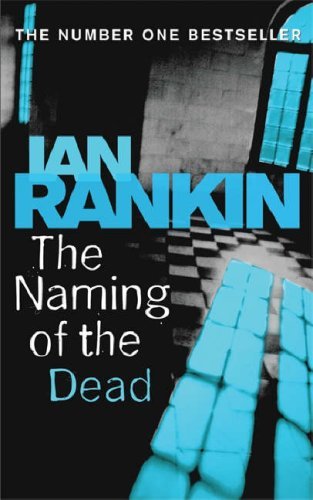
"The Naming of the Dead" throws Detective Inspector John Rebus into a politically charged case involving the suspicious deaths of a prominent MSP and a former SAS soldier, both linked to an Edinburgh summit of world leaders. As Rebus navigates the city's underbelly, he uncovers layers of espionage, official corruption, and personal vendettas, all while the eyes of the world are on Scotland.
This novel mirrors "Mortal Causes" in its deep dive into the darker aspects of society and the complex interplay between personal motives and larger political machinations. Both feature Rebus confronting institutional failings and the grey areas of justice, while grappling with his own moral compass amidst entrenched power structures and hidden agendas. The intricate plotting and the detailed exploration of Edinburgh's less glamorous side are also strong commonalities.
This book offers a compelling narrative for those who appreciate gritty, intelligently crafted crime fiction. Its sophisticated blend of police procedural with insightful social commentary and its exploration of moral ambiguity provide a rich, thought-provoking experience, cementing Rankin's reputation for masterfully portraying the human condition within the crime genre.
The Naming of the Dead
"The Naming of the Dead" throws Detective Inspector John Rebus into a politically charged case involving the suspicious deaths of a prominent MSP and a former SAS soldier, both linked to an Edinburgh summit of world leaders. As Rebus navigates the city's underbelly, he uncovers layers of espionage, official corruption, and personal vendettas, all while the eyes of the world are on Scotland.
This novel mirrors "Mortal Causes" in its deep dive into the darker aspects of society and the complex interplay between personal motives and larger political machinations. Both feature Rebus confronting institutional failings and the grey areas of justice, while grappling with his own moral compass amidst entrenched power structures and hidden agendas. The intricate plotting and the detailed exploration of Edinburgh's less glamorous side are also strong commonalities.
This book offers a compelling narrative for those who appreciate gritty, intelligently crafted crime fiction. Its sophisticated blend of police procedural with insightful social commentary and its exploration of moral ambiguity provide a rich, thought-provoking experience, cementing Rankin's reputation for masterfully portraying the human condition within the crime genre.
Dead Souls
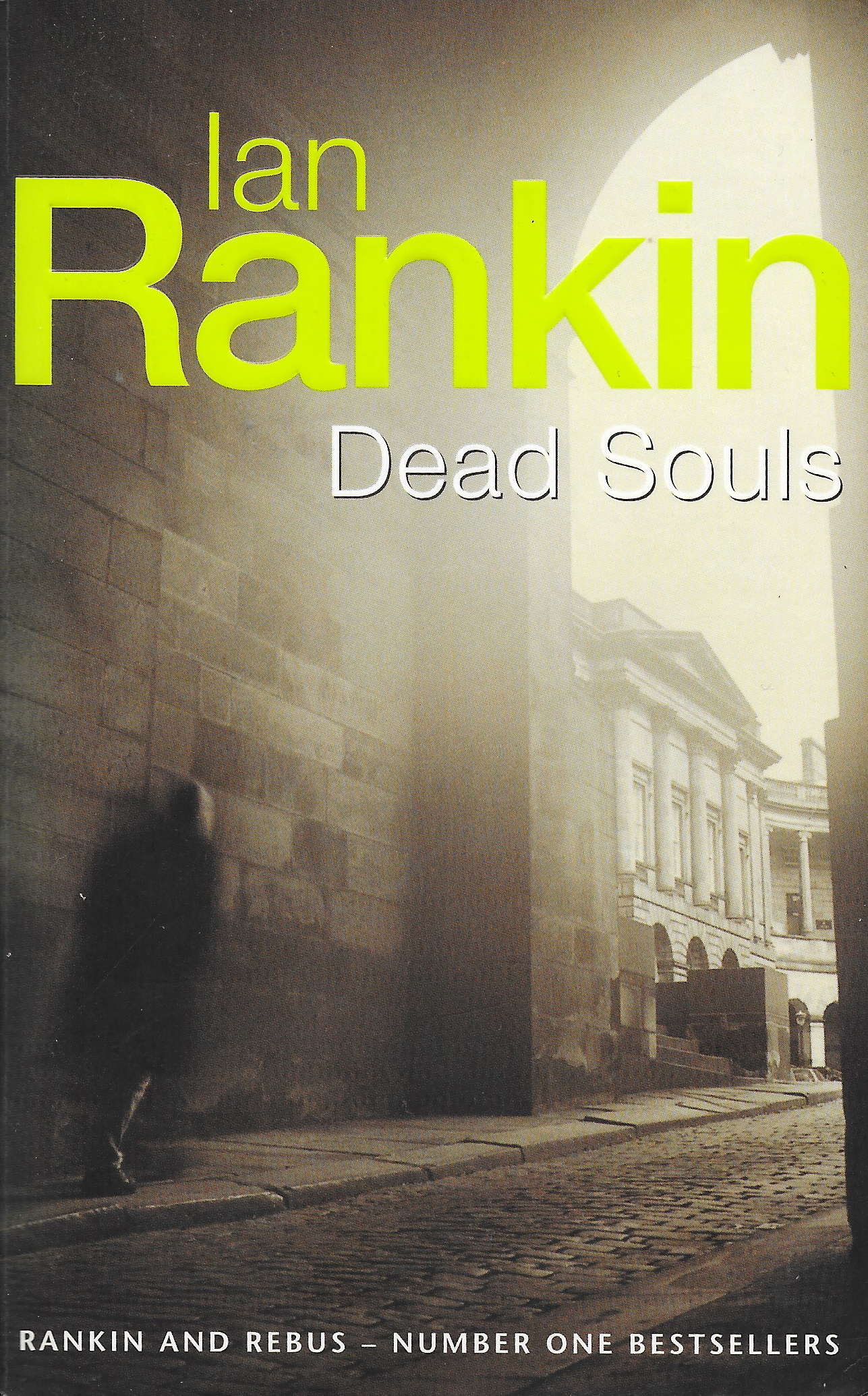
"Dead Souls" finds Inspector Rebus grappling with two seemingly disparate cases: the brutal murder of a young man in Edinburgh's housing estate and the release of Rebus's old adversary, Nevis, from prison. As Rebus navigates the city's underbelly, he uncovers a chilling connection between the cases, forcing him to confront uncomfortable truths about justice, rehabilitation, and the enduring nature of evil. The narrative delves into the psychological toll of Rebus's work and the corrosive effects of his personal demons.
The similarity to "Mortal Causes" lies in their shared exploration of moral ambiguities within Edinburgh's darker corners. Both novels feature Rebus investigating complex crimes rooted in social injustices and personal vendettas, often blurring the lines between victim and perpetrator, justice and revenge. The gritty realism, intricate plotting, and Rebus's internal struggles with his own morality are strong thematic parallels. Each book presents a nuanced examination of human nature's capacity for both cruelty and resilience.
This novel will appeal to those who appreciate a meticulously crafted police procedural offering more than just a whodunit. It provides a deep dive into the human condition, inviting contemplation on themes of guilt, responsibility, and societal dysfunction. The intricate character development and the evocative portrayal of Edinburgh itself offer an immersive and thought-provoking experience, making it a valuable addition for anyone seeking intelligent and emotionally resonant crime fiction.
Dead Souls
"Dead Souls" finds Inspector Rebus grappling with two seemingly disparate cases: the brutal murder of a young man in Edinburgh's housing estate and the release of Rebus's old adversary, Nevis, from prison. As Rebus navigates the city's underbelly, he uncovers a chilling connection between the cases, forcing him to confront uncomfortable truths about justice, rehabilitation, and the enduring nature of evil. The narrative delves into the psychological toll of Rebus's work and the corrosive effects of his personal demons.
The similarity to "Mortal Causes" lies in their shared exploration of moral ambiguities within Edinburgh's darker corners. Both novels feature Rebus investigating complex crimes rooted in social injustices and personal vendettas, often blurring the lines between victim and perpetrator, justice and revenge. The gritty realism, intricate plotting, and Rebus's internal struggles with his own morality are strong thematic parallels. Each book presents a nuanced examination of human nature's capacity for both cruelty and resilience.
This novel will appeal to those who appreciate a meticulously crafted police procedural offering more than just a whodunit. It provides a deep dive into the human condition, inviting contemplation on themes of guilt, responsibility, and societal dysfunction. The intricate character development and the evocative portrayal of Edinburgh itself offer an immersive and thought-provoking experience, making it a valuable addition for anyone seeking intelligent and emotionally resonant crime fiction.
Resurrection Men

"Resurrection Men" sees Detective Inspector John Rebus temporarily exiled to the Scottish Police College, where he's assigned to a "cold cases" squad, reviewing unsolved crimes. Far from a desk job, this assignment offers him unexpected insight into the criminal mind, forcing him to confront past mistakes and reassess his understanding of justice, all while a more immediate, personal threat begins to loom.
Both "Resurrection Men" and "Mortal Causes" delve deeply into the psychological toll policing exacts on Rebus. Both novels showcase Rankin's gritty realism and his exploration of moral ambiguities within the Scottish legal system, specifically highlighting how past events subtly but powerfully influence present-day investigations and personal crises. The brooding atmosphere and intricate plotting are hallmarks shared by both.
This novel offers a compelling exploration of guilt, redemption, and the enduring shadow of unresolved crimes. It provides a nuanced look at the fallibility of the justice system and the personal cost of pursuing truth. The intricate plotting and character-driven narrative offer a deeply satisfying and thought-provoking experience, cementing Rebus's status as one of crime fiction's most complex and enduring protagonists.
Resurrection Men
"Resurrection Men" sees Detective Inspector John Rebus temporarily exiled to the Scottish Police College, where he's assigned to a "cold cases" squad, reviewing unsolved crimes. Far from a desk job, this assignment offers him unexpected insight into the criminal mind, forcing him to confront past mistakes and reassess his understanding of justice, all while a more immediate, personal threat begins to loom.
Both "Resurrection Men" and "Mortal Causes" delve deeply into the psychological toll policing exacts on Rebus. Both novels showcase Rankin's gritty realism and his exploration of moral ambiguities within the Scottish legal system, specifically highlighting how past events subtly but powerfully influence present-day investigations and personal crises. The brooding atmosphere and intricate plotting are hallmarks shared by both.
This novel offers a compelling exploration of guilt, redemption, and the enduring shadow of unresolved crimes. It provides a nuanced look at the fallibility of the justice system and the personal cost of pursuing truth. The intricate plotting and character-driven narrative offer a deeply satisfying and thought-provoking experience, cementing Rebus's status as one of crime fiction's most complex and enduring protagonists.
The Black Book

"The Black Book" plunges into a cold case that resurfaces with chilling implications for Detective Inspector John Rebus. As a fire consumes a hotel and exposes its troubled past, Rebus is forced to revisit an unsolved murder from the 1980s. The investigation unravels a complex web of police corruption, political machinations, and personal betrayals, all tied to a mysterious black notebook kept by a deceased colleague.
This novel shares a significant thematic DNA with "Mortal Causes." Both books delve into historical injustices and their lingering impact on the present. The narrative structure, which sees Rebus grappling with a past event that bleeds into contemporary crimes, mirrors the way "Mortal Causes" explores the legacy of sectarian violence and its modern manifestations. The pervasive sense of institutional failure and the moral ambiguities faced by police officers are central to both narratives.
Individuals who appreciated the intricate plotting and morally charged investigations of "Mortal Causes" will find "The Black Book" equally compelling. It offers another deep dive into Rebus's conflicted psyche and his relentless pursuit of justice, often against the tide of established authority. The novel's exploration of corruption and the cyclical nature of violence provides a rich, thought-provoking experience, validating its place as a cornerstone of the Rebus series.
The Black Book
"The Black Book" plunges into a cold case that resurfaces with chilling implications for Detective Inspector John Rebus. As a fire consumes a hotel and exposes its troubled past, Rebus is forced to revisit an unsolved murder from the 1980s. The investigation unravels a complex web of police corruption, political machinations, and personal betrayals, all tied to a mysterious black notebook kept by a deceased colleague.
This novel shares a significant thematic DNA with "Mortal Causes." Both books delve into historical injustices and their lingering impact on the present. The narrative structure, which sees Rebus grappling with a past event that bleeds into contemporary crimes, mirrors the way "Mortal Causes" explores the legacy of sectarian violence and its modern manifestations. The pervasive sense of institutional failure and the moral ambiguities faced by police officers are central to both narratives.
Individuals who appreciated the intricate plotting and morally charged investigations of "Mortal Causes" will find "The Black Book" equally compelling. It offers another deep dive into Rebus's conflicted psyche and his relentless pursuit of justice, often against the tide of established authority. The novel's exploration of corruption and the cyclical nature of violence provides a rich, thought-provoking experience, validating its place as a cornerstone of the Rebus series.
Tooth and Nail

"Tooth and Nail" plunges Detective Inspector John Rebus into a grisly London case, where he’s loaned out to assist the Metropolitan Police. He’s hunting an elusive serial killer dubbed "The Wolfman," preying on women and leaving behind a signature scar. The investigation takes Rebus through the grimy underbelly of the capital, forcing him to grapple with unfamiliar police politics and the relentless pressure of a deeply disturbing hunt.
The similarity to "Mortal Causes" lies in the pervasive darkness and the exploration of societal rot. Both novels present Rebus with a meticulously planned, ritualistic series of murders that challenge his conventional investigative approaches. The killers, though distinctly different, operate with a chilling premeditation and a disturbing sense of purpose, reflecting a deeper malaise within the communities they inhabit.
This novel will appeal through its unflinching portrayal of urban crime and a protagonist wrestling with his own moral compass amidst profound darkness. It offers a masterclass in procedural tension, psychological depth, and the intricate dance between justice and vengeance. The narrative delivers a valuable exploration of obsession, both criminal and investigative, and the enduring human struggle against malevolence.
Tooth and Nail
"Tooth and Nail" plunges Detective Inspector John Rebus into a grisly London case, where he’s loaned out to assist the Metropolitan Police. He’s hunting an elusive serial killer dubbed "The Wolfman," preying on women and leaving behind a signature scar. The investigation takes Rebus through the grimy underbelly of the capital, forcing him to grapple with unfamiliar police politics and the relentless pressure of a deeply disturbing hunt.
The similarity to "Mortal Causes" lies in the pervasive darkness and the exploration of societal rot. Both novels present Rebus with a meticulously planned, ritualistic series of murders that challenge his conventional investigative approaches. The killers, though distinctly different, operate with a chilling premeditation and a disturbing sense of purpose, reflecting a deeper malaise within the communities they inhabit.
This novel will appeal through its unflinching portrayal of urban crime and a protagonist wrestling with his own moral compass amidst profound darkness. It offers a masterclass in procedural tension, psychological depth, and the intricate dance between justice and vengeance. The narrative delivers a valuable exploration of obsession, both criminal and investigative, and the enduring human struggle against malevolence.
The Falls

"The Falls" plunges Detective Inspector John Rebus into a perplexing case when the body of a young heiress is discovered in a canal, clutching a cryptic note. Rebus, assisted by researcher Dr. Kildare, unravels a complex web of historical puzzles, literary clues, and dark secrets embedded in Edinburgh's past, all seemingly connected to the victim's online role-playing game. The investigation delves into the city’s hidden corners and the intricate psychology of a clever killer.
Similar to "Mortal Causes," "The Falls" showcases Rankin's masterful blend of police procedural with a strong sense of place and an exploration of historical crimes impacting the present. Both novels feature Rebus confronting a meticulously crafted mystery rooted in the past, where the killer's motives are deeply personal and often linked to long-buried injustices. The darkness inherent in Glasgow's underbelly in "Mortal Causes" is mirrored by Edinburgh's shadowy past in "The Falls."
This book appeals through its intricate plotting, intellectual challenge, and the deeply atmospheric portrayal of Edinburgh. It provides a satisfyingly complex whodunit that rewards careful attention to detail, offering a glimpse into the darker aspects of human nature and the long reach of history. The cerebral nature of the puzzle, coupled with Rebus's compelling characterisation, creates a highly engaging and thought-provoking reading experience.
The Falls
"The Falls" plunges Detective Inspector John Rebus into a perplexing case when the body of a young heiress is discovered in a canal, clutching a cryptic note. Rebus, assisted by researcher Dr. Kildare, unravels a complex web of historical puzzles, literary clues, and dark secrets embedded in Edinburgh's past, all seemingly connected to the victim's online role-playing game. The investigation delves into the city’s hidden corners and the intricate psychology of a clever killer.
Similar to "Mortal Causes," "The Falls" showcases Rankin's masterful blend of police procedural with a strong sense of place and an exploration of historical crimes impacting the present. Both novels feature Rebus confronting a meticulously crafted mystery rooted in the past, where the killer's motives are deeply personal and often linked to long-buried injustices. The darkness inherent in Glasgow's underbelly in "Mortal Causes" is mirrored by Edinburgh's shadowy past in "The Falls."
This book appeals through its intricate plotting, intellectual challenge, and the deeply atmospheric portrayal of Edinburgh. It provides a satisfyingly complex whodunit that rewards careful attention to detail, offering a glimpse into the darker aspects of human nature and the long reach of history. The cerebral nature of the puzzle, coupled with Rebus's compelling characterisation, creates a highly engaging and thought-provoking reading experience.
A Question of Blood
"A Question of Blood" plunges Inspector Rebus into a labyrinthine investigation following a seemingly random double murder linked to a military base. As the case unfolds, Rebus grapples with the complexities of loyalty, paranoia, and the long-reaching consequences of past actions, forcing him to confront uncomfortable truths about justice and personal sacrifice. The narrative deftly weaves together a present-day crime with historical undertones, challenging Rebus's convictions at every turn.
This novel echoes "Mortal Causes" in its exploration of how past events and deeply entrenched societal issues continue to shape present-day crimes and individuals. Both books feature Rebus navigating morally ambiguous waters, where the lines between hero and villain blur, and justice is not always straightforward. The gritty realism and Rebus's internal struggles are strong thematic connections.
The intricate plotting and authentic portrayal of Edinburgh’s darker side make this a compelling read. It provides a nuanced examination of ethical dilemmas and the human cost of violence, offering a thought-provoking experience that transcends mere crime-solving. The psychological depth of the characters and the relentless pursuit of truth ensure a valuable and engrossing journey for any fan of intelligent crime fiction.
A Question of Blood
"A Question of Blood" plunges Inspector Rebus into a labyrinthine investigation following a seemingly random double murder linked to a military base. As the case unfolds, Rebus grapples with the complexities of loyalty, paranoia, and the long-reaching consequences of past actions, forcing him to confront uncomfortable truths about justice and personal sacrifice. The narrative deftly weaves together a present-day crime with historical undertones, challenging Rebus's convictions at every turn.
This novel echoes "Mortal Causes" in its exploration of how past events and deeply entrenched societal issues continue to shape present-day crimes and individuals. Both books feature Rebus navigating morally ambiguous waters, where the lines between hero and villain blur, and justice is not always straightforward. The gritty realism and Rebus's internal struggles are strong thematic connections.
The intricate plotting and authentic portrayal of Edinburgh’s darker side make this a compelling read. It provides a nuanced examination of ethical dilemmas and the human cost of violence, offering a thought-provoking experience that transcends mere crime-solving. The psychological depth of the characters and the relentless pursuit of truth ensure a valuable and engrossing journey for any fan of intelligent crime fiction.
Standing in Another Man's Grave

"Standing in Another Man's Grave" sees Rebus, now technically retired, drawn into a cold case investigation by a woman whose daughter vanished years prior. The case unravels into a complex web of past disappearances along Scotland's coastline, hinting at a serial predator who has evaded justice for decades. Rebus must navigate the institutional friction of being an outsider while his old team, DC Siobhan Clarke and DI Malcolm Fox, are pulled into the same intricate puzzle, forcing uneasy collaborations.
This novel shares "Mortal Causes'" gritty realism and exploration of long-buried secrets resurfacing to haunt the present. Both books feature a protagonist driven by an obsessive need for justice, often pushing against official boundaries. The intricate plotting, the atmospheric depiction of Edinburgh and its darker underbelly, and the psychological depth of the characters, particularly Rebus’s personal demons and his relentless pursuit of truth, are strong thematic links.
The appeal lies in its compelling mystery, which slowly unspools with increasing tension and significant stakes. The intricate character dynamics, especially Rebus's struggle with aging and his continued relevance in a changing police force, offer profound human interest. It delivers a deeply satisfying blend of procedural detail, psychological thriller elements, and a stark examination of enduring evil and the human cost of its pursuit, resonant for those who appreciate complex, intelligent crime fiction.
Standing in Another Man's Grave
"Standing in Another Man's Grave" sees Rebus, now technically retired, drawn into a cold case investigation by a woman whose daughter vanished years prior. The case unravels into a complex web of past disappearances along Scotland's coastline, hinting at a serial predator who has evaded justice for decades. Rebus must navigate the institutional friction of being an outsider while his old team, DC Siobhan Clarke and DI Malcolm Fox, are pulled into the same intricate puzzle, forcing uneasy collaborations.
This novel shares "Mortal Causes'" gritty realism and exploration of long-buried secrets resurfacing to haunt the present. Both books feature a protagonist driven by an obsessive need for justice, often pushing against official boundaries. The intricate plotting, the atmospheric depiction of Edinburgh and its darker underbelly, and the psychological depth of the characters, particularly Rebus’s personal demons and his relentless pursuit of truth, are strong thematic links.
The appeal lies in its compelling mystery, which slowly unspools with increasing tension and significant stakes. The intricate character dynamics, especially Rebus's struggle with aging and his continued relevance in a changing police force, offer profound human interest. It delivers a deeply satisfying blend of procedural detail, psychological thriller elements, and a stark examination of enduring evil and the human cost of its pursuit, resonant for those who appreciate complex, intelligent crime fiction.
The Hanging Garden
"The Hanging Garden" thrusts Rebus into a complex web of organized crime, police corruption, and a father's desperate search for his missing daughter. The narrative unfolds against the backdrop of Edinburgh's grittier side, culminating in a violent gang war and Rebus's own moral compromises as he navigates the city's murky underworld.
This novel shares "Mortal Causes'" introspective gaze into Rebus's character, particularly his willingness to bend rules and the personal toll his work exacts. Both books feature a central mystery that unearths deeper societal malaise, exploring themes of justice – or lack thereof – and the pervasive influence of crime on seemingly disparate lives. The intricate plotting and the morally ambiguous choices faced by law enforcement are also strong commonalities.
Readers will appreciate the compelling character development of Rebus, witnessing his ever-evolving cynicism and dedication. The novel offers a nuanced look at the dark underbelly of a vibrant city, presenting a challenging and thought-provoking examination of crime, morality, and the individual's place within a fractured society. Its intricate plotting and unflinching realism make it a significant and rewarding read.
The Hanging Garden
"The Hanging Garden" thrusts Rebus into a complex web of organized crime, police corruption, and a father's desperate search for his missing daughter. The narrative unfolds against the backdrop of Edinburgh's grittier side, culminating in a violent gang war and Rebus's own moral compromises as he navigates the city's murky underworld.
This novel shares "Mortal Causes'" introspective gaze into Rebus's character, particularly his willingness to bend rules and the personal toll his work exacts. Both books feature a central mystery that unearths deeper societal malaise, exploring themes of justice – or lack thereof – and the pervasive influence of crime on seemingly disparate lives. The intricate plotting and the morally ambiguous choices faced by law enforcement are also strong commonalities.
Readers will appreciate the compelling character development of Rebus, witnessing his ever-evolving cynicism and dedication. The novel offers a nuanced look at the dark underbelly of a vibrant city, presenting a challenging and thought-provoking examination of crime, morality, and the individual's place within a fractured society. Its intricate plotting and unflinching realism make it a significant and rewarding read.
More Books to Explore
Discover more titles that expand on these ideas and themes.
Fleshmarket Close
The Naming of the Dead
Dead Souls
Resurrection Men
The Black Book
Tooth and Nail