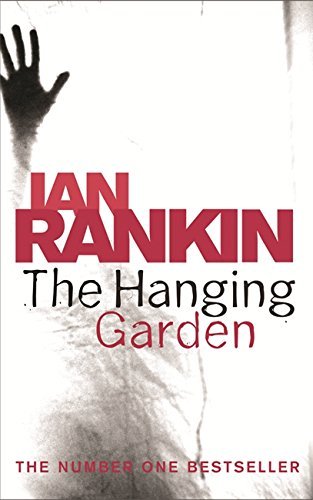
The Hanging Garden
Book Description
A body is discovered in a secret garden, the whispers of a troubled past intermingling with the scent of blooming flowers. Detective John Rebus is thrust into a world where the boundaries of morality blur, alliances are tested, and old ghosts refuse to rest. As he navigates treacherous terrain filled with deception and danger, every clue pulls him deeper into a dark labyrinth of power and betrayal. Relationships fracture, loyalties shift, and the clock ticks menacingly toward a reckoning. Who can truly be trusted when the shadows hold lethal secrets? Will the truth bloom, or will it be buried forever?
Quick Book Summary
In "The Hanging Garden," detective John Rebus is drawn into a convoluted web of crime, history, and personal turmoil when a body is found in a hidden Edinburgh garden. Grappling with a violent turf war between rival gangs, Rebus's professional challenges merge with his personal life as his daughter faces her own battle. The case unearths secrets dating back to war-torn Europe, implicating figures connected to wartime atrocities while thrusting Rebus into a power play between dangerous men. The boundaries between good and evil become blurred, forcing Rebus to confront his assumptions about justice and the cost of loyalty. Against a backdrop of betrayal and shifting alliances, the detective must decipher which secrets are best exposed and which should remain buried to protect those he loves.


Summary of Key Ideas
Table of Contents
Moral Ambiguity and Justice
The narrative begins with a grim discovery: a corpse unearthed in a secluded garden in Edinburgh. Detective John Rebus is swiftly assigned to the case, which intersects with an ongoing turf war between local crime factions and the unsettling whispers of unresolved historical atrocities. From the start, it’s clear that the garden holds more than just physical remains; it is a metaphorical crossroads between hidden past deeds and present conflicts. The scent of flowers is juxtaposed against the stench of death, setting a haunting tone for Rebus’s investigation.
The Burden of the Past
As Rebus pursues leads, he is forced to navigate layers of moral ambiguity. The lines between victim and perpetrator are blurred, with suspects that include war criminals, organized crime lords, and those deemed respectable in society. Rebus must decide when to press for the truth and when to withhold it, especially as he discovers that some answers bring their own dangers. The detective’s signature cynicism and persistence are both tools and obstacles in a world where clear-cut justice seems unattainable.
Familial Loyalty vs. Professional Duty
Personal stakes are raised when Rebus’s daughter becomes gravely injured, drawing him into an emotional struggle that parallels his professional quest. The case’s complexity is deepened by this personal tragedy, as Rebus grapples with the guilt and anger of being unable to protect his loved ones. His relationships with colleagues strain under pressure, and loyalties within the police force and his own circle become precarious. In trying to solve the crime, Rebus risks compromising the safety of those he cares about most.
Power Dynamics and Gangs
Power struggles are a constant presence, both among criminal elements and within law enforcement itself. Rival gangs battle for dominance, using violence and manipulation to exert influence over the city. Simultaneously, Rebus faces bureaucratic challenges and subtle threats from those who would benefit from the case remaining unsolved. The investigation illuminates the fragile balance of order and chaos in Edinburgh’s underworld, forcing Rebus to use unorthodox methods to outmaneuver both criminals and his own superiors.
Trust and Betrayal
As the plot races toward its conclusion, trust becomes a rare commodity. Friends and foes alike harbor secrets, and shifting allegiances threaten to derail Rebus’s pursuit of the truth. In the end, the cost of uncovering the past is brought sharply into focus, emphasizing the enduring impact of buried secrets on individuals and society. Rankin leaves readers with a meditation on justice, memory, and the uncertainties that linger where light meets shadow.
Download This Summary
Get a free PDF of this summary instantly — no email required.