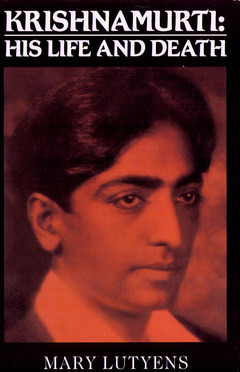
10 Books Similar to "Life and Death of Krishnamurti"
by Mary Lutyens
Reflections on the Self

"Reflections on the Self" is a collection of J. Krishnamurti's dialogues and writings that delve directly into the nature of consciousness, thought, fear, and the possibility of psychological freedom. It explores the idea of looking inward without the filter of ideology or conditioning, aiming for a radical transformation of the mind. The book challenges ingrained patterns of self-identification and perception, urging a direct, immediate observation of one's inner workings.
This book resonates with "Life and Death of Krishnamurti" because both works fundamentally deal with Krishnamurti's core philosophical explorations. While Lutyens' biography provides a narrative and contextual understanding of his life and teachings, "Reflections on the Self" offers a direct, unmediated encounter with those very teachings. It's the substance behind the story, allowing immersion into the insights that shaped his life and legacy.
This book will appeal to those seeking profound personal inquiry and a deeper understanding of human consciousness. It offers a unique approach to self-discovery, bypassing conventional psychological frameworks to encourage direct, unconditioned insight. The value lies in its potential to inspire a fresh perspective on life's challenges, fostering a sense of intellectual clarity and encouraging a journey toward self-awareness and liberation from ingrained thought patterns.
Reflections on the Self
"Reflections on the Self" is a collection of J. Krishnamurti's dialogues and writings that delve directly into the nature of consciousness, thought, fear, and the possibility of psychological freedom. It explores the idea of looking inward without the filter of ideology or conditioning, aiming for a radical transformation of the mind. The book challenges ingrained patterns of self-identification and perception, urging a direct, immediate observation of one's inner workings.
This book resonates with "Life and Death of Krishnamurti" because both works fundamentally deal with Krishnamurti's core philosophical explorations. While Lutyens' biography provides a narrative and contextual understanding of his life and teachings, "Reflections on the Self" offers a direct, unmediated encounter with those very teachings. It's the substance behind the story, allowing immersion into the insights that shaped his life and legacy.
This book will appeal to those seeking profound personal inquiry and a deeper understanding of human consciousness. It offers a unique approach to self-discovery, bypassing conventional psychological frameworks to encourage direct, unconditioned insight. The value lies in its potential to inspire a fresh perspective on life's challenges, fostering a sense of intellectual clarity and encouraging a journey toward self-awareness and liberation from ingrained thought patterns.
Total Freedom: The Essential Krishnamurti

"Total Freedom: The Essential Krishnamurti" compiles Krishnamurti’s core philosophical insights, offering a direct exploration of his ideas on truth, consciousness, and liberation from conditioned thought. It distills his expansive teachings into an accessible format, presenting his perspectives on self-inquiry, the nature of illusion, and the possibility of psychological revolution without external authority or dogma. The book emphasizes the urgent need for individuals to understand their own minds to achieve genuine freedom.
This book shares thematic DNA with "Life and Death of Krishnamurti" because both works fundamentally address Krishnamurti's intellectual and spiritual essence. While Lutyens provides a biographical lens to understand the man and his ideas, "Total Freedom" offers a direct, first-person dive into those same profound ideas. Both works illuminate the core tenets of his philosophy and the transformative potential he articulated for human consciousness.
It will appeal to those seeking a direct engagement with profound personal and societal transformation. Individuals interested in radical self-awareness, the dismantling of psychological conditioning, and exploring the nature of unbiased perception will find immense value. Its clear articulation of complex existential questions provides a potent resource for philosophical exploration and practical insights into living with greater clarity and authenticity.
Total Freedom: The Essential Krishnamurti
"Total Freedom: The Essential Krishnamurti" compiles Krishnamurti’s core philosophical insights, offering a direct exploration of his ideas on truth, consciousness, and liberation from conditioned thought. It distills his expansive teachings into an accessible format, presenting his perspectives on self-inquiry, the nature of illusion, and the possibility of psychological revolution without external authority or dogma. The book emphasizes the urgent need for individuals to understand their own minds to achieve genuine freedom.
This book shares thematic DNA with "Life and Death of Krishnamurti" because both works fundamentally address Krishnamurti's intellectual and spiritual essence. While Lutyens provides a biographical lens to understand the man and his ideas, "Total Freedom" offers a direct, first-person dive into those same profound ideas. Both works illuminate the core tenets of his philosophy and the transformative potential he articulated for human consciousness.
It will appeal to those seeking a direct engagement with profound personal and societal transformation. Individuals interested in radical self-awareness, the dismantling of psychological conditioning, and exploring the nature of unbiased perception will find immense value. Its clear articulation of complex existential questions provides a potent resource for philosophical exploration and practical insights into living with greater clarity and authenticity.
As One Is: To Free the Mind from All Conditioning

"As One Is" distills the core teachings of J. Krishnamurti, encouraging a radical self-inquiry to observe the mind's processes without judgment or the lens of accumulated beliefs and experiences. It challenges the very foundation of thought, tradition, and authority, advocating for direct perception as the path to inner freedom and understanding. The book navigates themes of fear, sorrow, conflict, and the nature of consciousness, not as theoretical abstractions, but as immediate, personal experiences to be understood in the present moment.
This collection closely mirrors "Life and Death of Krishnamurti" because it offers a direct portal into the philosophical heart of the man himself, albeit through his own words rather than a biographical narrative. Mary Lutyens' biography charts his journey and the evolution of his thought; "As One Is" provides an intimate, direct encounter with that evolved thought, revealing the profound themes that shaped his life's work. Both works ultimately aim to transmit his unique vision of human liberation.
The profound insights offered within "As One Is" are invaluable for anyone seeking a deeper understanding of themselves and the human condition. Its direct address, stripped of dogmatic overlay, empowers an individual to embark on a journey of self-discovery, questioning societal norms and internal biases. This active engagement with one's own consciousness, fostered by Krishnamurti's precise questioning, leads to a transformative way of perceiving the world and one's place within it.
As One Is: To Free the Mind from All Conditioning
"As One Is" distills the core teachings of J. Krishnamurti, encouraging a radical self-inquiry to observe the mind's processes without judgment or the lens of accumulated beliefs and experiences. It challenges the very foundation of thought, tradition, and authority, advocating for direct perception as the path to inner freedom and understanding. The book navigates themes of fear, sorrow, conflict, and the nature of consciousness, not as theoretical abstractions, but as immediate, personal experiences to be understood in the present moment.
This collection closely mirrors "Life and Death of Krishnamurti" because it offers a direct portal into the philosophical heart of the man himself, albeit through his own words rather than a biographical narrative. Mary Lutyens' biography charts his journey and the evolution of his thought; "As One Is" provides an intimate, direct encounter with that evolved thought, revealing the profound themes that shaped his life's work. Both works ultimately aim to transmit his unique vision of human liberation.
The profound insights offered within "As One Is" are invaluable for anyone seeking a deeper understanding of themselves and the human condition. Its direct address, stripped of dogmatic overlay, empowers an individual to embark on a journey of self-discovery, questioning societal norms and internal biases. This active engagement with one's own consciousness, fostered by Krishnamurti's precise questioning, leads to a transformative way of perceiving the world and one's place within it.
The Ending of Time
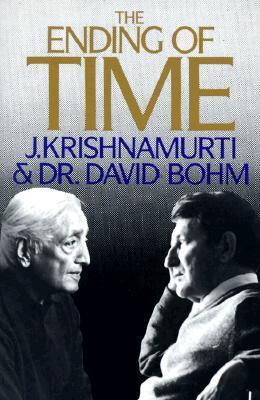
"The Ending of Time" presents a profound dialogue between J. Krishnamurti and David Bohm, exploring the nature of thought, consciousness, and reality. It delves into the possibility of a radical transformation in human consciousness, suggesting that an understanding of our fragmented minds can lead to an end to psychological time and suffering. The book challenges fundamental assumptions about self, identity, and the process of perception, inviting a deep inward inquiry.
This seminal work resonates with "Life and Death of Krishnamurti" by virtue of its direct engagement with the philosopher's core teachings. While Lutyens' biography offers an external narrative of Krishnamurti's life, "The Ending of Time" provides unvarnished access to his intellectual and spiritual essence. It illuminates the very ideas and insights that shaped his life's mission, giving readers a firsthand experience of the philosophical depth that Lutyens’ work describes.
The intrinsic value of "The Ending of Time" lies in its potential to offer profound intellectual stimulation and self-reflection. It appeals to those seeking a deeper understanding of human consciousness, the mechanics of thought, and the possibility of psychological liberation. Its challenging yet accessible dialogue can inspire a renewed investigative spirit into one's own mind, providing tools for self-discovery and a potentially transformative perspective on existence.
The Ending of Time
"The Ending of Time" presents a profound dialogue between J. Krishnamurti and David Bohm, exploring the nature of thought, consciousness, and reality. It delves into the possibility of a radical transformation in human consciousness, suggesting that an understanding of our fragmented minds can lead to an end to psychological time and suffering. The book challenges fundamental assumptions about self, identity, and the process of perception, inviting a deep inward inquiry.
This seminal work resonates with "Life and Death of Krishnamurti" by virtue of its direct engagement with the philosopher's core teachings. While Lutyens' biography offers an external narrative of Krishnamurti's life, "The Ending of Time" provides unvarnished access to his intellectual and spiritual essence. It illuminates the very ideas and insights that shaped his life's mission, giving readers a firsthand experience of the philosophical depth that Lutyens’ work describes.
The intrinsic value of "The Ending of Time" lies in its potential to offer profound intellectual stimulation and self-reflection. It appeals to those seeking a deeper understanding of human consciousness, the mechanics of thought, and the possibility of psychological liberation. Its challenging yet accessible dialogue can inspire a renewed investigative spirit into one's own mind, providing tools for self-discovery and a potentially transformative perspective on existence.
Freedom from the Known

"Freedom from the Known" distills Krishnamurti's core philosophy: a direct, experiential path to understanding the self and the nature of reality, unburdened by conditioning, belief systems, or external authority. It challenges the conventional quest for enlightenment, advocating instead for radical self-inquiry and the dissolution of psychological accumulation to achieve genuine inner liberation.
This book resonates with "Life and Death of Krishnamurti" because it offers an intimate, direct window into the profound insights that shaped the man himself. Where Lutyens chronicles his journey, "Freedom from the Known" presents the distilled essence of the teachings that guided that life, providing the intellectual and spiritual framework for understanding his unique perspective on human existence and transformation.
This work appeals to those seeking a profound shift in perspective, not merely information. It offers practical insights into dismantling psychological barriers, encouraging a deeper, more authentic engagement with everyday life. Its directness and challenge to conventional thought prove valuable for anyone interested in self-awareness, personal freedom, and a non-dogmatic approach to self-understanding.
Freedom from the Known
"Freedom from the Known" distills Krishnamurti's core philosophy: a direct, experiential path to understanding the self and the nature of reality, unburdened by conditioning, belief systems, or external authority. It challenges the conventional quest for enlightenment, advocating instead for radical self-inquiry and the dissolution of psychological accumulation to achieve genuine inner liberation.
This book resonates with "Life and Death of Krishnamurti" because it offers an intimate, direct window into the profound insights that shaped the man himself. Where Lutyens chronicles his journey, "Freedom from the Known" presents the distilled essence of the teachings that guided that life, providing the intellectual and spiritual framework for understanding his unique perspective on human existence and transformation.
This work appeals to those seeking a profound shift in perspective, not merely information. It offers practical insights into dismantling psychological barriers, encouraging a deeper, more authentic engagement with everyday life. Its directness and challenge to conventional thought prove valuable for anyone interested in self-awareness, personal freedom, and a non-dogmatic approach to self-understanding.
On Fear
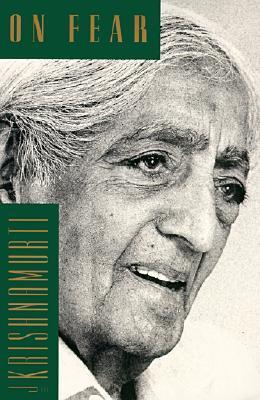
"On Fear" by J. Krishnamurti is a profound exploration of one of humanity's most pervasive emotions. It dissects the origins and manifestations of fear, not as a psychological ailment to be cured, but as a fundamental aspect of the human condition that can be understood and transcended through radical self-inquiry. Krishnamurti argues that fear often stems from our attachment to security, our past experiences, and our projections of the future, urging a direct, non-analytical observation of its mechanics.
The similarity to "Life and Death of Krishnamurti" lies in revealing the core philosophical tenets that underpinned Krishnamurti's entire life and teachings. While Lutyens' biography offers an external narrative of his journey and evolution, "On Fear" provides an intimate, direct window into his central message of liberation from conditioning. Both works, in their own ways, illuminate the intellectual and spiritual landscape he navigated and ultimately shaped.
This book will appeal to those seeking a deeper understanding of themselves and the patterns of their own minds. Its value lies in offering a direct and challenging antidote to superficial self-help, instead prompting a profound internal investigation into the nature of fear and its pervasive influence on perception, relationships, and societal structures. It provides a unique lens through which to examine personal apprehensions and ultimately foster a more liberated way of being.
On Fear
"On Fear" by J. Krishnamurti is a profound exploration of one of humanity's most pervasive emotions. It dissects the origins and manifestations of fear, not as a psychological ailment to be cured, but as a fundamental aspect of the human condition that can be understood and transcended through radical self-inquiry. Krishnamurti argues that fear often stems from our attachment to security, our past experiences, and our projections of the future, urging a direct, non-analytical observation of its mechanics.
The similarity to "Life and Death of Krishnamurti" lies in revealing the core philosophical tenets that underpinned Krishnamurti's entire life and teachings. While Lutyens' biography offers an external narrative of his journey and evolution, "On Fear" provides an intimate, direct window into his central message of liberation from conditioning. Both works, in their own ways, illuminate the intellectual and spiritual landscape he navigated and ultimately shaped.
This book will appeal to those seeking a deeper understanding of themselves and the patterns of their own minds. Its value lies in offering a direct and challenging antidote to superficial self-help, instead prompting a profound internal investigation into the nature of fear and its pervasive influence on perception, relationships, and societal structures. It provides a unique lens through which to examine personal apprehensions and ultimately foster a more liberated way of being.
The Impossible Question
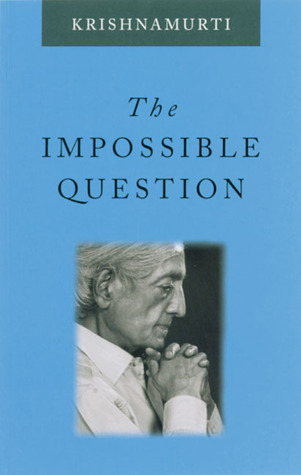
"The Impossible Question" distills J. Krishnamurti's core philosophy, challenging fundamental assumptions about human thought and existence. It directly confronts the nature of consciousness, freedom, and the possibility of radical self-inquiry, urging a direct, unmediated observation of one's inner workings without the constraints of dogma or belief systems. The book is essentially a direct transcript of his dialogues, reflecting his unique pedagogical style aimed at awakening independent understanding rather than offering solutions.
The similarity to "Life and Death of Krishnamurti" lies in the profound exploration of Krishnamurti's intellectual and spiritual essence. While Lutyens' biography offers external accounts and interpretations of his life, "The Impossible Question" provides direct access to his thought process and the very 'question' that defined his teachings. Both works illuminate the depth of his insights and the relentless pursuit of truth that characterized his entire existence.
This book will appeal to those seeking a deeper understanding of themselves and the nature of reality. It offers a powerful invitation to self-reflection and a rare opportunity to engage directly with a profound philosophical mind. Its value lies in its capacity to stimulate critical inquiry and potentially initiate a transformative process of perception, moving beyond superficial answers to fundamental truths.
The Impossible Question
"The Impossible Question" distills J. Krishnamurti's core philosophy, challenging fundamental assumptions about human thought and existence. It directly confronts the nature of consciousness, freedom, and the possibility of radical self-inquiry, urging a direct, unmediated observation of one's inner workings without the constraints of dogma or belief systems. The book is essentially a direct transcript of his dialogues, reflecting his unique pedagogical style aimed at awakening independent understanding rather than offering solutions.
The similarity to "Life and Death of Krishnamurti" lies in the profound exploration of Krishnamurti's intellectual and spiritual essence. While Lutyens' biography offers external accounts and interpretations of his life, "The Impossible Question" provides direct access to his thought process and the very 'question' that defined his teachings. Both works illuminate the depth of his insights and the relentless pursuit of truth that characterized his entire existence.
This book will appeal to those seeking a deeper understanding of themselves and the nature of reality. It offers a powerful invitation to self-reflection and a rare opportunity to engage directly with a profound philosophical mind. Its value lies in its capacity to stimulate critical inquiry and potentially initiate a transformative process of perception, moving beyond superficial answers to fundamental truths.
The First and Last Freedom

"The First and Last Freedom" presents J. Krishnamurti's core philosophy: that true liberation comes from understanding and transcending the limitations of the self, fear, and established thought patterns. Through a series of profound essays and dialogues, it encourages direct observation of one's inner world without judgment or external authority, aiming to awaken insight into the nature of consciousness and freedom.
This book resonates with the themes explored in "Life and Death of Krishnamurti" because it offers a direct, first-hand account of the profound teachings that shaped Krishnamurti's life and intellectual journey. While Lutyens' biography provides context and narrative, "The First and Last Freedom" allows readers to experience the unadulterated wisdom and challenging questions that defined Krishnamurti's public and private thought, making his philosophical stance accessible.
It will appeal to individuals seeking deep introspection and a fresh perspective on human existence and societal conditioning. Its value lies in its capacity to provoke self-inquiry, encouraging a radical reappraisal of personal suffering, attachment, and the pursuit of truth. The book serves as a powerful catalyst for personal transformation and independent thought.
The First and Last Freedom
"The First and Last Freedom" presents J. Krishnamurti's core philosophy: that true liberation comes from understanding and transcending the limitations of the self, fear, and established thought patterns. Through a series of profound essays and dialogues, it encourages direct observation of one's inner world without judgment or external authority, aiming to awaken insight into the nature of consciousness and freedom.
This book resonates with the themes explored in "Life and Death of Krishnamurti" because it offers a direct, first-hand account of the profound teachings that shaped Krishnamurti's life and intellectual journey. While Lutyens' biography provides context and narrative, "The First and Last Freedom" allows readers to experience the unadulterated wisdom and challenging questions that defined Krishnamurti's public and private thought, making his philosophical stance accessible.
It will appeal to individuals seeking deep introspection and a fresh perspective on human existence and societal conditioning. Its value lies in its capacity to provoke self-inquiry, encouraging a radical reappraisal of personal suffering, attachment, and the pursuit of truth. The book serves as a powerful catalyst for personal transformation and independent thought.
Dialogue with Death: A Journey Through Consciousness
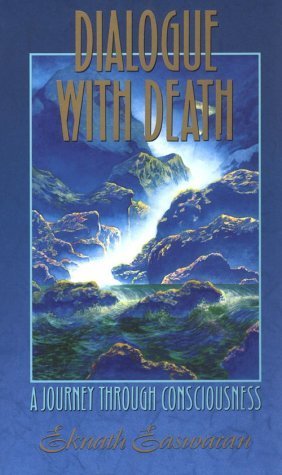
"Dialogue with Death" by Eknath Easwaran is a profound exploration of conscious living and dying, framed through the allegory of Nachiketa's mythical journey to meet Yama, the lord of death, in the Upanishads. It distills ancient Indian wisdom into practical insights on confronting mortality, understanding the nature of reality, and cultivating inner peace, all without resort to dogma. The narrative delves deep into the psychological and spiritual dimensions of existence, offering a guide to living a full and meaningful life.
This book shares thematic resonance with "Life and Death of Krishnamurti" through its central focus on self-inquiry, the nature of consciousness, and the individual's direct relationship with ultimate truth. Both works eschew organized religion and external authority, emphasizing personal realization and the profound examination of life's fundamental questions, including the inevitability of death. They encourage a radical self-awareness and a questioning of conventional thought to arrive at authentic understanding.
It will appeal to individuals seeking deep, philosophical insights into life's ultimate purpose and the challenge of confronting mortality with wisdom and equanimity. This book offers a profound intellectual and spiritual journey, providing timeless guidance for cultivating self-awareness, reducing fear, and living more intentionally. Its exploration of core human experiences through an accessible yet profound narrative proves immensely valuable for anyone grappling with the mysteries of existence.
Dialogue with Death: A Journey Through Consciousness
"Dialogue with Death" by Eknath Easwaran is a profound exploration of conscious living and dying, framed through the allegory of Nachiketa's mythical journey to meet Yama, the lord of death, in the Upanishads. It distills ancient Indian wisdom into practical insights on confronting mortality, understanding the nature of reality, and cultivating inner peace, all without resort to dogma. The narrative delves deep into the psychological and spiritual dimensions of existence, offering a guide to living a full and meaningful life.
This book shares thematic resonance with "Life and Death of Krishnamurti" through its central focus on self-inquiry, the nature of consciousness, and the individual's direct relationship with ultimate truth. Both works eschew organized religion and external authority, emphasizing personal realization and the profound examination of life's fundamental questions, including the inevitability of death. They encourage a radical self-awareness and a questioning of conventional thought to arrive at authentic understanding.
It will appeal to individuals seeking deep, philosophical insights into life's ultimate purpose and the challenge of confronting mortality with wisdom and equanimity. This book offers a profound intellectual and spiritual journey, providing timeless guidance for cultivating self-awareness, reducing fear, and living more intentionally. Its exploration of core human experiences through an accessible yet profound narrative proves immensely valuable for anyone grappling with the mysteries of existence.
The Afterdeath Journal of an American Philosopher; The World View of William James
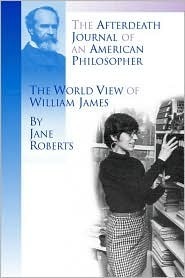
"The Afterdeath Journal of an American Philosopher; The World View of William James" presents a unique exploration of consciousness beyond physical death, purportedly channeled through Jane Roberts from the spirit of William James. It offers an intimate, introspective look at a prominent philosopher's post-mortem experiences and evolving perspectives on reality, psychology, and the nature of self, framed within a consistent metaphysical worldview.
This book shares thematic kinship with "Life and Death of Krishnamurti" through its deep dive into the essence of individual consciousness and the transcendence of conventional understanding. Both texts grapple with profound spiritual and philosophical questions, examining the nature of being, the limitations of the physical world, and the potential for expanded awareness, whether through an awakened living guru or a disembodied philosopher. Both narratives invite readers to reconsider foundational assumptions about life, death, and perception.
This book will appeal to those intrigued by esoteric philosophy, the philosophy of mind, and the perennial questions surrounding consciousness and existence beyond the physical. It offers a thought-provoking perspective on what it means to be, and how understanding life and death can be reframed. Its value lies in providing a fresh, unconventional lens through which to explore complex metaphysical concepts.
The Afterdeath Journal of an American Philosopher; The World View of William James
"The Afterdeath Journal of an American Philosopher; The World View of William James" presents a unique exploration of consciousness beyond physical death, purportedly channeled through Jane Roberts from the spirit of William James. It offers an intimate, introspective look at a prominent philosopher's post-mortem experiences and evolving perspectives on reality, psychology, and the nature of self, framed within a consistent metaphysical worldview.
This book shares thematic kinship with "Life and Death of Krishnamurti" through its deep dive into the essence of individual consciousness and the transcendence of conventional understanding. Both texts grapple with profound spiritual and philosophical questions, examining the nature of being, the limitations of the physical world, and the potential for expanded awareness, whether through an awakened living guru or a disembodied philosopher. Both narratives invite readers to reconsider foundational assumptions about life, death, and perception.
This book will appeal to those intrigued by esoteric philosophy, the philosophy of mind, and the perennial questions surrounding consciousness and existence beyond the physical. It offers a thought-provoking perspective on what it means to be, and how understanding life and death can be reframed. Its value lies in providing a fresh, unconventional lens through which to explore complex metaphysical concepts.
More Books to Explore
Discover more titles that expand on these ideas and themes.
Reflections on the Self
Total Freedom: The Essential Krishnamurti
As One Is: To Free the Mind from All Conditioning
The Ending of Time
Freedom from the Known
On Fear