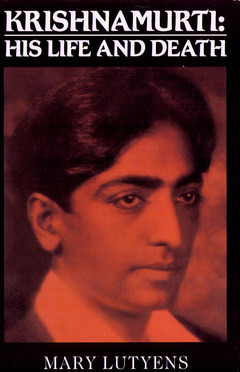
Life and Death of Krishnamurti
Book Description
A seeker of truth, a catalyst for change, Jiddu Krishnamurti electrified minds and altered spiritual landscapes. Mary Lutyens unravels the gripping tale of this enigmatic figure who defied conventions and shattered beliefs. As he rose from a child prodigy groomed for greatness to an icon challenging the world's most profound ideologies, turmoil and transformation danced in his wake. Jaw-dropping revelations and poignant moments reveal the heart of a man who sought liberation from the chains of tradition. What happens when one person’s quest for enlightenment sets the stage for a revolution in human consciousness? Prepare to be captivated.
Quick Book Summary
"Life and Death of Krishnamurti" by Mary Lutyens is a penetrating biography of Jiddu Krishnamurti, one of the most influential spiritual thinkers of the twentieth century. The book traces Krishnamurti's extraordinary journey from his early years as a frail, unassuming boy in colonial India—recognized by the Theosophical Society as a potential world teacher—to his dramatic rejection of organized religion and the role thrust upon him. Lutyens, drawing on personal experience and extensive research, unveils the paradoxes, inner struggles, and transformative moments that defined Krishnamurti's life. The narrative dissects his courage to challenge dogma, his radical vision of freedom from psychological conditioning, and his lifelong search for truth. Candid, poignant, and revelatory, this biography immerses the reader in both the external events and internal odyssey that made Krishnamurti an iconoclast who reshaped modern spiritual discourse.




Summary of Key Ideas
Table of Contents
From Messianic Prodigy to Independent Seeker
Jiddu Krishnamurti's life began in humble circumstances in India, but quickly took a remarkable turn when he was discovered by prominent figures in the Theosophical Society. Regarded as the "vehicle" for a new world teacher, Krishnamurti was cultivated, educated, and presented to the world as a spiritual messiah. This formative period set the stage for his eventual role as a global spiritual figure but also sowed seeds of deep personal conflict. The expectations placed upon him created a tension between external pressures and his own evolving inner experience.
The Liberation from Authority and Tradition
As Krishnamurti matured, his skepticism toward organized belief systems and blind following of authority intensified. In a historic move, he dissolved the Order of the Star in the East, the very organization built around his supposed messianic role. Rejecting titles, dogmas, and rituals, Krishnamurti declared that truth is "a pathless land." His actions sent shockwaves through the spiritual community and marked a courageous severance from all established traditions – advocating that true spiritual understanding must come from direct personal inquiry rather than adherence to inherited doctrines.
The Search for Truth Beyond Dogma
Krishnamurti’s teachings revolved around the profound idea that psychological freedom can only be achieved by understanding the workings of thought, desire, and conditioning. He eschewed systems of belief and instead urged individuals to observe themselves and human relationships without preconception. Lutyens explores how this quest for radical self-knowledge defined both his public lectures and private interactions, illustrating the consistency and depth of his philosophy over the decades. Krishnamurti’s inquiry extended into discussions with scientists, educators, and seekers worldwide.
Personal Turmoil and Transformation
Despite his growing influence, Krishnamurti wrestled with loneliness, the burden of expectation, and the challenges of living outside all institutions. Lutyens reveals the personal dimensions of his journey: moments of vulnerability, physical suffering, and inner crises. Yet, through these hardships, Krishnamurti maintained an unflinching focus on liberation—from both inner and outer bondage. Stories of transformative encounters and his navigation of fame provide a nuanced view of his character, revealing that his commitment to truth also brought profound isolation.
Legacy and Influence on Modern Spirituality
Krishnamurti's legacy is imprinted on modern spirituality and education. Having upended the notion of spiritual authority, he inspired dialogue between East and West, science and philosophy, and played a pivotal role in reimagining spiritual inquiry for the modern age. His influence reaches beyond his lifetime through schools, foundations, and a vast body of recorded talks. Lutyens concludes by reflecting on the enduring impact of a man whose inner revolution catalyzed change for millions seeking a freer, more authentic existence.
Download This Summary
Get a free PDF of this summary instantly — no email required.