10 Books Similar to "How to Talk to Anyone: 92 Little Tricks for Big Success in Relationships"
by Leil Lowndes
Always Know What To Say - Easy Ways To Approach And Talk To Anyone
"Always Know What To Say" offers practical methods for initiating and maintaining conversations with anyone. It focuses on dismantling communication barriers, providing actionable techniques for overcoming shyness, finding common ground, and structuring interactions effectively to build rapport and confidence in social and professional settings.
This book shares significant thematic overlap with "How to Talk to Anyone" by emphasizing accessible, practical strategies for improving interpersonal communication. Both guides aim to equip individuals with specific tools and mental frameworks to navigate social interactions more skillfully, transforming awkwardness into engaging dialogue and fostering stronger connections.
Individuals seeking to enhance their social fluency and reduce anxiety in varied conversational scenarios will appreciate this book. It delivers tangible, step-by-step advice that can immediately be applied, leading to increased self-assurance and more successful, satisfying interactions in both personal and professional spheres.
Always Know What To Say - Easy Ways To Approach And Talk To Anyone
"Always Know What To Say" offers practical methods for initiating and maintaining conversations with anyone. It focuses on dismantling communication barriers, providing actionable techniques for overcoming shyness, finding common ground, and structuring interactions effectively to build rapport and confidence in social and professional settings.
This book shares significant thematic overlap with "How to Talk to Anyone" by emphasizing accessible, practical strategies for improving interpersonal communication. Both guides aim to equip individuals with specific tools and mental frameworks to navigate social interactions more skillfully, transforming awkwardness into engaging dialogue and fostering stronger connections.
Individuals seeking to enhance their social fluency and reduce anxiety in varied conversational scenarios will appreciate this book. It delivers tangible, step-by-step advice that can immediately be applied, leading to increased self-assurance and more successful, satisfying interactions in both personal and professional spheres.
Flirting for Success: The Art of Building Rapport
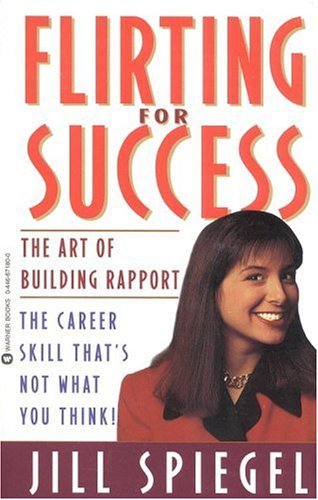
"Flirting for Success: The Art of Building Rapport" by Jill Spiegel explores the nuanced art of using charming, engaging communication techniques—often associated with traditional "flirting"—to build strong, positive connections in all areas of life, not just romance. It's about developing an approachable, confident demeanor and employing subtle verbal and non-verbal cues to foster instant rapport and likability. The book provides practical strategies for making memorable first impressions, enhancing conversations, and creating a comfortable atmosphere, all designed to improve social and professional interactions.
The similarity to Leil Lowndes' "How to Talk to Anyone" lies in their shared objective: empowering individuals with tangible, actionable techniques to improve their interpersonal communication and relationships. Both books dissect the mechanics of effective human interaction, offering specific "tricks" or strategies for navigating social situations with greater ease and confidence. They emphasize the importance of non-verbal cues, active listening, and projecting an appealing persona to achieve desired social outcomes.
This book will appeal to anyone seeking to enhance their social prowess, whether for professional networking, personal development, or simply to feel more comfortable and effective in everyday interactions. Its value stems from providing a sophisticated framework for understanding and practicing rapport-building, turning what might seem like innate charisma into a learnable skill. It equips individuals with the tools to connect authentically and persuasively, leading to greater success and satisfaction in their social landscape.
Flirting for Success: The Art of Building Rapport
"Flirting for Success: The Art of Building Rapport" by Jill Spiegel explores the nuanced art of using charming, engaging communication techniques—often associated with traditional "flirting"—to build strong, positive connections in all areas of life, not just romance. It's about developing an approachable, confident demeanor and employing subtle verbal and non-verbal cues to foster instant rapport and likability. The book provides practical strategies for making memorable first impressions, enhancing conversations, and creating a comfortable atmosphere, all designed to improve social and professional interactions.
The similarity to Leil Lowndes' "How to Talk to Anyone" lies in their shared objective: empowering individuals with tangible, actionable techniques to improve their interpersonal communication and relationships. Both books dissect the mechanics of effective human interaction, offering specific "tricks" or strategies for navigating social situations with greater ease and confidence. They emphasize the importance of non-verbal cues, active listening, and projecting an appealing persona to achieve desired social outcomes.
This book will appeal to anyone seeking to enhance their social prowess, whether for professional networking, personal development, or simply to feel more comfortable and effective in everyday interactions. Its value stems from providing a sophisticated framework for understanding and practicing rapport-building, turning what might seem like innate charisma into a learnable skill. It equips individuals with the tools to connect authentically and persuasively, leading to greater success and satisfaction in their social landscape.
Crucial Conversations: Tools for Talking When Stakes are High
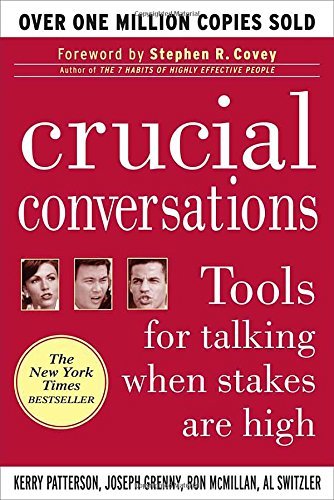
"Crucial Conversations" teaches you how to navigate high-stakes discussions effectively and productively. It's about maintaining dialogue and achieving positive outcomes when opinions differ, emotions run high, and the results could significantly impact relationships or careers. The book provides a practical framework for speaking persuasively, listening actively, and fostering mutual understanding even in challenging circumstances.
Both books aim to equip individuals with enhanced communication skills for improved interpersonal success. While "How to Talk to Anyone" focuses on building rapport and making positive impressions in general interactions, "Crucial Conversations" delves into the specific, often more difficult, conversations where the consequences of miscommunication are substantial. They both empower individuals to be more effective and confident communicators.
This book will appeal to anyone seeking to reduce conflict and increase effectiveness in their personal and professional lives. Its actionable strategies offer a roadmap for resolving disagreements, fostering collaboration, and building stronger relationships through better communication. The ability to handle "crucial conversations" skillfully is an invaluable asset for leadership, team dynamics, and personal well-being.
Crucial Conversations: Tools for Talking When Stakes are High
"Crucial Conversations" teaches you how to navigate high-stakes discussions effectively and productively. It's about maintaining dialogue and achieving positive outcomes when opinions differ, emotions run high, and the results could significantly impact relationships or careers. The book provides a practical framework for speaking persuasively, listening actively, and fostering mutual understanding even in challenging circumstances.
Both books aim to equip individuals with enhanced communication skills for improved interpersonal success. While "How to Talk to Anyone" focuses on building rapport and making positive impressions in general interactions, "Crucial Conversations" delves into the specific, often more difficult, conversations where the consequences of miscommunication are substantial. They both empower individuals to be more effective and confident communicators.
This book will appeal to anyone seeking to reduce conflict and increase effectiveness in their personal and professional lives. Its actionable strategies offer a roadmap for resolving disagreements, fostering collaboration, and building stronger relationships through better communication. The ability to handle "crucial conversations" skillfully is an invaluable asset for leadership, team dynamics, and personal well-being.
Exactly What to Say: The Magic Words for Influence and Impact

"Exactly What to Say: The Magic Words for Influence and Impact" by Phil M. Jones distills communication into actionable, pre-scripted phrases designed to navigate common social and business interactions with greater effectiveness. It offers a tactical playbook for influencing outcomes, building rapport, and achieving objectives through precise linguistic choices, making complex communication scenarios manageable.
This book shares significant common ground with Leil Lowndes' "How to Talk to Anyone" by focusing on practical, technique-driven approaches to interpersonal communication. Both provide readers with specific mental models and verbal strategies rather than abstract theories, aiming to empower individuals with tangible tools for improving their interactions and achieving desired results in personal and professional spheres.
It will appeal to those seeking practical, readily implementable communication hacks. Its directness and emphasis on "magic words" offer immediate value, providing a clear roadmap for anyone looking to enhance their persuasive abilities, overcome communication barriers, and gain an edge in negotiations, sales, and everyday conversations. The actionable nature ensures its lessons can be applied instantly for noticeable improvements.
Exactly What to Say: The Magic Words for Influence and Impact
"Exactly What to Say: The Magic Words for Influence and Impact" by Phil M. Jones distills communication into actionable, pre-scripted phrases designed to navigate common social and business interactions with greater effectiveness. It offers a tactical playbook for influencing outcomes, building rapport, and achieving objectives through precise linguistic choices, making complex communication scenarios manageable.
This book shares significant common ground with Leil Lowndes' "How to Talk to Anyone" by focusing on practical, technique-driven approaches to interpersonal communication. Both provide readers with specific mental models and verbal strategies rather than abstract theories, aiming to empower individuals with tangible tools for improving their interactions and achieving desired results in personal and professional spheres.
It will appeal to those seeking practical, readily implementable communication hacks. Its directness and emphasis on "magic words" offer immediate value, providing a clear roadmap for anyone looking to enhance their persuasive abilities, overcome communication barriers, and gain an edge in negotiations, sales, and everyday conversations. The actionable nature ensures its lessons can be applied instantly for noticeable improvements.
Read People Like a Book: How to Analyze, Understand, and Predict People’s Emotions, Thoughts, Intentions, and Behaviors

"Read People Like a Book" by Patrick King offers a pragmatic guide to deciphering human behavior. It breaks down the subtle cues—body language, verbal patterns, and psychological principles—that reveal underlying emotions, motivations, and intentions. The book aims to equip individuals with the tools to better understand those around them, moving beyond superficial interactions to grasp deeper personal dynamics.
This book shares significant common ground with Leil Lowndes' "How to Talk to Anyone." Both titles are essentially manuals for enhancing interpersonal effectiveness, providing actionable strategies to navigate social situations more skillfully. While Lowndes focuses on "tricks" for successful interaction, King delves into the interpretive skills necessary to understand others *before* or *during* those interactions, acting as a complementary skill set.
Individuals seeking to elevate their communication and social intelligence will find immense value in this book. It offers a clear pathway to building stronger relationships, improving negotiation skills, and avoiding misunderstandings, all through a heightened awareness of non-verbal and verbal indicators. It's a resource for anyone aiming to become a more perceptively intelligent and influential communicator.
Read People Like a Book: How to Analyze, Understand, and Predict People’s Emotions, Thoughts, Intentions, and Behaviors
"Read People Like a Book" by Patrick King offers a pragmatic guide to deciphering human behavior. It breaks down the subtle cues—body language, verbal patterns, and psychological principles—that reveal underlying emotions, motivations, and intentions. The book aims to equip individuals with the tools to better understand those around them, moving beyond superficial interactions to grasp deeper personal dynamics.
This book shares significant common ground with Leil Lowndes' "How to Talk to Anyone." Both titles are essentially manuals for enhancing interpersonal effectiveness, providing actionable strategies to navigate social situations more skillfully. While Lowndes focuses on "tricks" for successful interaction, King delves into the interpretive skills necessary to understand others *before* or *during* those interactions, acting as a complementary skill set.
Individuals seeking to elevate their communication and social intelligence will find immense value in this book. It offers a clear pathway to building stronger relationships, improving negotiation skills, and avoiding misunderstandings, all through a heightened awareness of non-verbal and verbal indicators. It's a resource for anyone aiming to become a more perceptively intelligent and influential communicator.
Never Eat Alone: And Other Secrets to Success, One Relationship at a Time
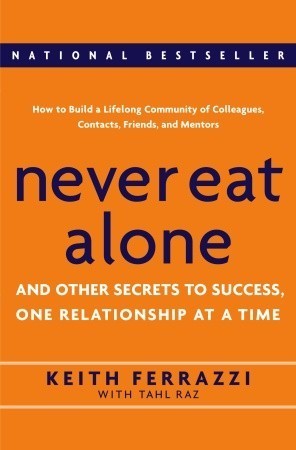
"Never Eat Alone" champions a strategic approach to professional networking, viewing relationships not as transactional, but as genuine connections built through generosity and consistent engagement. It emphasizes the importance of proactively building a robust personal network, offering practical advice on everything from initiating contact to maintaining long-term, mutually beneficial relationships throughout your career.
This book aligns with "How to Talk to Anyone" by focusing on the fundamental human desire for connection and the actionable steps one can take to foster it. Both titles equip individuals with tactical skills to improve their interpersonal interactions, albeit "How to Talk to Anyone" zeroes in on the nuances of conversation, while "Never Eat Alone" expands to the broader architecture of professional relationship-building.
This book will appeal to individuals seeking to elevate their professional trajectory and personal fulfillment through enhanced social capital. It offers a blueprint for actively cultivating a supportive network, translating into opportunities, mentorship, and a greater sense of belonging in both the professional and personal spheres. The insights provided are invaluable for anyone looking to move beyond superficial interactions towards meaningful, enduring connections.
Never Eat Alone: And Other Secrets to Success, One Relationship at a Time
"Never Eat Alone" champions a strategic approach to professional networking, viewing relationships not as transactional, but as genuine connections built through generosity and consistent engagement. It emphasizes the importance of proactively building a robust personal network, offering practical advice on everything from initiating contact to maintaining long-term, mutually beneficial relationships throughout your career.
This book aligns with "How to Talk to Anyone" by focusing on the fundamental human desire for connection and the actionable steps one can take to foster it. Both titles equip individuals with tactical skills to improve their interpersonal interactions, albeit "How to Talk to Anyone" zeroes in on the nuances of conversation, while "Never Eat Alone" expands to the broader architecture of professional relationship-building.
This book will appeal to individuals seeking to elevate their professional trajectory and personal fulfillment through enhanced social capital. It offers a blueprint for actively cultivating a supportive network, translating into opportunities, mentorship, and a greater sense of belonging in both the professional and personal spheres. The insights provided are invaluable for anyone looking to move beyond superficial interactions towards meaningful, enduring connections.
You Say More Than You Think: Use the New Body Language to Get What You Want!, the 7-day Plan
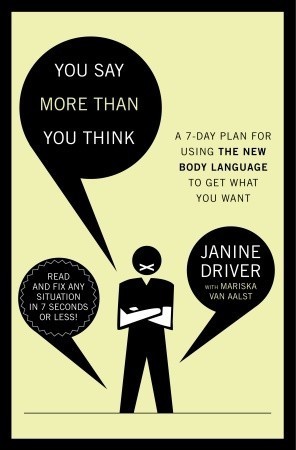
"You Say More Than You Think" by Janine Driver offers a practical, seven-day program designed to enhance your understanding and utilization of nonverbal communication. It delves into the nuances of body language, providing actionable strategies to interpret others' signals and consciously adjust your own to achieve desired outcomes in interactions, whether personal or professional.
The similarity to Leil Lowndes’s "How to Talk to Anyone" lies in their shared objective: empowering individuals with practical techniques to master social interactions. Both books break down complex interpersonal dynamics into digestible, actionable "tricks" or strategies. They emphasize the often-unspoken elements of communication—gestures, posture, eye contact—as critical components of successful engagement, moving beyond mere verbal content.
The appeal of this book stems from its practical, results-oriented approach. It provides a clear, structured plan for observable improvement in communication skills. Its value to any reader lies in equipping them with the tools to become more perceptive communicators, enabling them to build stronger rapport, exert greater influence, and navigate social situations with increased confidence and effectiveness.
You Say More Than You Think: Use the New Body Language to Get What You Want!, the 7-day Plan
"You Say More Than You Think" by Janine Driver offers a practical, seven-day program designed to enhance your understanding and utilization of nonverbal communication. It delves into the nuances of body language, providing actionable strategies to interpret others' signals and consciously adjust your own to achieve desired outcomes in interactions, whether personal or professional.
The similarity to Leil Lowndes’s "How to Talk to Anyone" lies in their shared objective: empowering individuals with practical techniques to master social interactions. Both books break down complex interpersonal dynamics into digestible, actionable "tricks" or strategies. They emphasize the often-unspoken elements of communication—gestures, posture, eye contact—as critical components of successful engagement, moving beyond mere verbal content.
The appeal of this book stems from its practical, results-oriented approach. It provides a clear, structured plan for observable improvement in communication skills. Its value to any reader lies in equipping them with the tools to become more perceptive communicators, enabling them to build stronger rapport, exert greater influence, and navigate social situations with increased confidence and effectiveness.
Targeting Success, Develop the Right Business Attitude to be Successful in the Workplace
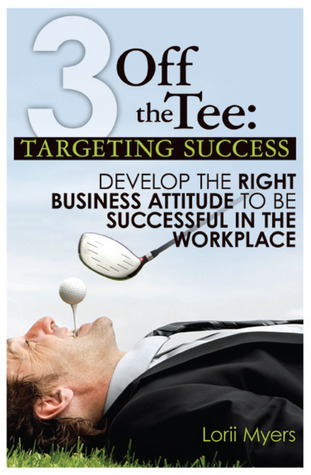
"Targeting Success" focuses on cultivating a winning mindset and professional demeanor essential for navigating and excelling in the workplace. It dissects the nuanced behaviors, communication strategies, and internal dispositions that differentiate successful individuals, offering practical advice on everything from developing resilience to fostering ethical conduct.
This book shares significant common ground with "How to Talk to Anyone" because both emphasize the critical role of interpersonal skills and attitude in achieving personal and professional objectives. While "How to Talk to Anyone" zooms in on specific, repeatable communication tactics, "Targeting Success" broadens this by exploring the underlying attitudes and character traits that make those tactics genuinely effective and sustainable within a business context. Both are essentially guidebooks for strategic self-presentation and relational mastery.
This book will appeal to those seeking practical, actionable guidance on career advancement and professional development. Its value lies in providing a holistic framework for personal growth within a commercial setting, helping individuals not just to perform tasks, but to project competence, build strong professional relationships, and ultimately, carve a more successful career path.
Targeting Success, Develop the Right Business Attitude to be Successful in the Workplace
"Targeting Success" focuses on cultivating a winning mindset and professional demeanor essential for navigating and excelling in the workplace. It dissects the nuanced behaviors, communication strategies, and internal dispositions that differentiate successful individuals, offering practical advice on everything from developing resilience to fostering ethical conduct.
This book shares significant common ground with "How to Talk to Anyone" because both emphasize the critical role of interpersonal skills and attitude in achieving personal and professional objectives. While "How to Talk to Anyone" zooms in on specific, repeatable communication tactics, "Targeting Success" broadens this by exploring the underlying attitudes and character traits that make those tactics genuinely effective and sustainable within a business context. Both are essentially guidebooks for strategic self-presentation and relational mastery.
This book will appeal to those seeking practical, actionable guidance on career advancement and professional development. Its value lies in providing a holistic framework for personal growth within a commercial setting, helping individuals not just to perform tasks, but to project competence, build strong professional relationships, and ultimately, carve a more successful career path.
The 16 Undeniable Laws of Communication: Apply Them and Make the Most of Your Message

John C. Maxwell's "The 16 Undeniable Laws of Communication" dissects the fundamental principles governing effective message delivery. It moves beyond superficial tips, offering a strategic framework for understanding what makes communication impactful, persuasive, and truly heard. Maxwell outlines distinct "laws"—such as the Law of Clarity or the Law of Connection—providing actionable insights into applying these universal truths to any communicative endeavor, whether personal or professional.
This book shares a core ambition with Leil Lowndes's "How to Talk to Anyone": to empower individuals with practical methods for enhancing their interpersonal interactions. Both texts acknowledge communication as a learnable skill, providing a structured approach to mastering its nuances. While Lowndes offers a compendium of specific techniques, Maxwell presents the underlying conceptual architecture that makes those techniques, and indeed all effective communication, succeed.
Anyone seeking to elevate their communication prowess will find this book highly valuable. It offers not just "what to do," but critically, "why it works," equipping individuals with a deeper understanding that fosters genuine mastery rather than mere mimicry. The principles are universal, making the insights applicable across diverse contexts, ensuring clearer messages, stronger connections, and ultimately, greater influence.
The 16 Undeniable Laws of Communication: Apply Them and Make the Most of Your Message
John C. Maxwell's "The 16 Undeniable Laws of Communication" dissects the fundamental principles governing effective message delivery. It moves beyond superficial tips, offering a strategic framework for understanding what makes communication impactful, persuasive, and truly heard. Maxwell outlines distinct "laws"—such as the Law of Clarity or the Law of Connection—providing actionable insights into applying these universal truths to any communicative endeavor, whether personal or professional.
This book shares a core ambition with Leil Lowndes's "How to Talk to Anyone": to empower individuals with practical methods for enhancing their interpersonal interactions. Both texts acknowledge communication as a learnable skill, providing a structured approach to mastering its nuances. While Lowndes offers a compendium of specific techniques, Maxwell presents the underlying conceptual architecture that makes those techniques, and indeed all effective communication, succeed.
Anyone seeking to elevate their communication prowess will find this book highly valuable. It offers not just "what to do," but critically, "why it works," equipping individuals with a deeper understanding that fosters genuine mastery rather than mere mimicry. The principles are universal, making the insights applicable across diverse contexts, ensuring clearer messages, stronger connections, and ultimately, greater influence.
That's Not What I Meant!: How Conversational Style Makes or Breaks Relationships

"That's Not What I Meant!" explores how subtle differences in conversational style can lead to significant misunderstandings and even conflict in everyday interactions. Deborah Tannen unpacks these linguistic nuances, from indirectness and interruptions to humor and pacing, revealing how our ingrained communication patterns, often developed in childhood or within specific cultural contexts, shape how we interpret and respond to others. It’s fundamentally about decoding the unspoken rules that govern our exchanges, making sense of why perfectly well-intentioned statements can sometimes land completely wrong.
Both books delve into the mechanics of effective communication and relationship building. While Lowndes offers actionable "tricks" for immediate social advantage, Tannen provides a more academic yet accessible framework for understanding *why* certain communication styles work or fail. They both aim to equip individuals with greater awareness and tools to navigate social landscapes more successfully, whether that's through mastering specific techniques or understanding underlying conversational dynamics.
This book offers a profound understanding of the often-invisible forces that govern our interactions. It provides a unique lens through which to re-examine past misunderstandings and proactively improve future conversations, recognizing that intention doesn't always equal reception. The insights it offers can significantly enhance personal and professional relationships by fostering greater empathy and adaptability in how we communicate.
That's Not What I Meant!: How Conversational Style Makes or Breaks Relationships
"That's Not What I Meant!" explores how subtle differences in conversational style can lead to significant misunderstandings and even conflict in everyday interactions. Deborah Tannen unpacks these linguistic nuances, from indirectness and interruptions to humor and pacing, revealing how our ingrained communication patterns, often developed in childhood or within specific cultural contexts, shape how we interpret and respond to others. It’s fundamentally about decoding the unspoken rules that govern our exchanges, making sense of why perfectly well-intentioned statements can sometimes land completely wrong.
Both books delve into the mechanics of effective communication and relationship building. While Lowndes offers actionable "tricks" for immediate social advantage, Tannen provides a more academic yet accessible framework for understanding *why* certain communication styles work or fail. They both aim to equip individuals with greater awareness and tools to navigate social landscapes more successfully, whether that's through mastering specific techniques or understanding underlying conversational dynamics.
This book offers a profound understanding of the often-invisible forces that govern our interactions. It provides a unique lens through which to re-examine past misunderstandings and proactively improve future conversations, recognizing that intention doesn't always equal reception. The insights it offers can significantly enhance personal and professional relationships by fostering greater empathy and adaptability in how we communicate.
More Books to Explore
Discover more titles that expand on these ideas and themes.
Always Know What To Say - Easy Ways To Approach And Talk To Anyone
Flirting for Success: The Art of Building Rapport
Crucial Conversations: Tools for Talking When Stakes are High
Exactly What to Say: The Magic Words for Influence and Impact
Read People Like a Book: How to Analyze, Understand, and Predict People’s Emotions, Thoughts, Intentions, and Behaviors
Never Eat Alone: And Other Secrets to Success, One Relationship at a Time