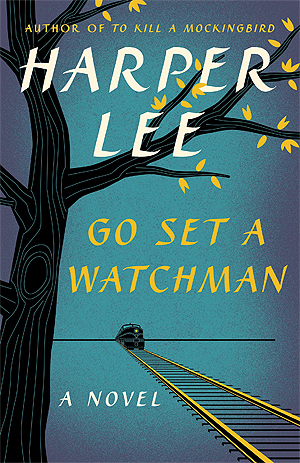
10 Books Similar to "Go Set a Watchman"
by Harper Lee
To Kill a Mockingbird
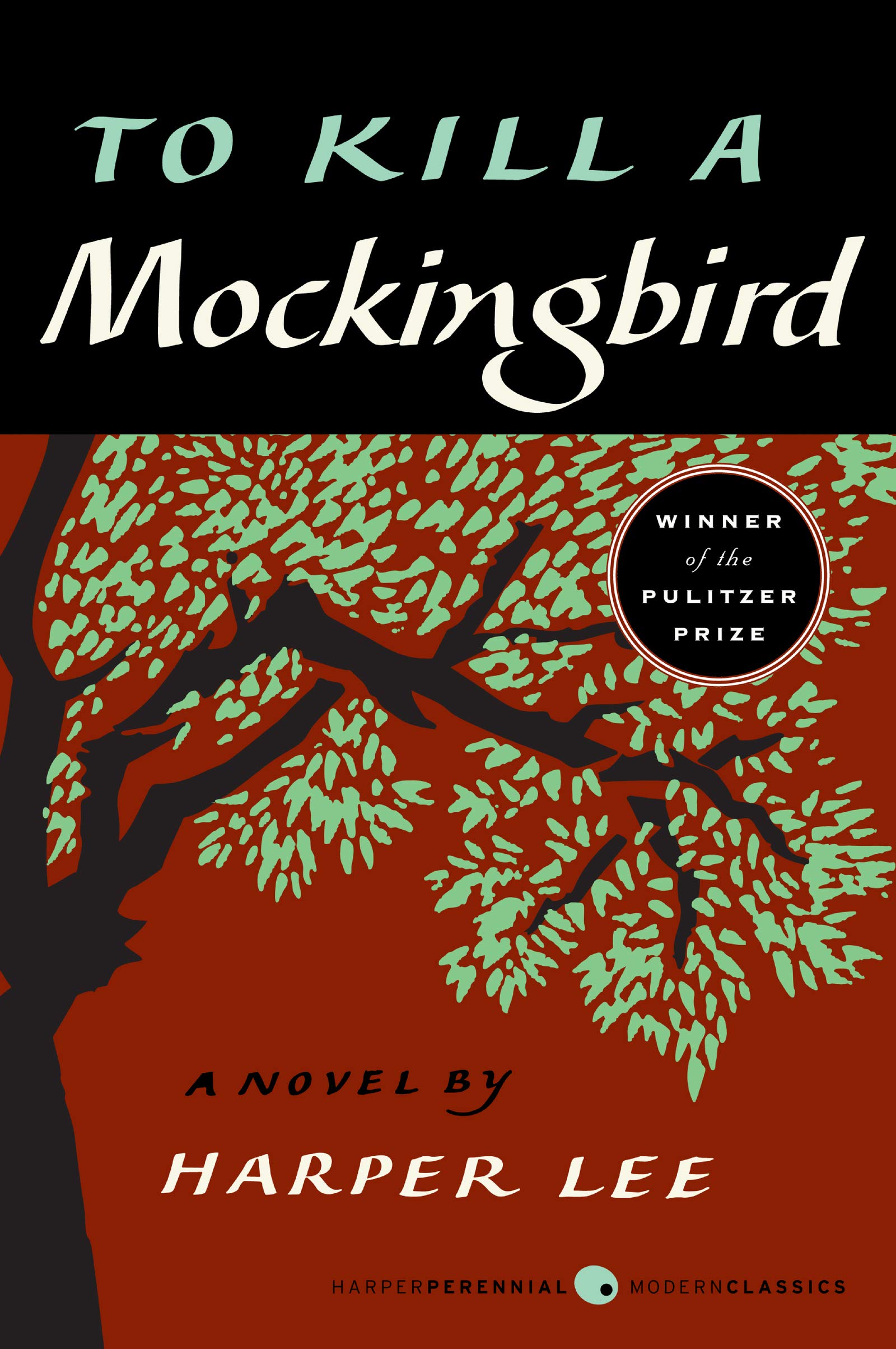
"To Kill a Mockingbird" explores childhood innocence confronting racial injustice in the Depression-era South. Through the eyes of young Scout Finch, it navigates themes of empathy, prejudice, and moral courage, primarily centering on her attorney father, Atticus, as he defends a Black man falsely accused of assault.
The similarities with "Go Set a Watchman" stem from their shared characters and setting, offering different perspectives on the same fictional universe. "To Kill a Mockingbird" essentially serves as a prequel, establishing the characters and their formative experiences before the more complex moral ambiguities explored in "Watchman."
This novel remains a compelling read for its timeless insights into human nature and societal bias. It gracefully examines the development of moral character and the profound impact of individual actions against systemic injustice, offering enduring lessons on compassion and integrity.
To Kill a Mockingbird
"To Kill a Mockingbird" explores childhood innocence confronting racial injustice in the Depression-era South. Through the eyes of young Scout Finch, it navigates themes of empathy, prejudice, and moral courage, primarily centering on her attorney father, Atticus, as he defends a Black man falsely accused of assault.
The similarities with "Go Set a Watchman" stem from their shared characters and setting, offering different perspectives on the same fictional universe. "To Kill a Mockingbird" essentially serves as a prequel, establishing the characters and their formative experiences before the more complex moral ambiguities explored in "Watchman."
This novel remains a compelling read for its timeless insights into human nature and societal bias. It gracefully examines the development of moral character and the profound impact of individual actions against systemic injustice, offering enduring lessons on compassion and integrity.
Harper Lee's To Kill a Mockingbird: Bloom's Guides

"Harper Lee's To Kill a Mockingbird: Bloom's Guides" is a comprehensive critical anthology focusing on Lee's iconic novel. It compiles essays from renowned literary scholars, offering diverse perspectives on themes, characters, literary techniques, and historical context. This guide delves into the enduring impact and complexities of "To Kill a Mockingbird," providing in-depth analysis for a richer understanding.
This Bloom's Guide is similar to "Go Set a Watchman" in that both works center on Harper Lee's literary universe and explore the intellectual and emotional landscape surrounding her characters, particularly Scout and Atticus Finch. While "Watchman" presents an earlier, more disillusioned view of Atticus, the Bloom's Guide provides a critical framework for analyzing the evolution of these characters and themes across Lee's canon.
The book will appeal to those who appreciate a deeper dive into literary analysis and the intricate layers of classic literature. It offers valuable insights for understanding the social and historical forces shaping Lee's narratives and provides a scholarly foundation for exploring the ambiguities and profound messages within her work, particularly in relation to the revelations in "Go Set a Watchman."
Harper Lee's To Kill a Mockingbird: Bloom's Guides
"Harper Lee's To Kill a Mockingbird: Bloom's Guides" is a comprehensive critical anthology focusing on Lee's iconic novel. It compiles essays from renowned literary scholars, offering diverse perspectives on themes, characters, literary techniques, and historical context. This guide delves into the enduring impact and complexities of "To Kill a Mockingbird," providing in-depth analysis for a richer understanding.
This Bloom's Guide is similar to "Go Set a Watchman" in that both works center on Harper Lee's literary universe and explore the intellectual and emotional landscape surrounding her characters, particularly Scout and Atticus Finch. While "Watchman" presents an earlier, more disillusioned view of Atticus, the Bloom's Guide provides a critical framework for analyzing the evolution of these characters and themes across Lee's canon.
The book will appeal to those who appreciate a deeper dive into literary analysis and the intricate layers of classic literature. It offers valuable insights for understanding the social and historical forces shaping Lee's narratives and provides a scholarly foundation for exploring the ambiguities and profound messages within her work, particularly in relation to the revelations in "Go Set a Watchman."
Atticus

"Atticus" by Ron Hansen reimagines the biblical parable of the prodigal son through the story of a wealthy Nebraskan businessman whose charming yet wayward son disappears in Mexico. Driven by a deep love and an unshakeable sense of responsibility, Atticus, the father, embarks on a spiritual and physical journey south of the border, traversing landscapes and encountering individuals representative of both humanity's depravity and its inherent goodness, all in search of his lost child.
The similarity to "Go Set a Watchman" lies in the exploration of a beloved, principled paternal figure whose ideals are challenged or re-examined. Just as Scout grapples with an uncomfortable reality of Atticus Finch in her adulthood, Hansen’s Atticus confronts a painful truth about his own son and the world, forcing a reevaluation of his understanding of faith, justice, and unconditional love. Both novels delve into the complexities of human morality through the lens of a father-child relationship.
This novel will appeal to those who appreciate nuanced character studies and tales of moral reckoning, particularly when set against a backdrop of deep familial devotion. It offers a powerful meditation on forgiveness, redemption, and the enduring strength of a parent's love, providing a thought-provoking experience that resonates long after the final page.
Atticus
"Atticus" by Ron Hansen reimagines the biblical parable of the prodigal son through the story of a wealthy Nebraskan businessman whose charming yet wayward son disappears in Mexico. Driven by a deep love and an unshakeable sense of responsibility, Atticus, the father, embarks on a spiritual and physical journey south of the border, traversing landscapes and encountering individuals representative of both humanity's depravity and its inherent goodness, all in search of his lost child.
The similarity to "Go Set a Watchman" lies in the exploration of a beloved, principled paternal figure whose ideals are challenged or re-examined. Just as Scout grapples with an uncomfortable reality of Atticus Finch in her adulthood, Hansen’s Atticus confronts a painful truth about his own son and the world, forcing a reevaluation of his understanding of faith, justice, and unconditional love. Both novels delve into the complexities of human morality through the lens of a father-child relationship.
This novel will appeal to those who appreciate nuanced character studies and tales of moral reckoning, particularly when set against a backdrop of deep familial devotion. It offers a powerful meditation on forgiveness, redemption, and the enduring strength of a parent's love, providing a thought-provoking experience that resonates long after the final page.
A Long Time Gone
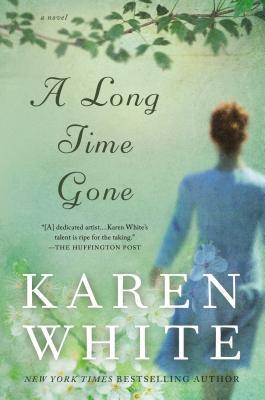
*A Long Time Gone* by Karen White centers on the protagonist, Josephine, returning to her estranged grandmother's opulent but crumbling Charleston home after her grandmother's death. This homecoming forces Josephine to confront long-buried family secrets, the complexities of her Southern heritage, and the lingering scars of a past she’d desperately tried to outrun. The narrative unfolds amidst the deep-seated traditions and social expectations of the South, as Josephine pieces together the true story of her family and, in doing so, comes to understand herself.
The striking similarity to *Go Set a Watchman* lies in the exploration of difficult family legacies and the challenging re-evaluation of beloved figures from one's past, particularly within the context of the American South. Both novels feature intelligent, independent women returning to their childhood homes, only to discover that the idealized versions of their families and communities they held as youth are far more nuanced, and sometimes unsettling, than they remembered. They grapple with disillusionment and the painful process of confronting uncomfortable truths about their heritage and the people who shaped them.
This book will appeal greatly to those who appreciate nuanced character studies set against a rich Southern backdrop. The intricate family dynamics, the uncovering of historical secrets, and the powerful themes of identity and reconciliation offer a deeply engaging and thought-provoking experience. It provides a compelling narrative that delves into the societal complexities and personal reckonings that often accompany a return home, offering a valuable exploration of how our pasts continue to shape our presents.
A Long Time Gone
*A Long Time Gone* by Karen White centers on the protagonist, Josephine, returning to her estranged grandmother's opulent but crumbling Charleston home after her grandmother's death. This homecoming forces Josephine to confront long-buried family secrets, the complexities of her Southern heritage, and the lingering scars of a past she’d desperately tried to outrun. The narrative unfolds amidst the deep-seated traditions and social expectations of the South, as Josephine pieces together the true story of her family and, in doing so, comes to understand herself.
The striking similarity to *Go Set a Watchman* lies in the exploration of difficult family legacies and the challenging re-evaluation of beloved figures from one's past, particularly within the context of the American South. Both novels feature intelligent, independent women returning to their childhood homes, only to discover that the idealized versions of their families and communities they held as youth are far more nuanced, and sometimes unsettling, than they remembered. They grapple with disillusionment and the painful process of confronting uncomfortable truths about their heritage and the people who shaped them.
This book will appeal greatly to those who appreciate nuanced character studies set against a rich Southern backdrop. The intricate family dynamics, the uncovering of historical secrets, and the powerful themes of identity and reconciliation offer a deeply engaging and thought-provoking experience. It provides a compelling narrative that delves into the societal complexities and personal reckonings that often accompany a return home, offering a valuable exploration of how our pasts continue to shape our presents.
The Help
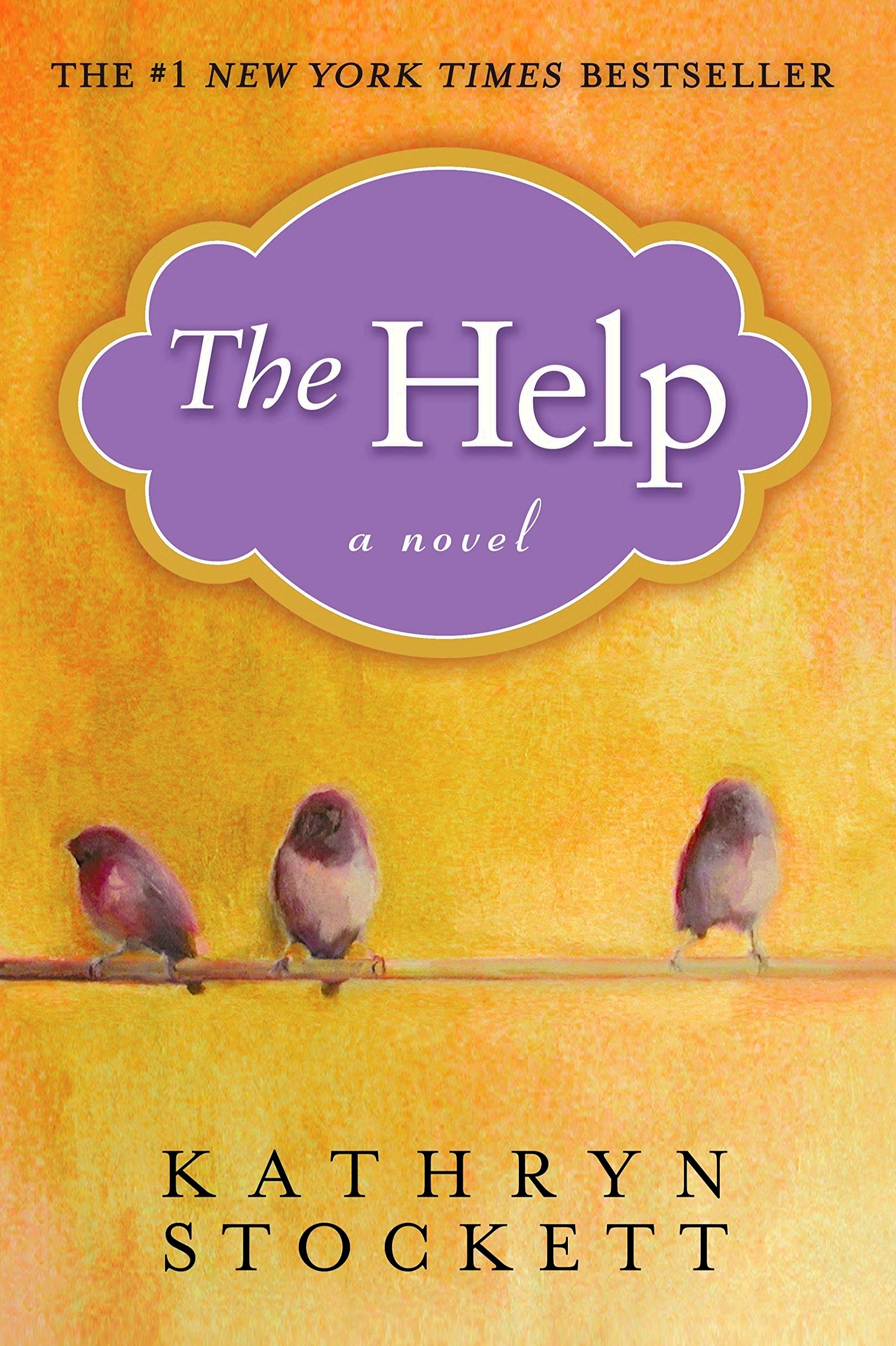
"The Help" is set in 1960s Jackson, Mississippi, and tells the story of Skeeter Phelan, a young white woman, who decides to write a book from the perspective of black maids working for white families. Through the brave and often harrowing accounts of Aibileen Clark and Minny Jackson, the novel exposes the systemic racism, discrimination, and personal indignities faced by Black domestic workers during the Civil Rights era, while also celebrating their resilience and quiet strength.
The novel shares thematic DNA with "Go Set a Watchman" through its unflinching examination of racial prejudice and the uncomfortable truths lurking beneath the surface of seemingly genteel Southern society. Both books delve into the complexities of familial relationships and community dynamics when confronted with deeply ingrained racial biases, challenging protagonists to reconcile their idealized perceptions with harsh realities.
This book will appeal to those who value historical fiction that illuminates societal injustice and highlights the power of individual courage in challenging established norms. Its compelling characters and deeply personal narratives offer profound insights into a pivotal period of American history, fostering empathy and understanding for experiences often overlooked or silenced.
The Help
"The Help" is set in 1960s Jackson, Mississippi, and tells the story of Skeeter Phelan, a young white woman, who decides to write a book from the perspective of black maids working for white families. Through the brave and often harrowing accounts of Aibileen Clark and Minny Jackson, the novel exposes the systemic racism, discrimination, and personal indignities faced by Black domestic workers during the Civil Rights era, while also celebrating their resilience and quiet strength.
The novel shares thematic DNA with "Go Set a Watchman" through its unflinching examination of racial prejudice and the uncomfortable truths lurking beneath the surface of seemingly genteel Southern society. Both books delve into the complexities of familial relationships and community dynamics when confronted with deeply ingrained racial biases, challenging protagonists to reconcile their idealized perceptions with harsh realities.
This book will appeal to those who value historical fiction that illuminates societal injustice and highlights the power of individual courage in challenging established norms. Its compelling characters and deeply personal narratives offer profound insights into a pivotal period of American history, fostering empathy and understanding for experiences often overlooked or silenced.
The Homecoming of Samuel Lake

"The Homecoming of Samuel Lake" tells the compelling story of a tight-knit family in rural Arkansas navigating a catastrophic event that alters their lives forever. When Samuel vanishes, his young daughter, Willie, embarks on a determined quest for his return, forcing the entire community to confront long-held secrets and the resilience of familial bonds. It's a journey steeped in the complexities of love, loyalty, and the aching burden of the past.
This novel resonates with "Go Set a Watchman" through its exploration of cherished childhood beliefs clashing with harsh adult realities. Both books feature a strong female protagonist revisiting her origins and grappling with revelations about a beloved father figure, whose moral landscape proves far more nuanced than first perceived. They delve into the moral ambiguities prevalent in specific Southern historical contexts, challenging comfortable narratives and forcing an uncomfortable reckoning with personal and societal flaws.
The profound character development and exploration of deeply human struggles in "The Homecoming of Samuel Lake" make it a deeply satisfying read. It offers a powerful narrative about finding truth, confronting disappointment, and the enduring strength of family, even when fractured. The rich Southern Gothic atmosphere and masterful storytelling ensure an immersive experience that provokes thought and touches the heart.
The Homecoming of Samuel Lake
"The Homecoming of Samuel Lake" tells the compelling story of a tight-knit family in rural Arkansas navigating a catastrophic event that alters their lives forever. When Samuel vanishes, his young daughter, Willie, embarks on a determined quest for his return, forcing the entire community to confront long-held secrets and the resilience of familial bonds. It's a journey steeped in the complexities of love, loyalty, and the aching burden of the past.
This novel resonates with "Go Set a Watchman" through its exploration of cherished childhood beliefs clashing with harsh adult realities. Both books feature a strong female protagonist revisiting her origins and grappling with revelations about a beloved father figure, whose moral landscape proves far more nuanced than first perceived. They delve into the moral ambiguities prevalent in specific Southern historical contexts, challenging comfortable narratives and forcing an uncomfortable reckoning with personal and societal flaws.
The profound character development and exploration of deeply human struggles in "The Homecoming of Samuel Lake" make it a deeply satisfying read. It offers a powerful narrative about finding truth, confronting disappointment, and the enduring strength of family, even when fractured. The rich Southern Gothic atmosphere and masterful storytelling ensure an immersive experience that provokes thought and touches the heart.
Small Great Things

"Small Great Things" explores the complexities of race, prejudice, and justice through the story of Ruth Jefferson, a black labor and delivery nurse who is prohibited from touching the newborn baby of a white supremacist couple. When the baby tragically dies, Ruth is charged with murder, forcing a powerful examination of systemic racism, implicit bias, and the nuances of moral responsibility within the legal system.
This novel resonates with "Go Set a Watchman" through its unflinching look at racial tensions within seemingly progressive individuals and communities. Both books unravel the uncomfortable truths hidden beneath polite society, challenging protagonists and readers alike to confront deeply ingrained prejudices and the fragility of long-held beliefs, particularly regarding social justice and equality.
The book offers a compelling narrative that confronts uncomfortable societal truths, promoting introspection on individual biases and the broader struggle for racial equity. It provides a nuanced exploration of difficult ethical dilemmas, encouraging a deeper understanding of empathy, forgiveness, and the persistent impact of racial discrimination in contemporary society.
Small Great Things
"Small Great Things" explores the complexities of race, prejudice, and justice through the story of Ruth Jefferson, a black labor and delivery nurse who is prohibited from touching the newborn baby of a white supremacist couple. When the baby tragically dies, Ruth is charged with murder, forcing a powerful examination of systemic racism, implicit bias, and the nuances of moral responsibility within the legal system.
This novel resonates with "Go Set a Watchman" through its unflinching look at racial tensions within seemingly progressive individuals and communities. Both books unravel the uncomfortable truths hidden beneath polite society, challenging protagonists and readers alike to confront deeply ingrained prejudices and the fragility of long-held beliefs, particularly regarding social justice and equality.
The book offers a compelling narrative that confronts uncomfortable societal truths, promoting introspection on individual biases and the broader struggle for racial equity. It provides a nuanced exploration of difficult ethical dilemmas, encouraging a deeper understanding of empathy, forgiveness, and the persistent impact of racial discrimination in contemporary society.
Crooked Letter, Crooked Letter
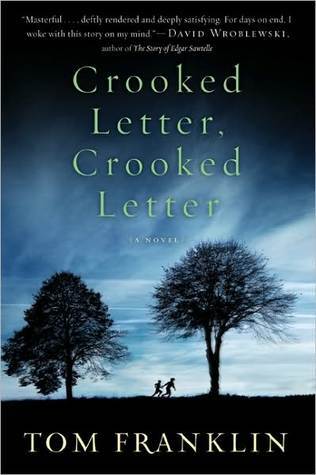
"Crooked Letter, Crooked Letter" by Tom Franklin centers on the complex, fractured relationship between two men, Silas “32” Jones and Larry Ott, in rural Mississippi. Lifelong residents of their small town, their lives are inextricably linked by a decades-old disappearance and the enduring racial tensions that simmer beneath their community's surface. When a young woman vanishes, old wounds reopen, forcing both men to confront their pasts and the roles they played in shaping each other's destinies.
This novel resonates with "Go Set a Watchman" through its profound exploration of racial injustice and the often-disappointing realities of small-town southern life. Both books delve into the painful disillusionment characters experience when confronting uncomfortable truths about their loved ones and communities. They examine how seemingly idyllic settings can harbor deep-seated prejudices and how historical events cast long shadows over the present, challenging individual morality and societal norms.
The book will appeal to those who appreciate nuanced character studies set against a backdrop of societal friction. Its unflinching look at race, memory, and the burden of the past offers a compelling narrative that sparks introspection. Furthermore, its rich atmosphere and intricate plotting provide a deeply satisfying and thought-provoking experience, inviting contemplation on the complexities of justice and belonging.
Crooked Letter, Crooked Letter
"Crooked Letter, Crooked Letter" by Tom Franklin centers on the complex, fractured relationship between two men, Silas “32” Jones and Larry Ott, in rural Mississippi. Lifelong residents of their small town, their lives are inextricably linked by a decades-old disappearance and the enduring racial tensions that simmer beneath their community's surface. When a young woman vanishes, old wounds reopen, forcing both men to confront their pasts and the roles they played in shaping each other's destinies.
This novel resonates with "Go Set a Watchman" through its profound exploration of racial injustice and the often-disappointing realities of small-town southern life. Both books delve into the painful disillusionment characters experience when confronting uncomfortable truths about their loved ones and communities. They examine how seemingly idyllic settings can harbor deep-seated prejudices and how historical events cast long shadows over the present, challenging individual morality and societal norms.
The book will appeal to those who appreciate nuanced character studies set against a backdrop of societal friction. Its unflinching look at race, memory, and the burden of the past offers a compelling narrative that sparks introspection. Furthermore, its rich atmosphere and intricate plotting provide a deeply satisfying and thought-provoking experience, inviting contemplation on the complexities of justice and belonging.
Night Watch

"Night Watch" by Jayne Anne Phillips immerses the reader in the experiences of a young woman committed to a mental institution in the immediate aftermath of the American Civil War. The narrative unfolds through multiple perspectives, primarily focusing on the protagonist, her brother, and their doctor, as they navigate the trauma of war, family dysfunction, and the limitations of 19th-century psychiatric care. It’s a poignant exploration of memory, madness, and the struggle for personal autonomy within oppressive societal structures.
The books share a profound thematic lineage in their unflinching examination of post-traumatic stress and the enduring legacy of societal upheaval on individuals and families. Both "Night Watch" and "Go Set a Watchman" delve into the disillusionment that follows grand narratives, exposing the uncomfortable truths hidden beneath familiar facades. They each explore characters grappling with altered realities and cherished figures revealed to be flawed or deeply troubled, prompting a re-evaluation of personal and national identities.
This novel will appeal to those who value nuanced historical fiction that probes the psychological depths of its characters. Its raw emotional honesty and intricate character studies offer a powerful reflection on resilience, the complexities of human relationships, and the search for understanding in a world irrevocably changed. Engaging with this work provides valuable insight into the human cost of conflict and the personal battles fought long after the official cessation of hostilities.
Night Watch
"Night Watch" by Jayne Anne Phillips immerses the reader in the experiences of a young woman committed to a mental institution in the immediate aftermath of the American Civil War. The narrative unfolds through multiple perspectives, primarily focusing on the protagonist, her brother, and their doctor, as they navigate the trauma of war, family dysfunction, and the limitations of 19th-century psychiatric care. It’s a poignant exploration of memory, madness, and the struggle for personal autonomy within oppressive societal structures.
The books share a profound thematic lineage in their unflinching examination of post-traumatic stress and the enduring legacy of societal upheaval on individuals and families. Both "Night Watch" and "Go Set a Watchman" delve into the disillusionment that follows grand narratives, exposing the uncomfortable truths hidden beneath familiar facades. They each explore characters grappling with altered realities and cherished figures revealed to be flawed or deeply troubled, prompting a re-evaluation of personal and national identities.
This novel will appeal to those who value nuanced historical fiction that probes the psychological depths of its characters. Its raw emotional honesty and intricate character studies offer a powerful reflection on resilience, the complexities of human relationships, and the search for understanding in a world irrevocably changed. Engaging with this work provides valuable insight into the human cost of conflict and the personal battles fought long after the official cessation of hostilities.
The Funeral Dress
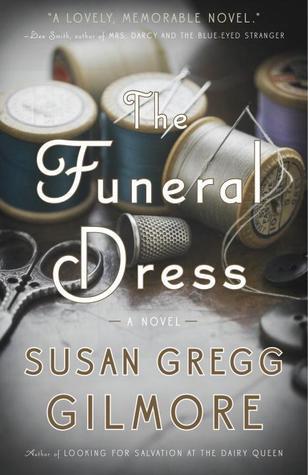
"The Funeral Dress" follows the intertwined lives of four women in rural Tennessee during the Depression era. It delves into their struggles for autonomy, their experiences with hardship and loss, and the intricate ways their community shapes their destinies.
This novel resonates with "Go Set a Watchman" through its exploration of Southern societal norms and the disillusionment that can arise from confronting cherished beliefs. Both books feature a strong sense of place and time, capturing the complexities of a specific Southern context and the personal evolutions driven by a changing understanding of morality and justice within that environment.
This book offers a poignant look at the resilience of women facing adversity and the enduring power of human connection, even amidst societal constraints. It provides a nuanced portrayal of a historical period, making it a valuable read for those who appreciate character-driven narratives that thoughtfully examine community, tradition, and personal growth against a backdrop of compelling social commentary.
The Funeral Dress
"The Funeral Dress" follows the intertwined lives of four women in rural Tennessee during the Depression era. It delves into their struggles for autonomy, their experiences with hardship and loss, and the intricate ways their community shapes their destinies.
This novel resonates with "Go Set a Watchman" through its exploration of Southern societal norms and the disillusionment that can arise from confronting cherished beliefs. Both books feature a strong sense of place and time, capturing the complexities of a specific Southern context and the personal evolutions driven by a changing understanding of morality and justice within that environment.
This book offers a poignant look at the resilience of women facing adversity and the enduring power of human connection, even amidst societal constraints. It provides a nuanced portrayal of a historical period, making it a valuable read for those who appreciate character-driven narratives that thoughtfully examine community, tradition, and personal growth against a backdrop of compelling social commentary.
More Books to Explore
Discover more titles that expand on these ideas and themes.
To Kill a Mockingbird
Harper Lee's To Kill a Mockingbird: Bloom's Guides
Atticus
A Long Time Gone
The Help
The Homecoming of Samuel Lake