10 Books Similar to "Digging for God"
by Tom Hillman
Searching for God Knows What

Donald Miller’s “Searching for God Knows What” is a series of interconnected essays exploring the complexities of faith, doubt, and finding meaning in a often-confusing modern world. Through personal anecdotes, a signature blend of humor and vulnerability, and accessible philosophical musings, Miller grapples with common spiritual quandaries and societal pressures, ultimately advocating for an authentic, unconventional approach to understanding God and oneself.
This book shares a core thematic resonance with "Digging for God" by Tom Hillman. Both authors offer introspective journeys into personal faith, but eschew simplistic answers or rigid doctrines. They both employ a narrative, sometimes even confessional, style to explore questions of spiritual truth, personal conviction, and the struggle to reconcile belief with lived experience, preferring honest inquiry over prescriptive answers.
The compelling honesty and relatable struggles presented in Miller’s work offer a refreshing perspective for anyone navigating their own spiritual path or questioning conventional religious frameworks. Its frank self-reflection and accessible prose make profound theological and philosophical concepts approachable, providing comfort and validation for those who feel alienated by traditional expressions of faith.
Searching for God Knows What
Donald Miller’s “Searching for God Knows What” is a series of interconnected essays exploring the complexities of faith, doubt, and finding meaning in a often-confusing modern world. Through personal anecdotes, a signature blend of humor and vulnerability, and accessible philosophical musings, Miller grapples with common spiritual quandaries and societal pressures, ultimately advocating for an authentic, unconventional approach to understanding God and oneself.
This book shares a core thematic resonance with "Digging for God" by Tom Hillman. Both authors offer introspective journeys into personal faith, but eschew simplistic answers or rigid doctrines. They both employ a narrative, sometimes even confessional, style to explore questions of spiritual truth, personal conviction, and the struggle to reconcile belief with lived experience, preferring honest inquiry over prescriptive answers.
The compelling honesty and relatable struggles presented in Miller’s work offer a refreshing perspective for anyone navigating their own spiritual path or questioning conventional religious frameworks. Its frank self-reflection and accessible prose make profound theological and philosophical concepts approachable, providing comfort and validation for those who feel alienated by traditional expressions of faith.
Within Reach
"Within Reach" by Robert L. Millet explores the profound accessibility of God's grace and personal revelation. Millet, a prominent religious scholar, skillfully unpacks complex theological concepts, illustrating how divine blessings, guidance, and forgiveness are directly attainable through faith and righteous living. The book emphasizes practical application, showing how individuals can cultivate a deeper spiritual connection and experience God's influence in their daily lives.
This work resonates with "Digging for God" through its shared focus on the tangible, personal experience of divinity. Both books dismantle the perception of God as distant or unknowable, instead presenting a deity intimately involved in human affairs and readily discoverable. They encourage an active, introspective journey of faith, moving beyond mere theological understanding to a deeply personal quest for spiritual connection.
The book will appeal to those seeking a more profound, yet understandable, relationship with their faith. It offers compelling insights and practical guidance for nurturing spiritual growth and feeling closer to God. Its clear exposition and uplifting message provide significant value for anyone desirous of deepening their personal spiritual foundation and experiencing the divine more directly.
Within Reach
"Within Reach" by Robert L. Millet explores the profound accessibility of God's grace and personal revelation. Millet, a prominent religious scholar, skillfully unpacks complex theological concepts, illustrating how divine blessings, guidance, and forgiveness are directly attainable through faith and righteous living. The book emphasizes practical application, showing how individuals can cultivate a deeper spiritual connection and experience God's influence in their daily lives.
This work resonates with "Digging for God" through its shared focus on the tangible, personal experience of divinity. Both books dismantle the perception of God as distant or unknowable, instead presenting a deity intimately involved in human affairs and readily discoverable. They encourage an active, introspective journey of faith, moving beyond mere theological understanding to a deeply personal quest for spiritual connection.
The book will appeal to those seeking a more profound, yet understandable, relationship with their faith. It offers compelling insights and practical guidance for nurturing spiritual growth and feeling closer to God. Its clear exposition and uplifting message provide significant value for anyone desirous of deepening their personal spiritual foundation and experiencing the divine more directly.
The Crucible of Doubt: Reflections On the Quest for Faith

"The Crucible of Doubt" by Terryl Givens explores the complex relationship between doubt and religious belief, particularly within a Latter-day Saint context. It argues that doubt, far from being antithetical to faith, can be an integral and even strengthening component of a mature spiritual life, prompting deeper understanding and commitment rather than dissolution.
This book resonates with "Digging for God" because both titles delve into the intensely personal and often challenging journey of seeking and maintaining faith in the face of uncertainty. They both acknowledge that spiritual inquiry isn't always a straightforward path of affirmation but frequently involves wrestling with difficult questions and evolving perspectives. Both authors offer frameworks for engaging with doubt constructively.
This book will appeal to those who appreciate thoughtful explorations of spirituality that embrace intellectual honesty and psychological nuance. It offers a sophisticated, yet accessible, perspective on how doubt can refine rather than demolish belief, providing reassurance and guidance for anyone grappling with internal or external challenges to their faith.
The Crucible of Doubt: Reflections On the Quest for Faith
"The Crucible of Doubt" by Terryl Givens explores the complex relationship between doubt and religious belief, particularly within a Latter-day Saint context. It argues that doubt, far from being antithetical to faith, can be an integral and even strengthening component of a mature spiritual life, prompting deeper understanding and commitment rather than dissolution.
This book resonates with "Digging for God" because both titles delve into the intensely personal and often challenging journey of seeking and maintaining faith in the face of uncertainty. They both acknowledge that spiritual inquiry isn't always a straightforward path of affirmation but frequently involves wrestling with difficult questions and evolving perspectives. Both authors offer frameworks for engaging with doubt constructively.
This book will appeal to those who appreciate thoughtful explorations of spirituality that embrace intellectual honesty and psychological nuance. It offers a sophisticated, yet accessible, perspective on how doubt can refine rather than demolish belief, providing reassurance and guidance for anyone grappling with internal or external challenges to their faith.
To The Spiritually Inclined
"To The Spiritually Inclined" delves into the universal human quest for meaning and connection beyond the material, exploring how individuals can cultivate a deeper spiritual awareness in their daily lives. Faison navigates concepts of faith, inner peace, and personal growth, offering practical insights and reflective prompts for those seeking to enrich their spiritual journey, regardless of specific religious affiliation.
This book resonates strongly with "Digging for God" due to their shared thematic core: the pursuit of transcendent understanding and the exploration of humanity's innate spiritual longings. Both authors guide the audience through existential questions, encouraging introspection and a personal excavation of one's belief system and purpose, positioning the spiritual journey as an active, ongoing endeavor.
Individuals drawn to thoughtful discussions of faith and personal development will find significant value here. The work offers a contemplative space for self-reflection and practical guidance for integrating spiritual principles into a contemporary lifestyle, providing a renewed sense of purpose and fostering a deeper, more intentional way of being in the world.
To The Spiritually Inclined
"To The Spiritually Inclined" delves into the universal human quest for meaning and connection beyond the material, exploring how individuals can cultivate a deeper spiritual awareness in their daily lives. Faison navigates concepts of faith, inner peace, and personal growth, offering practical insights and reflective prompts for those seeking to enrich their spiritual journey, regardless of specific religious affiliation.
This book resonates strongly with "Digging for God" due to their shared thematic core: the pursuit of transcendent understanding and the exploration of humanity's innate spiritual longings. Both authors guide the audience through existential questions, encouraging introspection and a personal excavation of one's belief system and purpose, positioning the spiritual journey as an active, ongoing endeavor.
Individuals drawn to thoughtful discussions of faith and personal development will find significant value here. The work offers a contemplative space for self-reflection and practical guidance for integrating spiritual principles into a contemporary lifestyle, providing a renewed sense of purpose and fostering a deeper, more intentional way of being in the world.
Searching for Sunday: Loving, Leaving, and Finding the Church
"Searching for Sunday" by Rachel Held Evans explores the author's complex relationship with evangelical Christianity. It chronicles her journey from devout belief, through disillusionment and departure, and ultimately to a renewed, more expansive understanding of faith and community within a progressive church. The book is a deeply personal narrative, blending memoir with theological reflection, as Evans grapples with doubt, tradition, and the search for authentic spiritual belonging.
This book resonates with "Digging for God" through their shared theme of re-examining faith and spiritual heritage. Both authors undertake an introspective, often challenging, investigation into the foundations of their beliefs and their relationship with organized religion. They each navigate personal crises of faith that lead to a deeper, more nuanced understanding of their spiritual identities, rather than a complete abandonment of the divine.
This work offers a compelling narrative for anyone who has questioned their religious upbringing or sought a more inclusive, intellectually honest expression of faith. It provides solace for those feeling spiritually unmoored and inspiration for evolving one's understanding of God and community beyond rigid doctrines, validating the journey of doubt as a path to deeper understanding.
Searching for Sunday: Loving, Leaving, and Finding the Church
"Searching for Sunday" by Rachel Held Evans explores the author's complex relationship with evangelical Christianity. It chronicles her journey from devout belief, through disillusionment and departure, and ultimately to a renewed, more expansive understanding of faith and community within a progressive church. The book is a deeply personal narrative, blending memoir with theological reflection, as Evans grapples with doubt, tradition, and the search for authentic spiritual belonging.
This book resonates with "Digging for God" through their shared theme of re-examining faith and spiritual heritage. Both authors undertake an introspective, often challenging, investigation into the foundations of their beliefs and their relationship with organized religion. They each navigate personal crises of faith that lead to a deeper, more nuanced understanding of their spiritual identities, rather than a complete abandonment of the divine.
This work offers a compelling narrative for anyone who has questioned their religious upbringing or sought a more inclusive, intellectually honest expression of faith. It provides solace for those feeling spiritually unmoored and inspiration for evolving one's understanding of God and community beyond rigid doctrines, validating the journey of doubt as a path to deeper understanding.
The Gospel of Lie: A Grieving Christian Searches the Bible for a New Jesus
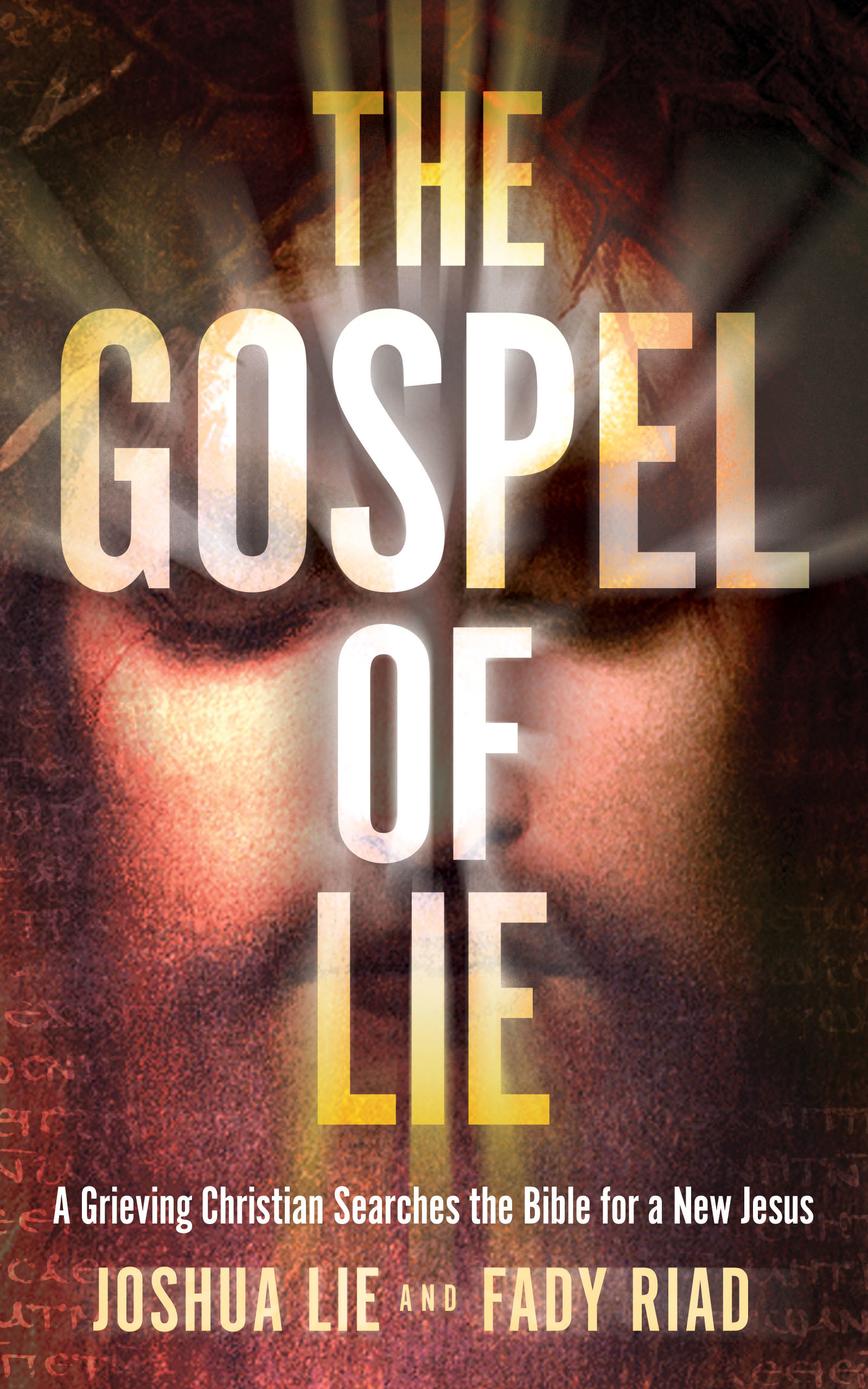
"The Gospel of Lie" chronicles Joshua Lie's profound spiritual crisis following the death of his newborn. Grappling with grief and disillusionment, Lie embarks on an intense, meticulous re-examination of the biblical narrative to construct a "new Jesus" – one shorn of traditional theological interpretations that he found emotionally inadequate or contradictory in his suffering. It's a raw, intellectual, and deeply personal quest for meaning and a usable faith amidst immense personal loss.
This book parallels "Digging for God" in its courageous, intellectually honest deconstruction and reconstruction of faith after significant disillusionment. Both authors undertake rigorous, often painful, journeys through established religious dogma and personal experience, questioning inherited beliefs to forge a more authentic understanding of the divine or spiritual truths. They share a willingness to dismantle traditional frameworks to find an evolved, personally vetted spirituality.
The book offers immense value to anyone grappling with doubts, grief, or the limitations of conventional religious answers. It provides a brave model for honest theological inquiry, demonstrating how profound personal suffering can lead to a deeper, more refined faith rather than its collapse. Its candid exploration of disillusionment and the search for authentic spiritual meaning resonates deeply with those seeking a faith that can withstand life's harshest realities.
The Gospel of Lie: A Grieving Christian Searches the Bible for a New Jesus
"The Gospel of Lie" chronicles Joshua Lie's profound spiritual crisis following the death of his newborn. Grappling with grief and disillusionment, Lie embarks on an intense, meticulous re-examination of the biblical narrative to construct a "new Jesus" – one shorn of traditional theological interpretations that he found emotionally inadequate or contradictory in his suffering. It's a raw, intellectual, and deeply personal quest for meaning and a usable faith amidst immense personal loss.
This book parallels "Digging for God" in its courageous, intellectually honest deconstruction and reconstruction of faith after significant disillusionment. Both authors undertake rigorous, often painful, journeys through established religious dogma and personal experience, questioning inherited beliefs to forge a more authentic understanding of the divine or spiritual truths. They share a willingness to dismantle traditional frameworks to find an evolved, personally vetted spirituality.
The book offers immense value to anyone grappling with doubts, grief, or the limitations of conventional religious answers. It provides a brave model for honest theological inquiry, demonstrating how profound personal suffering can lead to a deeper, more refined faith rather than its collapse. Its candid exploration of disillusionment and the search for authentic spiritual meaning resonates deeply with those seeking a faith that can withstand life's harshest realities.
The Forgotten Way Meditations: The Path of Yeshua for Power and Peace in This Life

"The Forgotten Way Meditations" offers a series of spiritual reflections centered on Yeshua's (Jesus') teachings, aiming to guide individuals toward internal power and peace. It distills complex spiritual principles into accessible practices, encouraging a deeper, more personal engagement with ancient wisdom for modern life. The book emphasizes practical application rather than mere intellectual understanding, fostering transformative experiences.
This book aligns with "Digging for God" through their shared exploration of profound spiritual truths and their practical application. Both works delve into the essence of divinity, encouraging a personal quest for understanding and connection. They similarly move beyond conventional religious frameworks to uncover universal spiritual principles, seeking to empower individuals through a more intimate relationship with the divine.
The insights provided will resonate with those seeking a deeper, more experiential spiritual path. It offers actionable strategies for cultivating inner peace and personal fortitude amidst life's challenges. The book's focus on practical wisdom and transformative engagement with spiritual teachings makes it a valuable resource for anyone committed to personal growth and a more meaningful existence.
The Forgotten Way Meditations: The Path of Yeshua for Power and Peace in This Life
"The Forgotten Way Meditations" offers a series of spiritual reflections centered on Yeshua's (Jesus') teachings, aiming to guide individuals toward internal power and peace. It distills complex spiritual principles into accessible practices, encouraging a deeper, more personal engagement with ancient wisdom for modern life. The book emphasizes practical application rather than mere intellectual understanding, fostering transformative experiences.
This book aligns with "Digging for God" through their shared exploration of profound spiritual truths and their practical application. Both works delve into the essence of divinity, encouraging a personal quest for understanding and connection. They similarly move beyond conventional religious frameworks to uncover universal spiritual principles, seeking to empower individuals through a more intimate relationship with the divine.
The insights provided will resonate with those seeking a deeper, more experiential spiritual path. It offers actionable strategies for cultivating inner peace and personal fortitude amidst life's challenges. The book's focus on practical wisdom and transformative engagement with spiritual teachings makes it a valuable resource for anyone committed to personal growth and a more meaningful existence.
Meeting God at Every Turn
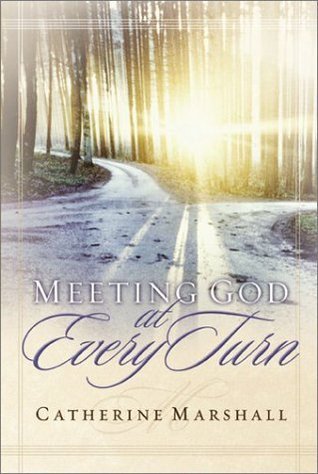
"Meeting God at Every Turn" by Catherine Marshall is a deeply personal spiritual memoir recounting her life experiences, both joyful and challenging, and how she discerned God's presence and guidance in each situation. It's a testament to finding divine purpose and comfort within the ordinary and extraordinary events of existence, emphasizing a continuous, active relationship with the divine.
This book shares foundational similarities with "Digging for God" in its introspective exploration of personal faith journeys. Both authors chronicle their individual quests to understand and connect with God through lived experiences, rather than purely theological discourse. They underscore the idea that spiritual truth is often unearthed through reflection on life’s unfolding narrative and the personal struggles and triumphs encountered along the way.
This narrative will captivate individuals seeking to deepen their own spiritual understanding and recognize God’s hand in their daily lives. The candid sharing of personal struggles and breakthroughs encourages a similar self-reflection, offering practical insight into cultivating a more profound and consistent awareness of the divine. It provides a relatable framework for identifying and interpreting God's presence, offering hope and validation for those navigating their own spiritual paths.
Meeting God at Every Turn
"Meeting God at Every Turn" by Catherine Marshall is a deeply personal spiritual memoir recounting her life experiences, both joyful and challenging, and how she discerned God's presence and guidance in each situation. It's a testament to finding divine purpose and comfort within the ordinary and extraordinary events of existence, emphasizing a continuous, active relationship with the divine.
This book shares foundational similarities with "Digging for God" in its introspective exploration of personal faith journeys. Both authors chronicle their individual quests to understand and connect with God through lived experiences, rather than purely theological discourse. They underscore the idea that spiritual truth is often unearthed through reflection on life’s unfolding narrative and the personal struggles and triumphs encountered along the way.
This narrative will captivate individuals seeking to deepen their own spiritual understanding and recognize God’s hand in their daily lives. The candid sharing of personal struggles and breakthroughs encourages a similar self-reflection, offering practical insight into cultivating a more profound and consistent awareness of the divine. It provides a relatable framework for identifying and interpreting God's presence, offering hope and validation for those navigating their own spiritual paths.
Have a Little Faith: a True Story
"Have a Little Faith" by Mitch Albom chronicles the author's eight-year journey with two vastly different religious leaders: his childhood rabbi, Albert Lewis, and a Detroit pastor, Henry Covington. The book explores their lives, their ministries, and the profound questions they grapple with about faith, doubt, purpose, and the afterlife. It's a deeply personal narrative that intertwines their stories, offering a nuanced look at belief systems and the human experience.
This book shares thematic resonance with "Digging for God" through its exploration of spiritual journeys and the search for understanding within varying belief structures. Both narratives delve into the complexities of faith, not in a prescriptive manner, but by examining individual paths to spiritual insight. Each book presents a contemplative inquiry into the nature of belief and its impact on human lives.
This offers a compelling exploration of faith in a relatable and accessible way. It provides a thoughtful meditation on the universal search for meaning and connection, making it particularly valuable for those contemplating their own spiritual path or seeking a deeper understanding of diverse religious expressions. The genuine human stories at its core provide a rich opportunity for reflection and personal growth.
Have a Little Faith: a True Story
"Have a Little Faith" by Mitch Albom chronicles the author's eight-year journey with two vastly different religious leaders: his childhood rabbi, Albert Lewis, and a Detroit pastor, Henry Covington. The book explores their lives, their ministries, and the profound questions they grapple with about faith, doubt, purpose, and the afterlife. It's a deeply personal narrative that intertwines their stories, offering a nuanced look at belief systems and the human experience.
This book shares thematic resonance with "Digging for God" through its exploration of spiritual journeys and the search for understanding within varying belief structures. Both narratives delve into the complexities of faith, not in a prescriptive manner, but by examining individual paths to spiritual insight. Each book presents a contemplative inquiry into the nature of belief and its impact on human lives.
This offers a compelling exploration of faith in a relatable and accessible way. It provides a thoughtful meditation on the universal search for meaning and connection, making it particularly valuable for those contemplating their own spiritual path or seeking a deeper understanding of diverse religious expressions. The genuine human stories at its core provide a rich opportunity for reflection and personal growth.
Leaving Church: A Memoir of Faith

"Leaving Church: A Memoir of Faith" chronicles Barbara Brown Taylor's deeply personal journey as she grapples with her calling as an Episcopal priest and ultimately decides to step away from parish ministry. It's an honest exploration of doubt, spiritual questioning, and the search for a more authentic connection to the divine outside traditional church structures.
This memoir resonates with "Digging for God" through its shared exploration of evolving faith and spiritual deconstruction. Both authors courageously examine their deeply held religious beliefs and the established institutions that shaped them, ultimately pursuing a more expansive understanding of spirituality. They each navigate the often-uncomfortable tension between inherited dogma and individual experience.
The book offers a profound reflection on the nature of faith, doubt, and the myriad ways individuals seek meaning. It provides solace and validation for those who have questioned conventional religious paths, and it encourages introspection about personal spiritual growth. This narrative offers a rich, thoughtful perspective valuable to anyone contemplating faith, belonging, and the search for truth beyond predefined boundaries.
Leaving Church: A Memoir of Faith
"Leaving Church: A Memoir of Faith" chronicles Barbara Brown Taylor's deeply personal journey as she grapples with her calling as an Episcopal priest and ultimately decides to step away from parish ministry. It's an honest exploration of doubt, spiritual questioning, and the search for a more authentic connection to the divine outside traditional church structures.
This memoir resonates with "Digging for God" through its shared exploration of evolving faith and spiritual deconstruction. Both authors courageously examine their deeply held religious beliefs and the established institutions that shaped them, ultimately pursuing a more expansive understanding of spirituality. They each navigate the often-uncomfortable tension between inherited dogma and individual experience.
The book offers a profound reflection on the nature of faith, doubt, and the myriad ways individuals seek meaning. It provides solace and validation for those who have questioned conventional religious paths, and it encourages introspection about personal spiritual growth. This narrative offers a rich, thoughtful perspective valuable to anyone contemplating faith, belonging, and the search for truth beyond predefined boundaries.
More Books to Explore
Discover more titles that expand on these ideas and themes.
Searching for God Knows What
Within Reach
The Crucible of Doubt: Reflections On the Quest for Faith
To The Spiritually Inclined
Searching for Sunday: Loving, Leaving, and Finding the Church
The Gospel of Lie: A Grieving Christian Searches the Bible for a New Jesus