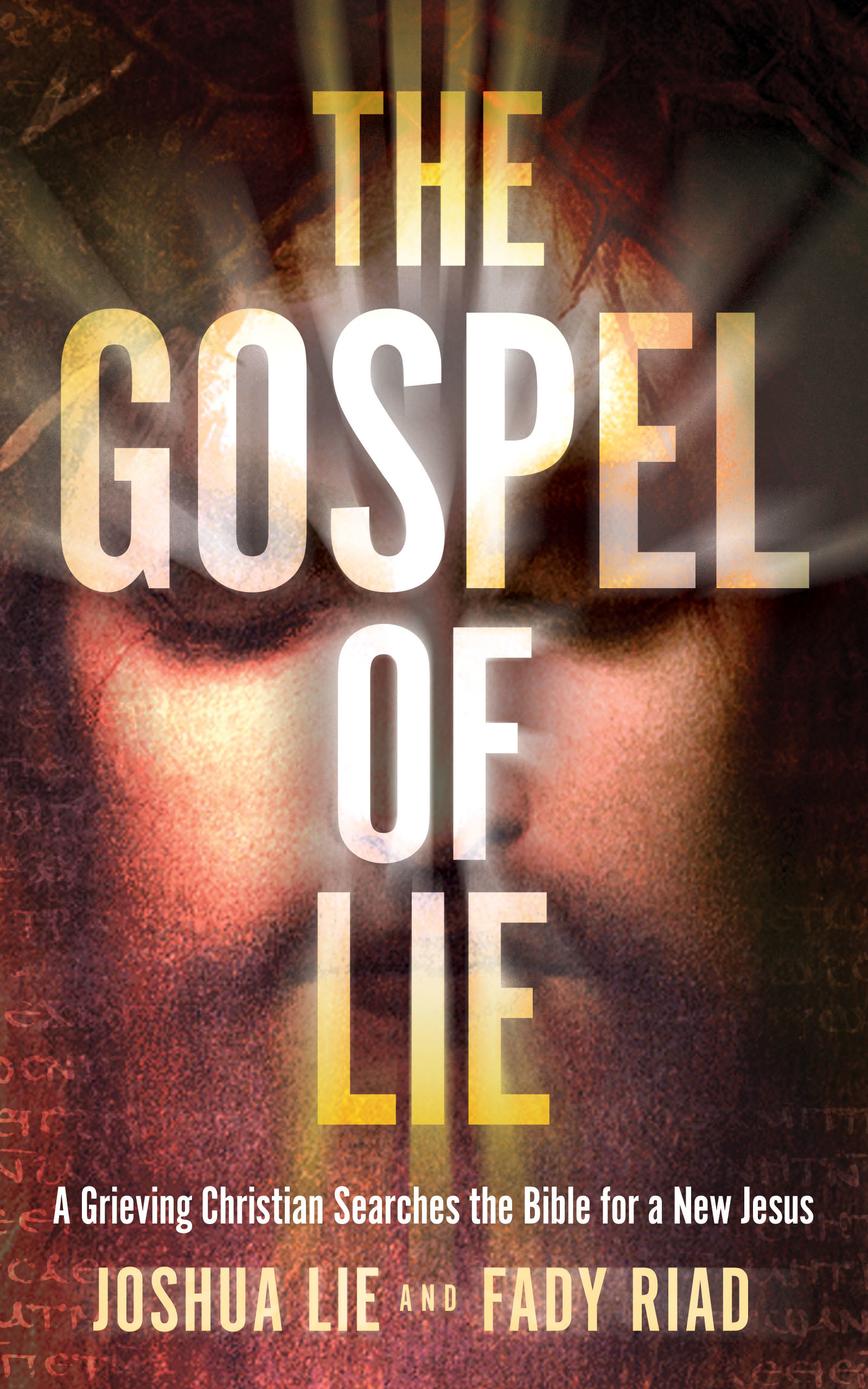
The Gospel of Lie: A Grieving Christian Searches the Bible for a New Jesus
Book Description
What happens when faith shatters in the wake of unspeakable grief? In "The Gospel of Lie," Joshua Lie embarks on a heart-wrenching journey through the Bible, seeking a new vision of Jesus amidst the wreckage of his beliefs. Every page crackles with tension as sacred texts transform from comforting verses into unsettling questions. Stripped of dogma, old truths collide with raw emotion, igniting a fierce quest for meaning in a chaotic world. Grief fuels his search, but will he find redemption, or will despair swallow him whole? Can the light of a new Jesus illuminate the dark corners of loss?
Quick Book Summary
"The Gospel of Lie" by Joshua Lie chronicles a personal and spiritual odyssey ignited by devastating grief. After profound loss, Lie finds his old faith in the Christian narrative shaken, prompting a re-examination of scripture and the figure of Jesus. Instead of comfort, his familiar beliefs now generate new, unsettling questions about suffering, meaning, and the nature of divinity. The book traces his attempts to reconcile pain with faith, shedding traditional dogmas in the process. With honesty and vulnerability, Lie invites readers into his turmoil, exploring whether an authentic, transformative relationship with Jesus can exist outside of inherited certainties. Ultimately, the book offers a meditation on searching for meaning and light amidst the darkest moments of loss.




Summary of Key Ideas
Table of Contents
The Disintegration and Evolution of Faith
Joshua Lie’s journey begins with the shattering experience of loss, which dismantles the foundations of his previously stable Christian faith. Where he once found solace in familiar scripture and comforting church teachings, grief renders these sources hollow and, at times, alienating. Lie’s writing captures the raw vulnerability of navigating spiritual groundlessness, as he confesses the inadequacy of the answers that once sustained him and opens himself up to honest doubt. This initial crisis is not merely a loss of faith but a call to re-examine everything he thought he knew about God, suffering, and purpose.
Questioning Tradition in the Face of Grief
Driven by his pain, Lie embarks on a probing investigation of the Bible itself. He approaches the text without the filter of long-standing dogmas, allowing grief to highlight passages and themes previously overlooked or dismissed. Instead of offering easy resolution, the scriptures now confront him with ambiguity and even contradiction. Lie finds himself wrestling with biblical stories of sorrow, lament, and divine silence, seeing parallels to his own experience. Through this process, he comes to understand the Bible as a companion in suffering, rather than a compendium of fixed answers.
Reinterpreting the Figure of Jesus
Central to Lie’s journey is an evolving vision of Jesus. Once viewed as the embodiment of certainty and salvation, Jesus becomes a figure of solidarity and shared pain. Rather than focusing solely on triumphant resurrection, Lie is drawn to the Jesus who weeps, doubts, and dies abandoned on the cross. This reimagining shifts Lie’s conception from a distant comforter to a fellow sufferer, proximate to human anguish. The traditional dogmas fall away, making space for a more vulnerable, nuanced, and perhaps more profoundly consoling presence.
The Tension Between Doubt and Hope
Throughout the narrative, Lie grapples with the interplay between lingering doubt and the persistent hope for redemption. His honesty about despair is matched by his refusal to accept facile optimism. Instead, he explores the possibility that faith itself may be an ongoing practice of wrestling, questioning, and attending to both the darkness and potential for light. The journey is not about recapturing a lost innocence, but about moving forward with open eyes and an open heart, wherever the search leads.
Seeking Meaning and Redemption After Loss
In the end, "The Gospel of Lie" is not merely a personal testimony, but an invitation to redefine what it means to be Christian in a world marked by suffering. Lie’s exploration is both intensely individual and universally resonant for anyone who has faced the collapse of certainty. The book offers hope, not as a destination, but as a posture: to keep searching for meaning, to accept the ambiguity of faith, and to find—within loss itself—a new vision of Jesus capable of illuminating even the darkest landscapes.
Download This Summary
Get a free PDF of this summary instantly — no email required.