10 Books Similar to "Dandelion Wine"
by Ray Bradbury

Farewell Summer

"Farewell Summer" is a compelling standalone sequel to "Dandelion Wine," returning to Greentown, Illinois, and focusing on thirteen-year-old Douglas Spaulding’s annual battle against encroaching adulthood, personified by the town's older generation. This time, his focus is specifically on Mr. Calvin C. Quartermain, the seemingly immortal administrator of the town clock, as Douglas grapples with the fleeting nature of childhood and the relentless march of time.
It shares "Dandelion Wine's" core thematic explorations of memory, nostalgia, the bittersweet passage of time, and the transition from innocence to experience. Both novels are set in the idyllic, nostalgic summer landscape of a bygone era, featuring a young protagonist attuned to the subtle shifts in his world, observing the magic and melancholy of everyday life within a close-knit community.
This book offers a deeper dive into the emotional landscape of growing up, providing a valuable expansion on themes that resonated so strongly in its precursor. It appeals to those who appreciate thoughtful prose, intricate character studies, and a poetic reflection on universal human experiences, particularly the struggle against inevitability and the poignant beauty of life's transitions.
Farewell Summer
"Farewell Summer" is a compelling standalone sequel to "Dandelion Wine," returning to Greentown, Illinois, and focusing on thirteen-year-old Douglas Spaulding’s annual battle against encroaching adulthood, personified by the town's older generation. This time, his focus is specifically on Mr. Calvin C. Quartermain, the seemingly immortal administrator of the town clock, as Douglas grapples with the fleeting nature of childhood and the relentless march of time.
It shares "Dandelion Wine's" core thematic explorations of memory, nostalgia, the bittersweet passage of time, and the transition from innocence to experience. Both novels are set in the idyllic, nostalgic summer landscape of a bygone era, featuring a young protagonist attuned to the subtle shifts in his world, observing the magic and melancholy of everyday life within a close-knit community.
This book offers a deeper dive into the emotional landscape of growing up, providing a valuable expansion on themes that resonated so strongly in its precursor. It appeals to those who appreciate thoughtful prose, intricate character studies, and a poetic reflection on universal human experiences, particularly the struggle against inevitability and the poignant beauty of life's transitions.
From the Dust Returned

"From the Dust Returned" chronicles the intricate, sprawling history of the Elliot family, a lineage of benevolent supernatural beings—vampires, mummies, and phantoms—who gather intermittently at their ancestral Illinois mansion. It’s a saga of remembrance, identity, and the enduring pull of family across centuries, exploring their attempts to navigate a world that increasingly views them as anachronisms while clinging to their unique traditions.
The similarity to "Dandelion Wine" lies in their shared celebration of memory, childhood’s wonder, and a deep-seated nostalgia for disappearing ways of life. Both books employ Bradbury's signature lyrical prose and atmospheric world-building to evoke a powerful sense of place and time, whether it’s a single magical summer or the cyclical return of an ancient family. They each explore the melancholic beauty of ephemerality and the power of tradition.
It will appeal to those who cherish Bradbury's nostalgic, poetic style and his ability to excavate profound truths from seemingly fantastical premises. Its exploration of identity, belonging, and the passage of time resonates deeply, offering a poignant meditation on what it means to be different, to endure, and to find beauty in the strange and forgotten. It’s a valuable narrative for understanding Bradbury’s consistent thematic interests and his unique contribution to American literature.
From the Dust Returned
"From the Dust Returned" chronicles the intricate, sprawling history of the Elliot family, a lineage of benevolent supernatural beings—vampires, mummies, and phantoms—who gather intermittently at their ancestral Illinois mansion. It’s a saga of remembrance, identity, and the enduring pull of family across centuries, exploring their attempts to navigate a world that increasingly views them as anachronisms while clinging to their unique traditions.
The similarity to "Dandelion Wine" lies in their shared celebration of memory, childhood’s wonder, and a deep-seated nostalgia for disappearing ways of life. Both books employ Bradbury's signature lyrical prose and atmospheric world-building to evoke a powerful sense of place and time, whether it’s a single magical summer or the cyclical return of an ancient family. They each explore the melancholic beauty of ephemerality and the power of tradition.
It will appeal to those who cherish Bradbury's nostalgic, poetic style and his ability to excavate profound truths from seemingly fantastical premises. Its exploration of identity, belonging, and the passage of time resonates deeply, offering a poignant meditation on what it means to be different, to endure, and to find beauty in the strange and forgotten. It’s a valuable narrative for understanding Bradbury’s consistent thematic interests and his unique contribution to American literature.
The October Country

"The October Country" is a collection of unsettling and often macabre short stories, delving into themes of mortality, the uncanny, and the lingering shadows of human experience. It presents a world where the ordinary is subtly twisted, exploring tales of quiet horror, psychological darkness, and the strange beauty found in decay and despair.
This collection echoes "Dandelion Wine" in its pervasive sense of childhood wonder, albeit a dark and twisted version. Both books share Bradbury's distinctive lyrical prose, his vivid sensory descriptions, and a nostalgic gaze upon seemingly innocent settings that reveal deeper, more complex truths. While "Dandelion Wine" revels in summer's warmth and innocence, "The October Country" embraces autumn's chill and the melancholic beauty of change and decay inherent in life.
This book offers a compelling exploration of the darker facets of human nature and imagination, demonstrating Bradbury's versatility beyond the sun-drenched nostalgia of his more famous works. It provides rich thematic depth, showcasing the author's mastery of atmosphere and character, and offers a valuable perspective on the pervasive presence of strangeness in everyday life.
The October Country
"The October Country" is a collection of unsettling and often macabre short stories, delving into themes of mortality, the uncanny, and the lingering shadows of human experience. It presents a world where the ordinary is subtly twisted, exploring tales of quiet horror, psychological darkness, and the strange beauty found in decay and despair.
This collection echoes "Dandelion Wine" in its pervasive sense of childhood wonder, albeit a dark and twisted version. Both books share Bradbury's distinctive lyrical prose, his vivid sensory descriptions, and a nostalgic gaze upon seemingly innocent settings that reveal deeper, more complex truths. While "Dandelion Wine" revels in summer's warmth and innocence, "The October Country" embraces autumn's chill and the melancholic beauty of change and decay inherent in life.
This book offers a compelling exploration of the darker facets of human nature and imagination, demonstrating Bradbury's versatility beyond the sun-drenched nostalgia of his more famous works. It provides rich thematic depth, showcasing the author's mastery of atmosphere and character, and offers a valuable perspective on the pervasive presence of strangeness in everyday life.
In Watermelon Sugar
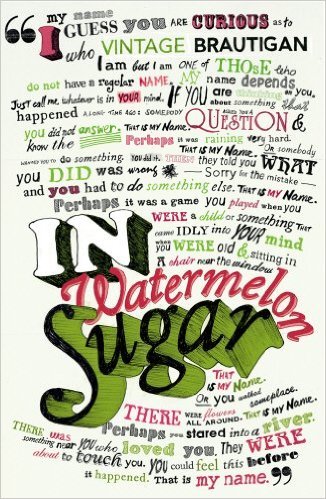
"In Watermelon Sugar" presents a surreal, pastoral world populated by individuals living in a quasi-communal society, deriving all aspects of their existence, from their homes to their food, from watermelon. The narrative follows an unnamed protagonist recounting daily life, including encounters with a former lover, a nature-revering artist, and a group of dissidents known as "the tigers," who embrace violence and reject the watermelon-centric lifestyle. It's a whimsical exploration of an isolated, self-contained civilization and its inherent tensions.
This novel shares a remarkable kinship with "Dandelion Wine" through its evocative portrayal of a distinct, almost mythic summer. Both books are less about plot and more about atmosphere, memory, and the bittersweet passage of time within an enclosed, idealized world. They both celebrate the peculiar magic of ordinary life, filtered through a lens of childhood wonder and nostalgic reflection, though Brautigan's world is decidedly more fantastical and less grounded in realism.
This book will appeal to those who appreciate lyrical prose and unconventional storytelling. Its gentle strangeness offers a refreshing escape, inviting contemplation on themes of community, nature, and the pull between conformity and individualism. The unique world-building and Brautigan's signature minimalist style provide a quiet yet profound reading experience, fostering a sense of childlike immersion into a truly imaginative setting.
In Watermelon Sugar
"In Watermelon Sugar" presents a surreal, pastoral world populated by individuals living in a quasi-communal society, deriving all aspects of their existence, from their homes to their food, from watermelon. The narrative follows an unnamed protagonist recounting daily life, including encounters with a former lover, a nature-revering artist, and a group of dissidents known as "the tigers," who embrace violence and reject the watermelon-centric lifestyle. It's a whimsical exploration of an isolated, self-contained civilization and its inherent tensions.
This novel shares a remarkable kinship with "Dandelion Wine" through its evocative portrayal of a distinct, almost mythic summer. Both books are less about plot and more about atmosphere, memory, and the bittersweet passage of time within an enclosed, idealized world. They both celebrate the peculiar magic of ordinary life, filtered through a lens of childhood wonder and nostalgic reflection, though Brautigan's world is decidedly more fantastical and less grounded in realism.
This book will appeal to those who appreciate lyrical prose and unconventional storytelling. Its gentle strangeness offers a refreshing escape, inviting contemplation on themes of community, nature, and the pull between conformity and individualism. The unique world-building and Brautigan's signature minimalist style provide a quiet yet profound reading experience, fostering a sense of childlike immersion into a truly imaginative setting.
Summer of '42

*Summer of '42* is a poignant coming-of-age narrative set during World War II, focusing on Hermie, a fifteen-year-old boy experiencing his first significant romantic infatuation. While on vacation with his friends on Nantucket Island, Hermie becomes captivated by Dorothy, a beautiful young woman whose soldier husband has just deployed. The film sensitively portrays Hermie's innocent longing, awkward attempts at connection, and eventual unexpected comfort provided by Dorothy in a moment of shared vulnerability and grief.
The similarity to *Dandelion Wine* lies in their shared celebration of summer as a crucible for formative experiences and nascent emotions. Both books capture the ephemeral magic of a particular season, where the heightened senses and burgeoning self-awareness of youth lead to profound, indelible moments. They explore the bittersweet nature of life's transitions, the wonder of discovery, and the early stirrings of love and loss, all through a lens of nostalgic affection for a specific, transformative summer.
This story will resonate with anyone who cherishes tales of youthful awakenings and the bittersweet passage of time. It offers a relatable exploration of first love, burgeoning sexuality, and the unexpected ways we find connection and solace in others, particularly during moments of personal and global upheaval. The film’s sensitive portrayal of emotion and its evocative period setting provide a deeply affecting and reflective experience, reminding readers of their own paths through adolescence.
Summer of '42
*Summer of '42* is a poignant coming-of-age narrative set during World War II, focusing on Hermie, a fifteen-year-old boy experiencing his first significant romantic infatuation. While on vacation with his friends on Nantucket Island, Hermie becomes captivated by Dorothy, a beautiful young woman whose soldier husband has just deployed. The film sensitively portrays Hermie's innocent longing, awkward attempts at connection, and eventual unexpected comfort provided by Dorothy in a moment of shared vulnerability and grief.
The similarity to *Dandelion Wine* lies in their shared celebration of summer as a crucible for formative experiences and nascent emotions. Both books capture the ephemeral magic of a particular season, where the heightened senses and burgeoning self-awareness of youth lead to profound, indelible moments. They explore the bittersweet nature of life's transitions, the wonder of discovery, and the early stirrings of love and loss, all through a lens of nostalgic affection for a specific, transformative summer.
This story will resonate with anyone who cherishes tales of youthful awakenings and the bittersweet passage of time. It offers a relatable exploration of first love, burgeoning sexuality, and the unexpected ways we find connection and solace in others, particularly during moments of personal and global upheaval. The film’s sensitive portrayal of emotion and its evocative period setting provide a deeply affecting and reflective experience, reminding readers of their own paths through adolescence.
Quicker Than the Eye

"Quicker Than the Eye" is a collection of short stories, showcasing Bradbury's distinct blend of speculative fiction, fantasy, and poignant Americana. The tales explore themes of memory, magic, the passage of time, and the human condition in often unexpected and darkly whimsical ways. Each story is a self-contained vignette, presenting a snapshot of life’s oddities and profound moments.
The similarity to "Dandelion Wine" lies in their shared exploration of nostalgic innocence and the bittersweet nature of memory and time, albeit from different narrative structures. Both works evoke a sense of bygone eras and the wonder inherent in everyday life, filtered through a child-like or dreamlike perspective. "Quicker Than the Eye," like its literary cousin, masterfully captures the essence of summer and the magical quality of fleeting moments.
This collection will appeal to those who appreciate Bradbury's lyrical prose and his ability to infuse the ordinary with extraordinary meaning. It offers a literary escape into worlds both familiar and fantastical, prompting reflection on life's ephemeral beauty and the enduring power of imagination. Its value stems from its capacity to enchant and provoke thought, presenting small, perfectly crafted narratives that resonate long after the final page.
Quicker Than the Eye
"Quicker Than the Eye" is a collection of short stories, showcasing Bradbury's distinct blend of speculative fiction, fantasy, and poignant Americana. The tales explore themes of memory, magic, the passage of time, and the human condition in often unexpected and darkly whimsical ways. Each story is a self-contained vignette, presenting a snapshot of life’s oddities and profound moments.
The similarity to "Dandelion Wine" lies in their shared exploration of nostalgic innocence and the bittersweet nature of memory and time, albeit from different narrative structures. Both works evoke a sense of bygone eras and the wonder inherent in everyday life, filtered through a child-like or dreamlike perspective. "Quicker Than the Eye," like its literary cousin, masterfully captures the essence of summer and the magical quality of fleeting moments.
This collection will appeal to those who appreciate Bradbury's lyrical prose and his ability to infuse the ordinary with extraordinary meaning. It offers a literary escape into worlds both familiar and fantastical, prompting reflection on life's ephemeral beauty and the enduring power of imagination. Its value stems from its capacity to enchant and provoke thought, presenting small, perfectly crafted narratives that resonate long after the final page.
I Sing the Body Electric! & Other Stories

"I Sing the Body Electric! & Other Stories" is a captivating collection of short fiction that delves into the human condition, memory, and the often-unseen magic within everyday life. Bradbury explores themes of nostalgia, the intricate relationships between generations, the promise and peril of technology, and the enduring power of imagination, all told with his signature evocative prose.
This collection echoes "Dandelion Wine" in its profound sense of wistful Americana and its focus on the tender, often fleeting, beauty of ordinary moments. Both works share a heartfelt appreciation for the small, significant experiences that shape a life, filtered through a lens of gentle fantasy and a deep understanding of human yearning and connection.
This book offers a rich tapestry of emotional depth and thought-provoking narratives. Its exploration of fundamental human experiences, coupled with Bradbury’s masterful storytelling, provides a valuable opportunity for introspection and a renewed appreciation for life's subtle wonders.
I Sing the Body Electric! & Other Stories
"I Sing the Body Electric! & Other Stories" is a captivating collection of short fiction that delves into the human condition, memory, and the often-unseen magic within everyday life. Bradbury explores themes of nostalgia, the intricate relationships between generations, the promise and peril of technology, and the enduring power of imagination, all told with his signature evocative prose.
This collection echoes "Dandelion Wine" in its profound sense of wistful Americana and its focus on the tender, often fleeting, beauty of ordinary moments. Both works share a heartfelt appreciation for the small, significant experiences that shape a life, filtered through a lens of gentle fantasy and a deep understanding of human yearning and connection.
This book offers a rich tapestry of emotional depth and thought-provoking narratives. Its exploration of fundamental human experiences, coupled with Bradbury’s masterful storytelling, provides a valuable opportunity for introspection and a renewed appreciation for life's subtle wonders.
The Grass Harp, Including A Tree of Night and Other Stories
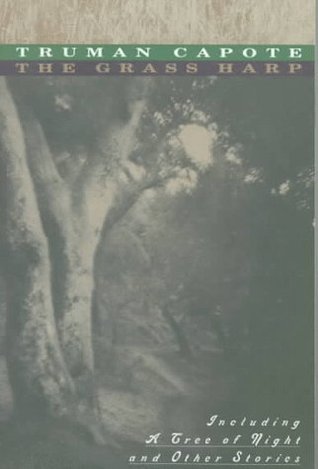
Truman Capote’s *The Grass Harp* centers on three elderly eccentrics who, feeling stifled by their circumstances, retreat to a treehouse to live by their own rules. This novella, along with a selection of Capote’s short stories, explores themes of innocence lost and the vibrant, often strange, inner lives of individuals navigating a changing world. The collection paints rich portraits of memorable characters, from the isolated Miss Bobbit to the restless travelers in “A Tree of Night,” all grappling with life's complexities and their place within society.
This collection shares a profound kinship with *Dandelion Wine* through its nostalgic evocation of a specific time and place, capturing the fleeting magic and inherent melancholy of childhood and adolescence. Both works celebrate the quirks of small-town life and the power of memory, finding profound meaning in ordinary events and the internal landscapes of their characters. The authors masterfully craft atmospheres that are simultaneously whimsical and deeply reflective, exploring the beauty and sadness inherent in human experience.
The appeal of this collection lies in its exquisite prose and its ability to transport one to a world both familiar and distinctly Capote’s. Its exploration of individuality, the longing for freedom, and the struggle to maintain one’s spirit against conformity offers a timeless reflection on the human condition. The stories provide nuanced insights into character psychology and the enduring power of narrative, leaving a lasting impression on anyone who appreciates beautifully crafted storytelling with universal resonance.
The Grass Harp, Including A Tree of Night and Other Stories
Truman Capote’s *The Grass Harp* centers on three elderly eccentrics who, feeling stifled by their circumstances, retreat to a treehouse to live by their own rules. This novella, along with a selection of Capote’s short stories, explores themes of innocence lost and the vibrant, often strange, inner lives of individuals navigating a changing world. The collection paints rich portraits of memorable characters, from the isolated Miss Bobbit to the restless travelers in “A Tree of Night,” all grappling with life's complexities and their place within society.
This collection shares a profound kinship with *Dandelion Wine* through its nostalgic evocation of a specific time and place, capturing the fleeting magic and inherent melancholy of childhood and adolescence. Both works celebrate the quirks of small-town life and the power of memory, finding profound meaning in ordinary events and the internal landscapes of their characters. The authors masterfully craft atmospheres that are simultaneously whimsical and deeply reflective, exploring the beauty and sadness inherent in human experience.
The appeal of this collection lies in its exquisite prose and its ability to transport one to a world both familiar and distinctly Capote’s. Its exploration of individuality, the longing for freedom, and the struggle to maintain one’s spirit against conformity offers a timeless reflection on the human condition. The stories provide nuanced insights into character psychology and the enduring power of narrative, leaving a lasting impression on anyone who appreciates beautifully crafted storytelling with universal resonance.
Green Shadows, White Whale

"Green Shadows, White Whale" chronicles Ray Bradbury's 1953 journey to Ireland to adapt his novel *Moby Dick* for director John Huston. It's a semi-autobiographical novel, blending memoir with fictionalized encounters, as Bradbury navigates the eccentricities of Irish village life, the creative process, and his own internal struggles with the formidable task of translating Melville's epic to the screen. The narrative is a vibrant tapestry of cultural observations, literary musings, and the unique challenges faced by an artist abroad.
This book echoes "Dandelion Wine" in its pervasive sense of nostalgic enchantment and its focus on a specific time and place imbued with extraordinary detail. Both works celebrate the magic inherent in everyday life and the rich tapestry of human eccentricity. Just as "Dandelion Wine" romanticizes a midwestern summer, "Green Shadows, White Whale" romanticizes Ireland through Bradbury's unique, lyrical lens, exploring themes of memory, identity, and the transformative power of experience.
This book offers a fascinating glimpse into a celebrated author's creative process and personal journey, and its evocative prose and richly drawn characters deeply resonate. Its exploration of artistic struggle, cultural immersion, and the enduring charm of simple human connection makes it a contemplative and ultimately uplifting read. It provides insight into the genesis of a classic film and reinforces Bradbury's unparalleled ability to find wonder in the ordinary.
Green Shadows, White Whale
"Green Shadows, White Whale" chronicles Ray Bradbury's 1953 journey to Ireland to adapt his novel *Moby Dick* for director John Huston. It's a semi-autobiographical novel, blending memoir with fictionalized encounters, as Bradbury navigates the eccentricities of Irish village life, the creative process, and his own internal struggles with the formidable task of translating Melville's epic to the screen. The narrative is a vibrant tapestry of cultural observations, literary musings, and the unique challenges faced by an artist abroad.
This book echoes "Dandelion Wine" in its pervasive sense of nostalgic enchantment and its focus on a specific time and place imbued with extraordinary detail. Both works celebrate the magic inherent in everyday life and the rich tapestry of human eccentricity. Just as "Dandelion Wine" romanticizes a midwestern summer, "Green Shadows, White Whale" romanticizes Ireland through Bradbury's unique, lyrical lens, exploring themes of memory, identity, and the transformative power of experience.
This book offers a fascinating glimpse into a celebrated author's creative process and personal journey, and its evocative prose and richly drawn characters deeply resonate. Its exploration of artistic struggle, cultural immersion, and the enduring charm of simple human connection makes it a contemplative and ultimately uplifting read. It provides insight into the genesis of a classic film and reinforces Bradbury's unparalleled ability to find wonder in the ordinary.
Children On Their Birthdays

"Children On Their Birthdays" centers on a charming, enigmatic young girl named Miss Lily Jane Bobbit who arrives in a sleepy Alabama town, disrupting its predictable rhythm with her sophisticated demeanor and tales of a glamorous life. Through the eyes of a young narrator, the story explores Lily Jane's profound impact on the local children and adults, her brief but unforgettable stay leaving an indelible mark before her mysterious departure. It's a poignant exploration of innocence, perception, and the transient nature of extraordinary moments.
Both Capote's novella and Bradbury's "Dandelion Wine" share a masterful evocation of childhood summer. They delve into the sensory richness of youth, the bittersweet recognition of changing seasons, and the profound, sometimes inexplicable, impact a single captivating figure can have on a community. Each book captures the magic imbued in everyday experiences through a child's imaginative lens, and the subtle melancholy that underpins the passage of time.
This story offers a deeply resonant experience, prompting reflection on the fleeting beauty of youth and the enduring power of memory. Its elegant prose and vivid characterization provide intellectual and emotional satisfaction, showcasing Capote's early genius for crafting atmospheric narratives and exploring profound human themes within a seemingly simple framework. It offers a valuable insight into the imaginative world of childhood and the subtle forces that shape our perceptions of life.
Children On Their Birthdays
"Children On Their Birthdays" centers on a charming, enigmatic young girl named Miss Lily Jane Bobbit who arrives in a sleepy Alabama town, disrupting its predictable rhythm with her sophisticated demeanor and tales of a glamorous life. Through the eyes of a young narrator, the story explores Lily Jane's profound impact on the local children and adults, her brief but unforgettable stay leaving an indelible mark before her mysterious departure. It's a poignant exploration of innocence, perception, and the transient nature of extraordinary moments.
Both Capote's novella and Bradbury's "Dandelion Wine" share a masterful evocation of childhood summer. They delve into the sensory richness of youth, the bittersweet recognition of changing seasons, and the profound, sometimes inexplicable, impact a single captivating figure can have on a community. Each book captures the magic imbued in everyday experiences through a child's imaginative lens, and the subtle melancholy that underpins the passage of time.
This story offers a deeply resonant experience, prompting reflection on the fleeting beauty of youth and the enduring power of memory. Its elegant prose and vivid characterization provide intellectual and emotional satisfaction, showcasing Capote's early genius for crafting atmospheric narratives and exploring profound human themes within a seemingly simple framework. It offers a valuable insight into the imaginative world of childhood and the subtle forces that shape our perceptions of life.
More Books to Explore
Discover more titles that expand on these ideas and themes.
Farewell Summer
From the Dust Returned
The October Country
In Watermelon Sugar
Summer of '42
Quicker Than the Eye