10 Books Similar to "Dance Dance Dance"
by Haruki Murakami

Sleep

"Sleep" plunges into the unsettling world of a young Japanese housewife who, for seventeen days and nights, loses the ability to sleep. This inexplicable insomnia transforms her mundane existence, freeing her from domestic drudgery and allowing her to reclaim her mind through reading, solitary exploration, and a chilling confrontation with her deteriorating perception of reality. It's a stark, internal exploration of awakening and psychological unraveling.
The kinship with "Dance Dance Dance" lies in their shared exploration of an altered state of consciousness as a catalyst for deeper understanding, or misunderstanding, of one's place in the world. Both narratives feature protagonists who are fundamentally disconnected from their surroundings and embark on a solitary journey – one internal, one external – to reconcile with an underlying sense of void and the surreal elements bleeding into their ordinary lives. The melancholic introspection and the sense of something fundamental being *off* resonate strongly between the two.
This novella will appeal to those who appreciate Murakami's signature blend of the existential and the subtly surreal. It offers a distilled, potent dose of his thematic obsessions: alienation, the subconscious, and the fragile line between the mundane and the fantastic. Its value lies in its taut narrative and profound exploration of identity under duress, prompting reflection on our own reliance on conventional realities and the quiet rebellions within.
Sleep
"Sleep" plunges into the unsettling world of a young Japanese housewife who, for seventeen days and nights, loses the ability to sleep. This inexplicable insomnia transforms her mundane existence, freeing her from domestic drudgery and allowing her to reclaim her mind through reading, solitary exploration, and a chilling confrontation with her deteriorating perception of reality. It's a stark, internal exploration of awakening and psychological unraveling.
The kinship with "Dance Dance Dance" lies in their shared exploration of an altered state of consciousness as a catalyst for deeper understanding, or misunderstanding, of one's place in the world. Both narratives feature protagonists who are fundamentally disconnected from their surroundings and embark on a solitary journey – one internal, one external – to reconcile with an underlying sense of void and the surreal elements bleeding into their ordinary lives. The melancholic introspection and the sense of something fundamental being *off* resonate strongly between the two.
This novella will appeal to those who appreciate Murakami's signature blend of the existential and the subtly surreal. It offers a distilled, potent dose of his thematic obsessions: alienation, the subconscious, and the fragile line between the mundane and the fantastic. Its value lies in its taut narrative and profound exploration of identity under duress, prompting reflection on our own reliance on conventional realities and the quiet rebellions within.
A Wild Sheep Chase

"A Wild Sheep Chase" follows a disillusioned young advertising executive in Tokyo whose mundane life is upended by a mysterious photograph of a sheep with a star-shaped birthmark. A shadowy organization threatens his girlfriend and his existence unless he finds this enigmatic creature. His journey takes him to the remote and snowy mountains of Hokkaido, where he encounters eclectic characters, uncovers strange conspiracies, and confronts the profound emptiness at the heart of modern life.
This novel shares a deep thematic and narrative kinship with "Dance Dance Dance" as it is its direct predecessor, reuniting readers with the same melancholic, unnamed protagonist. Both books explore themes of loss, identity, and the search for meaning in a world increasingly devoid of it, often through surreal encounters and an undercurrent of existential dread. The narrative style, characterized by a blend of the mundane and the fantastical, and the protagonist's detached yet observant perspective, are hallmarks found in both works.
It will appeal to those who appreciate a blend of detective fiction, philosophical musing, and surrealism. The book masterfully navigates a compelling mystery while offering insightful commentary on contemporary Japanese society and the universal search for authenticity. Its value lies in its ability to entertain while provoking thought, providing a unique reading experience that resonates long after the final page.
A Wild Sheep Chase
"A Wild Sheep Chase" follows a disillusioned young advertising executive in Tokyo whose mundane life is upended by a mysterious photograph of a sheep with a star-shaped birthmark. A shadowy organization threatens his girlfriend and his existence unless he finds this enigmatic creature. His journey takes him to the remote and snowy mountains of Hokkaido, where he encounters eclectic characters, uncovers strange conspiracies, and confronts the profound emptiness at the heart of modern life.
This novel shares a deep thematic and narrative kinship with "Dance Dance Dance" as it is its direct predecessor, reuniting readers with the same melancholic, unnamed protagonist. Both books explore themes of loss, identity, and the search for meaning in a world increasingly devoid of it, often through surreal encounters and an undercurrent of existential dread. The narrative style, characterized by a blend of the mundane and the fantastical, and the protagonist's detached yet observant perspective, are hallmarks found in both works.
It will appeal to those who appreciate a blend of detective fiction, philosophical musing, and surrealism. The book masterfully navigates a compelling mystery while offering insightful commentary on contemporary Japanese society and the universal search for authenticity. Its value lies in its ability to entertain while provoking thought, providing a unique reading experience that resonates long after the final page.
Sputnik Sweetheart

"Sputnik Sweetheart" explores the enigmatic disappearance of Sumire, an aspiring writer, through the eyes of her unrequited lover, K., a primary school teacher. Their unusual triangular relationship with Miu, an older, sophisticated businesswoman, forms the core of a story delving into profound loneliness, identity, and the elusive nature of connection. The narrative shifts between poignant reality and surreal, dream-like sequences as K. attempts to piece together Sumire's vanishing act on a Greek island.
The similarity to "Dance Dance Dance" lies in their shared exploration of themes like loss, the search for meaning in a seemingly indifferent world, and the protagonists' introspective journeys through enigmatic circumstances. Both novels feature solitary male narrators grappling with the disappearance of women they care deeply about, compelled to undertake a personal quest that borders on the surreal. The distinct Murakami blend of mundane reality intertwined with inexplicable events and a melancholic atmosphere is a strong connective thread.
This novel will appeal to those who appreciate introspective fiction that examines the fragility of human relationships and the depths of psychological experience. Its value lies in its nuanced portrayal of longing, the struggle for self-discovery, and the haunting beauty of a world where emotional truths often emerge from the most inexplicable events. It offers a rich, contemplative experience that resonates long after the final page.
Sputnik Sweetheart
"Sputnik Sweetheart" explores the enigmatic disappearance of Sumire, an aspiring writer, through the eyes of her unrequited lover, K., a primary school teacher. Their unusual triangular relationship with Miu, an older, sophisticated businesswoman, forms the core of a story delving into profound loneliness, identity, and the elusive nature of connection. The narrative shifts between poignant reality and surreal, dream-like sequences as K. attempts to piece together Sumire's vanishing act on a Greek island.
The similarity to "Dance Dance Dance" lies in their shared exploration of themes like loss, the search for meaning in a seemingly indifferent world, and the protagonists' introspective journeys through enigmatic circumstances. Both novels feature solitary male narrators grappling with the disappearance of women they care deeply about, compelled to undertake a personal quest that borders on the surreal. The distinct Murakami blend of mundane reality intertwined with inexplicable events and a melancholic atmosphere is a strong connective thread.
This novel will appeal to those who appreciate introspective fiction that examines the fragility of human relationships and the depths of psychological experience. Its value lies in its nuanced portrayal of longing, the struggle for self-discovery, and the haunting beauty of a world where emotional truths often emerge from the most inexplicable events. It offers a rich, contemplative experience that resonates long after the final page.
After Dark

"After Dark" unfolds over a single surreal night in Tokyo, following Mari, a young woman reading in a diner. Her solitude is interrupted by a trombone player, Takahashi, who introduces her to his brother, a dubious character. The narrative then shifts to Mari's older sister, Eri, asleep in a dark, otherworldly room, where a television screen displays a faceless man. The story weaves between these two seemingly disparate women and the peculiar individuals they encounter, blurring the lines between reality and dream.
The similarity to "Dance Dance Dance" lies in their shared exploration of urban alienation, a detached protagonist navigating an increasingly bizarre reality, and a distinctive, melancholic atmosphere. Both novels feature characters searching for meaning and connection within a labyrinthine cityscape, driven by cryptic encounters and a sense of underlying mystery. The presence of unexplained phenomena and a subtle, unsettling mood also links these works.
This novel will appeal to those who appreciate atmospheric, character-driven narratives that delve into the psychological landscape of modern life. Its strength lies in its ability to evoke a potent sense of nocturnal introspection and the quiet anxieties of contemporary existence. It offers a unique literary experience, prompting reflection on isolation, connection, and the unseen currents beneath the ordinary.
After Dark
"After Dark" unfolds over a single surreal night in Tokyo, following Mari, a young woman reading in a diner. Her solitude is interrupted by a trombone player, Takahashi, who introduces her to his brother, a dubious character. The narrative then shifts to Mari's older sister, Eri, asleep in a dark, otherworldly room, where a television screen displays a faceless man. The story weaves between these two seemingly disparate women and the peculiar individuals they encounter, blurring the lines between reality and dream.
The similarity to "Dance Dance Dance" lies in their shared exploration of urban alienation, a detached protagonist navigating an increasingly bizarre reality, and a distinctive, melancholic atmosphere. Both novels feature characters searching for meaning and connection within a labyrinthine cityscape, driven by cryptic encounters and a sense of underlying mystery. The presence of unexplained phenomena and a subtle, unsettling mood also links these works.
This novel will appeal to those who appreciate atmospheric, character-driven narratives that delve into the psychological landscape of modern life. Its strength lies in its ability to evoke a potent sense of nocturnal introspection and the quiet anxieties of contemporary existence. It offers a unique literary experience, prompting reflection on isolation, connection, and the unseen currents beneath the ordinary.
Norwegian Wood

"Norwegian Wood" is a melancholic coming-of-age story that follows Toru Watanabe, a quiet university student in Tokyo, as he navigates themes of love, loss, and existential searching in the late 1960s. The narrative is largely driven by his relationships with two contrasting women: Naoko, a beautiful but emotionally fragile girl haunted by tragedy, and Midori, a vibrant and unconventional woman who represents a different path to connection. It’s a poignant exploration of grief, the search for meaning, and the awkward, painful journey into adulthood.
The similarity to "Dance Dance Dance" lies in their shared exploration of themes like profound loss, the lingering impact of past relationships, and characters grappling with a sense of displacement as they try to forge their identity. Both novels feature protagonists engaged in a quest, albeit one that is more internal and psychological than overtly external. There's a pervasive atmosphere of melancholy, a detailed portrayal of urban loneliness, and a distinct Murakami-esque blend of realism punctuated by moments of introspection and subtle absurdity, even without the overt fantastical elements present in "Dance Dance Dance."
This book offers a compelling narrative for those who appreciate introspective character studies and stories that delve into human vulnerability and resilience. It provides a relatable, yet deeply moving, perspective on confronting personal trauma and the complex nature of human connection. The novel’s emotional depth and its evocative portrayal of youth in a period of societal change make it a significant and resonant literary experience, prompting reflection on one's own journey through grief and self-discovery.
Norwegian Wood
"Norwegian Wood" is a melancholic coming-of-age story that follows Toru Watanabe, a quiet university student in Tokyo, as he navigates themes of love, loss, and existential searching in the late 1960s. The narrative is largely driven by his relationships with two contrasting women: Naoko, a beautiful but emotionally fragile girl haunted by tragedy, and Midori, a vibrant and unconventional woman who represents a different path to connection. It’s a poignant exploration of grief, the search for meaning, and the awkward, painful journey into adulthood.
The similarity to "Dance Dance Dance" lies in their shared exploration of themes like profound loss, the lingering impact of past relationships, and characters grappling with a sense of displacement as they try to forge their identity. Both novels feature protagonists engaged in a quest, albeit one that is more internal and psychological than overtly external. There's a pervasive atmosphere of melancholy, a detailed portrayal of urban loneliness, and a distinct Murakami-esque blend of realism punctuated by moments of introspection and subtle absurdity, even without the overt fantastical elements present in "Dance Dance Dance."
This book offers a compelling narrative for those who appreciate introspective character studies and stories that delve into human vulnerability and resilience. It provides a relatable, yet deeply moving, perspective on confronting personal trauma and the complex nature of human connection. The novel’s emotional depth and its evocative portrayal of youth in a period of societal change make it a significant and resonant literary experience, prompting reflection on one's own journey through grief and self-discovery.
1Q84 #1-2
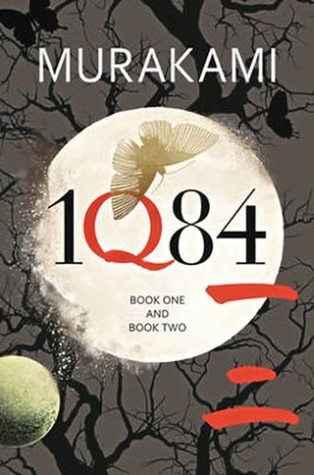
"1Q84 #1-2" weaves together the parallel narratives of Aomame, a fitness instructor who becomes an assassin targeting abusers, and Tengo, a math teacher tasked with rewriting a mysterious manuscript. As their worlds subtly yet inexorably intersect, they uncover a hidden reality, a temporal and dimensional shift signified by the appearance of two moons, and confront a secretive cult and other unseen forces seemingly manipulating events.
This epic shares "Dance Dance Dance"'s hallmark fusion of the mundane and the surreal. Both protagonists are drawn into intricate conspiracies and existential quests, grappling with identity and the nature of reality. The search for a missing girlfriend mirrors Tengo's entanglement with a vanishing author, and the exploration of a shadowy organization echoes the Sheep Man's cryptic pronouncements and deeper universal questions.
The intricate plotting, richly drawn characters, and philosophical undertones offer a deeply immersive experience. The exploration of free will, societal control, and the search for authentic connection in a disorienting world provides intellectual and emotional resonance, making it a compelling journey for those who appreciate literary depth and a touch of the extraordinary.
1Q84 #1-2
"1Q84 #1-2" weaves together the parallel narratives of Aomame, a fitness instructor who becomes an assassin targeting abusers, and Tengo, a math teacher tasked with rewriting a mysterious manuscript. As their worlds subtly yet inexorably intersect, they uncover a hidden reality, a temporal and dimensional shift signified by the appearance of two moons, and confront a secretive cult and other unseen forces seemingly manipulating events.
This epic shares "Dance Dance Dance"'s hallmark fusion of the mundane and the surreal. Both protagonists are drawn into intricate conspiracies and existential quests, grappling with identity and the nature of reality. The search for a missing girlfriend mirrors Tengo's entanglement with a vanishing author, and the exploration of a shadowy organization echoes the Sheep Man's cryptic pronouncements and deeper universal questions.
The intricate plotting, richly drawn characters, and philosophical undertones offer a deeply immersive experience. The exploration of free will, societal control, and the search for authentic connection in a disorienting world provides intellectual and emotional resonance, making it a compelling journey for those who appreciate literary depth and a touch of the extraordinary.
The Wind-Up Bird Chronicle

"The Wind-Up Bird Chronicle" follows Toru Okada, an unemployed man whose seemingly mundane life unravels following the disappearance of his wife and cat. His search leads him down a rabbit hole of bizarre encounters, including psychic mediums, a former torturer, and a well in his backyard that seems to be a portal to parallel realities and fragmented memories of WWII atrocities. It’s a surreal yet deeply introspective journey into trauma, memory, and the hidden currents beneath everyday existence.
The similarity to "Dance Dance Dance" lies in their shared exploration of protagonists grappling with unsettling mysteries that pull them out of their conventional lives. Both feature a melancholic, somewhat detached male lead who stumbles into an increasingly surreal landscape populated by enigmatic characters. The narratives unfold with a dreamlike logic, blurring the lines between reality and the subconscious, and confronting the protagonists with unresolved pasts and existential questions.
This novel offers profound insights into the human mind's capacity for processing trauma and the elusive nature of truth. It provides a masterclass in weaving complex narratives and symbolizes the hidden connections that bind individuals and generations. The intricate layering of seemingly disparate elements into a cohesive, thought-provoking whole makes for a uniquely immersive and intellectually stimulating experience.
The Wind-Up Bird Chronicle
"The Wind-Up Bird Chronicle" follows Toru Okada, an unemployed man whose seemingly mundane life unravels following the disappearance of his wife and cat. His search leads him down a rabbit hole of bizarre encounters, including psychic mediums, a former torturer, and a well in his backyard that seems to be a portal to parallel realities and fragmented memories of WWII atrocities. It’s a surreal yet deeply introspective journey into trauma, memory, and the hidden currents beneath everyday existence.
The similarity to "Dance Dance Dance" lies in their shared exploration of protagonists grappling with unsettling mysteries that pull them out of their conventional lives. Both feature a melancholic, somewhat detached male lead who stumbles into an increasingly surreal landscape populated by enigmatic characters. The narratives unfold with a dreamlike logic, blurring the lines between reality and the subconscious, and confronting the protagonists with unresolved pasts and existential questions.
This novel offers profound insights into the human mind's capacity for processing trauma and the elusive nature of truth. It provides a masterclass in weaving complex narratives and symbolizes the hidden connections that bind individuals and generations. The intricate layering of seemingly disparate elements into a cohesive, thought-provoking whole makes for a uniquely immersive and intellectually stimulating experience.
South of the Border, West of the Sun

"South of the Border, West of the Sun" delves into the intricate emotional landscape of Hajime, a successful jazz club owner whose placid adult life is disrupted by the unexpected re-entry of an enigmatic childhood sweetheart, Shimamoto. Through their rekindled connection, the novel explores themes of memory, lost innocence, and the elusive nature of destiny, as Hajime grapples with the choices he’s made and the life he might have lived. It’s a meditative journey into the profound impact of past relationships on present identity.
The similarity to "Dance Dance Dance" lies in their shared exploration of characters grappling with a sense of existential unease and the search for meaning in a seemingly modern, yet alienated, world. Both novels feature protagonists drawn back into mysterious past connections, navigating unsettling encounters, and confronting internal voids that external success cannot fill. They both portray a subtle, melancholic atmosphere and a reflective tone, even as strange events unfold.
This novel will appeal to those who appreciate introspective character studies and stories where the inner lives of individuals are meticulously dissected. Its understated prose and evocative atmosphere offer a resonant experience for anyone contemplating the indelible marks of first loves, the roads not taken, and the lingering questions that shape our personal narratives. It provides a nuanced look at the search for authenticity within the complexities of adulthood.
South of the Border, West of the Sun
"South of the Border, West of the Sun" delves into the intricate emotional landscape of Hajime, a successful jazz club owner whose placid adult life is disrupted by the unexpected re-entry of an enigmatic childhood sweetheart, Shimamoto. Through their rekindled connection, the novel explores themes of memory, lost innocence, and the elusive nature of destiny, as Hajime grapples with the choices he’s made and the life he might have lived. It’s a meditative journey into the profound impact of past relationships on present identity.
The similarity to "Dance Dance Dance" lies in their shared exploration of characters grappling with a sense of existential unease and the search for meaning in a seemingly modern, yet alienated, world. Both novels feature protagonists drawn back into mysterious past connections, navigating unsettling encounters, and confronting internal voids that external success cannot fill. They both portray a subtle, melancholic atmosphere and a reflective tone, even as strange events unfold.
This novel will appeal to those who appreciate introspective character studies and stories where the inner lives of individuals are meticulously dissected. Its understated prose and evocative atmosphere offer a resonant experience for anyone contemplating the indelible marks of first loves, the roads not taken, and the lingering questions that shape our personal narratives. It provides a nuanced look at the search for authenticity within the complexities of adulthood.
In the Miso Soup
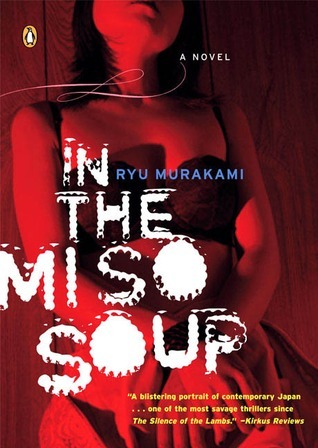
"In the Miso Soup" introduces Kenji, a young Japanese tour guide navigating the seedy underbelly of Tokyo's nightlife during the New Year's holiday. His latest client is Frank, a seemingly ordinary American whose increasingly erratic and disturbing behavior suggests a darker, possibly psychopathic nature. Kenji's initial unease escalates into a terrifying realization that he's become entangled with a potential serial killer, forcing him to confront both his own complicity and the chilling reality of human depravity.
The similarity to "Dance Dance Dance" lies in their shared exploration of urban ennui, profound alienation, and the search for authentic connection within a superficially detached modern society. Both novels feature protagonists drawn into unsettling circumstances that force them to confront disturbing truths about themselves and the shadowy aspects of contemporary life. The subtly building dread and the journey into psychological discomfort resonate strongly between the two.
This novel will appeal to those who appreciate a meticulously crafted psychological thriller that delves into the unsettling aspects of human nature and societal decay. Its value lies in its unflinching portrayal of urban alienation and the insidious nature of evil, offering a thought-provoking examination of perception, reality, and the pervasive potential for darkness beneath a polite surface.
In the Miso Soup
"In the Miso Soup" introduces Kenji, a young Japanese tour guide navigating the seedy underbelly of Tokyo's nightlife during the New Year's holiday. His latest client is Frank, a seemingly ordinary American whose increasingly erratic and disturbing behavior suggests a darker, possibly psychopathic nature. Kenji's initial unease escalates into a terrifying realization that he's become entangled with a potential serial killer, forcing him to confront both his own complicity and the chilling reality of human depravity.
The similarity to "Dance Dance Dance" lies in their shared exploration of urban ennui, profound alienation, and the search for authentic connection within a superficially detached modern society. Both novels feature protagonists drawn into unsettling circumstances that force them to confront disturbing truths about themselves and the shadowy aspects of contemporary life. The subtly building dread and the journey into psychological discomfort resonate strongly between the two.
This novel will appeal to those who appreciate a meticulously crafted psychological thriller that delves into the unsettling aspects of human nature and societal decay. Its value lies in its unflinching portrayal of urban alienation and the insidious nature of evil, offering a thought-provoking examination of perception, reality, and the pervasive potential for darkness beneath a polite surface.
1Q84
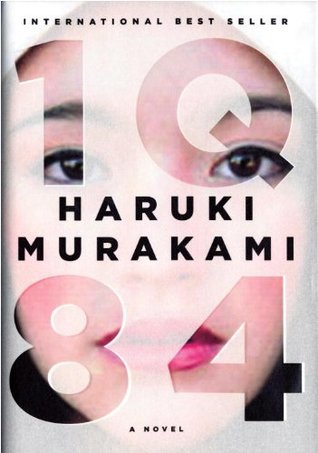
"1Q84" weaves a sprawling narrative through parallel realities, following Aomame, an assassin who notices subtle discrepancies in her Tokyo, and Tengo, a math teacher tasked with rewriting a mysterious manuscript. Their lives, seemingly disparate, become inextricably linked by a shared strangeness, hinting at a world beyond our immediate perception and a deeper conspiracy at play.
The parallels with "Dance Dance Dance" are striking in their exploration of liminal spaces and the search for meaning within disillusionment. Both novels feature protagonists navigating a surreal, interconnected world, driven by a gnawing sense of loss and the pursuit of elusive truths. The lingering presence of enigmatic women, the undercurrent of psychological detachment, and the slow reveal of a larger, often unsettling reality form a core thematic bond.
This novel offers an immersive reading experience, drawing one into its meticulously crafted alternate realities and philosophical inquiries. Its intricate plotting and profound character studies resonate long after the final page, prompting contemplation on themes of fate, free will, and the nature of reality itself.
1Q84
"1Q84" weaves a sprawling narrative through parallel realities, following Aomame, an assassin who notices subtle discrepancies in her Tokyo, and Tengo, a math teacher tasked with rewriting a mysterious manuscript. Their lives, seemingly disparate, become inextricably linked by a shared strangeness, hinting at a world beyond our immediate perception and a deeper conspiracy at play.
The parallels with "Dance Dance Dance" are striking in their exploration of liminal spaces and the search for meaning within disillusionment. Both novels feature protagonists navigating a surreal, interconnected world, driven by a gnawing sense of loss and the pursuit of elusive truths. The lingering presence of enigmatic women, the undercurrent of psychological detachment, and the slow reveal of a larger, often unsettling reality form a core thematic bond.
This novel offers an immersive reading experience, drawing one into its meticulously crafted alternate realities and philosophical inquiries. Its intricate plotting and profound character studies resonate long after the final page, prompting contemplation on themes of fate, free will, and the nature of reality itself.
More Books to Explore
Discover more titles that expand on these ideas and themes.
Sleep
A Wild Sheep Chase
Sputnik Sweetheart
After Dark
Norwegian Wood
1Q84 #1-2