10 Books Similar to "Crime"
by Irvine Welsh

Filth
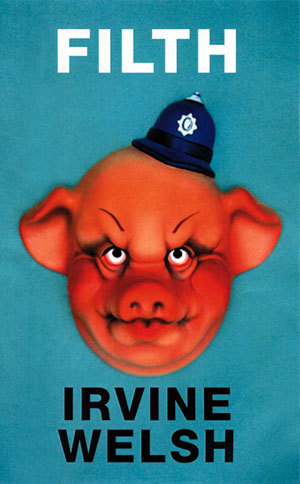
*Filth* centers on Bruce Robertson, a corrupt, coke-addicted, sexually predatory detective sergeant in Edinburgh. The narrative unfolds through his increasingly deranged internal monologue as he navigates a murder investigation and connives for promotion, all while battling his inner demons personified as a tapeworm. It's a dark, unflinching psychological portrait of a truly detestable character on a spiral of self-destruction.
The similarity to *Crime* lies primarily in Irvine Welsh's unflinching exploration of deeply flawed, often morally repugnant protagonists within a gritty, urban Scottish landscape. Both novels delve into the psyches of individuals pushed to extreme behaviors, examining themes of addiction, violence, and the corrosive effects of trauma. The narratives are visceral, challenging, and demand engagement with uncomfortable truths, a hallmark of Welsh's style in both works.
This book appeals to those who appreciate courageous, boundary-pushing fiction that doesn't shy away from the darkest aspects of the human condition. It offers a profound, if disturbing, insight into the consequences of unchecked depravity and personal decay, serving as a powerful character study that transcends simple shock value. It's a valuable read for its unflinching psychological depth and its raw, uncompromising narrative voice.
Filth
*Filth* centers on Bruce Robertson, a corrupt, coke-addicted, sexually predatory detective sergeant in Edinburgh. The narrative unfolds through his increasingly deranged internal monologue as he navigates a murder investigation and connives for promotion, all while battling his inner demons personified as a tapeworm. It's a dark, unflinching psychological portrait of a truly detestable character on a spiral of self-destruction.
The similarity to *Crime* lies primarily in Irvine Welsh's unflinching exploration of deeply flawed, often morally repugnant protagonists within a gritty, urban Scottish landscape. Both novels delve into the psyches of individuals pushed to extreme behaviors, examining themes of addiction, violence, and the corrosive effects of trauma. The narratives are visceral, challenging, and demand engagement with uncomfortable truths, a hallmark of Welsh's style in both works.
This book appeals to those who appreciate courageous, boundary-pushing fiction that doesn't shy away from the darkest aspects of the human condition. It offers a profound, if disturbing, insight into the consequences of unchecked depravity and personal decay, serving as a powerful character study that transcends simple shock value. It's a valuable read for its unflinching psychological depth and its raw, uncompromising narrative voice.
A Decent Ride

*A Decent Ride* follows the riotous misadventures of Juiceman, a notorious Edinburgh Lothario, as he navigates a catastrophic sexual encounter and its subsequent aftermath. It's a darkly comedic romp through the city's underbelly, focusing on Juiceman's frantic attempts to escape responsibility and maintain his dubious reputation amidst escalating chaos and the pursuit of justice by a ruthless gang.
The similarity to *Crime* lies in Welsh's unflinching portrayal of morally ambiguous characters within a gritty, urban landscape. Both novels delve into the consequences of hedonism and violence, filtered through a distinctly Scottish working-class lens. They share a raw, visceral narrative style, replete with authentic dialect and an uncompromising exploration of human depravity, albeit with *A Decent Ride* leaning heavily into black humor.
This book offers a compelling deep dive into anti-heroic psychology, presenting a protagonist whose flaws are as captivating as they are repellent. It provides a cathartic and often hilarious escape into a world of extreme, yet strangely relatable, human folly, challenging conventional notions of morality and responsibility in a thought-provoking manner.
A Decent Ride
*A Decent Ride* follows the riotous misadventures of Juiceman, a notorious Edinburgh Lothario, as he navigates a catastrophic sexual encounter and its subsequent aftermath. It's a darkly comedic romp through the city's underbelly, focusing on Juiceman's frantic attempts to escape responsibility and maintain his dubious reputation amidst escalating chaos and the pursuit of justice by a ruthless gang.
The similarity to *Crime* lies in Welsh's unflinching portrayal of morally ambiguous characters within a gritty, urban landscape. Both novels delve into the consequences of hedonism and violence, filtered through a distinctly Scottish working-class lens. They share a raw, visceral narrative style, replete with authentic dialect and an uncompromising exploration of human depravity, albeit with *A Decent Ride* leaning heavily into black humor.
This book offers a compelling deep dive into anti-heroic psychology, presenting a protagonist whose flaws are as captivating as they are repellent. It provides a cathartic and often hilarious escape into a world of extreme, yet strangely relatable, human folly, challenging conventional notions of morality and responsibility in a thought-provoking manner.
Reheated Cabbage

"Reheated Cabbage" is a collection of shorter works—stories, novellas, and some non-fiction—drawn from Irvine Welsh's earlier career. It offers a multifaceted, often raw, look at the underbelly of society, exploring themes of addiction, marginalization, and the search for identity amidst squalor. The prose is typically unforgiving, drenched in working-class Scottish idiom, and unflinchingly direct.
The parallels with "Crime" are strong, primarily in their thematic concerns and narrative voice. Both books
Reheated Cabbage
"Reheated Cabbage" is a collection of shorter works—stories, novellas, and some non-fiction—drawn from Irvine Welsh's earlier career. It offers a multifaceted, often raw, look at the underbelly of society, exploring themes of addiction, marginalization, and the search for identity amidst squalor. The prose is typically unforgiving, drenched in working-class Scottish idiom, and unflinchingly direct.
The parallels with "Crime" are strong, primarily in their thematic concerns and narrative voice. Both books
Dead Men's Trousers
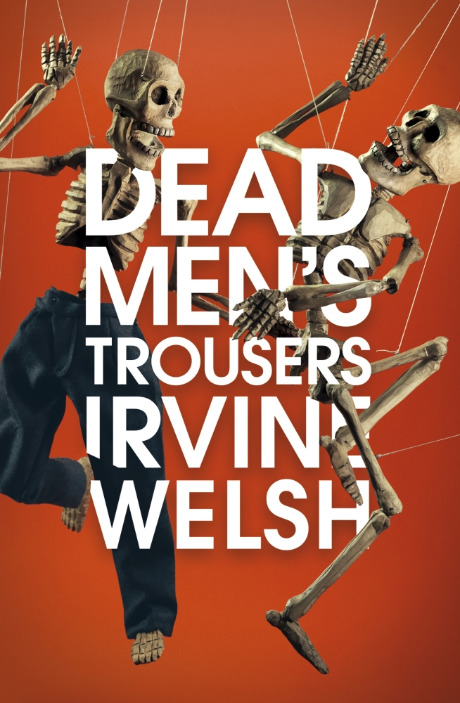
"Dead Men's Trousers" revisits Mark Renton, now a successful international DJ, whose hedonistic lifestyle is disrupted by a near-fatal accident. This forces him back to Edinburgh and into uncomfortable proximity with his past and its unshakeable figures, Spud, Sick Boy, and Begbie, as they navigate their own middle-aged miseries and schemes.
It shares its DNA with "Crime" through its unflinching portrayal of deeply flawed characters grappling with past trauma and the ongoing consequences of their choices. Both novels delve into the seedy underbelly of society, exploring themes of redemption, addiction, and the corrosive nature of friendship with Welsh's signature graphic intensity.
This novel will appeal to those who appreciate a no-holds-barred exploration of human nature, particularly the enduring impact of personal history and the struggle for self-reinvention. Its value lies in its sharp social commentary, dark humor, and the raw, authentic voice it lends to characters often marginalized in literature.
Dead Men's Trousers
"Dead Men's Trousers" revisits Mark Renton, now a successful international DJ, whose hedonistic lifestyle is disrupted by a near-fatal accident. This forces him back to Edinburgh and into uncomfortable proximity with his past and its unshakeable figures, Spud, Sick Boy, and Begbie, as they navigate their own middle-aged miseries and schemes.
It shares its DNA with "Crime" through its unflinching portrayal of deeply flawed characters grappling with past trauma and the ongoing consequences of their choices. Both novels delve into the seedy underbelly of society, exploring themes of redemption, addiction, and the corrosive nature of friendship with Welsh's signature graphic intensity.
This novel will appeal to those who appreciate a no-holds-barred exploration of human nature, particularly the enduring impact of personal history and the struggle for self-reinvention. Its value lies in its sharp social commentary, dark humor, and the raw, authentic voice it lends to characters often marginalized in literature.
The Blade Artist

*The Blade Artist* follows the reformed psychopath and *Trainspotting* character, Francis Begbie, as he attempts to build a new life as a successful artist in California. His carefully constructed facade crumbles when he’s forced to confront his violent past back in Scotland, dragging dormant rage and primal urges back to the surface. It’s a brutal exploration of identity, legacy, and the potential for rehabilitation against overwhelming odds.
The books share Welsh's signature unflinching dive into the darkest corners of the human psyche, particularly through the lens of deeply flawed male protagonists grappling with their innate destructiveness. Both "Crime" and "The Blade Artist" dissect the internal landscape of men prone to violence, exploring the origins and potential albeit fragile transcendence of their aggression, frequently against a backdrop of societal decay and personal trauma.
This novel will appeal to those who appreciate a raw, psychologically astute examination of nature versus nurture, and the enduring grip of past trauma. It offers a compelling, albeit disturbing, insight into the possibility of change, the allure of violence, and the enduring consequences of one's actions, making it a valuable read for its thematic depth and intense character study.
The Blade Artist
*The Blade Artist* follows the reformed psychopath and *Trainspotting* character, Francis Begbie, as he attempts to build a new life as a successful artist in California. His carefully constructed facade crumbles when he’s forced to confront his violent past back in Scotland, dragging dormant rage and primal urges back to the surface. It’s a brutal exploration of identity, legacy, and the potential for rehabilitation against overwhelming odds.
The books share Welsh's signature unflinching dive into the darkest corners of the human psyche, particularly through the lens of deeply flawed male protagonists grappling with their innate destructiveness. Both "Crime" and "The Blade Artist" dissect the internal landscape of men prone to violence, exploring the origins and potential albeit fragile transcendence of their aggression, frequently against a backdrop of societal decay and personal trauma.
This novel will appeal to those who appreciate a raw, psychologically astute examination of nature versus nurture, and the enduring grip of past trauma. It offers a compelling, albeit disturbing, insight into the possibility of change, the allure of violence, and the enduring consequences of one's actions, making it a valuable read for its thematic depth and intense character study.
Glue

"Glue" by Irvine Welsh chronicles the interconnected lives of four working-class boys from Edinburgh through their childhood, adolescence, and adulthood, showcasing the enduring bonds of friendship forged amidst challenging social circumstances. It explores themes of identity, loyalty, addiction, and the often-grim realities of growing up in a specific, marginalized corner of Britain.
The similarities to "Crime" are rooted in Welsh's signature style and thematic preoccupations. Both novels delve into the dark underbelly of Scottish society, portraying flawed but deeply human characters navigating a world saturated with casual violence, substance abuse, and existential angst. The raw, unflinching depiction of working-class life, coupled with a keen eye for psychological detail and a distinctive vernacular, creates a palpable sense of place and authenticity in both works.
This novel will resonate with those who appreciate authentic, gritty portrayals of human experience. It offers a powerful exploration of how environment shapes character and the complex, often contradictory nature of human relationships. Its unflinching honesty and vibrant, albeit often bleak, narrative provide valuable insights into social dynamics and the resilience of the human spirit.
Glue
"Glue" by Irvine Welsh chronicles the interconnected lives of four working-class boys from Edinburgh through their childhood, adolescence, and adulthood, showcasing the enduring bonds of friendship forged amidst challenging social circumstances. It explores themes of identity, loyalty, addiction, and the often-grim realities of growing up in a specific, marginalized corner of Britain.
The similarities to "Crime" are rooted in Welsh's signature style and thematic preoccupations. Both novels delve into the dark underbelly of Scottish society, portraying flawed but deeply human characters navigating a world saturated with casual violence, substance abuse, and existential angst. The raw, unflinching depiction of working-class life, coupled with a keen eye for psychological detail and a distinctive vernacular, creates a palpable sense of place and authenticity in both works.
This novel will resonate with those who appreciate authentic, gritty portrayals of human experience. It offers a powerful exploration of how environment shapes character and the complex, often contradictory nature of human relationships. Its unflinching honesty and vibrant, albeit often bleak, narrative provide valuable insights into social dynamics and the resilience of the human spirit.
Skagboys
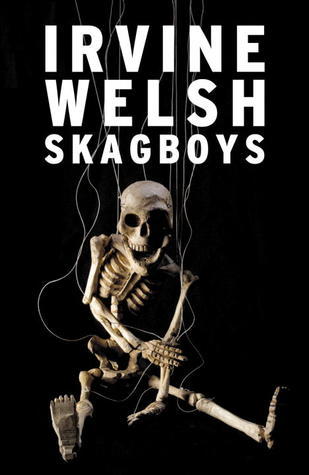
"Skagboys" serves as a prequel to Welsh's iconic "Trainspotting," tracing the formative years of Renton, Sick Boy, Begbie, and Spud in 1980s Edinburgh. It meticulously details their descent into heroin addiction and the social and political landscape — Thatcherism, unemployment, cultural upheaval — that fueled their disillusionment and destructive choices. The narrative explores the camaraderie, rivalries, and eventual fracturing of their relationships against a backdrop of increasing squalor and desperation.
The similarity to "Crime" lies in both books' unflinching excavation of societal malaise through the lens of individual transgression and addiction. While "Crime" focuses on a police officer’s personal and moral collapse intertwined with a child abduction, "Skagboys" similarly explores the origins of profound moral and ethical decay within a group of young men. Both novels dissect the human condition at its most vulnerable and depraved, employing Welsh's signature raw, visceral prose and a deep understanding of the underbelly of society.
This novel will appeal to those who appreciate gritty, character-driven studies of social dysfunction and the human cost of systemic neglect and addiction. It offers a vital prequel that deepens understanding of beloved, if flawed, characters, providing context for their future actions and illuminating the socio-economic forces that shaped their fates. Its value lies in its potent social commentary and its exploration of the complex interplay between individual choices and societal pressures.
Skagboys
"Skagboys" serves as a prequel to Welsh's iconic "Trainspotting," tracing the formative years of Renton, Sick Boy, Begbie, and Spud in 1980s Edinburgh. It meticulously details their descent into heroin addiction and the social and political landscape — Thatcherism, unemployment, cultural upheaval — that fueled their disillusionment and destructive choices. The narrative explores the camaraderie, rivalries, and eventual fracturing of their relationships against a backdrop of increasing squalor and desperation.
The similarity to "Crime" lies in both books' unflinching excavation of societal malaise through the lens of individual transgression and addiction. While "Crime" focuses on a police officer’s personal and moral collapse intertwined with a child abduction, "Skagboys" similarly explores the origins of profound moral and ethical decay within a group of young men. Both novels dissect the human condition at its most vulnerable and depraved, employing Welsh's signature raw, visceral prose and a deep understanding of the underbelly of society.
This novel will appeal to those who appreciate gritty, character-driven studies of social dysfunction and the human cost of systemic neglect and addiction. It offers a vital prequel that deepens understanding of beloved, if flawed, characters, providing context for their future actions and illuminating the socio-economic forces that shaped their fates. Its value lies in its potent social commentary and its exploration of the complex interplay between individual choices and societal pressures.
If You Liked School, You'll Love Work

"If You Liked School, You'll Love Work" is a collection of gritty, satirical short stories and novellas that dissect the absurdities and hypocrisies of modern life, particularly focusing on themes of class, disillusionment, and the often-bleak realities of socio-economic struggle. Welsh employs his characteristic raw language and dark humor to expose the underbelly of societal expectations and individual malaise.
The collection echoes "Crime" in its unflinching portrayal of human depravity and the corrosive effects of addiction and despair. Both works delve into the psyche of individuals pushed to their limits by external pressures and internal demons, showcasing a similar narrative style that's visceral, challenging, and often darkly comedic. The pervasive sense of lives on the margins, grappling with profound moral dilemmas, connects these two parts of Welsh's bibliography.
This book will appeal to those who appreciate a no-holds-barred exploration of contemporary society. Its value lies in its candid critique of societal structures and the human condition, offering a provocative and often unsettling mirror to our own world. It's a valuable read for anyone seeking narratives that are both entertaining and intellectually stimulating, compelling them to confront uncomfortable truths without sugarcoating.
If You Liked School, You'll Love Work
"If You Liked School, You'll Love Work" is a collection of gritty, satirical short stories and novellas that dissect the absurdities and hypocrisies of modern life, particularly focusing on themes of class, disillusionment, and the often-bleak realities of socio-economic struggle. Welsh employs his characteristic raw language and dark humor to expose the underbelly of societal expectations and individual malaise.
The collection echoes "Crime" in its unflinching portrayal of human depravity and the corrosive effects of addiction and despair. Both works delve into the psyche of individuals pushed to their limits by external pressures and internal demons, showcasing a similar narrative style that's visceral, challenging, and often darkly comedic. The pervasive sense of lives on the margins, grappling with profound moral dilemmas, connects these two parts of Welsh's bibliography.
This book will appeal to those who appreciate a no-holds-barred exploration of contemporary society. Its value lies in its candid critique of societal structures and the human condition, offering a provocative and often unsettling mirror to our own world. It's a valuable read for anyone seeking narratives that are both entertaining and intellectually stimulating, compelling them to confront uncomfortable truths without sugarcoating.
Marabou Stork Nightmares

"Marabou Stork Nightmares" plunges into the fragmented consciousness of Roy Strang, a man comatose after a brutal assault. His mind navigates a bizarre, semi-lucid fantasy of hunting a monstrous Marabou Stork in a nightmarish African landscape, intertwining with harsh memories of his Scottish upbringing, abuse, and increasingly disturbing acts of violence he perpetrated. The narrative gradually pieces together the dark truths of his past and the horrifying catalyst for his current state.
Both "Marabou Stork Nightmares" and "Crime" delve deeply into the psychological repercussions of trauma and abuse, exploring how these experiences deform individuals and perpetuate cycles of violence. Welsh's signature unflinching portrayal of working-class Scottish life, explicit language, and exploration of moral decay are central to both novels, dissecting the brokenness within and the societal factors that contribute to it.
This book will appeal to those who appreciate a challenging, introspective narrative that doesn't shy away from uncomfortable truths. Its value lies in its raw exploration of culpability, the lasting impact of childhood trauma, and the complex psychological landscapes of characters driven to extreme acts. It offers a profound, if disturbing, examination of human nature and the capacity for both suffering and inflicting horrific pain.
Marabou Stork Nightmares
"Marabou Stork Nightmares" plunges into the fragmented consciousness of Roy Strang, a man comatose after a brutal assault. His mind navigates a bizarre, semi-lucid fantasy of hunting a monstrous Marabou Stork in a nightmarish African landscape, intertwining with harsh memories of his Scottish upbringing, abuse, and increasingly disturbing acts of violence he perpetrated. The narrative gradually pieces together the dark truths of his past and the horrifying catalyst for his current state.
Both "Marabou Stork Nightmares" and "Crime" delve deeply into the psychological repercussions of trauma and abuse, exploring how these experiences deform individuals and perpetuate cycles of violence. Welsh's signature unflinching portrayal of working-class Scottish life, explicit language, and exploration of moral decay are central to both novels, dissecting the brokenness within and the societal factors that contribute to it.
This book will appeal to those who appreciate a challenging, introspective narrative that doesn't shy away from uncomfortable truths. Its value lies in its raw exploration of culpability, the lasting impact of childhood trauma, and the complex psychological landscapes of characters driven to extreme acts. It offers a profound, if disturbing, examination of human nature and the capacity for both suffering and inflicting horrific pain.
The Sex Lives of Siamese Twins

"The Sex Lives of Siamese Twins" follows Lucy Brennan, a fitness instructor who becomes entangled in the life of a severely obese, housebound client, Lena, after a fateful intervention during a suicide attempt. The narrative explores themes of identity, control, and the blurry lines between helper and abuser, all set against a backdrop of dark humor and psychological manipulation in Miami.
The similarity to "Crime" lies in Welsh's unflinching exploration of morally ambiguous characters and the psychological depths of depravity. Both novels feature protagonists pushed to extreme behaviors, confronting their own darkness and the societal underbelly. The raw, visceral portrayal of obsession and the consequences of trauma are hallmarks shared by both works.
This novel will appeal to those who appreciate Welsh's signature style: gritty realism intertwined with uncomfortable truths. It offers a piercing commentary on human desperation and the seductive nature of power dynamics, proving valuable for its bold critique of contemporary society and its unflinching look at the human psyche.
The Sex Lives of Siamese Twins
"The Sex Lives of Siamese Twins" follows Lucy Brennan, a fitness instructor who becomes entangled in the life of a severely obese, housebound client, Lena, after a fateful intervention during a suicide attempt. The narrative explores themes of identity, control, and the blurry lines between helper and abuser, all set against a backdrop of dark humor and psychological manipulation in Miami.
The similarity to "Crime" lies in Welsh's unflinching exploration of morally ambiguous characters and the psychological depths of depravity. Both novels feature protagonists pushed to extreme behaviors, confronting their own darkness and the societal underbelly. The raw, visceral portrayal of obsession and the consequences of trauma are hallmarks shared by both works.
This novel will appeal to those who appreciate Welsh's signature style: gritty realism intertwined with uncomfortable truths. It offers a piercing commentary on human desperation and the seductive nature of power dynamics, proving valuable for its bold critique of contemporary society and its unflinching look at the human psyche.
More Books to Explore
Discover more titles that expand on these ideas and themes.
Filth
A Decent Ride
Reheated Cabbage
Dead Men's Trousers
The Blade Artist
Glue