
Crime
Book Description
A gritty underworld of betrayal and obsession unfolds as a once-idealistic police officer spirals into a dark abyss of crime and desire. Caught between his professional duty and the seductive pull of illicit passion, loyalties shatter and secrets simmer beneath the surface. In the shadowy alleys of Edinburgh, the lines between right and wrong blur, setting the stage for a tense showdown that will unravel everything. Trust is a fragile commodity, and every choice has a cost. Will redemption be possible in a world where desire drives the darkest impulses?
Quick Book Summary
"Crime" by Irvine Welsh dives into the turbulent life of Ray Lennox, a Scottish detective battling personal demons as he navigates the underbelly of crime in Edinburgh. Haunted by the trauma of past cases and struggling with addiction, Lennox seeks escape but is drawn into a web of betrayal, manipulation, and obsession. While investigating a disturbing case that tests the boundaries of law and morality, Lennox becomes entangled in a world where desire and justice collide. As he grapples with fractured loyalties—both to his duty and to himself—he is forced to confront haunting truths about human nature and his own vulnerabilities. The novel unflinchingly explores the psychological toll of crime, the consequences of obsession, and the elusive hope for redemption amid darkness.





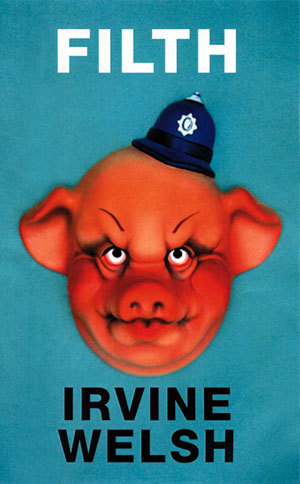
Summary of Key Ideas
Table of Contents
Moral Ambiguity in Law Enforcement
Ray Lennox, once an idealistic detective, stands at a crossroads marked by personal and professional breakdowns. After a harrowing investigation involving child abuse, Lennox attempts to find solace and peace away from Edinburgh, but the ghosts of his past follow him. Wrestling with substance abuse and his own guilt, he spirals deeper into psychological distress, making him increasingly vulnerable to the shadows that have always haunted him.
The Psychological Cost of Trauma
Drawn back into the world of crime, Lennox becomes obsessed with a case that mirrors his inner turmoil. His pursuit of justice is tinged with the lure of forbidden desire and the magnetic pull of the criminal world. The lines between his professional duty and personal vendettas blur, leading him to questionable choices and risky encounters that threaten not just his career, but his sanity. Every action, motivated by a cocktail of compulsion and conviction, draws him nearer to moral collapse.
Obsession, Desire, and Self-Destruction
Loyalties in Lennox’s world are as fragile as the trust he has in himself. Betrayals—both personal and systemic—fracture his relationships and force him to confront the darkness inherent in law enforcement. Welsh depicts the police as neither saints nor sinners, but as flawed individuals susceptible to both corruption and heroism. This duality is embodied in Lennox’s interactions with colleagues and criminals alike, deepening the sense of uncertainty and tension throughout.
Blurred Lines Between Victim and Perpetrator
As the case intensifies, the distinction between victim and perpetrator becomes increasingly ambiguous. Lennox is forced to empathize with those society has written off while battling his own impulses. The theme of obsession threads through his descent, highlighting how desire—whether for justice, escape, or connection—can be both motivating and destructive. Welsh crafts a portrait of Edinburgh as a gritty landscape shaped by secrecy, violence, and the ever-present risk of crossing ethical lines.
The Possibility of Redemption
Redemption remains a distant but persistent possibility. The novel closes with Lennox confronting his limitations and seeking a path out of the darkness, suggesting that while the scars of trauma and moral compromise may never fully heal, there is value in the struggle for self-forgiveness. "Crime" refuses to offer easy answers but delivers a riveting meditation on the costs and consequences of confronting evil—both in society and within oneself.
Download This Summary
Get a free PDF of this summary instantly — no email required.