10 Books Similar to "Brave, Not Perfect: Fear Less, Fail More, and Live Bolder"
by Reshma Saujani
The Gifts of Imperfection

"The Gifts of Imperfection" by Brené Brown is a powerful exploration of how embracing our perceived flaws and vulnerabilities can unlock a more fulfilling and authentic life. Brown, a research professor, meticulously analyzes the cultural pressures for perfection and the shame that often accompanies our attempts to meet these unattainable standards. She advocates for "wholehearted living," a practice built on courage, compassion, and connection, encouraging us to recognize that our imperfections are not weaknesses but pathways to genuine strength and belonging. It’s a call to move beyond self-judgment and cultivate self-worth.
This book shares significant thematic overlap with "Brave, Not Perfect: Fear Less, Fail More, and Live Bolder." Both authors challenge the pervasive societal expectation for women, in particular, to be perfect and agreeable. Saujani emphasizes bravery over perfection, encouraging risk-taking and learning from failure. Brown similarly liberates readers from the debilitating pursuit of an idealized self, promoting self-acceptance and the courage to show up authentically, even with perceived imperfections. Both works champion a shift from external validation to internal strength.
The book will appeal to individuals seeking to break free from the exhausting cycle of striving for an unattainable ideal. It offers practical insights and a compassionate framework for cultivating self-worth, fostering resilience, and building more meaningful connections. For anyone struggling with self-doubt, shame, or the pressure to perform, Brown's research-backed insights provide a comforting and empowering roadmap toward a more authentic and wholehearted existence.
The Gifts of Imperfection
"The Gifts of Imperfection" by Brené Brown is a powerful exploration of how embracing our perceived flaws and vulnerabilities can unlock a more fulfilling and authentic life. Brown, a research professor, meticulously analyzes the cultural pressures for perfection and the shame that often accompanies our attempts to meet these unattainable standards. She advocates for "wholehearted living," a practice built on courage, compassion, and connection, encouraging us to recognize that our imperfections are not weaknesses but pathways to genuine strength and belonging. It’s a call to move beyond self-judgment and cultivate self-worth.
This book shares significant thematic overlap with "Brave, Not Perfect: Fear Less, Fail More, and Live Bolder." Both authors challenge the pervasive societal expectation for women, in particular, to be perfect and agreeable. Saujani emphasizes bravery over perfection, encouraging risk-taking and learning from failure. Brown similarly liberates readers from the debilitating pursuit of an idealized self, promoting self-acceptance and the courage to show up authentically, even with perceived imperfections. Both works champion a shift from external validation to internal strength.
The book will appeal to individuals seeking to break free from the exhausting cycle of striving for an unattainable ideal. It offers practical insights and a compassionate framework for cultivating self-worth, fostering resilience, and building more meaningful connections. For anyone struggling with self-doubt, shame, or the pressure to perform, Brown's research-backed insights provide a comforting and empowering roadmap toward a more authentic and wholehearted existence.
Daring Greatly: How the Courage to Be Vulnerable Transforms the Way We Live, Love, Parent, and Lead
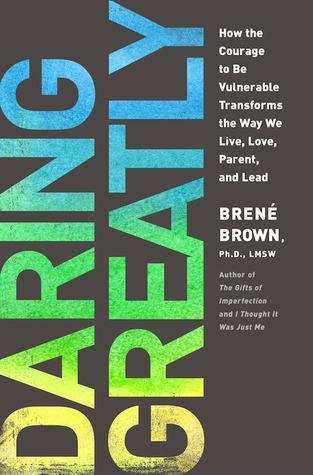
"Daring Greatly" explores the profound impact of vulnerability as a courageous act. Brené Brown argues that embracing our imperfections and allowing ourselves to be seen, truly seen, is essential for authentic connection, joy, and meaningful living. It challenges the societal conditioning to armor ourselves against shame and fear, advocating instead for wholehearted engagement with life's uncertainties.
This book resonates with "Brave, Not Perfect" by both championing the idea of moving beyond rigid perfectionism. Saujani's call to embrace imperfection and take risks aligns directly with Brown's assertion that vulnerability isn't weakness but the ultimate measure of courage. Both authors empower individuals to challenge deeply ingrained societal expectations and forge a more authentic path.
It offers a powerful framework for understanding and navigating the emotional landscape of human experience. It equips individuals with insights to foster deeper relationships, lead more effectively, and cultivate a sense of belonging. The exploration of shame, vulnerability, and courage provides a roadmap for greater emotional resilience and a more fulfilling life.
Daring Greatly: How the Courage to Be Vulnerable Transforms the Way We Live, Love, Parent, and Lead
"Daring Greatly" explores the profound impact of vulnerability as a courageous act. Brené Brown argues that embracing our imperfections and allowing ourselves to be seen, truly seen, is essential for authentic connection, joy, and meaningful living. It challenges the societal conditioning to armor ourselves against shame and fear, advocating instead for wholehearted engagement with life's uncertainties.
This book resonates with "Brave, Not Perfect" by both championing the idea of moving beyond rigid perfectionism. Saujani's call to embrace imperfection and take risks aligns directly with Brown's assertion that vulnerability isn't weakness but the ultimate measure of courage. Both authors empower individuals to challenge deeply ingrained societal expectations and forge a more authentic path.
It offers a powerful framework for understanding and navigating the emotional landscape of human experience. It equips individuals with insights to foster deeper relationships, lead more effectively, and cultivate a sense of belonging. The exploration of shame, vulnerability, and courage provides a roadmap for greater emotional resilience and a more fulfilling life.
Girl Wash your Face

"Girl, Wash Your Face" is a self-help phenomenon where Rachel Hollis dismantles common lies women tell themselves, such as "I'm not good enough" or "I'll start tomorrow." Through personal anecdotes and blunt, accessible advice, Hollis encourages readers to take responsibility for their happiness and pursue their dreams with unwavering determination, shedding self-doubt and societal expectations.
Both "Girl, Wash Your Face" and "Brave, Not Perfect" share a fundamental premise: challenging women to break free from self-imposed limitations and external pressures. They both advocate for a shift in mindset, moving away from the pursuit of unattainable perfection and towards embracing vulnerability, boldness, and the inevitability of failure as a path to growth and fulfillment.
This book resonates deeply because it offers a relatable, no-nonsense roadmap for personal transformation. Its message empowers individuals to dismantle self-sabotaging beliefs and actively construct a life aligned with their authentic desires, fostering a sense of agency and inspiring concrete steps towards self-improvement and audacious goal-setting.
Girl Wash your Face
"Girl, Wash Your Face" is a self-help phenomenon where Rachel Hollis dismantles common lies women tell themselves, such as "I'm not good enough" or "I'll start tomorrow." Through personal anecdotes and blunt, accessible advice, Hollis encourages readers to take responsibility for their happiness and pursue their dreams with unwavering determination, shedding self-doubt and societal expectations.
Both "Girl, Wash Your Face" and "Brave, Not Perfect" share a fundamental premise: challenging women to break free from self-imposed limitations and external pressures. They both advocate for a shift in mindset, moving away from the pursuit of unattainable perfection and towards embracing vulnerability, boldness, and the inevitability of failure as a path to growth and fulfillment.
This book resonates deeply because it offers a relatable, no-nonsense roadmap for personal transformation. Its message empowers individuals to dismantle self-sabotaging beliefs and actively construct a life aligned with their authentic desires, fostering a sense of agency and inspiring concrete steps towards self-improvement and audacious goal-setting.
Rising Strong: The Reckoning. The Rumble. The Revolution
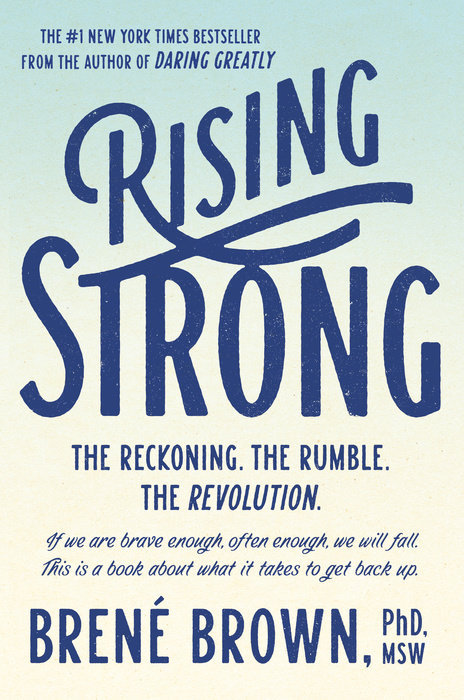
"Rising Strong" by Brené Brown explores the process of moving forward after emotional setbacks. It delves into the "reckoning"—the initial awareness of emotional triggers; the "rumble"—the honest self-reflection and ownership of our stories; and the "revolution"—emerging with greater wisdom and a stronger sense of self. Brown emphasizes the importance of acknowledging our emotions and actively engaging with our experiences to learn and grow.
This book resonates with "Brave, Not Perfect" because both advocate for a fundamental shift in mindset from striving for flawlessness to embracing vulnerability and imperfection. Both authors encourage individuals to step outside their comfort zones, acknowledging that failure and discomfort are integral to personal development and living a more authentic, fulfilling life. They challenge societal pressures to be "perfect" and instead champion courage and resilience.
Its appeal lies in its practical framework for processing shame, grief, and failure, offering concrete strategies for personal integration and resilience. The insights provide a valuable roadmap for anyone seeking to confront difficult emotions, understand their own narratives more deeply, and build the capacity to rise stronger from life's inevitable challenges, fostering a more self-compassionate and empowered existence.
Rising Strong: The Reckoning. The Rumble. The Revolution
"Rising Strong" by Brené Brown explores the process of moving forward after emotional setbacks. It delves into the "reckoning"—the initial awareness of emotional triggers; the "rumble"—the honest self-reflection and ownership of our stories; and the "revolution"—emerging with greater wisdom and a stronger sense of self. Brown emphasizes the importance of acknowledging our emotions and actively engaging with our experiences to learn and grow.
This book resonates with "Brave, Not Perfect" because both advocate for a fundamental shift in mindset from striving for flawlessness to embracing vulnerability and imperfection. Both authors encourage individuals to step outside their comfort zones, acknowledging that failure and discomfort are integral to personal development and living a more authentic, fulfilling life. They challenge societal pressures to be "perfect" and instead champion courage and resilience.
Its appeal lies in its practical framework for processing shame, grief, and failure, offering concrete strategies for personal integration and resilience. The insights provide a valuable roadmap for anyone seeking to confront difficult emotions, understand their own narratives more deeply, and build the capacity to rise stronger from life's inevitable challenges, fostering a more self-compassionate and empowered existence.
How to Be Enough: Self-Acceptance for Self-Critics and Perfectionists

"How to Be Enough" addresses the pervasive struggle of self-criticism and perfectionism, offering practical strategies to cultivate genuine self-acceptance. Dr. Hendriksen guides individuals through understanding the roots of their self-defeating habits, challenging unrealistic expectations, and ultimately embracing their authentic selves, flaws and all. It demystifies the path to greater contentment by providing actionable techniques for reframing negative thoughts and fostering self-compassion.
This book resonates strongly with "Brave, Not Perfect" because both champion the essential shift from striving for an unattainable ideal to embracing imperfection and courage. While Saujani focuses on embracing bravery over perfection in external action, Hendriksen delves into the internal battles against self-criticism that often *prevent* such bravery. Both titles empower individuals to shed the burden of unrealistic expectations and pursue a more authentic, fulfilling life.
The immediate appeal lies in its compassionate yet pragmatic approach to a widespread emotional challenge. For anyone feeling perpetually inadequate despite their best efforts, this book offers a clear roadmap out of the cycle of self-criticism. It provides actionable tools for building resilience, fostering a healthier inner dialogue, and ultimately achieving a profound sense of "enoughness," which is invaluable for personal peace and growth.
How to Be Enough: Self-Acceptance for Self-Critics and Perfectionists
"How to Be Enough" addresses the pervasive struggle of self-criticism and perfectionism, offering practical strategies to cultivate genuine self-acceptance. Dr. Hendriksen guides individuals through understanding the roots of their self-defeating habits, challenging unrealistic expectations, and ultimately embracing their authentic selves, flaws and all. It demystifies the path to greater contentment by providing actionable techniques for reframing negative thoughts and fostering self-compassion.
This book resonates strongly with "Brave, Not Perfect" because both champion the essential shift from striving for an unattainable ideal to embracing imperfection and courage. While Saujani focuses on embracing bravery over perfection in external action, Hendriksen delves into the internal battles against self-criticism that often *prevent* such bravery. Both titles empower individuals to shed the burden of unrealistic expectations and pursue a more authentic, fulfilling life.
The immediate appeal lies in its compassionate yet pragmatic approach to a widespread emotional challenge. For anyone feeling perpetually inadequate despite their best efforts, this book offers a clear roadmap out of the cycle of self-criticism. It provides actionable tools for building resilience, fostering a healthier inner dialogue, and ultimately achieving a profound sense of "enoughness," which is invaluable for personal peace and growth.
The Power of Vulnerability: Teachings of Authenticity, Connections and Courage

Brené Brown's "The Power of Vulnerability" explores the profound strength found in embracing our imperfections and fears. It posits that true courage lies not in avoiding vulnerability, but in leaning into it—connecting with others authentically, navigating difficult emotions, and ultimately fostering deeper, more meaningful lives. Brown argues that vulnerability is the bedrock of connection, empathy, and innovation.
This book resonates with Reshma Saujani's "Brave, Not Perfect" by advocating for a paradigm shift from striving for flawless achievement to embracing courageous imperfection. Both authors challenge societal conditioning that promotes an unattainable ideal, instead championing the value of taking risks, accepting setbacks, and finding strength in being authentically human, rather than flawlessly composed.
The book offers a powerful framework for personal growth and stronger relationships. It provides actionable insights into shedding the burden of perfectionism and courageously engaging with the world as one truly is. The perspectives shared here empower individuals to live more authentically, fostering deeper personal connections and a more resilient sense of self.
The Power of Vulnerability: Teachings of Authenticity, Connections and Courage
Brené Brown's "The Power of Vulnerability" explores the profound strength found in embracing our imperfections and fears. It posits that true courage lies not in avoiding vulnerability, but in leaning into it—connecting with others authentically, navigating difficult emotions, and ultimately fostering deeper, more meaningful lives. Brown argues that vulnerability is the bedrock of connection, empathy, and innovation.
This book resonates with Reshma Saujani's "Brave, Not Perfect" by advocating for a paradigm shift from striving for flawless achievement to embracing courageous imperfection. Both authors challenge societal conditioning that promotes an unattainable ideal, instead championing the value of taking risks, accepting setbacks, and finding strength in being authentically human, rather than flawlessly composed.
The book offers a powerful framework for personal growth and stronger relationships. It provides actionable insights into shedding the burden of perfectionism and courageously engaging with the world as one truly is. The perspectives shared here empower individuals to live more authentically, fostering deeper personal connections and a more resilient sense of self.
Let's All Be Brave: Living Life with Everything You Have
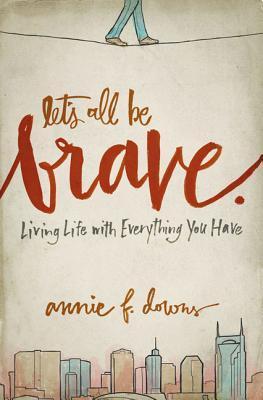
"Let's All Be Brave" by Annie F. Downs is an encouraging dive into embracing courage in everyday life. Downs unpacks the idea that bravery isn't reserved for grand gestures but is a muscle we can, and should, flex in our personal challenges, relationships, and pursuit of dreams. She shares personal anecdotes and insights, guiding individuals to identify their own fears and move past them to live a more fulfilling, authentic existence.
This book resonates strongly with the themes in Reshma Saujani's "Brave, Not Perfect." Both authors challenge the ingrained societal pressures that often lead individuals, particularly women, to prioritize perfection over daring to try and possibly fail. They advocate for a mindset shift, encouraging readers to step outside comfort zones, embrace vulnerability, and understand that growth often comes hand-in-hand with imperfection and courage.
This work appeals to anyone feeling constrained by fear, self-doubt, or the constant pressure to appear flawless. It provides actionable encouragement and a refreshing perspective on what it means to truly live. The insights offered empower individuals to shed inhibitions, pursue their passions with conviction, and ultimately lead a richer, more fear-less life.
Let's All Be Brave: Living Life with Everything You Have
"Let's All Be Brave" by Annie F. Downs is an encouraging dive into embracing courage in everyday life. Downs unpacks the idea that bravery isn't reserved for grand gestures but is a muscle we can, and should, flex in our personal challenges, relationships, and pursuit of dreams. She shares personal anecdotes and insights, guiding individuals to identify their own fears and move past them to live a more fulfilling, authentic existence.
This book resonates strongly with the themes in Reshma Saujani's "Brave, Not Perfect." Both authors challenge the ingrained societal pressures that often lead individuals, particularly women, to prioritize perfection over daring to try and possibly fail. They advocate for a mindset shift, encouraging readers to step outside comfort zones, embrace vulnerability, and understand that growth often comes hand-in-hand with imperfection and courage.
This work appeals to anyone feeling constrained by fear, self-doubt, or the constant pressure to appear flawless. It provides actionable encouragement and a refreshing perspective on what it means to truly live. The insights offered empower individuals to shed inhibitions, pursue their passions with conviction, and ultimately lead a richer, more fear-less life.
Start.: Punch Fear in the Face, Escape Average, and Do Work That Matters

*Start.: Punch Fear in the Face, Escape Average, and Do Work That Matters* by Jon Acuff empowers individuals to overcome the inertia of fear and mediocrity to pursue meaningful work and a fulfilling life. Acuff dissects the common pitfalls of procrastination and self-doubt, offering practical strategies to initiate projects, persist through challenges, and ultimately achieve one's potential by taking definitive action.
This book resonates strongly with *Brave, Not Perfect* by Reshma Saujani because both advocate for a fundamental shift in mindset from fear-based hesitation to proactive courage. While Saujani champions imperfection and embracing bravery over perfection, Acuff focuses on the necessity of simply *starting* and confronting fear head-on to escape the trap of inaction, leading to a similar outcome of bolder living and pursuing one's true calling.
This title will appeal to anyone feeling stuck, unfulfilled, or intimidated by their ambitions. It offers actionable advice and an encouraging framework to break free from analysis paralysis, conquer inner critics, and embark on the path toward impactful contributions and personal growth. The book provides a valuable roadmap for translating aspirations into tangible achievements.
Start.: Punch Fear in the Face, Escape Average, and Do Work That Matters
*Start.: Punch Fear in the Face, Escape Average, and Do Work That Matters* by Jon Acuff empowers individuals to overcome the inertia of fear and mediocrity to pursue meaningful work and a fulfilling life. Acuff dissects the common pitfalls of procrastination and self-doubt, offering practical strategies to initiate projects, persist through challenges, and ultimately achieve one's potential by taking definitive action.
This book resonates strongly with *Brave, Not Perfect* by Reshma Saujani because both advocate for a fundamental shift in mindset from fear-based hesitation to proactive courage. While Saujani champions imperfection and embracing bravery over perfection, Acuff focuses on the necessity of simply *starting* and confronting fear head-on to escape the trap of inaction, leading to a similar outcome of bolder living and pursuing one's true calling.
This title will appeal to anyone feeling stuck, unfulfilled, or intimidated by their ambitions. It offers actionable advice and an encouraging framework to break free from analysis paralysis, conquer inner critics, and embark on the path toward impactful contributions and personal growth. The book provides a valuable roadmap for translating aspirations into tangible achievements.
Grace, Not Perfection: Embracing Simplicity, Celebrating Joy
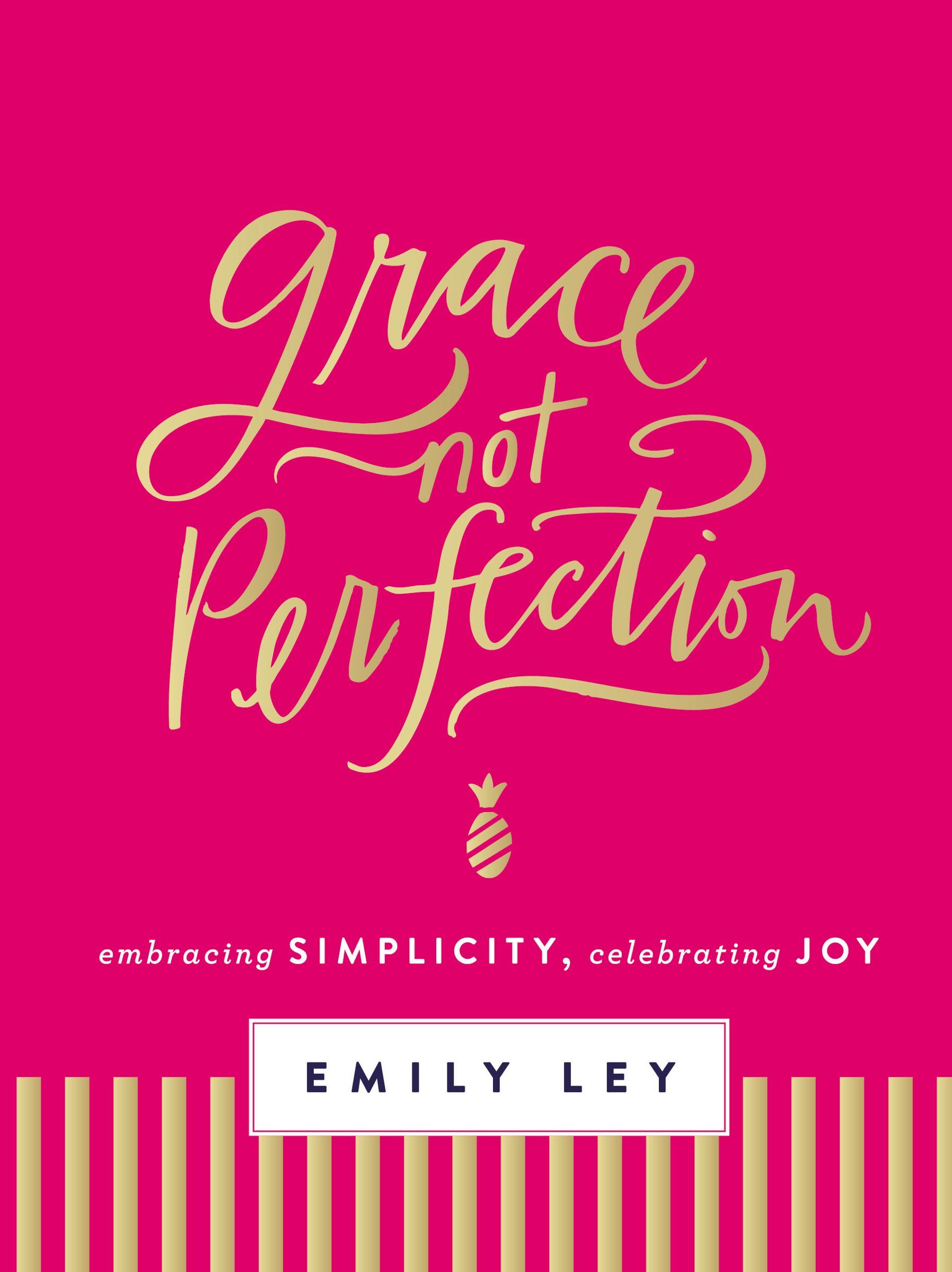
"Grace, Not Perfection" by Emily Ley guides women to shed the impossible burden of perfectionism and embrace a more intentional, joyful life. It offers practical strategies for simplifying schedules, organizing priorities, and finding peace amidst modern demands, emphasizing that genuine fulfillment comes from prioritizing what truly matters over an idealized, unattainable standard.
This book aligns with "Brave, Not Perfect" in its core message of liberating women from societal and self-imposed pressures to be flawless. Both authors advocate for a shift in mindset – from striving for an unachievable ideal to embracing a more authentic, less fear-driven approach to life, encouraging self-compassion and a willingness to be imperfect.
The book will resonate with individuals feeling overwhelmed by the relentless pursuit of perfection, offering a refreshing and attainable alternative. It provides actionable advice for creating a more balanced and fulfilling existence, encouraging readers to celebrate progress over perfection and find joy in simpler, more meaningful moments.
Grace, Not Perfection: Embracing Simplicity, Celebrating Joy
"Grace, Not Perfection" by Emily Ley guides women to shed the impossible burden of perfectionism and embrace a more intentional, joyful life. It offers practical strategies for simplifying schedules, organizing priorities, and finding peace amidst modern demands, emphasizing that genuine fulfillment comes from prioritizing what truly matters over an idealized, unattainable standard.
This book aligns with "Brave, Not Perfect" in its core message of liberating women from societal and self-imposed pressures to be flawless. Both authors advocate for a shift in mindset – from striving for an unachievable ideal to embracing a more authentic, less fear-driven approach to life, encouraging self-compassion and a willingness to be imperfect.
The book will resonate with individuals feeling overwhelmed by the relentless pursuit of perfection, offering a refreshing and attainable alternative. It provides actionable advice for creating a more balanced and fulfilling existence, encouraging readers to celebrate progress over perfection and find joy in simpler, more meaningful moments.
I Thought It Was Just Me: Women Reclaiming Power and Courage in a Culture of Shame

"I Thought It Was Just Me" explores the pervasive impact of shame and vulnerability on women. Brené Brown meticulously dissects how societal expectations and personal insecurities lead women to internalize feelings of inadequacy, isolation, and the belief that their struggles are unique. The book offers a profound look at how understanding and embracing vulnerability can be a powerful pathway to genuine connection, courage, and authenticity, ultimately enabling women to step out of the shadows of shame.
Its similarity to "Brave, Not Perfect" lies in their shared objective: empowering women to shed the burden of unattainable perfectionism and embrace a more courageous, authentic existence. Both authors advocate for a shift from a fear of failure to a willingness to take risks and learn from imperfections. While Saujani focuses on external action and bravery, Brown delves deeper into the internal emotional landscape that often inhibits women from pursuing those actions, making them complementary perspectives on a similar journey of self-acceptance and growth.
The book will resonate with anyone who has felt the silent weight of not being "enough" or the pressure to maintain an unblemished facade. It provides language and frameworks for understanding deeply ingrained feelings about self-worth and offers actionable insights into cultivating resilience and fostering genuine self-compassion. Its value lies in its ability to illuminate common experiences, normalize vulnerability, and offer a path toward living more courageously and connectedly.
I Thought It Was Just Me: Women Reclaiming Power and Courage in a Culture of Shame
"I Thought It Was Just Me" explores the pervasive impact of shame and vulnerability on women. Brené Brown meticulously dissects how societal expectations and personal insecurities lead women to internalize feelings of inadequacy, isolation, and the belief that their struggles are unique. The book offers a profound look at how understanding and embracing vulnerability can be a powerful pathway to genuine connection, courage, and authenticity, ultimately enabling women to step out of the shadows of shame.
Its similarity to "Brave, Not Perfect" lies in their shared objective: empowering women to shed the burden of unattainable perfectionism and embrace a more courageous, authentic existence. Both authors advocate for a shift from a fear of failure to a willingness to take risks and learn from imperfections. While Saujani focuses on external action and bravery, Brown delves deeper into the internal emotional landscape that often inhibits women from pursuing those actions, making them complementary perspectives on a similar journey of self-acceptance and growth.
The book will resonate with anyone who has felt the silent weight of not being "enough" or the pressure to maintain an unblemished facade. It provides language and frameworks for understanding deeply ingrained feelings about self-worth and offers actionable insights into cultivating resilience and fostering genuine self-compassion. Its value lies in its ability to illuminate common experiences, normalize vulnerability, and offer a path toward living more courageously and connectedly.
More Books to Explore
Discover more titles that expand on these ideas and themes.
The Gifts of Imperfection
Daring Greatly: How the Courage to Be Vulnerable Transforms the Way We Live, Love, Parent, and Lead
Girl Wash your Face
Rising Strong: The Reckoning. The Rumble. The Revolution
How to Be Enough: Self-Acceptance for Self-Critics and Perfectionists
The Power of Vulnerability: Teachings of Authenticity, Connections and Courage