10 Books Similar to "As One Is: To Free the Mind from All Conditioning"
by J. Krishnamurti

Reflections on the Self

"Reflections on the Self" delves into the intricate nature of human consciousness, exploring how our thoughts, emotions, and ingrained patterns shape our experience of ourselves and the world. Krishnamurti challenges the reader to observe these internal mechanisms without judgment or attachment, leading to a profound self-understanding and ultimately, freedom from psychological constraints. It's an inquiry into the fundamental questions of existence, identity, and the potential for a radically different way of living.
This work resonates strongly with "As One Is" because both books share Krishnamurti's core philosophy: that true liberation comes from direct, unmediated observation of oneself, rather than through external authority, belief systems, or accumulated knowledge. Both emphasize the futility of seeking answers outside of one's own immediate experience and the imperative of understanding the origins and mechanisms of thought itself to transcend conditioning. Both are essentially guides to radical self-inquiry as the path to truth.
Individuals grappling with questions of identity, purpose, and inner peace will find immense value in this book. Its direct, uncompromising approach offers a powerful framework for dissecting personal illusions and societal conditioning, fostering a deeper authenticity and intellectual clarity. It provides a pathway to a mind free from the burdens of the past and the anxieties of the future, enabling a more direct and vibrant engagement with life.
Reflections on the Self
"Reflections on the Self" delves into the intricate nature of human consciousness, exploring how our thoughts, emotions, and ingrained patterns shape our experience of ourselves and the world. Krishnamurti challenges the reader to observe these internal mechanisms without judgment or attachment, leading to a profound self-understanding and ultimately, freedom from psychological constraints. It's an inquiry into the fundamental questions of existence, identity, and the potential for a radically different way of living.
This work resonates strongly with "As One Is" because both books share Krishnamurti's core philosophy: that true liberation comes from direct, unmediated observation of oneself, rather than through external authority, belief systems, or accumulated knowledge. Both emphasize the futility of seeking answers outside of one's own immediate experience and the imperative of understanding the origins and mechanisms of thought itself to transcend conditioning. Both are essentially guides to radical self-inquiry as the path to truth.
Individuals grappling with questions of identity, purpose, and inner peace will find immense value in this book. Its direct, uncompromising approach offers a powerful framework for dissecting personal illusions and societal conditioning, fostering a deeper authenticity and intellectual clarity. It provides a pathway to a mind free from the burdens of the past and the anxieties of the future, enabling a more direct and vibrant engagement with life.
Freedom from the Known

"Freedom from the Known" urges readers to shed preconceived notions, beliefs, and past experiences to perceive reality with unclouded awareness. Krishnamurti argues that this constant accumulation of "knowledge" forms a barrier, preventing genuine understanding and fostering inner conflict. He advocates for a present-moment, observational approach to life, free from the psychological baggage of memory and conditioning.
This book shares a fundamental objective with "As One Is: To Free the Mind from All Conditioning." Both works deeply explore the nature of human thought, the limitations imposed by conditioning, and the path to psychological liberation. They dissect how societal, cultural, and personal experiences shape our perceptions and restrict our internal freedom, consistently pointing towards a direct, unmediated experience of life.
The direct and uncompromising challenge to conventional thought in "Freedom from the Known" makes it appealing. Its value lies in offering profound insights into the mechanics of the human mind and a practical, albeit demanding, methodology for self-discovery and inner peace. It presents a potent invitation to critically examine one's own existence and potentially transform one's understanding of self and the world.
Freedom from the Known
"Freedom from the Known" urges readers to shed preconceived notions, beliefs, and past experiences to perceive reality with unclouded awareness. Krishnamurti argues that this constant accumulation of "knowledge" forms a barrier, preventing genuine understanding and fostering inner conflict. He advocates for a present-moment, observational approach to life, free from the psychological baggage of memory and conditioning.
This book shares a fundamental objective with "As One Is: To Free the Mind from All Conditioning." Both works deeply explore the nature of human thought, the limitations imposed by conditioning, and the path to psychological liberation. They dissect how societal, cultural, and personal experiences shape our perceptions and restrict our internal freedom, consistently pointing towards a direct, unmediated experience of life.
The direct and uncompromising challenge to conventional thought in "Freedom from the Known" makes it appealing. Its value lies in offering profound insights into the mechanics of the human mind and a practical, albeit demanding, methodology for self-discovery and inner peace. It presents a potent invitation to critically examine one's own existence and potentially transform one's understanding of self and the world.
The First and Last Freedom

"The First and Last Freedom" explores the fundamental inquiry into human suffering, psychological conditioning, and the possibility of a radical transformation of consciousness. Krishnamurti asserts that true freedom lies not in external changes or adherence to belief systems, but in understanding and dissolving the self-imposed structures of thought, fear, and desire that limit our perception. It's a direct challenge to the very notion of a fixed "self" and advocates for immediate, unmediated insight into our inner workings.
This work resonates strongly with "As One Is: To Free the Mind from All Conditioning" because both books delve into the core principle that psychological freedom stems from an unbiased observation of one's own mental processes. They share the same urgent call to dismantle inherited patterns of thought and belief, emphasizing that genuine liberation requires directly confronting and understanding the roots of our conditioning, rather than seeking external solutions or spiritual gurus. Both texts underscore the importance of self-awareness as the path to profound internal change.
The value of "The First and Last Freedom" lies in its uncompromising demand for intellectual honesty and self-examination. It offers a profound opportunity for individuals to engage in deep introspection, questioning the very foundations of their identity and assumptions about reality. This journey into self-understanding, free from dogma or prescribed methods, can be profoundly liberating, fostering a more authentic and aware way of living.
The First and Last Freedom
"The First and Last Freedom" explores the fundamental inquiry into human suffering, psychological conditioning, and the possibility of a radical transformation of consciousness. Krishnamurti asserts that true freedom lies not in external changes or adherence to belief systems, but in understanding and dissolving the self-imposed structures of thought, fear, and desire that limit our perception. It's a direct challenge to the very notion of a fixed "self" and advocates for immediate, unmediated insight into our inner workings.
This work resonates strongly with "As One Is: To Free the Mind from All Conditioning" because both books delve into the core principle that psychological freedom stems from an unbiased observation of one's own mental processes. They share the same urgent call to dismantle inherited patterns of thought and belief, emphasizing that genuine liberation requires directly confronting and understanding the roots of our conditioning, rather than seeking external solutions or spiritual gurus. Both texts underscore the importance of self-awareness as the path to profound internal change.
The value of "The First and Last Freedom" lies in its uncompromising demand for intellectual honesty and self-examination. It offers a profound opportunity for individuals to engage in deep introspection, questioning the very foundations of their identity and assumptions about reality. This journey into self-understanding, free from dogma or prescribed methods, can be profoundly liberating, fostering a more authentic and aware way of living.
Total Freedom: The Essential Krishnamurti

"Total Freedom: The Essential Krishnamurti" offers a comprehensive introduction to Krishnamurti's core philosophy, distilling his profound insights on the nature of thought, consciousness, and liberation. It explores the central theme that true freedom lies not in external circumstances, but in understanding and shedding the conditioning that shapes our perceptions and experiences. The book encourages direct inquiry into the self, urging a passive, choiceless awareness to dissolve psychological patterns.
This collection closely mirrors "As One Is" because both books delve into the fundamental inquiry of freeing the mind from all forms of conditioning—social, cultural, religious, and psychological. They share the same objective: to awaken individuals to a state of unconditioned awareness, emphasizing that transformation can only occur through self-observation and an end to all forms of ideological adherence or external authority. Both are foundational texts articulating Krishnamurti's singular vision.
The insightful reader will appreciate its direct challenge to conventional thinking and its profound invitation to self-discovery. It provides a pathway to understanding the origins of suffering and conflict, both within oneself and in the world, by presenting a radical approach to psychological freedom. Its value lies in offering a timeless framework for insight into the human condition and personal liberation, fostering a deeper, more authentic engagement with life.
Total Freedom: The Essential Krishnamurti
"Total Freedom: The Essential Krishnamurti" offers a comprehensive introduction to Krishnamurti's core philosophy, distilling his profound insights on the nature of thought, consciousness, and liberation. It explores the central theme that true freedom lies not in external circumstances, but in understanding and shedding the conditioning that shapes our perceptions and experiences. The book encourages direct inquiry into the self, urging a passive, choiceless awareness to dissolve psychological patterns.
This collection closely mirrors "As One Is" because both books delve into the fundamental inquiry of freeing the mind from all forms of conditioning—social, cultural, religious, and psychological. They share the same objective: to awaken individuals to a state of unconditioned awareness, emphasizing that transformation can only occur through self-observation and an end to all forms of ideological adherence or external authority. Both are foundational texts articulating Krishnamurti's singular vision.
The insightful reader will appreciate its direct challenge to conventional thinking and its profound invitation to self-discovery. It provides a pathway to understanding the origins of suffering and conflict, both within oneself and in the world, by presenting a radical approach to psychological freedom. Its value lies in offering a timeless framework for insight into the human condition and personal liberation, fostering a deeper, more authentic engagement with life.
On Fear
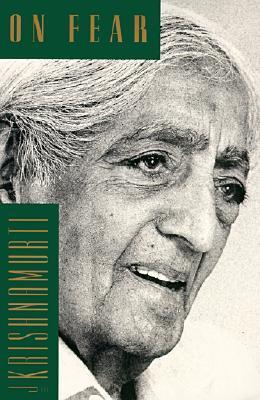
"On Fear" by J. Krishnamurti meticulously dissects the pervasive human experience of fear. It explores fear not as an isolated emotion, but as a deeply rooted psychological state that influences our thoughts, relationships, and societal structures. Krishnamurti challenges the reader to observe fear directly, without judgment or interpretation, to understand its origins and its stifling effects on genuine freedom and insight. He emphasizes that true liberation from fear comes not from suppressing or overcoming it, but from profound self-awareness of its subtle workings within the mind.
This work resonates strongly with "As One Is: To Free the Mind from All Conditioning" because both books delve into the core of human psychological conditioning. While "As One Is" offers a broader examination of the various layers of conditioning—social, cultural, religious, and personal—"On Fear" zeroes in on one of the most fundamental and debilitating aspects of this conditioning. Both texts insist on a radical, direct observation of the internal landscape, arguing that intellectual understanding alone is insufficient; true transformation requires a non-dualistic engagement with what *is*.
This book will appeal to individuals seeking profound psychological insight and genuine liberation. It offers a unique perspective on a universal human experience, guiding one towards a deeper understanding of themselves and their interactions with the world. The rigorous inquiry presented provides a valuable framework for anyone committed to self-discovery and the dissolution of the internal barriers that prevent authentic living.
On Fear
"On Fear" by J. Krishnamurti meticulously dissects the pervasive human experience of fear. It explores fear not as an isolated emotion, but as a deeply rooted psychological state that influences our thoughts, relationships, and societal structures. Krishnamurti challenges the reader to observe fear directly, without judgment or interpretation, to understand its origins and its stifling effects on genuine freedom and insight. He emphasizes that true liberation from fear comes not from suppressing or overcoming it, but from profound self-awareness of its subtle workings within the mind.
This work resonates strongly with "As One Is: To Free the Mind from All Conditioning" because both books delve into the core of human psychological conditioning. While "As One Is" offers a broader examination of the various layers of conditioning—social, cultural, religious, and personal—"On Fear" zeroes in on one of the most fundamental and debilitating aspects of this conditioning. Both texts insist on a radical, direct observation of the internal landscape, arguing that intellectual understanding alone is insufficient; true transformation requires a non-dualistic engagement with what *is*.
This book will appeal to individuals seeking profound psychological insight and genuine liberation. It offers a unique perspective on a universal human experience, guiding one towards a deeper understanding of themselves and their interactions with the world. The rigorous inquiry presented provides a valuable framework for anyone committed to self-discovery and the dissolution of the internal barriers that prevent authentic living.
The Ending of Time
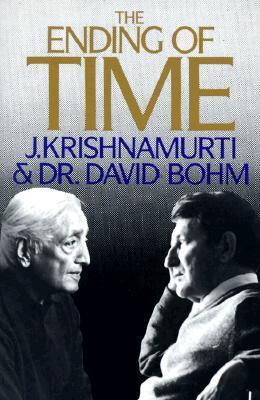
"The Ending of Time" delves into the profound question of whether humanity can fundamentally transform itself, moving beyond the constraints of psychological time, thought, and memory. It explores the nature of consciousness and the possibility of a direct, immanent awareness unburdened by conditioning, examining dialogues between Krishnamurti and physicist David Bohm on these intricate themes.
This work shares a core philosophical lineage with "As One Is," both texts fundamentally challenging the ingrained patterns of the mind and advocating for a radical, immediate liberation from psychological conditioning. They both dissect the mechanisms of thought, fear, and projection, urging an unbiased observation of inner states to achieve a state of true freedom and insight.
Those seeking profound self-understanding and a direct engagement with spiritual and philosophical inquiry will appreciate this book. Its rigorous exploration of consciousness offers pathways to dismantle limiting beliefs and experience a different mode of perception, fostering a deeper, more authentic relationship with oneself and reality.
The Ending of Time
"The Ending of Time" delves into the profound question of whether humanity can fundamentally transform itself, moving beyond the constraints of psychological time, thought, and memory. It explores the nature of consciousness and the possibility of a direct, immanent awareness unburdened by conditioning, examining dialogues between Krishnamurti and physicist David Bohm on these intricate themes.
This work shares a core philosophical lineage with "As One Is," both texts fundamentally challenging the ingrained patterns of the mind and advocating for a radical, immediate liberation from psychological conditioning. They both dissect the mechanisms of thought, fear, and projection, urging an unbiased observation of inner states to achieve a state of true freedom and insight.
Those seeking profound self-understanding and a direct engagement with spiritual and philosophical inquiry will appreciate this book. Its rigorous exploration of consciousness offers pathways to dismantle limiting beliefs and experience a different mode of perception, fostering a deeper, more authentic relationship with oneself and reality.
The Impossible Question
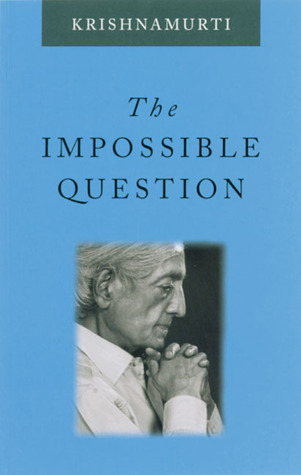
"The Impossible Question" directly confronts the fundamental human dilemma: how to achieve psychological freedom from suffering and the constraints of thought itself, without resorting to traditional paths of belief, dogma, or pre-existing systems. Krishnamurti challenges the very notion of a "how-to" guide for self-transformation, positing that true liberation emerges from deep, non-judgmental observation of one's own mind in the present moment, rather than through external authority or intellectual constructs.
This work resonates deeply with "As One Is" because both books orbit the central theme of psychological freedom through self-awareness and the cessation of conditioning. They both dissect the mechanisms of thought, memory, and influence, arguing for a direct, unmediated understanding of reality. The underlying message in both is that enduring peace and clarity arise not from acquiring knowledge, but from dissolving the structures that prevent us from seeing things precisely as they are.
This book will attract those seeking profound insights into human consciousness and the origins of psychological conflict. Its value lies in offering a radical, uncompromising framework for self-inquiry, prompting introspection and fostering a unique form of self-discovery that transcends conventional spiritual or philosophical approaches. It acts as a guide to perceiving the subtle ways the mind creates its own prisons, urging a direct, immediate engagement with the truth of one's being.
The Impossible Question
"The Impossible Question" directly confronts the fundamental human dilemma: how to achieve psychological freedom from suffering and the constraints of thought itself, without resorting to traditional paths of belief, dogma, or pre-existing systems. Krishnamurti challenges the very notion of a "how-to" guide for self-transformation, positing that true liberation emerges from deep, non-judgmental observation of one's own mind in the present moment, rather than through external authority or intellectual constructs.
This work resonates deeply with "As One Is" because both books orbit the central theme of psychological freedom through self-awareness and the cessation of conditioning. They both dissect the mechanisms of thought, memory, and influence, arguing for a direct, unmediated understanding of reality. The underlying message in both is that enduring peace and clarity arise not from acquiring knowledge, but from dissolving the structures that prevent us from seeing things precisely as they are.
This book will attract those seeking profound insights into human consciousness and the origins of psychological conflict. Its value lies in offering a radical, uncompromising framework for self-inquiry, prompting introspection and fostering a unique form of self-discovery that transcends conventional spiritual or philosophical approaches. It acts as a guide to perceiving the subtle ways the mind creates its own prisons, urging a direct, immediate engagement with the truth of one's being.
Life and Death of Krishnamurti
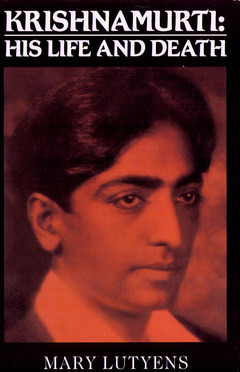
"Life and Death of Krishnamurti" offers an intimate biographical account of J. Krishnamurti's extraordinary life, from his acclaimed discovery as a potential world teacher to his eventual disengagement from organized religion and his lifelong pursuit of individual spiritual liberation. It chronicles his personal relationships, his influential teachings, and the profound impact he had on countless individuals seeking truth beyond dogma.
This biography is similar to "As One Is" because both works delve into the core tenets of Krishnamurti's philosophy. While "As One Is" presents his direct teachings on conditioning and perception, Lutyens's biography contextualizes these ideas within the fabric of his lived experience. It showcases how Krishnamurti's life itself became a testament to the unconditioned mind he advocated, illustrating the practical journey of his intellectual and spiritual evolution.
This book will appeal to those interested in understanding the man behind the philosophy. It provides a deeper appreciation for the integrity and radical nature of Krishnamurti's message, offering insights into the personal struggles and triumphs that shaped his profound insights. It enriches one's understanding of his teachings by revealing the human striving and unwavering commitment necessary to live a life truly free from the constraints of thought and belief.
Life and Death of Krishnamurti
"Life and Death of Krishnamurti" offers an intimate biographical account of J. Krishnamurti's extraordinary life, from his acclaimed discovery as a potential world teacher to his eventual disengagement from organized religion and his lifelong pursuit of individual spiritual liberation. It chronicles his personal relationships, his influential teachings, and the profound impact he had on countless individuals seeking truth beyond dogma.
This biography is similar to "As One Is" because both works delve into the core tenets of Krishnamurti's philosophy. While "As One Is" presents his direct teachings on conditioning and perception, Lutyens's biography contextualizes these ideas within the fabric of his lived experience. It showcases how Krishnamurti's life itself became a testament to the unconditioned mind he advocated, illustrating the practical journey of his intellectual and spiritual evolution.
This book will appeal to those interested in understanding the man behind the philosophy. It provides a deeper appreciation for the integrity and radical nature of Krishnamurti's message, offering insights into the personal struggles and triumphs that shaped his profound insights. It enriches one's understanding of his teachings by revealing the human striving and unwavering commitment necessary to live a life truly free from the constraints of thought and belief.
Destiny, Freedom, and the Soul
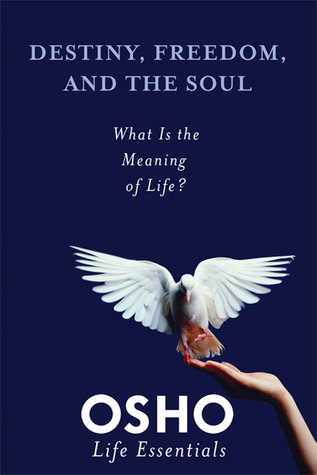
"Destiny, Freedom, and the Soul" by Osho explores the human predicament of seeking meaning and liberation, questioning societal constructs and ingrained beliefs that limit individual potential. Osho delves into the nature of fate versus free will, the concept of the soul as an inherent, unconditioned truth, and the path to authentic freedom through self-awareness and transcending the ego. He posits that true destiny is not predetermined, but rather the conscious unfolding of one's deepest essence.
This book resonates with "As One Is" by J. Krishnamurti through its central theme of freeing the mind from conditioning. Both authors challenge readers to look inward, beyond external authorities and established patterns of thought, to discover truth. They share a profound emphasis on observation without judgment, recognizing the limitations of intellect, and the necessity of direct experience to dismantle the psychological structures that bind us. Both advocate for a radical self-inquiry that bypasses conventional spiritual or philosophical frameworks.
Individuals drawn to profound self-exploration and spiritual inquiry will find immense value in Osho's insights. The book offers a fresh perspective on ancient questions, providing tools for introspection and a powerful call to live authentically. Its exploration of personal freedom and the direct realization of truth can offer a transformative journey for anyone seeking to break free from limiting beliefs and embrace their true nature.
Destiny, Freedom, and the Soul
"Destiny, Freedom, and the Soul" by Osho explores the human predicament of seeking meaning and liberation, questioning societal constructs and ingrained beliefs that limit individual potential. Osho delves into the nature of fate versus free will, the concept of the soul as an inherent, unconditioned truth, and the path to authentic freedom through self-awareness and transcending the ego. He posits that true destiny is not predetermined, but rather the conscious unfolding of one's deepest essence.
This book resonates with "As One Is" by J. Krishnamurti through its central theme of freeing the mind from conditioning. Both authors challenge readers to look inward, beyond external authorities and established patterns of thought, to discover truth. They share a profound emphasis on observation without judgment, recognizing the limitations of intellect, and the necessity of direct experience to dismantle the psychological structures that bind us. Both advocate for a radical self-inquiry that bypasses conventional spiritual or philosophical frameworks.
Individuals drawn to profound self-exploration and spiritual inquiry will find immense value in Osho's insights. The book offers a fresh perspective on ancient questions, providing tools for introspection and a powerful call to live authentically. Its exploration of personal freedom and the direct realization of truth can offer a transformative journey for anyone seeking to break free from limiting beliefs and embrace their true nature.
Intuition: Knowing Beyond Logic

"Intuition: Knowing Beyond Logic" explores the concept of intuition not as a mystical power, but as a deeper, more direct form of understanding that transcends the rational mind. Osho argues that societal conditioning often suppresses this innate ability, pushing individuals to rely solely on intellect, which he believes provides limited, often fragmented, insights. The book encourages a shift in perspective, advocating for trust in inner knowing and a cultivation of awareness that allows this intuitive faculty to flourish and guide one's life more holistically.
This resonates strongly with "As One Is" by Krishnamurti because both books fundamentally challenge the limitations of conditioned thought and the conventional intellectual approach to truth. Krishnamurti meticulously dissects how our minds are shaped by external influences and past experiences, preventing true insight. Osho, similarly, posits that a mind free from the constraints of logic and societal programming is precisely what allows intuition—a non-linear, unconditioned understanding—to emerge. Both authors guide the reader toward an unburdening of the mind to access a purer form of perception.
This book will appeal to those seeking a richer understanding of themselves and the world beyond conventional intellectual frameworks. Individuals yearning for clarity amidst life's complexities will discover a compelling argument for trusting their inner wisdom. Its exploration of direct knowing offers a path toward greater authenticity and a profound sense of peace often inaccessible through purely logical reasoning, offering a valuable toolkit for navigating existence with greater depth and confidence.
Intuition: Knowing Beyond Logic
"Intuition: Knowing Beyond Logic" explores the concept of intuition not as a mystical power, but as a deeper, more direct form of understanding that transcends the rational mind. Osho argues that societal conditioning often suppresses this innate ability, pushing individuals to rely solely on intellect, which he believes provides limited, often fragmented, insights. The book encourages a shift in perspective, advocating for trust in inner knowing and a cultivation of awareness that allows this intuitive faculty to flourish and guide one's life more holistically.
This resonates strongly with "As One Is" by Krishnamurti because both books fundamentally challenge the limitations of conditioned thought and the conventional intellectual approach to truth. Krishnamurti meticulously dissects how our minds are shaped by external influences and past experiences, preventing true insight. Osho, similarly, posits that a mind free from the constraints of logic and societal programming is precisely what allows intuition—a non-linear, unconditioned understanding—to emerge. Both authors guide the reader toward an unburdening of the mind to access a purer form of perception.
This book will appeal to those seeking a richer understanding of themselves and the world beyond conventional intellectual frameworks. Individuals yearning for clarity amidst life's complexities will discover a compelling argument for trusting their inner wisdom. Its exploration of direct knowing offers a path toward greater authenticity and a profound sense of peace often inaccessible through purely logical reasoning, offering a valuable toolkit for navigating existence with greater depth and confidence.
More Books to Explore
Discover more titles that expand on these ideas and themes.
Reflections on the Self
Freedom from the Known
The First and Last Freedom
Total Freedom: The Essential Krishnamurti
On Fear
The Ending of Time