10 Books Similar to "100 Common Sense Policies to make BRITAIN GREAT again"
by Karl Wiggins

Crippled America: How to Make America Great Again

"Crippled America" offers Donald Trump's perspective on the perceived decline of the United States and his proposed solutions for national rejuvenation. It outlines his diagnosis of America's problems, particularly focusing on economic policy, immigration, national security, and international relations. Trump presents a vision for a stronger America, detailing the initiatives he believes would restore the nation's influence and prosperity.
The book shares a conceptual framework with "100 Common Sense Policies to make BRITAIN GREAT again" by addressing perceived national decline and offering prescriptive, often populist, policy solutions. Both titles employ a "great again" motif, signaling a desire to revert to a past state of perceived strength or glory. They serve as manifestos, detailing specific proposals from a nationalistic perspective to address domestic issues and re-establish a sense of national pride and competence.
This book will appeal to those seeking a direct, no-nonsense approach to political and societal challenges. It articulates a distinct vision for national renewal, offering tangible ideas for addressing contemporary issues. Its value lies in providing a comprehensive insight into a particular political philosophy and its policy implications, allowing for a deeper understanding of the motivations and proposals behind a significant political movement.
Crippled America: How to Make America Great Again
"Crippled America" offers Donald Trump's perspective on the perceived decline of the United States and his proposed solutions for national rejuvenation. It outlines his diagnosis of America's problems, particularly focusing on economic policy, immigration, national security, and international relations. Trump presents a vision for a stronger America, detailing the initiatives he believes would restore the nation's influence and prosperity.
The book shares a conceptual framework with "100 Common Sense Policies to make BRITAIN GREAT again" by addressing perceived national decline and offering prescriptive, often populist, policy solutions. Both titles employ a "great again" motif, signaling a desire to revert to a past state of perceived strength or glory. They serve as manifestos, detailing specific proposals from a nationalistic perspective to address domestic issues and re-establish a sense of national pride and competence.
This book will appeal to those seeking a direct, no-nonsense approach to political and societal challenges. It articulates a distinct vision for national renewal, offering tangible ideas for addressing contemporary issues. Its value lies in providing a comprehensive insight into a particular political philosophy and its policy implications, allowing for a deeper understanding of the motivations and proposals behind a significant political movement.
Follow The Money: How much does Britain cost?
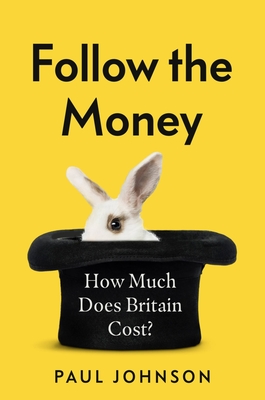
"Follow The Money: How much does Britain cost?" by Paul Johnson meticulously dissects the economics of the UK, offering a data-driven examination of government spending, public services, and taxation. It delves into the intricate mechanisms of the British economy, revealing how money is generated, allocated, and ultimately impacts the lives of its citizens. Johnson breaks down complex financial concepts into accessible insights, providing a comprehensive overview of the nation's fiscal health and its underlying costs.
This book shares thematic commonalities with "100 Common Sense Policies to make BRITAIN GREAT again" by Karl Wiggins in their shared focus on national improvement and a better future for Britain. While Johnson's approach is analytical and fact-based, examining the current state to inform potential reforms, Wiggins offers a more direct, policy-oriented perspective. Both works engage with the fundamental question of how Britain can optimally manage its resources and governance to achieve desired outcomes for its populace.
Its appeal lies in its authoritative and unbiased investigation into frequently debated topics. It offers a factual foundation for understanding the economic realities of the UK, empowering individuals to engage with political and financial discourse from an informed position. For anyone seeking to comprehend the true cost of public services, the impact of government decisions, and the intricate financial landscape of Britain, this book offers invaluable clarity and depth.
Follow The Money: How much does Britain cost?
"Follow The Money: How much does Britain cost?" by Paul Johnson meticulously dissects the economics of the UK, offering a data-driven examination of government spending, public services, and taxation. It delves into the intricate mechanisms of the British economy, revealing how money is generated, allocated, and ultimately impacts the lives of its citizens. Johnson breaks down complex financial concepts into accessible insights, providing a comprehensive overview of the nation's fiscal health and its underlying costs.
This book shares thematic commonalities with "100 Common Sense Policies to make BRITAIN GREAT again" by Karl Wiggins in their shared focus on national improvement and a better future for Britain. While Johnson's approach is analytical and fact-based, examining the current state to inform potential reforms, Wiggins offers a more direct, policy-oriented perspective. Both works engage with the fundamental question of how Britain can optimally manage its resources and governance to achieve desired outcomes for its populace.
Its appeal lies in its authoritative and unbiased investigation into frequently debated topics. It offers a factual foundation for understanding the economic realities of the UK, empowering individuals to engage with political and financial discourse from an informed position. For anyone seeking to comprehend the true cost of public services, the impact of government decisions, and the intricate financial landscape of Britain, this book offers invaluable clarity and depth.
Pro Truth: A Practical Plan for Putting Truth Back Into Politics
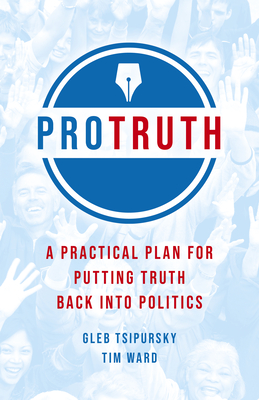
"Pro Truth: A Practical Plan for Putting Truth Back Into Politics" by Gleb Tsipursky explores the insidious role of dishonesty and misinformation in contemporary politics. Tsipursky, a cognitive scientist, outlines a systematic approach for individuals and institutions to combat these trends. The book delves into psychological biases that make people susceptible to falsehoods and offers actionable strategies—ranging from constructive truth-telling to fostering a culture of evidence-based discourse—to re-establish integrity as a cornerstone of political engagement.
This book shares thematic resonance with Karl Wiggins' "100 Common Sense Policies to make BRITAIN GREAT again" in its underlying aspiration for a more functional and credible political landscape. Both works, despite their differing scope and methodology, implicitly argue that societal progress and effective governance are contingent upon a foundation of clarity and reliable information. While Wiggins offers specific policy prescriptions rooted in common sense, Tsipursky provides the strategic framework for ensuring any such policies could be discussed and implemented within an environment of shared reality.
This analysis will appeal to individuals seeking concrete methods to improve political discourse and those concerned by the erosion of trust in public life. It provides a robust, evidence-backed toolkit for navigating a complex information environment and offers a hopeful, practical vision for fostering a more truthful and productive political culture. The insights offered are valuable for anyone looking to understand, and actively contribute to, a more honest civic sphere.
Pro Truth: A Practical Plan for Putting Truth Back Into Politics
"Pro Truth: A Practical Plan for Putting Truth Back Into Politics" by Gleb Tsipursky explores the insidious role of dishonesty and misinformation in contemporary politics. Tsipursky, a cognitive scientist, outlines a systematic approach for individuals and institutions to combat these trends. The book delves into psychological biases that make people susceptible to falsehoods and offers actionable strategies—ranging from constructive truth-telling to fostering a culture of evidence-based discourse—to re-establish integrity as a cornerstone of political engagement.
This book shares thematic resonance with Karl Wiggins' "100 Common Sense Policies to make BRITAIN GREAT again" in its underlying aspiration for a more functional and credible political landscape. Both works, despite their differing scope and methodology, implicitly argue that societal progress and effective governance are contingent upon a foundation of clarity and reliable information. While Wiggins offers specific policy prescriptions rooted in common sense, Tsipursky provides the strategic framework for ensuring any such policies could be discussed and implemented within an environment of shared reality.
This analysis will appeal to individuals seeking concrete methods to improve political discourse and those concerned by the erosion of trust in public life. It provides a robust, evidence-backed toolkit for navigating a complex information environment and offers a hopeful, practical vision for fostering a more truthful and productive political culture. The insights offered are valuable for anyone looking to understand, and actively contribute to, a more honest civic sphere.
The Establishment: And How They Get Away with It
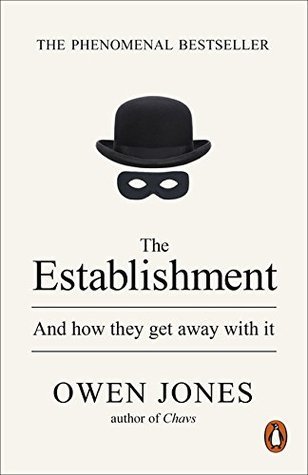
"The Establishment: And How They Get Away with It" meticulously dissects the mechanisms through which a powerful, interconnected elite maintains control over British society. Owen Jones investigates how this 'Establishment' – encompassing politicians, media moguls, corporate leaders, and judiciary figures – operates, often outside democratic accountability, and the impact this has on the average citizen.
This book shares thematic common ground with "100 Common Sense Policies to make BRITAIN GREAT again" by addressing systemic issues within British governance and society. Both titles, despite differing in proposed remedies, scrutinize perceived failures and inefficiencies within the existing structures, suggesting a need for significant change or re-evaluation of how the country is run.
The analysis offers a compelling perspective on power dynamics and societal influence that will resonate with those seeking to understand the root causes of contemporary political and economic challenges. Its detailed expose of institutional interconnectedness provides valuable insights into the forces shaping modern Britain, empowering a more informed critical analysis of current affairs.
The Establishment: And How They Get Away with It
"The Establishment: And How They Get Away with It" meticulously dissects the mechanisms through which a powerful, interconnected elite maintains control over British society. Owen Jones investigates how this 'Establishment' – encompassing politicians, media moguls, corporate leaders, and judiciary figures – operates, often outside democratic accountability, and the impact this has on the average citizen.
This book shares thematic common ground with "100 Common Sense Policies to make BRITAIN GREAT again" by addressing systemic issues within British governance and society. Both titles, despite differing in proposed remedies, scrutinize perceived failures and inefficiencies within the existing structures, suggesting a need for significant change or re-evaluation of how the country is run.
The analysis offers a compelling perspective on power dynamics and societal influence that will resonate with those seeking to understand the root causes of contemporary political and economic challenges. Its detailed expose of institutional interconnectedness provides valuable insights into the forces shaping modern Britain, empowering a more informed critical analysis of current affairs.
An Inconvenient Book: Real Solutions to the World's Biggest Problems

"An Inconvenient Book" by Glenn Beck presents a collection of essays and arguments addressing perceived societal and governmental issues. Beck utilizes an often provocative and unconventional style to dissect various problems spanning politics, economics, and culture, proposing what he considers to be common-sense solutions rooted in conservative principles. The book aims to challenge conventional wisdom and encourage a return to foundational values.
This book shares thematic DNA with "100 Common Sense Policies to make BRITAIN GREAT again." Both titles advocate for straightforward, often nationalistic, policy-driven approaches to systemic problems. They champion a return to perceived "common-sense" principles and offer direct, actionable (from their perspective) solutions, often presented in a list-like or manifesto format, designed to resonate with a segment of the population feeling disenfranchised by mainstream political discourse.
This work appeals to individuals seeking clear, decisive answers to complex societal challenges. It provides a distinct, often contrarian, viewpoint that can be both affirming for those who share its ideology and thought-provoking for those who do not. Its value lies in its candid articulation of specific concerns and the proposed remedies, offering a valuable perspective within the broader political commentary landscape.
An Inconvenient Book: Real Solutions to the World's Biggest Problems
"An Inconvenient Book" by Glenn Beck presents a collection of essays and arguments addressing perceived societal and governmental issues. Beck utilizes an often provocative and unconventional style to dissect various problems spanning politics, economics, and culture, proposing what he considers to be common-sense solutions rooted in conservative principles. The book aims to challenge conventional wisdom and encourage a return to foundational values.
This book shares thematic DNA with "100 Common Sense Policies to make BRITAIN GREAT again." Both titles advocate for straightforward, often nationalistic, policy-driven approaches to systemic problems. They champion a return to perceived "common-sense" principles and offer direct, actionable (from their perspective) solutions, often presented in a list-like or manifesto format, designed to resonate with a segment of the population feeling disenfranchised by mainstream political discourse.
This work appeals to individuals seeking clear, decisive answers to complex societal challenges. It provides a distinct, often contrarian, viewpoint that can be both affirming for those who share its ideology and thought-provoking for those who do not. Its value lies in its candid articulation of specific concerns and the proposed remedies, offering a valuable perspective within the broader political commentary landscape.
Utopia for Realists: How We Can Build the Ideal World
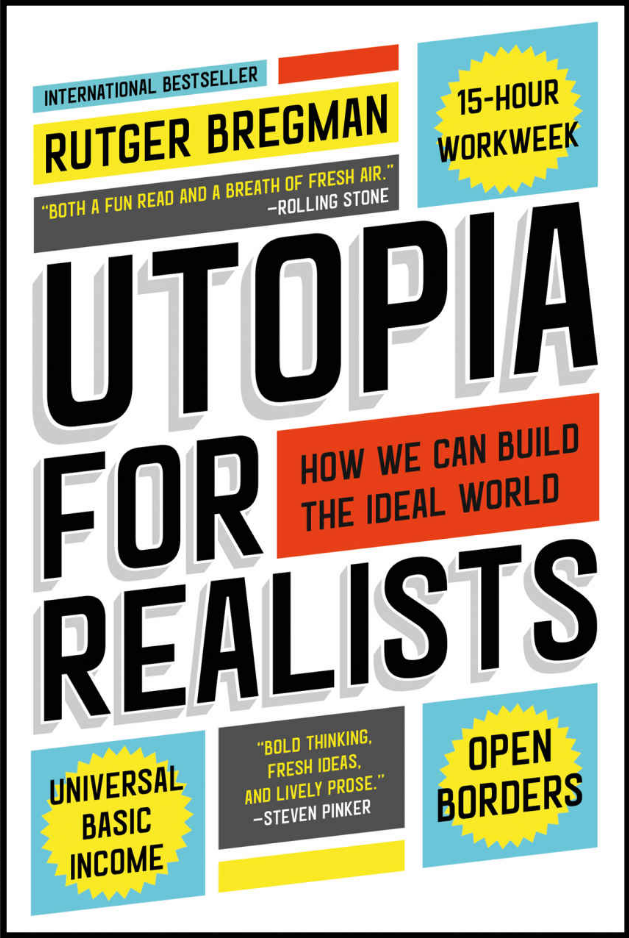
"Utopia for Realists" dismantles the notion that progressive ideals are impractical. Bregman uses historical evidence and contemporary research to argue for seemingly radical policies like universal basic income, a shorter workweek, and open borders, demonstrating their feasibility and potential benefits for society. He presents a compelling case for a more humane and equitable world, grounded in empirical data rather than wishful thinking.
Its similarity to "100 Common Sense Policies to make BRITAIN GREAT again" lies in their shared ambition to define and implement concrete policies for societal improvement. Both books offer a prescriptive approach, presenting a collection of specific proposals intended to address perceived national shortcomings and guide toward a better future. They both provide a blueprint for change, albeit from different ideological perspectives.
This book will appeal to those who are weary of political cynicism and seek evidence-based solutions to complex societal problems. It offers a refreshing and optimistic perspective on what is achievable, empowering the audience to reconsider what a truly just and prosperous society could look like. The meticulously researched arguments provide a valuable intellectual framework for envisioning and advocating for progressive change.
Utopia for Realists: How We Can Build the Ideal World
"Utopia for Realists" dismantles the notion that progressive ideals are impractical. Bregman uses historical evidence and contemporary research to argue for seemingly radical policies like universal basic income, a shorter workweek, and open borders, demonstrating their feasibility and potential benefits for society. He presents a compelling case for a more humane and equitable world, grounded in empirical data rather than wishful thinking.
Its similarity to "100 Common Sense Policies to make BRITAIN GREAT again" lies in their shared ambition to define and implement concrete policies for societal improvement. Both books offer a prescriptive approach, presenting a collection of specific proposals intended to address perceived national shortcomings and guide toward a better future. They both provide a blueprint for change, albeit from different ideological perspectives.
This book will appeal to those who are weary of political cynicism and seek evidence-based solutions to complex societal problems. It offers a refreshing and optimistic perspective on what is achievable, empowering the audience to reconsider what a truly just and prosperous society could look like. The meticulously researched arguments provide a valuable intellectual framework for envisioning and advocating for progressive change.
Truths: The Future of America First

Vivek Ramaswamy's "Truths: The Future of America First" outlines a conservative vision for American renewal, advocating for a restoration of national identity, free market principles, and a strong, non-interventionist foreign policy. It critically examines perceived societal failings, from corporate overreach to cultural divisions, and proposes concrete, often disruptive, solutions to re-center American life on individual liberty and traditional values. It's fundamentally a blueprint for reclaiming what the author believes is America's rightful place in the world, grounded in a particular interpretation of its founding principles.
This book shares significant thematic DNA with "100 Common Sense Policies to make BRITAIN GREAT again." Both texts present a stark critique of their respective nations' current trajectories, attributing decline to similar sources like an overbearing state, erosion of traditional values, and a weakening of national sovereignty. They both champion a return to what they define as fundamental "common sense" principles, proposing a clear, decisive policy agenda designed to reverse these perceived declines and restore national greatness through a populist, nationalist lens.
The book will appeal to those seeking a definitive, no-nonsense conservative perspective on America's challenges and opportunities. It offers a structured argument for a radical return to foundational principles, providing a coherent ideological framework that resonates with individuals disillusioned by mainstream politics and those who believe America has lost its way. The direct, policy-oriented approach offers a sense of actionable solutions and a clear vision for a different national future.
Truths: The Future of America First
Vivek Ramaswamy's "Truths: The Future of America First" outlines a conservative vision for American renewal, advocating for a restoration of national identity, free market principles, and a strong, non-interventionist foreign policy. It critically examines perceived societal failings, from corporate overreach to cultural divisions, and proposes concrete, often disruptive, solutions to re-center American life on individual liberty and traditional values. It's fundamentally a blueprint for reclaiming what the author believes is America's rightful place in the world, grounded in a particular interpretation of its founding principles.
This book shares significant thematic DNA with "100 Common Sense Policies to make BRITAIN GREAT again." Both texts present a stark critique of their respective nations' current trajectories, attributing decline to similar sources like an overbearing state, erosion of traditional values, and a weakening of national sovereignty. They both champion a return to what they define as fundamental "common sense" principles, proposing a clear, decisive policy agenda designed to reverse these perceived declines and restore national greatness through a populist, nationalist lens.
The book will appeal to those seeking a definitive, no-nonsense conservative perspective on America's challenges and opportunities. It offers a structured argument for a radical return to foundational principles, providing a coherent ideological framework that resonates with individuals disillusioned by mainstream politics and those who believe America has lost its way. The direct, policy-oriented approach offers a sense of actionable solutions and a clear vision for a different national future.
Common Sense Economics: What Everyone Should Know About Wealth and Prosperity
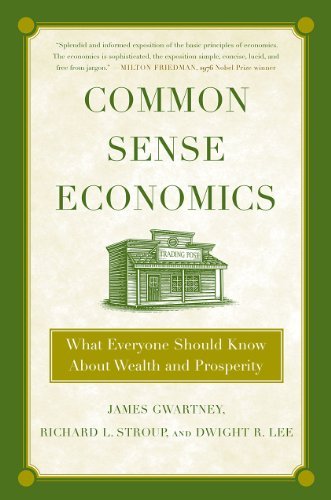
"Common Sense Economics" demystifies economic principles, breaking down complex theories into understandable concepts. It explores how market forces, government policies, and individual choices impact wealth creation and societal prosperity, presenting a clear framework for understanding economic realities relevant to everyday life.
Both books advocate for practical, accessible solutions to complex societal challenges, grounded in what they present as fundamental truths. They share a core belief in simplifying daunting topics and offering direct, actionable insights. While one focuses on UK policy and the other on general economics, their shared "common sense" approach and their aim to empower citizens with informed perspectives forge a strong thematic link.
This book will appeal to individuals seeking to understand the underlying mechanisms that drive economic growth and individual well-being. It provides a solid foundation for evaluating economic news and policy debates, offering tools for critical thinking about financial decisions and societal development. Its clarity and directness make complex economic ideas approachable and empowering for any engaged citizen.
Common Sense Economics: What Everyone Should Know About Wealth and Prosperity
"Common Sense Economics" demystifies economic principles, breaking down complex theories into understandable concepts. It explores how market forces, government policies, and individual choices impact wealth creation and societal prosperity, presenting a clear framework for understanding economic realities relevant to everyday life.
Both books advocate for practical, accessible solutions to complex societal challenges, grounded in what they present as fundamental truths. They share a core belief in simplifying daunting topics and offering direct, actionable insights. While one focuses on UK policy and the other on general economics, their shared "common sense" approach and their aim to empower citizens with informed perspectives forge a strong thematic link.
This book will appeal to individuals seeking to understand the underlying mechanisms that drive economic growth and individual well-being. It provides a solid foundation for evaluating economic news and policy debates, offering tools for critical thinking about financial decisions and societal development. Its clarity and directness make complex economic ideas approachable and empowering for any engaged citizen.
The Revolution: A Manifesto

Ron Paul's "The Revolution: A Manifesto" outlines a political philosophy rooted in classical liberalism and limited government, advocating for individual liberty, a non-interventionist foreign policy, and sound economic principles. Paul critiques government overreach in various sectors, from finance to healthcare, and proposes returning power to individuals and states through constitutional adherence and fiscal responsibility. It's a call to action for a fundamental shift in political thought and policy.
The similarity to "100 Common Sense Policies to make BRITAIN GREAT again" lies in their shared objective: proposing a comprehensive set of policies aimed at national revitalization through a specific ideological lens. Both books present a structured agenda, arguing that their proposed common-sense solutions will restore national greatness by challenging existing political norms and advocating for a return to what they perceive as fundamental, core principles.
The book will appeal to those who feel disenchanted with the current political establishment and seek tangible alternatives. It offers a clear, articulate vision for societal change through a consistent philosophical framework, providing both a critique of current systems and a detailed blueprint for reform. It offers a valuable perspective for anyone interested in libertarian thought, constitutionalism, or a more restrained governmental role in individual lives and the economy.
The Revolution: A Manifesto
Ron Paul's "The Revolution: A Manifesto" outlines a political philosophy rooted in classical liberalism and limited government, advocating for individual liberty, a non-interventionist foreign policy, and sound economic principles. Paul critiques government overreach in various sectors, from finance to healthcare, and proposes returning power to individuals and states through constitutional adherence and fiscal responsibility. It's a call to action for a fundamental shift in political thought and policy.
The similarity to "100 Common Sense Policies to make BRITAIN GREAT again" lies in their shared objective: proposing a comprehensive set of policies aimed at national revitalization through a specific ideological lens. Both books present a structured agenda, arguing that their proposed common-sense solutions will restore national greatness by challenging existing political norms and advocating for a return to what they perceive as fundamental, core principles.
The book will appeal to those who feel disenchanted with the current political establishment and seek tangible alternatives. It offers a clear, articulate vision for societal change through a consistent philosophical framework, providing both a critique of current systems and a detailed blueprint for reform. It offers a valuable perspective for anyone interested in libertarian thought, constitutionalism, or a more restrained governmental role in individual lives and the economy.
The Bill of Obligations: The Ten Habits of Good Citizens
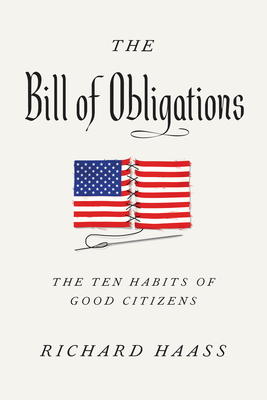
"The Bill of Obligations: The Ten Habits of Good Citizens" by Richard N. Haass outlines fundamental responsibilities individuals should embrace to strengthen democratic societies. Haass argues that while citizens often focus on rights, a robust democracy equally demands acts of civic duty, from staying informed to engaging in civil discourse and fulfilling community roles. It’s a practical guide for fostering constructive citizenship.
Haass's book shares common ground with Karl Wiggins' "100 Common Sense Policies to make BRITAIN GREAT again" in their shared ambition to improve society through actionable principles. Both works move beyond abstract ideals to propose concrete steps—whether policies or personal habits—that aim to elevate national well-being and societal cohesion. They each present a clear, foundational framework for positive change, albeit from different perspectives.
This book will resonate with anyone seeking a practical, non-partisan framework for civic engagement. Its value lies in offering digestible principles for active citizenship, empowering individuals to contribute meaningfully to democratic health. It provides a hopeful and constructive counterbalance to political polarization, inspiring readers to embody the behaviors essential for a thriving society.
The Bill of Obligations: The Ten Habits of Good Citizens
"The Bill of Obligations: The Ten Habits of Good Citizens" by Richard N. Haass outlines fundamental responsibilities individuals should embrace to strengthen democratic societies. Haass argues that while citizens often focus on rights, a robust democracy equally demands acts of civic duty, from staying informed to engaging in civil discourse and fulfilling community roles. It’s a practical guide for fostering constructive citizenship.
Haass's book shares common ground with Karl Wiggins' "100 Common Sense Policies to make BRITAIN GREAT again" in their shared ambition to improve society through actionable principles. Both works move beyond abstract ideals to propose concrete steps—whether policies or personal habits—that aim to elevate national well-being and societal cohesion. They each present a clear, foundational framework for positive change, albeit from different perspectives.
This book will resonate with anyone seeking a practical, non-partisan framework for civic engagement. Its value lies in offering digestible principles for active citizenship, empowering individuals to contribute meaningfully to democratic health. It provides a hopeful and constructive counterbalance to political polarization, inspiring readers to embody the behaviors essential for a thriving society.
More Books to Explore
Discover more titles that expand on these ideas and themes.
Crippled America: How to Make America Great Again
Follow The Money: How much does Britain cost?
Pro Truth: A Practical Plan for Putting Truth Back Into Politics
The Establishment: And How They Get Away with It
An Inconvenient Book: Real Solutions to the World's Biggest Problems
Utopia for Realists: How We Can Build the Ideal World