10 Books Similar to "Zero to One: Notes on Startups, or How to Build the Future"
by Peter Thiel

The Lean Startup
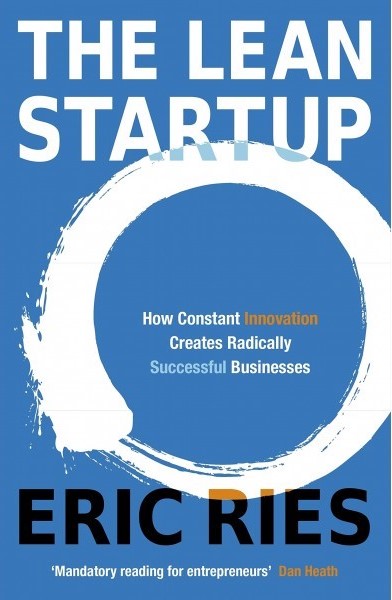
"The Lean Startup" introduces a scientific approach to creating and managing startups, emphasizing rapid experimentation and validated learning. Instead of elaborate business plans, it advocates for building a minimum viable product (MVP), testing it with real customers, and continuously iterating based on feedback. This process of "build-measure-learn" aims to reduce waste and increase the chances of building something customers truly want.
Both "The Lean Startup" and "Zero to One" fundamentally challenge conventional wisdom in the startup world. While "Zero to One" champions the creation of truly novel, monopolistic products, "The Lean Startup" provides a practical methodology for actually achieving that innovation. Both books stress the importance of understanding customer needs and focusing on what truly adds value, rather than simply competing. They offer frameworks for founders to navigate uncertainty and build sustainable businesses.
This book will appeal to entrepreneurs, innovators, and anyone interested in practical strategies for bringing new ideas to fruition. Its systematic approach provides actionable steps for testing assumptions, adapting to market feedback, and efficiently developing products or services. It empowers individuals and teams to build with purpose and significantly increase their likelihood of success in dynamic environments.
The Lean Startup
"The Lean Startup" introduces a scientific approach to creating and managing startups, emphasizing rapid experimentation and validated learning. Instead of elaborate business plans, it advocates for building a minimum viable product (MVP), testing it with real customers, and continuously iterating based on feedback. This process of "build-measure-learn" aims to reduce waste and increase the chances of building something customers truly want.
Both "The Lean Startup" and "Zero to One" fundamentally challenge conventional wisdom in the startup world. While "Zero to One" champions the creation of truly novel, monopolistic products, "The Lean Startup" provides a practical methodology for actually achieving that innovation. Both books stress the importance of understanding customer needs and focusing on what truly adds value, rather than simply competing. They offer frameworks for founders to navigate uncertainty and build sustainable businesses.
This book will appeal to entrepreneurs, innovators, and anyone interested in practical strategies for bringing new ideas to fruition. Its systematic approach provides actionable steps for testing assumptions, adapting to market feedback, and efficiently developing products or services. It empowers individuals and teams to build with purpose and significantly increase their likelihood of success in dynamic environments.
Burning Entrepreneur: How to Launch, Fund, and Set Your Startup on Fire
"Burning Entrepreneur" by Brad Feld offers a pragmatic, actionable guide to the complete startup journey. It delves into the practicalities of launching, securing funding, and scaling a business. Feld emphasizes the intense dedication, resilience, and strategic acumen required to navigate the entrepreneurial landscape, drawing on his extensive experience as a venture capitalist and entrepreneur.
This book shares thematic common ground with "Zero to One" in its focus on groundbreaking innovation and building businesses that create new value rather than merely competing. Both challenge conventional startup wisdom, advocating for a thoughtful, differentiated approach to market entry and growth. They emphasize establishing a strong foundation and vision as crucial for long-term success.
The valuable insights offered by "Burning Entrepreneur" stem from its blend of strategic thinking with concrete advice. Individuals aiming to build impactful companies will appreciate its candid exploration of the challenges and rewards of entrepreneurship. It provides a robust framework for transforming an innovative idea into a flourishing enterprise, offering both inspiration and a practical toolkit for aspiring founders.
Burning Entrepreneur: How to Launch, Fund, and Set Your Startup on Fire
"Burning Entrepreneur" by Brad Feld offers a pragmatic, actionable guide to the complete startup journey. It delves into the practicalities of launching, securing funding, and scaling a business. Feld emphasizes the intense dedication, resilience, and strategic acumen required to navigate the entrepreneurial landscape, drawing on his extensive experience as a venture capitalist and entrepreneur.
This book shares thematic common ground with "Zero to One" in its focus on groundbreaking innovation and building businesses that create new value rather than merely competing. Both challenge conventional startup wisdom, advocating for a thoughtful, differentiated approach to market entry and growth. They emphasize establishing a strong foundation and vision as crucial for long-term success.
The valuable insights offered by "Burning Entrepreneur" stem from its blend of strategic thinking with concrete advice. Individuals aiming to build impactful companies will appreciate its candid exploration of the challenges and rewards of entrepreneurship. It provides a robust framework for transforming an innovative idea into a flourishing enterprise, offering both inspiration and a practical toolkit for aspiring founders.
New Startup Mindset: Ten Mindset Shifts to Build the Company of Your Dreams
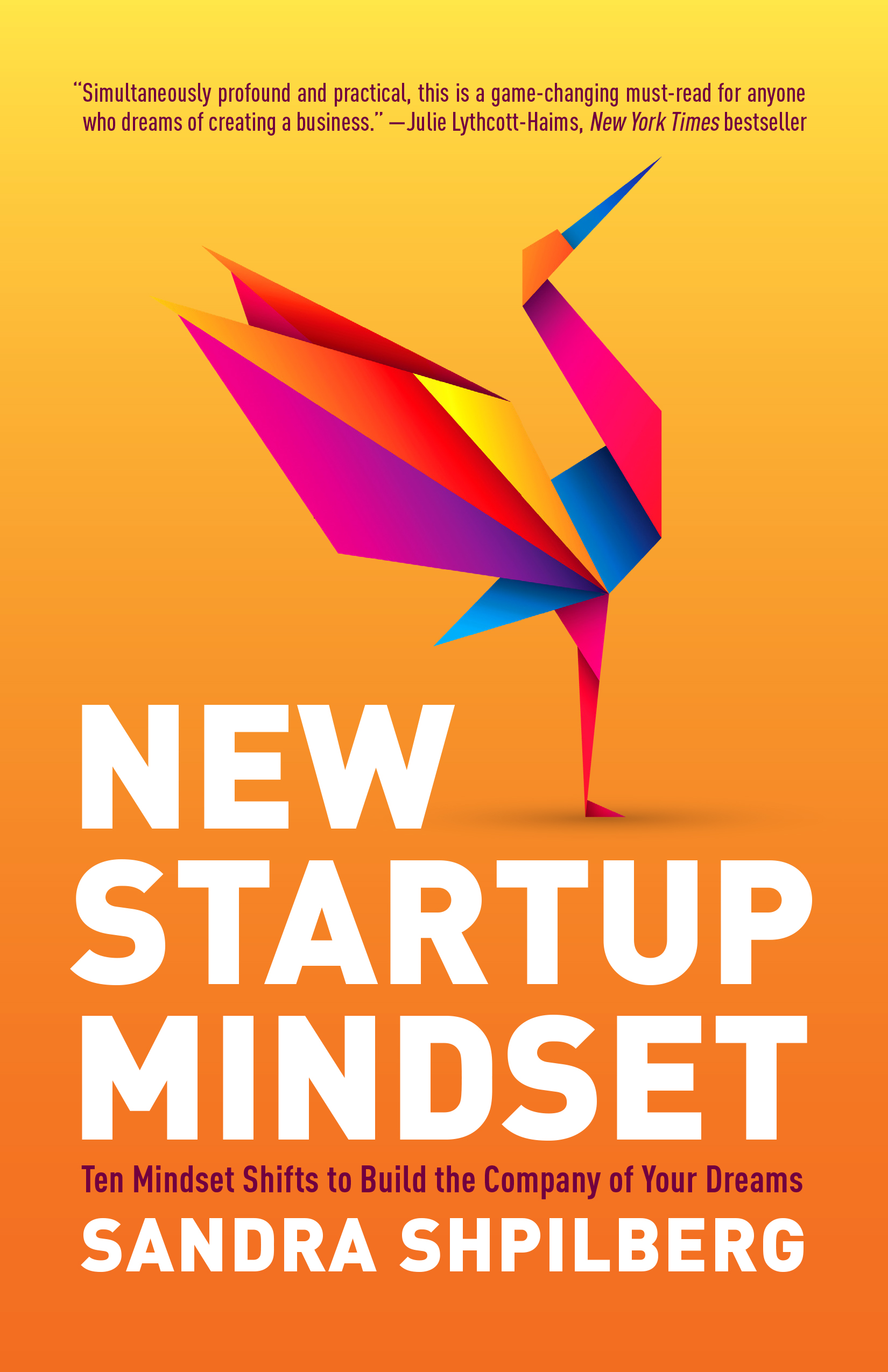
"New Startup Mindset" explores ten crucial mental frameworks founders need to cultivate for enduring success. It delves into practical, actionable shifts in perspective concerning strategy, product development, team building, and market understanding, moving beyond conventional startup wisdom to equip entrepreneurs with the agility and foresight required to navigate complex business landscapes and build truly impactful ventures.
This book resonates with "Zero to One" due to its emphasis on foundational thinking and challenging established norms. Both works advocate for creating genuinely new value rather than merely optimizing existing solutions. They share a focus on strategic differentiation and the mental fortitude required to achieve ambitious, long-term visions, moving beyond incremental improvements towards transformative innovation.
Entrepreneurs seeking practical wisdom to refine their approach will appreciate this book. It offers a structured methodology for internalizing crucial entrepreneurial principles, translating abstract concepts into actionable insights. Its value lies in providing a clear roadmap for cultivating the psychological resilience and strategic clarity essential for building a thriving enterprise.
New Startup Mindset: Ten Mindset Shifts to Build the Company of Your Dreams
"New Startup Mindset" explores ten crucial mental frameworks founders need to cultivate for enduring success. It delves into practical, actionable shifts in perspective concerning strategy, product development, team building, and market understanding, moving beyond conventional startup wisdom to equip entrepreneurs with the agility and foresight required to navigate complex business landscapes and build truly impactful ventures.
This book resonates with "Zero to One" due to its emphasis on foundational thinking and challenging established norms. Both works advocate for creating genuinely new value rather than merely optimizing existing solutions. They share a focus on strategic differentiation and the mental fortitude required to achieve ambitious, long-term visions, moving beyond incremental improvements towards transformative innovation.
Entrepreneurs seeking practical wisdom to refine their approach will appreciate this book. It offers a structured methodology for internalizing crucial entrepreneurial principles, translating abstract concepts into actionable insights. Its value lies in providing a clear roadmap for cultivating the psychological resilience and strategic clarity essential for building a thriving enterprise.
The Hard Thing About Hard Things: Building a Business When There Are No Easy Answers―Straight Talk on the Challenges of Entrepreneurship
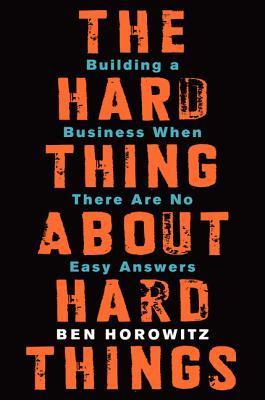
*The Hard Thing About Hard Things* offers an unvarnished, empathetic look at the grueling reality of leading a startup, particularly during crises. Ben Horowitz, drawing from his experience as a CEO and venture capitalist, doesn't offer easy answers but provides practical advice on everything from firing employees to managing growth and navigating competitive landscapes. It’s a survival guide for founders facing the relentless pressures of entrepreneurship.
Both books tackle the fundamental challenges of building and leading innovative companies. While Thiel in *Zero to One* emphasizes creating truly new and monopolistic ventures, Horowitz focuses on the operational and psychological fortitude required to execute that vision. They both share a pragmatic, often counter-intuitive approach to business strategy and leadership, dissecting the myths of startup life.
This book will appeal to anyone grappling with the complexities of leadership, especially in high-stakes environments. Its candid portrayal of hardship, coupled with actionable strategies for overcoming adversity, provides invaluable perspective. It serves as a grounded counterpoint to idealistic narratives, offering solace and practical guidance for navigating the inevitable "hard things" in business and life.
The Hard Thing About Hard Things: Building a Business When There Are No Easy Answers―Straight Talk on the Challenges of Entrepreneurship
*The Hard Thing About Hard Things* offers an unvarnished, empathetic look at the grueling reality of leading a startup, particularly during crises. Ben Horowitz, drawing from his experience as a CEO and venture capitalist, doesn't offer easy answers but provides practical advice on everything from firing employees to managing growth and navigating competitive landscapes. It’s a survival guide for founders facing the relentless pressures of entrepreneurship.
Both books tackle the fundamental challenges of building and leading innovative companies. While Thiel in *Zero to One* emphasizes creating truly new and monopolistic ventures, Horowitz focuses on the operational and psychological fortitude required to execute that vision. They both share a pragmatic, often counter-intuitive approach to business strategy and leadership, dissecting the myths of startup life.
This book will appeal to anyone grappling with the complexities of leadership, especially in high-stakes environments. Its candid portrayal of hardship, coupled with actionable strategies for overcoming adversity, provides invaluable perspective. It serves as a grounded counterpoint to idealistic narratives, offering solace and practical guidance for navigating the inevitable "hard things" in business and life.
How to Think Like Steve Jobs
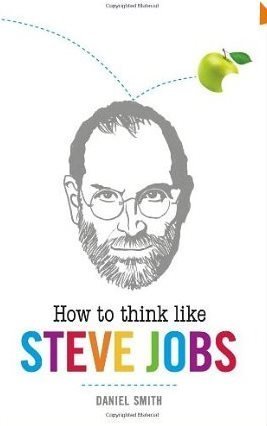
"How to Think Like Steve Jobs" distills the key principles and cognitive approaches that defined Jobs's entrepreneurial and product development philosophy. It examines his relentless pursuit of perfection, his intuitive understanding of user experience, and his strategic vision for disrupting industries, presenting these as actionable mindsets rather than just a biography.
This book shares common ground with "Zero to One" by focusing on the creation of truly novel value and the importance of unique vision. Both works advocate for moving beyond mere iteration to build something fundamentally new, rather than competing in existing markets. They emphasize the power of singular leadership and a distinct perspective to achieve breakthrough success.
The insights offered provide a valuable framework for anyone aspiring to innovate or lead. Its practical exploration of Jobs's strategic thinking will inspire individuals to question conventions, cultivate a strong product ethos, and ultimately, build enterprises that profoundly impact the world.
How to Think Like Steve Jobs
"How to Think Like Steve Jobs" distills the key principles and cognitive approaches that defined Jobs's entrepreneurial and product development philosophy. It examines his relentless pursuit of perfection, his intuitive understanding of user experience, and his strategic vision for disrupting industries, presenting these as actionable mindsets rather than just a biography.
This book shares common ground with "Zero to One" by focusing on the creation of truly novel value and the importance of unique vision. Both works advocate for moving beyond mere iteration to build something fundamentally new, rather than competing in existing markets. They emphasize the power of singular leadership and a distinct perspective to achieve breakthrough success.
The insights offered provide a valuable framework for anyone aspiring to innovate or lead. Its practical exploration of Jobs's strategic thinking will inspire individuals to question conventions, cultivate a strong product ethos, and ultimately, build enterprises that profoundly impact the world.
Abundance: The Future Is Better Than You Think
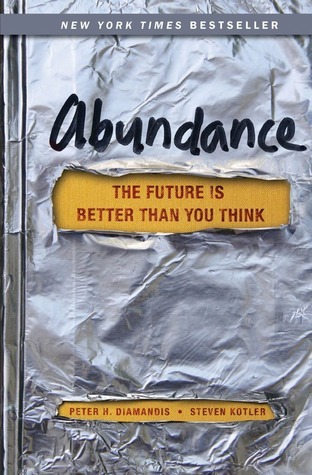
"Abundance: The Future Is Better Than You Think" explores how humanity is on the cusp of solving its greatest challenges through accelerating technological progress. It argues that innovations in areas like AI, robotics, and biotechnology are creating a world where basic needs can be met for everyone, shifting from an era of scarcity to one of abundance. The book provides numerous examples of exponential technologies and how they’re poised to deliver unprecedented solutions to global issues like energy, water, and poverty.
This book shares thematic common ground with "Zero to One" in its embrace of technological innovation as the primary driver of a better future. Both authors emphasize the transformative power of unique solutions and exponential growth. While Thiel focuses on creating new, monopolistic value through unique startups, Diamandis expands this concept to a societal level, illustrating how groundbreaking technologies, often originating from innovative companies, are solving grand challenges and reshaping our global landscape for the better.
The optimistic yet evidence-backed perspective on the future is compelling. It offers a powerful antidote to pervasive pessimism, inspiring confidence in humanity’s capacity to overcome obstacles through ingenuity and entrepreneurship. This book provides a valuable framework for understanding the profound societal impact of technological advancements, encouraging a proactive and hopeful outlook on the opportunities ahead.
Abundance: The Future Is Better Than You Think
"Abundance: The Future Is Better Than You Think" explores how humanity is on the cusp of solving its greatest challenges through accelerating technological progress. It argues that innovations in areas like AI, robotics, and biotechnology are creating a world where basic needs can be met for everyone, shifting from an era of scarcity to one of abundance. The book provides numerous examples of exponential technologies and how they’re poised to deliver unprecedented solutions to global issues like energy, water, and poverty.
This book shares thematic common ground with "Zero to One" in its embrace of technological innovation as the primary driver of a better future. Both authors emphasize the transformative power of unique solutions and exponential growth. While Thiel focuses on creating new, monopolistic value through unique startups, Diamandis expands this concept to a societal level, illustrating how groundbreaking technologies, often originating from innovative companies, are solving grand challenges and reshaping our global landscape for the better.
The optimistic yet evidence-backed perspective on the future is compelling. It offers a powerful antidote to pervasive pessimism, inspiring confidence in humanity’s capacity to overcome obstacles through ingenuity and entrepreneurship. This book provides a valuable framework for understanding the profound societal impact of technological advancements, encouraging a proactive and hopeful outlook on the opportunities ahead.
How Google Works

"How Google Works" offers a revealing look into the management principles and culture that drove Google's unprecedented growth. Written by former CEO Eric Schmidt and former head of products Jonathan Rosenberg, it outlines their strategies for fostering innovation, attracting "smart creatives," and building a scalable, adaptable organization in a rapidly changing technological landscape.
This book resonates with "Zero to One" by focusing on the underlying philosophies of successful, innovative companies. Both emphasize the importance of distinct vision, unconventional thinking, and creating something truly new, rather than merely iterating on existing models. While Thiel champions finding a unique monopoly, Schmidt and Rosenberg detail how Google fostered that uniqueness through its organizational structure and talent strategy.
Anyone interested in the nuts and bolts of building a disruptive company will value this book. It provides actionable insights into cultivating a high-performing culture, making timely decisions, and navigating hyper-growth. Its practical advice, grounded in Google's experience, offers a valuable framework for entrepreneurs, leaders, and aspiring innovators seeking to build enduring success.
How Google Works
"How Google Works" offers a revealing look into the management principles and culture that drove Google's unprecedented growth. Written by former CEO Eric Schmidt and former head of products Jonathan Rosenberg, it outlines their strategies for fostering innovation, attracting "smart creatives," and building a scalable, adaptable organization in a rapidly changing technological landscape.
This book resonates with "Zero to One" by focusing on the underlying philosophies of successful, innovative companies. Both emphasize the importance of distinct vision, unconventional thinking, and creating something truly new, rather than merely iterating on existing models. While Thiel champions finding a unique monopoly, Schmidt and Rosenberg detail how Google fostered that uniqueness through its organizational structure and talent strategy.
Anyone interested in the nuts and bolts of building a disruptive company will value this book. It provides actionable insights into cultivating a high-performing culture, making timely decisions, and navigating hyper-growth. Its practical advice, grounded in Google's experience, offers a valuable framework for entrepreneurs, leaders, and aspiring innovators seeking to build enduring success.
Elon Musk: Tesla, SpaceX, and the Quest for a Fantastic Future
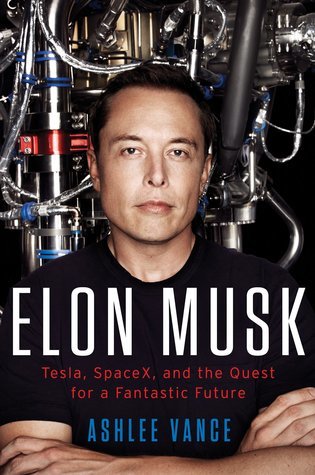
"Elon Musk: Tesla, SpaceX, and the Quest for a Fantastic Future" chronicles the ambitious and often tumultuous journey of Elon Musk, focusing on his pivotal role in founding and scaling groundbreaking companies like Tesla and SpaceX. The book delves into his relentless drive, unconventional leadership, and unwavering vision to revolutionize industries and shape the future of humanity, all through the lens of a detailed biography.
This biography shares thematic resonance with "Zero to One" by Peter Thiel in its exploration of fundamental questions concerning innovation, entrepreneurship, and the creation of entirely new markets. Both books celebrate the pursuit of unique, differentiated value – what Thiel calls going "from zero to one" – rather than merely improving existing products. Vance’s portrayal of Musk vividly illustrates the practical application of Thiel’s theories on monopolistic advantage, long-term vision, and the vital role of individual genius in forging a new future.
The book will appeal to those interested in the real-world application of disruptive innovation and the mindset behind building world-changing companies. It offers inspiring insights into overcoming immense challenges, the power of audacious goals, and the dedication required to transform abstract ideas into tangible reality. Its value lies in providing a concrete case study of radical invention and the entrepreneurial spirit that pushes societal boundaries.
Elon Musk: Tesla, SpaceX, and the Quest for a Fantastic Future
"Elon Musk: Tesla, SpaceX, and the Quest for a Fantastic Future" chronicles the ambitious and often tumultuous journey of Elon Musk, focusing on his pivotal role in founding and scaling groundbreaking companies like Tesla and SpaceX. The book delves into his relentless drive, unconventional leadership, and unwavering vision to revolutionize industries and shape the future of humanity, all through the lens of a detailed biography.
This biography shares thematic resonance with "Zero to One" by Peter Thiel in its exploration of fundamental questions concerning innovation, entrepreneurship, and the creation of entirely new markets. Both books celebrate the pursuit of unique, differentiated value – what Thiel calls going "from zero to one" – rather than merely improving existing products. Vance’s portrayal of Musk vividly illustrates the practical application of Thiel’s theories on monopolistic advantage, long-term vision, and the vital role of individual genius in forging a new future.
The book will appeal to those interested in the real-world application of disruptive innovation and the mindset behind building world-changing companies. It offers inspiring insights into overcoming immense challenges, the power of audacious goals, and the dedication required to transform abstract ideas into tangible reality. Its value lies in providing a concrete case study of radical invention and the entrepreneurial spirit that pushes societal boundaries.
The Art of the Start: The Time-Tested, Battle-Hardened Guide for Anyone Starting Anything

Guy Kawasaki's "The Art of the Start" acts as a practical, accessible manual for anyone embarking on an entrepreneurial journey. It distills the essential steps, mindset, and common pitfalls of starting a venture, from fundraising and crafting a compelling pitch to building a team and fostering a brand. Kawasaki emphasizes actionable advice and real-world examples, making complex startup concepts digestible for a broad audience.
This book shares thematic commonalities with Peter Thiel's "Zero to One" in its focus on the foundational principles of creating something new and impactful. Both works challenge conventional wisdom regarding startups and underscore the importance of differentiation and visionary thinking. While "Zero to One" delves deeper into contrarian philosophy and the concept of monopolies, "The Art of the Start" provides a complementary, step-by-step operational guide for manifesting such innovative ideas.
Individuals seeking a hands-on, encouraging resource for navigating the initial stages of a startup will find this immensely valuable. Its direct language, combined with Guy Kawasaki's extensive experience and engaging style, provides both inspiration and a robust toolkit for transforming an idea into a functioning enterprise. It offers practical wisdom crucial for anyone ready to build something from the ground up.
The Art of the Start: The Time-Tested, Battle-Hardened Guide for Anyone Starting Anything
Guy Kawasaki's "The Art of the Start" acts as a practical, accessible manual for anyone embarking on an entrepreneurial journey. It distills the essential steps, mindset, and common pitfalls of starting a venture, from fundraising and crafting a compelling pitch to building a team and fostering a brand. Kawasaki emphasizes actionable advice and real-world examples, making complex startup concepts digestible for a broad audience.
This book shares thematic commonalities with Peter Thiel's "Zero to One" in its focus on the foundational principles of creating something new and impactful. Both works challenge conventional wisdom regarding startups and underscore the importance of differentiation and visionary thinking. While "Zero to One" delves deeper into contrarian philosophy and the concept of monopolies, "The Art of the Start" provides a complementary, step-by-step operational guide for manifesting such innovative ideas.
Individuals seeking a hands-on, encouraging resource for navigating the initial stages of a startup will find this immensely valuable. Its direct language, combined with Guy Kawasaki's extensive experience and engaging style, provides both inspiration and a robust toolkit for transforming an idea into a functioning enterprise. It offers practical wisdom crucial for anyone ready to build something from the ground up.
Start Something That Matters

Blake Mycoskie’s "Start Something That Matters" chronicles the journey of TOMS Shoes, emphasizing the power of integrating social good directly into a business model. It's a pragmatic guide arguing that purpose-driven ventures are not only viable but also essential for sustainable success. Mycoskie shares actionable insights on identifying a compelling need, building a brand around a cause, and scaling operations while maintaining ethical foundations.
This book resonates with "Zero to One" by Peter Thiel in its fundamental challenge to conventional business thinking. Both authors advocate for creating genuinely new value rather than merely competing within existing markets. While Thiel frames this as pursuing a "monopoly" through unique innovation, Mycoskie demonstrates it through a unique, socially conscious business model, establishing a distinct market position based on giving back. Both works encourage bold, forward-thinking approaches to entrepreneurship.
The book offers a compelling narrative for anyone aspiring to build a business with impact. It provides a blueprint for merging profit with purpose, illustrating how to create customer loyalty and foster employee engagement through shared values. Its practical advice on navigating challenges, coupled with its inspiring real-world example, proves invaluable for entrepreneurs and business leaders seeking to build ventures that are both economically sound and ethically driven.
Start Something That Matters
Blake Mycoskie’s "Start Something That Matters" chronicles the journey of TOMS Shoes, emphasizing the power of integrating social good directly into a business model. It's a pragmatic guide arguing that purpose-driven ventures are not only viable but also essential for sustainable success. Mycoskie shares actionable insights on identifying a compelling need, building a brand around a cause, and scaling operations while maintaining ethical foundations.
This book resonates with "Zero to One" by Peter Thiel in its fundamental challenge to conventional business thinking. Both authors advocate for creating genuinely new value rather than merely competing within existing markets. While Thiel frames this as pursuing a "monopoly" through unique innovation, Mycoskie demonstrates it through a unique, socially conscious business model, establishing a distinct market position based on giving back. Both works encourage bold, forward-thinking approaches to entrepreneurship.
The book offers a compelling narrative for anyone aspiring to build a business with impact. It provides a blueprint for merging profit with purpose, illustrating how to create customer loyalty and foster employee engagement through shared values. Its practical advice on navigating challenges, coupled with its inspiring real-world example, proves invaluable for entrepreneurs and business leaders seeking to build ventures that are both economically sound and ethically driven.
More Books to Explore
Discover more titles that expand on these ideas and themes.
The Lean Startup
Burning Entrepreneur: How to Launch, Fund, and Set Your Startup on Fire
New Startup Mindset: Ten Mindset Shifts to Build the Company of Your Dreams
The Hard Thing About Hard Things: Building a Business When There Are No Easy Answers―Straight Talk on the Challenges of Entrepreneurship
How to Think Like Steve Jobs
Abundance: The Future Is Better Than You Think