10 Books Similar to "War and Peace"
by Leo Tolstoy
War and Peace, V1/2
"War and Peace, V1/2" is essentially the first half of Tolstoy's monumental novel, presented as a standalone volume. It delves into the lives of several aristocratic Russian families during the turbulent Napoleonic Wars, particularly focusing on their personal dramas, societal expectations, and the looming political and military conflicts of 1805 and the lead-up to 1812. The narrative explores themes of love, betrayal, ambition, and the human search for meaning amidst historical upheaval.
This edition is similar to the complete "War and Peace" because, quite simply, it *is* a significant portion of that very same novel. It retains Tolstoy's intricate character development, his sweeping historical detail, and his philosophical musings on war, history, and free will. All the core elements that define the original remain intact within this abridged presentation.
It will appeal to those who appreciate epic historical fiction and profound character studies, but may find the sheer length of the complete "War and Peace" daunting. This concentrated version offers a more manageable entry point, allowing engagement with Tolstoy's incomparable storytelling and profound insights without committing to the full four volumes. It provides a rich and immersive experience, proving valuable for its accessible dive into a literary masterpiece.
War and Peace, V1/2
"War and Peace, V1/2" is essentially the first half of Tolstoy's monumental novel, presented as a standalone volume. It delves into the lives of several aristocratic Russian families during the turbulent Napoleonic Wars, particularly focusing on their personal dramas, societal expectations, and the looming political and military conflicts of 1805 and the lead-up to 1812. The narrative explores themes of love, betrayal, ambition, and the human search for meaning amidst historical upheaval.
This edition is similar to the complete "War and Peace" because, quite simply, it *is* a significant portion of that very same novel. It retains Tolstoy's intricate character development, his sweeping historical detail, and his philosophical musings on war, history, and free will. All the core elements that define the original remain intact within this abridged presentation.
It will appeal to those who appreciate epic historical fiction and profound character studies, but may find the sheer length of the complete "War and Peace" daunting. This concentrated version offers a more manageable entry point, allowing engagement with Tolstoy's incomparable storytelling and profound insights without committing to the full four volumes. It provides a rich and immersive experience, proving valuable for its accessible dive into a literary masterpiece.
Война и мир. Том 2/4
"Война и мир. Том 2/4" delves deeper into the lives of Russia's aristocratic families as historical events, particularly the Napoleonic Wars, increasingly intrude upon their personal spheres. It traces the evolving relationships, moral quandaries, and personal growth of central characters like Pierre Bezukhov, Natasha Rostova, and Andrei Bolkonsky, exploring their internal struggles and societal pressures amidst the impending conflict and societal upheaval.
This book is essentially the second volume of Tolstoy's magnificent epic "War and Peace." It continues the overarching narrative without interruption, utilizing the same characters, historical setting, and philosophical depth. It maintains Tolstoy's signature blend of intricate character development, detailed historical commentary, and profound reflections on fate, free will, and the human condition.
Anyone captivated by grand historical narratives and profound human drama will find this volume compelling. Its value lies in its seamless continuation of a literary masterpiece, further enriching the complex tapestry of characters and historical events. It offers deeper insights into the societal machinations and individual transformations that define the era, making it an indispensable part of the complete "War and Peace" experience.
Война и мир. Том 2/4
"Война и мир. Том 2/4" delves deeper into the lives of Russia's aristocratic families as historical events, particularly the Napoleonic Wars, increasingly intrude upon their personal spheres. It traces the evolving relationships, moral quandaries, and personal growth of central characters like Pierre Bezukhov, Natasha Rostova, and Andrei Bolkonsky, exploring their internal struggles and societal pressures amidst the impending conflict and societal upheaval.
This book is essentially the second volume of Tolstoy's magnificent epic "War and Peace." It continues the overarching narrative without interruption, utilizing the same characters, historical setting, and philosophical depth. It maintains Tolstoy's signature blend of intricate character development, detailed historical commentary, and profound reflections on fate, free will, and the human condition.
Anyone captivated by grand historical narratives and profound human drama will find this volume compelling. Its value lies in its seamless continuation of a literary masterpiece, further enriching the complex tapestry of characters and historical events. It offers deeper insights into the societal machinations and individual transformations that define the era, making it an indispensable part of the complete "War and Peace" experience.
Anna Karenina

*Anna Karenina* explores the tragic affair between a married socialite, Anna, and the dashing Count Vronsky, set against the backdrop of 19th-century Russian aristocracy. It juxtaposes Anna's passionate, destructive love with the steadfast, morally grounded domesticity of Levin and Kitty, offering a profound examination of love, societal expectations, and the search for meaning.
Like *War and Peace*, *Anna Karenina* is an expansive narrative rich in character development and psychological insight. Both novels delve deep into the complexities of human relationships, often contrasting individual desires with broader societal forces. Tolstoy's masterful grasp of intricate social dynamics and the inner lives of his characters is a shared hallmark.
This novel offers a compelling exploration of universal dilemmas surrounding love, fidelity, and self-discovery. Its timeless themes and richly drawn characters provide a deeply resonant experience, prompting reflection on personal responsibility and the societal pressures that shape our choices. The intricate portrayal of emotional landscapes and moral ambiguities ensures its enduring relevance.
Anna Karenina
*Anna Karenina* explores the tragic affair between a married socialite, Anna, and the dashing Count Vronsky, set against the backdrop of 19th-century Russian aristocracy. It juxtaposes Anna's passionate, destructive love with the steadfast, morally grounded domesticity of Levin and Kitty, offering a profound examination of love, societal expectations, and the search for meaning.
Like *War and Peace*, *Anna Karenina* is an expansive narrative rich in character development and psychological insight. Both novels delve deep into the complexities of human relationships, often contrasting individual desires with broader societal forces. Tolstoy's masterful grasp of intricate social dynamics and the inner lives of his characters is a shared hallmark.
This novel offers a compelling exploration of universal dilemmas surrounding love, fidelity, and self-discovery. Its timeless themes and richly drawn characters provide a deeply resonant experience, prompting reflection on personal responsibility and the societal pressures that shape our choices. The intricate portrayal of emotional landscapes and moral ambiguities ensures its enduring relevance.
Anna Karenina, Vol 1 of 2

"Anna Karenina, Vol 1 of 2" chronicles the tragic love affair between the eponymous married socialite and the dashing Count Vronsky, set against the backdrop of 19th-century Russian aristocracy. Beyond the central romance, the narrative intricately weaves in a contrasting portrayal of domestic life and moral integrity through the character of Levin, a landowner grappling with philosophical and spiritual questions. It explores themes of societal hypocrisy, love, infidelity, and the search for meaning within human existence.
This novel shares a striking resemblance to "War and Peace" through Tolstoy's signature panoramic scope and deep psychological insight. Both works extensively explore the inner lives and motivations of a large cast of characters, scrutinizing the complexities of human relationships and the impact of societal forces. The meticulous detailing of Russian society, from grand balls to rural life, and the philosophical underpinnings concerning morality and personal happiness are hallmarks present in both epics.
Its profound exploration of timeless human dilemmas offers significant value. The intricate character studies and the unflinching examination of societal constraints on individual desires provide rich material for reflection. The novel’s enduring power lies in its ability to illuminate universal truths about love, loss, and the pursuit of an authentic life, making it a compelling and thought-provoking experience.
Anna Karenina, Vol 1 of 2
"Anna Karenina, Vol 1 of 2" chronicles the tragic love affair between the eponymous married socialite and the dashing Count Vronsky, set against the backdrop of 19th-century Russian aristocracy. Beyond the central romance, the narrative intricately weaves in a contrasting portrayal of domestic life and moral integrity through the character of Levin, a landowner grappling with philosophical and spiritual questions. It explores themes of societal hypocrisy, love, infidelity, and the search for meaning within human existence.
This novel shares a striking resemblance to "War and Peace" through Tolstoy's signature panoramic scope and deep psychological insight. Both works extensively explore the inner lives and motivations of a large cast of characters, scrutinizing the complexities of human relationships and the impact of societal forces. The meticulous detailing of Russian society, from grand balls to rural life, and the philosophical underpinnings concerning morality and personal happiness are hallmarks present in both epics.
Its profound exploration of timeless human dilemmas offers significant value. The intricate character studies and the unflinching examination of societal constraints on individual desires provide rich material for reflection. The novel’s enduring power lies in its ability to illuminate universal truths about love, loss, and the pursuit of an authentic life, making it a compelling and thought-provoking experience.
The Cossacks and Other Stories

"The Cossacks and Other Stories" primarily delves into the life of a young, disillusioned Russian nobleman, Dmitry Olenin, who seeks authenticity and meaning in the untamed wilderness and tribal community of the Caucasus. It explores his attempts to integrate into Cossack life, his romantic encounters, and his eventual realization of the chasm between his idealized notions and the harsh realities of their existence. The "Other Stories" provide a broader canvas of Tolstoy's early thematic explorations, often examining youthful introspection and societal critiques.
Its similarities to "War and Peace" lie in its profound exploration of philosophical themes such as the search for meaning, the conflict between individual desire and societal expectations, and the disillusionment with artificial urban life. Both works showcase Tolstoy's keen observation of human nature and his ability to craft rich psychological portraits. The detailed depiction of a specific culture and its values, alongside a protagonist undergoing significant personal transformation, echoes the grandeur and introspective depth found in the larger epic.
This collection offers an insightful look into Tolstoy's formative concerns and stylistic development. Its appeal stems from its accessible length and compelling narratives, allowing for a focused engagement with Tolstoy's signature themes of self-discovery, nature versus civilization, and the quest for true happiness, all while showcasing his masterful narrative voice even in his earlier works. It serves as an excellent introduction to his philosophical underpinnings and literary artistry for those who appreciate profound moral and existential inquiries.
The Cossacks and Other Stories
"The Cossacks and Other Stories" primarily delves into the life of a young, disillusioned Russian nobleman, Dmitry Olenin, who seeks authenticity and meaning in the untamed wilderness and tribal community of the Caucasus. It explores his attempts to integrate into Cossack life, his romantic encounters, and his eventual realization of the chasm between his idealized notions and the harsh realities of their existence. The "Other Stories" provide a broader canvas of Tolstoy's early thematic explorations, often examining youthful introspection and societal critiques.
Its similarities to "War and Peace" lie in its profound exploration of philosophical themes such as the search for meaning, the conflict between individual desire and societal expectations, and the disillusionment with artificial urban life. Both works showcase Tolstoy's keen observation of human nature and his ability to craft rich psychological portraits. The detailed depiction of a specific culture and its values, alongside a protagonist undergoing significant personal transformation, echoes the grandeur and introspective depth found in the larger epic.
This collection offers an insightful look into Tolstoy's formative concerns and stylistic development. Its appeal stems from its accessible length and compelling narratives, allowing for a focused engagement with Tolstoy's signature themes of self-discovery, nature versus civilization, and the quest for true happiness, all while showcasing his masterful narrative voice even in his earlier works. It serves as an excellent introduction to his philosophical underpinnings and literary artistry for those who appreciate profound moral and existential inquiries.
The Cossacks

*The Cossacks* follows a disillusioned young Moscow nobleman, Dmitry Olenin, who abandons urban society for the rugged, untamed beauty of the Caucasus. He attempts to integrate into the Cossack community, yearning for a simpler, more authentic existence and finding himself torn between their natural vitality and his former life's artificiality, while also falling in love with a local woman.
Both novels share Tolstoy's profound exploration of human nature, societal critique, and the quest for meaning. *The Cossacks*, like *War and Peace*, showcases individuals grappling with their place in the world, the futility of societal conventions, and the search for spiritual truth amidst conflict and personal struggle. Both protagonists seek an escape from aristocratic superficiality, finding profound lessons in starker realities.
This book offers a compelling deep dive into themes of alienation, self-discovery, and the allure of an elemental life, all rendered with Tolstoy's signature psychological insight and vivid descriptive power. Its exploration of Russian identity in the periphery and the timeless conflict between civilization and nature provides enduring value, offering a powerful contemplation of what truly constitutes a meaningful existence.
The Cossacks
*The Cossacks* follows a disillusioned young Moscow nobleman, Dmitry Olenin, who abandons urban society for the rugged, untamed beauty of the Caucasus. He attempts to integrate into the Cossack community, yearning for a simpler, more authentic existence and finding himself torn between their natural vitality and his former life's artificiality, while also falling in love with a local woman.
Both novels share Tolstoy's profound exploration of human nature, societal critique, and the quest for meaning. *The Cossacks*, like *War and Peace*, showcases individuals grappling with their place in the world, the futility of societal conventions, and the search for spiritual truth amidst conflict and personal struggle. Both protagonists seek an escape from aristocratic superficiality, finding profound lessons in starker realities.
This book offers a compelling deep dive into themes of alienation, self-discovery, and the allure of an elemental life, all rendered with Tolstoy's signature psychological insight and vivid descriptive power. Its exploration of Russian identity in the periphery and the timeless conflict between civilization and nature provides enduring value, offering a powerful contemplation of what truly constitutes a meaningful existence.
Master and Man
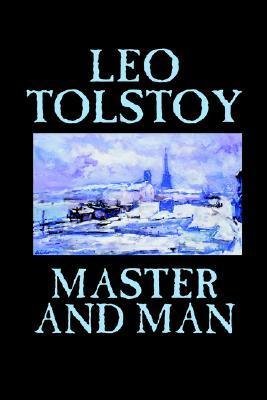
"Master and Man" centers on a wealthy landowner, Vasili Andreevich, and his servant, Nikita, who become hopelessly lost in a blizzard while traveling. As their situation grows increasingly desperate, the story delves into their starkly contrasting inner lives, their escalating existential fears, and the profound moral choices they face in the brutal struggle for survival.
The novella shares "War and Peace"'s deep engagement with themes of human hubris versus humility, the unexpected paths to spiritual awakening, and the corrosive nature of materialism versus the redemptive power of self-sacrifice. Both works meticulously explore individuals grappling with their mortality and the search for genuine meaning amidst societal upheaval or natural catastrophe, revealing Tolstoy's enduring philosophical concerns.
This compact narrative offers a powerful distillation of Tolstoy's philosophical and psychological insights, accessible in a single sitting. It provides a potent and moving examination of altruism, class dynamics, and the ultimate value of human life, challenging perspectives on wealth and moral responsibility without the expansive scope of an epic. It is a profound and impactful exploration of the human condition.
Master and Man
"Master and Man" centers on a wealthy landowner, Vasili Andreevich, and his servant, Nikita, who become hopelessly lost in a blizzard while traveling. As their situation grows increasingly desperate, the story delves into their starkly contrasting inner lives, their escalating existential fears, and the profound moral choices they face in the brutal struggle for survival.
The novella shares "War and Peace"'s deep engagement with themes of human hubris versus humility, the unexpected paths to spiritual awakening, and the corrosive nature of materialism versus the redemptive power of self-sacrifice. Both works meticulously explore individuals grappling with their mortality and the search for genuine meaning amidst societal upheaval or natural catastrophe, revealing Tolstoy's enduring philosophical concerns.
This compact narrative offers a powerful distillation of Tolstoy's philosophical and psychological insights, accessible in a single sitting. It provides a potent and moving examination of altruism, class dynamics, and the ultimate value of human life, challenging perspectives on wealth and moral responsibility without the expansive scope of an epic. It is a profound and impactful exploration of the human condition.
Resurrection
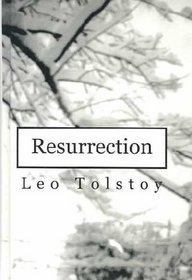
"Resurrection" chronicles the moral awakening of Prince Dmitry Nekhlyudov, a nobleman whose youthful seduction of a peasant girl, Katerina Maslova, leads to her unjust conviction for murder. Driven by guilt and a burgeoning spiritual crisis, Nekhlyudov dedicates himself to overturning her sentence, uncovering the corruption and social injustices rife within the Russian legal and penal systems as he pursues her into Siberian exile.
Like "War and Peace," "Resurrection" delves deeply into the human condition, exploring profound philosophical and ethical questions through the lens of individual struggle and societal upheaval. Both novels feature sprawling narratives that scrutinize the moral failings and redemptive possibilities of their protagonists against a backdrop of significant historical and social commentary, examining themes of faith, forgiveness, and the pursuit of truth.
This novel will resonate with those who appreciate a meticulously crafted exploration of personal transformation and societal critique. It offers a powerful meditation on justice, morality, and the potential for redemption, prompting reflection on individual responsibility and the impact of systemic inequality. Its unflinching examination of conscience and social structures provides enduring intellectual and emotional satisfaction.
Resurrection
"Resurrection" chronicles the moral awakening of Prince Dmitry Nekhlyudov, a nobleman whose youthful seduction of a peasant girl, Katerina Maslova, leads to her unjust conviction for murder. Driven by guilt and a burgeoning spiritual crisis, Nekhlyudov dedicates himself to overturning her sentence, uncovering the corruption and social injustices rife within the Russian legal and penal systems as he pursues her into Siberian exile.
Like "War and Peace," "Resurrection" delves deeply into the human condition, exploring profound philosophical and ethical questions through the lens of individual struggle and societal upheaval. Both novels feature sprawling narratives that scrutinize the moral failings and redemptive possibilities of their protagonists against a backdrop of significant historical and social commentary, examining themes of faith, forgiveness, and the pursuit of truth.
This novel will resonate with those who appreciate a meticulously crafted exploration of personal transformation and societal critique. It offers a powerful meditation on justice, morality, and the potential for redemption, prompting reflection on individual responsibility and the impact of systemic inequality. Its unflinching examination of conscience and social structures provides enduring intellectual and emotional satisfaction.
What Men Live by and Other Tales

"What Men Live by and Other Tales" is a collection of Tolstoy's shorter moralistic stories, often parabolic in nature, exploring fundamental questions of faith, charity, and the essence of human existence. They are accessible fables, stripped of complex plotlines, designed to illuminate simple yet profound spiritual truths through the lives of ordinary people.
The similarity to "War and Peace" lies in their shared exploration of profound philosophical and ethical queries. Both works, despite their vast differences in scale, grapple with the human condition, the nature of good and evil, the role of love and compassion, and the search for meaning beyond material pursuits. While "War and Peace" examines these themes through historical epic, "What Men Live by" distills them into timeless, universally applicable narratives.
This collection will appeal to those seeking concentrated doses of Tolstoy's insightful wisdom without the commitment of his sprawling novels. It offers a direct pathway into his core philosophical concerns, demonstrating his ability to craft compelling narratives that resonate deeply and encourage reflection on one's own values and purpose. The tales provide enduring moral lessons, presented with clarity and emotional depth.
What Men Live by and Other Tales
"What Men Live by and Other Tales" is a collection of Tolstoy's shorter moralistic stories, often parabolic in nature, exploring fundamental questions of faith, charity, and the essence of human existence. They are accessible fables, stripped of complex plotlines, designed to illuminate simple yet profound spiritual truths through the lives of ordinary people.
The similarity to "War and Peace" lies in their shared exploration of profound philosophical and ethical queries. Both works, despite their vast differences in scale, grapple with the human condition, the nature of good and evil, the role of love and compassion, and the search for meaning beyond material pursuits. While "War and Peace" examines these themes through historical epic, "What Men Live by" distills them into timeless, universally applicable narratives.
This collection will appeal to those seeking concentrated doses of Tolstoy's insightful wisdom without the commitment of his sprawling novels. It offers a direct pathway into his core philosophical concerns, demonstrating his ability to craft compelling narratives that resonate deeply and encourage reflection on one's own values and purpose. The tales provide enduring moral lessons, presented with clarity and emotional depth.
The Death of Ivan Ilych and Other Stories

"The Death of Ivan Ilych and Other Stories" primarily centers on the titular novella, a profound exploration of a high court judge's final days as he confronts his own mortality, the superficiality of his life, and the true meaning of human connection. The accompanying stories often delve into similar existential crises, moral dilemmas, and the search for authentic living amidst societal artifice.
Both works share Tolstoy's penetrating psychological insight and his unflinching critique of societal conventions. Like "War and Peace," "Ivan Ilych" dissects the human condition with meticulous detail, examining the intricate interplay between individual consciousness and broader social forces. The focus on life's ultimate questions, the meaning of existence, and the nature of happiness, though on different scales, forms a strong thematic bridge between them.
This collection offers a powerful introspective journey. It prompts contemplation on life's priorities, the pursuit of genuine happiness, and the impact of one's choices, making it a deeply resonant and thought-provoking experience. The stark honesty of Tolstoy's prose, coupled with the universal themes, ensures its lasting relevance and significant emotional impact.
The Death of Ivan Ilych and Other Stories
"The Death of Ivan Ilych and Other Stories" primarily centers on the titular novella, a profound exploration of a high court judge's final days as he confronts his own mortality, the superficiality of his life, and the true meaning of human connection. The accompanying stories often delve into similar existential crises, moral dilemmas, and the search for authentic living amidst societal artifice.
Both works share Tolstoy's penetrating psychological insight and his unflinching critique of societal conventions. Like "War and Peace," "Ivan Ilych" dissects the human condition with meticulous detail, examining the intricate interplay between individual consciousness and broader social forces. The focus on life's ultimate questions, the meaning of existence, and the nature of happiness, though on different scales, forms a strong thematic bridge between them.
This collection offers a powerful introspective journey. It prompts contemplation on life's priorities, the pursuit of genuine happiness, and the impact of one's choices, making it a deeply resonant and thought-provoking experience. The stark honesty of Tolstoy's prose, coupled with the universal themes, ensures its lasting relevance and significant emotional impact.
More Books to Explore
Discover more titles that expand on these ideas and themes.
War and Peace, V1/2
Война и мир. Том 2/4
Anna Karenina
Anna Karenina, Vol 1 of 2
The Cossacks and Other Stories
The Cossacks