10 Books Similar to "Waking the Tiger: Healing Trauma"
by Peter A. Levine
The Body Keeps the Score: Brain, Mind, and Body in the Healing of Trauma
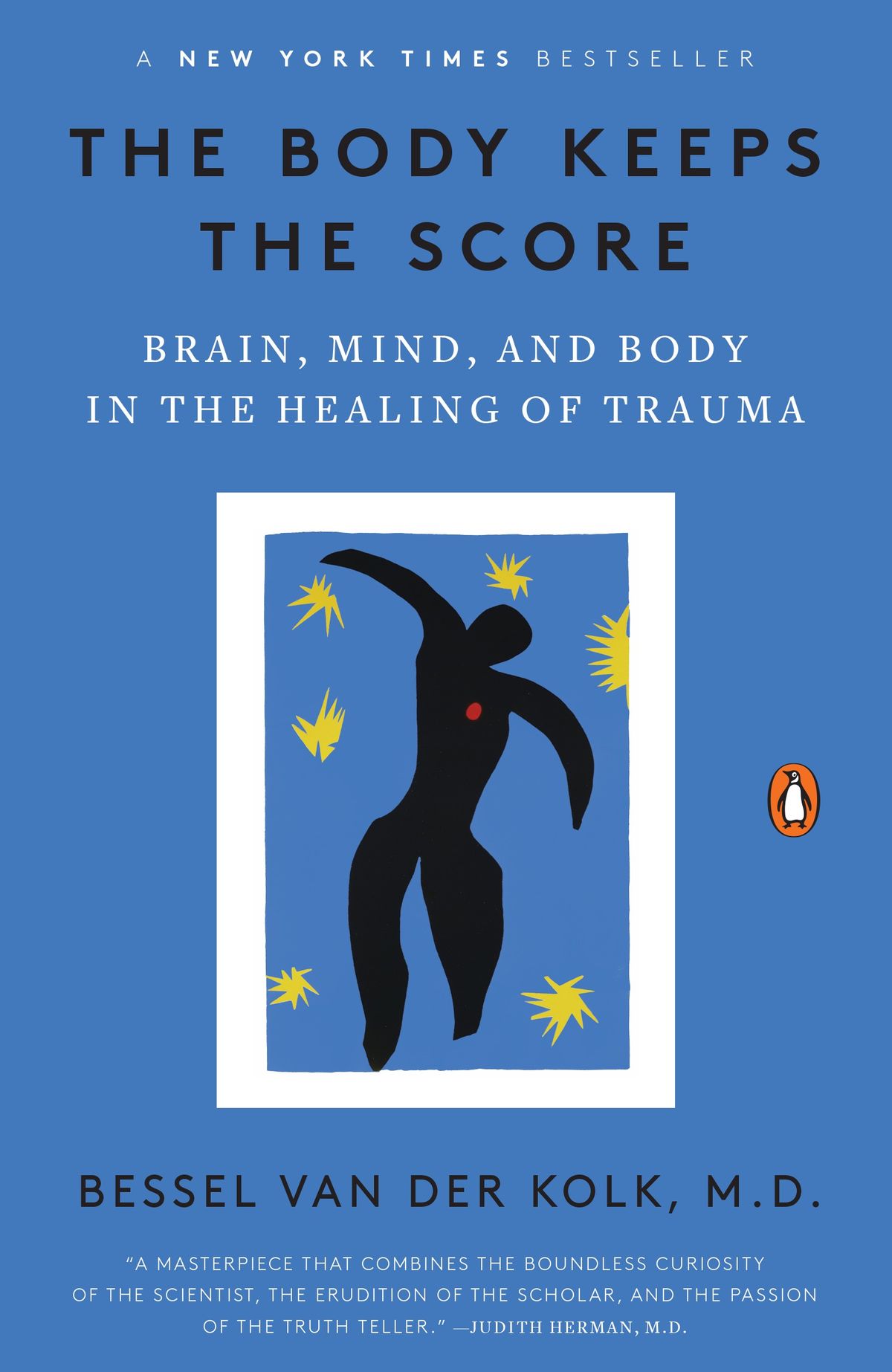
"The Body Keeps the Score" delves into the profound and lasting impact of trauma on the brain, mind, and body. Dr. van der Kolk explains how traumatic experiences, particularly chronic and early-life ones, literally reshape neural pathways, affecting emotional regulation, memory, and even physical health. He highlights that trauma isn't merely a psychological wound but a physiological one, manifesting in a myriad of symptoms beyond conscious recall, and advocates for integrative approaches to healing that acknowledge this bodily dimension.
This book shares significant common ground with "Waking the Tiger" by emphasizing the body's central role in processing and recovering from trauma. Both authors argue that trauma, much like an animal experiencing a threat, imprints itself physically and disrupts the nervous system's natural regulatory functions. They challenge purely talk-therapy approaches, suggesting that effective healing must engage the somatic experience rather than solely cognitive understanding. Both pivot on the idea that unresolved trauma can be 'stuck' in the body.
The in-depth scientific explanations combined with compelling case studies make this book particularly valuable. It offers a comprehensive understanding for anyone seeking to comprehend the true nature of trauma, whether personally affected or working with others who are. Its exploration of innovative therapies provides hope and practical insights into pathways for recovery, making it an essential resource for professionals and individuals alike.
The Body Keeps the Score: Brain, Mind, and Body in the Healing of Trauma
"The Body Keeps the Score" delves into the profound and lasting impact of trauma on the brain, mind, and body. Dr. van der Kolk explains how traumatic experiences, particularly chronic and early-life ones, literally reshape neural pathways, affecting emotional regulation, memory, and even physical health. He highlights that trauma isn't merely a psychological wound but a physiological one, manifesting in a myriad of symptoms beyond conscious recall, and advocates for integrative approaches to healing that acknowledge this bodily dimension.
This book shares significant common ground with "Waking the Tiger" by emphasizing the body's central role in processing and recovering from trauma. Both authors argue that trauma, much like an animal experiencing a threat, imprints itself physically and disrupts the nervous system's natural regulatory functions. They challenge purely talk-therapy approaches, suggesting that effective healing must engage the somatic experience rather than solely cognitive understanding. Both pivot on the idea that unresolved trauma can be 'stuck' in the body.
The in-depth scientific explanations combined with compelling case studies make this book particularly valuable. It offers a comprehensive understanding for anyone seeking to comprehend the true nature of trauma, whether personally affected or working with others who are. Its exploration of innovative therapies provides hope and practical insights into pathways for recovery, making it an essential resource for professionals and individuals alike.
What Happened To You?: Conversations on Trauma, Resilience, and Healing
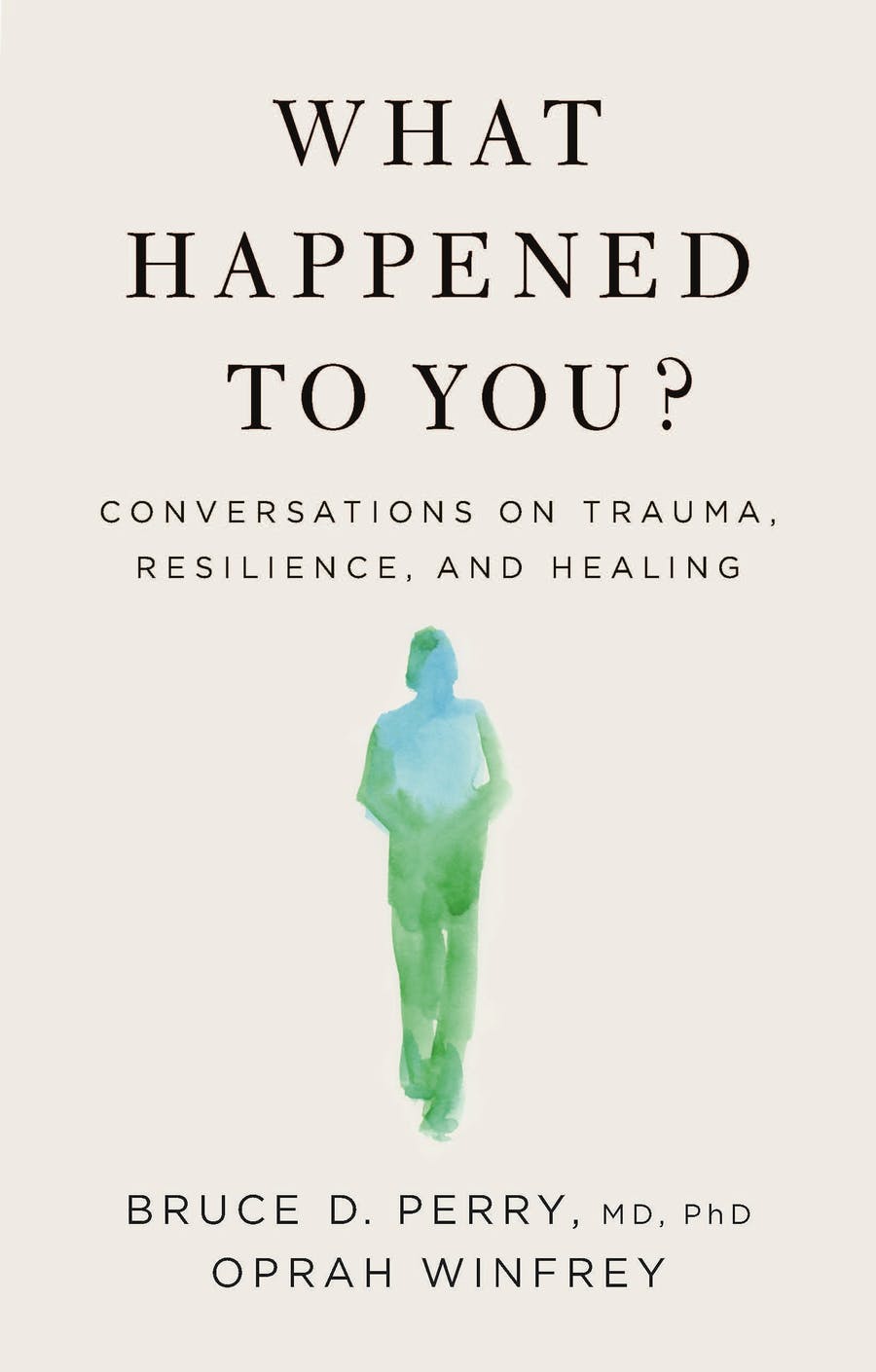
"What Happened To You?: Conversations on Trauma, Resilience, and Healing" by Bruce D. Perry, co-authored with Oprah Winfrey, explores the profound impact of childhood adversity and trauma on development, behavior, and overall well-being. Through a series of dialogues, it reframes the common question "What's wrong with you?" into "What happened to you?", providing a more empathetic and scientifically grounded understanding of human suffering and resilience. The book illustrates how early experiences shape brain architecture and offers insights into healing and recovery.
This book shares a core thematic kinship with "Waking the Tiger: Healing Trauma" in its exploration of trauma's physiological roots and its focus on how past experiences manifest in present-day challenges. Both works emphasize that trauma isn't merely a psychological event but deeply embedded in the body and nervous system, requiring approaches that address these somatic components. Both Perry and Levine advocate for understanding the biological underpinnings of trauma to facilitate effective healing.
Understanding the principles within this book offers profound insights into one's own experiences and the behaviors of others. It helps to demystify complex emotional and behavioral patterns, replacing judgment with compassion and a scientific framework for healing. This perspective empowers individuals to navigate personal struggles and foster more supportive responses within relationships and communities.
What Happened To You?: Conversations on Trauma, Resilience, and Healing
"What Happened To You?: Conversations on Trauma, Resilience, and Healing" by Bruce D. Perry, co-authored with Oprah Winfrey, explores the profound impact of childhood adversity and trauma on development, behavior, and overall well-being. Through a series of dialogues, it reframes the common question "What's wrong with you?" into "What happened to you?", providing a more empathetic and scientifically grounded understanding of human suffering and resilience. The book illustrates how early experiences shape brain architecture and offers insights into healing and recovery.
This book shares a core thematic kinship with "Waking the Tiger: Healing Trauma" in its exploration of trauma's physiological roots and its focus on how past experiences manifest in present-day challenges. Both works emphasize that trauma isn't merely a psychological event but deeply embedded in the body and nervous system, requiring approaches that address these somatic components. Both Perry and Levine advocate for understanding the biological underpinnings of trauma to facilitate effective healing.
Understanding the principles within this book offers profound insights into one's own experiences and the behaviors of others. It helps to demystify complex emotional and behavioral patterns, replacing judgment with compassion and a scientific framework for healing. This perspective empowers individuals to navigate personal struggles and foster more supportive responses within relationships and communities.
Traumatic Stress: The Effects of Overwhelming Experience on Mind, Body, and Society
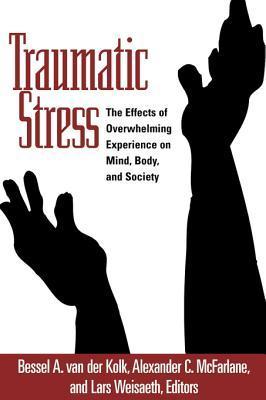
"Traumatic Stress" by Bessel van der Kolk is a comprehensive exploration of how overwhelming experiences profoundly alter the mind, body, and social connections. It delves into the neurobiology of trauma, its impact on attachment and development, and the historical evolution of our understanding of post-traumatic stress. The book meticulously details various therapeutic approaches, emphasizing the need for treatments that address the whole person, not just symptoms.
This work resonates with "Waking the Tiger" in its core premise: trauma is not merely a psychological event, but a physiological one, deeply affecting the body's regulatory systems. Both books advocate for somatic (body-oriented) approaches to healing, recognizing that the body holds and expresses traumatic memory, often beyond the reach of verbal therapy alone. They share a focus on restoring a sense of safety and regulation through practices that engage physical sensations and instincts.
Its appeal lies in its authoritative yet accessible presentation of decades of research and clinical experience. It offers a profound understanding of trauma's far-reaching consequences and empowers both professionals and individuals with insights into effective pathways to recovery. The book's interdisciplinary approach provides a holistic framework for comprehending and addressing the complexities of traumatic stress.
Traumatic Stress: The Effects of Overwhelming Experience on Mind, Body, and Society
"Traumatic Stress" by Bessel van der Kolk is a comprehensive exploration of how overwhelming experiences profoundly alter the mind, body, and social connections. It delves into the neurobiology of trauma, its impact on attachment and development, and the historical evolution of our understanding of post-traumatic stress. The book meticulously details various therapeutic approaches, emphasizing the need for treatments that address the whole person, not just symptoms.
This work resonates with "Waking the Tiger" in its core premise: trauma is not merely a psychological event, but a physiological one, deeply affecting the body's regulatory systems. Both books advocate for somatic (body-oriented) approaches to healing, recognizing that the body holds and expresses traumatic memory, often beyond the reach of verbal therapy alone. They share a focus on restoring a sense of safety and regulation through practices that engage physical sensations and instincts.
Its appeal lies in its authoritative yet accessible presentation of decades of research and clinical experience. It offers a profound understanding of trauma's far-reaching consequences and empowers both professionals and individuals with insights into effective pathways to recovery. The book's interdisciplinary approach provides a holistic framework for comprehending and addressing the complexities of traumatic stress.
The Healing Power of Stories
"The Healing Power of Stories" explores how narratives, both personal and universal, serve as fundamental tools for psychological and spiritual recovery. It delves into the processes by which recounting, listening to, and engaging with stories can illuminate inner truths, process difficult experiences, and foster emotional integration. Taylor illustrates how stories provide frameworks for understanding our struggles and pathways toward resolution and meaning.
Both books share a core conviction that trauma and emotional distress are not merely intellectual problems requiring rational solutions, but deeply embodied experiences requiring comprehensive approaches. While Levine focuses on the body's innate capacity to discharge stored trauma through somatic experiencing, Taylor highlights how stories offer a parallel mechanism for processing overwhelming events. Both emphasize navigating and integrating past experiences rather than simply suppressing them, using different modalities to achieve a similar outcome of emotional and psychological healing.
This book will appeal to those seeking a profound understanding of narrative's therapeutic potential. It offers practical insights into how storytelling, in its myriad forms, can facilitate personal growth and resilience. Its exploration of human connection through shared experiences and the profound impact of crafting one's own narrative journey provides a valuable resource for anyone on a path of healing or self-discovery.
The Healing Power of Stories
"The Healing Power of Stories" explores how narratives, both personal and universal, serve as fundamental tools for psychological and spiritual recovery. It delves into the processes by which recounting, listening to, and engaging with stories can illuminate inner truths, process difficult experiences, and foster emotional integration. Taylor illustrates how stories provide frameworks for understanding our struggles and pathways toward resolution and meaning.
Both books share a core conviction that trauma and emotional distress are not merely intellectual problems requiring rational solutions, but deeply embodied experiences requiring comprehensive approaches. While Levine focuses on the body's innate capacity to discharge stored trauma through somatic experiencing, Taylor highlights how stories offer a parallel mechanism for processing overwhelming events. Both emphasize navigating and integrating past experiences rather than simply suppressing them, using different modalities to achieve a similar outcome of emotional and psychological healing.
This book will appeal to those seeking a profound understanding of narrative's therapeutic potential. It offers practical insights into how storytelling, in its myriad forms, can facilitate personal growth and resilience. Its exploration of human connection through shared experiences and the profound impact of crafting one's own narrative journey provides a valuable resource for anyone on a path of healing or self-discovery.
The Wounded Heart

"The Wounded Heart" by Dan B. Allender delves into the profound impact of sexual abuse and trauma on one's identity, relationships, and spiritual life. It offers a compassionate and unflinching guide through the complex process of acknowledging wounds, grieving losses, and finding a path toward healing and reintegration. Allender emphasizes the importance of confronting pain rather than suppressing it, fostering a deeper understanding of self and faith in the aftermath of betrayal.
This book shares a significant kinship with "Waking the Tiger: Healing Trauma" due to their common exploration of trauma's physiological and psychological manifestations, and the necessity of processing these experiences for true healing. Both authors advocate for a holistic approach to recovery, recognizing that trauma is not merely a mental construct but deeply embedded in the body and spirit. They highlight the innate capacity for resilience and the transformative power of engaging with one's pain.
Anyone seeking to understand the enduring effects of trauma and find a framework for healing will appreciate "The Wounded Heart." Its blend of psychological insight, spiritual wisdom, and practical guidance offers a powerful resource for survivors, therapists, and those supporting individuals through difficult journeys. The book provides a profound sense of validation and hope, illuminating a path toward reclaiming inner strength and building a more integrated future.
The Wounded Heart
"The Wounded Heart" by Dan B. Allender delves into the profound impact of sexual abuse and trauma on one's identity, relationships, and spiritual life. It offers a compassionate and unflinching guide through the complex process of acknowledging wounds, grieving losses, and finding a path toward healing and reintegration. Allender emphasizes the importance of confronting pain rather than suppressing it, fostering a deeper understanding of self and faith in the aftermath of betrayal.
This book shares a significant kinship with "Waking the Tiger: Healing Trauma" due to their common exploration of trauma's physiological and psychological manifestations, and the necessity of processing these experiences for true healing. Both authors advocate for a holistic approach to recovery, recognizing that trauma is not merely a mental construct but deeply embedded in the body and spirit. They highlight the innate capacity for resilience and the transformative power of engaging with one's pain.
Anyone seeking to understand the enduring effects of trauma and find a framework for healing will appreciate "The Wounded Heart." Its blend of psychological insight, spiritual wisdom, and practical guidance offers a powerful resource for survivors, therapists, and those supporting individuals through difficult journeys. The book provides a profound sense of validation and hope, illuminating a path toward reclaiming inner strength and building a more integrated future.
Messages from the Masters: Tapping into the Power of Love

"Messages from the Masters" by Brian Weiss delves into the concept of past-life regression and the profound spiritual insights gained through connecting with "Masters" or spirit guides. The book posits that deep-seated emotional and physical issues often originate in past lives, and by accessing these memories, individuals can achieve healing and spiritual growth. It highlights the universality of love as the ultimate guiding force.
Both books explore the intricate connection between past experiences and present-day well-being. While "Waking the Tiger" focuses on the physiological responses to trauma within this lifetime, "Messages from the Masters" extends this therapeutic lens to previous existences, suggesting that unresolved emotional patterns can transcend lifetimes. They both offer pathways to understanding the roots of suffering and empowering individuals to move beyond it.
This book will appeal to those seeking a spiritual dimension to healing and personal development. It offers a compelling framework for understanding persistent life challenges and provides comfort and hope through the affirmation of interconnectedness and the enduring power of love. The reported therapeutic successes presented within its pages offer a unique perspective on overcoming deep-seated difficulties.
Messages from the Masters: Tapping into the Power of Love
"Messages from the Masters" by Brian Weiss delves into the concept of past-life regression and the profound spiritual insights gained through connecting with "Masters" or spirit guides. The book posits that deep-seated emotional and physical issues often originate in past lives, and by accessing these memories, individuals can achieve healing and spiritual growth. It highlights the universality of love as the ultimate guiding force.
Both books explore the intricate connection between past experiences and present-day well-being. While "Waking the Tiger" focuses on the physiological responses to trauma within this lifetime, "Messages from the Masters" extends this therapeutic lens to previous existences, suggesting that unresolved emotional patterns can transcend lifetimes. They both offer pathways to understanding the roots of suffering and empowering individuals to move beyond it.
This book will appeal to those seeking a spiritual dimension to healing and personal development. It offers a compelling framework for understanding persistent life challenges and provides comfort and hope through the affirmation of interconnectedness and the enduring power of love. The reported therapeutic successes presented within its pages offer a unique perspective on overcoming deep-seated difficulties.
What Healing Should Be: How to relieve pain and stop suffering

"What Healing Should Be" by George Alexandru offers a pragmatic approach to understanding and alleviating chronic pain and suffering. It delves into the systemic nature of these issues, moving beyond superficial symptom management to explore the underlying physiological and psychological patterns that perpetuate distress. The book equips individuals with a framework for self-awareness and practical strategies to interrupt pain cycles and foster well-being.
This work resonates strongly with "Waking the Tiger: Healing Trauma" due to its shared emphasis on the body's innate capacity for self-regulation and healing. Both authors challenge conventional views by highlighting how unresolved bodily experiences, whether traumatic or chronic stressors, manifest as persistent discomfort. They advocate for a bottom-up, somatic-based understanding, guiding individuals to reconnect with internal sensations as a pathway to resolution rather than solely intellectualizing their suffering.
The appeal of this book lies in its direct, empowering message. For anyone burdened by persistent pain or emotional anguish, it provides a credible alternative to traditional, often inadequate, treatment paradigms. It offers concrete tools and a hopeful perspective, suggesting that relief is achievable by understanding the body’s signals and engaging in conscious, restorative practices. Its value rests in offering a path toward genuine, lasting recovery.
What Healing Should Be: How to relieve pain and stop suffering
"What Healing Should Be" by George Alexandru offers a pragmatic approach to understanding and alleviating chronic pain and suffering. It delves into the systemic nature of these issues, moving beyond superficial symptom management to explore the underlying physiological and psychological patterns that perpetuate distress. The book equips individuals with a framework for self-awareness and practical strategies to interrupt pain cycles and foster well-being.
This work resonates strongly with "Waking the Tiger: Healing Trauma" due to its shared emphasis on the body's innate capacity for self-regulation and healing. Both authors challenge conventional views by highlighting how unresolved bodily experiences, whether traumatic or chronic stressors, manifest as persistent discomfort. They advocate for a bottom-up, somatic-based understanding, guiding individuals to reconnect with internal sensations as a pathway to resolution rather than solely intellectualizing their suffering.
The appeal of this book lies in its direct, empowering message. For anyone burdened by persistent pain or emotional anguish, it provides a credible alternative to traditional, often inadequate, treatment paradigms. It offers concrete tools and a hopeful perspective, suggesting that relief is achievable by understanding the body’s signals and engaging in conscious, restorative practices. Its value rests in offering a path toward genuine, lasting recovery.
The Effects of Childhood Trauma on Adult Perception and Worldview

"The Effects of Childhood Trauma on Adult Perception and Worldview" delves into the enduring impact of early life adversity. It explores how traumatic experiences during childhood can fundamentally shape an individual's cognitions, emotions, and their fundamental understanding of the world, often manifesting in adulthood as chronic emotional distress, relationship difficulties, and distorted self-perception. The book offers a comprehensive analysis of various trauma responses and their long-term consequences.
This book resonates with themes in "Waking the Tiger: Healing Trauma" by focusing on the persistent, often subconscious, influence of past traumatic events on present-day functioning. Both texts illuminate how the body and mind retain imprints of trauma, influencing behavior and well-being long after the initial event. They share a core premise that understanding these deep-seated effects is crucial for healing and personal growth.
This book offers a compelling narrative for those seeking to comprehend the intricate connections between past trauma and present challenges. It provides a robust framework for recognizing how early experiences mold adult thinking and behavior, empowering individuals to embark on a journey of self-discovery and recovery. Its insights are invaluable for anyone looking to understand themselves or others better, fostering empathy and facilitating pathways to healing.
The Effects of Childhood Trauma on Adult Perception and Worldview
"The Effects of Childhood Trauma on Adult Perception and Worldview" delves into the enduring impact of early life adversity. It explores how traumatic experiences during childhood can fundamentally shape an individual's cognitions, emotions, and their fundamental understanding of the world, often manifesting in adulthood as chronic emotional distress, relationship difficulties, and distorted self-perception. The book offers a comprehensive analysis of various trauma responses and their long-term consequences.
This book resonates with themes in "Waking the Tiger: Healing Trauma" by focusing on the persistent, often subconscious, influence of past traumatic events on present-day functioning. Both texts illuminate how the body and mind retain imprints of trauma, influencing behavior and well-being long after the initial event. They share a core premise that understanding these deep-seated effects is crucial for healing and personal growth.
This book offers a compelling narrative for those seeking to comprehend the intricate connections between past trauma and present challenges. It provides a robust framework for recognizing how early experiences mold adult thinking and behavior, empowering individuals to embark on a journey of self-discovery and recovery. Its insights are invaluable for anyone looking to understand themselves or others better, fostering empathy and facilitating pathways to healing.
Same Soul, Many Bodies: Discover the Healing Power of Future Lives through Progression Therapy

"Same Soul, Many Bodies" explores the therapeutic potential of "progression therapy," a concept where individuals, through a guided meditative state, access perceived future selves or lives. Dr. Weiss, a psychiatrist, presents case studies suggesting that insights gained from these future experiences can offer profound healing for current emotional and physical ailments, fostering a sense of continuity and purpose.
The similarity to "Waking the Tiger" lies in their shared premise of addressing trauma and current life challenges by exploring non-traditional avenues of understanding core issues. While Levine focuses on the body's innate capacity to discharge stored trauma through somatic experiencing, Weiss looks to the expansion of self across perceived timelines. Both books ultimately empower individuals to access inner resources for healing beyond conventional talk therapy.
This book will appeal to those who have found conventional approaches insufficient for deep-seated issues or who are open to spiritual and transpersonal perspectives on healing. It offers a framework for understanding personal struggles within a broader context of soul evolution, providing comfort, meaning, and actionable insights for promoting well-being and personal growth.
Same Soul, Many Bodies: Discover the Healing Power of Future Lives through Progression Therapy
"Same Soul, Many Bodies" explores the therapeutic potential of "progression therapy," a concept where individuals, through a guided meditative state, access perceived future selves or lives. Dr. Weiss, a psychiatrist, presents case studies suggesting that insights gained from these future experiences can offer profound healing for current emotional and physical ailments, fostering a sense of continuity and purpose.
The similarity to "Waking the Tiger" lies in their shared premise of addressing trauma and current life challenges by exploring non-traditional avenues of understanding core issues. While Levine focuses on the body's innate capacity to discharge stored trauma through somatic experiencing, Weiss looks to the expansion of self across perceived timelines. Both books ultimately empower individuals to access inner resources for healing beyond conventional talk therapy.
This book will appeal to those who have found conventional approaches insufficient for deep-seated issues or who are open to spiritual and transpersonal perspectives on healing. It offers a framework for understanding personal struggles within a broader context of soul evolution, providing comfort, meaning, and actionable insights for promoting well-being and personal growth.
A Shining Affliction: A Story of Harm and Healing in Psychotherapy
"A Shining Affliction" is a raw, deeply personal memoir by psychotherapist Annie G. Rogers. It chronicles her profound and challenging experience as a patient in a therapeutic relationship that goes awry, leading to significant emotional harm, and her subsequent journey towards healing and reclaiming her professional and personal identity. Rogers unflinchingly examines the ethical complexities, the power dynamics, and the intense vulnerabilities inherent in the therapeutic encounter from both sides of the couch. Her narrative offers a rare, insider's perspective on the very foundations of trust and injury within psychotherapy.
This book resonates with "Waking the Tiger" because both works delve into the profound impact of trauma and the intricate process of healing. While Levine’s book explores the physiological responses to trauma and somatic experiencing as a path to resolution, Rogers provides a vivid, first-person account of psychological trauma inflicted within a professional context, demonstrating the human need to process and integrate overwhelming experiences to find wholeness again. Both emphasize the body's role in trauma, in a broad sense, and the deeply personal, embodied nature of recovery.
The candid exploration of professional ethics, personal vulnerability, and the difficult, often messy, path to recovery will engage many. It offers profound insights into the human condition, the complexities of therapeutic work, and the resilience required to overcome deep psychological wounds. This narrative provides invaluable lessons for mental health professionals and anyone seeking to understand the intricacies of healing from trauma, particularly when trust has been broken.
A Shining Affliction: A Story of Harm and Healing in Psychotherapy
"A Shining Affliction" is a raw, deeply personal memoir by psychotherapist Annie G. Rogers. It chronicles her profound and challenging experience as a patient in a therapeutic relationship that goes awry, leading to significant emotional harm, and her subsequent journey towards healing and reclaiming her professional and personal identity. Rogers unflinchingly examines the ethical complexities, the power dynamics, and the intense vulnerabilities inherent in the therapeutic encounter from both sides of the couch. Her narrative offers a rare, insider's perspective on the very foundations of trust and injury within psychotherapy.
This book resonates with "Waking the Tiger" because both works delve into the profound impact of trauma and the intricate process of healing. While Levine’s book explores the physiological responses to trauma and somatic experiencing as a path to resolution, Rogers provides a vivid, first-person account of psychological trauma inflicted within a professional context, demonstrating the human need to process and integrate overwhelming experiences to find wholeness again. Both emphasize the body's role in trauma, in a broad sense, and the deeply personal, embodied nature of recovery.
The candid exploration of professional ethics, personal vulnerability, and the difficult, often messy, path to recovery will engage many. It offers profound insights into the human condition, the complexities of therapeutic work, and the resilience required to overcome deep psychological wounds. This narrative provides invaluable lessons for mental health professionals and anyone seeking to understand the intricacies of healing from trauma, particularly when trust has been broken.
More Books to Explore
Discover more titles that expand on these ideas and themes.
The Body Keeps the Score: Brain, Mind, and Body in the Healing of Trauma
What Happened To You?: Conversations on Trauma, Resilience, and Healing
Traumatic Stress: The Effects of Overwhelming Experience on Mind, Body, and Society
The Healing Power of Stories
The Wounded Heart
Messages from the Masters: Tapping into the Power of Love