10 Books Similar to "Twilight and Philosophy: Vampires, Vegetarians, and the Pursuit of Immortality"
by Rebecca Housel

Twilight and History

"Twilight and History" delves into the historical contexts and mythologies underpinning Stephenie Meyer's Twilight saga. It examines how real-world historical vampiric traditions, societal influences, and cultural perspectives on romance and otherness converge within the fictional narrative, offering a deeper understanding of the series' origins and impact.
This book shares a fundamental similarity with "Twilight and Philosophy" in its intellectual engagement with the popular "Twilight" phenomenon. Both works move beyond simple plot summaries, instead applying academic lenses—philosophy in one case, history in the other—to extract richer meaning and explore the broader implications of the story and its characters. They elevate the discussion of a widely consumed cultural product.
Individuals captivated by the Twilight series will appreciate this comprehensive exploration of its historical roots. It enriches their appreciation by revealing the depth of research and inspiration woven into the narrative, transforming a popular story into a springboard for understanding historical and mythological traditions. This intellectual depth provides significant value beyond casual reading.
Twilight and History
"Twilight and History" delves into the historical contexts and mythologies underpinning Stephenie Meyer's Twilight saga. It examines how real-world historical vampiric traditions, societal influences, and cultural perspectives on romance and otherness converge within the fictional narrative, offering a deeper understanding of the series' origins and impact.
This book shares a fundamental similarity with "Twilight and Philosophy" in its intellectual engagement with the popular "Twilight" phenomenon. Both works move beyond simple plot summaries, instead applying academic lenses—philosophy in one case, history in the other—to extract richer meaning and explore the broader implications of the story and its characters. They elevate the discussion of a widely consumed cultural product.
Individuals captivated by the Twilight series will appreciate this comprehensive exploration of its historical roots. It enriches their appreciation by revealing the depth of research and inspiration woven into the narrative, transforming a popular story into a springboard for understanding historical and mythological traditions. This intellectual depth provides significant value beyond casual reading.
Superman and Philosophy: What Would the Man of Steel Do?

"Superman and Philosophy: What Would the Man of Steel Do?" delves into the profound philosophical and ethical questions posed by the iconic superhero. It explores themes of power and responsibility, the nature of good and evil, justice, free will, and even the concept of truth as embodied by Superman. The book unpacks how his actions, dilemmas, and very existence offer fertile ground for examining complex philosophical ideas through an accessible and engaging lens.
This book shares a core similarity with "Twilight and Philosophy" in its approach: both utilize popular cultural phenomena as springboards for serious intellectual inquiry. Instead of simply analyzing narrative, they extract philosophical underpinnings from beloved stories, making abstract concepts tangible and relatable to a broader audience. Both collections employ a multidisciplinary perspective, with various academics contributing essays that dissect specific aspects of their respective subject matter.
Its appeal lies in offering a fresh perspective on a universally recognized figure. It demonstrates that popular culture is not merely entertainment but a rich source of philosophical discourse, encouraging critical thinking about ethics and morality in a compelling context. The book provides a valuable tool for understanding the deeper implications of heroism and humanity, even when presented through a fictional, superhuman entity.
Superman and Philosophy: What Would the Man of Steel Do?
"Superman and Philosophy: What Would the Man of Steel Do?" delves into the profound philosophical and ethical questions posed by the iconic superhero. It explores themes of power and responsibility, the nature of good and evil, justice, free will, and even the concept of truth as embodied by Superman. The book unpacks how his actions, dilemmas, and very existence offer fertile ground for examining complex philosophical ideas through an accessible and engaging lens.
This book shares a core similarity with "Twilight and Philosophy" in its approach: both utilize popular cultural phenomena as springboards for serious intellectual inquiry. Instead of simply analyzing narrative, they extract philosophical underpinnings from beloved stories, making abstract concepts tangible and relatable to a broader audience. Both collections employ a multidisciplinary perspective, with various academics contributing essays that dissect specific aspects of their respective subject matter.
Its appeal lies in offering a fresh perspective on a universally recognized figure. It demonstrates that popular culture is not merely entertainment but a rich source of philosophical discourse, encouraging critical thinking about ethics and morality in a compelling context. The book provides a valuable tool for understanding the deeper implications of heroism and humanity, even when presented through a fictional, superhuman entity.
On the Other Hand: The Little Anthology of Big Questions
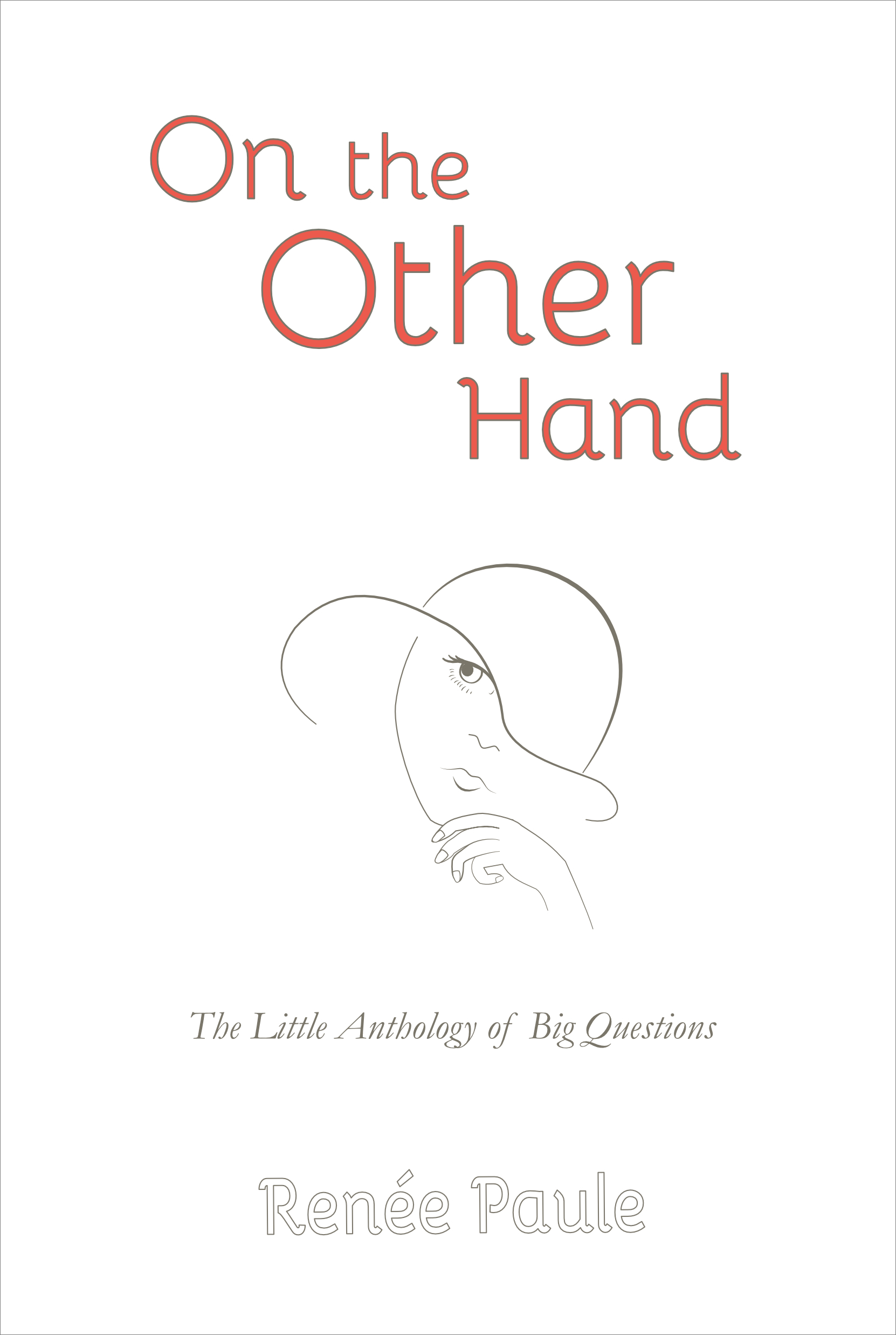
*On the Other Hand: The Little Anthology of Big Questions* is a collection of concise philosophical essays that delve into universally pondered concepts like purpose, truth, and happiness. Each short piece encourages reflection and offers various perspectives on life's fundamental inquiries, prompting readers to engage with complex ideas in an accessible format. It's designed to spark intellectual curiosity and personal introspection without requiring prior philosophical expertise.
This anthology shares a core similarity with *Twilight and Philosophy* in its approach to exploring profound philosophical themes through a specific lens. While *Twilight and Philosophy* uses the popular cultural phenomenon of *Twilight* to dissect ethical dilemmas and existential questions, *On the Other Hand* employs a similar method by presenting diverse viewpoints on age-old philosophical riddles. Both books effectively bridge the gap between abstract philosophical concepts and a broader, intellectually curious audience.
It will appeal to individuals seeking to engage with profound questions in a digestible and thought-provoking manner. The book's concise nature makes it valuable for those who appreciate intellectual stimulation but have limited time for extensive treatises. Its exploration of fundamental human experiences offers a rich opportunity for self-reflection and a broader understanding of varied philosophical viewpoints, enriching one's perspective on life's grand narratives.
On the Other Hand: The Little Anthology of Big Questions
*On the Other Hand: The Little Anthology of Big Questions* is a collection of concise philosophical essays that delve into universally pondered concepts like purpose, truth, and happiness. Each short piece encourages reflection and offers various perspectives on life's fundamental inquiries, prompting readers to engage with complex ideas in an accessible format. It's designed to spark intellectual curiosity and personal introspection without requiring prior philosophical expertise.
This anthology shares a core similarity with *Twilight and Philosophy* in its approach to exploring profound philosophical themes through a specific lens. While *Twilight and Philosophy* uses the popular cultural phenomenon of *Twilight* to dissect ethical dilemmas and existential questions, *On the Other Hand* employs a similar method by presenting diverse viewpoints on age-old philosophical riddles. Both books effectively bridge the gap between abstract philosophical concepts and a broader, intellectually curious audience.
It will appeal to individuals seeking to engage with profound questions in a digestible and thought-provoking manner. The book's concise nature makes it valuable for those who appreciate intellectual stimulation but have limited time for extensive treatises. Its exploration of fundamental human experiences offers a rich opportunity for self-reflection and a broader understanding of varied philosophical viewpoints, enriching one's perspective on life's grand narratives.
Stephen Colbert and Philosophy: I Am Philosophy (And So Can You!)

"Stephen Colbert and Philosophy: I Am Philosophy (And So Can You!)" delves into the philosophical underpinnings of Stephen Colbert's comedic and political persona. It dissects segments from *The Colbert Report* and his public commentaries to explore themes like truth, knowledge, irony, and the nature of political discourse. The book unpacks how Colbert, often through satire and character, engages with serious philosophical concepts, making them accessible and relevant to a broader audience.
This book shares a core similarity with "Twilight and Philosophy" in its approach: both leverage popular culture phenomena to illuminate complex philosophical ideas. Just as "Twilight" uses a fantasy narrative to explore ethics, identity, and existential choices, the Colbert book uses a beloved cultural figure and his comedic commentary to examine epistemology, political philosophy, and the human condition. Both effectively bridge the gap between academic philosophy and mainstream appeal.
Individuals interested in popular culture's intellectual depth and how entertainment can serve as a catalyst for philosophical inquiry will find this valuable. It offers a sophisticated yet engaging analysis of how a public figure, often perceived solely as an entertainer, consistently grapples with profound philosophical questions. This enriches understanding of both Colbert's work and the pervasive nature of philosophical thought in everyday life.
Stephen Colbert and Philosophy: I Am Philosophy (And So Can You!)
"Stephen Colbert and Philosophy: I Am Philosophy (And So Can You!)" delves into the philosophical underpinnings of Stephen Colbert's comedic and political persona. It dissects segments from *The Colbert Report* and his public commentaries to explore themes like truth, knowledge, irony, and the nature of political discourse. The book unpacks how Colbert, often through satire and character, engages with serious philosophical concepts, making them accessible and relevant to a broader audience.
This book shares a core similarity with "Twilight and Philosophy" in its approach: both leverage popular culture phenomena to illuminate complex philosophical ideas. Just as "Twilight" uses a fantasy narrative to explore ethics, identity, and existential choices, the Colbert book uses a beloved cultural figure and his comedic commentary to examine epistemology, political philosophy, and the human condition. Both effectively bridge the gap between academic philosophy and mainstream appeal.
Individuals interested in popular culture's intellectual depth and how entertainment can serve as a catalyst for philosophical inquiry will find this valuable. It offers a sophisticated yet engaging analysis of how a public figure, often perceived solely as an entertainer, consistently grapples with profound philosophical questions. This enriches understanding of both Colbert's work and the pervasive nature of philosophical thought in everyday life.
The Philosopher and the Wolf

Mark Rowlands' "The Philosopher and the Wolf" is a unique memoir that intertwines philosophical inquiry with the author's seventeen-year relationship with an intelligent, challenging wolf named Brenin. Rowlands explores profound questions of ethics, identity, the nature of consciousness, and the divide between human and animal existence, all through the lens of his direct, lived experience with this wild companion. It's a deeply personal journey into fundamental philosophical concepts, grounded in observation and introspection.
Both books delve into significant philosophical questions not through abstract theory alone, but through engaging with tangible, often non-human, entities. While "Twilight and Philosophy" uses fictional vampires to explore ethics, immortality, and identity, "The Philosopher and the Wolf" uses a real wolf to probe similar themes like morality, selfhood, and the boundaries of compassion. Both leverage compelling subjects to make complex philosophical ideas accessible and relatable.
This book offers a compelling narrative that blends personal story with deep philosophical thought. It demonstrates how profound insights can emerge from unconventional relationships, challenging conventional notions of intelligence and morality. The work provides a fresh, engaging perspective on enduring philosophical dilemmas, prompting reflection on our own place in the natural world and the ethical considerations we owe to other beings.
The Philosopher and the Wolf
Mark Rowlands' "The Philosopher and the Wolf" is a unique memoir that intertwines philosophical inquiry with the author's seventeen-year relationship with an intelligent, challenging wolf named Brenin. Rowlands explores profound questions of ethics, identity, the nature of consciousness, and the divide between human and animal existence, all through the lens of his direct, lived experience with this wild companion. It's a deeply personal journey into fundamental philosophical concepts, grounded in observation and introspection.
Both books delve into significant philosophical questions not through abstract theory alone, but through engaging with tangible, often non-human, entities. While "Twilight and Philosophy" uses fictional vampires to explore ethics, immortality, and identity, "The Philosopher and the Wolf" uses a real wolf to probe similar themes like morality, selfhood, and the boundaries of compassion. Both leverage compelling subjects to make complex philosophical ideas accessible and relatable.
This book offers a compelling narrative that blends personal story with deep philosophical thought. It demonstrates how profound insights can emerge from unconventional relationships, challenging conventional notions of intelligence and morality. The work provides a fresh, engaging perspective on enduring philosophical dilemmas, prompting reflection on our own place in the natural world and the ethical considerations we owe to other beings.
HUMANITY Understanding Reality and Inquiring Good
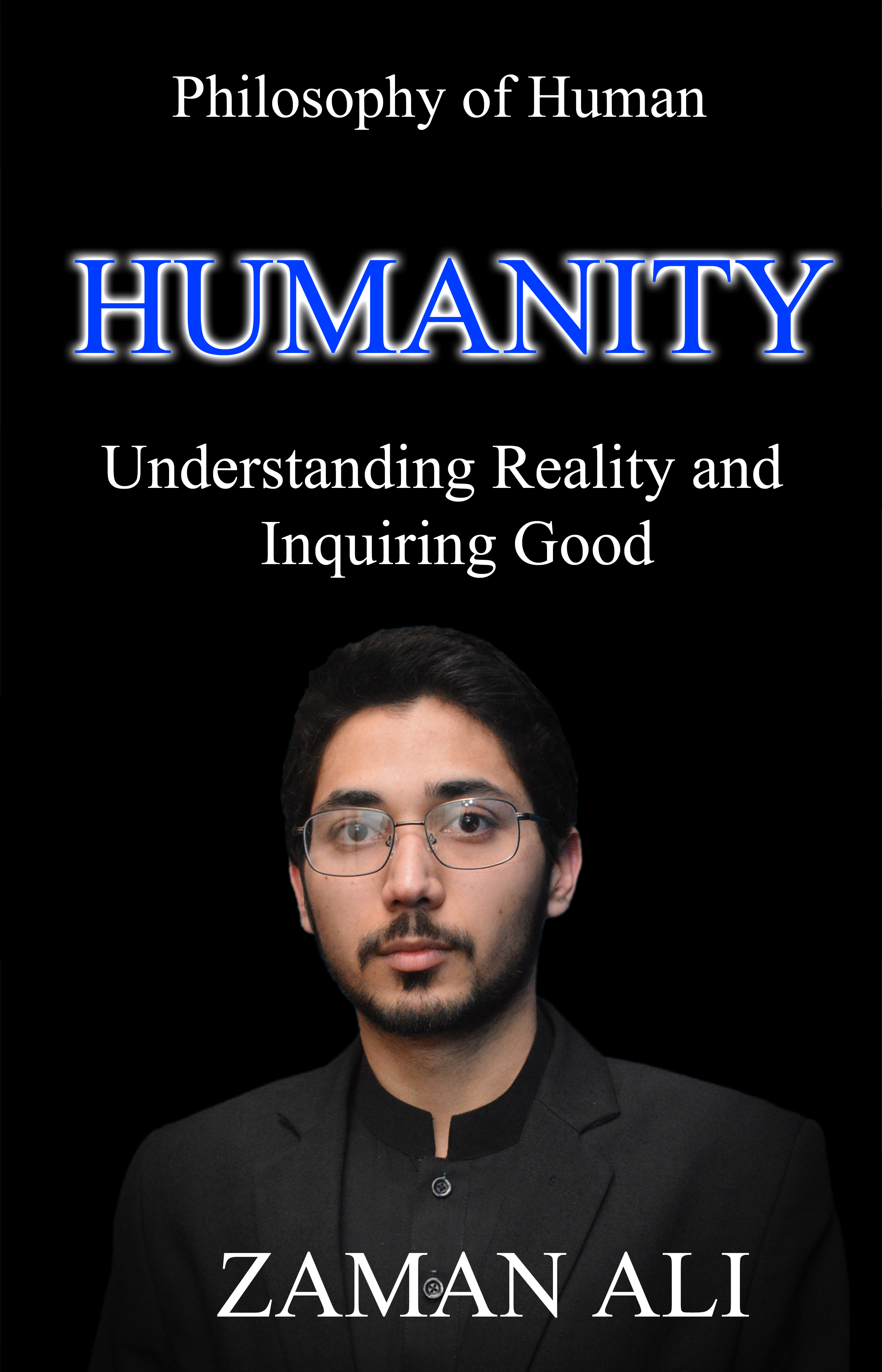
"HUMANITY Understanding Reality and Inquiring Good" by Zaman Ali delves into fundamental questions of human existence, exploring our perception of reality, the nature of consciousness, and the inherent pursuit of ethical living. It examines how individuals construct meaning and navigate the complexities of their inner and outer worlds, seeking a framework for understanding and promoting "good" in society.
This book shares a philosophical DNA with "Twilight and Philosophy: Vampires, Vegetarians, and the Pursuit of Immortality" by Rebecca Housel. Both texts leverage a familiar, accessible narrative (one through a popular fictional universe, the other through universal human experience) to dissect profound philosophical concepts. They encourage critical thinking about identity, morality, and the search for purpose, moving beyond surface-level narratives to unearth deeper, existential inquiries.
Individuals drawn to exploring life's big questions will appreciate this book's thoughtful and accessible approach. It offers a structured way to consider metaphysics, ethics, and human nature, providing tools for self-reflection and a broader understanding of the human condition. Its value lies in fostering intellectual growth and a more nuanced perspective on reality and our place within it.
HUMANITY Understanding Reality and Inquiring Good
"HUMANITY Understanding Reality and Inquiring Good" by Zaman Ali delves into fundamental questions of human existence, exploring our perception of reality, the nature of consciousness, and the inherent pursuit of ethical living. It examines how individuals construct meaning and navigate the complexities of their inner and outer worlds, seeking a framework for understanding and promoting "good" in society.
This book shares a philosophical DNA with "Twilight and Philosophy: Vampires, Vegetarians, and the Pursuit of Immortality" by Rebecca Housel. Both texts leverage a familiar, accessible narrative (one through a popular fictional universe, the other through universal human experience) to dissect profound philosophical concepts. They encourage critical thinking about identity, morality, and the search for purpose, moving beyond surface-level narratives to unearth deeper, existential inquiries.
Individuals drawn to exploring life's big questions will appreciate this book's thoughtful and accessible approach. It offers a structured way to consider metaphysics, ethics, and human nature, providing tools for self-reflection and a broader understanding of the human condition. Its value lies in fostering intellectual growth and a more nuanced perspective on reality and our place within it.
The Catcher in the Rye and Philosophy: A Book for Bastards, Morons, and Madmen

"The Catcher in the Rye and Philosophy" delves into the philosophical underpinnings of J.D. Salinger's seminal novel. It scrutinizes Holden Caulfield's angst, cynicism, and search for authenticity through various philosophical lenses, exploring themes like alienation, societal hypocrisy, and the loss of innocence. The collection of essays provides a rich analysis, recontextualizing the familiar narrative for adult readers.
This book shares a fundamental structural and thematic kinship with "Twilight and Philosophy." Both works utilize popular, widely recognized cultural phenomena – Salinger's classic and Meyer's vampire saga – as vehicles for exploring complex philosophical concepts. They both move beyond simple literary analysis to examine the deeper existential, ethical, and societal questions embedded within their source material.
This book offers a compelling intellectual journey, inviting a deeper appreciation of *The Catcher in the Rye* beyond its surface narrative. It provides fresh perspectives on enduring philosophical debates, encouraging critical engagement with themes that resonate deeply with the human experience, and ultimately enriching one's understanding of both literature and philosophy.
The Catcher in the Rye and Philosophy: A Book for Bastards, Morons, and Madmen
"The Catcher in the Rye and Philosophy" delves into the philosophical underpinnings of J.D. Salinger's seminal novel. It scrutinizes Holden Caulfield's angst, cynicism, and search for authenticity through various philosophical lenses, exploring themes like alienation, societal hypocrisy, and the loss of innocence. The collection of essays provides a rich analysis, recontextualizing the familiar narrative for adult readers.
This book shares a fundamental structural and thematic kinship with "Twilight and Philosophy." Both works utilize popular, widely recognized cultural phenomena – Salinger's classic and Meyer's vampire saga – as vehicles for exploring complex philosophical concepts. They both move beyond simple literary analysis to examine the deeper existential, ethical, and societal questions embedded within their source material.
This book offers a compelling intellectual journey, inviting a deeper appreciation of *The Catcher in the Rye* beyond its surface narrative. It provides fresh perspectives on enduring philosophical debates, encouraging critical engagement with themes that resonate deeply with the human experience, and ultimately enriching one's understanding of both literature and philosophy.
At the Existentialist Café

"At the Existentialist Café" is a vivid intellectual history that explores the intertwining lives and ideas of key existentialist philosophers like Jean-Paul Sartre, Simone de Beauvoir, Albert Camus, and Maurice Merleau-Ponty. Bakewell meticulously traces their personal relationships, political engagements, and the development of their groundbreaking philosophical concepts, often grounded in their vibrant Parisian café culture.
This book shares a thematic resonance with "Twilight and Philosophy." Both works delve into seemingly popular culture phenomena – existentialism’s emergence from post-war intellectual ferment versus the *Twilight* saga – and unpack the profound philosophical questions embedded within them. They operate as insightful guides, revealing the dense intellectual underpinnings beneath accessible narratives, making complex ideas digestible and engaging.
This will appeal to those who enjoy exploring significant philosophical movements through biographical narratives and accessible intellectual analysis. It offers a rich understanding of how abstract ideas shaped real lives and continue to influence contemporary thought, demonstrating the enduring relevance and human cost of grappling with fundamental questions regarding existence, freedom, and meaning.
At the Existentialist Café
"At the Existentialist Café" is a vivid intellectual history that explores the intertwining lives and ideas of key existentialist philosophers like Jean-Paul Sartre, Simone de Beauvoir, Albert Camus, and Maurice Merleau-Ponty. Bakewell meticulously traces their personal relationships, political engagements, and the development of their groundbreaking philosophical concepts, often grounded in their vibrant Parisian café culture.
This book shares a thematic resonance with "Twilight and Philosophy." Both works delve into seemingly popular culture phenomena – existentialism’s emergence from post-war intellectual ferment versus the *Twilight* saga – and unpack the profound philosophical questions embedded within them. They operate as insightful guides, revealing the dense intellectual underpinnings beneath accessible narratives, making complex ideas digestible and engaging.
This will appeal to those who enjoy exploring significant philosophical movements through biographical narratives and accessible intellectual analysis. It offers a rich understanding of how abstract ideas shaped real lives and continue to influence contemporary thought, demonstrating the enduring relevance and human cost of grappling with fundamental questions regarding existence, freedom, and meaning.
Death and Life of Philosophy
Robert Greene’s "Death and Life of Philosophy" delves into the core tenets of philosophical thought, examining how various schools of philosophy have grappled with fundamental questions of existence, purpose, and the human condition. It explores the perennial struggles and enduring insights yielded by philosophical inquiry throughout history.
This insightful work resonates with "Twilight and Philosophy" by approaching a popular subject through a philosophical lens. Both books dissect their respective narratives—whether literary or existential—to extract deeper meaning, explore ethical dilemmas, and challenge conventional understanding of life, death, and morality. The common thread is the application of philosophical frameworks to dissect compelling concepts.
This exploration will appeal to individuals seeking to understand the enduring relevance of philosophical thought in contemporary contexts. It offers a structured understanding of complex ideas, providing tools for critical thinking and a deeper appreciation for the nuanced challenges inherent in the human experience. The book's analytical depth will prove valuable for anyone interested in examining life's biggest questions.
Death and Life of Philosophy
Robert Greene’s "Death and Life of Philosophy" delves into the core tenets of philosophical thought, examining how various schools of philosophy have grappled with fundamental questions of existence, purpose, and the human condition. It explores the perennial struggles and enduring insights yielded by philosophical inquiry throughout history.
This insightful work resonates with "Twilight and Philosophy" by approaching a popular subject through a philosophical lens. Both books dissect their respective narratives—whether literary or existential—to extract deeper meaning, explore ethical dilemmas, and challenge conventional understanding of life, death, and morality. The common thread is the application of philosophical frameworks to dissect compelling concepts.
This exploration will appeal to individuals seeking to understand the enduring relevance of philosophical thought in contemporary contexts. It offers a structured understanding of complex ideas, providing tools for critical thinking and a deeper appreciation for the nuanced challenges inherent in the human experience. The book's analytical depth will prove valuable for anyone interested in examining life's biggest questions.
Philosophy For Dummies, UK Edition
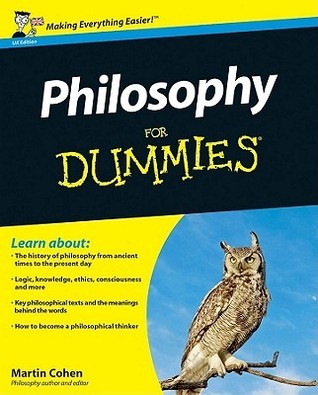
Martin Cohen's *Philosophy For Dummies, UK Edition* offers an accessible introduction to the core concepts and historical figures of Western philosophy. It demystifies complex ideas, breaking them down into digestible segments suitable for those new to the subject. The book covers major philosophical branches, key arguments, and critical thinkers, all presented with clarity and a practical approach for a UK audience.
Both books engage with philosophy as a means of understanding fundamental questions, making them kindred spirits despite their differing styles. While *Twilight and Philosophy* uses popular culture as a lens to explore deeper philosophical themes like identity, morality, and existence, *Philosophy For Dummies* provides the foundational knowledge and the very tools necessary for such inquiry. Both aim to illuminate how abstract thought connects to everyday life and human experience.
This book will appeal to individuals seeking a foundational understanding of philosophical thought. It equips newcomers with the knowledge and vocabulary needed to engage with more specialized philosophical discussions, whether those are found in academic texts or popular cultural analyses like *Twilight and Philosophy*. Its value lies in its ability to demystify, making complex ideas approachable and intellectually stimulating for a broader audience.
Philosophy For Dummies, UK Edition
Martin Cohen's *Philosophy For Dummies, UK Edition* offers an accessible introduction to the core concepts and historical figures of Western philosophy. It demystifies complex ideas, breaking them down into digestible segments suitable for those new to the subject. The book covers major philosophical branches, key arguments, and critical thinkers, all presented with clarity and a practical approach for a UK audience.
Both books engage with philosophy as a means of understanding fundamental questions, making them kindred spirits despite their differing styles. While *Twilight and Philosophy* uses popular culture as a lens to explore deeper philosophical themes like identity, morality, and existence, *Philosophy For Dummies* provides the foundational knowledge and the very tools necessary for such inquiry. Both aim to illuminate how abstract thought connects to everyday life and human experience.
This book will appeal to individuals seeking a foundational understanding of philosophical thought. It equips newcomers with the knowledge and vocabulary needed to engage with more specialized philosophical discussions, whether those are found in academic texts or popular cultural analyses like *Twilight and Philosophy*. Its value lies in its ability to demystify, making complex ideas approachable and intellectually stimulating for a broader audience.
More Books to Explore
Discover more titles that expand on these ideas and themes.
Twilight and History
Superman and Philosophy: What Would the Man of Steel Do?
On the Other Hand: The Little Anthology of Big Questions
Stephen Colbert and Philosophy: I Am Philosophy (And So Can You!)
The Philosopher and the Wolf
HUMANITY Understanding Reality and Inquiring Good