10 Books Similar to "Trump: The Art of the Deal"
by Donald J. Trump

Trump: The Art of the Comeback

"Trump: The Art of the Comeback" details Donald Trump's experiences navigating significant financial challenges in the early 1990s, particularly the near-collapse of his real estate empire. It outlines his strategies for debt restructuring, project management under duress, and re-establishing his personal brand and business ventures. The book emphasizes resilience, aggressive negotiation during difficult times, and the psychological fortitude required to rebound from substantial setbacks.
This book shares foundational similarities with "The Art of the Deal" in its autobiographical narrative style and its focus on Trump's business philosophy. Both present a self-laudatory account of deal-making, often portraying complex negotiations as battles to be won. The underlying principles of audacious ambition, leveraging public perception, and an uncompromising approach to financial transactions are prominent in both works, albeit applied to different phases of his career.
Individuals interested in business turnaround stories, high-stakes negotiations, or an inside look at a prominent figure's approach to overcoming adversity will appreciate this book. It offers a candid, if self-serving, perspective on managing financial crisis and rebuilding a reputation, providing potential insights into strategic thinking during difficult economic periods. The book's value lies in its portrayal of resilience and the application of aggressive business tactics in a recovery context.
Trump: The Art of the Comeback
"Trump: The Art of the Comeback" details Donald Trump's experiences navigating significant financial challenges in the early 1990s, particularly the near-collapse of his real estate empire. It outlines his strategies for debt restructuring, project management under duress, and re-establishing his personal brand and business ventures. The book emphasizes resilience, aggressive negotiation during difficult times, and the psychological fortitude required to rebound from substantial setbacks.
This book shares foundational similarities with "The Art of the Deal" in its autobiographical narrative style and its focus on Trump's business philosophy. Both present a self-laudatory account of deal-making, often portraying complex negotiations as battles to be won. The underlying principles of audacious ambition, leveraging public perception, and an uncompromising approach to financial transactions are prominent in both works, albeit applied to different phases of his career.
Individuals interested in business turnaround stories, high-stakes negotiations, or an inside look at a prominent figure's approach to overcoming adversity will appreciate this book. It offers a candid, if self-serving, perspective on managing financial crisis and rebuilding a reputation, providing potential insights into strategic thinking during difficult economic periods. The book's value lies in its portrayal of resilience and the application of aggressive business tactics in a recovery context.
Trump: Think Like a Billionaire: Everything You Need to Know About Success, Real Estate, and Life
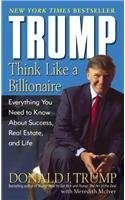
"Trump: Think Like a Billionaire" offers a more granular, actionable guide to Donald Trump’s philosophy on success, real estate, and life. It distills his business tenets into practical advice, covering topics from negotiation and deal-making to personal finance and lifestyle choices, all framed within the context of aspiring to significant wealth. The book emphasizes a mindset of ambition and relentless pursuit of opportunity.
The book echoes "The Art of the Deal" by reiterating core Trumpian business principles: aggressive negotiation, calculated risk-taking, leveraging perception, and the importance of self-promotion. Both books project an image of strategic acumen and an unwavering belief in one's own capabilities as central to achieving monumental success, particularly in real estate development. "Think Like a Billionaire" can be seen as an updated, more instructional companion.
This book will appeal to those seeking direct, unvarnished business and life advice from a prominent figure, particularly individuals interested in real estate or entrepreneurial ventures. Its value lies in providing a distillation of the personal and professional strategies Donald Trump attributes to his own financial achievements, offering a blueprint for those who wish to emulate that specific path to wealth and influence.
Trump: Think Like a Billionaire: Everything You Need to Know About Success, Real Estate, and Life
"Trump: Think Like a Billionaire" offers a more granular, actionable guide to Donald Trump’s philosophy on success, real estate, and life. It distills his business tenets into practical advice, covering topics from negotiation and deal-making to personal finance and lifestyle choices, all framed within the context of aspiring to significant wealth. The book emphasizes a mindset of ambition and relentless pursuit of opportunity.
The book echoes "The Art of the Deal" by reiterating core Trumpian business principles: aggressive negotiation, calculated risk-taking, leveraging perception, and the importance of self-promotion. Both books project an image of strategic acumen and an unwavering belief in one's own capabilities as central to achieving monumental success, particularly in real estate development. "Think Like a Billionaire" can be seen as an updated, more instructional companion.
This book will appeal to those seeking direct, unvarnished business and life advice from a prominent figure, particularly individuals interested in real estate or entrepreneurial ventures. Its value lies in providing a distillation of the personal and professional strategies Donald Trump attributes to his own financial achievements, offering a blueprint for those who wish to emulate that specific path to wealth and influence.
Trump 101: The Way to Success
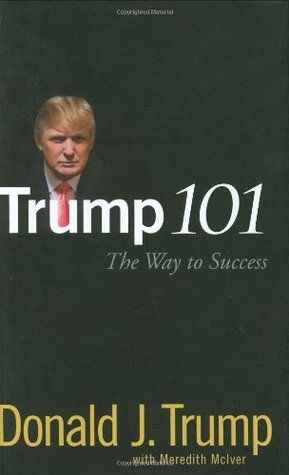
"Trump 101: The Way to Success" distills Donald Trump's business philosophy into actionable lessons. It functions as a condensed guide, offering principles and strategies for negotiation, branding, and career advancement, drawn from his extensive experience in real estate and media. The book aims to equip individuals with a foundational understanding of his approach to achieving ambitious goals in competitive environments.
This book shares significant thematic overlap with "Trump: The Art of the Deal" by extending and refining many of its core tenets. Both works emphasize aggressive negotiation tactics, the power of public perception, and the importance of bold executive decision-making. "Trump 101" often recontextualizes these ideas with more contemporary examples and a slightly more instructional, pedagogical tone, serving as a direct extension of the earlier work's foundational principles.
Individuals seeking practical insights into a high-stakes, results-driven business mindset will find this book particularly valuable. Its focus on practical application and direct advice provides a framework for understanding and potentially emulating a successful, if unconventional, career trajectory. The book offers a clear distillation of the author's commercial strategies, presenting them in an accessible format for those interested in mastering similar business challenges.
Trump 101: The Way to Success
"Trump 101: The Way to Success" distills Donald Trump's business philosophy into actionable lessons. It functions as a condensed guide, offering principles and strategies for negotiation, branding, and career advancement, drawn from his extensive experience in real estate and media. The book aims to equip individuals with a foundational understanding of his approach to achieving ambitious goals in competitive environments.
This book shares significant thematic overlap with "Trump: The Art of the Deal" by extending and refining many of its core tenets. Both works emphasize aggressive negotiation tactics, the power of public perception, and the importance of bold executive decision-making. "Trump 101" often recontextualizes these ideas with more contemporary examples and a slightly more instructional, pedagogical tone, serving as a direct extension of the earlier work's foundational principles.
Individuals seeking practical insights into a high-stakes, results-driven business mindset will find this book particularly valuable. Its focus on practical application and direct advice provides a framework for understanding and potentially emulating a successful, if unconventional, career trajectory. The book offers a clear distillation of the author's commercial strategies, presenting them in an accessible format for those interested in mastering similar business challenges.
Trump: How to Get Rich
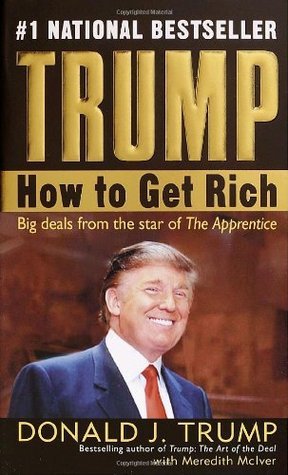
"Trump: How to Get Rich" distilled Donald Trump's business philosophy into practical advice. It focuses on the mindset, tactics, and strategies he employed to build his real estate empire, emphasizing ambition, negotiation, and seizing opportunities. The book delivers a direct, often anecdotal, guide on accumulating wealth, from recognizing market trends to closing deals.
This book shares significant thematic overlap with "Trump: The Art of the Deal," serving as a more focused extension of the same core principles. Both works champion aggressive negotiation, bold decision-making, and an unwavering belief in one's own vision. "How to Get Rich" effectively re-packages and reinforces the "deal-making" methodology, presenting it explicitly as a pathway to substantial financial gain.
Individuals interested in entrepreneurship, business strategy, or the mechanics of large-scale financial success will find this book compelling. Its value lies in offering a direct, unvarnished perspective on wealth acquisition, presenting specific mental frameworks and actionable insights that proponents see as essential for achieving significant financial milestones.
Trump: How to Get Rich
"Trump: How to Get Rich" distilled Donald Trump's business philosophy into practical advice. It focuses on the mindset, tactics, and strategies he employed to build his real estate empire, emphasizing ambition, negotiation, and seizing opportunities. The book delivers a direct, often anecdotal, guide on accumulating wealth, from recognizing market trends to closing deals.
This book shares significant thematic overlap with "Trump: The Art of the Deal," serving as a more focused extension of the same core principles. Both works champion aggressive negotiation, bold decision-making, and an unwavering belief in one's own vision. "How to Get Rich" effectively re-packages and reinforces the "deal-making" methodology, presenting it explicitly as a pathway to substantial financial gain.
Individuals interested in entrepreneurship, business strategy, or the mechanics of large-scale financial success will find this book compelling. Its value lies in offering a direct, unvarnished perspective on wealth acquisition, presenting specific mental frameworks and actionable insights that proponents see as essential for achieving significant financial milestones.
Think Like a Champion: An Informal Education In Business and Life
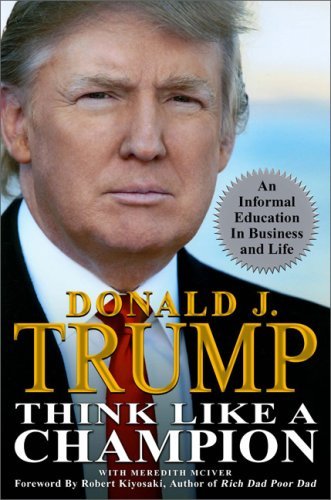
"Think Like a Champion" distills Donald Trump's personal philosophies on business, leadership, and life into approachable essays. It presents actionable advice and anecdotal wisdom drawn from his experiences, aiming to inspire a mindset geared towards success and resilience. The book covers topics ranging from negotiation and motivation to public perception and seizing opportunities, all framed through Trump's distinctive perspective.
This book shares foundational similarities with "The Art of the Deal" by offering a direct, often assertive, narrative voice that advocates for strategic thinking and a relentless pursuit of objectives. Both texts provide an insider's view into Trump's business methodology, emphasizing confidence, bold decision-making, and an unwavering focus on winning, albeit "Think Like a Champion" broadens its scope beyond pure real estate transactions.
The book speaks to individuals seeking practical guidance on navigating competitive environments and achieving personal and professional goals. It offers perspectives on cultivating a winning attitude, understanding leverage, and effectively projecting an image of strength. The direct, no-nonsense advice and emphasis on self-belief make it a valuable resource for those looking to emulate a high-stakes, results-driven approach to business and life's challenges.
Think Like a Champion: An Informal Education In Business and Life
"Think Like a Champion" distills Donald Trump's personal philosophies on business, leadership, and life into approachable essays. It presents actionable advice and anecdotal wisdom drawn from his experiences, aiming to inspire a mindset geared towards success and resilience. The book covers topics ranging from negotiation and motivation to public perception and seizing opportunities, all framed through Trump's distinctive perspective.
This book shares foundational similarities with "The Art of the Deal" by offering a direct, often assertive, narrative voice that advocates for strategic thinking and a relentless pursuit of objectives. Both texts provide an insider's view into Trump's business methodology, emphasizing confidence, bold decision-making, and an unwavering focus on winning, albeit "Think Like a Champion" broadens its scope beyond pure real estate transactions.
The book speaks to individuals seeking practical guidance on navigating competitive environments and achieving personal and professional goals. It offers perspectives on cultivating a winning attitude, understanding leverage, and effectively projecting an image of strength. The direct, no-nonsense advice and emphasis on self-belief make it a valuable resource for those looking to emulate a high-stakes, results-driven approach to business and life's challenges.
Think Big and Kick Ass in Business and Life
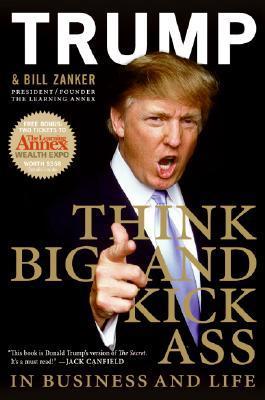
"Think Big and Kick Ass in Business and Life" distills Donald Trump's aggressive philosophy for achieving success. It presents a collection of his maxims, anecdotes, and advice on ambition, negotiation, branding, and an unyielding pursuit of one's goals. The book encourages a proactive, challenge-embracing mindset, positioning setbacks as opportunities and advocating for bold, audacious action across all aspects of life.
This book strongly resembles "Trump: The Art of the Deal" in its fundamental messaging and authorial voice. Both works champion a high-stakes, competitive approach to business and life, emphasizing strategic thinking, relentless self-promotion, and the cultivation of an imposing public image. The core tenets of identifying opportunities, negotiating hard, and projecting strength are consistent across both titles.
Individuals interested in a direct, unapologetic guide to achieving ambitious objectives will find this book valuable. It offers practical insights into a high-stakes business mentality and serves as a blueprint for those seeking to emulate a very specific type of entrepreneurial success. Its appeal lies in its clear, actionable (if controversial) advice for maximizing personal and professional leverage.
Think Big and Kick Ass in Business and Life
"Think Big and Kick Ass in Business and Life" distills Donald Trump's aggressive philosophy for achieving success. It presents a collection of his maxims, anecdotes, and advice on ambition, negotiation, branding, and an unyielding pursuit of one's goals. The book encourages a proactive, challenge-embracing mindset, positioning setbacks as opportunities and advocating for bold, audacious action across all aspects of life.
This book strongly resembles "Trump: The Art of the Deal" in its fundamental messaging and authorial voice. Both works champion a high-stakes, competitive approach to business and life, emphasizing strategic thinking, relentless self-promotion, and the cultivation of an imposing public image. The core tenets of identifying opportunities, negotiating hard, and projecting strength are consistent across both titles.
Individuals interested in a direct, unapologetic guide to achieving ambitious objectives will find this book valuable. It offers practical insights into a high-stakes business mentality and serves as a blueprint for those seeking to emulate a very specific type of entrepreneurial success. Its appeal lies in its clear, actionable (if controversial) advice for maximizing personal and professional leverage.
Midas Touch: Why Some Entrepreneurs Get Rich-And Why Most Don't

"Midas Touch" explores the common traits and strategies employed by successful entrepreneurs, contrasting them with the pitfalls that often lead to failure. It delves into principles like branding, focus, resilience, and salesmanship, offering insights into building and sustaining wealth in the business world.
This book shares foundational similarities with "The Art of the Deal" through its emphasis on a results-oriented, aggressive approach to business and negotiation. Both works present a distinctly Trumpian philosophy on achieving success, characterized by bold decision-making, strategic positioning, and an unwavering belief in one's own vision. They dissect the mechanics of deal-making and empire-building from a practical, experience-driven perspective.
It provides valuable takeaways for anyone aspiring to entrepreneurial success or seeking to understand the mindset of highly successful individuals. The book offers actionable advice and a compelling perspective on business growth and wealth creation, making it a compelling read for those interested in practical business wisdom and a candid exploration of what drives significant achievement.
Midas Touch: Why Some Entrepreneurs Get Rich-And Why Most Don't
"Midas Touch" explores the common traits and strategies employed by successful entrepreneurs, contrasting them with the pitfalls that often lead to failure. It delves into principles like branding, focus, resilience, and salesmanship, offering insights into building and sustaining wealth in the business world.
This book shares foundational similarities with "The Art of the Deal" through its emphasis on a results-oriented, aggressive approach to business and negotiation. Both works present a distinctly Trumpian philosophy on achieving success, characterized by bold decision-making, strategic positioning, and an unwavering belief in one's own vision. They dissect the mechanics of deal-making and empire-building from a practical, experience-driven perspective.
It provides valuable takeaways for anyone aspiring to entrepreneurial success or seeking to understand the mindset of highly successful individuals. The book offers actionable advice and a compelling perspective on business growth and wealth creation, making it a compelling read for those interested in practical business wisdom and a candid exploration of what drives significant achievement.
Why We Want You To Be Rich: Two Men, One Message

"Why We Want You To Be Rich" presents a collaborative perspective from Donald Trump and Robert Kiyosaki, advocating for financial education and entrepreneurial thinking as pathways to wealth and personal freedom. It directly challenges conventional advice about employment and savings, instead promoting asset acquisition and investment strategies as the true drivers of lasting prosperity.
The book shares a core philosophy with "The Art of the Deal" by emphasizing a proactive, audacious approach to business and finance. Both works underscore the importance of self-belief, strategic negotiation, and a willingness to take calculated risks to achieve significant financial success. They highlight an entrepreneurial mindset as superior to traditional career paths.
This book offers actionable insights into building financial independence and understanding wealth creation from a business owner’s perspective. It provides a unique blend of motivational guidance and practical advice on investing, real estate, and leveraging opportunities often overlooked by those solely focused on traditional employment. The combined wisdom of these two figures offers a compelling argument for rethinking one's financial future.
Why We Want You To Be Rich: Two Men, One Message
"Why We Want You To Be Rich" presents a collaborative perspective from Donald Trump and Robert Kiyosaki, advocating for financial education and entrepreneurial thinking as pathways to wealth and personal freedom. It directly challenges conventional advice about employment and savings, instead promoting asset acquisition and investment strategies as the true drivers of lasting prosperity.
The book shares a core philosophy with "The Art of the Deal" by emphasizing a proactive, audacious approach to business and finance. Both works underscore the importance of self-belief, strategic negotiation, and a willingness to take calculated risks to achieve significant financial success. They highlight an entrepreneurial mindset as superior to traditional career paths.
This book offers actionable insights into building financial independence and understanding wealth creation from a business owner’s perspective. It provides a unique blend of motivational guidance and practical advice on investing, real estate, and leveraging opportunities often overlooked by those solely focused on traditional employment. The combined wisdom of these two figures offers a compelling argument for rethinking one's financial future.
Crippled America: How to Make America Great Again

"Crippled America: How to Make America Great Again" is Donald Trump's 2015 pre-election manifesto, outlining his criticisms of American policy and society across various sectors—from healthcare and immigration to foreign relations and the economy. It presents his solutions and a vision for national resurgence, frequently employing a direct, often provocative, rhetorical style to convey a sense of urgency and determination.
Its similarity to "Trump: The Art of the Deal" lies primarily in the author's consistent voice and overarching approach. Both books showcase Trump's belief in assertive negotiation, strategic positioning, and a no-nonsense attitude towards problem-solving. The foundational ideas of deal-making and leveraging perceived weakness into strength, while applied to business in the earlier work, are channeled towards national policy in "Crippled America."
This book will appeal to those interested in understanding the philosophical underpinnings of Trump's political campaigns and presidential platform. It offers direct insight into the specific grievances and proposed remedies that resonated with a significant portion of the electorate, serving as a valuable historical and political document for anyone studying modern American politics and populism.
Crippled America: How to Make America Great Again
"Crippled America: How to Make America Great Again" is Donald Trump's 2015 pre-election manifesto, outlining his criticisms of American policy and society across various sectors—from healthcare and immigration to foreign relations and the economy. It presents his solutions and a vision for national resurgence, frequently employing a direct, often provocative, rhetorical style to convey a sense of urgency and determination.
Its similarity to "Trump: The Art of the Deal" lies primarily in the author's consistent voice and overarching approach. Both books showcase Trump's belief in assertive negotiation, strategic positioning, and a no-nonsense attitude towards problem-solving. The foundational ideas of deal-making and leveraging perceived weakness into strength, while applied to business in the earlier work, are channeled towards national policy in "Crippled America."
This book will appeal to those interested in understanding the philosophical underpinnings of Trump's political campaigns and presidential platform. It offers direct insight into the specific grievances and proposed remedies that resonated with a significant portion of the electorate, serving as a valuable historical and political document for anyone studying modern American politics and populism.
Lee Iacocca's Talking Straight
"Lee Iacocca's Talking Straight" offers a direct, unvarnished look at business, leadership, and personal ethics through the lens of one of America's most iconic corporate figures. Iacocca shares his experiences, opinions, and core beliefs, advocating for accountability, common sense, and conviction in both professional and public life. It's a frank assessment of what he perceived as failings in American industry and leadership during his time.
This book shares foundational similarities with "Trump: The Art of the Deal" in its intensely autobiographical approach to conveying business wisdom. Both authors present their personal philosophies on negotiation, decision-making, and navigating high-stakes environments as universal truths, illustrated through their own career triumphs and perspectives. They champion a bold, assertive style, emphasizing the importance of strong leadership and a clear vision.
Individuals interested in executive mindsets, practical business principles, and the personal perspectives of influential industry titans will appreciate this work. It provides valuable insights into the challenges and triumphs of corporate leadership, offering a framework for understanding ambition and strategic thinking that remains relevant across different eras of business.
Lee Iacocca's Talking Straight
"Lee Iacocca's Talking Straight" offers a direct, unvarnished look at business, leadership, and personal ethics through the lens of one of America's most iconic corporate figures. Iacocca shares his experiences, opinions, and core beliefs, advocating for accountability, common sense, and conviction in both professional and public life. It's a frank assessment of what he perceived as failings in American industry and leadership during his time.
This book shares foundational similarities with "Trump: The Art of the Deal" in its intensely autobiographical approach to conveying business wisdom. Both authors present their personal philosophies on negotiation, decision-making, and navigating high-stakes environments as universal truths, illustrated through their own career triumphs and perspectives. They champion a bold, assertive style, emphasizing the importance of strong leadership and a clear vision.
Individuals interested in executive mindsets, practical business principles, and the personal perspectives of influential industry titans will appreciate this work. It provides valuable insights into the challenges and triumphs of corporate leadership, offering a framework for understanding ambition and strategic thinking that remains relevant across different eras of business.
More Books to Explore
Discover more titles that expand on these ideas and themes.
Trump: The Art of the Comeback
Trump: Think Like a Billionaire: Everything You Need to Know About Success, Real Estate, and Life
Trump 101: The Way to Success
Trump: How to Get Rich
Think Like a Champion: An Informal Education In Business and Life
Think Big and Kick Ass in Business and Life