10 Books Similar to "Trapped in Ice"
by Eric Walters

The Iceberg Hermit

"The Iceberg Hermit" chronicles the harrowing ordeal of Allan Gordon, a young man shipwrecked on a desolate iceberg after a whaling disaster. He faces the brutal realities of isolation, starvation, and extreme cold, finding solace and a fight for survival through his ingenuity and a surprising discovery of a polar bear cub he befriends.
The inherent parallels with "Trapped in Ice" become evident through their shared core themes of survival against overwhelming natural forces and the psychological toll of isolation. Both narratives hinge on protagonists thrust into unforgiving Arctic environments, forcing them to adapt, innovate, and confront their deepest fears to endure. The struggle against the elements and the desperate hope for rescue are central to both stories.
This book captivates with its stark portrayal of human resilience and the extraordinary bond that can form even in the most dire circumstances. It offers a profound exploration of resourcefulness and the will to live, providing insights into the sheer power of the wilderness and the human spirit's capacity for endurance when pushed to its limits.
The Iceberg Hermit
"The Iceberg Hermit" chronicles the harrowing ordeal of Allan Gordon, a young man shipwrecked on a desolate iceberg after a whaling disaster. He faces the brutal realities of isolation, starvation, and extreme cold, finding solace and a fight for survival through his ingenuity and a surprising discovery of a polar bear cub he befriends.
The inherent parallels with "Trapped in Ice" become evident through their shared core themes of survival against overwhelming natural forces and the psychological toll of isolation. Both narratives hinge on protagonists thrust into unforgiving Arctic environments, forcing them to adapt, innovate, and confront their deepest fears to endure. The struggle against the elements and the desperate hope for rescue are central to both stories.
This book captivates with its stark portrayal of human resilience and the extraordinary bond that can form even in the most dire circumstances. It offers a profound exploration of resourcefulness and the will to live, providing insights into the sheer power of the wilderness and the human spirit's capacity for endurance when pushed to its limits.
Wounded

"Wounded" by Eric Walters follows a Canadian soldier, Marcus, as he navigates the physical and emotional scars of war, specifically from his service in Afghanistan. The narrative explores his struggle with PTSD, his efforts to reintegrate into civilian life, and the complex relationships with his family and fellow veterans, ultimately focusing on his journey toward healing and finding purpose.
Both "Wounded" and "Trapped in Ice" showcase Walters's strength in crafting compelling survival narratives with nuanced emotional depth. While "Trapped in Ice" features a literal fight for survival against the elements, "Wounded" presents a more internal, psychological battle for survival and recovery. Both texts immerse the reader in high-stakes situations where characters must confront immense challenges and discover their inner resilience.
This title offers a powerful and timely exploration of the impact of conflict on individuals and families. Its candid portrayal of PTSD and the veteran experience fosters empathy and understanding, contributing to crucial conversations about mental health and societal support for those who serve. The novel's compelling character arc and insightful themes provide significant intellectual and emotional engagement.
Wounded
"Wounded" by Eric Walters follows a Canadian soldier, Marcus, as he navigates the physical and emotional scars of war, specifically from his service in Afghanistan. The narrative explores his struggle with PTSD, his efforts to reintegrate into civilian life, and the complex relationships with his family and fellow veterans, ultimately focusing on his journey toward healing and finding purpose.
Both "Wounded" and "Trapped in Ice" showcase Walters's strength in crafting compelling survival narratives with nuanced emotional depth. While "Trapped in Ice" features a literal fight for survival against the elements, "Wounded" presents a more internal, psychological battle for survival and recovery. Both texts immerse the reader in high-stakes situations where characters must confront immense challenges and discover their inner resilience.
This title offers a powerful and timely exploration of the impact of conflict on individuals and families. Its candid portrayal of PTSD and the veteran experience fosters empathy and understanding, contributing to crucial conversations about mental health and societal support for those who serve. The novel's compelling character arc and insightful themes provide significant intellectual and emotional engagement.
Brian's Winter

"Brian's Winter" is a gripping survival narrative that explores an alternate outcome for Brian Robeson, the protagonist of "Hatchet." Instead of being rescued after his plane crash, Brian must endure the harsh realities of a Canadian wilderness winter alone. The novel details his struggles with securing food, shelter, and warmth against debilitating cold, predatory animals, and profound isolation, forcing him to innovate and adapt far beyond his initial survival skills.
The core similarity to "Trapped in Ice" lies in their shared exploration of extreme environmental survival. Both books subject their young protagonists to overwhelming natural forces—the Arctic blizzard in "Trapped in Ice" and the unforgiving winter in "Brian's Winter"—demanding extraordinary resilience, resourcefulness, and psychological fortitude. They both vividly portray the precarious balance between human will and the raw power of nature, emphasizing ingenuity and perseverance in life-or-death situations.
This book offers a compelling narrative of human endurance and the triumph of the human spirit against immense adversity. It provides a deeper understanding of wilderness survival techniques and the psychological toll of isolation. Its value lies in demonstrating the capacity for adaptation and problem-solving under extreme duress, making it an inspiring and thought-provoking read that encourages reflection on mental strength and the primal drive to survive.
Brian's Winter
"Brian's Winter" is a gripping survival narrative that explores an alternate outcome for Brian Robeson, the protagonist of "Hatchet." Instead of being rescued after his plane crash, Brian must endure the harsh realities of a Canadian wilderness winter alone. The novel details his struggles with securing food, shelter, and warmth against debilitating cold, predatory animals, and profound isolation, forcing him to innovate and adapt far beyond his initial survival skills.
The core similarity to "Trapped in Ice" lies in their shared exploration of extreme environmental survival. Both books subject their young protagonists to overwhelming natural forces—the Arctic blizzard in "Trapped in Ice" and the unforgiving winter in "Brian's Winter"—demanding extraordinary resilience, resourcefulness, and psychological fortitude. They both vividly portray the precarious balance between human will and the raw power of nature, emphasizing ingenuity and perseverance in life-or-death situations.
This book offers a compelling narrative of human endurance and the triumph of the human spirit against immense adversity. It provides a deeper understanding of wilderness survival techniques and the psychological toll of isolation. Its value lies in demonstrating the capacity for adaptation and problem-solving under extreme duress, making it an inspiring and thought-provoking read that encourages reflection on mental strength and the primal drive to survive.
Ice Dogs

Terry Lynn Johnson's "Ice Dogs" follows sixteen-year-old Victoria, a skilled dog musher, as she navigates the perilous Alaskan wilderness. When she and her dogs encounter a crashed plane with a critically injured pilot, Victoria must utilize her extensive survival knowledge and the strength of her sled dog team to reach civilization and summon help, all while battling extreme cold, dwindling supplies, and the constant threat of hypothermia. The narrative is a gripping battle against the elements and a testament to human and animal endurance.
"Ice Dogs" shares thematic and narrative parallels with "Trapped in Ice," particularly in its depiction of young protagonists confronting life-threatening situations in extreme cold environments. Both novels feature characters who are unexpectedly isolated and must rely on their wits, resilience, and connection with animals to survive. The intense wilderness survival, the race against time, and the focus on internal fortitude amidst external peril create a strong resonance between these two works.
This book offers a compelling narrative for adult readers interested in wilderness survival, stories of resilience, and the extraordinary bond between humans and animals. It provides an authentic portrayal of northern landscapes and the challenges they present, offering insights into survival tactics and the psychological demands of isolation. The story celebrates courage, self-reliance, and the power of determination in the face of overwhelming odds.
Ice Dogs
Terry Lynn Johnson's "Ice Dogs" follows sixteen-year-old Victoria, a skilled dog musher, as she navigates the perilous Alaskan wilderness. When she and her dogs encounter a crashed plane with a critically injured pilot, Victoria must utilize her extensive survival knowledge and the strength of her sled dog team to reach civilization and summon help, all while battling extreme cold, dwindling supplies, and the constant threat of hypothermia. The narrative is a gripping battle against the elements and a testament to human and animal endurance.
"Ice Dogs" shares thematic and narrative parallels with "Trapped in Ice," particularly in its depiction of young protagonists confronting life-threatening situations in extreme cold environments. Both novels feature characters who are unexpectedly isolated and must rely on their wits, resilience, and connection with animals to survive. The intense wilderness survival, the race against time, and the focus on internal fortitude amidst external peril create a strong resonance between these two works.
This book offers a compelling narrative for adult readers interested in wilderness survival, stories of resilience, and the extraordinary bond between humans and animals. It provides an authentic portrayal of northern landscapes and the challenges they present, offering insights into survival tactics and the psychological demands of isolation. The story celebrates courage, self-reliance, and the power of determination in the face of overwhelming odds.
The River

"The River" by Gary Paulsen chronicles the harrowing survival ordeal of thirteen-year-old Brian Robeson, who, after being rescued from a plane crash in the Canadian wilderness in "Hatchet," is tasked by the government with recreating his experience for a survival study. Accompanying a psychologist, Brian finds himself thrust back into the perils of the wild when a lightning strike incapacitates his companion, leaving Brian to once again rely on his wits and burgeoning outdoor skills to secure their survival and eventual rescue.
The narratives share core thematic elements centered around wilderness survival, resourcefulness, and the struggle against nature's unforgiving power. Both feature young protagonists thrust into extreme circumstances, forced to adapt quickly to harsh environments, overcome severe physical and psychological challenges, and develop a profound connection with the wild. The emphasis on independent problem-solving and the raw, unvarnished depiction of the human spirit's resilience in the face of adversity forms a strong parallel.
This book offers a compelling exploration of human ingenuity and endurance, underscoring the importance of adaptability and self-reliance. Its vivid descriptions of the natural world and the intense psychological journey of its protagonist provide a gripping and thought-provoking experience, inviting contemplation on the boundaries of human capability and our inherent interconnectedness with the environment.
The River
"The River" by Gary Paulsen chronicles the harrowing survival ordeal of thirteen-year-old Brian Robeson, who, after being rescued from a plane crash in the Canadian wilderness in "Hatchet," is tasked by the government with recreating his experience for a survival study. Accompanying a psychologist, Brian finds himself thrust back into the perils of the wild when a lightning strike incapacitates his companion, leaving Brian to once again rely on his wits and burgeoning outdoor skills to secure their survival and eventual rescue.
The narratives share core thematic elements centered around wilderness survival, resourcefulness, and the struggle against nature's unforgiving power. Both feature young protagonists thrust into extreme circumstances, forced to adapt quickly to harsh environments, overcome severe physical and psychological challenges, and develop a profound connection with the wild. The emphasis on independent problem-solving and the raw, unvarnished depiction of the human spirit's resilience in the face of adversity forms a strong parallel.
This book offers a compelling exploration of human ingenuity and endurance, underscoring the importance of adaptability and self-reliance. Its vivid descriptions of the natural world and the intense psychological journey of its protagonist provide a gripping and thought-provoking experience, inviting contemplation on the boundaries of human capability and our inherent interconnectedness with the environment.
The Icebound Land

"The Icebound Land" continues the adventures of young Will and Evanlyn as they endure harsh enslavement in the frozen northern lands of Skandia. They face brutal conditions, back-breaking labor, and constant threats from their captors and the unforgiving environment, all while hoping for rescue and plotting escape. The narrative is a compelling tale of survival against overwhelming odds, focusing on resilience, friendship, and the enduring human spirit in a hostile world.
Both novels feature protagonists thrust into unforgiving, frigid landscapes where survival is paramount. They share themes of physical endurance, strategic thinking under duress, and the vital role of camaraderie in overcoming desperate circumstances. The struggle against nature's harshness and the resourcefulness required to persist are central to each story.
This book will appeal to individuals seeking narratives of survival and human fortitude. It offers a detailed exploration of characters pushing their physical and mental limits, demonstrating the power of hope and collaboration in dire situations. Its emphasis on overcoming adversity provides a rewarding and engaging experience for those who appreciate stories of human resilience.
The Icebound Land
"The Icebound Land" continues the adventures of young Will and Evanlyn as they endure harsh enslavement in the frozen northern lands of Skandia. They face brutal conditions, back-breaking labor, and constant threats from their captors and the unforgiving environment, all while hoping for rescue and plotting escape. The narrative is a compelling tale of survival against overwhelming odds, focusing on resilience, friendship, and the enduring human spirit in a hostile world.
Both novels feature protagonists thrust into unforgiving, frigid landscapes where survival is paramount. They share themes of physical endurance, strategic thinking under duress, and the vital role of camaraderie in overcoming desperate circumstances. The struggle against nature's harshness and the resourcefulness required to persist are central to each story.
This book will appeal to individuals seeking narratives of survival and human fortitude. It offers a detailed exploration of characters pushing their physical and mental limits, demonstrating the power of hope and collaboration in dire situations. Its emphasis on overcoming adversity provides a rewarding and engaging experience for those who appreciate stories of human resilience.
Brian's Hunt

"Brian's Hunt" concerns Brian Robeson, the iconic survivalist, as he ventures into the Canadian wilderness to investigate a distress call, ultimately discovering a family in dire straits. This novel continues his journey of self-reliance and profound connection with nature, emphasizing his honed observational skills and ethical compass in the face of human suffering and natural adversity.
This narrative shares a core thematic resonance with "Trapped in Ice." Both books immerse their protagonists in hostile, unforgiving natural environments, demanding extreme resilience, ingenuity, and a deep understanding of survival mechanics. They showcase individuals pushing physical and mental boundaries while confronting dire circumstances and the constant threat of the wild.
The appeal of "Brian's Hunt" lies in its compelling depiction of human endurance and the ethical dilemmas inherent in survival. It offers a powerful exploration of empathy, responsibility, and the indomitable spirit, inviting contemplation on our place within the natural world and the strength found in overcoming seemingly insurmountable obstacles.
Brian's Hunt
"Brian's Hunt" concerns Brian Robeson, the iconic survivalist, as he ventures into the Canadian wilderness to investigate a distress call, ultimately discovering a family in dire straits. This novel continues his journey of self-reliance and profound connection with nature, emphasizing his honed observational skills and ethical compass in the face of human suffering and natural adversity.
This narrative shares a core thematic resonance with "Trapped in Ice." Both books immerse their protagonists in hostile, unforgiving natural environments, demanding extreme resilience, ingenuity, and a deep understanding of survival mechanics. They showcase individuals pushing physical and mental boundaries while confronting dire circumstances and the constant threat of the wild.
The appeal of "Brian's Hunt" lies in its compelling depiction of human endurance and the ethical dilemmas inherent in survival. It offers a powerful exploration of empathy, responsibility, and the indomitable spirit, inviting contemplation on our place within the natural world and the strength found in overcoming seemingly insurmountable obstacles.
The Dogs of Winter

*The Dogs of Winter* tells the story of Ivan, a young boy living on the streets of Moscow after being abandoned by his grandmother. His struggle for survival is central, as he navigates the harsh realities of homelessness, a severe Russian winter, and the pursuit of a safe haven. He forms a deep, symbiotic bond with a pack of wild dogs, relying on them for warmth and protection, while he, in turn, cares for them. The narrative explores themes of resilience, loyalty, and the surprising connections forged in adversity.
This book shares significant thematic and atmospheric parallels with *Trapped in Ice*. Both novels place young protagonists in extreme, isolated environments – the Arctic and the unforgiving urban landscape – forcing them to confront life-threatening situations and rely on their wits and unexpected allies for survival. The core commonality lies in the intense struggle against nature's cruelty, the development of crucial survival skills, and the powerful, non-human bonds that offer solace and aid in desperate times. Both protagonists experience profound growth and self-discovery through their harrowing ordeals.
The novel offers a compelling exploration of human and animal resilience against overwhelming odds. It provides insight into the harsh realities of homelessness and the instinct for survival, fostering empathy and understanding. The narrative’s strength lies in its ability to transport the reader into Ivan's world, highlighting the enduring power of companionship and the unbreakable spirit in the face of immense adversity. It’s a testament to the quiet strength found in unexpected places.
The Dogs of Winter
*The Dogs of Winter* tells the story of Ivan, a young boy living on the streets of Moscow after being abandoned by his grandmother. His struggle for survival is central, as he navigates the harsh realities of homelessness, a severe Russian winter, and the pursuit of a safe haven. He forms a deep, symbiotic bond with a pack of wild dogs, relying on them for warmth and protection, while he, in turn, cares for them. The narrative explores themes of resilience, loyalty, and the surprising connections forged in adversity.
This book shares significant thematic and atmospheric parallels with *Trapped in Ice*. Both novels place young protagonists in extreme, isolated environments – the Arctic and the unforgiving urban landscape – forcing them to confront life-threatening situations and rely on their wits and unexpected allies for survival. The core commonality lies in the intense struggle against nature's cruelty, the development of crucial survival skills, and the powerful, non-human bonds that offer solace and aid in desperate times. Both protagonists experience profound growth and self-discovery through their harrowing ordeals.
The novel offers a compelling exploration of human and animal resilience against overwhelming odds. It provides insight into the harsh realities of homelessness and the instinct for survival, fostering empathy and understanding. The narrative’s strength lies in its ability to transport the reader into Ivan's world, highlighting the enduring power of companionship and the unbreakable spirit in the face of immense adversity. It’s a testament to the quiet strength found in unexpected places.
Rowan and the Ice Creepers
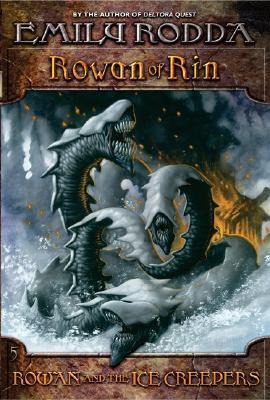
"Rowan and the Ice Creepers" follows young Rowan as he embarks on a perilous journey to the treacherous, frozen Land of the Ice Creepers to save his ailing village from a devastating sickness. Guided by the wise witch Sheba and a mysterious map, Rowan must overcome numerous challenges and confront menacing ice creatures, ultimately discovering inner strength and the true meaning of courage.
The similarity to "Trapped in Ice" lies in their shared core themes of survival against extreme cold and the reliance on inner resilience. Both narratives feature protagonists battling unforgiving icy environments, facing desperate circumstances, and being forced to adapt to hostile natural forces. There's a strong element of journey and quest, with characters pushing their physical and mental limits in frozen landscapes.
This book will appeal to those who appreciate stories of human perseverance in the face of daunting natural obstacles. Its valuable contribution lies in exploring themes of courage, self-discovery, and the importance of community. The narrative provides thought-provoking insights into overcoming adversity, making it a compelling and rewarding experience.
Rowan and the Ice Creepers
"Rowan and the Ice Creepers" follows young Rowan as he embarks on a perilous journey to the treacherous, frozen Land of the Ice Creepers to save his ailing village from a devastating sickness. Guided by the wise witch Sheba and a mysterious map, Rowan must overcome numerous challenges and confront menacing ice creatures, ultimately discovering inner strength and the true meaning of courage.
The similarity to "Trapped in Ice" lies in their shared core themes of survival against extreme cold and the reliance on inner resilience. Both narratives feature protagonists battling unforgiving icy environments, facing desperate circumstances, and being forced to adapt to hostile natural forces. There's a strong element of journey and quest, with characters pushing their physical and mental limits in frozen landscapes.
This book will appeal to those who appreciate stories of human perseverance in the face of daunting natural obstacles. Its valuable contribution lies in exploring themes of courage, self-discovery, and the importance of community. The narrative provides thought-provoking insights into overcoming adversity, making it a compelling and rewarding experience.
Ghost Hunter

Michelle Paver’s *Ghost Hunter*, the sixth book in the Chronicles of Ancient Darkness series, follows Torak as he confronts the soul-eaters and a malevolent, ancient darkness threatening his world. He must descend into the terrifying Land of the Dead to rescue his abducted friend, Renn, facing his deepest fears and the spiritual corruption that endangers all life. The narrative is a suspenseful adventure steeped in primal mysticism and the fierce struggle for survival.
This book resonates with *Trapped in Ice* through their shared focus on confronting extreme natural and supernatural threats in isolated, perilous environments. Both protagonists are young individuals forced to overcome overwhelming odds and internal struggles while navigating harsh, unforgiving landscapes. The sense of imminent danger, the constant fight for survival against powerful forces, and the underlying themes of courage and resilience connect these compelling narratives.
This compelling read offers a deeply immersive experience into a richly imagined prehistoric world, providing both thrilling adventure and profound insights into the human spirit's capacity for endurance. Its exploration of ancient mythologies and the intricate relationship between humanity and nature provides a thought-provoking counterpoint to the suspenseful plot, ensuring a rewarding journey for those who appreciate nuanced storytelling alongside high stakes.
Ghost Hunter
Michelle Paver’s *Ghost Hunter*, the sixth book in the Chronicles of Ancient Darkness series, follows Torak as he confronts the soul-eaters and a malevolent, ancient darkness threatening his world. He must descend into the terrifying Land of the Dead to rescue his abducted friend, Renn, facing his deepest fears and the spiritual corruption that endangers all life. The narrative is a suspenseful adventure steeped in primal mysticism and the fierce struggle for survival.
This book resonates with *Trapped in Ice* through their shared focus on confronting extreme natural and supernatural threats in isolated, perilous environments. Both protagonists are young individuals forced to overcome overwhelming odds and internal struggles while navigating harsh, unforgiving landscapes. The sense of imminent danger, the constant fight for survival against powerful forces, and the underlying themes of courage and resilience connect these compelling narratives.
This compelling read offers a deeply immersive experience into a richly imagined prehistoric world, providing both thrilling adventure and profound insights into the human spirit's capacity for endurance. Its exploration of ancient mythologies and the intricate relationship between humanity and nature provides a thought-provoking counterpoint to the suspenseful plot, ensuring a rewarding journey for those who appreciate nuanced storytelling alongside high stakes.
More Books to Explore
Discover more titles that expand on these ideas and themes.
The Iceberg Hermit
Wounded
Brian's Winter
Ice Dogs
The River
The Icebound Land