10 Books Similar to "The Zahir"
by Paulo Coelho
Adultery

"Adultery" chronicles Linda, a successful journalist in her late thirties, ensnared in a seemingly perfect life that feels utterly devoid of passion and meaning. Her quest for emotional intensity leads her into an affair with Jacob, a former boyfriend and now a prominent politician, forcing her to confront fundamental questions about love, commitment, and true happiness.
The narrative shares a core thematic resonance with "The Zahir" through its exploration of an individual grappling with an existential void and the pursuit of a missing element in their seemingly complete life. Both novels delve into the idea of obsession – whether it be for a lost love or a new, illicit connection – as a catalyst for profound self-discovery and challenging societal norms. They ask what it truly means to be free and fulfilled when one’s current reality feels insufficient.
Readers will appreciate the candid examination of modern relationships and the difficult choices individuals face when yearning for a deeper connection. The novel offers a contemplative look at the complexities of desire, the search for identity beyond social constructs, and the difficult but ultimately liberating process of confronting one's own emotional truths.
Adultery
"Adultery" chronicles Linda, a successful journalist in her late thirties, ensnared in a seemingly perfect life that feels utterly devoid of passion and meaning. Her quest for emotional intensity leads her into an affair with Jacob, a former boyfriend and now a prominent politician, forcing her to confront fundamental questions about love, commitment, and true happiness.
The narrative shares a core thematic resonance with "The Zahir" through its exploration of an individual grappling with an existential void and the pursuit of a missing element in their seemingly complete life. Both novels delve into the idea of obsession – whether it be for a lost love or a new, illicit connection – as a catalyst for profound self-discovery and challenging societal norms. They ask what it truly means to be free and fulfilled when one’s current reality feels insufficient.
Readers will appreciate the candid examination of modern relationships and the difficult choices individuals face when yearning for a deeper connection. The novel offers a contemplative look at the complexities of desire, the search for identity beyond social constructs, and the difficult but ultimately liberating process of confronting one's own emotional truths.
Eleven Minutes

"Eleven Minutes" follows Maria, a young Brazilian woman who travels to Geneva hoping for a better life. Disillusioned, she falls into prostitution, exploring the complexities of sexuality, love, and self-discovery within the confines of her profession. The novel delves into her emotional and philosophical journey as she seeks genuine connection amidst superficial encounters.
Both novels, "Eleven Minutes" and "The Zahir," share Coelho’s signature exploration of profound internal journeys and self-actualization. They both feature protagonists confronting societal expectations and personal limitations to understand their true desires and purpose. The pursuit of transcendental love and the struggle to define one's identity within challenging circumstances are central themes in both narratives.
This book offers a compelling narrative about embracing one's shadow self and finding authenticity. It encourages introspection on themes of love, spirituality, and sexual liberation, providing perspectives that challenge conventional morality and promote a deeper understanding of human experience. The novel's honest portrayal of vulnerability and strength resonates with anyone questioning their own path.
Eleven Minutes
"Eleven Minutes" follows Maria, a young Brazilian woman who travels to Geneva hoping for a better life. Disillusioned, she falls into prostitution, exploring the complexities of sexuality, love, and self-discovery within the confines of her profession. The novel delves into her emotional and philosophical journey as she seeks genuine connection amidst superficial encounters.
Both novels, "Eleven Minutes" and "The Zahir," share Coelho’s signature exploration of profound internal journeys and self-actualization. They both feature protagonists confronting societal expectations and personal limitations to understand their true desires and purpose. The pursuit of transcendental love and the struggle to define one's identity within challenging circumstances are central themes in both narratives.
This book offers a compelling narrative about embracing one's shadow self and finding authenticity. It encourages introspection on themes of love, spirituality, and sexual liberation, providing perspectives that challenge conventional morality and promote a deeper understanding of human experience. The novel's honest portrayal of vulnerability and strength resonates with anyone questioning their own path.
The Valkyries

"The Valkyries" recounts Paulo Coelho’s arduous 40-day journey into the Mojave Desert with his wife, seeking to confront and communicate with his guardian angel. Guided by a mysterious Master, they join a group of women, the Valkyries, who ride motorcycles and challenge them to overcome their fears and limitations through intense spiritual exercises and self-discovery. It's a deeply personal narrative exploring the boundaries of belief, spiritual awakening, and the courage required to face one's own truth.
Both "The Valkyries" and "The Zahir" delve deeply into the protagonist's personal quest for meaning and spiritual growth, spurred by a profound sense of incompleteness or spiritual urgency. In both novels, the journey is not merely physical but overwhelmingly internal, involving intense self-reflection, confronting past traumas, and questioning conventional understanding of love and commitment. The authors' personal experiences are heavily interwoven, blurring the lines between fiction and memoir, making the spiritual exploration feel remarkably authentic and relatable.
This book will resonate with individuals drawn to narratives of spiritual transformation and the courage to pursue extraordinary paths for self-understanding. It offers a compelling exploration of overcoming internal obstacles, embracing the unknown, and redefining one's relationship with the divine and with loved ones. Its authenticity and the raw vulnerability of the author's search for connection provide a powerful impetus for anyone contemplating their own spiritual journey or seeking deeper purpose.
The Valkyries
"The Valkyries" recounts Paulo Coelho’s arduous 40-day journey into the Mojave Desert with his wife, seeking to confront and communicate with his guardian angel. Guided by a mysterious Master, they join a group of women, the Valkyries, who ride motorcycles and challenge them to overcome their fears and limitations through intense spiritual exercises and self-discovery. It's a deeply personal narrative exploring the boundaries of belief, spiritual awakening, and the courage required to face one's own truth.
Both "The Valkyries" and "The Zahir" delve deeply into the protagonist's personal quest for meaning and spiritual growth, spurred by a profound sense of incompleteness or spiritual urgency. In both novels, the journey is not merely physical but overwhelmingly internal, involving intense self-reflection, confronting past traumas, and questioning conventional understanding of love and commitment. The authors' personal experiences are heavily interwoven, blurring the lines between fiction and memoir, making the spiritual exploration feel remarkably authentic and relatable.
This book will resonate with individuals drawn to narratives of spiritual transformation and the courage to pursue extraordinary paths for self-understanding. It offers a compelling exploration of overcoming internal obstacles, embracing the unknown, and redefining one's relationship with the divine and with loved ones. Its authenticity and the raw vulnerability of the author's search for connection provide a powerful impetus for anyone contemplating their own spiritual journey or seeking deeper purpose.
The Witch of Portobello
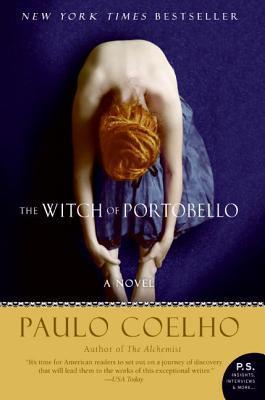
"The Witch of Portobello" tells the story of Athena, a mysterious woman whose unconventional past and unique spiritual path lead her to become a controversial figure. Through interviews with those who knew her, the novel reconstructs her life from infancy in Romania to her adolescence in Beirut and her eventual emergence as a spiritual teacher in London, exploring themes of femininity, divine love, and the courage to live authentically.
This novel shares a fundamental affinity with "The Zahir" in its exploration of transformative journeys and the search for profound truth beyond superficial reality. Both books feature protagonists who deviate from societal norms in their relentless pursuit of spiritual fulfillment, often at personal cost, and both employ a non-linear narrative driven by interviews or recollections to piece together a central character's impactful life.
The narrative offers a compelling exploration of personal legend and discovering one's true calling, resonating with anyone on a quest for meaning or identity. Its examination of individual spiritual experiences outside of traditional frameworks provides a thought-provoking perspective on faith and self-discovery, making it a valuable read for introspection and understanding diverse paths to enlightenment.
The Witch of Portobello
"The Witch of Portobello" tells the story of Athena, a mysterious woman whose unconventional past and unique spiritual path lead her to become a controversial figure. Through interviews with those who knew her, the novel reconstructs her life from infancy in Romania to her adolescence in Beirut and her eventual emergence as a spiritual teacher in London, exploring themes of femininity, divine love, and the courage to live authentically.
This novel shares a fundamental affinity with "The Zahir" in its exploration of transformative journeys and the search for profound truth beyond superficial reality. Both books feature protagonists who deviate from societal norms in their relentless pursuit of spiritual fulfillment, often at personal cost, and both employ a non-linear narrative driven by interviews or recollections to piece together a central character's impactful life.
The narrative offers a compelling exploration of personal legend and discovering one's true calling, resonating with anyone on a quest for meaning or identity. Its examination of individual spiritual experiences outside of traditional frameworks provides a thought-provoking perspective on faith and self-discovery, making it a valuable read for introspection and understanding diverse paths to enlightenment.
Brida
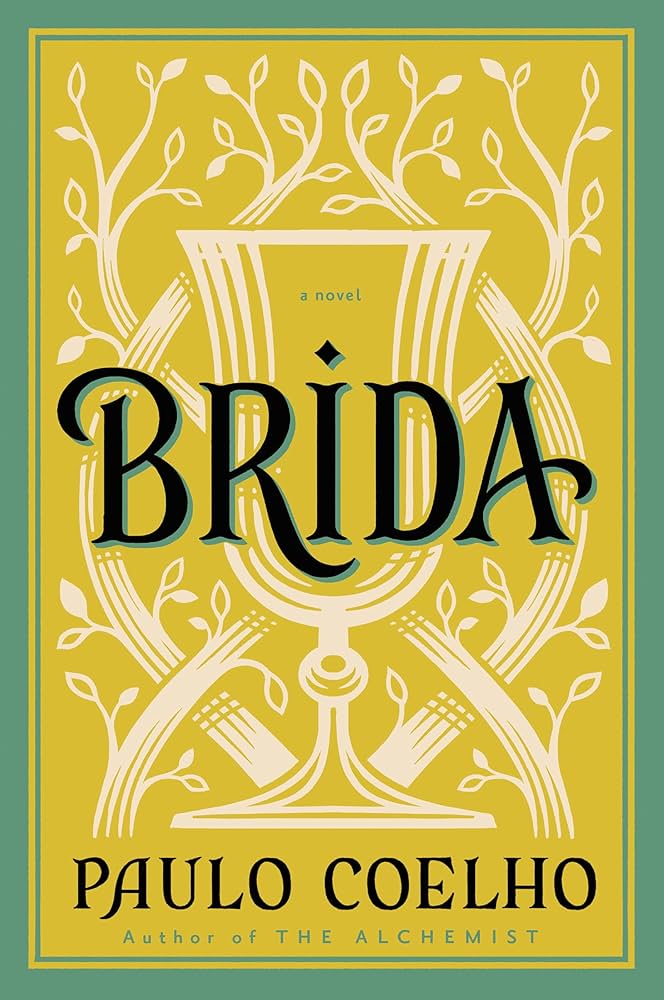
"Brida" tells the story of a young Irish woman's spiritual journey as she seeks to understand magic and connect with her destiny. She encounters two mentors: a wise male Magus specializing in the Tradition of the Sun, and a female witch teaching the Tradition of the Moon. Through their guidance and her own trials, Brida explores love, faith, and the various paths to discovering one's true self and embracing the hidden knowledge embedded in the world.
This narrative shares strong thematic resonance with "The Zahir." Both novels feature protagonists embarking on an intense personal quest for meaning and connection, often driven by a transformative encounter or an inner calling. The exploration of spiritual traditions beyond conventional religion, the significance of profound love, and the concept of a destiny or "soul path" are central to both, presenting characters grappling with their purpose in a world full of both tangible and intangible forces.
The book will appeal to those who appreciate stories exploring self-discovery, mystical traditions, and the complexities of human connection. It offers a gentle yet profound look at embracing spiritual intuition and the various forms love can take, encouraging introspection about one's own journey and inherent potential. The rich symbolism and evocative prose provide a valuable experience for those drawn to introspective and spiritually resonant literature.
Brida
"Brida" tells the story of a young Irish woman's spiritual journey as she seeks to understand magic and connect with her destiny. She encounters two mentors: a wise male Magus specializing in the Tradition of the Sun, and a female witch teaching the Tradition of the Moon. Through their guidance and her own trials, Brida explores love, faith, and the various paths to discovering one's true self and embracing the hidden knowledge embedded in the world.
This narrative shares strong thematic resonance with "The Zahir." Both novels feature protagonists embarking on an intense personal quest for meaning and connection, often driven by a transformative encounter or an inner calling. The exploration of spiritual traditions beyond conventional religion, the significance of profound love, and the concept of a destiny or "soul path" are central to both, presenting characters grappling with their purpose in a world full of both tangible and intangible forces.
The book will appeal to those who appreciate stories exploring self-discovery, mystical traditions, and the complexities of human connection. It offers a gentle yet profound look at embracing spiritual intuition and the various forms love can take, encouraging introspection about one's own journey and inherent potential. The rich symbolism and evocative prose provide a valuable experience for those drawn to introspective and spiritually resonant literature.
The Alchemist

"The Alchemist" follows Santiago, a young shepherd, on his journey to fulfill a recurring dream – to find a treasure at the Egyptian pyramids. His travels across continents introduce him to various mentors and challenges, teaching him about listening to his heart, recognizing omens, and pursuing his "Personal Legend" – his true destiny. The core message emphasizes faith, perseverance, and the universal interconnectedness that guides us toward our aspirations.
Both "The Alchemist" and "The Zahir" explore the profound human quest for meaning and self-discovery. Each book features a protagonist embarking on a literal and metaphorical journey to understand themselves and their purpose, guided by internal promptings and external signs. Themes of destiny, the power of belief, and the notion of a 'calling' that urges individuals toward their authentic path are central to both narratives.
This book offers a compelling narrative about finding one's true purpose and the courage required to pursue it. It provides insightful lessons on intuition, resilience, and the subtle ways the universe conspires to help those who actively seek their dreams. Its accessible storytelling illuminates universal truths about life's journey and inspires a reflective examination of one's own aspirations, making it a powerful catalyst for personal introspection and motivation.
The Alchemist
"The Alchemist" follows Santiago, a young shepherd, on his journey to fulfill a recurring dream – to find a treasure at the Egyptian pyramids. His travels across continents introduce him to various mentors and challenges, teaching him about listening to his heart, recognizing omens, and pursuing his "Personal Legend" – his true destiny. The core message emphasizes faith, perseverance, and the universal interconnectedness that guides us toward our aspirations.
Both "The Alchemist" and "The Zahir" explore the profound human quest for meaning and self-discovery. Each book features a protagonist embarking on a literal and metaphorical journey to understand themselves and their purpose, guided by internal promptings and external signs. Themes of destiny, the power of belief, and the notion of a 'calling' that urges individuals toward their authentic path are central to both narratives.
This book offers a compelling narrative about finding one's true purpose and the courage required to pursue it. It provides insightful lessons on intuition, resilience, and the subtle ways the universe conspires to help those who actively seek their dreams. Its accessible storytelling illuminates universal truths about life's journey and inspires a reflective examination of one's own aspirations, making it a powerful catalyst for personal introspection and motivation.
The Fifth Mountain

"The Fifth Mountain" reimagines the biblical story of the prophet Elijah, forced to flee Phoenicia and take refuge in a widow's house in Zarephath during a time of great drought and societal upheaval. The narrative explores his spiritual journey through exile, loss, and the arduous process of rebuilding faith and purpose in the face of immense adversity. It delves into themes of divine will, human resilience, and the often-painful path to self-discovery and destiny.
Both novels share Coelho's signature exploration of profound personal quests and the search for meaning beyond the material. "The Fifth Mountain" echoes "The Zahir" in its protagonist's confrontation with an overwhelming, almost obsessive, internal force – for Elijah, it's his perceived mission and divine mandate, much like Esther's relentless pursuit in "The Zahir." Both characters grapple with existential questions and undertake transformative journeys, often solitary and challenging, to realign with their true selves and purpose.
This book offers a compelling narrative for those seeking introspection and inspiration in navigating life's inevitable trials. It provides a timeless reflection on enduring faith, the courage to face the unknown, and the transformative power of embracing one's unique path, even when it leads through difficult terrain. The exploration of resilience and spiritual evolution resonates deeply with universal human experiences.
The Fifth Mountain
"The Fifth Mountain" reimagines the biblical story of the prophet Elijah, forced to flee Phoenicia and take refuge in a widow's house in Zarephath during a time of great drought and societal upheaval. The narrative explores his spiritual journey through exile, loss, and the arduous process of rebuilding faith and purpose in the face of immense adversity. It delves into themes of divine will, human resilience, and the often-painful path to self-discovery and destiny.
Both novels share Coelho's signature exploration of profound personal quests and the search for meaning beyond the material. "The Fifth Mountain" echoes "The Zahir" in its protagonist's confrontation with an overwhelming, almost obsessive, internal force – for Elijah, it's his perceived mission and divine mandate, much like Esther's relentless pursuit in "The Zahir." Both characters grapple with existential questions and undertake transformative journeys, often solitary and challenging, to realign with their true selves and purpose.
This book offers a compelling narrative for those seeking introspection and inspiration in navigating life's inevitable trials. It provides a timeless reflection on enduring faith, the courage to face the unknown, and the transformative power of embracing one's unique path, even when it leads through difficult terrain. The exploration of resilience and spiritual evolution resonates deeply with universal human experiences.
The Way of the Bow

"The Way of the Bow" is a philosophical fable chronicling a young man's journey to master archery under a revered teacher. It’s not just about hitting a target with an arrow; it's an allegory for life itself, exploring discipline, perseverance, self-discovery, and the profound connection between action and intention. Through the metaphor of the bow, it delves into universal truths about balance, passion, and finding one’s true path amidst challenges.
Its similarity to "The Zahir" lies in their shared exploration of existential themes through a personal quest. Both novels feature protagonists grappling with loss, purpose, and the nature of love and connection. While "The Zahir" navigates a man's search for his missing wife and the meaning she held, "The Way of the Bow" focuses on an internal journey of self-mastery. Both employ a reflective, spiritual narrative style to illuminate life's deeper questions.
This book will appeal to those seeking reflective, profound narratives. Its accessible allegorical structure offers timeless wisdom applicable to personal growth and overcoming obstacles. The insights into discipline, focus, and the spiritual dimensions of endeavor provide a valuable framework for understanding one's own journey and striving for excellence, both internally and externally.
The Way of the Bow
"The Way of the Bow" is a philosophical fable chronicling a young man's journey to master archery under a revered teacher. It’s not just about hitting a target with an arrow; it's an allegory for life itself, exploring discipline, perseverance, self-discovery, and the profound connection between action and intention. Through the metaphor of the bow, it delves into universal truths about balance, passion, and finding one’s true path amidst challenges.
Its similarity to "The Zahir" lies in their shared exploration of existential themes through a personal quest. Both novels feature protagonists grappling with loss, purpose, and the nature of love and connection. While "The Zahir" navigates a man's search for his missing wife and the meaning she held, "The Way of the Bow" focuses on an internal journey of self-mastery. Both employ a reflective, spiritual narrative style to illuminate life's deeper questions.
This book will appeal to those seeking reflective, profound narratives. Its accessible allegorical structure offers timeless wisdom applicable to personal growth and overcoming obstacles. The insights into discipline, focus, and the spiritual dimensions of endeavor provide a valuable framework for understanding one's own journey and striving for excellence, both internally and externally.
By the River Piedra I Sat Down and Wept

"By the River Piedra I Sat Down and Wept" explores the intense, transformative love story between Pilar and her childhood friend, a charismatic spiritual leader. Their reunion after many years forces them to confront their past, their present choices, and the spiritual paths they've each embraced. The narrative delves deeply into themes of faith, surrender, and the courage required to pursue a love that transcends conventional boundaries.
The similarity to "The Zahir" lies in their shared exploration of profound, often challenging, romantic relationships as catalysts for personal and spiritual evolution. Both novels feature protagonists grappling with an all-consuming love that forces them to re-evaluate their lives, beliefs, and purpose. There's a common thread of self-discovery through the lens of a powerful emotional connection, challenging the characters to confront their deepest fears and desires.
This book will appeal to those who appreciate narratives focusing on intense emotional journeys and spiritual growth. Its exploration of love’s redemptive power and the complexities of faith offers a thought-provoking experience. The intimate character portrayals and evocative prose provide a valuable opportunity for introspection on commitment, destiny, and the spiritual dimensions of human connection.
By the River Piedra I Sat Down and Wept
"By the River Piedra I Sat Down and Wept" explores the intense, transformative love story between Pilar and her childhood friend, a charismatic spiritual leader. Their reunion after many years forces them to confront their past, their present choices, and the spiritual paths they've each embraced. The narrative delves deeply into themes of faith, surrender, and the courage required to pursue a love that transcends conventional boundaries.
The similarity to "The Zahir" lies in their shared exploration of profound, often challenging, romantic relationships as catalysts for personal and spiritual evolution. Both novels feature protagonists grappling with an all-consuming love that forces them to re-evaluate their lives, beliefs, and purpose. There's a common thread of self-discovery through the lens of a powerful emotional connection, challenging the characters to confront their deepest fears and desires.
This book will appeal to those who appreciate narratives focusing on intense emotional journeys and spiritual growth. Its exploration of love’s redemptive power and the complexities of faith offers a thought-provoking experience. The intimate character portrayals and evocative prose provide a valuable opportunity for introspection on commitment, destiny, and the spiritual dimensions of human connection.
The Winner Stands Alone

"The Winner Stands Alone" delves into the cutthroat world of the Cannes Film Festival, following Igor, a Russian millionaire, as he meticulously executes a plan to reclaim his ex-wife. His desperate attempts to impress her lead to a trail of psychological manipulation and violent acts, exploring themes of obsession, ambition, and the darker side of human nature within a glamorous, yet superficial, setting.
The resemblance to "The Zahir" lies in the central narrative drive: an individual consumed by an obsessive pursuit. Just as the narrator in "The Zahir" is haunted by the presence and absence of his wife, Igor is relentlessly fixated on his former spouse. Both novels explore the psychological torment and extreme lengths protagonists go to in their quest for something or someone they believe holds the key to their happiness or completion, often blurring the lines between love, control, and self-destruction.
This narrative will appeal to those who appreciate a deep dive into the psychology of obsession and ambition. It offers a critical look at the superficiality of high society and the destructive potential of unchecked desires, providing valuable insights into the human condition when pushed to its limits. The suspenseful plot, combined with Coelho’s signature contemplative style, makes for an absorbing and thought-provoking experience.
The Winner Stands Alone
"The Winner Stands Alone" delves into the cutthroat world of the Cannes Film Festival, following Igor, a Russian millionaire, as he meticulously executes a plan to reclaim his ex-wife. His desperate attempts to impress her lead to a trail of psychological manipulation and violent acts, exploring themes of obsession, ambition, and the darker side of human nature within a glamorous, yet superficial, setting.
The resemblance to "The Zahir" lies in the central narrative drive: an individual consumed by an obsessive pursuit. Just as the narrator in "The Zahir" is haunted by the presence and absence of his wife, Igor is relentlessly fixated on his former spouse. Both novels explore the psychological torment and extreme lengths protagonists go to in their quest for something or someone they believe holds the key to their happiness or completion, often blurring the lines between love, control, and self-destruction.
This narrative will appeal to those who appreciate a deep dive into the psychology of obsession and ambition. It offers a critical look at the superficiality of high society and the destructive potential of unchecked desires, providing valuable insights into the human condition when pushed to its limits. The suspenseful plot, combined with Coelho’s signature contemplative style, makes for an absorbing and thought-provoking experience.
More Books to Explore
Discover more titles that expand on these ideas and themes.
Adultery
Eleven Minutes
The Valkyries
The Witch of Portobello
Brida
The Alchemist