10 Books Similar to "The Woman in Suite 11"
by Ruth Ware

The Woman in Cabin 10
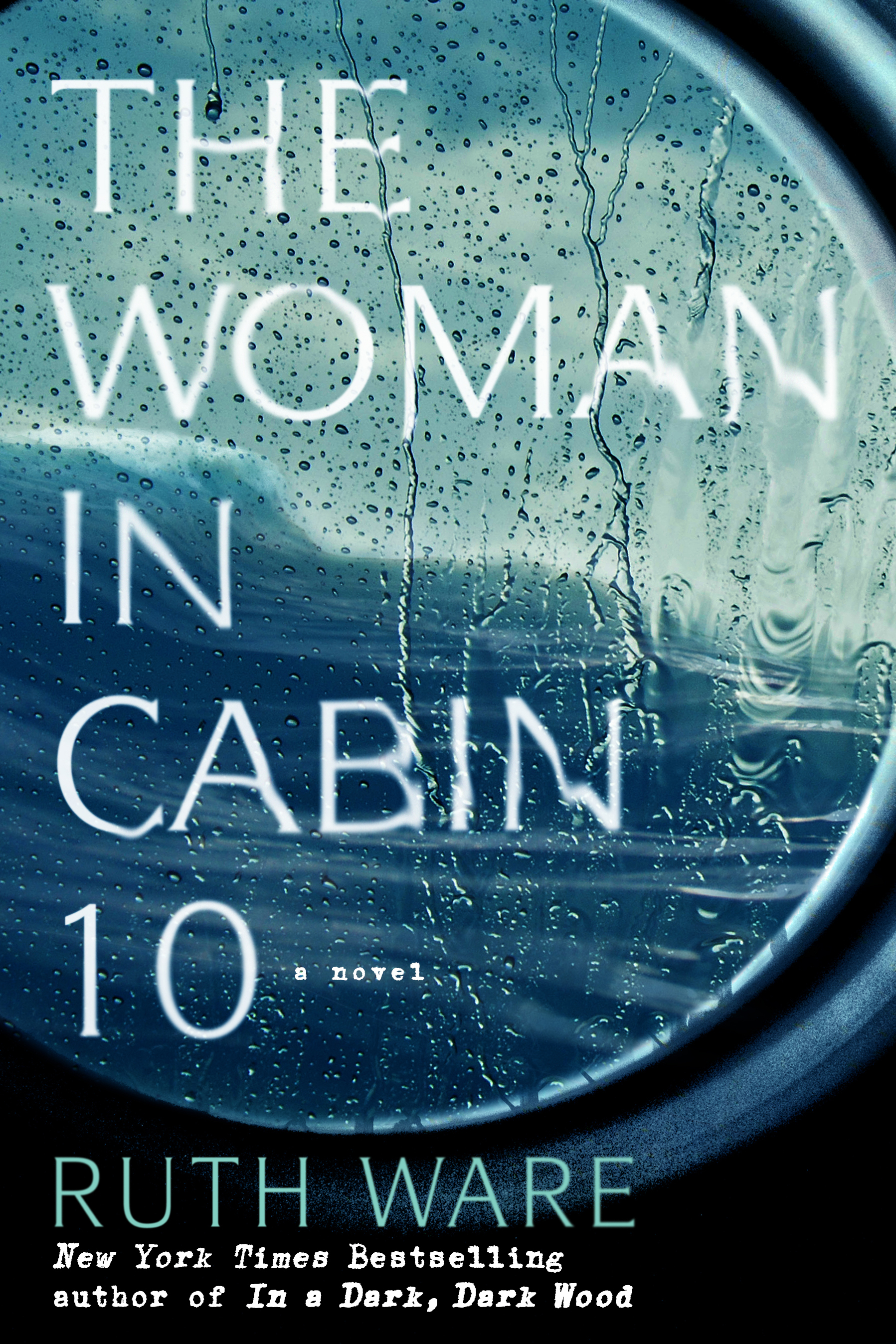
"The Woman in Cabin 10" centers on Lo Blacklock, a journalist on assignment aboard a luxurious cruise. Her routine is shattered when she believes she witnesses a body being thrown overboard from an adjacent cabin, only for all evidence to suggest no one ever occupied that room. As she struggles with her own credibility and the skepticism of others, Lo becomes entangled in a dangerous investigation to uncover the truth of what she saw.
It shares striking similarities with "The Woman in Suite 11" through its core premise: an isolated setting (a cruise ship versus a hotel), a seemingly unreliable female narrator witnessing a disturbing event that no one else believes, and a pervasive atmosphere of claustrophobic paranoia and psychological suspense. Both novels excel at making the reader doubt the protagonist's sanity alongside the characters.
This narrative holds significant appeal for those who enjoy psychological thrillers that build slowly and methodically. It offers a masterclass in unreliable narration, forcing engagement with the protagonist's perspective while questioning its validity. The enclosed, high-stakes environment deepens the tension, delivering a gripping mystery that explores themes of perception, isolation, and the chilling possibility of being right when everyone believes you're wrong.
The Woman in Cabin 10
"The Woman in Cabin 10" centers on Lo Blacklock, a journalist on assignment aboard a luxurious cruise. Her routine is shattered when she believes she witnesses a body being thrown overboard from an adjacent cabin, only for all evidence to suggest no one ever occupied that room. As she struggles with her own credibility and the skepticism of others, Lo becomes entangled in a dangerous investigation to uncover the truth of what she saw.
It shares striking similarities with "The Woman in Suite 11" through its core premise: an isolated setting (a cruise ship versus a hotel), a seemingly unreliable female narrator witnessing a disturbing event that no one else believes, and a pervasive atmosphere of claustrophobic paranoia and psychological suspense. Both novels excel at making the reader doubt the protagonist's sanity alongside the characters.
This narrative holds significant appeal for those who enjoy psychological thrillers that build slowly and methodically. It offers a masterclass in unreliable narration, forcing engagement with the protagonist's perspective while questioning its validity. The enclosed, high-stakes environment deepens the tension, delivering a gripping mystery that explores themes of perception, isolation, and the chilling possibility of being right when everyone believes you're wrong.
One Perfect Couple

"One Perfect Couple" centers on a group of young, ambitious friends who win a luxurious, all-expenses-paid trip to a remote, uninhabited island. What begins as an idyllic retreat quickly devolves into a desperate fight for survival as a series of unexplained accidents and escalating tensions reveal dark secrets and true natures within the confined group. The story explores themes of trust, betrayal, and the unraveling of relationships under extreme duress.
This novel shares a foundational psychological suspense core with "The Woman in Suite 11." Both immerse characters in isolated, high-stakes environments where a sense of claustrophobia and escalating paranoia become central. The limited cast of characters, the uncovering of hidden motives, and the pervasive atmosphere of unease are hallmarks in both, creating a constant sense of impending danger and unreliable narratives. The focus remains on interpersonal dynamics fraying under pressure.
Readers who enjoyed the tightly wound suspense and character-driven mystery of "The Woman in Suite 11" will appreciate "One Perfect Couple." It offers a compelling exploration of human nature pushed to its limits, delivering a propulsive plot with unexpected twists. The book’s value lies in its ability to generate significant tension and invite speculation about guilt and motivation, providing a thoroughly engaging and thought-provoking reading experience within the thriller genre.
One Perfect Couple
"One Perfect Couple" centers on a group of young, ambitious friends who win a luxurious, all-expenses-paid trip to a remote, uninhabited island. What begins as an idyllic retreat quickly devolves into a desperate fight for survival as a series of unexplained accidents and escalating tensions reveal dark secrets and true natures within the confined group. The story explores themes of trust, betrayal, and the unraveling of relationships under extreme duress.
This novel shares a foundational psychological suspense core with "The Woman in Suite 11." Both immerse characters in isolated, high-stakes environments where a sense of claustrophobia and escalating paranoia become central. The limited cast of characters, the uncovering of hidden motives, and the pervasive atmosphere of unease are hallmarks in both, creating a constant sense of impending danger and unreliable narratives. The focus remains on interpersonal dynamics fraying under pressure.
Readers who enjoyed the tightly wound suspense and character-driven mystery of "The Woman in Suite 11" will appreciate "One Perfect Couple." It offers a compelling exploration of human nature pushed to its limits, delivering a propulsive plot with unexpected twists. The book’s value lies in its ability to generate significant tension and invite speculation about guilt and motivation, providing a thoroughly engaging and thought-provoking reading experience within the thriller genre.
Zero Days

"Zero Days" thrusts protagonist Jack Cross into a harrowing survival situation after she returns home to find her husband murdered and herself framed for the crime. Forced to go on the run, she utilizes her specialized expertise in corporate security to evade capture, all while desperately trying to uncover the true killer and clear her name. It's a high-octane chase thriller with a strong core of forensic investigation.
This novel shares a striking resemblance to "The Woman in Cabin 10" through its central premise of a woman unexpectedly caught in a fight for survival, entangled in a murder she didn't commit, and facing overwhelming suspicion. Both narratives powerfully employ the "wronged woman" trope, placing their protagonists in claustrophobic, high-stakes environments where trust is scarce and danger lurks at every turn. The relentless pacing and sense of isolation are hallmarks of both.
The appeal of "Zero Days" lies in its masterful creation of suspense and its exploration of resilience under extreme duress. It offers an immersive experience, inviting engagement with a resourceful protagonist navigating betrayal and relentless pursuit. The intricate plotting and the constant unraveling of clues provide intellectual satisfaction, while the visceral survival aspects deliver thrilling escapism and a compelling examination of human fortitude.
Zero Days
"Zero Days" thrusts protagonist Jack Cross into a harrowing survival situation after she returns home to find her husband murdered and herself framed for the crime. Forced to go on the run, she utilizes her specialized expertise in corporate security to evade capture, all while desperately trying to uncover the true killer and clear her name. It's a high-octane chase thriller with a strong core of forensic investigation.
This novel shares a striking resemblance to "The Woman in Cabin 10" through its central premise of a woman unexpectedly caught in a fight for survival, entangled in a murder she didn't commit, and facing overwhelming suspicion. Both narratives powerfully employ the "wronged woman" trope, placing their protagonists in claustrophobic, high-stakes environments where trust is scarce and danger lurks at every turn. The relentless pacing and sense of isolation are hallmarks of both.
The appeal of "Zero Days" lies in its masterful creation of suspense and its exploration of resilience under extreme duress. It offers an immersive experience, inviting engagement with a resourceful protagonist navigating betrayal and relentless pursuit. The intricate plotting and the constant unraveling of clues provide intellectual satisfaction, while the visceral survival aspects deliver thrilling escapism and a compelling examination of human fortitude.
The Death of Mrs. Westaway

"The Death of Mrs. Westaway" centers on Harriet "Hal" Westaway, a young woman facing insurmountable debt. Her life takes a dramatic turn when she receives a letter informing her she's a beneficiary in the will of a woman she's never heard of. Desperate for a solution to her financial woes, Hal travels to the Cornish manor of the deceased, knowing full well she's not the intended heir. There, amidst a dysfunctional family and a labyrinthine old house, she must maintain a dangerous deceit or face destitution, uncovering dark family secrets along the way.
Both novels feature a protagonist drawn into a perilous situation under false pretenses, specifically involving inheritance and hidden identities. "The Death of Mrs. Westaway," like "The Woman in Cabin 10" (which I believe you meant), masterfully uses atmospheric settings – a remote manor versus a luxury cruise – to heighten suspense and isolation. The core similarity lies in the protagonist's vulnerability and the escalating danger as they navigate a deceptive world, where their true identity or intentions could unravel everything.
This book will appeal to those who enjoy intricate psychological thrillers with a strong sense of place and a classic suspenseful narrative. Its value lies in its compelling plot, which weaves together themes of class, belonging, and the lengths one will go to survive. The gradual unveiling of truths, coupled with well-drawn characters and a palpable air of mystery, provides a deeply satisfying and thought-provoking reading experience.
The Death of Mrs. Westaway
"The Death of Mrs. Westaway" centers on Harriet "Hal" Westaway, a young woman facing insurmountable debt. Her life takes a dramatic turn when she receives a letter informing her she's a beneficiary in the will of a woman she's never heard of. Desperate for a solution to her financial woes, Hal travels to the Cornish manor of the deceased, knowing full well she's not the intended heir. There, amidst a dysfunctional family and a labyrinthine old house, she must maintain a dangerous deceit or face destitution, uncovering dark family secrets along the way.
Both novels feature a protagonist drawn into a perilous situation under false pretenses, specifically involving inheritance and hidden identities. "The Death of Mrs. Westaway," like "The Woman in Cabin 10" (which I believe you meant), masterfully uses atmospheric settings – a remote manor versus a luxury cruise – to heighten suspense and isolation. The core similarity lies in the protagonist's vulnerability and the escalating danger as they navigate a deceptive world, where their true identity or intentions could unravel everything.
This book will appeal to those who enjoy intricate psychological thrillers with a strong sense of place and a classic suspenseful narrative. Its value lies in its compelling plot, which weaves together themes of class, belonging, and the lengths one will go to survive. The gradual unveiling of truths, coupled with well-drawn characters and a palpable air of mystery, provides a deeply satisfying and thought-provoking reading experience.
In a Dark, Dark Wood
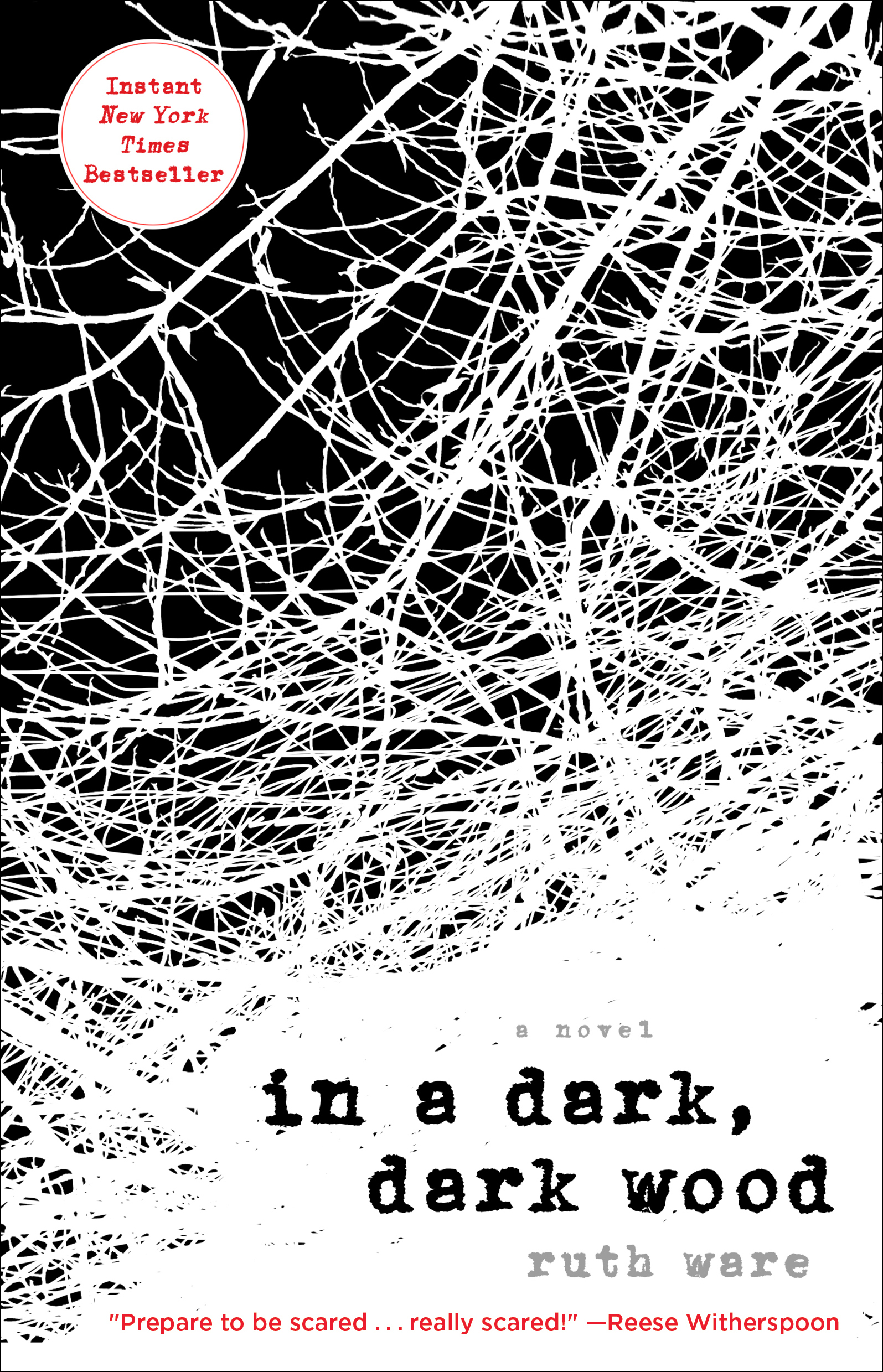
"In a Dark, Dark Wood" plunges a young woman, Leonora Shaw, into a chilling hen party in a remote, glass house. Old grudges and unsettling memories resurface among a group she hasn't seen in years. The celebration devolves into a nightmare when one of the guests is found dead, leaving Leo fighting for her life and scrambling to piece together the truth of what transpired during that fateful weekend.
Both novels expertly employ Ruth Ware's signature style of psychological suspense, featuring a female protagonist thrust into a high-stakes, isolated situation. They share a claustrophobic atmosphere, a tightly-knit cast of characters with hidden histories, and a sense of growing dread as secrets unravel. The unreliable narrator trope is central to both, keeping the audience guessing about the true nature of events and characters.
This book offers a compelling exploration of memory, deception, and the dangerous dynamics of long-held relationships. Its intricate plotting, surprising twists, and immersive setting make for an engrossing experience, providing a satisfying blend of thriller and mystery that captivates from the first page to the last.
In a Dark, Dark Wood
"In a Dark, Dark Wood" plunges a young woman, Leonora Shaw, into a chilling hen party in a remote, glass house. Old grudges and unsettling memories resurface among a group she hasn't seen in years. The celebration devolves into a nightmare when one of the guests is found dead, leaving Leo fighting for her life and scrambling to piece together the truth of what transpired during that fateful weekend.
Both novels expertly employ Ruth Ware's signature style of psychological suspense, featuring a female protagonist thrust into a high-stakes, isolated situation. They share a claustrophobic atmosphere, a tightly-knit cast of characters with hidden histories, and a sense of growing dread as secrets unravel. The unreliable narrator trope is central to both, keeping the audience guessing about the true nature of events and characters.
This book offers a compelling exploration of memory, deception, and the dangerous dynamics of long-held relationships. Its intricate plotting, surprising twists, and immersive setting make for an engrossing experience, providing a satisfying blend of thriller and mystery that captivates from the first page to the last.
The Turn of the Key
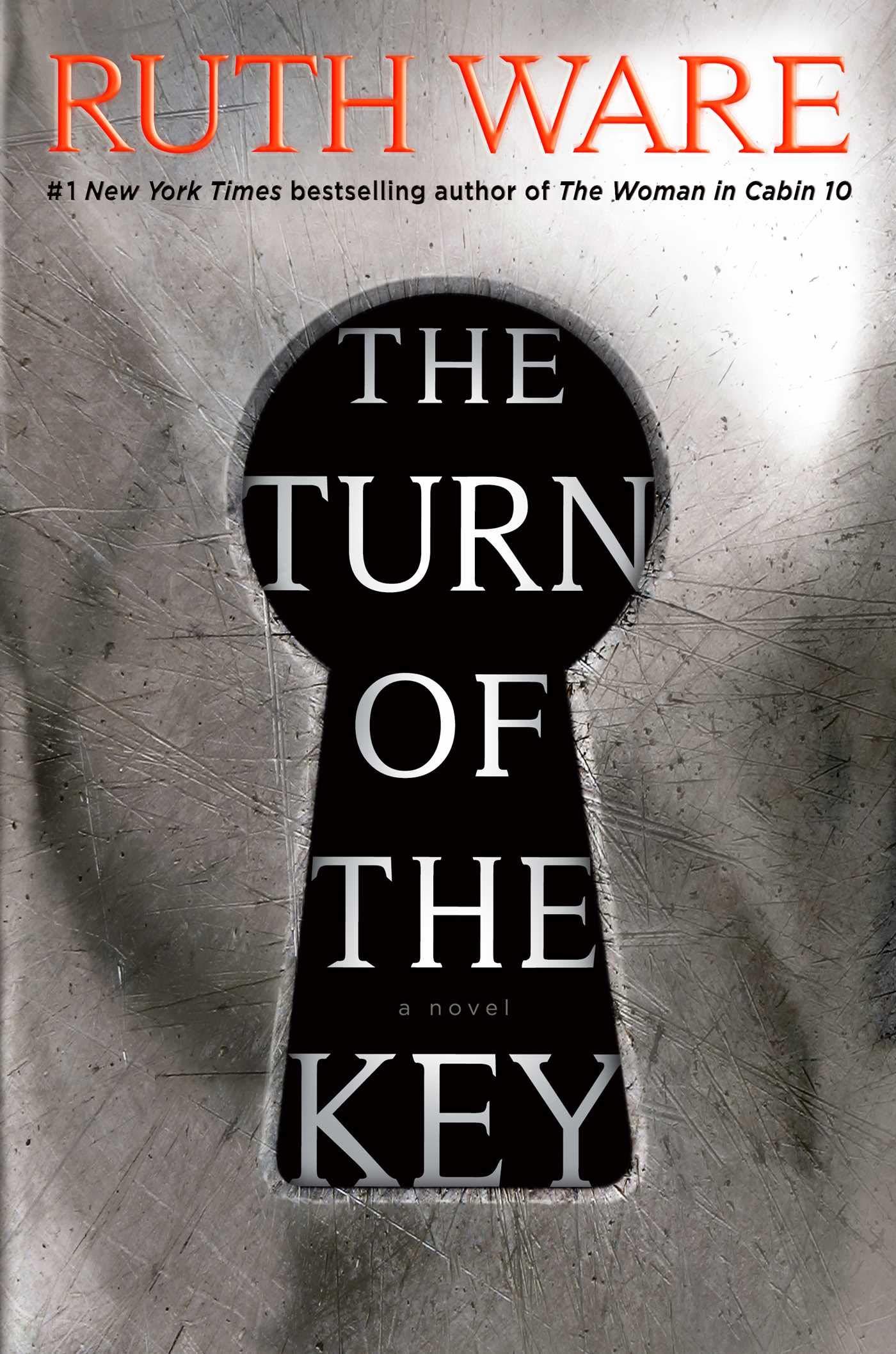
"The Turn of the Key" centers on Federica "Fedi" Maiden, a young nanny who takes a seemingly idyllic live-in position in a smart home, only to quickly find herself entangled in a nightmare culminating in a child's death and her own arrest for murder. The narrative unfolds through Fedi's letters written from prison, attempting to explain the bewildering events that led her there.
This novel shares a striking resemblance to "The Woman in Suite 11" in its core structure: a seemingly unreliable female narrator recounting a traumatic, confusing experience from within the confines of a limited, isolated space. Both protagonists are under suspicion, attempting to piece together fragmented memories or defend themselves against accusations, creating a pervasive sense of claustrophobia and paranoia. The tension in both books stems from the protagonist's struggle to recall the truth, or prove her innocence, while simultaneously confined.
The appeal lies in the meticulously crafted atmosphere of suspense and the constant questioning of perception. Readers drawn to intricate psychological thrillers will appreciate the unreliable narrator trope and the slow reveal of unsettling truths. It offers a satisfying unraveling of a mystery, encouraging active deduction and leaving a lasting impression with its themes of memory, trust, and the elusive nature of truth.
The Turn of the Key
"The Turn of the Key" centers on Federica "Fedi" Maiden, a young nanny who takes a seemingly idyllic live-in position in a smart home, only to quickly find herself entangled in a nightmare culminating in a child's death and her own arrest for murder. The narrative unfolds through Fedi's letters written from prison, attempting to explain the bewildering events that led her there.
This novel shares a striking resemblance to "The Woman in Suite 11" in its core structure: a seemingly unreliable female narrator recounting a traumatic, confusing experience from within the confines of a limited, isolated space. Both protagonists are under suspicion, attempting to piece together fragmented memories or defend themselves against accusations, creating a pervasive sense of claustrophobia and paranoia. The tension in both books stems from the protagonist's struggle to recall the truth, or prove her innocence, while simultaneously confined.
The appeal lies in the meticulously crafted atmosphere of suspense and the constant questioning of perception. Readers drawn to intricate psychological thrillers will appreciate the unreliable narrator trope and the slow reveal of unsettling truths. It offers a satisfying unraveling of a mystery, encouraging active deduction and leaving a lasting impression with its themes of memory, trust, and the elusive nature of truth.
Don't Let Him In

"Don't Let Him In" centers on a family retreat to a remote Cornish clifftop house, where simmering tensions and long-held secrets begin to unravel. When an uninvited, charismatic guest appears, the already fragile dynamic shatters, forcing a reckoning with past betrayals and present dangers. It’s a masterclass in domestic suspense, where the true menace might be closer than anyone dares to admit.
This novel shares a remarkable affinity with "The Woman in Suite 10" through its claustrophobic setting and escalating sense of paranoia. Both books expertly isolate their characters, transforming a seemingly safe environment—a luxury hotel in one, a secluded home in the other—into a hotbed of suspicion and fear. The core similarity lies in the slow-burn revelation of a dangerous individual within a confined space, forcing the protagonist to question everyone and everything.
This book offers a compelling exploration of trust, deception, and the insidious nature of unresolved family conflict. Its taut pacing and psychological depth will engross those who appreciate intricate character studies intertwined with relentless suspense. The chilling atmosphere and unforeseen twists ensure a truly immersive and thought-provoking reading experience, leaving a lasting impression.
Don't Let Him In
"Don't Let Him In" centers on a family retreat to a remote Cornish clifftop house, where simmering tensions and long-held secrets begin to unravel. When an uninvited, charismatic guest appears, the already fragile dynamic shatters, forcing a reckoning with past betrayals and present dangers. It’s a masterclass in domestic suspense, where the true menace might be closer than anyone dares to admit.
This novel shares a remarkable affinity with "The Woman in Suite 10" through its claustrophobic setting and escalating sense of paranoia. Both books expertly isolate their characters, transforming a seemingly safe environment—a luxury hotel in one, a secluded home in the other—into a hotbed of suspicion and fear. The core similarity lies in the slow-burn revelation of a dangerous individual within a confined space, forcing the protagonist to question everyone and everything.
This book offers a compelling exploration of trust, deception, and the insidious nature of unresolved family conflict. Its taut pacing and psychological depth will engross those who appreciate intricate character studies intertwined with relentless suspense. The chilling atmosphere and unforeseen twists ensure a truly immersive and thought-provoking reading experience, leaving a lasting impression.
The Paris Apartment

"The Paris Apartment" centers on Jess, who, seeking a fresh start, arrives in Paris to stay with her half-brother, Ben. Upon her arrival, Ben is mysteriously missing, and Jess finds herself in a luxurious, yet unsettling, apartment building inhabited by a cast of eccentric and secretive residents, all seemingly connected to Ben’s disappearance. As Jess investigates, she uncovers dark truths about the building and its inhabitants, realizing everyone has something to hide.
This novel shares a striking resemblance to "The Woman in Cabin 10" through its isolated, luxurious setting that quickly turns darkly claustrophobic. Both stories feature a protagonist thrust into an unfamiliar, seemingly opulent environment, only to confront a web of hidden secrets and the terrifying possibility of murder, with no one to trust. The compelling element of a female lead, isolated and navigating a potentially hostile situation with a missing person at its core, is a strong through-line.
This book will captivate those who enjoy tightly-wound psychological thrillers with a touch of gothic suspense. Its intricate plot, unreliable characters, and atmospheric setting create a consistently tense and intriguing read. The slow reveal of secrets and the constant suspicion cast on every character offer a genuinely immersive experience that will keep readers guessing until the very end.
The Paris Apartment
"The Paris Apartment" centers on Jess, who, seeking a fresh start, arrives in Paris to stay with her half-brother, Ben. Upon her arrival, Ben is mysteriously missing, and Jess finds herself in a luxurious, yet unsettling, apartment building inhabited by a cast of eccentric and secretive residents, all seemingly connected to Ben’s disappearance. As Jess investigates, she uncovers dark truths about the building and its inhabitants, realizing everyone has something to hide.
This novel shares a striking resemblance to "The Woman in Cabin 10" through its isolated, luxurious setting that quickly turns darkly claustrophobic. Both stories feature a protagonist thrust into an unfamiliar, seemingly opulent environment, only to confront a web of hidden secrets and the terrifying possibility of murder, with no one to trust. The compelling element of a female lead, isolated and navigating a potentially hostile situation with a missing person at its core, is a strong through-line.
This book will captivate those who enjoy tightly-wound psychological thrillers with a touch of gothic suspense. Its intricate plot, unreliable characters, and atmospheric setting create a consistently tense and intriguing read. The slow reveal of secrets and the constant suspicion cast on every character offer a genuinely immersive experience that will keep readers guessing until the very end.
Breaking the Dark

"Breaking the Dark" delves into the unsettling reappearance of Melody Browne, a woman who, after an accident, has no memory of her past. As fragmented recollections surface, she embarks on a quest to understand her identity, untangling a complex web of childhood trauma, hidden family secrets, and the sinister figure known only as "The Dark Man." The narrative skillfully blends present-day investigation with haunting flashbacks, revealing a layered story of survival and reclaiming one's narrative.
This novel shares "The Woman in Suite 10"'s penchant for psychological suspense and an unreliable narrator struggling with amnesia or a distorted perception of events. Both stories meticulously peel back layers of mystery surrounding a female protagonist's past, revealing disturbing truths and the profound impact of hidden secrets on identity and belonging. The emphasis on uncovering a buried past and the creeping sense of dread are strong parallels.
It offers a deeply immersive experience for those who appreciate meticulously crafted psychological thrillers with a strong female lead piecing together a fractured life. The intricate plot, coupled with Jewell's masterful character development and atmospheric tension, ensures a gripping read. The exploration of memory, trauma, and the resilience of the human spirit resonates powerfully.
Breaking the Dark
"Breaking the Dark" delves into the unsettling reappearance of Melody Browne, a woman who, after an accident, has no memory of her past. As fragmented recollections surface, she embarks on a quest to understand her identity, untangling a complex web of childhood trauma, hidden family secrets, and the sinister figure known only as "The Dark Man." The narrative skillfully blends present-day investigation with haunting flashbacks, revealing a layered story of survival and reclaiming one's narrative.
This novel shares "The Woman in Suite 10"'s penchant for psychological suspense and an unreliable narrator struggling with amnesia or a distorted perception of events. Both stories meticulously peel back layers of mystery surrounding a female protagonist's past, revealing disturbing truths and the profound impact of hidden secrets on identity and belonging. The emphasis on uncovering a buried past and the creeping sense of dread are strong parallels.
It offers a deeply immersive experience for those who appreciate meticulously crafted psychological thrillers with a strong female lead piecing together a fractured life. The intricate plot, coupled with Jewell's masterful character development and atmospheric tension, ensures a gripping read. The exploration of memory, trauma, and the resilience of the human spirit resonates powerfully.
The Family Upstairs

"The Family Upstairs" unravels a chilling mystery surrounding a wealthy London family and their dark, secret past. When Libby Jones inherits a dilapidated mansion on her 25th birthday, she uncovers a horrifying legacy: a cult, a mass suicide, and three children left behind. The narrative artfully weaves between Libby's present-day investigation and the disturbing events leading up to the tragedy decades earlier.
This novel shares a remarkable kinship with "The Woman in Suite 11" through its masterful use of atmosphere and the slow, deliberate unveiling of a disturbing history. Both books feature protagonists who arrive at an unfamiliar, grand setting only to find themselves entangled in a web of past secrets and unsettling revelations. The sense of foreboding and the constant drip-feed of information, leading to a shocking crescendo, are hallmarks they both share.
Readers who enjoyed the intricate plotting and suspenseful uncovering of buried truths in Ware's novel will appreciate Jewell's equally compelling narrative. Its appeal lies in the psychological depth, the unsettling exploration of human manipulation, and the satisfaction of piecing together a complex, multi-layered puzzle. It’s a rewarding read for those who relish a meticulously crafted mystery with a strong sense of place and an emotionally resonant core.
The Family Upstairs
"The Family Upstairs" unravels a chilling mystery surrounding a wealthy London family and their dark, secret past. When Libby Jones inherits a dilapidated mansion on her 25th birthday, she uncovers a horrifying legacy: a cult, a mass suicide, and three children left behind. The narrative artfully weaves between Libby's present-day investigation and the disturbing events leading up to the tragedy decades earlier.
This novel shares a remarkable kinship with "The Woman in Suite 11" through its masterful use of atmosphere and the slow, deliberate unveiling of a disturbing history. Both books feature protagonists who arrive at an unfamiliar, grand setting only to find themselves entangled in a web of past secrets and unsettling revelations. The sense of foreboding and the constant drip-feed of information, leading to a shocking crescendo, are hallmarks they both share.
Readers who enjoyed the intricate plotting and suspenseful uncovering of buried truths in Ware's novel will appreciate Jewell's equally compelling narrative. Its appeal lies in the psychological depth, the unsettling exploration of human manipulation, and the satisfaction of piecing together a complex, multi-layered puzzle. It’s a rewarding read for those who relish a meticulously crafted mystery with a strong sense of place and an emotionally resonant core.
More Books to Explore
Discover more titles that expand on these ideas and themes.
The Woman in Cabin 10
One Perfect Couple
Zero Days
The Death of Mrs. Westaway
In a Dark, Dark Wood
The Turn of the Key