10 Books Similar to "The Wall"
by Jean-Paul Sartre

The Reprieve

"The Reprieve," the second volume of Sartre's "Roads to Freedom" trilogy, plunges into the immediate pre-war tension of September 1938, as France and Britain grapple with the Munich Agreement. It masterfully uses a polyphonic narrative, presenting the intertwined anxieties and divergent responses of dozens of characters across various social strata and European cities as they confront the imminent threat of conflict. The novel captures a collective moment of profound uncertainty and the deeply personal ways individuals experience global events.
This novel resonates with "The Wall" through its unflinching exploration of existential dread and the pressures of impending doom. Both works present individuals facing extreme, life-altering circumstances that strip away societal illusions and force a direct confrontation with freedom, responsibility, and the arbitrary nature of existence. They share a keen interest in the psychological landscape of characters under duress and the subjective experience of time and anticipation.
This book will appeal to those who value incisive psychological portraiture and philosophical depth embedded within a compelling narrative. It offers a powerful meditation on collective anxiety, ethical choice in the face of fate, and the very definition of human freedom when confronted by overwhelming external forces. Its historical context also provides a valuable lens for understanding moments of geopolitical crisis and humanity's perennial struggle with destiny.
The Reprieve
"The Reprieve," the second volume of Sartre's "Roads to Freedom" trilogy, plunges into the immediate pre-war tension of September 1938, as France and Britain grapple with the Munich Agreement. It masterfully uses a polyphonic narrative, presenting the intertwined anxieties and divergent responses of dozens of characters across various social strata and European cities as they confront the imminent threat of conflict. The novel captures a collective moment of profound uncertainty and the deeply personal ways individuals experience global events.
This novel resonates with "The Wall" through its unflinching exploration of existential dread and the pressures of impending doom. Both works present individuals facing extreme, life-altering circumstances that strip away societal illusions and force a direct confrontation with freedom, responsibility, and the arbitrary nature of existence. They share a keen interest in the psychological landscape of characters under duress and the subjective experience of time and anticipation.
This book will appeal to those who value incisive psychological portraiture and philosophical depth embedded within a compelling narrative. It offers a powerful meditation on collective anxiety, ethical choice in the face of fate, and the very definition of human freedom when confronted by overwhelming external forces. Its historical context also provides a valuable lens for understanding moments of geopolitical crisis and humanity's perennial struggle with destiny.
Iron in the Soul

"Iron in the Soul" (translated as "Troubled Sleep" in some editions) depicts the chaotic psychological and moral landscape of France during the tumultuous summer of 1940, as the German army invades and occupies the country. It follows Mathieu Delarue and his circle as they grapple with the collapse of their nation, forced to confront the implications of freedom and responsibility in the face of utter defeat. The novel vividly portrays their individual struggles to define themselves and act meaningfuly amidst widespread despair and collaboration.
Both "Iron in the Soul" and "The Wall" delve deeply into existentialist themes, particularly the burden of freedom and the inescapable responsibility for one's choices, even in extremis. Like the characters facing execution in "The Wall," Mathieu and his compatriots are stripped of societal certainties, thrust into situations where their existence feels absurd, and their actions — or inactions — carry profound weight. Both texts explore the psychological impact of impending doom and the desperate search for authenticity.
This book offers a potent exploration of human agency under duress, inviting reflection on personal integrity and the construction of meaning in a world devoid of inherent purpose. Its unflinching examination of moral dilemmas and the anxieties of individual freedom resonates powerfully, providing a rich ground for understanding the human condition as viewed through an existentialist lens. The historical context also offers valuable insight into the French experience during World War II, moving beyond mere historical fact to the inner lives of those confronting such monumental change.
Iron in the Soul
"Iron in the Soul" (translated as "Troubled Sleep" in some editions) depicts the chaotic psychological and moral landscape of France during the tumultuous summer of 1940, as the German army invades and occupies the country. It follows Mathieu Delarue and his circle as they grapple with the collapse of their nation, forced to confront the implications of freedom and responsibility in the face of utter defeat. The novel vividly portrays their individual struggles to define themselves and act meaningfuly amidst widespread despair and collaboration.
Both "Iron in the Soul" and "The Wall" delve deeply into existentialist themes, particularly the burden of freedom and the inescapable responsibility for one's choices, even in extremis. Like the characters facing execution in "The Wall," Mathieu and his compatriots are stripped of societal certainties, thrust into situations where their existence feels absurd, and their actions — or inactions — carry profound weight. Both texts explore the psychological impact of impending doom and the desperate search for authenticity.
This book offers a potent exploration of human agency under duress, inviting reflection on personal integrity and the construction of meaning in a world devoid of inherent purpose. Its unflinching examination of moral dilemmas and the anxieties of individual freedom resonates powerfully, providing a rich ground for understanding the human condition as viewed through an existentialist lens. The historical context also offers valuable insight into the French experience during World War II, moving beyond mere historical fact to the inner lives of those confronting such monumental change.
The Age of Reason

"The Age of Reason" delves into the existential anxieties and moral quandaries of Mathieu Delarue, a philosophy teacher in 1938 Paris, as he grapples with an unplanned pregnancy and the pressing need to find 4,000 francs for an abortion. The novel meticulously charts his journey through a web of relationships and his attempts to assert his freedom and make defining choices in a world he increasingly perceives as absurd and devoid of inherent meaning. It's a stark portrait of a man confronting the burden of his own liberty and the consequences of his actions.
Both novels, "The Age of Reason" and "The Wall," are deeply rooted in Sartre's existentialist philosophy, exploring themes of freedom, responsibility, and the anguish of choice. They feature protagonists facing dire circumstances that force them to confront their own existence and the arbitrary nature of human values. The psychological intensity, introspective narrative, and the exploration of characters wrestling with the weight of their decisions create a shared intellectual and emotional landscape.
This book offers a profound exploration of individual liberty and the inherent loneliness of self-determination. It provides incisive commentary on moral dilemmas and the search for authentic meaning in a world that doesn't readily provide it. The narrative compels contemplation of one's own choices and the fabric of personal responsibility, offering a rich intellectual experience for those drawn to philosophical fiction.
The Age of Reason
"The Age of Reason" delves into the existential anxieties and moral quandaries of Mathieu Delarue, a philosophy teacher in 1938 Paris, as he grapples with an unplanned pregnancy and the pressing need to find 4,000 francs for an abortion. The novel meticulously charts his journey through a web of relationships and his attempts to assert his freedom and make defining choices in a world he increasingly perceives as absurd and devoid of inherent meaning. It's a stark portrait of a man confronting the burden of his own liberty and the consequences of his actions.
Both novels, "The Age of Reason" and "The Wall," are deeply rooted in Sartre's existentialist philosophy, exploring themes of freedom, responsibility, and the anguish of choice. They feature protagonists facing dire circumstances that force them to confront their own existence and the arbitrary nature of human values. The psychological intensity, introspective narrative, and the exploration of characters wrestling with the weight of their decisions create a shared intellectual and emotional landscape.
This book offers a profound exploration of individual liberty and the inherent loneliness of self-determination. It provides incisive commentary on moral dilemmas and the search for authentic meaning in a world that doesn't readily provide it. The narrative compels contemplation of one's own choices and the fabric of personal responsibility, offering a rich intellectual experience for those drawn to philosophical fiction.
Nausea
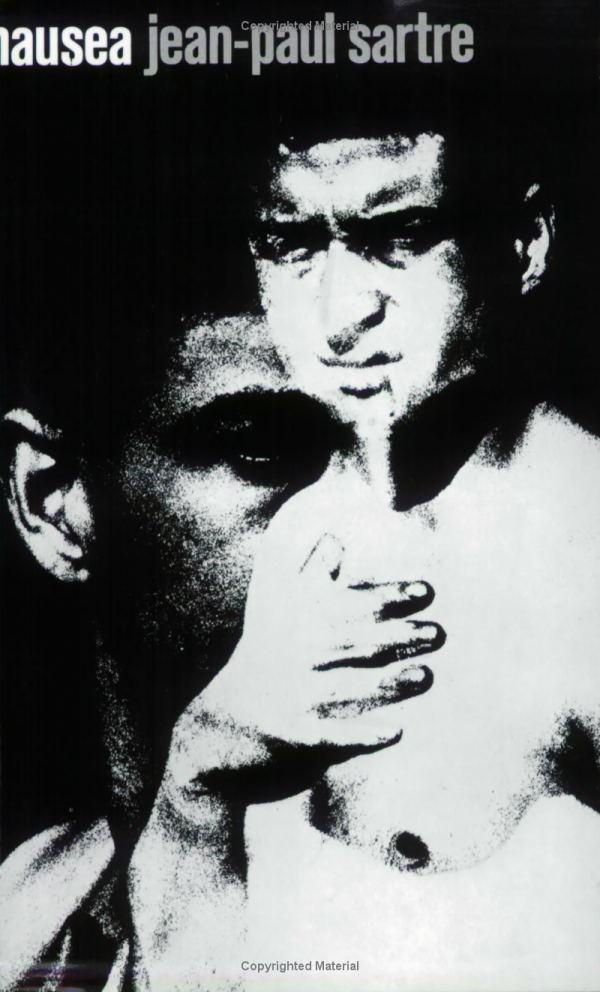
*Nausea* chronicles the existential crisis of Antoine Roquentin, a historian who finds himself increasingly alienated by the sheer, arbitrary existence of things and people around him. He experiences moments of profound disgust and disorientation, a metaphorical "nausea," as he grapples with the meaninglessness he perceives in a world devoid of inherent purpose or essence. His attempts to impose order or understanding through his historical research ultimately fail, leading to a deep questioning of his own identity and the nature of reality itself.
Both *Nausea* and "The Wall" delve deeply into the core tenets of Sartrean existentialism. They explore protagonists confronted with the brutal, often absurd, reality of freedom and responsibility. The characters in both works experience a profound sense of anguish and alienation as they reckon with a world without predetermined meaning, forcing them to confront their own finitude and the arbitrary nature of their existence. The psychological interiority, grim atmosphere, and intellectual grappling with human purpose are unmistakable parallels.
This book offers a compelling exploration of freedom, consciousness, and the individual's desperate search for meaning in an indifferent universe. It validates and articulates feelings of alienation and existential doubt that many experience, providing a framework for understanding these profound human conditions. Its intellectual depth and psychological penetration make it a valuable read for those interested in philosophy, psychology, or the exploration of the human condition.
Nausea
*Nausea* chronicles the existential crisis of Antoine Roquentin, a historian who finds himself increasingly alienated by the sheer, arbitrary existence of things and people around him. He experiences moments of profound disgust and disorientation, a metaphorical "nausea," as he grapples with the meaninglessness he perceives in a world devoid of inherent purpose or essence. His attempts to impose order or understanding through his historical research ultimately fail, leading to a deep questioning of his own identity and the nature of reality itself.
Both *Nausea* and "The Wall" delve deeply into the core tenets of Sartrean existentialism. They explore protagonists confronted with the brutal, often absurd, reality of freedom and responsibility. The characters in both works experience a profound sense of anguish and alienation as they reckon with a world without predetermined meaning, forcing them to confront their own finitude and the arbitrary nature of their existence. The psychological interiority, grim atmosphere, and intellectual grappling with human purpose are unmistakable parallels.
This book offers a compelling exploration of freedom, consciousness, and the individual's desperate search for meaning in an indifferent universe. It validates and articulates feelings of alienation and existential doubt that many experience, providing a framework for understanding these profound human conditions. Its intellectual depth and psychological penetration make it a valuable read for those interested in philosophy, psychology, or the exploration of the human condition.
No Exit

"No Exit" traps three deceased strangers – Garcin, Inez, and Estelle – in a single room that serves as their personal hell. They are forced to confront their past sins and the relentless judgment of the others, realizing the enduring torment isn't physical, but psychological: "Hell is other people." The play explores themes of self-deception, the inescapable nature of one's past, and the power of external validation or condemnation to define existence.
Both "No Exit" and "The Wall" delve into the agonizing psychological states of individuals confronting extreme circumstances and the crushing weight of existential choices. They expose characters stripped bare of societal illusion, forced to grapple with their own responsibility and the often-unpleasant truths about themselves. The shared focus on subjective experience, moral ambiguity, and the overwhelming burden of freedom and consequence links these works intrinsically.
This play offers a searing examination of human nature under duress, inviting reflection on how others shape our self-perception and the inescapable accountability for our actions. It provides a sharp, thought-provoking lens through which to consider themes of freedom, responsibility, and the often-uncomfortable reality of interpersonal relationships, making it a valuable exploration of modern existential philosophy.
No Exit
"No Exit" traps three deceased strangers – Garcin, Inez, and Estelle – in a single room that serves as their personal hell. They are forced to confront their past sins and the relentless judgment of the others, realizing the enduring torment isn't physical, but psychological: "Hell is other people." The play explores themes of self-deception, the inescapable nature of one's past, and the power of external validation or condemnation to define existence.
Both "No Exit" and "The Wall" delve into the agonizing psychological states of individuals confronting extreme circumstances and the crushing weight of existential choices. They expose characters stripped bare of societal illusion, forced to grapple with their own responsibility and the often-unpleasant truths about themselves. The shared focus on subjective experience, moral ambiguity, and the overwhelming burden of freedom and consequence links these works intrinsically.
This play offers a searing examination of human nature under duress, inviting reflection on how others shape our self-perception and the inescapable accountability for our actions. It provides a sharp, thought-provoking lens through which to consider themes of freedom, responsibility, and the often-uncomfortable reality of interpersonal relationships, making it a valuable exploration of modern existential philosophy.
The Wall

Sartre's "The Wall" is a collection of existentialist short stories, most famously featuring prisoners awaiting execution during the Spanish Civil War. It delves into the harrowing psychological states of individuals confronting their mortality, the absurdity of human existence, and the profound freedom and responsibility that arise when traditional structures of meaning collapse. The narrative explores themes of choice, despair, and the often-unpredictable consequences of human decisions in extreme circumstances.
While disparate in setting and genre, Sartre's "The Wall" shares a crucial thematic kinship with Hersey's non-fiction account. Both works explore the human experience under immense duress, specifically within contexts where metaphorical or literal "walls" confine individuals and threaten their lives. Hersey meticulously documents the survivors of the atomic bombing of Hiroshima, showcasing resilience and the struggle for meaning amidst unfathomable destruction, paralleling Sartre's exploration of individuals grappling with impending doom and the meaninglessness of their situation. Both ultimately examine the psychological impact of catastrophic events on the human spirit.
This collection will resonate with those interested in philosophical fiction, the human condition under pressure, and explorations of existential themes. Its stark portrayal of individuals facing ultimate choices offers profound insights into courage, fear, and the search for agency. The stories provoke contemplation on life's fundamental questions and provide a powerful, albeit often unsettling, mirror to our own vulnerabilities and capacities for fortitude.
The Wall
Sartre's "The Wall" is a collection of existentialist short stories, most famously featuring prisoners awaiting execution during the Spanish Civil War. It delves into the harrowing psychological states of individuals confronting their mortality, the absurdity of human existence, and the profound freedom and responsibility that arise when traditional structures of meaning collapse. The narrative explores themes of choice, despair, and the often-unpredictable consequences of human decisions in extreme circumstances.
While disparate in setting and genre, Sartre's "The Wall" shares a crucial thematic kinship with Hersey's non-fiction account. Both works explore the human experience under immense duress, specifically within contexts where metaphorical or literal "walls" confine individuals and threaten their lives. Hersey meticulously documents the survivors of the atomic bombing of Hiroshima, showcasing resilience and the struggle for meaning amidst unfathomable destruction, paralleling Sartre's exploration of individuals grappling with impending doom and the meaninglessness of their situation. Both ultimately examine the psychological impact of catastrophic events on the human spirit.
This collection will resonate with those interested in philosophical fiction, the human condition under pressure, and explorations of existential themes. Its stark portrayal of individuals facing ultimate choices offers profound insights into courage, fear, and the search for agency. The stories provoke contemplation on life's fundamental questions and provide a powerful, albeit often unsettling, mirror to our own vulnerabilities and capacities for fortitude.
The Wall
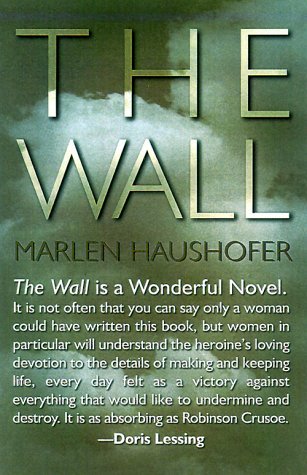
Jean-Paul Sartre's "The Wall" is a collection of existentialist short stories, with the titular novella exploring the psychological torment of a Spanish Civil War political prisoner awaiting execution. It delves into profound questions of freedom, responsibility, and the arbitrary nature of human existence in the face of inevitable death, forcing characters to confront their choices and the absurdity of their situation.
Both novels, despite their differing specifics, depict individuals facing radical isolation and an imposed, impenetrable barrier. Haushofer's protagonist is physically cut off from the world, whereas Sartre's characters are psychologically walled in by their circumstances, particularly the proximity of death, and the crushing weight of their own consciousness. This shared thematic core of confinement, existential dread, and an uncrossable dividing line creates a compelling parallel.
This book offers a powerful exploration of human resilience and vulnerability when confronted with ultimate limitations. It provides a nuanced understanding of existential philosophy through vivid characterizations and gripping narratives. It deepens appreciation for nuanced psychological drama and the enduring human struggle for meaning.
The Wall
Jean-Paul Sartre's "The Wall" is a collection of existentialist short stories, with the titular novella exploring the psychological torment of a Spanish Civil War political prisoner awaiting execution. It delves into profound questions of freedom, responsibility, and the arbitrary nature of human existence in the face of inevitable death, forcing characters to confront their choices and the absurdity of their situation.
Both novels, despite their differing specifics, depict individuals facing radical isolation and an imposed, impenetrable barrier. Haushofer's protagonist is physically cut off from the world, whereas Sartre's characters are psychologically walled in by their circumstances, particularly the proximity of death, and the crushing weight of their own consciousness. This shared thematic core of confinement, existential dread, and an uncrossable dividing line creates a compelling parallel.
This book offers a powerful exploration of human resilience and vulnerability when confronted with ultimate limitations. It provides a nuanced understanding of existential philosophy through vivid characterizations and gripping narratives. It deepens appreciation for nuanced psychological drama and the enduring human struggle for meaning.
The Blood of Others

"The Blood of Others" by Simone de Beauvoir explores the intricate moral dilemmas faced by individuals during the French Resistance in World War II. It centers on the intertwined lives of characters grappling with questions of free will, responsibility, and the profound impact of their choices on others, examining how personal freedom clashes with collective action and sacrifice.
Both "The Blood of Others" and Sartre's "The Wall" delve into the stark realities of human existence under extreme pressure. They share a philosophical core, dissecting themes of existentialism: the burden of freedom, the creation of meaning in an indifferent world, and the inescapable responsibility for one's actions. Both narratives portray characters confronting death and oppression, forcing them to define themselves through their choices rather than inherited values.
This novel will appeal to those who appreciate thoughtful explorations of ethics and human agency. It offers a powerful examination of the sacrifices inherent in fighting for a cause, and the emotional and philosophical complexities of choosing to lay one's life on the line for something larger than oneself. Its historical context provides a vivid backdrop for timeless questions about courage, complicity, and the price of freedom.
The Blood of Others
"The Blood of Others" by Simone de Beauvoir explores the intricate moral dilemmas faced by individuals during the French Resistance in World War II. It centers on the intertwined lives of characters grappling with questions of free will, responsibility, and the profound impact of their choices on others, examining how personal freedom clashes with collective action and sacrifice.
Both "The Blood of Others" and Sartre's "The Wall" delve into the stark realities of human existence under extreme pressure. They share a philosophical core, dissecting themes of existentialism: the burden of freedom, the creation of meaning in an indifferent world, and the inescapable responsibility for one's actions. Both narratives portray characters confronting death and oppression, forcing them to define themselves through their choices rather than inherited values.
This novel will appeal to those who appreciate thoughtful explorations of ethics and human agency. It offers a powerful examination of the sacrifices inherent in fighting for a cause, and the emotional and philosophical complexities of choosing to lay one's life on the line for something larger than oneself. Its historical context provides a vivid backdrop for timeless questions about courage, complicity, and the price of freedom.
Nada

*Nada* plunges into the stifling post-Spanish Civil War Barcelona through the eyes of Andrea, a young woman arriving for university. Her initial optimism quickly dissolves into disillusionment as she confronts the decay and moral squalor of her eccentric, impoverished family. The novel masterfully portrays her struggle for identity and meaning amidst widespread despair and emotional emptiness, creating a vivid, almost claustrophobic, sense of existential angst.
Both *Nada* and *The Wall* explore the psychological impact of oppressive circumstances and the search for individual authenticity when confronted with life's absurdity. Like Sartre's condemned men grappling with their impending death, Andrea in *Nada* experiences a profound spiritual isolation and a bleak sense of the future. Both works strip away societal illusions, forcing their protagonists to confront raw, unvarnished existence and the often-uncomfortable truths of human nature.
This book offers a compelling narrative of resilience and introspection, particularly for those interested in existential themes and coming-of-age stories set against a backdrop of historical turmoil. Its unflinching depiction of suffering and the protagonist's quiet defiance resonate deeply, prompting reflection on personal freedom and the human spirit's capacity to endure, even thrive, in adversity. It is a powerful portrait of a young woman's awakening to the harsh realities of her world.
Nada
*Nada* plunges into the stifling post-Spanish Civil War Barcelona through the eyes of Andrea, a young woman arriving for university. Her initial optimism quickly dissolves into disillusionment as she confronts the decay and moral squalor of her eccentric, impoverished family. The novel masterfully portrays her struggle for identity and meaning amidst widespread despair and emotional emptiness, creating a vivid, almost claustrophobic, sense of existential angst.
Both *Nada* and *The Wall* explore the psychological impact of oppressive circumstances and the search for individual authenticity when confronted with life's absurdity. Like Sartre's condemned men grappling with their impending death, Andrea in *Nada* experiences a profound spiritual isolation and a bleak sense of the future. Both works strip away societal illusions, forcing their protagonists to confront raw, unvarnished existence and the often-uncomfortable truths of human nature.
This book offers a compelling narrative of resilience and introspection, particularly for those interested in existential themes and coming-of-age stories set against a backdrop of historical turmoil. Its unflinching depiction of suffering and the protagonist's quiet defiance resonate deeply, prompting reflection on personal freedom and the human spirit's capacity to endure, even thrive, in adversity. It is a powerful portrait of a young woman's awakening to the harsh realities of her world.
The Train

"The Train" by Georges Simenon plunges into the psychological turmoil of Marcel Féron, a seemingly ordinary man separated from his pregnant wife and daughter during the chaotic Nazi invasion of Belgium. Forced onto a packed refugee train, Marcel finds a temporary respite, a fleeting love affair, and a stark reassessment of his life's choices as the world around him crumbles.
Both "The Train" and "The Wall" explore existential dread and the anomie of individuals confronting overwhelming, inescapable circumstances. Each protagonist is thrust into a situation where their past certainties are shattered, facing imminent danger and moral ambiguity that forces them to grapple with authenticity, freedom, and the meaning of their own existence, often amidst visceral fear and desperation.
This book offers a compelling exploration of human nature under duress, providing a potent reflection on resilience, ethical compromise, and the profound impact of societal collapse on personal identity. Its unflinching portrayal of internal conflict and societal upheaval resonates deeply, provoking thought on what defines us when everything else is stripped away.
The Train
"The Train" by Georges Simenon plunges into the psychological turmoil of Marcel Féron, a seemingly ordinary man separated from his pregnant wife and daughter during the chaotic Nazi invasion of Belgium. Forced onto a packed refugee train, Marcel finds a temporary respite, a fleeting love affair, and a stark reassessment of his life's choices as the world around him crumbles.
Both "The Train" and "The Wall" explore existential dread and the anomie of individuals confronting overwhelming, inescapable circumstances. Each protagonist is thrust into a situation where their past certainties are shattered, facing imminent danger and moral ambiguity that forces them to grapple with authenticity, freedom, and the meaning of their own existence, often amidst visceral fear and desperation.
This book offers a compelling exploration of human nature under duress, providing a potent reflection on resilience, ethical compromise, and the profound impact of societal collapse on personal identity. Its unflinching portrayal of internal conflict and societal upheaval resonates deeply, provoking thought on what defines us when everything else is stripped away.
More Books to Explore
Discover more titles that expand on these ideas and themes.
The Reprieve
Iron in the Soul
The Age of Reason
Nausea
No Exit
The Wall