10 Books Similar to "The Stolen Heir"
by Holly Black
The Prisoner’s Throne

"The Prisoner’s Throne" continues the perilous saga of Prince Oak and his court, focusing on his capture and imprisonment by Queen Suren of the Snow Lands. The narrative delves into Oak's attempts to navigate treacherous court politics from within captivity, employing his cunning and charm to maintain alliances and undermine his captors, all while desperately seeking a path to freedom and the protection of his kingdom.
This novel shares a foundational similarity with "The Stolen Heir" in its exploration of high-stakes fae political intrigue and the personal journeys of conflicted, powerful young protagonists. Both books immerse themselves in the complex moral landscapes of the Fae world, featuring characters who are forced to make difficult choices between personal desires and royal duty, often with the fate of kingdoms at stake.
The book offers a compelling narrative for those who appreciate intricate world-building, morally ambiguous characters, and plots rich with betrayal and strategic maneuvering. Its value lies in its nuanced portrayal of power dynamics, the exploration of complex familial and romantic relationships under duress, and its capacity to engage readers thoroughly through suspense and character-driven conflict.
The Prisoner’s Throne
"The Prisoner’s Throne" continues the perilous saga of Prince Oak and his court, focusing on his capture and imprisonment by Queen Suren of the Snow Lands. The narrative delves into Oak's attempts to navigate treacherous court politics from within captivity, employing his cunning and charm to maintain alliances and undermine his captors, all while desperately seeking a path to freedom and the protection of his kingdom.
This novel shares a foundational similarity with "The Stolen Heir" in its exploration of high-stakes fae political intrigue and the personal journeys of conflicted, powerful young protagonists. Both books immerse themselves in the complex moral landscapes of the Fae world, featuring characters who are forced to make difficult choices between personal desires and royal duty, often with the fate of kingdoms at stake.
The book offers a compelling narrative for those who appreciate intricate world-building, morally ambiguous characters, and plots rich with betrayal and strategic maneuvering. Its value lies in its nuanced portrayal of power dynamics, the exploration of complex familial and romantic relationships under duress, and its capacity to engage readers thoroughly through suspense and character-driven conflict.
The Queen of Nothing
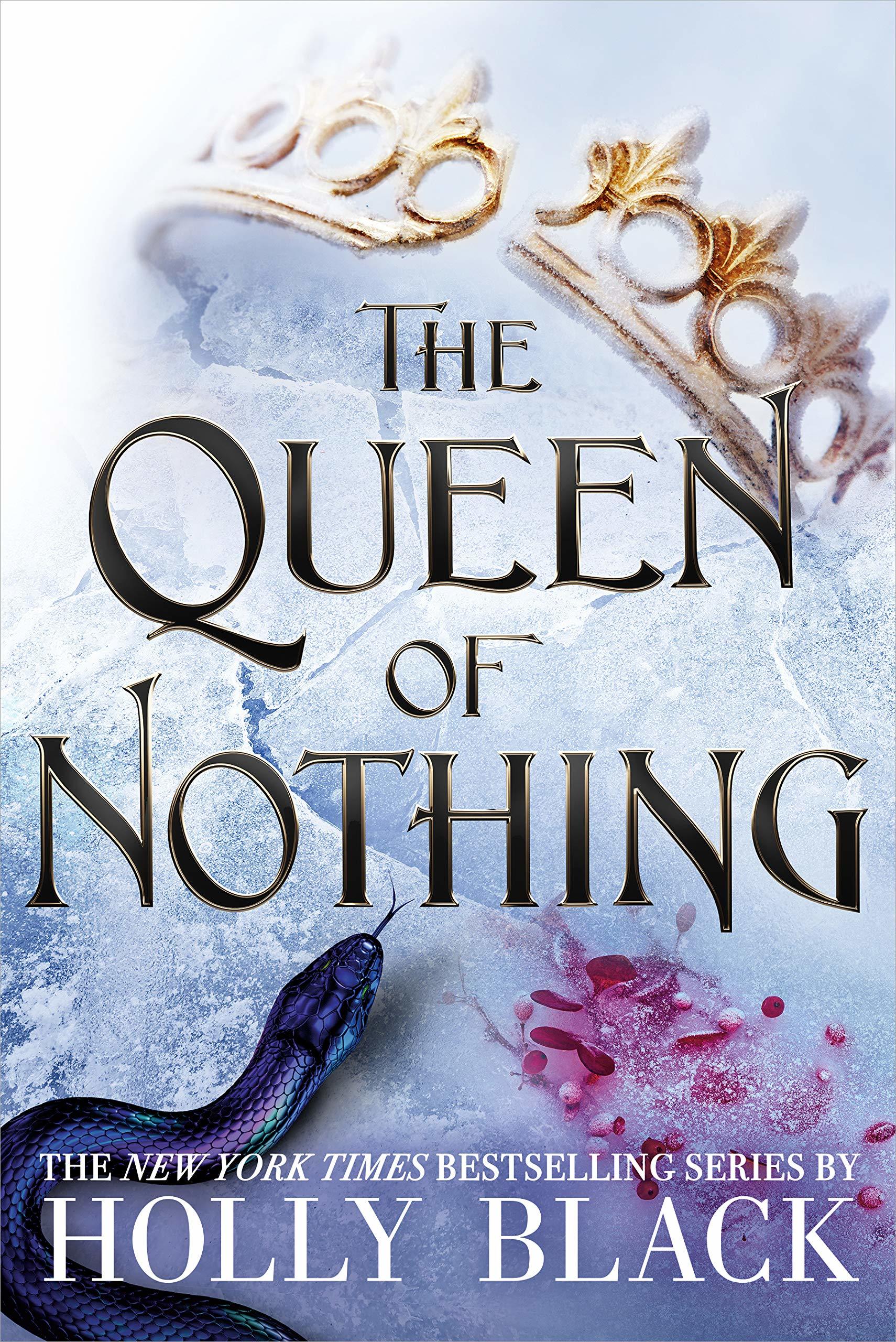
*The Queen of Nothing* concludes the Folk of the Air trilogy, centering on Jude Duarte's struggle to reclaim her exiled position and power within the treacherous, politically charged world of Elfhame. She navigates intricate court intrigue, betrayals from both allies and enemies, and her complex, often antagonistic, relationship with Cardan, the High King. The narrative explores themes of ambition, sacrifice, and the blurred lines between love and hatred in a faerie court.
Both novels delve into the dark, captivating realm of Faerie, examining the intricacies of power, court politics, and the fraught relationships between mortals and magical beings. They share the same author's distinctive voice, characterized by sharp dialogue, morally complex characters, and a rich, immersive world-building. Furthermore, both feature protagonists who are outsiders or "stolen" in some sense, desperately fighting for agency and survival in a world not originally their own, often confronting their own vulnerabilities and desires in the process.
This book will appeal to those who appreciate intricate fae fantasy with a strong romantic undercurrent and high stakes. Its exploration of political machinations, character-driven conflicts, and the compelling push-and-pull between duty and desire offers a satisfying, mature reading experience. The resolution of its central love story and the fate of Elfhame provides significant emotional payoff and reinforces the enduring power of ambition and resilience.
The Queen of Nothing
*The Queen of Nothing* concludes the Folk of the Air trilogy, centering on Jude Duarte's struggle to reclaim her exiled position and power within the treacherous, politically charged world of Elfhame. She navigates intricate court intrigue, betrayals from both allies and enemies, and her complex, often antagonistic, relationship with Cardan, the High King. The narrative explores themes of ambition, sacrifice, and the blurred lines between love and hatred in a faerie court.
Both novels delve into the dark, captivating realm of Faerie, examining the intricacies of power, court politics, and the fraught relationships between mortals and magical beings. They share the same author's distinctive voice, characterized by sharp dialogue, morally complex characters, and a rich, immersive world-building. Furthermore, both feature protagonists who are outsiders or "stolen" in some sense, desperately fighting for agency and survival in a world not originally their own, often confronting their own vulnerabilities and desires in the process.
This book will appeal to those who appreciate intricate fae fantasy with a strong romantic undercurrent and high stakes. Its exploration of political machinations, character-driven conflicts, and the compelling push-and-pull between duty and desire offers a satisfying, mature reading experience. The resolution of its central love story and the fate of Elfhame provides significant emotional payoff and reinforces the enduring power of ambition and resilience.
The Wicked King
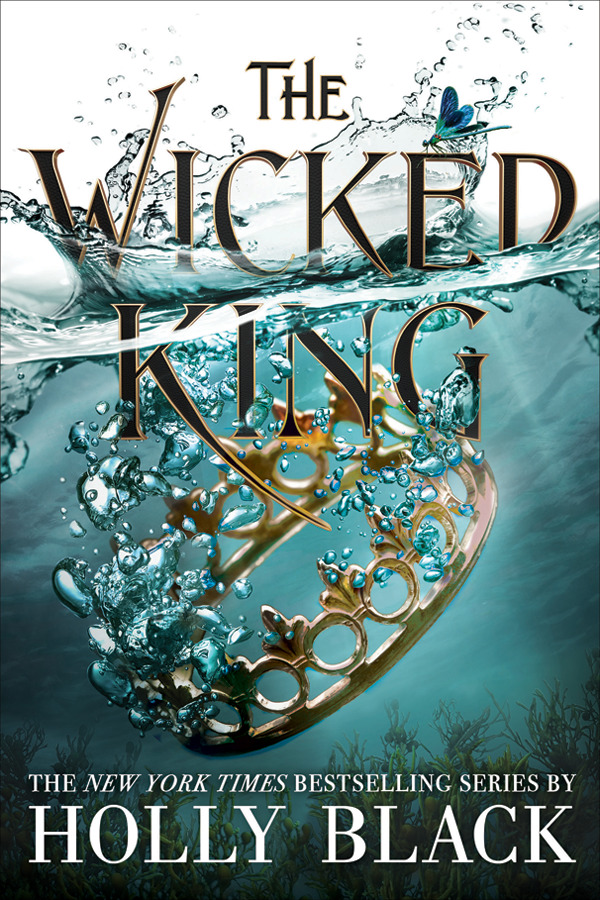
"The Wicked King" continues the narrative of Jude Duarte, a mortal who has navigated the treacherous politics of the fae world to become an influential, albeit secretly manipulative, power behind the throne of Elfhame. The story plunges deeper into court intrigue, examining Jude's precarious hold over the High King Cardan, the escalating threats from rival fae factions, and the increasingly complex and volatile relationship between the two protagonists as they contend with their growing feelings amidst a backdrop of war and betrayal.
This book shares thematic and stylistic DNA with "The Stolen Heir" primarily through its exploration of cunning female protagonists navigating hostile fae courts. Both novels feature characters who are outsiders or viewed as such, using wit, strategy, and sheer determination to carve out positions of power. The intricate political machinations, the morally gray decisions, and the intense, often fraught, romantic entanglements set against a richly imagined fae society are consistent strengths across both works.
It will appeal to those who appreciate sophisticated fantasy narratives driven by character depth and complex relationships. Its value lies in its nuanced portrayal of power, ambition, and the blurred lines between love and manipulation, offering a compelling blend of political thriller and dark romance that challenges conventional fantasy tropes.
The Wicked King
"The Wicked King" continues the narrative of Jude Duarte, a mortal who has navigated the treacherous politics of the fae world to become an influential, albeit secretly manipulative, power behind the throne of Elfhame. The story plunges deeper into court intrigue, examining Jude's precarious hold over the High King Cardan, the escalating threats from rival fae factions, and the increasingly complex and volatile relationship between the two protagonists as they contend with their growing feelings amidst a backdrop of war and betrayal.
This book shares thematic and stylistic DNA with "The Stolen Heir" primarily through its exploration of cunning female protagonists navigating hostile fae courts. Both novels feature characters who are outsiders or viewed as such, using wit, strategy, and sheer determination to carve out positions of power. The intricate political machinations, the morally gray decisions, and the intense, often fraught, romantic entanglements set against a richly imagined fae society are consistent strengths across both works.
It will appeal to those who appreciate sophisticated fantasy narratives driven by character depth and complex relationships. Its value lies in its nuanced portrayal of power, ambition, and the blurred lines between love and manipulation, offering a compelling blend of political thriller and dark romance that challenges conventional fantasy tropes.
How the King of Elfhame Learned to Hate Stories

*How the King of Elfhame Learned to Hate Stories* offers a deep dive into the psyche of Cardan, the notorious High King of Elfhame. It chronicles his upbringing, the trauma of his past, and the pivotal moments that shaped him into the complex, often cruel, yet ultimately captivating figure introduced in *The Folk of the Air* series. Presented as a collection of intertwined narratives and illustrated fables, it elucidates the motivations behind his actions and his often-misunderstood nature.
This prequel shares significant thematic and stylistic DNA with *The Stolen Heir*. Both novels explore the intricate political landscape of Elfhame through the eyes of characters intimately connected to its power structures, delving into their pasts to inform their present. They both reveal the often-brutal realities of faerie existence and the personal costs of ambition and duty within that world, employing Black's signature blend of dark fantasy, intricate character work, and morally ambiguous protagonists.
The appeal of this book lies in its ability to enrich and deepen the understanding of a beloved character. It provides essential context for Cardan's narrative arc, offering a more nuanced perspective that shifts him from antagonist to a figure of tragic depth. It also satisfies the desire for further immersion in Black's meticulously crafted faerie realm, expanding its lore and demonstrating the enduring power of stories within that world.
How the King of Elfhame Learned to Hate Stories
*How the King of Elfhame Learned to Hate Stories* offers a deep dive into the psyche of Cardan, the notorious High King of Elfhame. It chronicles his upbringing, the trauma of his past, and the pivotal moments that shaped him into the complex, often cruel, yet ultimately captivating figure introduced in *The Folk of the Air* series. Presented as a collection of intertwined narratives and illustrated fables, it elucidates the motivations behind his actions and his often-misunderstood nature.
This prequel shares significant thematic and stylistic DNA with *The Stolen Heir*. Both novels explore the intricate political landscape of Elfhame through the eyes of characters intimately connected to its power structures, delving into their pasts to inform their present. They both reveal the often-brutal realities of faerie existence and the personal costs of ambition and duty within that world, employing Black's signature blend of dark fantasy, intricate character work, and morally ambiguous protagonists.
The appeal of this book lies in its ability to enrich and deepen the understanding of a beloved character. It provides essential context for Cardan's narrative arc, offering a more nuanced perspective that shifts him from antagonist to a figure of tragic depth. It also satisfies the desire for further immersion in Black's meticulously crafted faerie realm, expanding its lore and demonstrating the enduring power of stories within that world.
The Cruel Prince
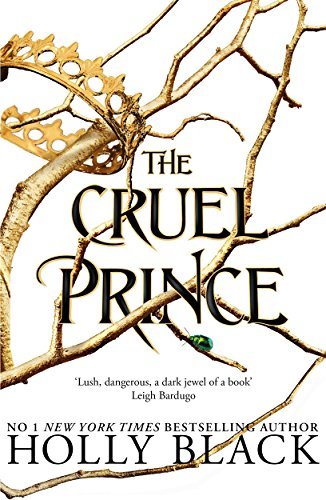
"The Cruel Prince" centers on Jude Duarte, a mortal girl raised in the treacherous, politically charged world of Faerie after her parents' murder. She navigates court intrigue, racial prejudice, and the volatile whims of the fae nobility, particularly the enigmatic and often cruel Prince Cardan, as she strives to gain power and a place for herself in a society that despises mortals.
The similarity to "The Stolen Heir" lies in the shared universe, the intricate Faerie court politics, and the thematic exploration of power, identity, and defiance within a world that is both captivating and deadly. Both books immerse readers in the same richly imagined, dangerous realm, albeit focusing on different characters and facets of its ongoing narrative.
This novel offers an enthralling blend of dark fantasy, courtly intrigue, and a compelling enemy-to-lovers dynamic. Its complex characters, high stakes, and exploration of agency in a world designed to deny it provide a deeply immersive and satisfying experience. The intricate world-building and moral ambiguities presented stimulate thought and offer a rewarding escape into a fantastical, yet deeply human, struggle for belonging and control.
The Cruel Prince
"The Cruel Prince" centers on Jude Duarte, a mortal girl raised in the treacherous, politically charged world of Faerie after her parents' murder. She navigates court intrigue, racial prejudice, and the volatile whims of the fae nobility, particularly the enigmatic and often cruel Prince Cardan, as she strives to gain power and a place for herself in a society that despises mortals.
The similarity to "The Stolen Heir" lies in the shared universe, the intricate Faerie court politics, and the thematic exploration of power, identity, and defiance within a world that is both captivating and deadly. Both books immerse readers in the same richly imagined, dangerous realm, albeit focusing on different characters and facets of its ongoing narrative.
This novel offers an enthralling blend of dark fantasy, courtly intrigue, and a compelling enemy-to-lovers dynamic. Its complex characters, high stakes, and exploration of agency in a world designed to deny it provide a deeply immersive and satisfying experience. The intricate world-building and moral ambiguities presented stimulate thought and offer a rewarding escape into a fantastical, yet deeply human, struggle for belonging and control.
Ironside

*Ironside* picks up after the events of *Tithe*, focusing on Kaye, a fae changeling torn between the human and faerie worlds. She navigates the treacherous political landscape of the Unseelie Court, her complicated relationship with the knight Luis, and the lingering threat of her true fae nature. The narrative explores themes of identity, belonging, and the consequences of love amidst ancient fae power struggles.
The similarity to *The Stolen Heir* lies in their shared exploration of characters caught between two worlds, struggling with identity and power dynamics within the intricate fae society. Both novels feature protagonists with complicated fae heritage, navigating dangerous courtly intrigue and intense romantic entanglements that are intrinsically linked to their survival and influence. The underlying tension of belonging and the fight for agency in a pre-ordained world are central to both narratives.
This book offers a compelling narrative for those who appreciate complex character arcs and rich world-building. Its exploration of identity and political maneuvering within a dangerous fae realm provides a deeply engaging experience, appealing to readers who enjoy a blend of dark fantasy, intricate relationships, and high-stakes adventure. The continuation of Kaye’s story also offers a satisfying deeper dive into Black's established fae universe.
Ironside
*Ironside* picks up after the events of *Tithe*, focusing on Kaye, a fae changeling torn between the human and faerie worlds. She navigates the treacherous political landscape of the Unseelie Court, her complicated relationship with the knight Luis, and the lingering threat of her true fae nature. The narrative explores themes of identity, belonging, and the consequences of love amidst ancient fae power struggles.
The similarity to *The Stolen Heir* lies in their shared exploration of characters caught between two worlds, struggling with identity and power dynamics within the intricate fae society. Both novels feature protagonists with complicated fae heritage, navigating dangerous courtly intrigue and intense romantic entanglements that are intrinsically linked to their survival and influence. The underlying tension of belonging and the fight for agency in a pre-ordained world are central to both narratives.
This book offers a compelling narrative for those who appreciate complex character arcs and rich world-building. Its exploration of identity and political maneuvering within a dangerous fae realm provides a deeply engaging experience, appealing to readers who enjoy a blend of dark fantasy, intricate relationships, and high-stakes adventure. The continuation of Kaye’s story also offers a satisfying deeper dive into Black's established fae universe.
The Cruel Prince / The Wicked King / The Queen of Nothing

"The Cruel Prince" series immerses readers in the treacherous world of Faerie through the eyes of Jude Duarte, a mortal girl raised amongst powerful, manipulative Fae. The narrative centers on her struggle for survival and influence within the ruthless royal court, where political intrigue, dangerous alliances, and a forbidden romance with the enigmatic Prince Cardan define her path to power. It's a tale of ambition, cunning, and navigating a society fundamentally hostile to her existence.
"The Stolen Heir" shares significant narrative DNA with this foundational series, being set in the same elaborate, cutthroat Faerie realm previously established. Both explore themes of mortal protagonists striving for agency and power within a supernatural hierarchy. The intricate political machinations, morally gray characters, and the pervasive challenge of navigating Faerie's ancient customs and deadly politics are central to both works, making "The Cruel Prince" a direct precursor in style and substance.
This series appeals profoundly to those who appreciate high-stakes fantasy with complex character development and morally ambiguous choices. Its exploration of power dynamics, the allure of forbidden romance, and the visceral thrill of outmaneuvering formidable adversaries offers a rich, immersive experience. The intricate world-building and sharp dialogue combine to create a compelling narrative that rewards engagement with its depth and emotional resonance.
The Cruel Prince / The Wicked King / The Queen of Nothing
"The Cruel Prince" series immerses readers in the treacherous world of Faerie through the eyes of Jude Duarte, a mortal girl raised amongst powerful, manipulative Fae. The narrative centers on her struggle for survival and influence within the ruthless royal court, where political intrigue, dangerous alliances, and a forbidden romance with the enigmatic Prince Cardan define her path to power. It's a tale of ambition, cunning, and navigating a society fundamentally hostile to her existence.
"The Stolen Heir" shares significant narrative DNA with this foundational series, being set in the same elaborate, cutthroat Faerie realm previously established. Both explore themes of mortal protagonists striving for agency and power within a supernatural hierarchy. The intricate political machinations, morally gray characters, and the pervasive challenge of navigating Faerie's ancient customs and deadly politics are central to both works, making "The Cruel Prince" a direct precursor in style and substance.
This series appeals profoundly to those who appreciate high-stakes fantasy with complex character development and morally ambiguous choices. Its exploration of power dynamics, the allure of forbidden romance, and the visceral thrill of outmaneuvering formidable adversaries offers a rich, immersive experience. The intricate world-building and sharp dialogue combine to create a compelling narrative that rewards engagement with its depth and emotional resonance.
The Fae Princes

"The Fae Princes" by Nikki St. Crowe plunges readers into a dark fantasy romance where a human protagonist, ensnared by a dangerous fae prince, navigates a treacherous political landscape while grappling with burgeoning, forbidden desires. It explores themes of forced proximity, power imbalances, and the allure of morally grey characters within a darkly magical court.
This novel shares significant thematic and atmospheric commonalities with "The Stolen Heir." Both books feature a mortal woman entangled with powerful, enigmatic fae royalty, driven by a blend of attraction and peril. They both delve into intricate fae politics, the struggle for agency, and the complex, often morally ambiguous nature of their protagonists and their love interests, creating a similar emotional and narrative experience.
The appeal of "The Fae Princes" lies in its commitment to a darker, more mature fae fantasy romance. It offers a captivating blend of high stakes, intense emotional development, and sensual tension, satisfying those who seek a compelling narrative with a strong romantic core and a richly imagined, dangerous fae world. It delivers on the promise of intricate court intrigue layered with a powerful, consuming love story.
The Fae Princes
"The Fae Princes" by Nikki St. Crowe plunges readers into a dark fantasy romance where a human protagonist, ensnared by a dangerous fae prince, navigates a treacherous political landscape while grappling with burgeoning, forbidden desires. It explores themes of forced proximity, power imbalances, and the allure of morally grey characters within a darkly magical court.
This novel shares significant thematic and atmospheric commonalities with "The Stolen Heir." Both books feature a mortal woman entangled with powerful, enigmatic fae royalty, driven by a blend of attraction and peril. They both delve into intricate fae politics, the struggle for agency, and the complex, often morally ambiguous nature of their protagonists and their love interests, creating a similar emotional and narrative experience.
The appeal of "The Fae Princes" lies in its commitment to a darker, more mature fae fantasy romance. It offers a captivating blend of high stakes, intense emotional development, and sensual tension, satisfying those who seek a compelling narrative with a strong romantic core and a richly imagined, dangerous fae world. It delivers on the promise of intricate court intrigue layered with a powerful, consuming love story.
The Stolen Throne
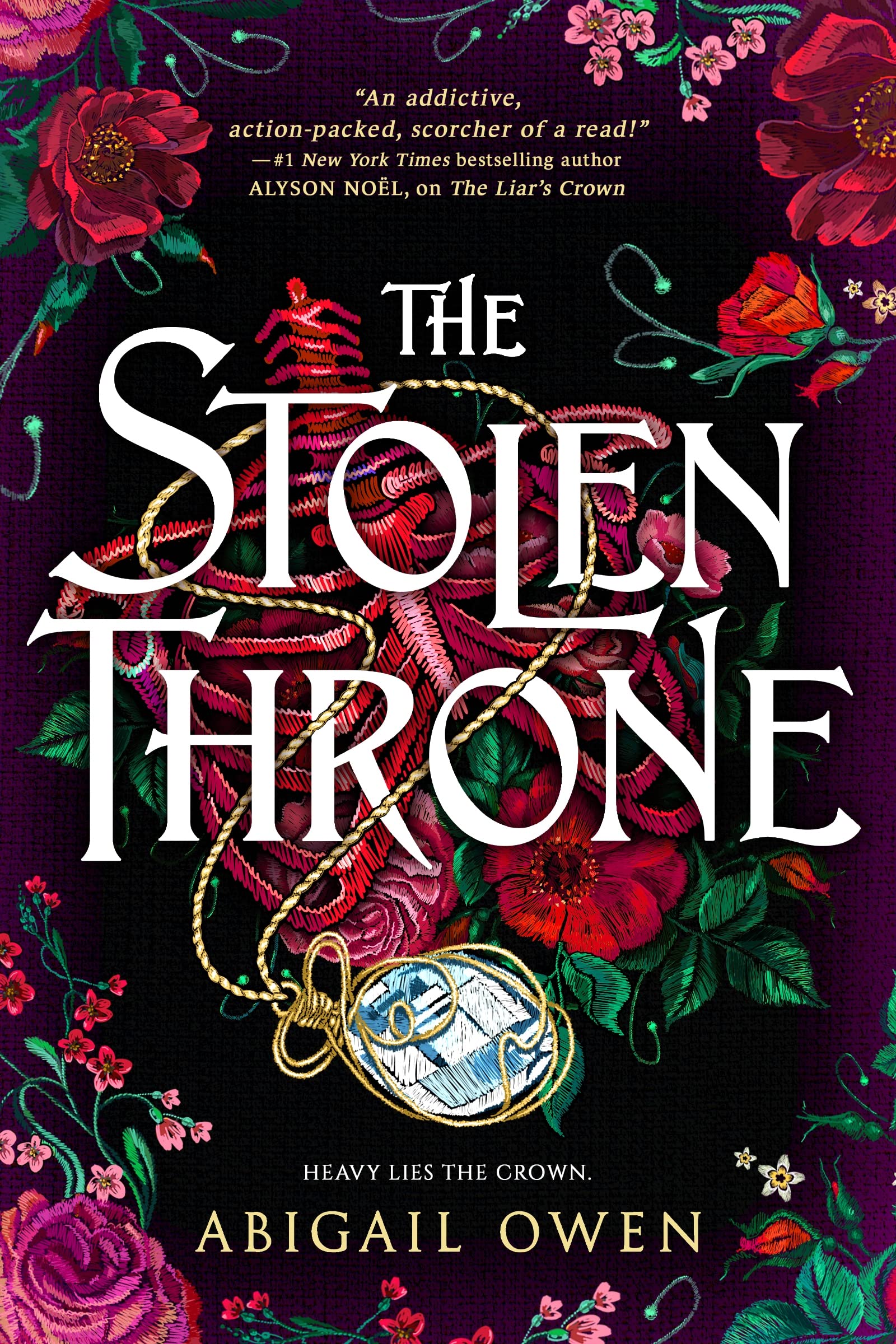
"The Stolen Throne" by Abigail Owen delves into a world of exiled royalty and intricate political maneuvers. It follows Princess Rhiannon, a fierce warrior dispossessed of her birthright, as she navigates a dangerous landscape of alliances and betrayals to reclaim her stolen throne. The narrative skillfully blends action, romance, and high-stakes intrigue in a kingdom teetering on the brink of war.
This novel shares a palpable thematic resonance with Holly Black's "The Stolen Heir." Both books feature protagonists who are either dispossessed of their royal heritage or forced into unexpected leadership roles, grappling with the weight of destiny and the challenges of reclaiming what is rightfully theirs. The intricate court politics, dangerous Fae creatures (or their fantasy equivalents), and the pervasive sense of a character fighting against deeply entrenched power structures will feel familiar to fans of Black's work.
Those who appreciate complex fantasy narratives centered around strong female leads facing monumental challenges will find this book highly engaging. Its blend of romantic tension, perilous quests, and the overarching struggle for power offers a deeply immersive experience, rewarding readers with a satisfying exploration of destiny, sacrifice, and the enduring fight for justice within a fantastical realm.
The Stolen Throne
"The Stolen Throne" by Abigail Owen delves into a world of exiled royalty and intricate political maneuvers. It follows Princess Rhiannon, a fierce warrior dispossessed of her birthright, as she navigates a dangerous landscape of alliances and betrayals to reclaim her stolen throne. The narrative skillfully blends action, romance, and high-stakes intrigue in a kingdom teetering on the brink of war.
This novel shares a palpable thematic resonance with Holly Black's "The Stolen Heir." Both books feature protagonists who are either dispossessed of their royal heritage or forced into unexpected leadership roles, grappling with the weight of destiny and the challenges of reclaiming what is rightfully theirs. The intricate court politics, dangerous Fae creatures (or their fantasy equivalents), and the pervasive sense of a character fighting against deeply entrenched power structures will feel familiar to fans of Black's work.
Those who appreciate complex fantasy narratives centered around strong female leads facing monumental challenges will find this book highly engaging. Its blend of romantic tension, perilous quests, and the overarching struggle for power offers a deeply immersive experience, rewarding readers with a satisfying exploration of destiny, sacrifice, and the enduring fight for justice within a fantastical realm.
Hidden Huntress

"Hidden Huntress" plunges into a world where trolls, exiled to a barren land, fight for survival against humans and their own treacherous queen. Cécile, a human opera singer whose voice inadvertently helps capture the ancient evil threatening both races, finds herself entangled in a high-stakes prophecy. She must navigate dangerous political machinations, ancient magic, and her burgeoning connection with the troll prince, Tristan, to prevent a cataclysmic war and reclaim her freedom in the process.
This novel shares a clear thematic and narrative kinship with "The Stolen Heir." Both books feature human protagonists (Nesta and Cécile) thrust into dangerous, politically charged fae/troll societies against their will, compelled by circumstance and a complex past. They both explore intricate power dynamics, forbidden romances between disparate species, and protagonists who must find their inner strength to overcome powerful, ancient evils and navigate treacherous courtly intrigue.
This book offers a compelling escape into a richly imagined fantasy world. The intricate world-building, morally grey characters, and a blend of dark fantasy with a captivating romance provide a satisfying and immersive reading experience. It appeals to those who enjoy stories of forced proximity, high-stakes magical conflicts, and heroines who defy expectations in the face of overwhelming odds.
Hidden Huntress
"Hidden Huntress" plunges into a world where trolls, exiled to a barren land, fight for survival against humans and their own treacherous queen. Cécile, a human opera singer whose voice inadvertently helps capture the ancient evil threatening both races, finds herself entangled in a high-stakes prophecy. She must navigate dangerous political machinations, ancient magic, and her burgeoning connection with the troll prince, Tristan, to prevent a cataclysmic war and reclaim her freedom in the process.
This novel shares a clear thematic and narrative kinship with "The Stolen Heir." Both books feature human protagonists (Nesta and Cécile) thrust into dangerous, politically charged fae/troll societies against their will, compelled by circumstance and a complex past. They both explore intricate power dynamics, forbidden romances between disparate species, and protagonists who must find their inner strength to overcome powerful, ancient evils and navigate treacherous courtly intrigue.
This book offers a compelling escape into a richly imagined fantasy world. The intricate world-building, morally grey characters, and a blend of dark fantasy with a captivating romance provide a satisfying and immersive reading experience. It appeals to those who enjoy stories of forced proximity, high-stakes magical conflicts, and heroines who defy expectations in the face of overwhelming odds.
More Books to Explore
Discover more titles that expand on these ideas and themes.
The Prisoner’s Throne
The Queen of Nothing
The Wicked King
How the King of Elfhame Learned to Hate Stories
The Cruel Prince
Ironside