10 Books Similar to "The Soul of the Night: An Astronomical Pilgrimage"
by Chet Raymo

Coming of Age in the Milky Way
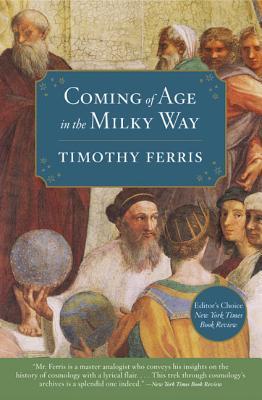
"Coming of Age in the Milky Way" by Timothy Ferris is a sweeping exploration of humanity's place in the cosmos. The book traces the history of astronomical thought, weaving together the contributions of key figures in science, from ancient philosophers to modern astronomers. Ferris emphasizes not only the scientific advancements but also their philosophical implications, reflecting on how our understanding of the universe has evolved. Through these themes, the narrative connects the intellectual journey of humanity with the vastness of the universe, prompting readers to ponder our role within it.
Similar to Raymo's "The Soul of the Night: An Astronomical Pilgrimage," Ferris's work intertwines personal narrative with scientific exploration. Both authors engage with the beauty and wonder of the night sky, inviting readers to embark on a journey of both discovery and introspection. They use their own experiences with astronomy to illustrate broader themes about life, existence, and the relationship between humanity and the cosmos.
This book holds significant appeal for those interested in the intersection of science and philosophy, as it provides profound insights into the human condition and our quest for knowledge. Its blend of storytelling, scientific inquiry, and introspective reflection makes it a valuable addition to the libraries of both casual readers and those deeply engaged in the sciences.
Coming of Age in the Milky Way
"Coming of Age in the Milky Way" by Timothy Ferris is a sweeping exploration of humanity's place in the cosmos. The book traces the history of astronomical thought, weaving together the contributions of key figures in science, from ancient philosophers to modern astronomers. Ferris emphasizes not only the scientific advancements but also their philosophical implications, reflecting on how our understanding of the universe has evolved. Through these themes, the narrative connects the intellectual journey of humanity with the vastness of the universe, prompting readers to ponder our role within it.
Similar to Raymo's "The Soul of the Night: An Astronomical Pilgrimage," Ferris's work intertwines personal narrative with scientific exploration. Both authors engage with the beauty and wonder of the night sky, inviting readers to embark on a journey of both discovery and introspection. They use their own experiences with astronomy to illustrate broader themes about life, existence, and the relationship between humanity and the cosmos.
This book holds significant appeal for those interested in the intersection of science and philosophy, as it provides profound insights into the human condition and our quest for knowledge. Its blend of storytelling, scientific inquiry, and introspective reflection makes it a valuable addition to the libraries of both casual readers and those deeply engaged in the sciences.
Cosmos

"Cosmos" by Carl Sagan is a seminal work that explores the universe's vastness and complexity, delving into the realms of science, philosophy, and the interconnectedness of life. Sagan presents a grand narrative that encompasses everything from the formation of stars and planets to the emergence of consciousness. The book is as much about the scientific principles underlying the universe as it is about humanity’s place within it, encouraging readers to view the cosmos with wonder and curiosity.
Similar to "The Soul of the Night: An Astronomical Pilgrimage" by Chet Raymo, "Cosmos" seeks to illuminate the profound relationship between humanity and the universe. Both texts blend personal reflection with scientific inquiry, inviting readers on intellectual journeys that emphasize the beauty and significance of astronomical phenomena. Raymo’s exploration focuses on a more intimate pilgrimage through the night sky, while Sagan provides a broader cosmological perspective. Each author conveys a deep respect for the natural world and instills a sense of awe for the mysteries of existence.
The insights provided in both works are invaluable for those seeking to deepen their understanding of the universe and our place within it. They appeal to readers' innate curiosity about the cosmos, offering a contemplative and enriching experience that stimulates wonder and appreciation for science, philosophy, and the beauty of the natural world. Through eloquent prose and thought-provoking ideas, these texts serve as gateways to engaging with the complexities of life and the universe.
Cosmos
"Cosmos" by Carl Sagan is a seminal work that explores the universe's vastness and complexity, delving into the realms of science, philosophy, and the interconnectedness of life. Sagan presents a grand narrative that encompasses everything from the formation of stars and planets to the emergence of consciousness. The book is as much about the scientific principles underlying the universe as it is about humanity’s place within it, encouraging readers to view the cosmos with wonder and curiosity.
Similar to "The Soul of the Night: An Astronomical Pilgrimage" by Chet Raymo, "Cosmos" seeks to illuminate the profound relationship between humanity and the universe. Both texts blend personal reflection with scientific inquiry, inviting readers on intellectual journeys that emphasize the beauty and significance of astronomical phenomena. Raymo’s exploration focuses on a more intimate pilgrimage through the night sky, while Sagan provides a broader cosmological perspective. Each author conveys a deep respect for the natural world and instills a sense of awe for the mysteries of existence.
The insights provided in both works are invaluable for those seeking to deepen their understanding of the universe and our place within it. They appeal to readers' innate curiosity about the cosmos, offering a contemplative and enriching experience that stimulates wonder and appreciation for science, philosophy, and the beauty of the natural world. Through eloquent prose and thought-provoking ideas, these texts serve as gateways to engaging with the complexities of life and the universe.
All the Strange Hours: The Excavation of a Life

"All the Strange Hours: The Excavation of a Life" is a reflective memoir by Loren Eiseley that delves into his personal experiences with nature, science, and philosophical inquiry. Through a series of poignant essays, Eiseley examines the intersections of life, death, and the cosmos, drawing on his own childhood, formal education, and transformative encounters with the natural world. The narrative invites readers to contemplate the broader implications of their own existences within the tapestry of life and the universe, emphasizing the beauty and fragility of human experience.
The similarity between Eiseley's work and "The Soul of the Night: An Astronomical Pilgrimage" by Chet Raymo lies in their shared thematic exploration of humanity’s connection to the cosmos. Both authors blend personal narrative with scientific insight, reflecting on the profound mysteries of the universe while seeking to understand their own places within it. Each book presents a pilgrimage of sorts—Raymo through an astronomical lens and Eiseley through a more existential and contemplative approach.
The contemplative nature of Eiseley’s narrative appeals to those who appreciate thoughtful prose interwoven with scientific reflection. It offers valuable insights into the human condition, encouraging readers to engage meaningfully with the world around them and prompting them to consider their own journeys through life and the universe.
All the Strange Hours: The Excavation of a Life
"All the Strange Hours: The Excavation of a Life" is a reflective memoir by Loren Eiseley that delves into his personal experiences with nature, science, and philosophical inquiry. Through a series of poignant essays, Eiseley examines the intersections of life, death, and the cosmos, drawing on his own childhood, formal education, and transformative encounters with the natural world. The narrative invites readers to contemplate the broader implications of their own existences within the tapestry of life and the universe, emphasizing the beauty and fragility of human experience.
The similarity between Eiseley's work and "The Soul of the Night: An Astronomical Pilgrimage" by Chet Raymo lies in their shared thematic exploration of humanity’s connection to the cosmos. Both authors blend personal narrative with scientific insight, reflecting on the profound mysteries of the universe while seeking to understand their own places within it. Each book presents a pilgrimage of sorts—Raymo through an astronomical lens and Eiseley through a more existential and contemplative approach.
The contemplative nature of Eiseley’s narrative appeals to those who appreciate thoughtful prose interwoven with scientific reflection. It offers valuable insights into the human condition, encouraging readers to engage meaningfully with the world around them and prompting them to consider their own journeys through life and the universe.
El universo está dentro de nosotros
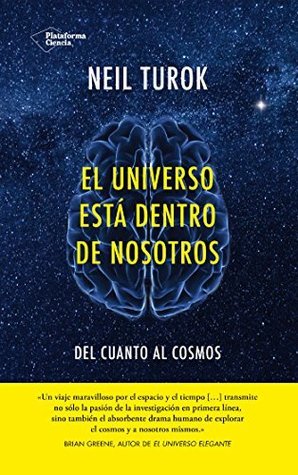
"El universo está dentro de nosotros" by Neil Turok explores the interconnectedness of the universe and humanity. It delves into the fundamental questions of existence and our place within the cosmos, highlighting the idea that understanding the universe also sheds light on our own identity and consciousness. Turok combines insights from physics and cosmology with philosophical musings, encouraging readers to reflect on the nature of reality and the profound connections we share with the universe.
This book resonates with "The Soul of the Night: An Astronomical Pilgrimage" by Chet Raymo, as both works share a deep appreciation for the universe and its mysteries. Raymo’s narrative emphasizes the beauty and wonder of the cosmos from a personal perspective, using his passion for astronomy to draw readers into an introspective journey. Both authors convey a sense of reverence for the vastness of space, intertwining scientific inquiry with philosophical contemplation.
The appeal of Turok's work lies in its ability to engage readers in the ongoing dialogue about life, existence, and the cosmos. By bridging scientific concepts with existential inquiries, it invites contemplation and encourages a deeper understanding of not only the universe but also of oneself, making it a valuable read for those seeking philosophical insights grounded in scientific awareness.
El universo está dentro de nosotros
"El universo está dentro de nosotros" by Neil Turok explores the interconnectedness of the universe and humanity. It delves into the fundamental questions of existence and our place within the cosmos, highlighting the idea that understanding the universe also sheds light on our own identity and consciousness. Turok combines insights from physics and cosmology with philosophical musings, encouraging readers to reflect on the nature of reality and the profound connections we share with the universe.
This book resonates with "The Soul of the Night: An Astronomical Pilgrimage" by Chet Raymo, as both works share a deep appreciation for the universe and its mysteries. Raymo’s narrative emphasizes the beauty and wonder of the cosmos from a personal perspective, using his passion for astronomy to draw readers into an introspective journey. Both authors convey a sense of reverence for the vastness of space, intertwining scientific inquiry with philosophical contemplation.
The appeal of Turok's work lies in its ability to engage readers in the ongoing dialogue about life, existence, and the cosmos. By bridging scientific concepts with existential inquiries, it invites contemplation and encourages a deeper understanding of not only the universe but also of oneself, making it a valuable read for those seeking philosophical insights grounded in scientific awareness.
The Sky Is Not the Limit: Adventures of an Urban Astrophysicist

"The Sky Is Not the Limit: Adventures of an Urban Astrophysicist" by Neil deGrasse Tyson offers a memoir-like exploration of the author’s experiences as an astrophysicist, particularly in urban settings. Tyson shares stories from his diverse encounters and adventures while discussing the complexities and wonders of the universe. Through these narratives, he emphasizes the importance of science, curiosity, and education, making astronomy accessible and engaging to a broader audience.
This book resonates with Chet Raymo's "The Soul of the Night: An Astronomical Pilgrimage" in its thematic focus on astronomy as a vehicle for personal reflection and the human experience. Both authors weave their scientific insights with personal anecdotes, inviting readers to contemplate their place in the cosmos. Each book serves as a journey—Raymo’s pilgrimage through the night sky parallels Tyson’s urban adventures, uniting them in their exploration of the wonders above.
The appeal of Tyson's work lies in its ability to ignite a passion for science through relatable storytelling. By combining humor, insight, and personal narratives, the book engages readers not only with the science of astrophysics but also with the broader philosophical questions it raises. This intersection of personal experience and scientific inquiry makes it a valuable read for anyone interested in understanding the universe from both a scientific and humanistic perspective.
The Sky Is Not the Limit: Adventures of an Urban Astrophysicist
"The Sky Is Not the Limit: Adventures of an Urban Astrophysicist" by Neil deGrasse Tyson offers a memoir-like exploration of the author’s experiences as an astrophysicist, particularly in urban settings. Tyson shares stories from his diverse encounters and adventures while discussing the complexities and wonders of the universe. Through these narratives, he emphasizes the importance of science, curiosity, and education, making astronomy accessible and engaging to a broader audience.
This book resonates with Chet Raymo's "The Soul of the Night: An Astronomical Pilgrimage" in its thematic focus on astronomy as a vehicle for personal reflection and the human experience. Both authors weave their scientific insights with personal anecdotes, inviting readers to contemplate their place in the cosmos. Each book serves as a journey—Raymo’s pilgrimage through the night sky parallels Tyson’s urban adventures, uniting them in their exploration of the wonders above.
The appeal of Tyson's work lies in its ability to ignite a passion for science through relatable storytelling. By combining humor, insight, and personal narratives, the book engages readers not only with the science of astrophysics but also with the broader philosophical questions it raises. This intersection of personal experience and scientific inquiry makes it a valuable read for anyone interested in understanding the universe from both a scientific and humanistic perspective.
Carl Sagan's Cosmic Connection: An Extraterrestrial Perspective

"Carl Sagan's Cosmic Connection: An Extraterrestrial Perspective" delves into humanity's place in the universe, exploring the possibility of extraterrestrial life and the broader implications for our understanding of existence. Sagan combines scientific inquiry with philosophical musings, presenting a compelling narrative that highlights both our curiosity and the technological advancements that have brought the cosmos closer to us. The book examines science's role in addressing profound questions about life beyond Earth and encourages a sense of unity as we seek to comprehend the vastness of the universe.
The similarities between Sagan's work and Chet Raymo's "The Soul of the Night: An Astronomical Pilgrimage" are evident in their shared themes of wonderment and discovery. Both authors reflect on the human experience in relation to the cosmos, blending personal narratives with scientific insights. They endeavor to awaken a sense of awe about the night sky, inviting readers to contemplate their place in the universe while addressing the philosophical implications of our cosmic surroundings.
The appeal of Sagan's book lies in its ability to bridge scientific understanding with existential contemplation. It invites readers to not only learn about the cosmos but also to engage in deeper reflections about life, belonging, and the fundamental questions of our existence. Through rich storytelling and accessible science, it elevates the pursuit of knowledge and fosters a greater appreciation for the interconnectedness of all life in the universe.
Carl Sagan's Cosmic Connection: An Extraterrestrial Perspective
"Carl Sagan's Cosmic Connection: An Extraterrestrial Perspective" delves into humanity's place in the universe, exploring the possibility of extraterrestrial life and the broader implications for our understanding of existence. Sagan combines scientific inquiry with philosophical musings, presenting a compelling narrative that highlights both our curiosity and the technological advancements that have brought the cosmos closer to us. The book examines science's role in addressing profound questions about life beyond Earth and encourages a sense of unity as we seek to comprehend the vastness of the universe.
The similarities between Sagan's work and Chet Raymo's "The Soul of the Night: An Astronomical Pilgrimage" are evident in their shared themes of wonderment and discovery. Both authors reflect on the human experience in relation to the cosmos, blending personal narratives with scientific insights. They endeavor to awaken a sense of awe about the night sky, inviting readers to contemplate their place in the universe while addressing the philosophical implications of our cosmic surroundings.
The appeal of Sagan's book lies in its ability to bridge scientific understanding with existential contemplation. It invites readers to not only learn about the cosmos but also to engage in deeper reflections about life, belonging, and the fundamental questions of our existence. Through rich storytelling and accessible science, it elevates the pursuit of knowledge and fosters a greater appreciation for the interconnectedness of all life in the universe.
The Varieties of Scientific Experience: A Personal View of the Search for God

"The Varieties of Scientific Experience: A Personal View of the Search for God" is a collection of lectures and writings by renowned astrophysicist Carl Sagan. It explores the intersection of science and spirituality, reflecting on humanity's quest for meaning and understanding of the universe. Sagan addresses fundamental questions about existence, the origins of the cosmos, and the nature of belief, emphasizing a rational approach while acknowledging the profound emotions related to the search for truth. Through a blend of scientific inquiry and personal reflections, he invites readers to contemplate their place in the universe.
Chet Raymo's "The Soul of the Night: An Astronomical Pilgrimage" shares thematic intimacy with Sagan's work, as both authors embark on introspective journeys through the cosmos. Like Sagan, Raymo intertwines cosmic exploration with personal musings, highlighting the beauty and mystery of the night sky. Both books challenge conventional perceptions of science and spirituality, prompting readers to reflect on their existential beliefs while appreciating the vastness of the universe.
The appeal of these works lies in their ability to provoke deep thought and self-reflection. They bridge the gap between scientific understanding and personal faith, encouraging readers to not only ponder the wonders of the universe but also to seek their own answers to life's profound questions. Each book offers valuable insights that combine the rigor of science with the depth of human experience.
The Varieties of Scientific Experience: A Personal View of the Search for God
"The Varieties of Scientific Experience: A Personal View of the Search for God" is a collection of lectures and writings by renowned astrophysicist Carl Sagan. It explores the intersection of science and spirituality, reflecting on humanity's quest for meaning and understanding of the universe. Sagan addresses fundamental questions about existence, the origins of the cosmos, and the nature of belief, emphasizing a rational approach while acknowledging the profound emotions related to the search for truth. Through a blend of scientific inquiry and personal reflections, he invites readers to contemplate their place in the universe.
Chet Raymo's "The Soul of the Night: An Astronomical Pilgrimage" shares thematic intimacy with Sagan's work, as both authors embark on introspective journeys through the cosmos. Like Sagan, Raymo intertwines cosmic exploration with personal musings, highlighting the beauty and mystery of the night sky. Both books challenge conventional perceptions of science and spirituality, prompting readers to reflect on their existential beliefs while appreciating the vastness of the universe.
The appeal of these works lies in their ability to provoke deep thought and self-reflection. They bridge the gap between scientific understanding and personal faith, encouraging readers to not only ponder the wonders of the universe but also to seek their own answers to life's profound questions. Each book offers valuable insights that combine the rigor of science with the depth of human experience.
The Immense Journey

"The Immense Journey" by Loren Eiseley explores the vastness of time and existence, blending personal reflection with scientific inquiry. Through a series of essays, Eiseley grapples with themes of evolution, humanity's place in the cosmos, and the interconnectedness of all life. His poetic prose invites readers to contemplate their own existence against the backdrop of nature and the universe, creating a profound exploration of life’s mysteries.
Similar to "The Soul of the Night: An Astronomical Pilgrimage" by Chet Raymo, Eiseley's work delves into the wonder of the universe while offering philosophical insights. Both authors bring a lyrical quality to their scientific observations, inviting readers on a journey of exploration and introspection. Raymo, like Eiseley, fosters a sense of awe towards the cosmos, merging astronomy with a deeper understanding of human experience and our place within the grand tapestry of the universe.
This resonance in themes will attract those interested in the philosophical implications of scientific discovery. Both works encourage readers to reflect on their own beliefs and experiences through the lens of vast celestial phenomena. The engaging narratives serve as a reminder of the beauty and mystery inherent in both nature and life, fostering a deeper appreciation for the interconnectedness of all things.
The Immense Journey
"The Immense Journey" by Loren Eiseley explores the vastness of time and existence, blending personal reflection with scientific inquiry. Through a series of essays, Eiseley grapples with themes of evolution, humanity's place in the cosmos, and the interconnectedness of all life. His poetic prose invites readers to contemplate their own existence against the backdrop of nature and the universe, creating a profound exploration of life’s mysteries.
Similar to "The Soul of the Night: An Astronomical Pilgrimage" by Chet Raymo, Eiseley's work delves into the wonder of the universe while offering philosophical insights. Both authors bring a lyrical quality to their scientific observations, inviting readers on a journey of exploration and introspection. Raymo, like Eiseley, fosters a sense of awe towards the cosmos, merging astronomy with a deeper understanding of human experience and our place within the grand tapestry of the universe.
This resonance in themes will attract those interested in the philosophical implications of scientific discovery. Both works encourage readers to reflect on their own beliefs and experiences through the lens of vast celestial phenomena. The engaging narratives serve as a reminder of the beauty and mystery inherent in both nature and life, fostering a deeper appreciation for the interconnectedness of all things.
Cosmos and Psyche: Intimations of a New World View

"Cosmos and Psyche: Intimations of a New World View" by Richard Tarnas delves into the intricate relationship between human consciousness and the cosmos. It proposes that planetary alignments and cycles can profoundly influence human experiences, historical events, and cultural dynamics. Tarnas embarks on a philosophical exploration, drawing from history, astrology, psychology, and the natural sciences to create a synthesis that emphasizes interconnectedness, suggesting that our inner experiences reflect the greater cosmic order.
This exploration bears similarity to Chet Raymo's "The Soul of the Night: An Astronomical Pilgrimage" in its contemplative approach to the universe. Both authors engage deeply with the cosmos, inviting readers to ponder humanity's place within it. They emphasize the significance of astronomical phenomena, not just as distant objects to observe, but as integral to understanding our own spirits and experiences. Both books encourage a sense of wonder about the night sky and our connection to it.
The insights offered in "Cosmos and Psyche" resonate with those intrigued by the philosophical implications of astrology and cosmic cycles. It provides a compelling framework for rethinking consciousness and existence, allowing readers to explore profound questions about life, purpose, and the universe's mysteries. This exploration challenges conventional boundaries of knowledge, making it a valuable read for anyone seeking a deeper understanding of the cosmos and its influence on human life.
Cosmos and Psyche: Intimations of a New World View
"Cosmos and Psyche: Intimations of a New World View" by Richard Tarnas delves into the intricate relationship between human consciousness and the cosmos. It proposes that planetary alignments and cycles can profoundly influence human experiences, historical events, and cultural dynamics. Tarnas embarks on a philosophical exploration, drawing from history, astrology, psychology, and the natural sciences to create a synthesis that emphasizes interconnectedness, suggesting that our inner experiences reflect the greater cosmic order.
This exploration bears similarity to Chet Raymo's "The Soul of the Night: An Astronomical Pilgrimage" in its contemplative approach to the universe. Both authors engage deeply with the cosmos, inviting readers to ponder humanity's place within it. They emphasize the significance of astronomical phenomena, not just as distant objects to observe, but as integral to understanding our own spirits and experiences. Both books encourage a sense of wonder about the night sky and our connection to it.
The insights offered in "Cosmos and Psyche" resonate with those intrigued by the philosophical implications of astrology and cosmic cycles. It provides a compelling framework for rethinking consciousness and existence, allowing readers to explore profound questions about life, purpose, and the universe's mysteries. This exploration challenges conventional boundaries of knowledge, making it a valuable read for anyone seeking a deeper understanding of the cosmos and its influence on human life.
Pale Blue Dot: A Vision of the Human Future in Space

"Pale Blue Dot: A Vision of the Human Future in Space" by Carl Sagan presents a sweeping narrative that examines humanity's place in the cosmos. The title refers to a famous photograph of Earth taken from billions of miles away, which Sagan uses as a poignant reminder of our planet's fragility. Through a blend of science, philosophy, and humanity's aspirations, Sagan explores the future of space exploration, urging readers to consider the ethical implications and responsibilities that come with venturing into the universe. He emphasizes the interconnectedness of all life on Earth and the importance of cherishing our home as we look toward the stars.
Similar to Chet Raymo's "The Soul of the Night: An Astronomical Pilgrimage," Sagan’s work delves into themes of wonder, exploration, and the philosophical reflections induced by astronomy. Both books encourage a deeper understanding of the universe and our place within it, merging scientific insights with personal reflection. They invite readers to ponder not only the physical aspects of the cosmos but also the emotional and philosophical questions that arise from our pursuit of knowledge.
These works resonate with those inclined toward contemplation and discovery, providing not just information but also a call to connect with the universe. They inspire an appreciation for the mysteries of existence and emphasize the importance of stewardship not only of our world but also of the solar system and beyond. Such themes are essential for fostering a thoughtful perspective on humanity's future in the vast expanse of space.
Pale Blue Dot: A Vision of the Human Future in Space
"Pale Blue Dot: A Vision of the Human Future in Space" by Carl Sagan presents a sweeping narrative that examines humanity's place in the cosmos. The title refers to a famous photograph of Earth taken from billions of miles away, which Sagan uses as a poignant reminder of our planet's fragility. Through a blend of science, philosophy, and humanity's aspirations, Sagan explores the future of space exploration, urging readers to consider the ethical implications and responsibilities that come with venturing into the universe. He emphasizes the interconnectedness of all life on Earth and the importance of cherishing our home as we look toward the stars.
Similar to Chet Raymo's "The Soul of the Night: An Astronomical Pilgrimage," Sagan’s work delves into themes of wonder, exploration, and the philosophical reflections induced by astronomy. Both books encourage a deeper understanding of the universe and our place within it, merging scientific insights with personal reflection. They invite readers to ponder not only the physical aspects of the cosmos but also the emotional and philosophical questions that arise from our pursuit of knowledge.
These works resonate with those inclined toward contemplation and discovery, providing not just information but also a call to connect with the universe. They inspire an appreciation for the mysteries of existence and emphasize the importance of stewardship not only of our world but also of the solar system and beyond. Such themes are essential for fostering a thoughtful perspective on humanity's future in the vast expanse of space.
More Books to Explore
Discover more titles that expand on these ideas and themes.
Coming of Age in the Milky Way
Cosmos
All the Strange Hours: The Excavation of a Life
El universo está dentro de nosotros
The Sky Is Not the Limit: Adventures of an Urban Astrophysicist
Carl Sagan's Cosmic Connection: An Extraterrestrial Perspective