10 Books Similar to "The Rational Male"
by Rollo Tomassi

The Way of Men

"The Way of Men" explores a fundamental question: what is masculinity, particularly in its primal, tribal essence? Jack Donovan argues that masculinity is not defined by individual accomplishments but by a man's utility and performance within a group of men, particularly in the context of defense and protection. He dissects ancient and modern concepts of manhood, emphasizing courage, strength, mastery, and honor as core tenets, often contrasting them with contemporary societal definitions.
It shares common ground with "The Rational Male" by challenging conventional societal narratives about gender and relationships. Both books encourage a critical examination of prevalent social conditioning and advocate for an understanding of inherent biological and evolutionary drivers influencing human behavior, particularly between sexes. They provide a framework for men to reassess their roles and responsibilities from a less idealized, more pragmatic perspective.
This book offers a compelling exploration of masculine identity for those seeking an unvarnished perspective. It provides a philosophical foundation for understanding male motivations and societal dynamics in a way that can be both challenging and empowering. The insights presented can enhance self-awareness and provide a clearer lens through which to interpret intergender and intragender interactions.
The Way of Men
"The Way of Men" explores a fundamental question: what is masculinity, particularly in its primal, tribal essence? Jack Donovan argues that masculinity is not defined by individual accomplishments but by a man's utility and performance within a group of men, particularly in the context of defense and protection. He dissects ancient and modern concepts of manhood, emphasizing courage, strength, mastery, and honor as core tenets, often contrasting them with contemporary societal definitions.
It shares common ground with "The Rational Male" by challenging conventional societal narratives about gender and relationships. Both books encourage a critical examination of prevalent social conditioning and advocate for an understanding of inherent biological and evolutionary drivers influencing human behavior, particularly between sexes. They provide a framework for men to reassess their roles and responsibilities from a less idealized, more pragmatic perspective.
This book offers a compelling exploration of masculine identity for those seeking an unvarnished perspective. It provides a philosophical foundation for understanding male motivations and societal dynamics in a way that can be both challenging and empowering. The insights presented can enhance self-awareness and provide a clearer lens through which to interpret intergender and intragender interactions.
Men on Strike: Why Men Are Boycotting Marriage, Fatherhood, and the American Dream - and Why It Matters
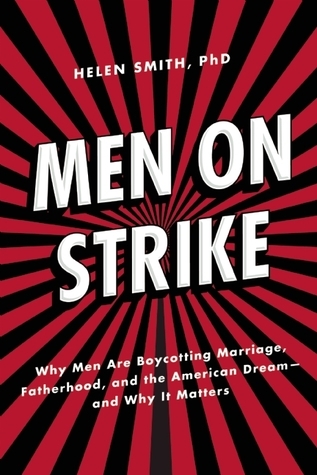
"Men on Strike" explores the societal phenomenon of men disengaging from traditional institutions like marriage, fatherhood, and career aspirations. Helen Smith, a forensic psychologist, argues that this "boycott" is a rational response to perceived negative incentives and systemic biases impacting men in contemporary Western society, ranging from family courts to educational systems. The book delves into the underlying reasons for this disengagement and the broader cultural implications.
Both books dissect modern gender dynamics and the evolving roles of men and women. They share a critical perspective on how prevailing cultural narratives and institutional structures may disincentivize men from conventional participation, arguing that many current societal norms are not in men's best interest. Both authors emphasize a need for men to critically assess their situations and make informed decisions about their life paths.
This analysis will resonate with individuals seeking to understand the shifting landscape of gender relations and the challenges faced by men in today's world. It provides a detailed, evidence-based perspective on a complex societal issue, offering valuable insights into the motivations behind men's choices and the potential consequences for society as a whole. Its frank discussion of sensitive topics ensures a thoughtful and thought-provoking experience.
Men on Strike: Why Men Are Boycotting Marriage, Fatherhood, and the American Dream - and Why It Matters
"Men on Strike" explores the societal phenomenon of men disengaging from traditional institutions like marriage, fatherhood, and career aspirations. Helen Smith, a forensic psychologist, argues that this "boycott" is a rational response to perceived negative incentives and systemic biases impacting men in contemporary Western society, ranging from family courts to educational systems. The book delves into the underlying reasons for this disengagement and the broader cultural implications.
Both books dissect modern gender dynamics and the evolving roles of men and women. They share a critical perspective on how prevailing cultural narratives and institutional structures may disincentivize men from conventional participation, arguing that many current societal norms are not in men's best interest. Both authors emphasize a need for men to critically assess their situations and make informed decisions about their life paths.
This analysis will resonate with individuals seeking to understand the shifting landscape of gender relations and the challenges faced by men in today's world. It provides a detailed, evidence-based perspective on a complex societal issue, offering valuable insights into the motivations behind men's choices and the potential consequences for society as a whole. Its frank discussion of sensitive topics ensures a thoughtful and thought-provoking experience.
Male Sexuality: Why Women Don't Understand It-And Men Don't Either
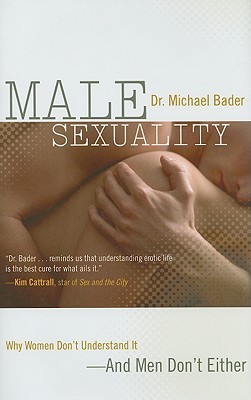
"Male Sexuality: Why Women Don't Understand It-And Men Don't Either" by Michael J. Bader delves into the psychological and emotional complexities of male desire and sexual function, exploring how societal expectations, personal histories, and relational dynamics shape men's sexual experiences. It aims to demystify misunderstood aspects of male sexuality for both men and women, fostering greater empathy and understanding.
This book shares common ground with "The Rational Male" in its analytical approach to gender dynamics and romantic relationships. Both authors scrutinize conventional wisdom about dating and attraction, offering frameworks to understand underlying motivations and behaviors, particularly from a male perspective. They prioritize observable patterns over idealized narratives.
Its value lies in offering a nuanced, introspective look at a topic often oversimplified or sensationalized. The book provides a rigorous psychological lens through which to comprehend the intricacies of male sexuality, equipping individuals with insights that can improve communication, reduce frustration, and cultivate more fulfilling sexual and relational experiences.
Male Sexuality: Why Women Don't Understand It-And Men Don't Either
"Male Sexuality: Why Women Don't Understand It-And Men Don't Either" by Michael J. Bader delves into the psychological and emotional complexities of male desire and sexual function, exploring how societal expectations, personal histories, and relational dynamics shape men's sexual experiences. It aims to demystify misunderstood aspects of male sexuality for both men and women, fostering greater empathy and understanding.
This book shares common ground with "The Rational Male" in its analytical approach to gender dynamics and romantic relationships. Both authors scrutinize conventional wisdom about dating and attraction, offering frameworks to understand underlying motivations and behaviors, particularly from a male perspective. They prioritize observable patterns over idealized narratives.
Its value lies in offering a nuanced, introspective look at a topic often oversimplified or sensationalized. The book provides a rigorous psychological lens through which to comprehend the intricacies of male sexuality, equipping individuals with insights that can improve communication, reduce frustration, and cultivate more fulfilling sexual and relational experiences.
Men Who Hate Women

"Men Who Hate Women" by Laura Bates investigates the online world of incels and other misogynistic male communities. Bates meticulously documents the language, ideology, and real-world implications of these groups, exposing the pervasive sexism and violence propagated within them through direct quotes and case studies.
This book shares a thematic kinship with "The Rational Male" by exploring contemporary male identity and intergender dynamics, though from vastly different perspectives. Both delve into underlying male frustrations and social grievances, but Bates critically dissects the destructive outcomes of certain male-centric narratives, offering a counterpoint to Tomassi's prescriptive views on male-female relationships.
The book offers a crucial insight into a disturbing but increasingly influential strain of online culture. It illuminates the roots and spread of misogynistic ideologies, providing context for understanding broader societal issues and challenges related to gender equality and online extremism. It’s an essential read for comprehending the digital landscape's impact on gender relations.
Men Who Hate Women
"Men Who Hate Women" by Laura Bates investigates the online world of incels and other misogynistic male communities. Bates meticulously documents the language, ideology, and real-world implications of these groups, exposing the pervasive sexism and violence propagated within them through direct quotes and case studies.
This book shares a thematic kinship with "The Rational Male" by exploring contemporary male identity and intergender dynamics, though from vastly different perspectives. Both delve into underlying male frustrations and social grievances, but Bates critically dissects the destructive outcomes of certain male-centric narratives, offering a counterpoint to Tomassi's prescriptive views on male-female relationships.
The book offers a crucial insight into a disturbing but increasingly influential strain of online culture. It illuminates the roots and spread of misogynistic ideologies, providing context for understanding broader societal issues and challenges related to gender equality and online extremism. It’s an essential read for comprehending the digital landscape's impact on gender relations.
Act Like a Lady, Think Like a Man: What Men Really Think About Love, Relationships, Intimacy, and Commitment

*Act Like a Lady, Think Like a Man* offers women insights into the male mindset regarding relationships, commitment, and intimacy. Steve Harvey, drawing from his own experiences and observations, presents a no-nonsense guide intended to help women understand men's perspectives on dating and secure the kind of relationships they desire, often through practical, actionable advice.
This book shares common ground with *The Rational Male* by positing that fundamental differences exist in how men and women approach relationships. Both authors explore concepts of male psychology, sexual dynamics, and behavioral patterns, albeit from different angles and with distinct target audiences. They each endeavor to demystify male behavior to help their respective audiences navigate romantic interactions more effectively.
This book will appeal to individuals seeking to understand male perspectives on relationships and improve their dating outcomes. Its direct, pragmatic advice provides a framework for analyzing male behavior and adjusting one's own approach to relationships, potentially leading to more fulfilling connections or a clearer understanding of romantic dynamics.
Act Like a Lady, Think Like a Man: What Men Really Think About Love, Relationships, Intimacy, and Commitment
*Act Like a Lady, Think Like a Man* offers women insights into the male mindset regarding relationships, commitment, and intimacy. Steve Harvey, drawing from his own experiences and observations, presents a no-nonsense guide intended to help women understand men's perspectives on dating and secure the kind of relationships they desire, often through practical, actionable advice.
This book shares common ground with *The Rational Male* by positing that fundamental differences exist in how men and women approach relationships. Both authors explore concepts of male psychology, sexual dynamics, and behavioral patterns, albeit from different angles and with distinct target audiences. They each endeavor to demystify male behavior to help their respective audiences navigate romantic interactions more effectively.
This book will appeal to individuals seeking to understand male perspectives on relationships and improve their dating outcomes. Its direct, pragmatic advice provides a framework for analyzing male behavior and adjusting one's own approach to relationships, potentially leading to more fulfilling connections or a clearer understanding of romantic dynamics.
No More Mr. Nice Guy

"No More Mr. Nice Guy" explores the concept of the "Nice Guy Syndrome," where men perpetually seek approval, avoid conflict, and prioritize others' needs over their own, often leading to resentment and unfulfilled lives. Dr. Glover deconstructs the origins of this mindset and provides actionable strategies for men to reclaim their authentic selves, establish healthy boundaries, and pursue their true desires, fostering deeper, more satisfying relationships and personal well-being.
The book resonates with "The Rational Male" by addressing fundamental aspects of male psychology and behavior within relationships. Both texts challenge conventional, often detrimental, societal expectations for men, encouraging a shift towards self-respect, genuine confidence, and intentional self-management rather than external validation. They both advocate for a realistic understanding of intersexual dynamics and the importance of masculine integrity.
This book offers a framework for self-discovery and empowerment. It provides practical tools for identifying self-defeating patterns and cultivating a more assertive, integrated personality. Men seeking to overcome people-pleasing tendencies, improve their relationships, and live more authentically will find profound insights and a path toward personal growth and fulfillment.
No More Mr. Nice Guy
"No More Mr. Nice Guy" explores the concept of the "Nice Guy Syndrome," where men perpetually seek approval, avoid conflict, and prioritize others' needs over their own, often leading to resentment and unfulfilled lives. Dr. Glover deconstructs the origins of this mindset and provides actionable strategies for men to reclaim their authentic selves, establish healthy boundaries, and pursue their true desires, fostering deeper, more satisfying relationships and personal well-being.
The book resonates with "The Rational Male" by addressing fundamental aspects of male psychology and behavior within relationships. Both texts challenge conventional, often detrimental, societal expectations for men, encouraging a shift towards self-respect, genuine confidence, and intentional self-management rather than external validation. They both advocate for a realistic understanding of intersexual dynamics and the importance of masculine integrity.
This book offers a framework for self-discovery and empowerment. It provides practical tools for identifying self-defeating patterns and cultivating a more assertive, integrated personality. Men seeking to overcome people-pleasing tendencies, improve their relationships, and live more authentically will find profound insights and a path toward personal growth and fulfillment.
Why Men Love Bitches: From Doormat to Dreamgirl―A Woman's Guide to Holding Her Own in a Relationship
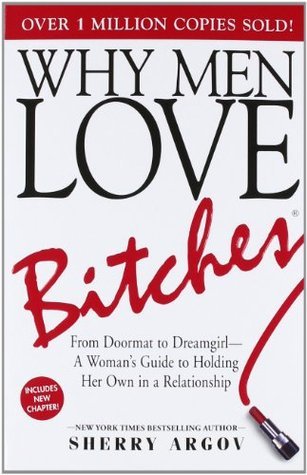
"Why Men Love Bitches" advises women on cultivating self-respect, confidence, and independence in romantic relationships. It posits that a woman embodying these traits—often characterized as a "bitch" in the book's specific, non-derogatory sense—becomes more attractive and desirable to men, preventing her from being taken for granted.
Its similarity to "The Rational Male" lies in their shared focus on exploring the dynamics of intersexual relationships and offering strategic advice for navigating them. Both books analyze perceived gender-specific behaviors and motivations, providing frameworks for individuals to assert their value and maintain power within romantic contexts. While "The Rational Male" is written for men, and "Why Men Love Bitches" for women, they both advocate for a form of calculated independence and self-optimization in dating.
This book will appeal to those seeking practical guidance on improving their dating and relationship experiences. It offers actionable strategies for fostering self-esteem and setting boundaries, empowering individuals to pursue relationships where they feel valued and respected. Its direct approach demystifies aspects of attraction and commitment, offering a different perspective on how to achieve fulfilling partnerships.
Why Men Love Bitches: From Doormat to Dreamgirl―A Woman's Guide to Holding Her Own in a Relationship
"Why Men Love Bitches" advises women on cultivating self-respect, confidence, and independence in romantic relationships. It posits that a woman embodying these traits—often characterized as a "bitch" in the book's specific, non-derogatory sense—becomes more attractive and desirable to men, preventing her from being taken for granted.
Its similarity to "The Rational Male" lies in their shared focus on exploring the dynamics of intersexual relationships and offering strategic advice for navigating them. Both books analyze perceived gender-specific behaviors and motivations, providing frameworks for individuals to assert their value and maintain power within romantic contexts. While "The Rational Male" is written for men, and "Why Men Love Bitches" for women, they both advocate for a form of calculated independence and self-optimization in dating.
This book will appeal to those seeking practical guidance on improving their dating and relationship experiences. It offers actionable strategies for fostering self-esteem and setting boundaries, empowering individuals to pursue relationships where they feel valued and respected. Its direct approach demystifies aspects of attraction and commitment, offering a different perspective on how to achieve fulfilling partnerships.
Manhood

Steve Biddulph’s "Manhood" explores the essential stages of male development, from boyhood through adolescence and into mature masculinity. It delves into the societal and psychological challenges men face, offering guidance on navigating relationships, fatherhood, career, and personal identity. The book posits that true manhood involves introspection, emotional intelligence, and a commitment to responsibility, moving beyond superficial definitions of strength.
It shares thematic parallels with "The Rational Male" by examining societal expectations placed upon men and critiquing contemporary masculinity. Both books encourage men to understand and actively shape their roles rather than passively accepting them. While their approaches and conclusions differ, both prompt a critical re-evaluation of male identity and behavior in modern society, challenging men to become more self-aware and intentional.
This book offers a compelling exploration of male experience, providing insights into personal growth and the development of a robust male identity. Its accessible framework and practical advice can aid men in understanding their emotional landscape, fostering healthier relationships, and achieving a more integrated sense of self. It provides a valuable resource for anyone seeking a deeper understanding of masculine development and its challenges.
Manhood
Steve Biddulph’s "Manhood" explores the essential stages of male development, from boyhood through adolescence and into mature masculinity. It delves into the societal and psychological challenges men face, offering guidance on navigating relationships, fatherhood, career, and personal identity. The book posits that true manhood involves introspection, emotional intelligence, and a commitment to responsibility, moving beyond superficial definitions of strength.
It shares thematic parallels with "The Rational Male" by examining societal expectations placed upon men and critiquing contemporary masculinity. Both books encourage men to understand and actively shape their roles rather than passively accepting them. While their approaches and conclusions differ, both prompt a critical re-evaluation of male identity and behavior in modern society, challenging men to become more self-aware and intentional.
This book offers a compelling exploration of male experience, providing insights into personal growth and the development of a robust male identity. Its accessible framework and practical advice can aid men in understanding their emotional landscape, fostering healthier relationships, and achieving a more integrated sense of self. It provides a valuable resource for anyone seeking a deeper understanding of masculine development and its challenges.
The Manipulated Man

Esther Vilar's "The Manipulated Man" argues that men are not the dominant sex, but rather enslaved by women who exploit their ingrained desire to provide and protect. Vilar posits that societal structures and female cunning coerce men into labor and sacrifice, presenting them as glorified servants whose primary purpose is to fund female comfort and lifestyle. The book challenges conventional notions of gender power dynamics, painting a provocative picture of female-driven societal control.
Both "The Manipulated Man" and "The Rational Male" delve into the often-unspoken dynamics of male-female relationships, challenging prevailing societal narratives about gender roles and power. They share a critical, unromanticized perspective on attraction and partnership, suggesting that underlying biological and psychological imperatives drive much of human interaction, often to men's historical disadvantage. These works encourage a re-evaluation of perceived gender power imbalances from a male perspective.
This book offers a compelling alternative perspective on gender relations, prompting introspection and a re-examination of established social conventions. Its value lies in providing a framework for men to critically analyze their roles and contributions within relationships and society, potentially leading to greater self-awareness and more informed decision-making. It is a thought-provoking read for anyone interested in deconstructing gender dynamics and understanding historical and contemporary inequalities from a non-traditional viewpoint.
The Manipulated Man
Esther Vilar's "The Manipulated Man" argues that men are not the dominant sex, but rather enslaved by women who exploit their ingrained desire to provide and protect. Vilar posits that societal structures and female cunning coerce men into labor and sacrifice, presenting them as glorified servants whose primary purpose is to fund female comfort and lifestyle. The book challenges conventional notions of gender power dynamics, painting a provocative picture of female-driven societal control.
Both "The Manipulated Man" and "The Rational Male" delve into the often-unspoken dynamics of male-female relationships, challenging prevailing societal narratives about gender roles and power. They share a critical, unromanticized perspective on attraction and partnership, suggesting that underlying biological and psychological imperatives drive much of human interaction, often to men's historical disadvantage. These works encourage a re-evaluation of perceived gender power imbalances from a male perspective.
This book offers a compelling alternative perspective on gender relations, prompting introspection and a re-examination of established social conventions. Its value lies in providing a framework for men to critically analyze their roles and contributions within relationships and society, potentially leading to greater self-awareness and more informed decision-making. It is a thought-provoking read for anyone interested in deconstructing gender dynamics and understanding historical and contemporary inequalities from a non-traditional viewpoint.
Models: Attract Women Through Honesty
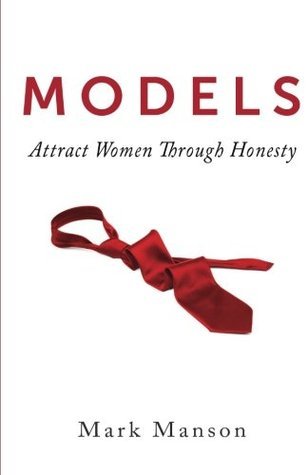
"Models: Attract Women Through Honesty" by Mark Manson is a pragmatic guide encouraging men to cultivate genuine self-worth and emotional honesty to attract women. It emphasizes authenticity over manipulative techniques, advocating for vulnerability, self-respect, and the development of a compelling inner life as the foundation for successful relationships. The book argues that true attraction stems from being a confident, integrated individual who doesn't rely on pretense.
This book aligns with "The Rational Male" by challenging conventional, often superficial, dating advice and focusing on fundamental principles of male self-improvement. Both books advocate for men to understand their own value and develop a strong, self-reliant identity as prerequisites for healthy interactions with women. They share a critical perspective on modern dating dynamics and encourage a more introspective, principle-based approach to attraction rather than quick-fix strategies.
Individuals seeking to develop a more authentic and sustainable approach to attracting women will find this book valuable. It offers practical insights into emotional intelligence, self-acceptance, and the courage to be vulnerable, fostering a deeper understanding of genuine connection. Its focus on integrity and personal growth resonates with those looking beyond superficial game-playing towards meaningful relational success.
Models: Attract Women Through Honesty
"Models: Attract Women Through Honesty" by Mark Manson is a pragmatic guide encouraging men to cultivate genuine self-worth and emotional honesty to attract women. It emphasizes authenticity over manipulative techniques, advocating for vulnerability, self-respect, and the development of a compelling inner life as the foundation for successful relationships. The book argues that true attraction stems from being a confident, integrated individual who doesn't rely on pretense.
This book aligns with "The Rational Male" by challenging conventional, often superficial, dating advice and focusing on fundamental principles of male self-improvement. Both books advocate for men to understand their own value and develop a strong, self-reliant identity as prerequisites for healthy interactions with women. They share a critical perspective on modern dating dynamics and encourage a more introspective, principle-based approach to attraction rather than quick-fix strategies.
Individuals seeking to develop a more authentic and sustainable approach to attracting women will find this book valuable. It offers practical insights into emotional intelligence, self-acceptance, and the courage to be vulnerable, fostering a deeper understanding of genuine connection. Its focus on integrity and personal growth resonates with those looking beyond superficial game-playing towards meaningful relational success.
More Books to Explore
Discover more titles that expand on these ideas and themes.
The Way of Men
Men on Strike: Why Men Are Boycotting Marriage, Fatherhood, and the American Dream - and Why It Matters
Male Sexuality: Why Women Don't Understand It-And Men Don't Either
Men Who Hate Women
Act Like a Lady, Think Like a Man: What Men Really Think About Love, Relationships, Intimacy, and Commitment
No More Mr. Nice Guy