10 Books Similar to "The Power of Habit: Why We Do What We Do in Life and Business"
by Charles Duhigg
Atomic Habits: An Easy & Proven Way to Build Good Habits & Break Bad Ones
"Atomic Habits" by James Clear provides a practical framework for understanding and improving daily habits. It breaks down habit formation into four simple laws—make it obvious, make it attractive, make it easy, and make it satisfying—offering actionable strategies to build good habits and eliminate bad ones through small, incremental changes. This book emphasizes the power of marginal gains and systemic thinking to achieve significant personal and professional growth.
This book shares significant thematic overlap with "The Power of Habit." Both delve into the underlying mechanisms of habit formation and change, exploring how routines influence human behavior. While Duhigg focuses more on the neurological and societal underpinnings, Clear offers a more direct, step-by-step methodology for personal application, making complex concepts accessible for individual transformation.
"Atomic Habits" appeals to anyone seeking tangible methods for self-improvement and behavioral change. Its clear, concise advice and actionable strategies empower individuals to implement habit-forming practices immediately. The proven effectiveness of its principles offers a pathway to sustained personal and professional development, making it a valuable resource for achieving long-term goals.
Atomic Habits: An Easy & Proven Way to Build Good Habits & Break Bad Ones
"Atomic Habits" by James Clear provides a practical framework for understanding and improving daily habits. It breaks down habit formation into four simple laws—make it obvious, make it attractive, make it easy, and make it satisfying—offering actionable strategies to build good habits and eliminate bad ones through small, incremental changes. This book emphasizes the power of marginal gains and systemic thinking to achieve significant personal and professional growth.
This book shares significant thematic overlap with "The Power of Habit." Both delve into the underlying mechanisms of habit formation and change, exploring how routines influence human behavior. While Duhigg focuses more on the neurological and societal underpinnings, Clear offers a more direct, step-by-step methodology for personal application, making complex concepts accessible for individual transformation.
"Atomic Habits" appeals to anyone seeking tangible methods for self-improvement and behavioral change. Its clear, concise advice and actionable strategies empower individuals to implement habit-forming practices immediately. The proven effectiveness of its principles offers a pathway to sustained personal and professional development, making it a valuable resource for achieving long-term goals.
Smarter Faster Better: The Secrets of Being Productive in Life and Business

"Smarter Faster Better" explores the scientific principles behind productivity, dissecting how individuals, teams, and organizations achieve more with greater efficiency. Duhigg unpacks eight key concepts—from motivation and focus to decision-making and innovation—illustrating each with compelling narratives from diverse fields, revealing the underlying mechanics of effective action.
It shares a strong kinship with "The Power of Habit" through its fundamental approach: breaking down complex human behaviors into understandable, actionable frameworks. Both books leverage rigorous research and captivating storytelling to demystify seemingly elusive concepts, offering readers practical insights into optimizing their lives by understanding the hidden mechanisms at play.
This book will appeal to individuals seeking to elevate their performance and gain a deeper understanding of how to achieve their goals more effectively. Its practical takeaways and engaging case studies provide a roadmap for improving personal and professional output, making it invaluable for anyone looking to unlock their full potential and navigate the demands of modern life with greater dexterity.
Smarter Faster Better: The Secrets of Being Productive in Life and Business
"Smarter Faster Better" explores the scientific principles behind productivity, dissecting how individuals, teams, and organizations achieve more with greater efficiency. Duhigg unpacks eight key concepts—from motivation and focus to decision-making and innovation—illustrating each with compelling narratives from diverse fields, revealing the underlying mechanics of effective action.
It shares a strong kinship with "The Power of Habit" through its fundamental approach: breaking down complex human behaviors into understandable, actionable frameworks. Both books leverage rigorous research and captivating storytelling to demystify seemingly elusive concepts, offering readers practical insights into optimizing their lives by understanding the hidden mechanisms at play.
This book will appeal to individuals seeking to elevate their performance and gain a deeper understanding of how to achieve their goals more effectively. Its practical takeaways and engaging case studies provide a roadmap for improving personal and professional output, making it invaluable for anyone looking to unlock their full potential and navigate the demands of modern life with greater dexterity.
Better Than Before: Mastering the Habits of Our Everyday Lives
"Better Than Before" delves into the intricate mechanisms of habit formation and change, offering a practical framework for identifying and implementing beneficial long-term behaviors. Gretchen Rubin categorizes individuals into four "tendencies" (Upholders, Questioners, Obligers, Rebels) based on how they respond to inner and outer expectations, providing tailored strategies for each personality type to successfully cultivate positive habits and break negative ones.
This book shares conceptual ground with "The Power of Habit" by exploring the fundamental role of habits in shaping our lives and offering methodologies for conscious habit alteration. Both authors emphasize understanding the underlying triggers and rewards that drive behavior, aiming to empower individuals to exert greater control over their daily routines and ultimately, their destinies.
This analysis of personal habit tendencies and the actionable strategies provided will resonate deeply with those seeking to improve their self-discipline, productivity, and overall well-being. The practical, individualized approach offers a compelling pathway for anyone committed to transforming aspirations into consistent, positive actions.
Better Than Before: Mastering the Habits of Our Everyday Lives
"Better Than Before" delves into the intricate mechanisms of habit formation and change, offering a practical framework for identifying and implementing beneficial long-term behaviors. Gretchen Rubin categorizes individuals into four "tendencies" (Upholders, Questioners, Obligers, Rebels) based on how they respond to inner and outer expectations, providing tailored strategies for each personality type to successfully cultivate positive habits and break negative ones.
This book shares conceptual ground with "The Power of Habit" by exploring the fundamental role of habits in shaping our lives and offering methodologies for conscious habit alteration. Both authors emphasize understanding the underlying triggers and rewards that drive behavior, aiming to empower individuals to exert greater control over their daily routines and ultimately, their destinies.
This analysis of personal habit tendencies and the actionable strategies provided will resonate deeply with those seeking to improve their self-discipline, productivity, and overall well-being. The practical, individualized approach offers a compelling pathway for anyone committed to transforming aspirations into consistent, positive actions.
Influencer: The Power to Change Anything
"Influencer: The Power to Change Anything" provides a comprehensive framework for understanding and enacting significant, lasting change, whether in individuals, teams, or entire organizations. It delves into the six sources of influence—personal, social, and structural motivations and abilities—demonstrating how to diagnose obstacles and strategically apply these levers to achieve desired outcomes.
This book shares thematic DNA with "The Power of Habit" by exploring the underlying mechanisms of human behavior and how to intentionally reshape them. Both texts dissect complex actions and persistent patterns, offering practical methodologies for intervention and transformation. While Duhigg focuses on the automaticity of habits, Patterson broadens the scope to encompass systemic change and the diverse forces that either hinder or facilitate it.
Individuals seeking actionable strategies for overcoming entrenched issues, fostering new behaviors, or driving broad-scale initiatives will find substantial utility in its pages. The clear, evidence-based approach empowers one to dissect complex challenges and apply targeted solutions, making it an invaluable resource for leaders, educators, and anyone committed to impactful change.
Influencer: The Power to Change Anything
"Influencer: The Power to Change Anything" provides a comprehensive framework for understanding and enacting significant, lasting change, whether in individuals, teams, or entire organizations. It delves into the six sources of influence—personal, social, and structural motivations and abilities—demonstrating how to diagnose obstacles and strategically apply these levers to achieve desired outcomes.
This book shares thematic DNA with "The Power of Habit" by exploring the underlying mechanisms of human behavior and how to intentionally reshape them. Both texts dissect complex actions and persistent patterns, offering practical methodologies for intervention and transformation. While Duhigg focuses on the automaticity of habits, Patterson broadens the scope to encompass systemic change and the diverse forces that either hinder or facilitate it.
Individuals seeking actionable strategies for overcoming entrenched issues, fostering new behaviors, or driving broad-scale initiatives will find substantial utility in its pages. The clear, evidence-based approach empowers one to dissect complex challenges and apply targeted solutions, making it an invaluable resource for leaders, educators, and anyone committed to impactful change.
Hooked: How to Build Habit-Forming Products

"Hooked" dissects the psychology behind habit formation, specifically applying it to product design. Eyal introduces the "Hook Model"—trigger, action, variable reward, and investment—as a framework for companies to create products that users engage with repeatedly, even without conscious thought. It's essentially a guide to understanding and engineering user behavior for sustained product use.
Both books delve into the mechanics of habits, making them kindred spirits. While "The Power of Habit" primarily explores how habits function in individuals and organizations and how to change them, "Hooked" takes this foundational understanding and applies it proactively. It translates the scientific principles of habit loops into actionable strategies for those looking to build sticky products or services, rather than just analyze existing ones.
This book will appeal to entrepreneurs, marketers, and product developers seeking to design experiences that genuinely resonate with users. It offers a practical methodology for cultivating loyalty and engagement, moving beyond mere functionality to create products that become ingrained in people's daily routines. Its value lies in providing a systematic approach to influence user behavior ethically and effectively.
Hooked: How to Build Habit-Forming Products
"Hooked" dissects the psychology behind habit formation, specifically applying it to product design. Eyal introduces the "Hook Model"—trigger, action, variable reward, and investment—as a framework for companies to create products that users engage with repeatedly, even without conscious thought. It's essentially a guide to understanding and engineering user behavior for sustained product use.
Both books delve into the mechanics of habits, making them kindred spirits. While "The Power of Habit" primarily explores how habits function in individuals and organizations and how to change them, "Hooked" takes this foundational understanding and applies it proactively. It translates the scientific principles of habit loops into actionable strategies for those looking to build sticky products or services, rather than just analyze existing ones.
This book will appeal to entrepreneurs, marketers, and product developers seeking to design experiences that genuinely resonate with users. It offers a practical methodology for cultivating loyalty and engagement, moving beyond mere functionality to create products that become ingrained in people's daily routines. Its value lies in providing a systematic approach to influence user behavior ethically and effectively.
The Compound Effect: Jumpstart Your Income, Your Life, Your Success

"The Compound Effect" by Darren Hardy articulates the profound impact of small, consistent choices accumulating over time to produce significant results. It emphasizes that incremental, seemingly insignificant actions, both positive and negative, relentlessly compound to shape one's destiny in areas like wealth, relationships, and well-being. The book provides a practical framework for leveraging this principle to achieve substantial personal and professional success. It's a guide to understanding the math of success and how disciplined action creates exponential growth.
This book aligns with "The Power of Habit" because both fundamentally explore the mechanics of human behavior and its long-term consequences. While Duhigg focuses on the neurological loops that form habits – cue, routine, reward – Hardy details the *output* of those habits, particularly how sustained routines, whether good or bad, lead to dramatically different outcomes. Both authors illustrate how seemingly minor individual actions, when repeated, become powerful forces that determine one's life trajectory.
The appeal of "The Compound Effect" lies in its clear, actionable blueprint for self-improvement and goal attainment. It demystifies the path to success, presenting it not as a series of grand gestures, but as the inevitable result of consistent, intelligent effort. Anyone seeking to understand how daily choices dictate future prosperity, or looking for a practical methodology to effect lasting positive change in their life, will find its insights exceptionally valuable.
The Compound Effect: Jumpstart Your Income, Your Life, Your Success
"The Compound Effect" by Darren Hardy articulates the profound impact of small, consistent choices accumulating over time to produce significant results. It emphasizes that incremental, seemingly insignificant actions, both positive and negative, relentlessly compound to shape one's destiny in areas like wealth, relationships, and well-being. The book provides a practical framework for leveraging this principle to achieve substantial personal and professional success. It's a guide to understanding the math of success and how disciplined action creates exponential growth.
This book aligns with "The Power of Habit" because both fundamentally explore the mechanics of human behavior and its long-term consequences. While Duhigg focuses on the neurological loops that form habits – cue, routine, reward – Hardy details the *output* of those habits, particularly how sustained routines, whether good or bad, lead to dramatically different outcomes. Both authors illustrate how seemingly minor individual actions, when repeated, become powerful forces that determine one's life trajectory.
The appeal of "The Compound Effect" lies in its clear, actionable blueprint for self-improvement and goal attainment. It demystifies the path to success, presenting it not as a series of grand gestures, but as the inevitable result of consistent, intelligent effort. Anyone seeking to understand how daily choices dictate future prosperity, or looking for a practical methodology to effect lasting positive change in their life, will find its insights exceptionally valuable.
The Willpower Instinct: How Self-Control Works, Why It Matters, and What You Can Do to Get More of It
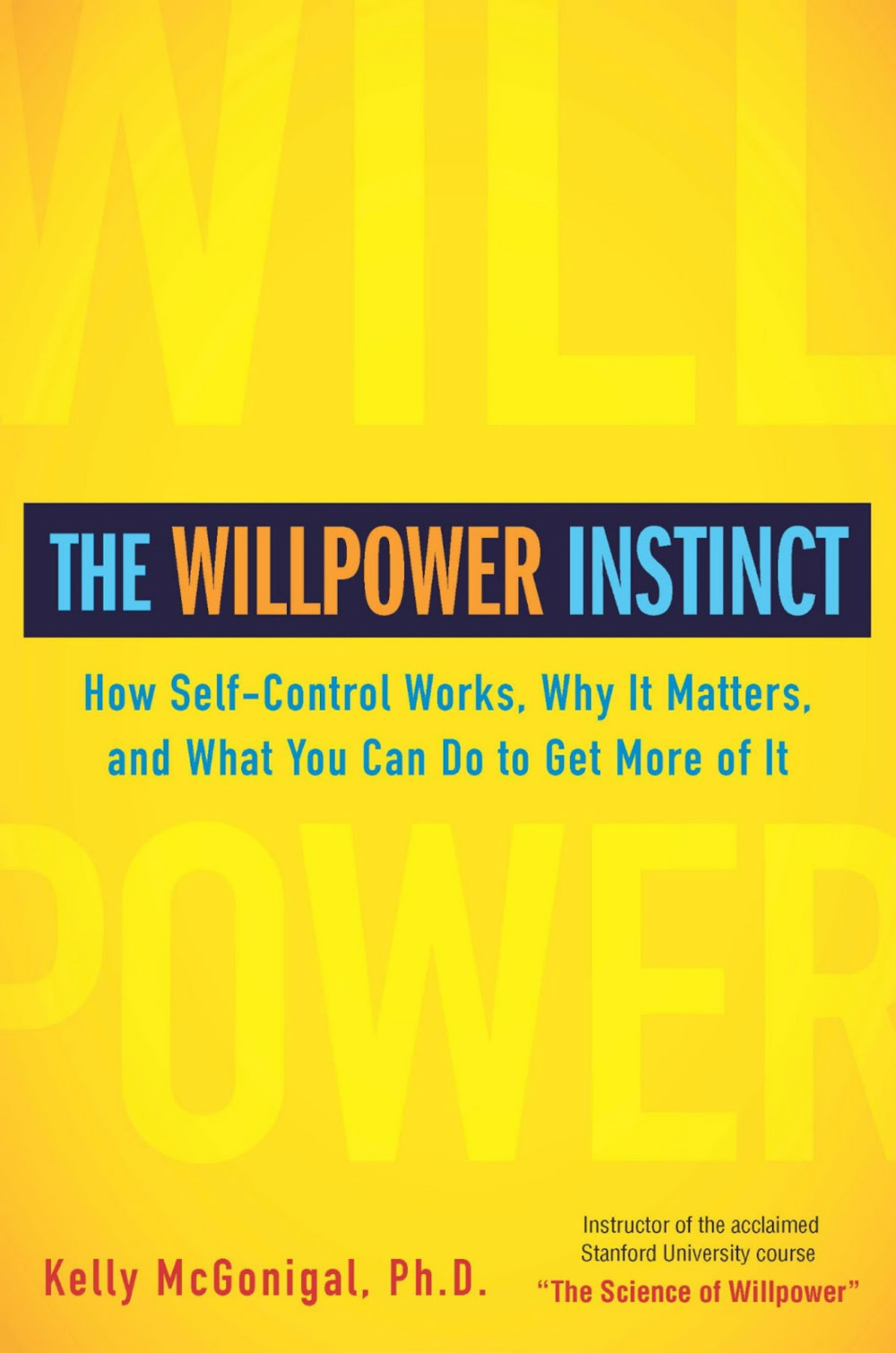
"The Willpower Instinct" by Kelly McGonigal delves into the science of self-control, explaining what willpower is, how it functions in the brain and body, and how to cultivate it effectively. It unpacks the mechanisms behind procrastination, temptation, and impulse, offering practical strategies to bolster one's inner strength and achieve desired goals.
This book shares common ground with "The Power of Habit" in its exploration of behavioral change and self-improvement. Both titles dissect the underlying psychological principles that govern our actions, offering frameworks for understanding and modifying ingrained patterns, whether those are habits or the exercise of willpower itself.
The book will appeal to individuals seeking a deeper understanding of their own decision-making processes and tangible methods for enhancing self-discipline. Its empirically-backed insights provide a roadmap for overcoming challenges and fostering personal growth, ultimately leading to a more intentional and fulfilling life.
The Willpower Instinct: How Self-Control Works, Why It Matters, and What You Can Do to Get More of It
"The Willpower Instinct" by Kelly McGonigal delves into the science of self-control, explaining what willpower is, how it functions in the brain and body, and how to cultivate it effectively. It unpacks the mechanisms behind procrastination, temptation, and impulse, offering practical strategies to bolster one's inner strength and achieve desired goals.
This book shares common ground with "The Power of Habit" in its exploration of behavioral change and self-improvement. Both titles dissect the underlying psychological principles that govern our actions, offering frameworks for understanding and modifying ingrained patterns, whether those are habits or the exercise of willpower itself.
The book will appeal to individuals seeking a deeper understanding of their own decision-making processes and tangible methods for enhancing self-discipline. Its empirically-backed insights provide a roadmap for overcoming challenges and fostering personal growth, ultimately leading to a more intentional and fulfilling life.
Mini Habits: Smaller Habits, Bigger Results

Stephen Guise's "Mini Habits" proposes a radically simplified approach to habit formation. Instead of aiming for lofty, ambitious goals, it advocates for consistently performing incredibly tiny, almost negligible actions. The core idea is that by making a habit so small it's impossible to fail, one bypasses psychological resistance, builds momentum, and eventually scales up to more significant behaviors. It’s about leveraging consistency over intensity.
This book resonates with themes in "The Power of Habit" by exploring the fundamental mechanics of habit loops. Both authors dissect how cues trigger routines and how rewards solidify behaviors. While Duhigg provides a panoramic view of habit theory and its societal implications, Guise offers a granular, actionable strategy for individuals to intentionally engineer these loops for personal growth and productivity, focusing specifically on overcoming inertia.
This pragmatic guide offers immense value for anyone frustrated by past failures in habit creation. It provides a straightforward, almost counterintuitive path to achieving goals by stripping away the pressure and procrastination typically associated with self-improvement. Its simplicity and emphasis on sustainable, cumulative progress will empower individuals to establish lasting positive change in their lives.
Mini Habits: Smaller Habits, Bigger Results
Stephen Guise's "Mini Habits" proposes a radically simplified approach to habit formation. Instead of aiming for lofty, ambitious goals, it advocates for consistently performing incredibly tiny, almost negligible actions. The core idea is that by making a habit so small it's impossible to fail, one bypasses psychological resistance, builds momentum, and eventually scales up to more significant behaviors. It’s about leveraging consistency over intensity.
This book resonates with themes in "The Power of Habit" by exploring the fundamental mechanics of habit loops. Both authors dissect how cues trigger routines and how rewards solidify behaviors. While Duhigg provides a panoramic view of habit theory and its societal implications, Guise offers a granular, actionable strategy for individuals to intentionally engineer these loops for personal growth and productivity, focusing specifically on overcoming inertia.
This pragmatic guide offers immense value for anyone frustrated by past failures in habit creation. It provides a straightforward, almost counterintuitive path to achieving goals by stripping away the pressure and procrastination typically associated with self-improvement. Its simplicity and emphasis on sustainable, cumulative progress will empower individuals to establish lasting positive change in their lives.
The Excellence Habit - How Small Changes In Our Mindset Can Make A Big Difference In Our Lives: For All Who Feel Stuck
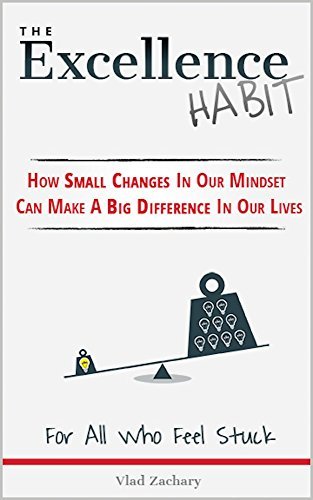
"The Excellence Habit" tackles the seemingly insurmountable task of personal transformation by focusing on the power of subtle alterations in perspective. It argues that significant improvements in life, especially when feeling stalled, stem not from monumental overhauls but from consistently applying small, deliberate shifts in one's thinking and daily routines. The book offers practical strategies for identifying these crucial mental bottlenecks and implementing actionable changes to foster a more purposeful and productive existence.
This book resonates strongly with "The Power of Habit" because both fundamentally explore the architecture of human behavior. While Duhigg dissects the neuroscience and societal impact of habits on a broader scale, Zachary zeroes in on how individuals can intentionally engineer "excellent habits" through mindset shifts, echoing Duhigg's core principle that understanding and manipulating behavioral loops is key to personal and professional success. Both emphasize the profound ripple effect of seemingly minor actions.
Its appeal lies in its empathetic approach to those feeling "stuck," providing a clear, actionable roadmap for self-improvement without demanding radical upheaval. The practical framework for cultivating excellence through manageable mindset changes offers a tangible path forward for anyone seeking to break free from stagnation and construct a more fulfilling life, making it a highly valuable resource for personal growth.
The Excellence Habit - How Small Changes In Our Mindset Can Make A Big Difference In Our Lives: For All Who Feel Stuck
"The Excellence Habit" tackles the seemingly insurmountable task of personal transformation by focusing on the power of subtle alterations in perspective. It argues that significant improvements in life, especially when feeling stalled, stem not from monumental overhauls but from consistently applying small, deliberate shifts in one's thinking and daily routines. The book offers practical strategies for identifying these crucial mental bottlenecks and implementing actionable changes to foster a more purposeful and productive existence.
This book resonates strongly with "The Power of Habit" because both fundamentally explore the architecture of human behavior. While Duhigg dissects the neuroscience and societal impact of habits on a broader scale, Zachary zeroes in on how individuals can intentionally engineer "excellent habits" through mindset shifts, echoing Duhigg's core principle that understanding and manipulating behavioral loops is key to personal and professional success. Both emphasize the profound ripple effect of seemingly minor actions.
Its appeal lies in its empathetic approach to those feeling "stuck," providing a clear, actionable roadmap for self-improvement without demanding radical upheaval. The practical framework for cultivating excellence through manageable mindset changes offers a tangible path forward for anyone seeking to break free from stagnation and construct a more fulfilling life, making it a highly valuable resource for personal growth.
Switch: How to Change Things When Change Is Hard

"Switch: How to Change Things When Change Is Hard" by Chip Heath and Dan Heath explores the fundamental challenge of enacting meaningful change in individuals, organizations, and society. The authors propose a powerful metaphor: change efforts are often stalled because our rational mind (the Rider) struggles to control our emotional, instinctive side (the Elephant). Successful change, therefore, requires engaging both aspects – directing the Rider with clear instructions, motivating the Elephant with emotional appeals, and shaping the path for easier progress.
This book shares significant thematic overlap with "The Power of Habit." Both delve into the mechanisms behind human behavior and offer frameworks for understanding and altering established patterns. While Duhigg focuses on identifying and manipulating habit loops, Heath and Heath provide a complementary perspective, examining the broader psychological and environmental levers required to initiate and sustain shifts, even when deeply ingrained behaviors are involved.
Individuals and professionals seeking practical strategies for personal growth, organizational transformation, or societal betterment will find this book immensely valuable. It offers actionable insights and a compelling framework for navigating the inherent difficulties of change, moving beyond mere willpower to create lasting and effective adjustments in behavior and systems.
Switch: How to Change Things When Change Is Hard
"Switch: How to Change Things When Change Is Hard" by Chip Heath and Dan Heath explores the fundamental challenge of enacting meaningful change in individuals, organizations, and society. The authors propose a powerful metaphor: change efforts are often stalled because our rational mind (the Rider) struggles to control our emotional, instinctive side (the Elephant). Successful change, therefore, requires engaging both aspects – directing the Rider with clear instructions, motivating the Elephant with emotional appeals, and shaping the path for easier progress.
This book shares significant thematic overlap with "The Power of Habit." Both delve into the mechanisms behind human behavior and offer frameworks for understanding and altering established patterns. While Duhigg focuses on identifying and manipulating habit loops, Heath and Heath provide a complementary perspective, examining the broader psychological and environmental levers required to initiate and sustain shifts, even when deeply ingrained behaviors are involved.
Individuals and professionals seeking practical strategies for personal growth, organizational transformation, or societal betterment will find this book immensely valuable. It offers actionable insights and a compelling framework for navigating the inherent difficulties of change, moving beyond mere willpower to create lasting and effective adjustments in behavior and systems.
More Books to Explore
Discover more titles that expand on these ideas and themes.
Atomic Habits: An Easy & Proven Way to Build Good Habits & Break Bad Ones
Smarter Faster Better: The Secrets of Being Productive in Life and Business
Better Than Before: Mastering the Habits of Our Everyday Lives
Influencer: The Power to Change Anything
Hooked: How to Build Habit-Forming Products
The Compound Effect: Jumpstart Your Income, Your Life, Your Success