10 Books Similar to "The Name of the Wind"
by Patrick Rothfuss

The Wise Man's Fear
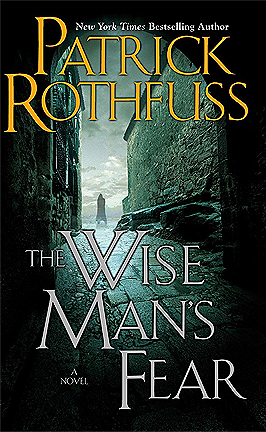
"The Wise Man's Fear" continues the compelling saga of Kvothe, following his formative years at the University and his subsequent exploits, which unravel further complexities in world-altering politics and his own mysterious past. The narrative expands on his legendary reputation, detailing his ventures into foreign lands, encounters with powerful figures, and his deepening understanding of magic and the esoteric forces shaping his world.
It shares "The Name of the Wind's" intimate first-person narration, intricate world-building, and Rothfuss's signature lyrical prose. The sequel maintains the blend of coming-of-age fantasy, academic intrigue, and episodic adventure, continuing to explore themes of identity, memory, and the power of storytelling through Kvothe's evolving journey and the world's reactions to his growing legend.
The appeal lies in its richly imagined world, deeply flawed yet charismatic protagonist, and sophisticated storytelling. Readers will appreciate the continuation of Kvothe’s development, the uncovering of more mysteries, and the exploration of new cultures and magical concepts, offering an engaging and thought-provoking narrative that rewards deep immersion.
The Wise Man's Fear
"The Wise Man's Fear" continues the compelling saga of Kvothe, following his formative years at the University and his subsequent exploits, which unravel further complexities in world-altering politics and his own mysterious past. The narrative expands on his legendary reputation, detailing his ventures into foreign lands, encounters with powerful figures, and his deepening understanding of magic and the esoteric forces shaping his world.
It shares "The Name of the Wind's" intimate first-person narration, intricate world-building, and Rothfuss's signature lyrical prose. The sequel maintains the blend of coming-of-age fantasy, academic intrigue, and episodic adventure, continuing to explore themes of identity, memory, and the power of storytelling through Kvothe's evolving journey and the world's reactions to his growing legend.
The appeal lies in its richly imagined world, deeply flawed yet charismatic protagonist, and sophisticated storytelling. Readers will appreciate the continuation of Kvothe’s development, the uncovering of more mysteries, and the exploration of new cultures and magical concepts, offering an engaging and thought-provoking narrative that rewards deep immersion.
Doors of Stone

"Doors of Stone" is the much-anticipated conclusion to Patrick Rothfuss's "Kingkiller Chronicle." It promises to unravel the remaining mysteries of Kvothe's past, detailing his rise, his fall, and the catastrophic events that led him to his current, reclusive existence as Kote. The narrative is expected to bring to light the true nature of the Chandrian, the fate of the Amyr, and the resolution of Kvothe's personal quest for knowledge and revenge.
The similarity to "The Name of the Wind" lies in its continuation of Kvothe's first-person narrative, retaining the intricate world-building, lyrical prose, and deep character exploration that defined the initial installment. Expect the same blend of magic, music, and academic intrigue, all told with Rothfuss's signature storytelling flair and a focus on uncovering hidden truths within a meticulously crafted fantasy setting.
This book will appeal to those who have been captivated by Kvothe's journey and world, offering the culmination of a compelling epic. Its value lies in providing closure to a beloved series, resolving long-standing narrative arcs, and delivering the intricate, satisfying payoff that dedicated followers of the Kingkiller Chronicle have been waiting for. It’s an essential piece for understanding the full scope of Kvothe's legend.
Doors of Stone
"Doors of Stone" is the much-anticipated conclusion to Patrick Rothfuss's "Kingkiller Chronicle." It promises to unravel the remaining mysteries of Kvothe's past, detailing his rise, his fall, and the catastrophic events that led him to his current, reclusive existence as Kote. The narrative is expected to bring to light the true nature of the Chandrian, the fate of the Amyr, and the resolution of Kvothe's personal quest for knowledge and revenge.
The similarity to "The Name of the Wind" lies in its continuation of Kvothe's first-person narrative, retaining the intricate world-building, lyrical prose, and deep character exploration that defined the initial installment. Expect the same blend of magic, music, and academic intrigue, all told with Rothfuss's signature storytelling flair and a focus on uncovering hidden truths within a meticulously crafted fantasy setting.
This book will appeal to those who have been captivated by Kvothe's journey and world, offering the culmination of a compelling epic. Its value lies in providing closure to a beloved series, resolving long-standing narrative arcs, and delivering the intricate, satisfying payoff that dedicated followers of the Kingkiller Chronicle have been waiting for. It’s an essential piece for understanding the full scope of Kvothe's legend.
The Slow Regard of Silent Things
"The Slow Regard of Silent Things" offers a deeply intimate exploration of Auri, a minor character from "The Name of the Wind." It follows her solitary, meticulous existence beneath the university, detailing her daily routines, her unique perspective on the world, and her intricate relationship with the hidden places and discarded objects she encounters. The narrative unfolds through her senses and internal monologue, immersing the reader in a world both familiar and profoundly strange.
It shares "The Name of the Wind's" unparalleled prose and Rothfuss's characteristic attention to detail, crafting a rich, atmospheric experience. Both books demonstrate a master class in world-building through evocative language and present a protagonist with a distinct, often unconventional, way of viewing reality. The underlying melancholy and profound sense of wonder, albeit expressed differently, resonate across both narratives.
This novella provides a unique, contemplative reading experience for admirers of Rothfuss's writing. It delves into themes of belonging, finding purpose in the unseen, and the profound beauty in the mundane, offering a quiet counterpoint to the larger epic. Its artful prose and philosophical undertones will resonate with those who appreciate literary craftsmanship and a narrative that prizes atmosphere and character depth above plot-driven action.
The Slow Regard of Silent Things
"The Slow Regard of Silent Things" offers a deeply intimate exploration of Auri, a minor character from "The Name of the Wind." It follows her solitary, meticulous existence beneath the university, detailing her daily routines, her unique perspective on the world, and her intricate relationship with the hidden places and discarded objects she encounters. The narrative unfolds through her senses and internal monologue, immersing the reader in a world both familiar and profoundly strange.
It shares "The Name of the Wind's" unparalleled prose and Rothfuss's characteristic attention to detail, crafting a rich, atmospheric experience. Both books demonstrate a master class in world-building through evocative language and present a protagonist with a distinct, often unconventional, way of viewing reality. The underlying melancholy and profound sense of wonder, albeit expressed differently, resonate across both narratives.
This novella provides a unique, contemplative reading experience for admirers of Rothfuss's writing. It delves into themes of belonging, finding purpose in the unseen, and the profound beauty in the mundane, offering a quiet counterpoint to the larger epic. Its artful prose and philosophical undertones will resonate with those who appreciate literary craftsmanship and a narrative that prizes atmosphere and character depth above plot-driven action.
The Wizard Knight
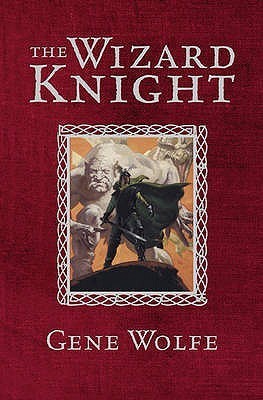
"The Wizard Knight" is the tale of Art, an ordinary boy who finds himself inexplicably transported to a fantastical land and imbued with the body of a young man, destined to become a knight. Through a series of trials, quests, and encounters with mythical beings, Art grapples with his identity and purpose, striving to understand his role in a world governed by ancient magic and warring factions. It’s a journey of self-discovery set against a richly imagined backdrop of Norse-inspired mythology.
Both novels feature a framing device where the protagonist recounts their extraordinary life story. Just as Kvothe in "The Name of the Wind" shares his ascent from humble origins to legendary status, Art in "The Wizard Knight" undergoes a similar transformation, chronicling his evolution from an unknown boy to a revered figure. Both narratives delve deeply into the psychological development of their central characters, exploring themes of destiny, memory, and the power of storytelling itself.
This book will appeal to those who appreciate intricate world-building, philosophical undertones, and a protagonist's arduous journey of growth and self-discovery. Its allegorical nature and Wolfe’s masterful prose offer intellectual satisfaction, while the epic scope and mythic elements provide captivating escapism. It serves as a profound meditation on heroism, identity, and the nature of reality within a high-fantasy framework.
The Wizard Knight
"The Wizard Knight" is the tale of Art, an ordinary boy who finds himself inexplicably transported to a fantastical land and imbued with the body of a young man, destined to become a knight. Through a series of trials, quests, and encounters with mythical beings, Art grapples with his identity and purpose, striving to understand his role in a world governed by ancient magic and warring factions. It’s a journey of self-discovery set against a richly imagined backdrop of Norse-inspired mythology.
Both novels feature a framing device where the protagonist recounts their extraordinary life story. Just as Kvothe in "The Name of the Wind" shares his ascent from humble origins to legendary status, Art in "The Wizard Knight" undergoes a similar transformation, chronicling his evolution from an unknown boy to a revered figure. Both narratives delve deeply into the psychological development of their central characters, exploring themes of destiny, memory, and the power of storytelling itself.
This book will appeal to those who appreciate intricate world-building, philosophical undertones, and a protagonist's arduous journey of growth and self-discovery. Its allegorical nature and Wolfe’s masterful prose offer intellectual satisfaction, while the epic scope and mythic elements provide captivating escapism. It serves as a profound meditation on heroism, identity, and the nature of reality within a high-fantasy framework.
The Knight

"The Knight" follows the journey of Sir Able of the High Heart, a young man mysteriously transported from an idyllic Earth to the fantastical world of Mythgarthr. There, he navigates a complex tapestry of fae, giants, and mythical creatures, undergoing trials and evolving from an innocent boy into a formidable knight, all while searching for a way home.
Both novels excel in their first-person narrative structure, revealing vast, intricate worlds through the eyes of a powerful, yet initially naive, protagonist. They share a profound focus on character growth and skill acquisition, depicting their heroes' struggles and triumphs with meticulous detail. Both feature prose that is both elegant and immersive, inviting deep engagement with their richly imagined settings and the mythic qualities of their central figures.
This narrative offers a compelling blend of epic fantasy and coming-of-age story that will resonate deeply. Its sophisticated world-building and philosophical undertones, coupled with the protagonist's arduous journey of self-discovery and the acquisition of legendary abilities, provide a richly rewarding and thought-provoking experience, exploring themes of identity, heroism, and moral choice within a captivating mythological framework.
The Knight
"The Knight" follows the journey of Sir Able of the High Heart, a young man mysteriously transported from an idyllic Earth to the fantastical world of Mythgarthr. There, he navigates a complex tapestry of fae, giants, and mythical creatures, undergoing trials and evolving from an innocent boy into a formidable knight, all while searching for a way home.
Both novels excel in their first-person narrative structure, revealing vast, intricate worlds through the eyes of a powerful, yet initially naive, protagonist. They share a profound focus on character growth and skill acquisition, depicting their heroes' struggles and triumphs with meticulous detail. Both feature prose that is both elegant and immersive, inviting deep engagement with their richly imagined settings and the mythic qualities of their central figures.
This narrative offers a compelling blend of epic fantasy and coming-of-age story that will resonate deeply. Its sophisticated world-building and philosophical undertones, coupled with the protagonist's arduous journey of self-discovery and the acquisition of legendary abilities, provide a richly rewarding and thought-provoking experience, exploring themes of identity, heroism, and moral choice within a captivating mythological framework.
The Wind Through the Keyhole

"The Wind Through the Keyhole" expands on Stephen King's Dark Tower saga, presenting a nested narrative. Within the overarching journey of Roland Deschain and his ka-tet, King delivers a series of intertwined folktales and campfire stories, offering a deeper dive into the mythology and history of Mid-World. It functions as a break from the main quest, a collection of formative legends that shaped Roland and his world.
The similarity to "The Name of the Wind" lies primarily in the narrative structure and the power of storytelling. Both novels feature a central figure recounting their extraordinary life, often through embedded tales and myths that illuminate the protagonist’s character and the fabric of their world. There's a shared emphasis on the unreliable narrator, the weight of reputation, and the profound impact of legends on people and cultures.
This book will appeal to those who appreciate rich world-building, intricate lore, and the art of the tale within a tale. It offers a valuable glimpse into the foundational stories of a beloved fantasy universe, enriching the reader's understanding of the Dark Tower while providing a standalone, engaging experience of epic folklore and heroic struggles, all told with King’s signature narrative prowess.
The Wind Through the Keyhole
"The Wind Through the Keyhole" expands on Stephen King's Dark Tower saga, presenting a nested narrative. Within the overarching journey of Roland Deschain and his ka-tet, King delivers a series of intertwined folktales and campfire stories, offering a deeper dive into the mythology and history of Mid-World. It functions as a break from the main quest, a collection of formative legends that shaped Roland and his world.
The similarity to "The Name of the Wind" lies primarily in the narrative structure and the power of storytelling. Both novels feature a central figure recounting their extraordinary life, often through embedded tales and myths that illuminate the protagonist’s character and the fabric of their world. There's a shared emphasis on the unreliable narrator, the weight of reputation, and the profound impact of legends on people and cultures.
This book will appeal to those who appreciate rich world-building, intricate lore, and the art of the tale within a tale. It offers a valuable glimpse into the foundational stories of a beloved fantasy universe, enriching the reader's understanding of the Dark Tower while providing a standalone, engaging experience of epic folklore and heroic struggles, all told with King’s signature narrative prowess.
Forest Mage

"Forest Mage," the second book in Robin Hobb's "Soldier Son" trilogy, follows Nevare Burvelle, a young man from a privileged military family who is cursed by a powerful local earth spirit. This curse causes him to gain immense weight and disrupts his carefully planned future, forcing him to confront societal expectations, his own identity, and the deep, often dangerous, magic of the land. It’s a profound exploration of personal transformation, prejudice, and the conflict between human ambition and natural forces.
The similarity to "The Name of the Wind" lies in the intensely character-driven narrative centered on a protagonist facing extraordinary adversity and an unconventional destiny. Both Kvothe and Nevare are outsiders in significant ways, battling internal demons and external judgment, and their stories unfold with a deep focus on their personal journeys, their struggles against powerful hidden forces, and their gradual, often painful, self-discovery within a richly imagined world.
This book will appeal for its sophisticated world-building and its unflinching look at body image issues, cultural clashes, and the psychological burden of defying expectations. It offers a compelling narrative about finding one's true path amidst ruin and offers a powerful message about resilience, the nature of power, and the complex relationship between humanity and the environment.
Forest Mage
"Forest Mage," the second book in Robin Hobb's "Soldier Son" trilogy, follows Nevare Burvelle, a young man from a privileged military family who is cursed by a powerful local earth spirit. This curse causes him to gain immense weight and disrupts his carefully planned future, forcing him to confront societal expectations, his own identity, and the deep, often dangerous, magic of the land. It’s a profound exploration of personal transformation, prejudice, and the conflict between human ambition and natural forces.
The similarity to "The Name of the Wind" lies in the intensely character-driven narrative centered on a protagonist facing extraordinary adversity and an unconventional destiny. Both Kvothe and Nevare are outsiders in significant ways, battling internal demons and external judgment, and their stories unfold with a deep focus on their personal journeys, their struggles against powerful hidden forces, and their gradual, often painful, self-discovery within a richly imagined world.
This book will appeal for its sophisticated world-building and its unflinching look at body image issues, cultural clashes, and the psychological burden of defying expectations. It offers a compelling narrative about finding one's true path amidst ruin and offers a powerful message about resilience, the nature of power, and the complex relationship between humanity and the environment.
The Innocent Mage

"The Innocent Mage" by Karen Miller plunges into the world of Holt, a simple farmer thrust into a perilous destiny he never sought. As an ancient evil stirs and prophecies converge, Holt must navigate a complex landscape of political intrigue, burgeoning magical powers, and the harsh realities of a kingdom on the brink of war. It's a coming-of-age story that slowly unravels the true nature of heroism and sacrifice, framed by rich world-building and character-driven conflict.
This book echoes "The Name of the Wind" through its compelling narrative of a hidden, extraordinary individual. Both novels feature protagonists with latent, misunderstood power who are drawn into larger conflicts while grappling with personal struggles and enigmatic pasts. The journey from humble beginnings to a pivotal role, the detailed exploration of a unique magical system, and the emphasis on the protagonist's emotional and intellectual growth will resonate strongly with fans of Kvothe's story.
It will appeal to those who appreciate epic fantasy with a strong emphasis on character development and a gradual unveiling of complex world-building. The intricate plot, coupled with emotionally resonant relationships and a protagonist whose journey feels earned rather than simply bestowed, offers a deeply satisfying and immersive reading experience. It provides a nuanced exploration of destiny versus free will, and the burden of extraordinary power.
The Innocent Mage
"The Innocent Mage" by Karen Miller plunges into the world of Holt, a simple farmer thrust into a perilous destiny he never sought. As an ancient evil stirs and prophecies converge, Holt must navigate a complex landscape of political intrigue, burgeoning magical powers, and the harsh realities of a kingdom on the brink of war. It's a coming-of-age story that slowly unravels the true nature of heroism and sacrifice, framed by rich world-building and character-driven conflict.
This book echoes "The Name of the Wind" through its compelling narrative of a hidden, extraordinary individual. Both novels feature protagonists with latent, misunderstood power who are drawn into larger conflicts while grappling with personal struggles and enigmatic pasts. The journey from humble beginnings to a pivotal role, the detailed exploration of a unique magical system, and the emphasis on the protagonist's emotional and intellectual growth will resonate strongly with fans of Kvothe's story.
It will appeal to those who appreciate epic fantasy with a strong emphasis on character development and a gradual unveiling of complex world-building. The intricate plot, coupled with emotionally resonant relationships and a protagonist whose journey feels earned rather than simply bestowed, offers a deeply satisfying and immersive reading experience. It provides a nuanced exploration of destiny versus free will, and the burden of extraordinary power.
Assassin's Quest
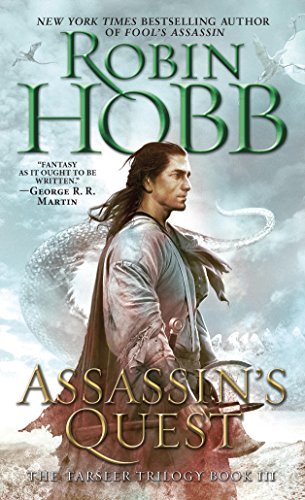
"Assassin's Quest" concludes Robin Hobb's Farseer Trilogy, following the indentured royal assassin FitzChivalry Farseer as he grapples with betrayal, loss, and the devastating consequences of his service. Stripped of his identity and believed dead, Fitz embarks on a perilous journey of self-discovery and revenge, ultimately confronting the ruthless Prince Regal and the enigmatic force besieging the Six Duchies. It’s a raw, emotionally charged epic of survival and vengeance.
The striking similarities to "The Name of the Wind" lie in the deeply introspective, first-person narrative chronicling a prodigiously talented but deeply flawed protagonist’s arduous path. Both books feature a protagonist with exceptional abilities facing overwhelming odds, navigating complex political landscapes, and enduring profound personal suffering. The intricate magic systems, the lyrical prose, and the pervasive sense of melancholy and loss resonate strongly between the two.
This novel will appeal for its masterclass in character development and its unflinching exploration of pain, duty, and identity. Hobb’s intricate world-building and morally ambiguous characters create a deeply immersive experience. It offers a profound look at the cost of power and the resilience of the human spirit, making it a compelling and rewarding read for those who appreciate richly textured fantasy with a strong emotional core.
Assassin's Quest
"Assassin's Quest" concludes Robin Hobb's Farseer Trilogy, following the indentured royal assassin FitzChivalry Farseer as he grapples with betrayal, loss, and the devastating consequences of his service. Stripped of his identity and believed dead, Fitz embarks on a perilous journey of self-discovery and revenge, ultimately confronting the ruthless Prince Regal and the enigmatic force besieging the Six Duchies. It’s a raw, emotionally charged epic of survival and vengeance.
The striking similarities to "The Name of the Wind" lie in the deeply introspective, first-person narrative chronicling a prodigiously talented but deeply flawed protagonist’s arduous path. Both books feature a protagonist with exceptional abilities facing overwhelming odds, navigating complex political landscapes, and enduring profound personal suffering. The intricate magic systems, the lyrical prose, and the pervasive sense of melancholy and loss resonate strongly between the two.
This novel will appeal for its masterclass in character development and its unflinching exploration of pain, duty, and identity. Hobb’s intricate world-building and morally ambiguous characters create a deeply immersive experience. It offers a profound look at the cost of power and the resilience of the human spirit, making it a compelling and rewarding read for those who appreciate richly textured fantasy with a strong emotional core.
Stone of Farewell

"Stone of Farewell," the second book in Tad Williams' "Memory, Sorrow, and Thorn" series, thrusts its young protagonist, Simon, into a monumental struggle for the future of Osten Ard. A dark, ancient evil, the Sithi undead driven by vengeance and magic, reawakens to reclaim their land, threatening humanity and all life. Simon, now a key figure in the resistance, must navigate treacherous political landscapes, dangerous quests for ancient relics, and the unfolding mysteries of his own destiny as he and his allies strive to unite disparate factions against an overwhelming threat.
This novel shares a deep resonance with "The Name of the Wind" through its sophisticated world-building, where history and myth are intricately woven into the narrative fabric. Both feature a vulnerable, yet intrinsically gifted, young male protagonist whose journey of self-discovery and growth is central to a larger, unfolding epic. The emphasis on detailed magic systems, the exploration of ancient, powerful races, and the slow, deliberate unraveling of grand mysteries are strong commonalities that foster a similar immersive experience.
The intricate plot, rich character development, and the sense of a meticulously crafted, breathing world offer substantial appeal. Its exploration of courage in the face of despair, the burdens of leadership, and the enduring power of alliances provides a deeply satisfying and thought-provoking narrative. The novel’s epic scope and commitment to complex, believable progression will gratify those seeking a profound and expansive fantasy experience.
Stone of Farewell
"Stone of Farewell," the second book in Tad Williams' "Memory, Sorrow, and Thorn" series, thrusts its young protagonist, Simon, into a monumental struggle for the future of Osten Ard. A dark, ancient evil, the Sithi undead driven by vengeance and magic, reawakens to reclaim their land, threatening humanity and all life. Simon, now a key figure in the resistance, must navigate treacherous political landscapes, dangerous quests for ancient relics, and the unfolding mysteries of his own destiny as he and his allies strive to unite disparate factions against an overwhelming threat.
This novel shares a deep resonance with "The Name of the Wind" through its sophisticated world-building, where history and myth are intricately woven into the narrative fabric. Both feature a vulnerable, yet intrinsically gifted, young male protagonist whose journey of self-discovery and growth is central to a larger, unfolding epic. The emphasis on detailed magic systems, the exploration of ancient, powerful races, and the slow, deliberate unraveling of grand mysteries are strong commonalities that foster a similar immersive experience.
The intricate plot, rich character development, and the sense of a meticulously crafted, breathing world offer substantial appeal. Its exploration of courage in the face of despair, the burdens of leadership, and the enduring power of alliances provides a deeply satisfying and thought-provoking narrative. The novel’s epic scope and commitment to complex, believable progression will gratify those seeking a profound and expansive fantasy experience.
More Books to Explore
Discover more titles that expand on these ideas and themes.
The Wise Man's Fear
Doors of Stone
The Slow Regard of Silent Things
The Wizard Knight
The Knight
The Wind Through the Keyhole