10 Books Similar to "The Mountains of California"
by John Muir
My First Summer in the Sierra
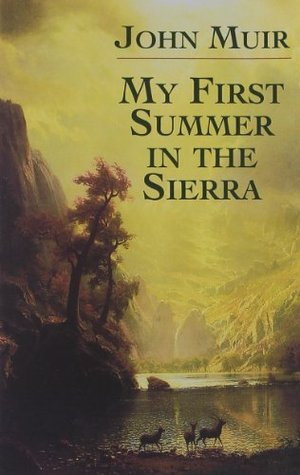
"My First Summer in the Sierra" chronicles John Muir's initial journey into California's High Sierra in 1869, offering a detailed, day-by-day account of his observations. It intimately documents his role as a shepherd, his profound connection with the wilderness, and his burgeoning understanding of the natural world, particularly the geology, botany, and wildlife of the range. The book captures the awe and wonder of discovery, laying the groundwork for his lifelong advocacy.
This volume shares a fundamental thematic core with "The Mountains of California": both are deeply immersive explorations of the Sierra Nevada's natural splendor. They both showcase Muir's unparalleled descriptive prose, his keen scientific observation, and his spiritual reverence for pristine landscapes. "My First Summer" serves as a more personal, chronological narrative of a specific expedition, while "The Mountains of California" is a broader compendium of essays, but their shared subject matter, authorial voice, and passion for the Sierra render them kindred spirits.
This book offers a captivating glimpse into the formative experiences of a conservation pioneer. It provides invaluable insights into the beauty and ecological significance of the Sierra Nevada. Individuals seeking evocative nature writing, historical accounts of wilderness exploration, or a deeper appreciation for the bedrock of environmentalism will gain considerable enjoyment and perspective.
My First Summer in the Sierra
"My First Summer in the Sierra" chronicles John Muir's initial journey into California's High Sierra in 1869, offering a detailed, day-by-day account of his observations. It intimately documents his role as a shepherd, his profound connection with the wilderness, and his burgeoning understanding of the natural world, particularly the geology, botany, and wildlife of the range. The book captures the awe and wonder of discovery, laying the groundwork for his lifelong advocacy.
This volume shares a fundamental thematic core with "The Mountains of California": both are deeply immersive explorations of the Sierra Nevada's natural splendor. They both showcase Muir's unparalleled descriptive prose, his keen scientific observation, and his spiritual reverence for pristine landscapes. "My First Summer" serves as a more personal, chronological narrative of a specific expedition, while "The Mountains of California" is a broader compendium of essays, but their shared subject matter, authorial voice, and passion for the Sierra render them kindred spirits.
This book offers a captivating glimpse into the formative experiences of a conservation pioneer. It provides invaluable insights into the beauty and ecological significance of the Sierra Nevada. Individuals seeking evocative nature writing, historical accounts of wilderness exploration, or a deeper appreciation for the bedrock of environmentalism will gain considerable enjoyment and perspective.
Reflections from the North Country
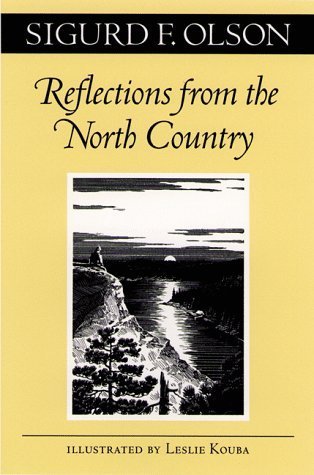
"Reflections from the North Country" is a lyrical exploration of the wilderness of the Boundary Waters and Quetico regions, primarily through the lens of Sigurd F. Olson’s deep personal connection to this environment. The book delves into the natural rhythms, indigenous history, and ecological significance of these wild places, offering observations on the relationship between humanity and the untouched landscape. Olson blends natural history, philosophical musings, and evocative descriptions to create a rich tapestry of the North Country.
The similarity to Muir's "The Mountains of California" lies in the authors' shared reverence for wild places and their ability to translate that awe into compelling prose. Both books are deeply personal accounts of immersion in nature, advocating for its preservation not just for ecological reasons, but for its intrinsic value to the human spirit. Both Muir and Olson are pioneers in nature writing, using vivid imagery and eloquent language to convey the majesty and importance of their respective wilderness areas.
This book holds appeal for its profound celebration of the natural world and its insightful commentary on human connection to wild spaces. It offers a reflective journey into a unique ecosystem, fostering appreciation for conservation and the solace found in nature. The work is valuable for its timeless themes of environmental stewardship, the transformative power of wilderness, and its beautiful articulation of a life lived in harmony with the outdoor world.
Reflections from the North Country
"Reflections from the North Country" is a lyrical exploration of the wilderness of the Boundary Waters and Quetico regions, primarily through the lens of Sigurd F. Olson’s deep personal connection to this environment. The book delves into the natural rhythms, indigenous history, and ecological significance of these wild places, offering observations on the relationship between humanity and the untouched landscape. Olson blends natural history, philosophical musings, and evocative descriptions to create a rich tapestry of the North Country.
The similarity to Muir's "The Mountains of California" lies in the authors' shared reverence for wild places and their ability to translate that awe into compelling prose. Both books are deeply personal accounts of immersion in nature, advocating for its preservation not just for ecological reasons, but for its intrinsic value to the human spirit. Both Muir and Olson are pioneers in nature writing, using vivid imagery and eloquent language to convey the majesty and importance of their respective wilderness areas.
This book holds appeal for its profound celebration of the natural world and its insightful commentary on human connection to wild spaces. It offers a reflective journey into a unique ecosystem, fostering appreciation for conservation and the solace found in nature. The work is valuable for its timeless themes of environmental stewardship, the transformative power of wilderness, and its beautiful articulation of a life lived in harmony with the outdoor world.
Travels in Alaska
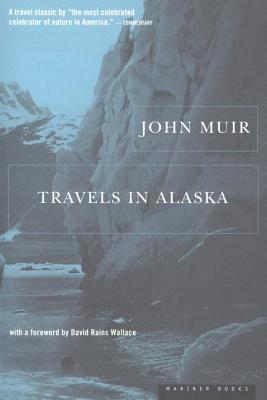
"Travels in Alaska" by David Rains Wallace chronicles an expedition through the state's diverse ecosystems, focusing on scientific observation and personal reflection. Wallace, a seasoned naturalist, details his encounters with wildlife, geological formations, and the challenges of wilderness exploration, weaving in historical context and ecological insights.
This book shares a deep kinship with Muir's "The Mountains of California" through its pervasive spirit of naturalist inquiry and immersive landscape appreciation. Both authors meticulously observe and articulate the inherent grandeur of wild places, advocating implicitly and explicitly for their preservation while demonstrating a profound personal connection to the natural world.
Wallace's work offers a compelling blend of adventure and intellectual discovery, enriching one's understanding of wild environments and the human place within them. It provides valuable perspectives on conservation, the intricacies of specific ecosystems, and the enduring allure of untamed landscapes, resonating with anyone interested in natural history, environmentalism, or the reflective power of wilderness journeys.
Travels in Alaska
"Travels in Alaska" by David Rains Wallace chronicles an expedition through the state's diverse ecosystems, focusing on scientific observation and personal reflection. Wallace, a seasoned naturalist, details his encounters with wildlife, geological formations, and the challenges of wilderness exploration, weaving in historical context and ecological insights.
This book shares a deep kinship with Muir's "The Mountains of California" through its pervasive spirit of naturalist inquiry and immersive landscape appreciation. Both authors meticulously observe and articulate the inherent grandeur of wild places, advocating implicitly and explicitly for their preservation while demonstrating a profound personal connection to the natural world.
Wallace's work offers a compelling blend of adventure and intellectual discovery, enriching one's understanding of wild environments and the human place within them. It provides valuable perspectives on conservation, the intricacies of specific ecosystems, and the enduring allure of untamed landscapes, resonating with anyone interested in natural history, environmentalism, or the reflective power of wilderness journeys.
Wild Apples

"Wild Apples" is fundamentally an impassioned argument for the preservation and appreciation of wildness, explored through the humble apple. Thoreau meticulously examines the history, cultivation, and ultimate abandonment of apple orchards, advocating for the superior vigor and flavor of apples left to their own devices. It's a meditation on nature's resilience and humanity's often-flawed attempts to domesticate it.
This essay strikingly resonates with "The Mountains of California" due to their shared reverence for wild, untamed landscapes and their keen ecological observations. Both authors champion the inherent value of natural processes, uncorrupted by human intervention, and utilize vivid, descriptive prose to immerse the reader in their respective natural worlds—Muir among the grand Sierra Nevada and Thoreau within the seemingly ordinary apple orchard.
The enduring appeal and value of "Wild Apples" lie in its profound call to reconnect with nature, even in its most understated forms. It offers a compelling perspective on conservation, the cycles of growth and decay, and the richness found in overlooked corners of the natural world, fostering a deeper, more mindful engagement with one's surroundings.
Wild Apples
"Wild Apples" is fundamentally an impassioned argument for the preservation and appreciation of wildness, explored through the humble apple. Thoreau meticulously examines the history, cultivation, and ultimate abandonment of apple orchards, advocating for the superior vigor and flavor of apples left to their own devices. It's a meditation on nature's resilience and humanity's often-flawed attempts to domesticate it.
This essay strikingly resonates with "The Mountains of California" due to their shared reverence for wild, untamed landscapes and their keen ecological observations. Both authors champion the inherent value of natural processes, uncorrupted by human intervention, and utilize vivid, descriptive prose to immerse the reader in their respective natural worlds—Muir among the grand Sierra Nevada and Thoreau within the seemingly ordinary apple orchard.
The enduring appeal and value of "Wild Apples" lie in its profound call to reconnect with nature, even in its most understated forms. It offers a compelling perspective on conservation, the cycles of growth and decay, and the richness found in overlooked corners of the natural world, fostering a deeper, more mindful engagement with one's surroundings.
The Singing Wilderness
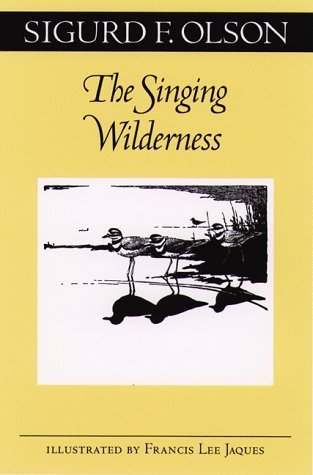
"The Singing Wilderness" delves into the profound beauty and raw power of the Boundary Waters Canoe Area Wilderness in northern Minnesota. Sigurd Olson, a seasoned guide and conservationist, chronicles his intimate experiences within this ancient boreal forest, exploring its geological history, diverse wildlife, and the deep spiritual resonance it holds. He captures the subtle rhythms of nature, from migratory bird calls to the shifting seasons, weaving these observations into a compelling narrative that celebrates wildness.
The book shares a profound kinship with John Muir's "The Mountains of California" through its passionate advocacy for wilderness preservation and its deeply personal connection to a specific, iconic landscape. Both authors immerse themselves fully in their chosen environments, meticulously observing geological formations, flora, and fauna, and communicating a sense of awe and reverence for the natural world. They aren't merely describing nature; they are experiencing and interpreting it through a lens of profound respect and spiritual understanding.
This book offers a captivating journey into unfiltered nature, providing solace and inspiration. Its lyrical prose and insightful observations connect readers to the enduring value of pristine wilderness, fostering an appreciation for conservation and the restorative power of natural spaces. It allows for an escape into a world untouched by human encroachment, offering a testament to the importance of preserving such vital landscapes for future generations.
The Singing Wilderness
"The Singing Wilderness" delves into the profound beauty and raw power of the Boundary Waters Canoe Area Wilderness in northern Minnesota. Sigurd Olson, a seasoned guide and conservationist, chronicles his intimate experiences within this ancient boreal forest, exploring its geological history, diverse wildlife, and the deep spiritual resonance it holds. He captures the subtle rhythms of nature, from migratory bird calls to the shifting seasons, weaving these observations into a compelling narrative that celebrates wildness.
The book shares a profound kinship with John Muir's "The Mountains of California" through its passionate advocacy for wilderness preservation and its deeply personal connection to a specific, iconic landscape. Both authors immerse themselves fully in their chosen environments, meticulously observing geological formations, flora, and fauna, and communicating a sense of awe and reverence for the natural world. They aren't merely describing nature; they are experiencing and interpreting it through a lens of profound respect and spiritual understanding.
This book offers a captivating journey into unfiltered nature, providing solace and inspiration. Its lyrical prose and insightful observations connect readers to the enduring value of pristine wilderness, fostering an appreciation for conservation and the restorative power of natural spaces. It allows for an escape into a world untouched by human encroachment, offering a testament to the importance of preserving such vital landscapes for future generations.
The Journey Home: Some Words in Defense of the American West

Edward Abbey's "The Journey Home" is a collection of essays exploring the American West, advocating for wilderness preservation, and critiquing the impacts of industrial development and tourism on natural landscapes. Abbey articulates a deep, often provocative, love for the desert and mountains, blending environmental philosophy with personal anecdote and social commentary.
It shares similarities with Muir's "The Mountains of California" primarily through its profound reverence for wild nature and its impassioned defense of these special places against human encroachment. Both authors employ vivid, descriptive prose to celebrate majestic landscapes, fostering a connection between the reader and the untamed environment, and emphasizing the intrinsic value of wilderness.
This collection will appeal to individuals interested in environmentalism, nature writing, and the cultural history of the American West. Its insights into conservation, human interaction with the environment, and the persistent call for wilderness protection offer enduring value, encouraging reflection on our responsibilities to the natural world.
The Journey Home: Some Words in Defense of the American West
Edward Abbey's "The Journey Home" is a collection of essays exploring the American West, advocating for wilderness preservation, and critiquing the impacts of industrial development and tourism on natural landscapes. Abbey articulates a deep, often provocative, love for the desert and mountains, blending environmental philosophy with personal anecdote and social commentary.
It shares similarities with Muir's "The Mountains of California" primarily through its profound reverence for wild nature and its impassioned defense of these special places against human encroachment. Both authors employ vivid, descriptive prose to celebrate majestic landscapes, fostering a connection between the reader and the untamed environment, and emphasizing the intrinsic value of wilderness.
This collection will appeal to individuals interested in environmentalism, nature writing, and the cultural history of the American West. Its insights into conservation, human interaction with the environment, and the persistent call for wilderness protection offer enduring value, encouraging reflection on our responsibilities to the natural world.
The Wild Trees: A Story of Passion and Daring
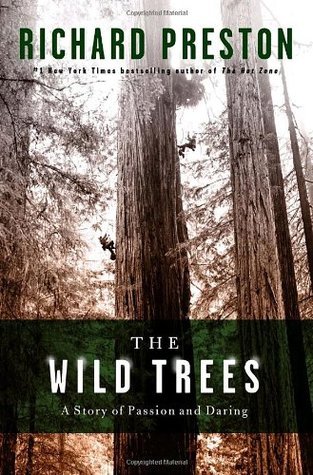
Richard Preston’s "The Wild Trees" plunges readers into the secretive world of California's ancient redwood forests and the pioneering scientists who dared to explore their canopies. The book meticulously chronicles the extreme athleticism and intellectual curiosity of these "tree-climbers," detailing their innovative techniques, life-threatening ascents, and groundbreaking discoveries about these colossal organisms and the ecosystems they support high off the ground.
Both "The Wild Trees" and Muir's "The Mountains of California" share a profound reverence for the American wilderness and the spirit of daring exploration within it. Preston echoes Muir’s passionate observational style, immersing the reader in landscapes of immense natural beauty and danger. Both authors celebrate individuals driven by an insatiable desire to understand and preserve the natural world, whether scaling granite peaks or ascending giant trees.
This book will appeal to those who appreciate detailed scientific exploration intertwined with thrilling adventure narratives. It offers a unique perspective on ecosystems rarely seen, fostering a deeper appreciation for biodiversity and the human quest for knowledge, while subtly underscoring the urgency of conservation in the face of environmental threats.
The Wild Trees: A Story of Passion and Daring
Richard Preston’s "The Wild Trees" plunges readers into the secretive world of California's ancient redwood forests and the pioneering scientists who dared to explore their canopies. The book meticulously chronicles the extreme athleticism and intellectual curiosity of these "tree-climbers," detailing their innovative techniques, life-threatening ascents, and groundbreaking discoveries about these colossal organisms and the ecosystems they support high off the ground.
Both "The Wild Trees" and Muir's "The Mountains of California" share a profound reverence for the American wilderness and the spirit of daring exploration within it. Preston echoes Muir’s passionate observational style, immersing the reader in landscapes of immense natural beauty and danger. Both authors celebrate individuals driven by an insatiable desire to understand and preserve the natural world, whether scaling granite peaks or ascending giant trees.
This book will appeal to those who appreciate detailed scientific exploration intertwined with thrilling adventure narratives. It offers a unique perspective on ecosystems rarely seen, fostering a deeper appreciation for biodiversity and the human quest for knowledge, while subtly underscoring the urgency of conservation in the face of environmental threats.
Desert Solitaire

Edward Abbey’s "Desert Solitaire" offers a stark, passionate account of his time as a park ranger in Arches National Monument, Utah. It's a deeply personal meditation on the American desert, exploring its raw beauty, the solitude it offers, and Abbey's often contentious views on industrial tourism and environmental preservation. He weaves together vivid descriptions of landscape, philosophical reflections, and pointed critiques of modern society.
The similarity to John Muir's "The Mountains of California" lies in their shared celebration of wild, untamed landscapes and their authors' fervent advocacy for ecological protection. Both books feature intensely personal experiences within a specific natural environment, blending observation with philosophical insight and a strong argument for wilderness preservation. Just as Muir championed the Sierra Nevada, Abbey champions the desert, demonstrating a profound spiritual connection to their respective natural cathedrals.
This book will appeal to those who appreciate nature writing infused with strong opinions and a poetic voice. It offers profound insights into the human relationship with wilderness, challenging conventional notions of progress and development. Its value lies in its powerful call to protect natural spaces and its enduring inspiration for environmental stewardship and unconventional thought.
Desert Solitaire
Edward Abbey’s "Desert Solitaire" offers a stark, passionate account of his time as a park ranger in Arches National Monument, Utah. It's a deeply personal meditation on the American desert, exploring its raw beauty, the solitude it offers, and Abbey's often contentious views on industrial tourism and environmental preservation. He weaves together vivid descriptions of landscape, philosophical reflections, and pointed critiques of modern society.
The similarity to John Muir's "The Mountains of California" lies in their shared celebration of wild, untamed landscapes and their authors' fervent advocacy for ecological protection. Both books feature intensely personal experiences within a specific natural environment, blending observation with philosophical insight and a strong argument for wilderness preservation. Just as Muir championed the Sierra Nevada, Abbey champions the desert, demonstrating a profound spiritual connection to their respective natural cathedrals.
This book will appeal to those who appreciate nature writing infused with strong opinions and a poetic voice. It offers profound insights into the human relationship with wilderness, challenging conventional notions of progress and development. Its value lies in its powerful call to protect natural spaces and its enduring inspiration for environmental stewardship and unconventional thought.
Open Horizons
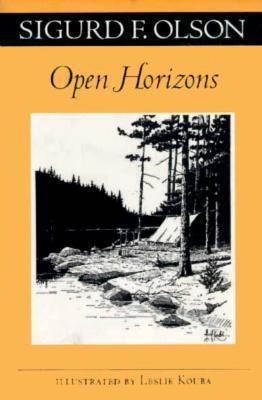
"Open Horizons" by Sigurd F. Olson offers a deeply personal exploration of the wilderness of the Boundary Waters Canoe Area and other North American northern wildlands. Through evocative prose, Olson chronicles his experiences, observations, and profound reflections on humanity's connection to nature, advocating for its preservation not just as a resource, but as a source of spiritual and existential meaning. His writing is a testament to the transformative power of wild places on the human spirit.
These two works share a foundational commitment to portraying and preserving wild landscapes. Like John Muir's detailed accounts of the Sierra Nevada, Olson meticulously describes the natural world, fostering a sense of intimacy and reverence for it. Both authors are pioneers of conservation, using their powerful descriptive abilities to articulate the intrinsic value of wilderness and the urgency of its protection, inspiring generations to appreciate and advocate for nature.
Readers will be drawn to "Open Horizons" for its beautiful prose and its insightful philosophical depth. It provides a timeless message about finding solace and understanding within nature, serving as a powerful reminder of the importance of wild spaces for psychological well-being and the continuation of vital ecosystems. The book resonates as a call to re-evaluate our relationship with the natural world, offering both inspiration and guidance for a more harmonious coexistence.
Open Horizons
"Open Horizons" by Sigurd F. Olson offers a deeply personal exploration of the wilderness of the Boundary Waters Canoe Area and other North American northern wildlands. Through evocative prose, Olson chronicles his experiences, observations, and profound reflections on humanity's connection to nature, advocating for its preservation not just as a resource, but as a source of spiritual and existential meaning. His writing is a testament to the transformative power of wild places on the human spirit.
These two works share a foundational commitment to portraying and preserving wild landscapes. Like John Muir's detailed accounts of the Sierra Nevada, Olson meticulously describes the natural world, fostering a sense of intimacy and reverence for it. Both authors are pioneers of conservation, using their powerful descriptive abilities to articulate the intrinsic value of wilderness and the urgency of its protection, inspiring generations to appreciate and advocate for nature.
Readers will be drawn to "Open Horizons" for its beautiful prose and its insightful philosophical depth. It provides a timeless message about finding solace and understanding within nature, serving as a powerful reminder of the importance of wild spaces for psychological well-being and the continuation of vital ecosystems. The book resonates as a call to re-evaluate our relationship with the natural world, offering both inspiration and guidance for a more harmonious coexistence.
A Sand County Almanac and Sketches Here and There
"A Sand County Almanac" presents a series of observations and philosophical essays on the natural world, organized seasonally by the author's reflections on his Wisconsin farm. Leopold explores the intricate relationships within ecosystems, advocating for a "land ethic" – a moral responsibility to preserve the integrity, stability, and beauty of the biotic community. It's a foundational text in environmental literature, blending scientific understanding with profound ethical considerations.
Like "The Mountains of California," this work originates from deep personal engagement with specific natural landscapes. Both books are steeped in detailed, firsthand observation of nature, transforming those experiences into compelling narratives that go beyond mere description. Muir’s reverence for the Sierra Nevadas finds its parallel in Leopold’s profound connection to the sand counties, each author using their chosen locale as a microcosm to explore universal themes of wilderness, human impact, and environmental stewardship.
This book offers a timeless exploration of humanity's place within the natural world, encouraging a deeper appreciation for ecological interdependence. Its eloquent prose coupled with its powerful arguments for conservation provides enduring insights into land management and ethical living. The meditations on nature's cycles and humanity's role as a participant, rather than just an observer, continue to resonate deeply, fostering a more thoughtful and responsible approach to our shared environment.
A Sand County Almanac and Sketches Here and There
"A Sand County Almanac" presents a series of observations and philosophical essays on the natural world, organized seasonally by the author's reflections on his Wisconsin farm. Leopold explores the intricate relationships within ecosystems, advocating for a "land ethic" – a moral responsibility to preserve the integrity, stability, and beauty of the biotic community. It's a foundational text in environmental literature, blending scientific understanding with profound ethical considerations.
Like "The Mountains of California," this work originates from deep personal engagement with specific natural landscapes. Both books are steeped in detailed, firsthand observation of nature, transforming those experiences into compelling narratives that go beyond mere description. Muir’s reverence for the Sierra Nevadas finds its parallel in Leopold’s profound connection to the sand counties, each author using their chosen locale as a microcosm to explore universal themes of wilderness, human impact, and environmental stewardship.
This book offers a timeless exploration of humanity's place within the natural world, encouraging a deeper appreciation for ecological interdependence. Its eloquent prose coupled with its powerful arguments for conservation provides enduring insights into land management and ethical living. The meditations on nature's cycles and humanity's role as a participant, rather than just an observer, continue to resonate deeply, fostering a more thoughtful and responsible approach to our shared environment.
More Books to Explore
Discover more titles that expand on these ideas and themes.
My First Summer in the Sierra
Reflections from the North Country
Travels in Alaska
Wild Apples
The Singing Wilderness
The Journey Home: Some Words in Defense of the American West