10 Books Similar to "The Moon Dwellers"
by David Estes

The Sun Dwellers

"The Sun Dwellers" plunges back into a dystopian future, following the journey of Adelei, a young woman living a seemingly idyllic life on the surface after the events of "The Moon Dwellers." However, beneath this polished exterior, a sinister truth about the government's control over its citizens and the ongoing struggle for freedom relentlessly unravels. Adelei must confront the reality of her world, ultimately questioning everything she believed to be true and fighting to expose the darkness.
This sequel shares notable thematic and narrative parallels with "The Moon Dwellers." Both novels explore stark societal divisions, the oppressive nature of authoritarian regimes, and the resilience of individuals striving for autonomy against overwhelming odds. The continuation of characters, overarching plot threads, and the consistent world-building provide a seamless transition for those invested in the series' universe.
The book offers a compelling narrative for those seeking thought-provoking dystopian fiction. Its exploration of freedom, truth, and rebellion, framed within a richly imagined future, presents a valuable continuation of the initial premise, deepening understanding of the series' core conflicts and character arcs.
The Sun Dwellers
"The Sun Dwellers" plunges back into a dystopian future, following the journey of Adelei, a young woman living a seemingly idyllic life on the surface after the events of "The Moon Dwellers." However, beneath this polished exterior, a sinister truth about the government's control over its citizens and the ongoing struggle for freedom relentlessly unravels. Adelei must confront the reality of her world, ultimately questioning everything she believed to be true and fighting to expose the darkness.
This sequel shares notable thematic and narrative parallels with "The Moon Dwellers." Both novels explore stark societal divisions, the oppressive nature of authoritarian regimes, and the resilience of individuals striving for autonomy against overwhelming odds. The continuation of characters, overarching plot threads, and the consistent world-building provide a seamless transition for those invested in the series' universe.
The book offers a compelling narrative for those seeking thought-provoking dystopian fiction. Its exploration of freedom, truth, and rebellion, framed within a richly imagined future, presents a valuable continuation of the initial premise, deepening understanding of the series' core conflicts and character arcs.
The Star Dwellers

"The Star Dwellers" plunges into a post-apocalyptic future where humanity, driven underground by a devastating war, has regressed to a primitive, fear-driven existence. The narrative centers on a young protagonist who questions the established societal norms and the oppressive regime governing their hidden world. As secrets unravel, they discover the truth about their past and the potential for a future beyond the subterranean confines, forcing them to confront the authorities and ignite a revolution that could redefine human destiny.
This title mirrors "The Moon Dwellers" in its dystopian setting and central themes of societal control, suppressed history, and the struggle for individual freedom against an oppressive system. Both books feature a courageous young leader who challenges the status quo and uncovers shocking truths about their world, leading a dangerous quest for change. The overarching narrative arc of discovering a hidden truth that upends an entire civilization is a strong parallel.
The book offers a compelling narrative for those who appreciate thought-provoking science fiction exploring themes of resilience, rebellion, and the search for identity in a fractured world. Its exploration of complex moral dilemmas and the enduring human spirit makes it a valuable read for anyone interested in the human condition under extreme duress.
The Star Dwellers
"The Star Dwellers" plunges into a post-apocalyptic future where humanity, driven underground by a devastating war, has regressed to a primitive, fear-driven existence. The narrative centers on a young protagonist who questions the established societal norms and the oppressive regime governing their hidden world. As secrets unravel, they discover the truth about their past and the potential for a future beyond the subterranean confines, forcing them to confront the authorities and ignite a revolution that could redefine human destiny.
This title mirrors "The Moon Dwellers" in its dystopian setting and central themes of societal control, suppressed history, and the struggle for individual freedom against an oppressive system. Both books feature a courageous young leader who challenges the status quo and uncovers shocking truths about their world, leading a dangerous quest for change. The overarching narrative arc of discovering a hidden truth that upends an entire civilization is a strong parallel.
The book offers a compelling narrative for those who appreciate thought-provoking science fiction exploring themes of resilience, rebellion, and the search for identity in a fractured world. Its exploration of complex moral dilemmas and the enduring human spirit makes it a valuable read for anyone interested in the human condition under extreme duress.
The Earth Dwellers

"The Earth Dwellers" plunges humanity back onto a ravaged Earth after centuries of living underground. It follows protagonist Lena, who, along with other Earth Dwellers, must navigate the perilous, resource-scarce surface world while confronting the genetically modified "Evolved" and the secrets of their past. The narrative explores themes of survival, adaptation, and the complex interplay between different factions vying for control and a new future on a reborn planet.
This sequel shares core DNA with "The Moon Dwellers," continuing the post-apocalyptic saga and focusing on Lena's journey. Both novels feature a resilient female protagonist, high-stakes survival scenarios, and a dystopian setting where humanity grapples with its past mistakes and an uncertain future. The intricate world-building, character-driven narrative, and suspenseful plot twists characteristic of the first book are all present here.
Readers drawn to compelling dystopian narratives will appreciate how this book expands the established universe. It offers a satisfying continuation of Lena's story, deepening the lore and introducing new challenges and moral dilemmas. The exploration of humanity's resilience against overwhelming odds and the constant threat of extinction provides a thought-provoking and engaging experience that delivers on the promises of its predecessor.
The Earth Dwellers
"The Earth Dwellers" plunges humanity back onto a ravaged Earth after centuries of living underground. It follows protagonist Lena, who, along with other Earth Dwellers, must navigate the perilous, resource-scarce surface world while confronting the genetically modified "Evolved" and the secrets of their past. The narrative explores themes of survival, adaptation, and the complex interplay between different factions vying for control and a new future on a reborn planet.
This sequel shares core DNA with "The Moon Dwellers," continuing the post-apocalyptic saga and focusing on Lena's journey. Both novels feature a resilient female protagonist, high-stakes survival scenarios, and a dystopian setting where humanity grapples with its past mistakes and an uncertain future. The intricate world-building, character-driven narrative, and suspenseful plot twists characteristic of the first book are all present here.
Readers drawn to compelling dystopian narratives will appreciate how this book expands the established universe. It offers a satisfying continuation of Lena's story, deepening the lore and introducing new challenges and moral dilemmas. The exploration of humanity's resilience against overwhelming odds and the constant threat of extinction provides a thought-provoking and engaging experience that delivers on the promises of its predecessor.
Ice Country

*Ice Country* plunges into a post-apocalyptic world where humanity clings to survival in a frozen, technologically advanced underground shelter. The narrative follows a group of young adults, unknowingly bred for a specific, dangerous purpose, as they unravel the devastating truth behind their sheltered existence and the true nature of the desolate surface above. Their journey is one of discovery, betrayal, and the desperate fight for freedom against a manipulative ruling council.
This novel shares a foundational similarity with *The Moon Dwellers* through its core premise of a contained, dystopian society – albeit a subterranean, icy one rather than lunar – where powerful elites control information and a young protagonist uncovers their sinister plans. Both books feature a journey of self-discovery intertwined with a larger rebellion against oppressive systems, highlighting themes of truth, illusion, and the fight for autonomy in restrictive environments. The fast-paced, action-oriented plotlines and high stakes for the protagonists also create a compelling parallel.
The book will appeal to those who appreciate intricate world-building, high-octane suspense, and narratives that explore societal control and individual rebellion. Its examination of humanity's resilience in extreme conditions and the moral ambiguities of survival offer a thought-provoking experience, making it valuable for anyone seeking engagement with compelling dystopian fiction and characters who challenge established norms for a greater good.
Ice Country
*Ice Country* plunges into a post-apocalyptic world where humanity clings to survival in a frozen, technologically advanced underground shelter. The narrative follows a group of young adults, unknowingly bred for a specific, dangerous purpose, as they unravel the devastating truth behind their sheltered existence and the true nature of the desolate surface above. Their journey is one of discovery, betrayal, and the desperate fight for freedom against a manipulative ruling council.
This novel shares a foundational similarity with *The Moon Dwellers* through its core premise of a contained, dystopian society – albeit a subterranean, icy one rather than lunar – where powerful elites control information and a young protagonist uncovers their sinister plans. Both books feature a journey of self-discovery intertwined with a larger rebellion against oppressive systems, highlighting themes of truth, illusion, and the fight for autonomy in restrictive environments. The fast-paced, action-oriented plotlines and high stakes for the protagonists also create a compelling parallel.
The book will appeal to those who appreciate intricate world-building, high-octane suspense, and narratives that explore societal control and individual rebellion. Its examination of humanity's resilience in extreme conditions and the moral ambiguities of survival offer a thought-provoking experience, making it valuable for anyone seeking engagement with compelling dystopian fiction and characters who challenge established norms for a greater good.
Fire Country

"Fire Country" depicts a dystopian future where humanity is forced to live in underground bunkers, their lives dictated by a totalitarian regime. The story follows a young protagonist who ventures to the ravaged surface, uncovering secrets about their world and the true nature of their confinement. It's a tale of rebellion, survival, and the fight for truth against overwhelming odds.
The similarity to "The Moon Dwellers" lies in their shared thematic core: oppressive underground societies, young protagonists discovering hidden truths about their world, and the inherent human struggle against totalitarian control. Both novels explore the psychological and physical challenges of living in restricted environments and the ultimate quest for freedom. The author’s signature style of creating intricate, yet claustrophobic, worlds is evident in both.
This novel will appeal to those who appreciate thought-provoking dystopian narratives centered on themes of freedom, government control, and the resilience of the human spirit. Its value comes from its ability to engage readers with a compelling plot while prompting reflection on societal structures and individual agency. The narrative offers a powerful exploration of rebellion against injustice, making it a relevant and impactful read.
Fire Country
"Fire Country" depicts a dystopian future where humanity is forced to live in underground bunkers, their lives dictated by a totalitarian regime. The story follows a young protagonist who ventures to the ravaged surface, uncovering secrets about their world and the true nature of their confinement. It's a tale of rebellion, survival, and the fight for truth against overwhelming odds.
The similarity to "The Moon Dwellers" lies in their shared thematic core: oppressive underground societies, young protagonists discovering hidden truths about their world, and the inherent human struggle against totalitarian control. Both novels explore the psychological and physical challenges of living in restricted environments and the ultimate quest for freedom. The author’s signature style of creating intricate, yet claustrophobic, worlds is evident in both.
This novel will appeal to those who appreciate thought-provoking dystopian narratives centered on themes of freedom, government control, and the resilience of the human spirit. Its value comes from its ability to engage readers with a compelling plot while prompting reflection on societal structures and individual agency. The narrative offers a powerful exploration of rebellion against injustice, making it a relevant and impactful read.
Exiled
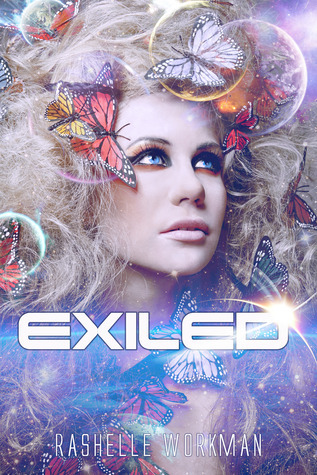
"Exiled" delves into a dystopian world where humanity is confined to underground bunkers after a catastrophic event. The narrative follows a young woman, Tíria, who discovers she is one of the few with magic, a power deemed dangerous and punishable by exile to the desolate surface. Her journey unfolds as she navigates this harsh new reality, seeking truth about her abilities and the true history of her people.
The similarity to "The Moon Dwellers" lies primarily in their shared dystopian framework and the theme of humanity's confinement in a post-apocalyptic world. Both novels feature protagonists who challenge the established order, question historical narratives, and discover hidden truths about their societies, leading to a fight for freedom and survival. The underlying tensions surrounding restricted resources, controlled information, and the emergence of extraordinary individuals resonate strongly between the two.
This novel will appeal to those who enjoy intricate dystopian world-building, strong female protagonists, and narratives exploring themes of rebellion, self-discovery, and the fight against oppression. Its blend of sci-fi elements with magical undertones provides a compelling escape, offering a thought-provoking commentary on societal control and the resilience of the human spirit. The engaging plot and character development provide a deeply immersive experience.
Exiled
"Exiled" delves into a dystopian world where humanity is confined to underground bunkers after a catastrophic event. The narrative follows a young woman, Tíria, who discovers she is one of the few with magic, a power deemed dangerous and punishable by exile to the desolate surface. Her journey unfolds as she navigates this harsh new reality, seeking truth about her abilities and the true history of her people.
The similarity to "The Moon Dwellers" lies primarily in their shared dystopian framework and the theme of humanity's confinement in a post-apocalyptic world. Both novels feature protagonists who challenge the established order, question historical narratives, and discover hidden truths about their societies, leading to a fight for freedom and survival. The underlying tensions surrounding restricted resources, controlled information, and the emergence of extraordinary individuals resonate strongly between the two.
This novel will appeal to those who enjoy intricate dystopian world-building, strong female protagonists, and narratives exploring themes of rebellion, self-discovery, and the fight against oppression. Its blend of sci-fi elements with magical undertones provides a compelling escape, offering a thought-provoking commentary on societal control and the resilience of the human spirit. The engaging plot and character development provide a deeply immersive experience.
Three

"Three" by Kristen Simmons follows the isolated lives of three teenagers, Jax, Chance, and Sasha, chosen for a perilous mission in a dystopian Chicago. Their objective: to journey into a desolate, zombie-infested wasteland, retrieve an unknown item, and return within a strict timeframe. Failure means severe consequences for their families left behind in the guarded city. The narrative focuses on their desperate struggle for survival, fractured alliances, and the moral dilemmas they face in a world where trust is a luxury.
This novel shares compelling similarities with "The Moon Dwellers." Both explore dystopian societies where a privileged class controls dwindling resources, while the majority face hardship and manipulation. Central to both narratives are young protagonists thrust into high-stakes missions outside their familiar, controlled environments. They must navigate a dangerous and unknown world, confronting authority, questioning their reality, and ultimately fighting for a better future, often against overwhelming odds and betrayal from within.
The story offers an intense, character-driven exploration of survival, sacrifice, and the search for truth in a post-apocalyptic landscape. It delves into themes of familial loyalty, the corrupting influence of power, and the resilience of the human spirit when faced with impossible choices. Its suspenseful plot and thought-provoking questions about societal control and individual freedom provide a deeply engaging and resonant experience.
Three
"Three" by Kristen Simmons follows the isolated lives of three teenagers, Jax, Chance, and Sasha, chosen for a perilous mission in a dystopian Chicago. Their objective: to journey into a desolate, zombie-infested wasteland, retrieve an unknown item, and return within a strict timeframe. Failure means severe consequences for their families left behind in the guarded city. The narrative focuses on their desperate struggle for survival, fractured alliances, and the moral dilemmas they face in a world where trust is a luxury.
This novel shares compelling similarities with "The Moon Dwellers." Both explore dystopian societies where a privileged class controls dwindling resources, while the majority face hardship and manipulation. Central to both narratives are young protagonists thrust into high-stakes missions outside their familiar, controlled environments. They must navigate a dangerous and unknown world, confronting authority, questioning their reality, and ultimately fighting for a better future, often against overwhelming odds and betrayal from within.
The story offers an intense, character-driven exploration of survival, sacrifice, and the search for truth in a post-apocalyptic landscape. It delves into themes of familial loyalty, the corrupting influence of power, and the resilience of the human spirit when faced with impossible choices. Its suspenseful plot and thought-provoking questions about societal control and individual freedom provide a deeply engaging and resonant experience.
The Exodus
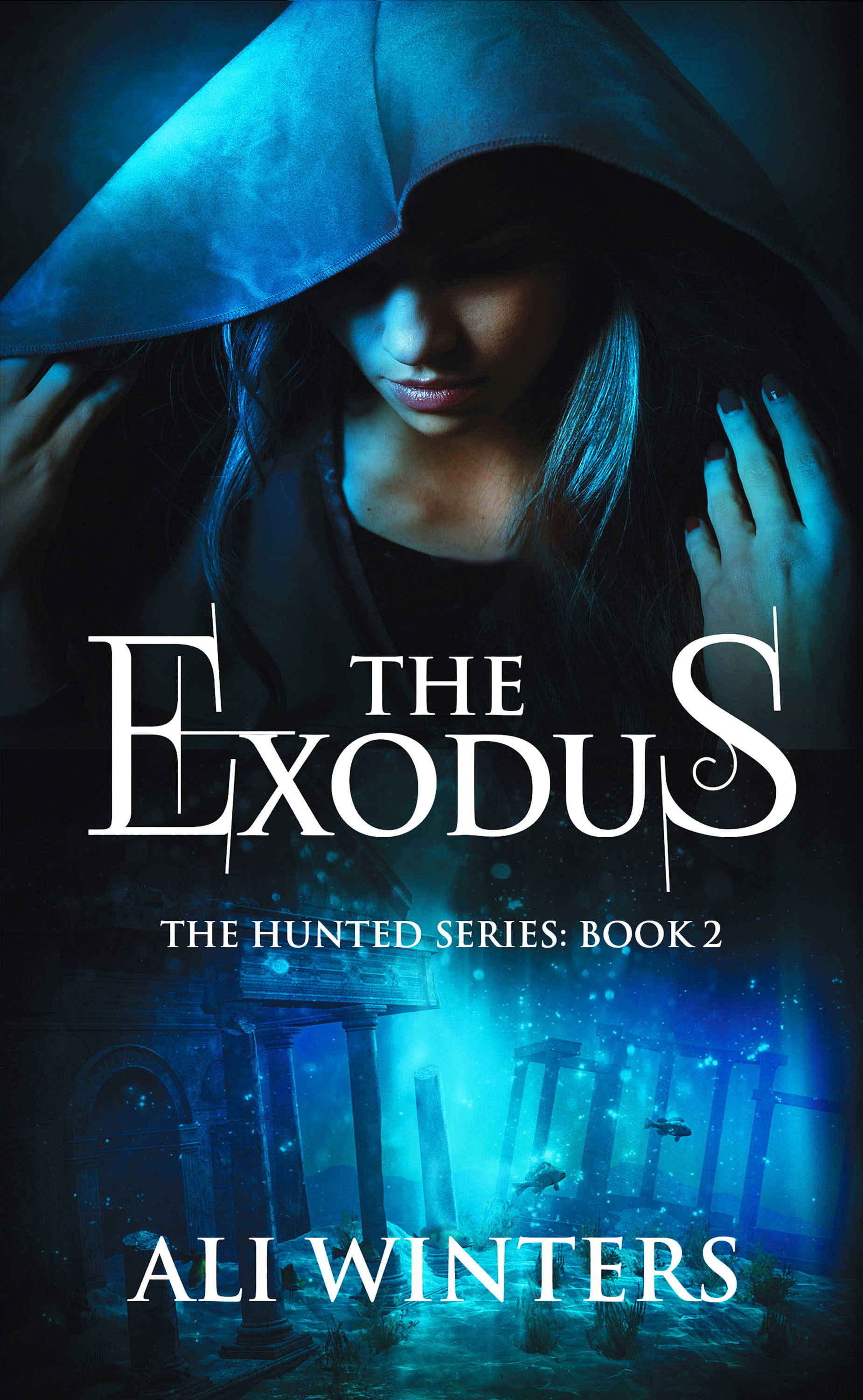
"The Exodus" by Ali Winters depicts a dystopian future where humanity's last survivors reside in a technologically advanced, self-sufficient ark-like vessel, having abandoned a ravaged Earth. The narrative centers on a young protagonist who uncovers unsettling truths about their society and the circumstances that led to their exodus, prompting a desperate quest for autonomy and a return to their ancestral home. It explores themes of technological reliance, suppressed history, and the human impulse for freedom.
The similarities to "The Moon Dwellers" are striking. Both novels feature enclosed, technologically advanced societies forced underground or off-world due to an uninhabitable Earth, presenting a claustrophobic yet hyper-ordered existence. Both protagonists are young, inquisitive individuals who challenge the established order and unearth secrets that destabilize their foundational myths. This shared premise of seeking truth beyond a controlled environment, coupled with the suspenseful unraveling of a dystopian government's lies, creates a strong thematic resonance.
This novel offers a compelling exploration of post-apocalyptic survival, the seduction of manufactured security, and the enduring human desire for authenticity and self-determination. It provides incisive commentary on the dangers of unchecked authority and the importance of questioning narratives, making it a thought-provoking read that resonates with contemporary anxieties about environmental collapse and societal control.
The Exodus
"The Exodus" by Ali Winters depicts a dystopian future where humanity's last survivors reside in a technologically advanced, self-sufficient ark-like vessel, having abandoned a ravaged Earth. The narrative centers on a young protagonist who uncovers unsettling truths about their society and the circumstances that led to their exodus, prompting a desperate quest for autonomy and a return to their ancestral home. It explores themes of technological reliance, suppressed history, and the human impulse for freedom.
The similarities to "The Moon Dwellers" are striking. Both novels feature enclosed, technologically advanced societies forced underground or off-world due to an uninhabitable Earth, presenting a claustrophobic yet hyper-ordered existence. Both protagonists are young, inquisitive individuals who challenge the established order and unearth secrets that destabilize their foundational myths. This shared premise of seeking truth beyond a controlled environment, coupled with the suspenseful unraveling of a dystopian government's lies, creates a strong thematic resonance.
This novel offers a compelling exploration of post-apocalyptic survival, the seduction of manufactured security, and the enduring human desire for authenticity and self-determination. It provides incisive commentary on the dangers of unchecked authority and the importance of questioning narratives, making it a thought-provoking read that resonates with contemporary anxieties about environmental collapse and societal control.
Extraction
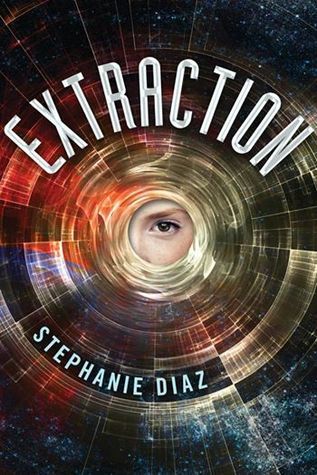
"Extraction" centers on Clementine, a young woman living in a futuristic, dystopian society where a privileged few reside in a protected dome while the majority struggle on the polluted, ravaged surface. Clementine discovers her family’s true history and the oppressive nature of the regime, propelling her into a dangerous rebellion that seeks to expose the truth and liberate her people. It's a journey of self-discovery, moral awakening, and fighting against systemic injustice.
The compelling similarity to "The Moon Dwellers" lies in their shared core themes of hierarchical societies, concealed truths, and the emergence of unlikely heroes. Both novels feature protagonists living under an artificial, controlled environment (Moon in Estes's work, a dome in Diaz's) and facing the stark reality of those living outside, leading to a fight against a powerful, manipulative governing body. The narratives explore rebellion born from disillusionment and the pursuit of freedom.
This novel will appeal to readers who enjoy high-stakes dystopian adventures with strong, resilient female leads and intricate world-building. It offers a thought-provoking exploration of social inequality, government control, and the courage required to challenge the status quo. The fast-paced plot and elements of mystery and romance provide an engaging reading experience, leaving one contemplating the ethical implications of technological advancement and societal divisions.
Extraction
"Extraction" centers on Clementine, a young woman living in a futuristic, dystopian society where a privileged few reside in a protected dome while the majority struggle on the polluted, ravaged surface. Clementine discovers her family’s true history and the oppressive nature of the regime, propelling her into a dangerous rebellion that seeks to expose the truth and liberate her people. It's a journey of self-discovery, moral awakening, and fighting against systemic injustice.
The compelling similarity to "The Moon Dwellers" lies in their shared core themes of hierarchical societies, concealed truths, and the emergence of unlikely heroes. Both novels feature protagonists living under an artificial, controlled environment (Moon in Estes's work, a dome in Diaz's) and facing the stark reality of those living outside, leading to a fight against a powerful, manipulative governing body. The narratives explore rebellion born from disillusionment and the pursuit of freedom.
This novel will appeal to readers who enjoy high-stakes dystopian adventures with strong, resilient female leads and intricate world-building. It offers a thought-provoking exploration of social inequality, government control, and the courage required to challenge the status quo. The fast-paced plot and elements of mystery and romance provide an engaging reading experience, leaving one contemplating the ethical implications of technological advancement and societal divisions.
Enders

*Enders* by Lissa Price plunges into a post-apocalyptic future where human minds can be transferred, allowing the wealthy to essentially live forever by inhabiting younger bodies. The story centers on Callie, an "Enderman" who, along with others, sells her body as a host for these "Olders," essentially renting out her youth until her own mind must eventually be erased. The narrative explores the moral complexities of identity, ownership of self, and the stark disparities created by such technology.
The connection to *The Moon Dwellers* lies in their shared exploration of dystopian societal structures built upon stark class divisions and the exploitation of a subjugated population. Both books feature young protagonists thrust into desperate circumstances, fighting for survival and truth within systems that deny their fundamental rights and autonomy. The high-stakes rebellion and the quest for agency against an oppressive authority are central to both narratives.
This compelling read will resonate with those who enjoy thought-provoking science fiction that delves into ethical dilemmas and societal critiques. It offers a gripping narrative that explores the psychological impact of living in a world where individuality is a commodity, prompting reflection on human nature, the price of immortality, and the enduring power of rebellion.
Enders
*Enders* by Lissa Price plunges into a post-apocalyptic future where human minds can be transferred, allowing the wealthy to essentially live forever by inhabiting younger bodies. The story centers on Callie, an "Enderman" who, along with others, sells her body as a host for these "Olders," essentially renting out her youth until her own mind must eventually be erased. The narrative explores the moral complexities of identity, ownership of self, and the stark disparities created by such technology.
The connection to *The Moon Dwellers* lies in their shared exploration of dystopian societal structures built upon stark class divisions and the exploitation of a subjugated population. Both books feature young protagonists thrust into desperate circumstances, fighting for survival and truth within systems that deny their fundamental rights and autonomy. The high-stakes rebellion and the quest for agency against an oppressive authority are central to both narratives.
This compelling read will resonate with those who enjoy thought-provoking science fiction that delves into ethical dilemmas and societal critiques. It offers a gripping narrative that explores the psychological impact of living in a world where individuality is a commodity, prompting reflection on human nature, the price of immortality, and the enduring power of rebellion.
More Books to Explore
Discover more titles that expand on these ideas and themes.
The Sun Dwellers
The Star Dwellers
The Earth Dwellers
Ice Country
Fire Country
Exiled