10 Books Similar to "The Magic Barrel"
by Bernard Malamud

The Assistant
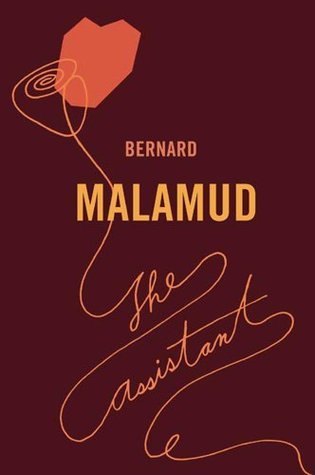
"The Assistant" chronicles the arduous life of Morris Bober, a struggling Jewish grocer in 1930s Brooklyn, and Frank Alpine, an Italian drifter who, after robbing Morris, eventually comes to work for him. The novel explores Frank's complex journey of redemption and self-discovery as he grapples with guilt, prejudice, and his evolving relationship with Morris and his family, especially his daughter Helen.
Both "The Assistant" and "The Magic Barrel" delve into the lives of working-class Jewish characters in urban American settings, exploring themes of spiritual seeking, moral struggle, and the often-fraught search for connection. Malamud's signature blend of realism and ethical inquiry, coupled with a sympathetic portrayal of characters striving for a better life while confronting their human failings, is starkly evident in both works.
This novel will resonate with those who appreciate deep character studies and narratives that explore the potential for transformation within ordinary lives. It offers a profound look at the consequences of actions, the burden of conscience, and the unexpected pathways to spiritual growth, providing a rich, emotional, and thought-provoking experience.
The Assistant
"The Assistant" chronicles the arduous life of Morris Bober, a struggling Jewish grocer in 1930s Brooklyn, and Frank Alpine, an Italian drifter who, after robbing Morris, eventually comes to work for him. The novel explores Frank's complex journey of redemption and self-discovery as he grapples with guilt, prejudice, and his evolving relationship with Morris and his family, especially his daughter Helen.
Both "The Assistant" and "The Magic Barrel" delve into the lives of working-class Jewish characters in urban American settings, exploring themes of spiritual seeking, moral struggle, and the often-fraught search for connection. Malamud's signature blend of realism and ethical inquiry, coupled with a sympathetic portrayal of characters striving for a better life while confronting their human failings, is starkly evident in both works.
This novel will resonate with those who appreciate deep character studies and narratives that explore the potential for transformation within ordinary lives. It offers a profound look at the consequences of actions, the burden of conscience, and the unexpected pathways to spiritual growth, providing a rich, emotional, and thought-provoking experience.
The Complete Stories

"The Complete Stories" gathers the entire short fiction output of Bernard Malamud, a significant 20th-century American author. It presents a comprehensive portrait of his literary concerns: the struggles of ordinary people, often Jewish immigrants or their descendants, grappling with alienation, poverty, and spiritual crises. These narratives frequently blend realism with elements of the fantastical, exploring themes of suffering, redemption, and the search for love and meaning in a harsh world. This collection offers a deep dive into Malamud's distinctive voice and worldview.
This collection shares a profound thematic and stylistic kinship with "The Magic Barrel." As *The Magic Barrel* is one of Malamud's most celebrated short story collections, its themes of disillusionment, the complexities of human relationships, and the often bittersweet pursuit of hope are central to *The Complete Stories* as well. Both works showcase Malamud's masterful character development, his poignant exploration of faith and doubt, and the understated yet powerful prose that defines his place in American literature. The stories resonate with a shared humanity, often set in urban landscapes, exploring the inner lives of those on the margins.
This comprehensive volume offers an unparalleled opportunity to experience the full breadth of Malamud’s genius. It rewards with insightful explorations of the human condition, often through characters who embody resilience and an enduring spirit. The collection provides a sustained engagement with his unique blending of the mundane and the miraculous, leaving a lasting impression through its emotional depth and moral complexity. It represents a cornerstone of modern American short fiction.
The Complete Stories
"The Complete Stories" gathers the entire short fiction output of Bernard Malamud, a significant 20th-century American author. It presents a comprehensive portrait of his literary concerns: the struggles of ordinary people, often Jewish immigrants or their descendants, grappling with alienation, poverty, and spiritual crises. These narratives frequently blend realism with elements of the fantastical, exploring themes of suffering, redemption, and the search for love and meaning in a harsh world. This collection offers a deep dive into Malamud's distinctive voice and worldview.
This collection shares a profound thematic and stylistic kinship with "The Magic Barrel." As *The Magic Barrel* is one of Malamud's most celebrated short story collections, its themes of disillusionment, the complexities of human relationships, and the often bittersweet pursuit of hope are central to *The Complete Stories* as well. Both works showcase Malamud's masterful character development, his poignant exploration of faith and doubt, and the understated yet powerful prose that defines his place in American literature. The stories resonate with a shared humanity, often set in urban landscapes, exploring the inner lives of those on the margins.
This comprehensive volume offers an unparalleled opportunity to experience the full breadth of Malamud’s genius. It rewards with insightful explorations of the human condition, often through characters who embody resilience and an enduring spirit. The collection provides a sustained engagement with his unique blending of the mundane and the miraculous, leaving a lasting impression through its emotional depth and moral complexity. It represents a cornerstone of modern American short fiction.
The Fixer

"The Fixer" chronicles the harrowing ordeal of Yakov Bok, a Jewish handyman in turn-of-the-century Russia, falsely accused of ritual murder. Stripped of his freedom and subjected to brutal imprisonment, Yakov endures physical and psychological torment, facing a rigged legal system and virulent antisemitism. His struggle becomes a defiant assertion of human dignity and belief in justice against overwhelming odds.
Both "The Fixer" and "The Magic Barrel" delve into profound themes of suffering, faith, and the marginalized experience within a Jewish context. While "Magic Barrel" explores spiritual yearning and existential quest through short stories, "The Fixer" offers a deep dive into an individual's fight for survival and integrity. Both works showcase Malamud's signature blend of realism and profound moral inquiry, focusing on characters grappling with immense internal and external pressures.
This novel offers a powerful meditation on resilience in the face of injustice and the enduring human spirit. It provides a historical and emotional window into persecution, prompting reflection on identity, morality, and the search for meaning even in the darkest circumstances. The narrative's intensity and moral weight ensure a compelling and thought-provoking experience.
The Fixer
"The Fixer" chronicles the harrowing ordeal of Yakov Bok, a Jewish handyman in turn-of-the-century Russia, falsely accused of ritual murder. Stripped of his freedom and subjected to brutal imprisonment, Yakov endures physical and psychological torment, facing a rigged legal system and virulent antisemitism. His struggle becomes a defiant assertion of human dignity and belief in justice against overwhelming odds.
Both "The Fixer" and "The Magic Barrel" delve into profound themes of suffering, faith, and the marginalized experience within a Jewish context. While "Magic Barrel" explores spiritual yearning and existential quest through short stories, "The Fixer" offers a deep dive into an individual's fight for survival and integrity. Both works showcase Malamud's signature blend of realism and profound moral inquiry, focusing on characters grappling with immense internal and external pressures.
This novel offers a powerful meditation on resilience in the face of injustice and the enduring human spirit. It provides a historical and emotional window into persecution, prompting reflection on identity, morality, and the search for meaning even in the darkest circumstances. The narrative's intensity and moral weight ensure a compelling and thought-provoking experience.
The Natural

"The Natural" chronicles the rise and fall of Roy Hobbs, a prodigious baseball player whose career is marred by violence and self-destruction, but also defined by moments of almost mythical grandeur and a relentless pursuit of excellence. It delves into the American obsession with heroes, the corruption inherent in ambition, and the complex interplay between talent and fate.
Its similarity to "The Magic Barrel" lies in Malamud's characteristic exploration of individuals grappling with their destinies, often through fantastical or symbolic lenses, in pursuit of connection or redemption. Both works feature protagonists who are deeply flawed but possess an extraordinary, almost otherworldly talent or desire, and whose journeys involve a profound reckoning with their choices and the world around them.
This novel will resonate with those who appreciate rich character studies interwoven with deeply symbolic narratives. It offers a penetrating look at the mythology of American sports and the human condition, providing insights into aspiration, failure, and the search for meaning. The enduring power of its prose and its profound thematic explorations make it a valuable read for anyone interested in American literature and the complexities of human experience.
The Natural
"The Natural" chronicles the rise and fall of Roy Hobbs, a prodigious baseball player whose career is marred by violence and self-destruction, but also defined by moments of almost mythical grandeur and a relentless pursuit of excellence. It delves into the American obsession with heroes, the corruption inherent in ambition, and the complex interplay between talent and fate.
Its similarity to "The Magic Barrel" lies in Malamud's characteristic exploration of individuals grappling with their destinies, often through fantastical or symbolic lenses, in pursuit of connection or redemption. Both works feature protagonists who are deeply flawed but possess an extraordinary, almost otherworldly talent or desire, and whose journeys involve a profound reckoning with their choices and the world around them.
This novel will resonate with those who appreciate rich character studies interwoven with deeply symbolic narratives. It offers a penetrating look at the mythology of American sports and the human condition, providing insights into aspiration, failure, and the search for meaning. The enduring power of its prose and its profound thematic explorations make it a valuable read for anyone interested in American literature and the complexities of human experience.
The Promise

Chaim Potok’s "The Promise" continues the story of Reuven Malter and Danny Saunders, as Reuven studies at an Orthodox Jewish seminary and Danny pursues psychology. It's a profound exploration of intellectual and spiritual conflict, particularly the tension between traditional religious doctrine and modern thought, as characters navigate their vocations, friendships, and evolving understanding of their faith and community.
Both "The Promise" and "The Magic Barrel" delve into the complexities of Jewish identity and community within mid-20th-century America. They share a poignant focus on young men grappling with their heritage, often through introspective struggles and challenging relationships with mentors or father figures. The narratives in both works are rich with a sense of searching—for purpose, for understanding, and for a place within a world that often demands difficult choices between tradition and personal vision.
This novel will resonate with those who appreciate thoughtful character studies and narratives that explore the enduring power of faith and intellectual inquiry. It offers a nuanced look at how individuals reconcile deeply held beliefs with a changing world, providing enduring insights into the nature of belonging, the weight of expectation, and the pursuit of truth.
The Promise
Chaim Potok’s "The Promise" continues the story of Reuven Malter and Danny Saunders, as Reuven studies at an Orthodox Jewish seminary and Danny pursues psychology. It's a profound exploration of intellectual and spiritual conflict, particularly the tension between traditional religious doctrine and modern thought, as characters navigate their vocations, friendships, and evolving understanding of their faith and community.
Both "The Promise" and "The Magic Barrel" delve into the complexities of Jewish identity and community within mid-20th-century America. They share a poignant focus on young men grappling with their heritage, often through introspective struggles and challenging relationships with mentors or father figures. The narratives in both works are rich with a sense of searching—for purpose, for understanding, and for a place within a world that often demands difficult choices between tradition and personal vision.
This novel will resonate with those who appreciate thoughtful character studies and narratives that explore the enduring power of faith and intellectual inquiry. It offers a nuanced look at how individuals reconcile deeply held beliefs with a changing world, providing enduring insights into the nature of belonging, the weight of expectation, and the pursuit of truth.
The Book of Lights

"The Book of Lights" chronicles the spiritual and intellectual journey of Gershon Lorne, a young American rabbinical student deeply engrossed in Kabbalah. His studies take him to a chaplaincy in Korea during the war, where he grapples with the traumatic legacy of the Holocaust, the esoteric mysteries of Jewish mysticism, and the profound questions of suffering, faith, and divine presence in a world scarred by atrocities. It's a complex exploration of identity, tradition, and the search for meaning in the face of immense human pain.
Both "The Magic Barrel" and "The Book of Lights" resonate through their incisive portrayals of Jewish identity and the human condition. They delve into characters grappling with faith, tradition, and the search for connection, often against a backdrop of loneliness or spiritual longing. Malamud's stories frequently explore the trials of immigrant life and the yearning for spiritual fulfillment, much like Potok's protagonists strive to reconcile ancient wisdom with modern experience, seeking spiritual truth in unexpected places.
This novel will appeal to those who appreciate thoughtful explorations of faith, identity, and the weight of history. It offers a profound look into the intellectual and emotional struggles of a man seeking answers in both ancient texts and contemporary suffering, providing a rich, introspective experience that prompts contemplation on the nature of belief and the enduring quest for understanding.
The Book of Lights
"The Book of Lights" chronicles the spiritual and intellectual journey of Gershon Lorne, a young American rabbinical student deeply engrossed in Kabbalah. His studies take him to a chaplaincy in Korea during the war, where he grapples with the traumatic legacy of the Holocaust, the esoteric mysteries of Jewish mysticism, and the profound questions of suffering, faith, and divine presence in a world scarred by atrocities. It's a complex exploration of identity, tradition, and the search for meaning in the face of immense human pain.
Both "The Magic Barrel" and "The Book of Lights" resonate through their incisive portrayals of Jewish identity and the human condition. They delve into characters grappling with faith, tradition, and the search for connection, often against a backdrop of loneliness or spiritual longing. Malamud's stories frequently explore the trials of immigrant life and the yearning for spiritual fulfillment, much like Potok's protagonists strive to reconcile ancient wisdom with modern experience, seeking spiritual truth in unexpected places.
This novel will appeal to those who appreciate thoughtful explorations of faith, identity, and the weight of history. It offers a profound look into the intellectual and emotional struggles of a man seeking answers in both ancient texts and contemporary suffering, providing a rich, introspective experience that prompts contemplation on the nature of belief and the enduring quest for understanding.
The Magician of Lublin

"The Magician of Lublin" centers on Yasha Mazur, a charismatic, unhappily married illusionist and acrobat in 19th-century Poland. He yearns for a life beyond his Jewish community's strictures, pursuing multiple extramarital affairs and dreaming of a grand theft that would grant him financial freedom. His spiritual and moral crises culminate in a dramatic renunciation of his former life, seeking atonement through self-imprisonment.
The novel shares a profound thematic kinship with "The Magic Barrel." Both explore the spiritual and existential struggles of Jewish characters grappling with tradition, modernity, and the complexities of human desire. They delve into the tension between earthly longings and the demands of faith, often portraying protagonists who are simultaneously flawed and deeply sympathetic in their search for meaning and connection within and beyond societal expectations.
This book offers a compelling exploration of universal themes: the allure of temptation, the burden of conscience, and the arduous path to redemption. Its vivid portrayal of a multifaceted character navigating a world of both spiritual depth and secular indulgence provides a rich narrative for reflection on morality, faith, and the enduring human quest for self-understanding and peace.
The Magician of Lublin
"The Magician of Lublin" centers on Yasha Mazur, a charismatic, unhappily married illusionist and acrobat in 19th-century Poland. He yearns for a life beyond his Jewish community's strictures, pursuing multiple extramarital affairs and dreaming of a grand theft that would grant him financial freedom. His spiritual and moral crises culminate in a dramatic renunciation of his former life, seeking atonement through self-imprisonment.
The novel shares a profound thematic kinship with "The Magic Barrel." Both explore the spiritual and existential struggles of Jewish characters grappling with tradition, modernity, and the complexities of human desire. They delve into the tension between earthly longings and the demands of faith, often portraying protagonists who are simultaneously flawed and deeply sympathetic in their search for meaning and connection within and beyond societal expectations.
This book offers a compelling exploration of universal themes: the allure of temptation, the burden of conscience, and the arduous path to redemption. Its vivid portrayal of a multifaceted character navigating a world of both spiritual depth and secular indulgence provides a rich narrative for reflection on morality, faith, and the enduring human quest for self-understanding and peace.
Shadows on the Hudson

"Shadows on the Hudson" explores the interwoven lives of a group of Polish Jewish émigrés rebuilding their existence in post-WWII New York. At its core, it's a poignant character study centered on Boris Makaver, an aging, wealthy man grappling with his past and complicated relationships, particularly his daughter's affair. The novel delves into the characters' spiritual crises, their longing for meaning, and the complex interplay of desire, faith, and survival in a new world.
The kinship with "The Magic Barrel" lies in their shared exploration of themes integral to the Jewish immigrant experience in mid-20th century America. Both novels are rich with characters wrestling with their identity, faith, and the often-unconventional paths they take to find love and purpose. Malamud's matchmakers and Singer's entangled lovers navigate a similar landscape of moral ambiguity and profound human yearning.
This novel offers a deeply immersive experience into the human condition, particularly for those interested in the psychological and spiritual dimensions of displacement and adaptation. Its nuanced portrayal of complex individuals and their struggles with belief, morality, and desire provides enduring insights into the search for meaning, making it a valuable read for anyone seeking richly drawn characters and profound thematic exploration.
Shadows on the Hudson
"Shadows on the Hudson" explores the interwoven lives of a group of Polish Jewish émigrés rebuilding their existence in post-WWII New York. At its core, it's a poignant character study centered on Boris Makaver, an aging, wealthy man grappling with his past and complicated relationships, particularly his daughter's affair. The novel delves into the characters' spiritual crises, their longing for meaning, and the complex interplay of desire, faith, and survival in a new world.
The kinship with "The Magic Barrel" lies in their shared exploration of themes integral to the Jewish immigrant experience in mid-20th century America. Both novels are rich with characters wrestling with their identity, faith, and the often-unconventional paths they take to find love and purpose. Malamud's matchmakers and Singer's entangled lovers navigate a similar landscape of moral ambiguity and profound human yearning.
This novel offers a deeply immersive experience into the human condition, particularly for those interested in the psychological and spiritual dimensions of displacement and adaptation. Its nuanced portrayal of complex individuals and their struggles with belief, morality, and desire provides enduring insights into the search for meaning, making it a valuable read for anyone seeking richly drawn characters and profound thematic exploration.
The Family Moskat
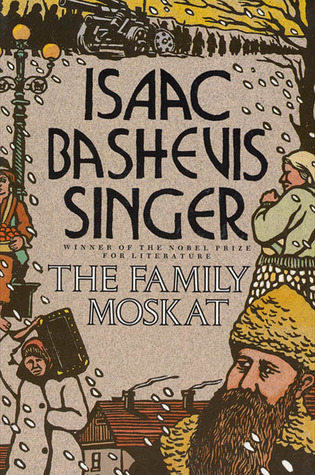
*The Family Moskat* chronicles the dissolution of a powerful Jewish family in Warsaw at the turn of the 20th century, tracing their responses to modernization, secularism, and impending global conflict. It’s a multi-generational saga, exploring the clash between tradition and progress, individual desires and communal bonds, against the backdrop of a vanishing world.
Both novels delve deeply into the psychological and spiritual lives of Eastern European Jews, particularly their struggles with identity, faith, and the shifting social landscape. They share a melancholic yet resilient tone, portraying characters grappling with profound choices and the weight of their heritage. Malamud and Singer masterfully craft narratives that explore the complex interplay of human nature and cultural pressures.
This novel offers a rich, immersive experience into a pivotal historical and cultural moment. Its enduring appeal lies in its compassionate yet unsparing portrayal of individuals facing societal upheaval, inviting contemplation on themes of faith, disillusionment, and the inexorable march of time. It’s a testament to the human spirit's endurance and fragility, providing a nuanced perspective on the challenges of preserving identity in a changing world.
The Family Moskat
*The Family Moskat* chronicles the dissolution of a powerful Jewish family in Warsaw at the turn of the 20th century, tracing their responses to modernization, secularism, and impending global conflict. It’s a multi-generational saga, exploring the clash between tradition and progress, individual desires and communal bonds, against the backdrop of a vanishing world.
Both novels delve deeply into the psychological and spiritual lives of Eastern European Jews, particularly their struggles with identity, faith, and the shifting social landscape. They share a melancholic yet resilient tone, portraying characters grappling with profound choices and the weight of their heritage. Malamud and Singer masterfully craft narratives that explore the complex interplay of human nature and cultural pressures.
This novel offers a rich, immersive experience into a pivotal historical and cultural moment. Its enduring appeal lies in its compassionate yet unsparing portrayal of individuals facing societal upheaval, inviting contemplation on themes of faith, disillusionment, and the inexorable march of time. It’s a testament to the human spirit's endurance and fragility, providing a nuanced perspective on the challenges of preserving identity in a changing world.
In the Beginning

Chaim Potok’s "In the Beginning" chronicles the intellectual and spiritual journey of David Lurie, a brilliant young man struggling with a debilitating stutter, as he navigates the complexities of Orthodox Jewish life in 1920s New York. David's profound academic prowess, particularly in biblical criticism, often clashes with the rigid doctrines of his upbringing and the expectations of his community, forcing him to reconcile his faith with his insatiable desire for truth and understanding.
This novel shares a thematic resonance with "The Magic Barrel" through its exploration of Jewish identity, faith, and the inherent tension between tradition and individual aspiration within a specific cultural context. Both works delve into the interior lives of characters wrestling with profound existential questions, seeking connection and meaning against a backdrop of deeply rooted cultural and religious practices. They reveal the human desire for authenticity and the challenging paths taken to achieve it.
This book offers a compelling narrative for those who appreciate introspective character studies and thoughtful examinations of faith, intellectual freedom, and belonging. It provides valuable insight into the internal struggles of reconciling personal conviction with communal expectations, offering a rich literary experience that transcends its specific cultural setting to resonate with universal themes of self-discovery and the search for truth.
In the Beginning
Chaim Potok’s "In the Beginning" chronicles the intellectual and spiritual journey of David Lurie, a brilliant young man struggling with a debilitating stutter, as he navigates the complexities of Orthodox Jewish life in 1920s New York. David's profound academic prowess, particularly in biblical criticism, often clashes with the rigid doctrines of his upbringing and the expectations of his community, forcing him to reconcile his faith with his insatiable desire for truth and understanding.
This novel shares a thematic resonance with "The Magic Barrel" through its exploration of Jewish identity, faith, and the inherent tension between tradition and individual aspiration within a specific cultural context. Both works delve into the interior lives of characters wrestling with profound existential questions, seeking connection and meaning against a backdrop of deeply rooted cultural and religious practices. They reveal the human desire for authenticity and the challenging paths taken to achieve it.
This book offers a compelling narrative for those who appreciate introspective character studies and thoughtful examinations of faith, intellectual freedom, and belonging. It provides valuable insight into the internal struggles of reconciling personal conviction with communal expectations, offering a rich literary experience that transcends its specific cultural setting to resonate with universal themes of self-discovery and the search for truth.
More Books to Explore
Discover more titles that expand on these ideas and themes.
The Assistant
The Complete Stories
The Fixer
The Natural
The Promise
The Book of Lights