10 Books Similar to "The Leadership Challenge"
by James M. Kouzes

The 21 Irrefutable Laws of Leadership: Follow Them and People Will Follow You
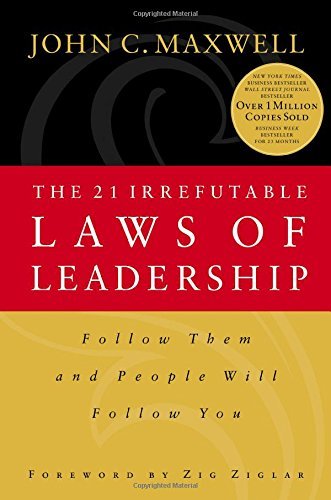
"The 21 Irrefutable Laws of Leadership" distills leadership principles into actionable guidelines. Maxwell presents each "law" as a fundamental truth of influence, from the Law of the Lid (leadership ability determines a person's level of effectiveness) to the Law of Magnetism (who you are is who you attract). The book provides illustrative examples and practical takeaways for applying these universal leadership tenets.
This book aligns with "The Leadership Challenge" by offering a foundational, principle-based approach to effective leadership. Both books emphasize that leadership isn't solely about position but about demonstrable behaviors and values. They provide frameworks for understanding and cultivating leadership, making the complex topic accessible and practical for aspiring and seasoned leaders alike.
This offers a direct and easily digestible guide to understanding and improving leadership capabilities. Its clear-cut "laws" provide a structured educational experience, simplifying complex leadership ideas into memorable principles. The guidance within is directly applicable, empowering individuals to enhance their influence and ultimately achieve greater impact through their leadership.
The 21 Irrefutable Laws of Leadership: Follow Them and People Will Follow You
"The 21 Irrefutable Laws of Leadership" distills leadership principles into actionable guidelines. Maxwell presents each "law" as a fundamental truth of influence, from the Law of the Lid (leadership ability determines a person's level of effectiveness) to the Law of Magnetism (who you are is who you attract). The book provides illustrative examples and practical takeaways for applying these universal leadership tenets.
This book aligns with "The Leadership Challenge" by offering a foundational, principle-based approach to effective leadership. Both books emphasize that leadership isn't solely about position but about demonstrable behaviors and values. They provide frameworks for understanding and cultivating leadership, making the complex topic accessible and practical for aspiring and seasoned leaders alike.
This offers a direct and easily digestible guide to understanding and improving leadership capabilities. Its clear-cut "laws" provide a structured educational experience, simplifying complex leadership ideas into memorable principles. The guidance within is directly applicable, empowering individuals to enhance their influence and ultimately achieve greater impact through their leadership.
The 21 Indispensable Qualities of a Leader: Becoming the Person Others Will Want to Follow

"The 21 Indispensable Qualities of a Leader" distills leadership down to a core set of personal attributes. Maxwell presents each quality—ranging from character and commitment to courage and generosity—with practical explanations and actionable insights. The book emphasizes that effective leadership isn't just about position or power, but about cultivating internal strengths that inspire others to follow. It's a guide for personal development as much as it is for leading teams.
This book shares common ground with "The Leadership Challenge" in its focus on the behavioral aspects of leadership. Both works explore the qualities and actions successful leaders exhibit, rather than just outlining organizational structures or theories. While Kouzes provides a research-backed framework of practices, Maxwell offers a detailed examination of the personal traits that underpin those practices, essentially delving into the "who" behind the "how."
This book resonates with individuals seeking to understand the foundational elements of effective leadership. It provides a clear, digestible framework for self-assessment and improvement. The practical nature of each quality's discussion offers a roadmap for cultivating the personal characteristics that foster influence and trust, ultimately helping individuals become the kind of leaders who genuinely attract and motivate others.
The 21 Indispensable Qualities of a Leader: Becoming the Person Others Will Want to Follow
"The 21 Indispensable Qualities of a Leader" distills leadership down to a core set of personal attributes. Maxwell presents each quality—ranging from character and commitment to courage and generosity—with practical explanations and actionable insights. The book emphasizes that effective leadership isn't just about position or power, but about cultivating internal strengths that inspire others to follow. It's a guide for personal development as much as it is for leading teams.
This book shares common ground with "The Leadership Challenge" in its focus on the behavioral aspects of leadership. Both works explore the qualities and actions successful leaders exhibit, rather than just outlining organizational structures or theories. While Kouzes provides a research-backed framework of practices, Maxwell offers a detailed examination of the personal traits that underpin those practices, essentially delving into the "who" behind the "how."
This book resonates with individuals seeking to understand the foundational elements of effective leadership. It provides a clear, digestible framework for self-assessment and improvement. The practical nature of each quality's discussion offers a roadmap for cultivating the personal characteristics that foster influence and trust, ultimately helping individuals become the kind of leaders who genuinely attract and motivate others.
The Leader in Me: How Schools and Parents Around the World Are Inspiring Greatness, One Child At a Time

"The Leader in Me" transforms school cultures by embedding principles of leadership and self-mastery into the curriculum. It’s an educational framework that teaches children from a young age how to take initiative, set goals, manage their time, and collaborate effectively, all based on Stephen Covey's "7 Habits of Highly Effective People." The book showcases stories and strategies for fostering leadership qualities within the everyday school environment and at home.
This book resonates with "The Leadership Challenge" because both emphasize that leadership isn't an innate quality but a set of learnable practices. While Kouzes focuses on established leaders influencing organizations, Covey extends these same foundational principles to empower even the youngest individuals to lead their own lives and contribute positively to their communities. Both advocate for practical, repeatable behaviors that cultivate effectiveness and inspire others.
Those interested in cultivating leadership skills from an early age, improving educational outcomes, or fostering responsible, proactive individuals will find significant value. It offers concrete examples and actionable strategies for parents, educators, and community leaders aiming to instill self-leadership and accountability in children, ultimately shaping future generations of effective contributors.
The Leader in Me: How Schools and Parents Around the World Are Inspiring Greatness, One Child At a Time
"The Leader in Me" transforms school cultures by embedding principles of leadership and self-mastery into the curriculum. It’s an educational framework that teaches children from a young age how to take initiative, set goals, manage their time, and collaborate effectively, all based on Stephen Covey's "7 Habits of Highly Effective People." The book showcases stories and strategies for fostering leadership qualities within the everyday school environment and at home.
This book resonates with "The Leadership Challenge" because both emphasize that leadership isn't an innate quality but a set of learnable practices. While Kouzes focuses on established leaders influencing organizations, Covey extends these same foundational principles to empower even the youngest individuals to lead their own lives and contribute positively to their communities. Both advocate for practical, repeatable behaviors that cultivate effectiveness and inspire others.
Those interested in cultivating leadership skills from an early age, improving educational outcomes, or fostering responsible, proactive individuals will find significant value. It offers concrete examples and actionable strategies for parents, educators, and community leaders aiming to instill self-leadership and accountability in children, ultimately shaping future generations of effective contributors.
Leaders Eat Last: Why Some Teams Pull Together and Others Don't
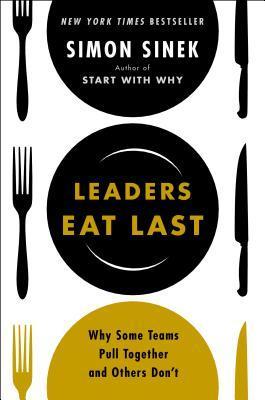
"Leaders Eat Last" by Simon Sinek argues that true leadership fosters a "Circle of Safety," where team members feel protected and valued. Sinek asserts that when leaders prioritize their people's well-being over metrics or personal gain, trust flourishes, cooperation increases, and teams become remarkably resilient. He explores the biological and evolutionary reasons for this dynamic, emphasizing empathy and self-sacrifice as foundational to effective leadership.
This book resonates with "The Leadership Challenge" by Kouzes due to their shared emphasis on empowering and inspiring others. Both texts champion a leadership style rooted in genuine connection and fostering an environment where individuals can thrive. While Kouzes provides a practical framework for exemplary leadership, Sinek offers a deeper, biologically-informed rationale for why such human-centric leadership is so profoundly effective.
The concepts presented will appeal to anyone seeking to build stronger, more cohesive teams and cultivate a truly engaged workforce. It offers a compelling, research-backed perspective on the human element of leadership, providing actionable insights into creating environments where people feel safe enough to innovate, take risks, and contribute their best, ultimately leading to sustained organizational success.
Leaders Eat Last: Why Some Teams Pull Together and Others Don't
"Leaders Eat Last" by Simon Sinek argues that true leadership fosters a "Circle of Safety," where team members feel protected and valued. Sinek asserts that when leaders prioritize their people's well-being over metrics or personal gain, trust flourishes, cooperation increases, and teams become remarkably resilient. He explores the biological and evolutionary reasons for this dynamic, emphasizing empathy and self-sacrifice as foundational to effective leadership.
This book resonates with "The Leadership Challenge" by Kouzes due to their shared emphasis on empowering and inspiring others. Both texts champion a leadership style rooted in genuine connection and fostering an environment where individuals can thrive. While Kouzes provides a practical framework for exemplary leadership, Sinek offers a deeper, biologically-informed rationale for why such human-centric leadership is so profoundly effective.
The concepts presented will appeal to anyone seeking to build stronger, more cohesive teams and cultivate a truly engaged workforce. It offers a compelling, research-backed perspective on the human element of leadership, providing actionable insights into creating environments where people feel safe enough to innovate, take risks, and contribute their best, ultimately leading to sustained organizational success.
Start with Why: How Great Leaders Inspire Everyone to Take Action
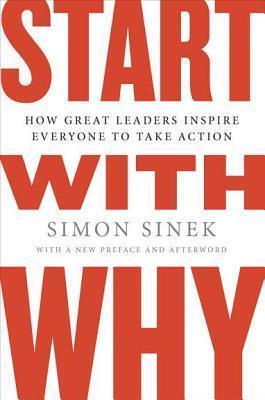
"Start with Why" explores the fundamental concept that truly great leaders and organizations don't just know *what* they do or *how* they do it; they understand and articulate *why* they do it. Sinek argues that this "why" – their purpose, cause, or belief – is what inspires loyalty and action, both internally and externally. He introduces the "Golden Circle" framework to illustrate how communicating from the inside out (starting with "why") creates greater engagement and success.
This book shares a foundational commonality with "The Leadership Challenge" in its focus on the underlying principles that drive effective leadership and organizational success. Both works emphasize that leadership isn't just about managing tasks or wielding authority, but about cultivating a deeper connection and inspiration, whether through Kouzes and Posner's Five Practices or Sinek's "why." They both offer frameworks for understanding and implementing powerful leadership behaviors.
It will appeal to readers because it offers a compelling, intuitive framework for understanding inspiration and influence. Its value lies in providing practical guidance for articulating purpose, fostering genuine engagement, and building sustainable success, applicable to individuals, teams, and entire organizations. This insight can profoundly reshape how one approaches communication, motivation, and strategic decision-making.
Start with Why: How Great Leaders Inspire Everyone to Take Action
"Start with Why" explores the fundamental concept that truly great leaders and organizations don't just know *what* they do or *how* they do it; they understand and articulate *why* they do it. Sinek argues that this "why" – their purpose, cause, or belief – is what inspires loyalty and action, both internally and externally. He introduces the "Golden Circle" framework to illustrate how communicating from the inside out (starting with "why") creates greater engagement and success.
This book shares a foundational commonality with "The Leadership Challenge" in its focus on the underlying principles that drive effective leadership and organizational success. Both works emphasize that leadership isn't just about managing tasks or wielding authority, but about cultivating a deeper connection and inspiration, whether through Kouzes and Posner's Five Practices or Sinek's "why." They both offer frameworks for understanding and implementing powerful leadership behaviors.
It will appeal to readers because it offers a compelling, intuitive framework for understanding inspiration and influence. Its value lies in providing practical guidance for articulating purpose, fostering genuine engagement, and building sustainable success, applicable to individuals, teams, and entire organizations. This insight can profoundly reshape how one approaches communication, motivation, and strategic decision-making.
The Way of the Shepherd: Seven Secrets to Managing Productive People

"The Way of the Shepherd" by Kevin Leman presents a unique leadership parable, illustrating effective management through the metaphor of a shepherd and his flock. It distills complex leadership principles into seven straightforward "secrets," emphasizing care, protection, and guidance to foster a productive and engaged team. The book offers practical advice on understanding individual needs, setting clear expectations, and building trust, all within a narrative framework.
This book resonates with "The Leadership Challenge" by sharing a fundamental belief in the positive influence leaders have on their people. Both works advocate for leaders who inspire, enable, and encourage, rather than simply dictate. They highlight the importance of building strong relationships, fostering a sense of shared purpose, and actively developing those under one's charge.
Individuals seeking to cultivate a more empathetic and effective leadership style will find this book particularly insightful. It provides actionable strategies for creating a supportive environment where people feel valued, understood, and motivated to contribute their best. The accessible, story-driven approach makes these powerful concepts easy to grasp and apply, leading to tangible improvements in team performance and morale.
The Way of the Shepherd: Seven Secrets to Managing Productive People
"The Way of the Shepherd" by Kevin Leman presents a unique leadership parable, illustrating effective management through the metaphor of a shepherd and his flock. It distills complex leadership principles into seven straightforward "secrets," emphasizing care, protection, and guidance to foster a productive and engaged team. The book offers practical advice on understanding individual needs, setting clear expectations, and building trust, all within a narrative framework.
This book resonates with "The Leadership Challenge" by sharing a fundamental belief in the positive influence leaders have on their people. Both works advocate for leaders who inspire, enable, and encourage, rather than simply dictate. They highlight the importance of building strong relationships, fostering a sense of shared purpose, and actively developing those under one's charge.
Individuals seeking to cultivate a more empathetic and effective leadership style will find this book particularly insightful. It provides actionable strategies for creating a supportive environment where people feel valued, understood, and motivated to contribute their best. The accessible, story-driven approach makes these powerful concepts easy to grasp and apply, leading to tangible improvements in team performance and morale.
Dare: Accepting the Challenge of Trusting Leadership
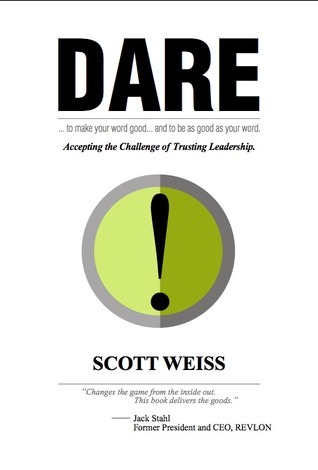
"Dare: Accepting the Challenge of Trusting Leadership" unpacks the vital role of trust in effective leadership within modern organizations. Scott Weiss argues that in an increasingly complex and uncertain world, leaders must actively cultivate and demonstrate trust, both internally within their teams and externally with stakeholders. The book provides practical insights and a framework for building this trust, emphasizing authenticity, transparency, and a willingness to empower others.
This book resonates with themes explored in "The Leadership Challenge" by Kouzes, particularly their emphasis on inspiring a shared vision and enabling others to act. Both works highlight that leadership isn't solely about position or authority, but about fostering an environment where individuals feel valued, empowered, and confident in their collective purpose. Weiss's focus on trust directly supports Kouzes's principles of building credibility and fostering collaboration.
Individuals seeking to cultivate stronger, more effective leadership will find this book invaluable. It offers actionable strategies for navigating contemporary leadership challenges, fostering deeper engagement, and ultimately driving better organizational outcomes through a foundation of trust. Its practical approach provides a clear path for leaders to enhance their influence and impact.
Dare: Accepting the Challenge of Trusting Leadership
"Dare: Accepting the Challenge of Trusting Leadership" unpacks the vital role of trust in effective leadership within modern organizations. Scott Weiss argues that in an increasingly complex and uncertain world, leaders must actively cultivate and demonstrate trust, both internally within their teams and externally with stakeholders. The book provides practical insights and a framework for building this trust, emphasizing authenticity, transparency, and a willingness to empower others.
This book resonates with themes explored in "The Leadership Challenge" by Kouzes, particularly their emphasis on inspiring a shared vision and enabling others to act. Both works highlight that leadership isn't solely about position or authority, but about fostering an environment where individuals feel valued, empowered, and confident in their collective purpose. Weiss's focus on trust directly supports Kouzes's principles of building credibility and fostering collaboration.
Individuals seeking to cultivate stronger, more effective leadership will find this book invaluable. It offers actionable strategies for navigating contemporary leadership challenges, fostering deeper engagement, and ultimately driving better organizational outcomes through a foundation of trust. Its practical approach provides a clear path for leaders to enhance their influence and impact.
First, Break All the Rules: What the World's Greatest Managers Do Differently

"First, Break All the Rules" dives into the practices of exceptional managers, revealing that they often achieve success by challenging conventional management wisdom. Instead of focusing on fixing weaknesses, great managers identify and leverage their employees' unique strengths. The book presents twelve core questions that serve as indicators of strong management, gleaned from extensive research and interviews with over 80,000 managers.
This book shares common ground with "The Leadership Challenge" in its emphasis on practical, evidence-based approaches to influence and motivation within organizations. Both volumes dissect what makes individuals effective in leadership roles, albeit with "First, Break All the Rules" concentrating specifically on the direct manager-employee dynamic. Both also champion the idea of cultivating an environment where individuals can thrive and contribute their best.
The book will resonate with anyone seeking to elevate their management skills, offering actionable insights rooted in empirical data. It provides a compelling framework for fostering high-performing teams, increasing employee engagement, and ultimately driving organizational success through a human-centric, strengths-based approach. The practical advice within its pages empowers managers to create a more productive and fulfilling work environment for their teams.
First, Break All the Rules: What the World's Greatest Managers Do Differently
"First, Break All the Rules" dives into the practices of exceptional managers, revealing that they often achieve success by challenging conventional management wisdom. Instead of focusing on fixing weaknesses, great managers identify and leverage their employees' unique strengths. The book presents twelve core questions that serve as indicators of strong management, gleaned from extensive research and interviews with over 80,000 managers.
This book shares common ground with "The Leadership Challenge" in its emphasis on practical, evidence-based approaches to influence and motivation within organizations. Both volumes dissect what makes individuals effective in leadership roles, albeit with "First, Break All the Rules" concentrating specifically on the direct manager-employee dynamic. Both also champion the idea of cultivating an environment where individuals can thrive and contribute their best.
The book will resonate with anyone seeking to elevate their management skills, offering actionable insights rooted in empirical data. It provides a compelling framework for fostering high-performing teams, increasing employee engagement, and ultimately driving organizational success through a human-centric, strengths-based approach. The practical advice within its pages empowers managers to create a more productive and fulfilling work environment for their teams.
The Coaching Habit: Say Less, Ask More & Change the Way You Lead Forever
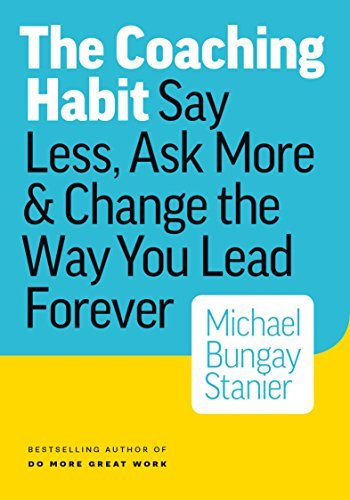
"The Coaching Habit" distills effective coaching into a simple, actionable framework. It highlights seven core questions leaders can consistently ask to empower their teams, foster independent problem-solving, and improve communication. This approach enables leaders to move beyond simply giving advice, instead developing their direct reports' capabilities and ownership.
It shares common ground with "The Leadership Challenge" by focusing on the practical application of leadership principles. Both books emphasize the importance of empowering others, building trust, and fostering a collaborative environment. While "The Leadership Challenge" offers a broader leadership framework, "The Coaching Habit" provides a more granular, tactical guide for a key component of effective leadership: developing people through skillful questioning.
This book will appeal to those seeking a practical, immediately applicable method for improving their leadership impact. Its concise, straightforward advice offers a powerful alternative to traditional management styles, promising a more engaged, proactive, and capable workforce. Its value lies in providing tools to elevate not just individual performance, but the collective capacity of a team.
The Coaching Habit: Say Less, Ask More & Change the Way You Lead Forever
"The Coaching Habit" distills effective coaching into a simple, actionable framework. It highlights seven core questions leaders can consistently ask to empower their teams, foster independent problem-solving, and improve communication. This approach enables leaders to move beyond simply giving advice, instead developing their direct reports' capabilities and ownership.
It shares common ground with "The Leadership Challenge" by focusing on the practical application of leadership principles. Both books emphasize the importance of empowering others, building trust, and fostering a collaborative environment. While "The Leadership Challenge" offers a broader leadership framework, "The Coaching Habit" provides a more granular, tactical guide for a key component of effective leadership: developing people through skillful questioning.
This book will appeal to those seeking a practical, immediately applicable method for improving their leadership impact. Its concise, straightforward advice offers a powerful alternative to traditional management styles, promising a more engaged, proactive, and capable workforce. Its value lies in providing tools to elevate not just individual performance, but the collective capacity of a team.
The Advantage: Why Organizational Health Trumps Everything Else In Business
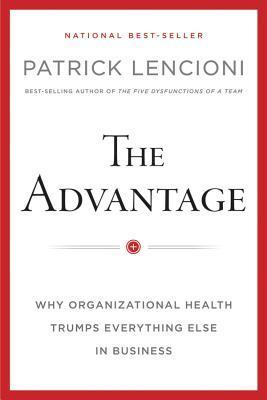
*The Advantage* by Patrick Lencioni posits that organizational health, characterized by minimal politics, minimal confusion, high morale, and high productivity, is the ultimate competitive differentiator. Lencioni argues that a healthy organization thrives not just on smart strategies or innovative products, but on cohesion, clarity, and engaged employees. He outlines practical steps for leaders to cultivate this health, focusing on building a cohesive leadership team, creating clarity through shared purpose and values, over-communicating that clarity, and reinforcing it through aligned systems.
This work resonates with *The Leadership Challenge* through its shared emphasis on the relational and cultural dimensions of effective leadership. While Kouzes and Posner define leadership based on five practices that inspire others, Lencioni similarly highlights how robust leadership directly fosters an environment where those practices can flourish. Both stress that successful organizations are built on principles beyond mere technical expertise, requiring leaders to cultivate trust, shared vision, and a strong collective identity.
This book will appeal to individuals seeking actionable strategies for improving team dynamics and overall organizational performance. It speaks directly to the challenges of workplace dysfunction, offering a compelling argument for prioritizing culture and communication as fundamental business drivers. The practical framework provided empowers leaders to build more engaged, productive, and ultimately more successful teams, translating directly into tangible business benefits.
The Advantage: Why Organizational Health Trumps Everything Else In Business
*The Advantage* by Patrick Lencioni posits that organizational health, characterized by minimal politics, minimal confusion, high morale, and high productivity, is the ultimate competitive differentiator. Lencioni argues that a healthy organization thrives not just on smart strategies or innovative products, but on cohesion, clarity, and engaged employees. He outlines practical steps for leaders to cultivate this health, focusing on building a cohesive leadership team, creating clarity through shared purpose and values, over-communicating that clarity, and reinforcing it through aligned systems.
This work resonates with *The Leadership Challenge* through its shared emphasis on the relational and cultural dimensions of effective leadership. While Kouzes and Posner define leadership based on five practices that inspire others, Lencioni similarly highlights how robust leadership directly fosters an environment where those practices can flourish. Both stress that successful organizations are built on principles beyond mere technical expertise, requiring leaders to cultivate trust, shared vision, and a strong collective identity.
This book will appeal to individuals seeking actionable strategies for improving team dynamics and overall organizational performance. It speaks directly to the challenges of workplace dysfunction, offering a compelling argument for prioritizing culture and communication as fundamental business drivers. The practical framework provided empowers leaders to build more engaged, productive, and ultimately more successful teams, translating directly into tangible business benefits.
More Books to Explore
Discover more titles that expand on these ideas and themes.
The 21 Irrefutable Laws of Leadership: Follow Them and People Will Follow You
The 21 Indispensable Qualities of a Leader: Becoming the Person Others Will Want to Follow
The Leader in Me: How Schools and Parents Around the World Are Inspiring Greatness, One Child At a Time
Leaders Eat Last: Why Some Teams Pull Together and Others Don't
Start with Why: How Great Leaders Inspire Everyone to Take Action
The Way of the Shepherd: Seven Secrets to Managing Productive People